A federal appeals court stopped the execution of Christa Gail Pike, who was convicted of a 1995 murder committed at age 18 in Tennessee. The court wants to review if her claims of childhood abuse and mental illness were properly considered before she was sentenced to death.
Key Facts
Christa Gail Pike was convicted for the 1995 murder of Colleen Slemmer when Pike was 18 years old.
Pike was scheduled to be the first woman executed in Tennessee in over 200 years.
The 6th Circuit U.S. Court of Appeals halted her execution about an hour before it was to start.
Pike alleges severe childhood sexual abuse and says she has mental illnesses, including bipolar disorder and PTSD.
Her boyfriend, who was 17 at the time, admitted to carving a pentagram into the victim’s body and was sentenced to life with parole.
Pike’s supporters argue her age and mental condition should impact her death sentence.
The victim’s mother supports the execution and has waited decades for it to happen.
Tennessee’s attorney general appealed the stay to the U.S. Supreme Court.
Read the Original
Want the full story? Tap a source to open the original
article.
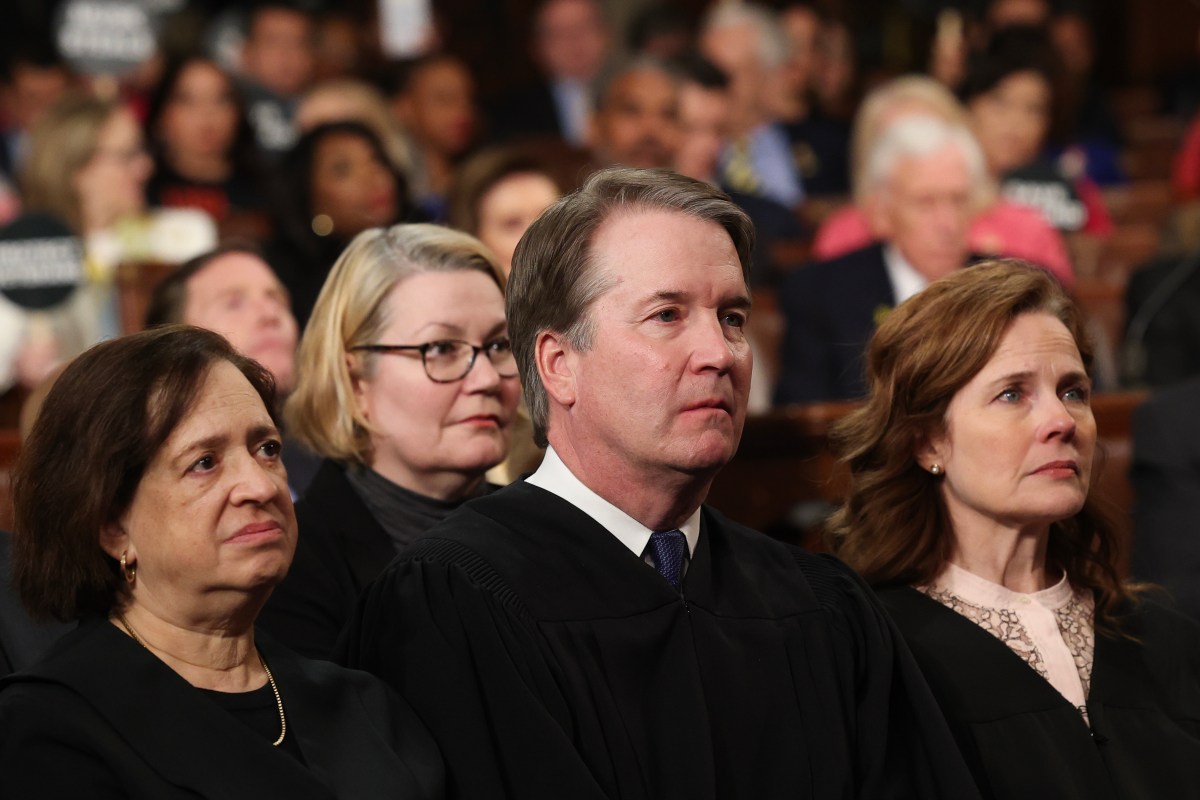
A new Gallup poll shows the U.S. Supreme Court’s approval rating among independent voters has dropped to 31%, the lowest ever recorded by Gallup. Overall approval for the Court is near a record low, with views strongly divided along political lines.
Key Facts
Supreme Court approval among independents fell to 31%, the lowest in Gallup poll history.
Overall Supreme Court approval is at 34%, close to the record low of 33%.
Democrats' approval remains low at about 12%, while Republicans’ approval rose to 65%.
The Court’s approval was as high as 58% in July 2020 but has steadily declined since then.
43% of Americans think the Court is too conservative, 35% say it is about right, and 17% say it is too liberal.
Conservative justices hold a 6-3 majority on the Supreme Court.
Some justices, like Ketanji Brown Jackson, have expressed concerns about the Court’s use of fast-track decisions called the “shadow docket.”
The poll surveyed 1,000 adults with a margin of error of ±4%, conducted from September 1 to 17, 2026.
Read the Original
Want the full story? Tap a source to open the original
article.
Malaysia is returning thousands of Rohingya refugees to Myanmar, a country still facing violence. The Malaysian government says the returns are voluntary and done with Myanmar’s agreement, but human rights groups argue this breaks international law.
Key Facts
Over 100,000 Rohingya refugees came to Malaysia nearly 10 years ago to escape violence in Myanmar.
Recently, Malaysia has started sending thousands of these refugees back to Myanmar.
Malaysia denies forcing refugees to leave, saying the return is voluntary and coordinated with Myanmar.
Human rights organizations claim this practice violates international law.
International law says refugees should not be sent back to places where they might face harm or torture.
Myanmar continues to have conflicts and violence affecting the Rohingya people.
Experts and activists have expressed concerns about the safety and rights of the Rohingya being returned.
Read the Original
Want the full story? Tap a source to open the original
article.
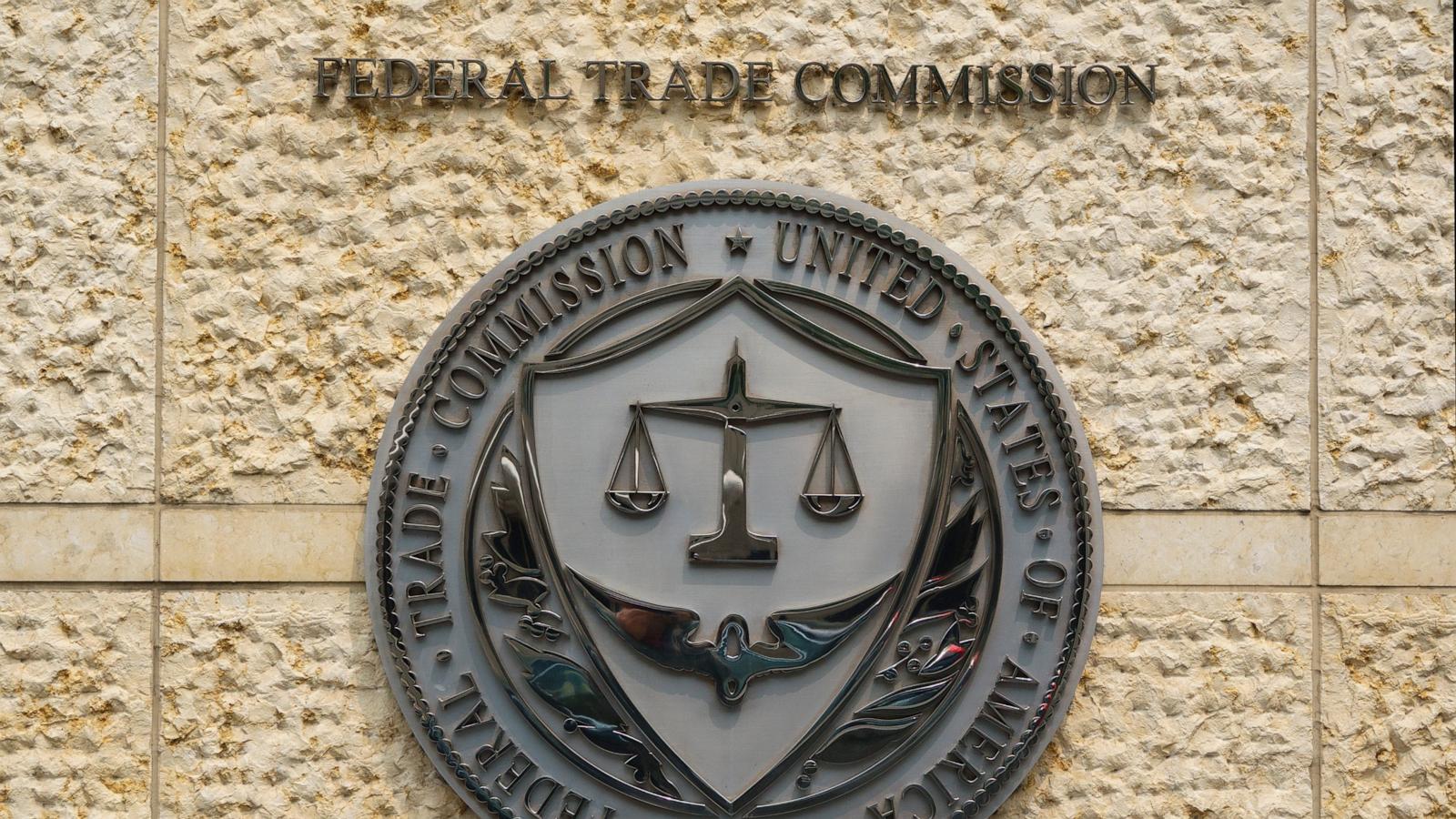
The Federal Trade Commission (FTC) has started a wide investigation into how safe artificial intelligence (AI) systems are. The probe includes companies like Anthropic and OpenAI.
Key Facts
The FTC is looking into the safety of AI technologies.
This investigation covers major AI companies, including Anthropic and OpenAI.
The goal is to understand potential risks or problems linked to AI systems.
The investigation is broad, meaning it covers many aspects of AI safety.
The source of this information is someone familiar with the probe and confirmed it to ABC News.
The story is new and may have updates as the FTC continues its work.
Read the Original
Want the full story? Tap a source to open the original
article.
The United States has taken Syria off the list of countries banned from buying or importing US weapons. This decision allows US arms sales to Syria to be approved case by case as part of improved relations between Washington and the new Syrian government.
Key Facts
Syria was removed from the banned list for US arms exports under new rules announced by the US Department of State.
The change allows the US to review arms sales to Syria individually rather than impose a full ban.
This policy shift follows the removal of Syria as a “state sponsor of terrorism” by the US in August 2026.
The US plans to eventually reopen its embassy in Damascus, closed since 2012.
The new Syrian president, Ahmed al-Sharaa, aims to improve relations with the US and seek relief from economic sanctions.
Al-Sharaa was previously linked to the al-Nusra Front armed group.
These changes come under President Donald Trump’s administration, which has eased previous restrictions on Syria.
Syria’s long-time leader Bashar al-Assad was ousted by rebels in December 2024.
Read the Original
Want the full story? Tap a source to open the original
article.
A Federal Reserve watchdog found no criminal wrongdoing by former Fed Chair Jerome Powell in the investigation of the central bank’s costly headquarters renovation. However, the watchdog criticized the Fed’s management for poor oversight, which led to construction costs doubling to $2.5 billion.
Key Facts
The Federal Reserve’s Office of Inspector General found no evidence of criminal law violations by Jerome Powell.
The Justice Department had previously opened a criminal investigation into Powell related to the renovation costs.
The report found no administrative misconduct by Powell during the investigation.
Construction costs for the Fed’s headquarters renovation increased from $1 billion to $2.5 billion.
The watchdog said Fed management did not take steps that might have controlled or reduced cost increases.
Two major contracts for mechanical, electrical, and plumbing work tripled from $178 million to $539 million, beyond normal inflation.
President Trump publicly criticized Powell over the renovation’s high costs in 2025.
Powell stayed on the Fed’s board after his chair term ended in May to oversee the investigation’s conclusion.
Read the Original
Want the full story? Tap a source to open the original
article.
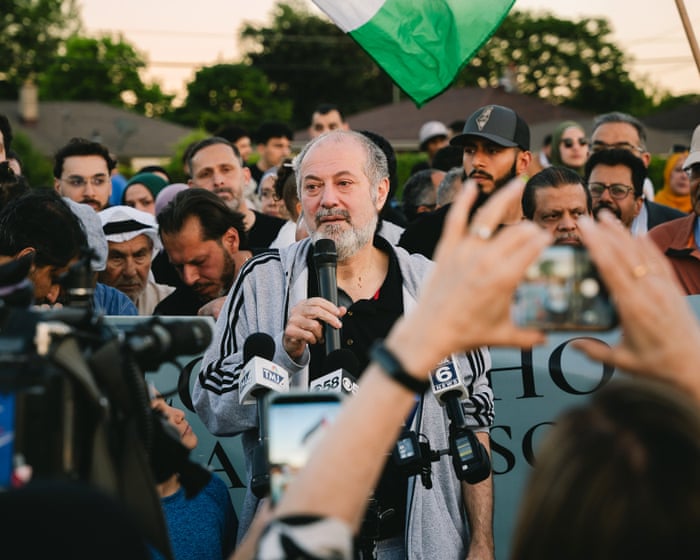
An immigration judge ruled that Salah Sarsour, the president of Wisconsin’s largest mosque and a US permanent resident, can be deported using an old law from the Cold War era. This decision came despite earlier court findings that his detention was likely due to his public support for Palestinian rights.
Key Facts
Salah Sarsour has been a US permanent resident for nearly 30 years and leads Wisconsin’s largest mosque.
He was detained by US Immigration and Customs Enforcement (ICE) in March but released after a judge said his detention may have been retaliation for his activism.
A separate immigration case was fast-tracked, leading to a judge ruling that Sarsour is removable from the US.
The judge overseeing the case, Jayme Salinardi, announced retirement shortly after the decision.
The Department of Homeland Security claims Sarsour funded terrorism and lied on immigration forms; Sarsour denies these accusations.
DHS cited decades-old military court convictions in Israel related to violence during the first intifada; Sarsour says he was arrested as a teenager and forced to sign documents under duress.
Sarsour is also a board member of American Muslims for Palestine, a group accused by the Trump administration of opposing US foreign policy.
Sarsour has six children and nine grandchildren, all US citizens, and says he will continue fighting the deportation and advocating for free speech.
Read the Original
Want the full story? Tap a source to open the original
article.
Senate Democrats blocked a Republican bill designed to protect Americans from higher energy costs caused by data centers. The bill aimed to make companies pay for the costs, but Democrats said the bill only offered optional protections and lacked real enforcement.
Key Facts
Senate Democrats voted 57 to 43 against the GOP-led Ratepayer Protection Act.
The bill passed the House with strong bipartisan support (417 to 3 votes).
The bill would let state regulators consider standards to make companies pay more for energy infrastructure costs caused by data centers.
Democrats opposed the bill because its protections are voluntary, not mandatory.
Senate Minority Leader Chuck Schumer criticized the bill as a weak "messaging" effort with no real enforcement.
Republican Senator Jon Husted from Ohio supports the bill and faces a tough election race.
Senate Democrats want stronger laws with clear consequences to control energy costs linked to data centers and AI growth.
The vote took place just before senators left for election campaigns and followed a blocked Senate GOP effort on congressional stock trading limits.
Read the Original
Want the full story? Tap a source to open the original
article.
Stella McCartney highlighted animal rights and ocean conservation at Paris Fashion Week, focusing on cruelty in wool production and protecting sea life. She showcased alternatives to wool and emphasized the need for responsible, humane practices in fashion.
Key Facts
Stella McCartney has spoken about animal rights at fashion week for 30 years.
This season, no wool was used on her runway due to concerns about cruelty in wool production.
She works with biotech company Spiber to develop alternative materials like Brewed Protein as substitutes for wool and cashmere.
McCartney allows only responsibly sourced wool in her collections, monitoring suppliers closely.
The issue of cruelty in wool has gained more attention following a protest incident at New York Fashion Week.
At Paris Fashion Week, she shifted focus to protecting sea life instead of eating seafood.
The show took place in the British embassy gardens, featuring ocean-themed clothing and a message from oceanographer Sylvia Earle.
McCartney said humans are harming oceans and many sea creatures die as bycatch when fishing.
Read the Original
Want the full story? Tap a source to open the original
article.
The Federal Reserve’s internal watchdog found that the agency did not manage a $2.4 billion building renovation project well but did not break any laws. The renovation costs doubled and the project was delayed, but no criminal actions were found after an investigation.
Key Facts
The Federal Reserve’s inspector general (IG) reported mismanagement but no criminal violations in the renovation project.
The project cost increased from $921 million in 2020 to over $2 billion by the end of 2024.
The renovation is planned to finish in December 2027, much later than the original mid-2024 date.
The Fed did not get a full initial cost estimate or set a maximum spending limit for the project.
A 2023 design change from open workspaces to closed offices caused delays and higher costs.
Some expensive features criticized before, like fountains and marble, were not the main reasons for cost increases.
The Trump administration investigated whether Fed Chair Powell lied about the renovation costs, but this investigation was dropped.
The IG report said no federal criminal laws were broken, so no case was sent to the US attorney general.
Read the Original
Want the full story? Tap a source to open the original
article.
Senate Democrats blocked a bill aimed at making datacenters pay more of the electricity costs they create, a concern for many voters. The bill passed in the House but failed in the Senate, where Democrats said it would not effectively lower electricity bills.
Key Facts
The Ratepayer Protection Act tried to make datacenters cover costs for electricity upgrades instead of customers.
The bill passed almost unanimously in the House but failed in the Senate by a 57-43 vote.
A 60-vote majority was needed to move the bill forward in the Republican-controlled Senate.
Datacenters have been using more electricity due to growth in AI and technology.
Voters are worried that datacenters increase their electricity bills.
The bill was supported by Republican lawmakers Gabe Evans (House) and Jon Husted (Senate).
Democrats opposed the bill, arguing it wouldn’t actually reduce energy use or costs.
The Senate is ending work soon before the November midterm elections, where energy prices are a key issue.
Read the Original
Want the full story? Tap a source to open the original
article.
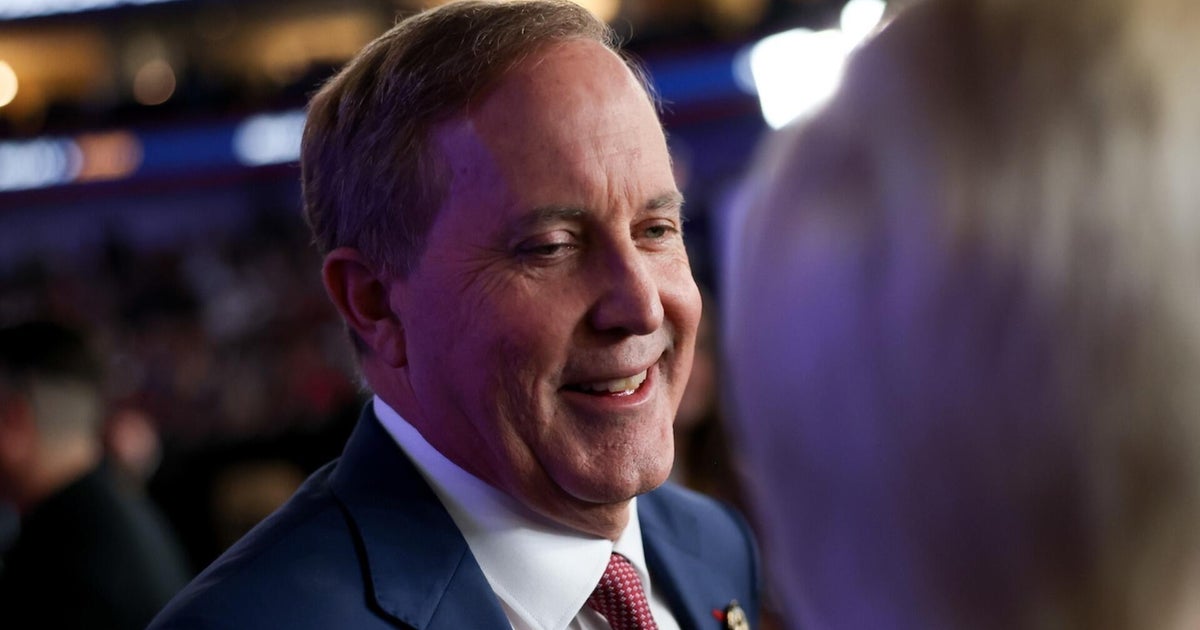
Texas Attorney General Ken Paxton was recorded making comments about the Republican Party’s midterm convention. The audio was leaked and published by The New York Times. CBS News covered the story with a report by Fin Gomez.
Key Facts
Ken Paxton is the Attorney General of Texas.
Paxton’s remarks were about the Republican midterm convention, known as the GOP convention.
The audio of his comments was leaked to the public.
The New York Times published the leaked audio.
CBS News reported on the situation shortly after the leak.
Fin Gomez was the CBS News reporter covering this story.
The context involves Republican Party events ahead of the midterm elections.
Read the Original
Want the full story? Tap a source to open the original
article.
The Massachusetts attorney general released a report showing that over 270 Catholic priests were accused of sexually abusing 944 children in three dioceses, but no new charges will be filed. The investigation found that church leaders often covered up abuse by moving accused priests to new places or sending them to treatment, and many cases are too old to be prosecuted.
Key Facts
The report covers abuse allegations in the Fall River, Springfield, and Worcester dioceses in Massachusetts.
The investigation started in 2019 and reviewed more than 300,000 pages of documents and interviewed over 100 people.
Most abuse cases happened before 2002, and laws preventing abuse were not retroactive, so no new criminal charges can be made.
Church leaders transferred accused priests to different congregations without warning parishioners.
Some accused priests went to psychiatric care but later returned to ministry and allegedly abused again.
Survivors reported feeling pressured to stay silent or to tell their stories only to internal church investigators, sometimes under non-disclosure agreements (NDAs).
Only the Worcester diocese in Massachusetts still has not published a list of credibly accused priests.
The report says publishing these lists helps survivors come forward and improves transparency.
Read the Original
Want the full story? Tap a source to open the original
article.
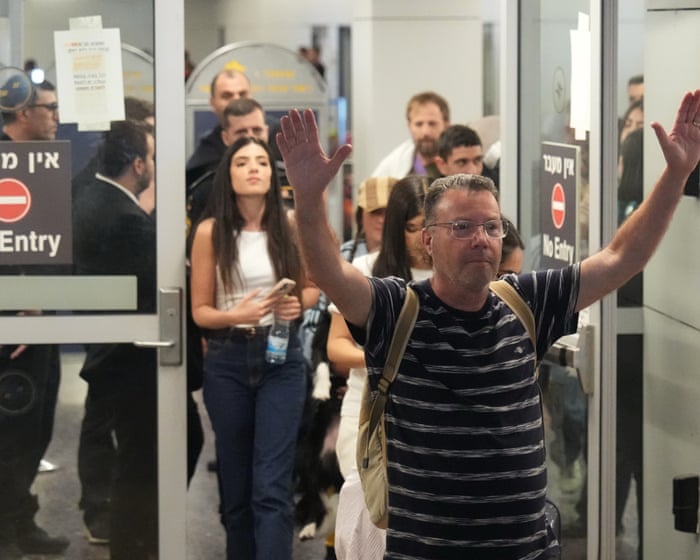
A flydubai flight traveling from Dubai to Tel Aviv faced a severe emergency after a sudden sharp drop from 10,000 meters to 5,100 meters altitude. The situation involved an alleged fight between the pilot and co-pilot, injuries onboard, and the plane made an emergency landing in Saudi Arabia.
Key Facts
Flight FZ 1073 was delayed by 20 minutes before takeoff.
The plane dropped about 5,000 meters in less than two minutes after cruising normally.
Emergency signals, including hijack alerts, were transmitted by the aircraft.
Passengers reported a stabbing incident between the pilot and co-pilot inside the cockpit.
Some passengers and pilots were injured, with videos showing blood and people receiving aid.
Passengers helped restrain the alleged attacker and assisted the injured pilot.
The plane made an emergency landing in the Tabuk area of Saudi Arabia instead of reaching Tel Aviv.
Investigations are ongoing to understand what happened during the incident.
Read the Original
Want the full story? Tap a source to open the original
article.
The U.S. military has officially ended Operation Inherent Resolve in Iraq, which started in 2014 to fight the ISIS group. U.S. troops are now leaving Iraq after 12 years of involvement.
Key Facts
Operation Inherent Resolve began in 2014 to combat ISIS in Iraq.
The U.S. military is ending this operation after 12 years.
U.S. troops are withdrawing from Iraq following the operation's end.
The operation focused on defeating ISIS and stabilizing the region.
This marks a significant change in U.S. military presence in Iraq.
Read the Original
Want the full story? Tap a source to open the original
article.
Senate Democrats blocked a bill called the Ratepayer Protection Act, which aimed to address electricity costs for data centers. The bill passed the House with support from both parties but did not get enough votes in the Senate to move forward.
Key Facts
The bill focused on electricity costs for data centers.
It was called the Ratepayer Protection Act.
The bill passed the House of Representatives with support from both Democrats and Republicans.
Senate Democrats blocked the bill by not reaching the 60 votes needed to overcome a filibuster.
The block happened during a procedural vote on Wednesday.
Senate Democrats described the bill as ineffective or "toothless."
The bill did not become law because it failed to advance in the Senate.
Data centers use large amounts of electricity, which is why the bill's focus was on electricity costs.
Read the Original
Want the full story? Tap a source to open the original
article.
Defense Secretary Pete Hegseth will give a speech called the State of the Force address to share his plans for the U.S. military. He will propose reducing the number of generals and admirals by 20 percent, which is twice the previous cut planned.
Key Facts
Pete Hegseth is the U.S. Secretary of Defense.
He will speak about the military’s future during the State of the Force address.
Hegseth plans to reduce the number of generals and admirals by 20 percent.
This reduction is double the size of a previous planned cut.
The change aims to reorganize the leadership at the Pentagon, the U.S. Department of Defense building.
The speech takes place on Wednesday.
Read the Original
Want the full story? Tap a source to open the original
article.
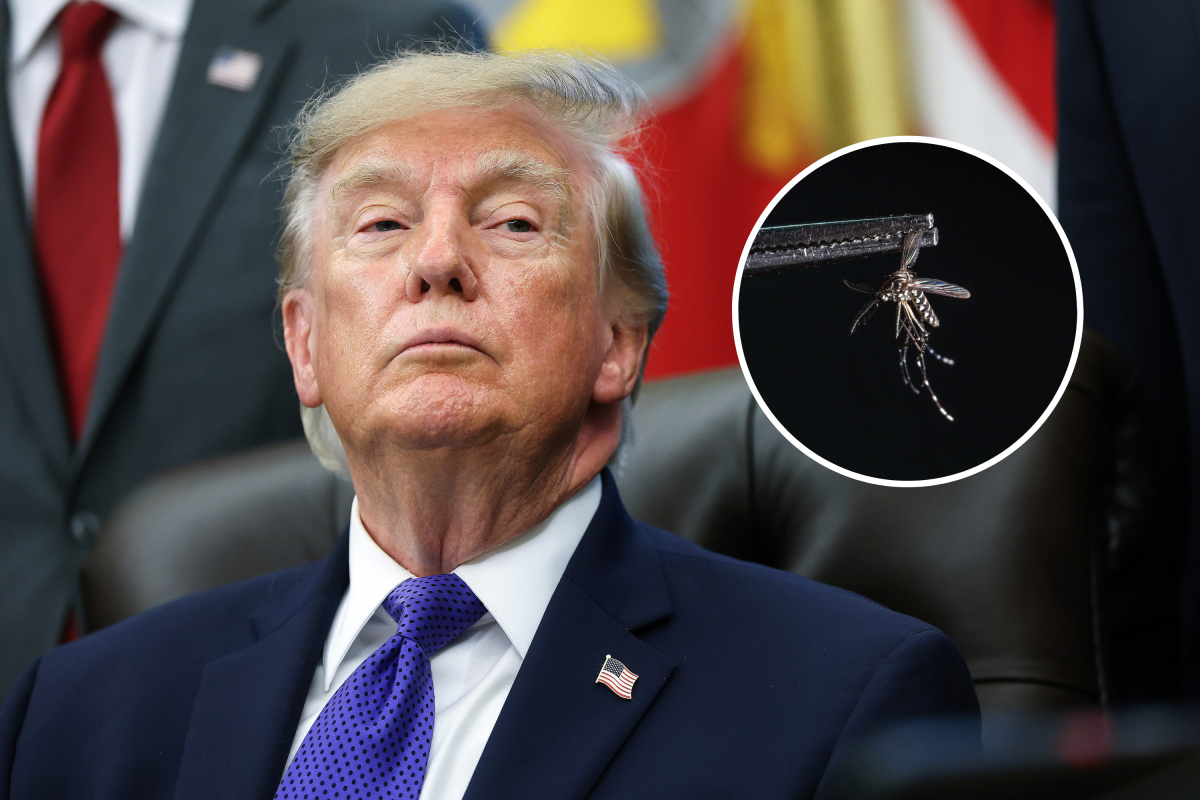
President Donald Trump signed an executive order to reduce mosquito and tick populations in Washington, D.C. The order aims to lower invasive mosquitoes by 90% in 60 days and reduce ticks by 50% within two years, with a focus on safe, non-chemical methods.
Key Facts
The order targets invasive mosquitoes and ticks on federal lands in D.C.
It calls for using commercial and cooperative efforts to fight these pests.
Federal agencies must create rules for new mosquito- and tick-control technologies.
The order supports research and public-private partnerships to develop ways to prevent and treat diseases spread by these insects.
The order also addresses concerns about alpha-gal syndrome, a red-meat allergy linked to tick bites.
Florida is experiencing an unusual outbreak of dengue fever, a virus spread by mosquitoes.
The dengue outbreak has led three Florida counties to declare states of emergency, with 190 local cases reported in 2026 so far.
Heavy rain is believed to contribute to the rise of mosquito-borne illnesses in Florida.
Read the Original
Want the full story? Tap a source to open the original
article.
Backpack won Alaska's Fat Bear Week, a contest to find the heaviest brown bear in Katmai National Park. He received over 100,000 votes, narrowly beating Bear 910 with about 50% of the total votes.
Key Facts
Backpack is a brown bear living in Katmai National Park and Preserve, Alaska.
Fat Bear Week is a yearly contest that celebrates the size and survival of bears in the park.
This contest has been running for 12 years since 2014.
More than 2,200 brown bears live in the preserve on the Alaska Peninsula.
The contest uses public voting to choose the "fattest" bear.
This year, Backpack won with just over half of the votes, beating Bear 910.
The contest helps educate people about brown bears, relatives of grizzly bears found along the coast.
The nonprofit organization running the contest shares updates and results each year.
Read the Original
Want the full story? Tap a source to open the original
article.
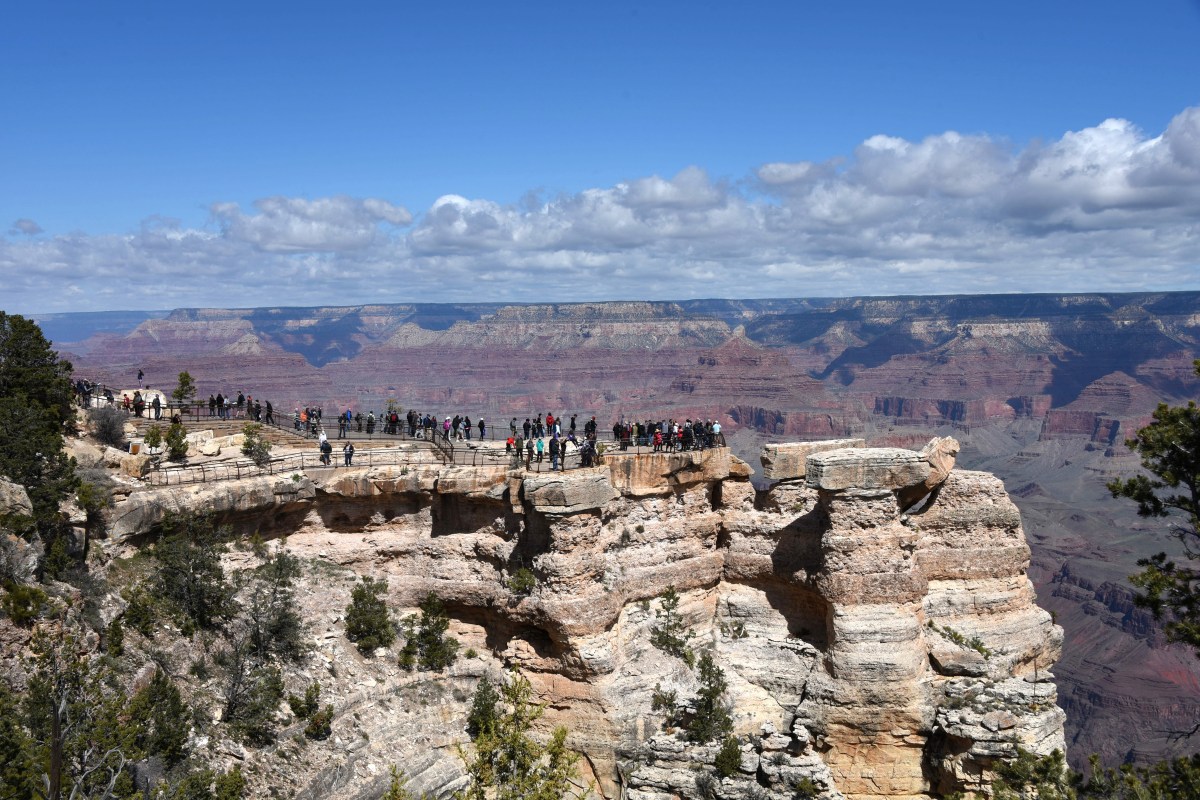
A tour company in Phoenix is suing the Trump administration for raising national park fees on foreign visitors, especially at the Grand Canyon. The company says the fees hurt their business and that the government did not have permission from Congress to increase prices for non-U.S. residents.
Key Facts
President Donald Trump signed Executive Order 14314 to raise entrance fees for some national parks for non-U.S. visitors.
The order added a $100 fee for foreign visitors at 11 parks, and raised the annual pass price for them from $80 to $250.
The new fees began in January 2026.
Across Arizona Tours, supported by the Pacific Legal Foundation for free, says the fees made their sales drop sharply.
The company claims the fee increases are illegal because the executive branch did not get approval from Congress.
The lawsuit was filed in U.S. District Court in Arizona, naming Interior and Agriculture secretaries and National Park Service officials.
The government says higher fees for foreign visitors help fund park maintenance and keep prices affordable for U.S. residents.
The Pacific Legal Foundation states Congress only gave limited authority to set fees, and the administration went beyond this power.
Read the Original
Want the full story? Tap a source to open the original
article.