Scientists at King's College London found that urolithin A, a compound produced after eating foods like pomegranates, walnuts, and some berries, may improve heart function in people with a certain type of heart failure. This compound helps the heart relax better, reduces scarring, and prevents harmful heart enlargement.
Key Facts
Urolithin A is made by gut bacteria breaking down compounds found in pomegranates, walnuts, and some berries.
The compound helps the heart muscle relax by activating a protein called PKGIα.
This is important for heart failure with preserved ejection fraction, a condition where the heart pumps blood normally but is too stiff to fill properly.
The condition causes symptoms like breathlessness, fatigue, and reduced ability to exercise.
The study showed urolithin A improved heart relaxation, reduced scarring, and decreased heart muscle cell enlargement in animal models and engineered human heart tissue.
The condition currently has few treatment options and is becoming more common due to aging, obesity, and diabetes.
Urolithin A has a good safety profile, suggesting it could be tested in clinical trials for heart failure patients.
The research was published in the journal Science Advances.
Read the Original
Want the full story? Tap a source to open the original
article.
Oil flow through the Strait of Hormuz, a key waterway for global energy supplies, has recovered to about 80 percent of pre-war levels despite ongoing conflict between Iran and the United States. This recovery could reduce Iran’s influence in negotiations, although experts warn the situation remains unstable and oil shipments are not yet fully secure.
Key Facts
The Strait of Hormuz is a crucial passage for oil and petroleum, with about 9.7 million barrels per day moving through it in September.
Oil exports from the Middle East reached 16.3 million barrels per day in September, the highest since fighting began in late February.
Saudi Arabia significantly increased its oil exports from 2.4 million barrels per day in August to 5.4 million barrels per day in September.
Before the conflict, around 120 to 140 vessels, including many oil tankers, crossed the strait daily.
During the peak of hostilities, tanker traffic dropped to as few as two per day after Iran effectively closed the strait.
Iran’s ability to disrupt the strait has been a key tool in its efforts to pressure the United States.
Despite greater oil flow, oil prices remain high worldwide, and shipping costs and risks in the region are still elevated.
Iran’s military spokesperson stated that the situation in the strait is not yet normal, despite increased traffic with US involvement.
Read the Original
Want the full story? Tap a source to open the original
article.
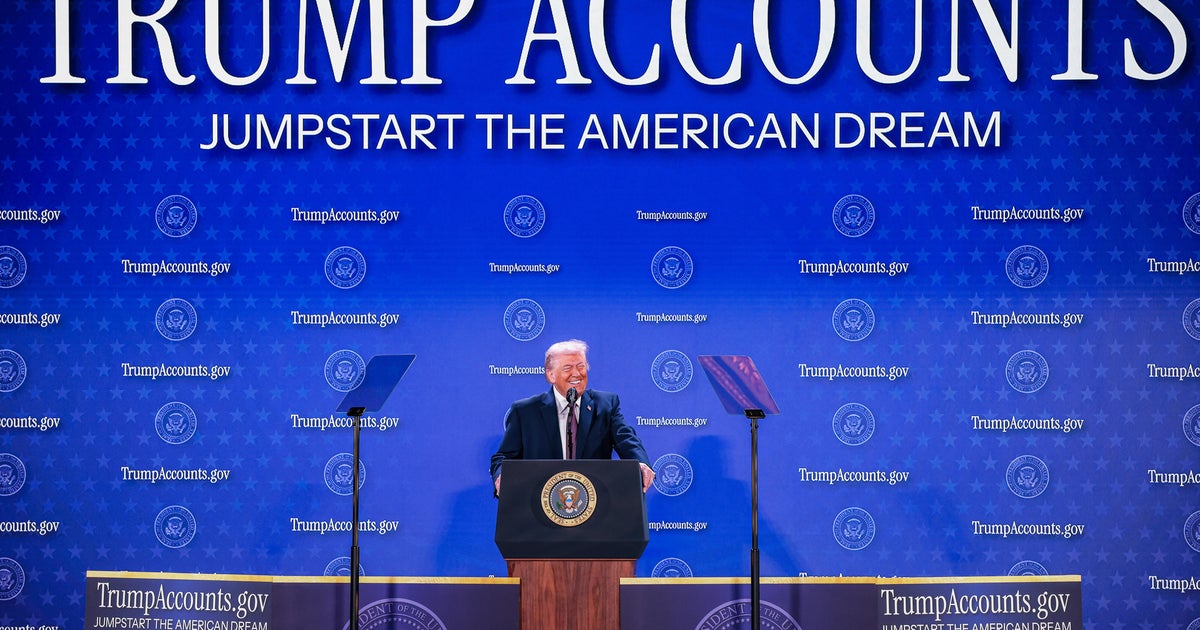
The Treasury Department will start automatically creating "Trump Accounts" for up to 60 million eligible children in the U.S. beginning October 1. These are tax-deferred investment accounts that provide a $1,000 government contribution for children born between 2025 and 2028, and allow others to contribute money to help save for the child's future.
Key Facts
Up to 60 million children will be auto-enrolled in Trump Accounts starting October 1.
Trump Accounts are tax-deferred investment accounts for children born between January 1, 2025, and December 31, 2028.
Each eligible child will receive a $1,000 initial government contribution to their account.
Parents or guardians no longer have to sign up for these accounts; enrollment will be automatic.
Friends, relatives, and employers can contribute up to $5,000 a year to each account.
Wealthy donors and corporations have pledged billions to fund these accounts for children in certain income areas.
The rule change aims to include children whose families may not have the resources or awareness to apply manually.
The accounts were created under President Trump's One Big Beautiful Bill tax and spending legislation.
Read the Original
Want the full story? Tap a source to open the original
article.
The Trump administration is trying to spend over $175 million from the State Department’s human rights fund on groups that support rightwing causes worldwide. These grants include a $40 million award for an anti-communism group and support for controversial political programs in different countries.
Key Facts
The administration aims to award $176.9 million to 43 rightwing and conservative causes globally.
The grants include support for a group that promotes white Afrikaner rights in South Africa and campaigns against Brazil’s supreme court.
A $40 million grant is planned for the Victims of Communism Memorial Foundation, an anti-communist nonprofit.
These awards have been personally pushed by top Trump administration officials and have White House support.
The funding shifts US human rights aid towards opposing immigration, regulation, gender rights, and promoting “western civilisational norms.”
Senator Jeanne Shaheen criticized the plan, saying it misuses taxpayer money and could harm US relations with allies.
Some grants target established democracies in Europe and back campaigns against courts, migration, and concepts labeled as “radical.”
A young official overseeing the grants, Samuel Samson, has connections with groups receiving funding, though the administration denies conflicts.
Read the Original
Want the full story? Tap a source to open the original
article.
Arab American businesses in Dearborn, Michigan, are experiencing challenges due to new trade tensions between the U.S. and Canada. Planned expansions into Canada have been put on hold because of tariffs and fewer Canadian visitors crossing the border.
Key Facts
Dearborn, Michigan, has the largest Arab American community in the U.S.
Yemeni cafes, like Qahwah House with 32 branches nationwide, are popular businesses in Dearborn.
Qahwah House paused plans to open in Toronto because of 50% tariffs on Canadian imports announced by President Trump.
Michigan's largest trading partner is Canada, and many businesses rely on Canadian customers.
Canadian visits to the Detroit area dropped by about 30% since early 2025 due to trade tensions.
Ottawa responded with sanctions on U.S. imports starting in September 2025, and recent talks failed to resolve issues.
Many Arab Canadians in Windsor, just across the border from Detroit, have reduced visits to Dearborn restaurants.
Large Michigan companies like Ford also face challenges from tariffs affecting trade with Canada.
Read the Original
Want the full story? Tap a source to open the original
article.
The article discusses the balance in the United States between keeping the country safe and protecting freedom of the press. It highlights how people view limits on information differently when these limits are about real dangers versus when they seem driven by politics.
Key Facts
The U.S. is trying to balance national security with press freedom.
Restrictions on information are more accepted if linked to clear, real threats.
Some limits are seen as politically motivated rather than necessary for safety.
Public trust plays a key role in how these restrictions are viewed.
The issue involves deciding when it is right to restrict information to protect the country.
Read the Original
Want the full story? Tap a source to open the original
article.
In six key states with important Senate races, unemployment rates vary widely and could affect the upcoming midterm elections. Some states like Michigan, Texas, and Alaska have higher unemployment than the national average, while others like Iowa, Maine, and Ohio have lower rates, influencing how voters view economic concerns.
Key Facts
Democrats aim to flip Republican Senate seats in Alaska, Iowa, Maine, Ohio, and Texas, and defend an open seat in Michigan.
Michigan has the highest unemployment among these states at 5%, while Iowa has the lowest at 3.2%.
The national unemployment rate stood at 4.1% in August, unchanged from July.
Republicans highlight low unemployment as a sign of economic strength in some states.
Democrats focus on layoffs and job insecurity, especially in manufacturing and energy sectors.
Low unemployment does not always mean people feel financially secure due to rising costs and underemployment.
Economic concerns remain a top issue for voters ahead of the midterm elections.
Experts say unemployment figures alone do not fully show how people experience the job market.
Read the Original
Want the full story? Tap a source to open the original
article.
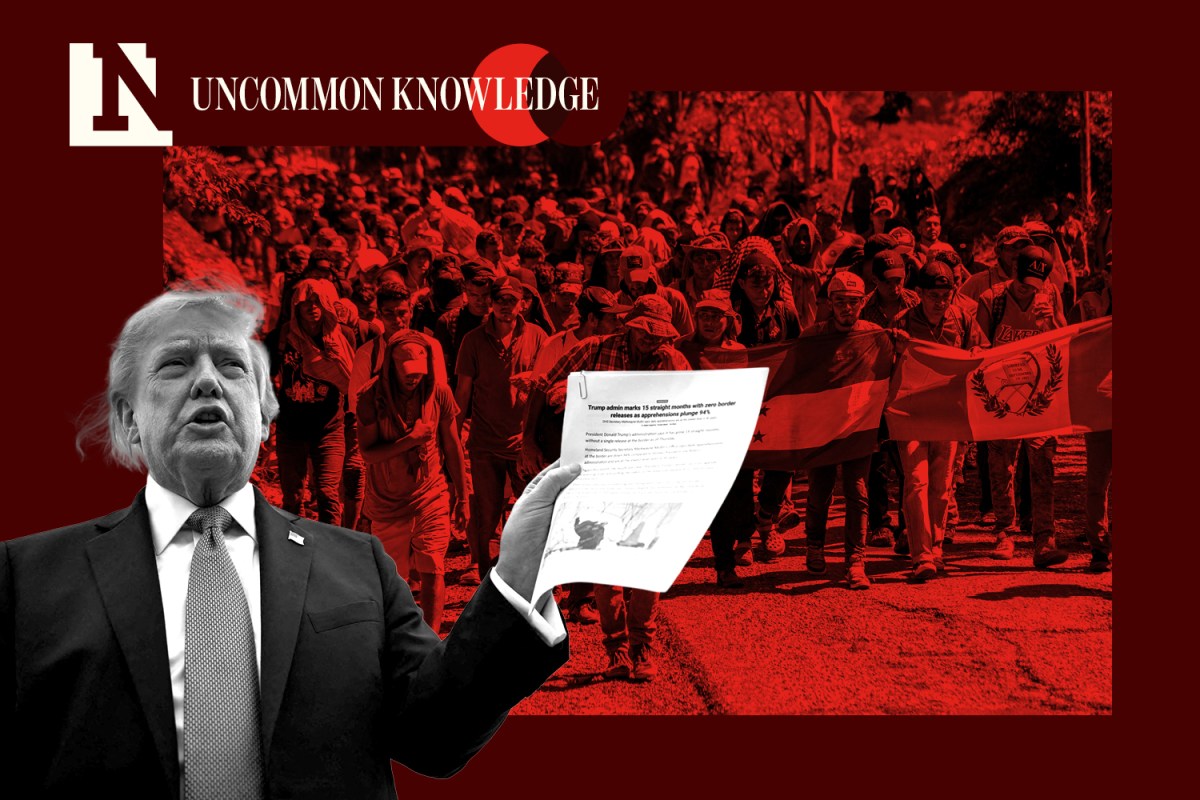
Migration through the U.S.-Mexico border area has dropped sharply since early 2025, following actions by President Donald Trump’s administration and increased enforcement by Mexico. The changes have reduced large migrant caravans and shifted migration patterns within Latin America.
Key Facts
Migrant crossings through Panama’s Darién Gap dropped by 95% in early 2025 compared to 2024.
Honduran migrants traveling in large groups also decreased significantly by 79%.
By mid-2026, migration through this key route was down 97% from the first half of 2024.
President Trump’s administration ended CBP One appointments and tightened asylum rules after January 2025.
From February to September 2025, over 94% of Border Patrol encounters resulted in quick removal or detention of migrants.
Migration had already begun to drop in late 2024 due to stricter Mexican enforcement and new U.S. asylum limits under the previous administration.
Migration shifted from mostly northbound journeys to more complex movements within Latin America.
Public concern about immigration and support for hiring more Border Patrol agents declined from 2024 through 2026.
Read the Original
Want the full story? Tap a source to open the original
article.
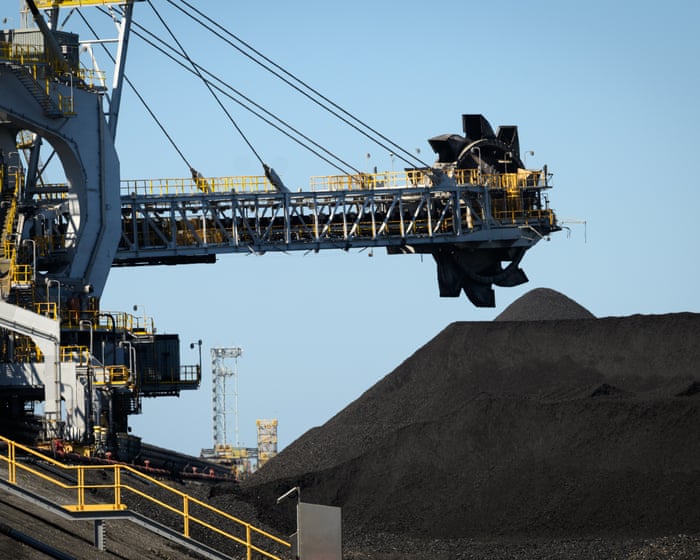
UK banks have been the largest funders of the coal industry in Europe, providing $8.3 billion since 2021, which is more than banks in Germany and France. Barclays and HSBC increased their coal financing during this period, despite making public commitments to reduce such funding.
Key Facts
UK banks provided $8.3 billion in coal-related financing from 2021 to 2025.
German banks gave $4.9 billion, and French banks gave $3.4 billion in the same period.
Barclays’ coal financing rose by 34%, from $1.2 billion in 2022 to $1.6 billion in 2025.
HSBC’s coal financing more than doubled from $200 million to $414 million.
The report was done by Urgewald, a German environmental and human rights group.
Barclays said it does not fund companies with over 30% of revenue from thermal coal and is supporting cleaner energy projects.
HSBC aims to phase out financing for thermal coal power and mining by 2030 in developed markets and by 2040 elsewhere.
Globally, Chinese banks provide the largest share of coal financing, with $289 billion, and funding by US banks also increased.
Read the Original
Want the full story? Tap a source to open the original
article.
Senator Eric Schmitt spoke about a mistake he made during a Senate hearing with special counsel Jack Smith. He asked Smith a question about attending a basketball game, which turned out to be incorrect.
Key Facts
Senator Eric Schmitt is from Missouri and is a member of the Senate Judiciary Committee.
Jack Smith is a special counsel involved in a Senate hearing.
Schmitt asked Smith if he attended an NBA game in Atlanta in February 2024.
The question was based on incorrect information.
Schmitt said his role in the hearing is to ask questions.
Read the Original
Want the full story? Tap a source to open the original
article.
French President Emmanuel Macron visited Spain and met with Spanish Prime Minister Pedro Sanchez at the Moncloa Palace in Madrid. They held a joint press conference during Macron's two-day state visit to Spain.
Key Facts
Emmanuel Macron is the President of France.
Pedro Sanchez is the Prime Minister of Spain.
Macron visited Spain for a two-day official visit.
They met at the Moncloa Palace, the official residence of the Spanish Prime Minister.
A joint press conference was held with both leaders present.
The visit took place on September 30, 2026.
The meeting focuses on diplomacy and relations between France and Spain.
Read the Original
Want the full story? Tap a source to open the original
article.
President Donald Trump’s planned quick victory in the conflict with Iran has been delayed as Iran continues to hold together despite U.S. and Israeli pressure. However, recent signs show that Iran’s control over oil routes is weakening, its economy is facing a severe crisis, and Iranian officials are showing signs of desperation.
Key Facts
President Trump initially expected a swift victory over Iran, but the conflict has lasted longer than planned.
Iran has managed to maintain its power and disrupt oil shipping through the Strait of Hormuz, an important waterway.
Gulf oil exports are increasing again, with U.S. protection allowing some tankers to pass safely.
Iran has made offers to ease tensions, including reopening the Strait of Hormuz if sanctions and blockades end, but the U.S. has rejected these.
The Iranian currency, the rial, has hit record lows, making everyday goods and medicines harder and more expensive for Iranians.
U.S. naval blockades have reduced Iran’s oil exports to very low levels, worsening the country’s economy.
China is reducing its support for Iran by cutting oil purchases, which adds pressure on Iran’s economy.
The Iranian Revolutionary Guard Corps sent a letter urging Americans to oppose President Trump, showing signs of the regime’s worry about its situation.
Read the Original
Want the full story? Tap a source to open the original
article.
Ukraine has used a new unmanned vehicle that can travel on both land and water to deliver supplies to its troops for the first time. This new robot helps overcome natural obstacles like rivers and marshes, making it easier to support frontline soldiers.
Key Facts
Ukraine deployed a robotic amphibious vehicle that moves on land and water.
The robot traveled about 25 miles delivering ammunition and supplies.
This vehicle was developed through a Ukrainian state-backed defense project called Brave 1.
The robot can switch from land to water travel within seconds.
Unmanned ground vehicles (UGVs) are increasingly used in Ukraine’s military operations.
The number of missions involving ground robots in Ukraine has tripled since the start of 2024.
Ukrainian forces also use heavy drones to deliver attack ground robots deep behind Russian lines.
Ukraine’s military is testing new technologies to improve tactics against Russian forces.
Read the Original
Want the full story? Tap a source to open the original
article.
Russia carried out a large-scale attack on Ukraine's energy infrastructure, mainly around Kyiv, causing deaths, injuries, and power outages. Ukrainian officials reported damage across 11 regions and urged residents to reduce electricity use due to lower supply.
Key Facts
The Russian attack focused on energy systems and critical infrastructure, including residential and public buildings.
At least six people died and 33 were injured, including a child found under rubble in Kyiv.
Power outages affected about 8,000 homes, mainly in Kyiv and nearby areas, with power restoration ongoing.
Ukraine's largest power plant serving Kyiv, Trypilska, was reportedly targeted, though Ukrainian officials have not confirmed this.
Ukraine has experienced similar energy attacks every winter since Russia launched a full invasion in 2022.
Russian forces control roughly 20% of Ukraine's territory as of now.
Ukrainian authorities advised people to avoid using heavy electrical appliances during daytime to manage limited power supply.
Air raid alerts and explosions were reported in Kyiv, with smoke covering parts of the city after the strikes.
Read the Original
Want the full story? Tap a source to open the original
article.
A Flydubai flight heading to Tel Aviv, Israel, was forced to land in Saudi Arabia after the pilot was attacked onboard. The plane sent emergency signals and quickly lost altitude before landing safely.
Key Facts
The flight was operated by Flydubai and was traveling to Tel Aviv.
The pilot was attacked during the flight.
After the attack, the plane sent emergency signals.
The plane rapidly lost height, which caused concern.
The flight safely landed in Saudi Arabia.
Video footage showed the aftermath of the attack on the pilot.
No information on injuries or the attacker has been provided so far.
Read the Original
Want the full story? Tap a source to open the original
article.
A passenger plane flying from Dubai to Tel Aviv made an emergency landing in Saudi Arabia after a physical fight between the pilot and co-pilot raised fears of a hijacking. Israeli officials say one pilot may have tried to crash the plane, calling the event a terrorist act, while all passengers were reported safe.
Key Facts
The plane was a Boeing 737 Max 8 carrying up to 180 people.
It landed at Tabuk airport in Saudi Arabia after sending three emergency signals.
Passengers reportedly stormed the cockpit to stop the pilot who tried to crash the plane.
Both the pilot and co-pilot were injured and taken to the hospital.
Israeli security minister called the event a terrorist attack aiming to kill Israelis.
Israeli officials said Israel needs stronger security measures in response.
The Israeli prime minister’s office said the situation is under control.
Flight operator FlyDubai confirmed all passengers are safe and accounted for.
Read the Original
Want the full story? Tap a source to open the original
article.
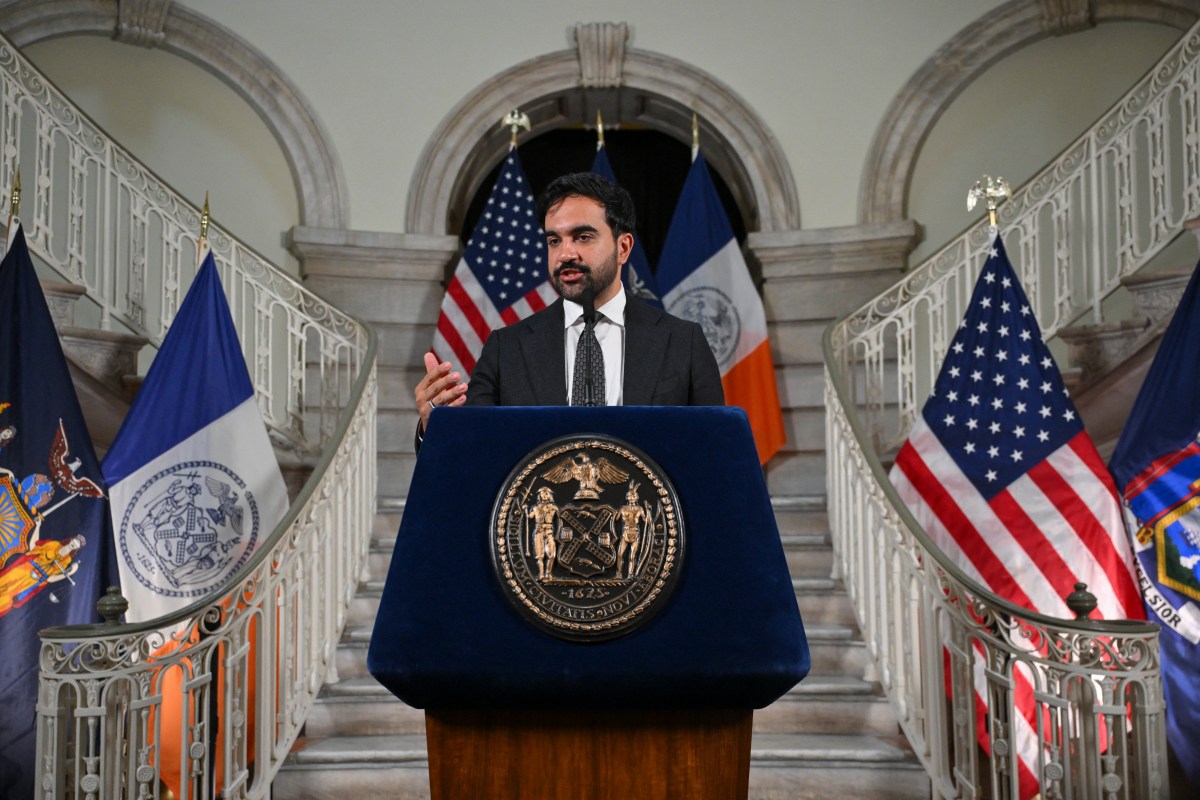
New York City Mayor Zohran Mamdani has introduced several policies aimed at making housing and groceries more affordable. Some of these policies, including a tax on expensive homes, a rent freeze, and new city-run grocery stores, are facing legal challenges.
Key Facts
Mamdani proposed a pied-à-terre tax on expensive second homes, targeting properties over $5 million and condos/co-ops over $1 million not used as primary residences.
A judge ruled that the city did not follow proper procedures when sending tax notices for this tax, but the tax itself was not canceled. The city appealed and can continue implementation during the legal process.
Casino owner Steve Wynn and former Trump official Wilbur Ross have sued to challenge the pied-à-terre tax’s constitutionality.
The city’s Rent Guidelines Board voted for a rent freeze on about one million rent-stabilized apartments starting October 1, but landlords sued, claiming the board was improperly influenced by Mayor Mamdani.
The rent freeze has not been stopped and is still planned to begin October 1; the lawsuit is ongoing with court-ordered examinations of communication from city officials.
Mamdani announced plans to open five city-run grocery stores by 2029 with below-retail prices to lower food costs, but independent grocers have filed lawsuits claiming this would harm their businesses and may violate federal antitrust laws.
An Asian-American parent has sued over changes to elite public school admissions in NYC, saying a program meant to help disadvantaged students unfairly hurts Asian-American students.
Supreme Court Justice Sonia Sotomayor denied an emergency request to admit this student during the legal appeal, but the overall lawsuit is still being decided.
Read the Original
Want the full story? Tap a source to open the original
article.
A Michigan nurse, Chloe Renae Freeman, was charged with helping an injured Mexican immigration detainee escape from a hospital while he was under federal custody. The incident happened on May 28 at Trinity Health Ann Arbor Hospital, and Freeman admitted to letting the detainee leave despite knowing he was in immigration custody.
Key Facts
Chloe Renae Freeman, 33, is charged with assisting the escape of a person under arrest.
The charge could lead to up to one year in prison and a fine.
The detainee was a Mexican man who had been previously removed from the U.S. in December 2022 without permission to return.
He was injured while running from U.S. Border Patrol agents and taken to the hospital for treatment.
The man was in federal immigration custody during his hospital stay, described as an administrative arrest (not a criminal arrest).
Freeman reportedly used her hospital badge to enter the CT scan room and then helped the detainee leave the hospital through the ambulance bay.
Security footage shows the detainee leaving the hospital shortly after Freeman's entry.
Freeman told investigators she believed the detainee was not in custody at that moment because immigration agents were not present in the CT room.
Read the Original
Want the full story? Tap a source to open the original
article.
The last British and American troops have left Iraq, ending their military mission against the Islamic State (IS) group after more than ten years. Iraqi security forces now have full responsibility for the country’s safety and will celebrate the withdrawal with national holidays.
Key Facts
The final UK military personnel, about 100 troops, left Irbil in northern Iraq, coordinated with US forces who also departed.
The withdrawal follows a 2022 agreement between the US and Iraqi government to end the presence of foreign troops by August 2024.
British and US forces had been in Iraq since 2014 to help defeat IS as part of Operation Inherent Resolve.
Iraqi Prime Minister Ali al-Zaidi said Iraq will now fully manage its security and stability.
The UK Ministry of Defence confirmed Iraqi and Kurdish forces have defeated IS and are ready to handle security themselves.
Pentagon spokesman Sean Parnell said the military mission against IS was successfully completed with the coalition’s departure.
Iraq still faces challenges from remaining IS fighters and Iranian-backed militias that threaten stability.
Zaidi plans to disarm militias and bring weapons under state control, but some groups oppose this plan.
Read the Original
Want the full story? Tap a source to open the original
article.
A very strong El Niño weather pattern is creating more economic challenges in the U.S. just before the 2026 midterm elections. It is expected to cause costly flooding and damage in some states, raise prices for goods like food and fuel, and add to financial pressure on American households.
Key Facts
The current El Niño started in June 2026 and is one of the strongest ever recorded.
It is expected to increase heat-related deaths worldwide and raise prices for crops grown in Southeast Asia and Western Africa.
In the U.S., southern states and the West Coast may face flooding and mudslides, with California potentially losing $2-3 billion this winter.
Other states like Arizona, New Mexico, and Florida could also experience economic damage.
El Niño can sometimes boost U.S. economic growth by lowering heating costs and boosting agriculture, but overall global effects are usually negative.
This El Niño comes amid other economic issues like higher energy prices from the U.S.-Iran conflict, inflation, and market uncertainty.
Consumer confidence in the U.S. dropped in August 2026 to its lowest point since 2014, partly due to high fuel prices and economic worries.
The timing is notable because the economic pressures could influence voter sentiment ahead of the midterm elections.
Read the Original
Want the full story? Tap a source to open the original
article.