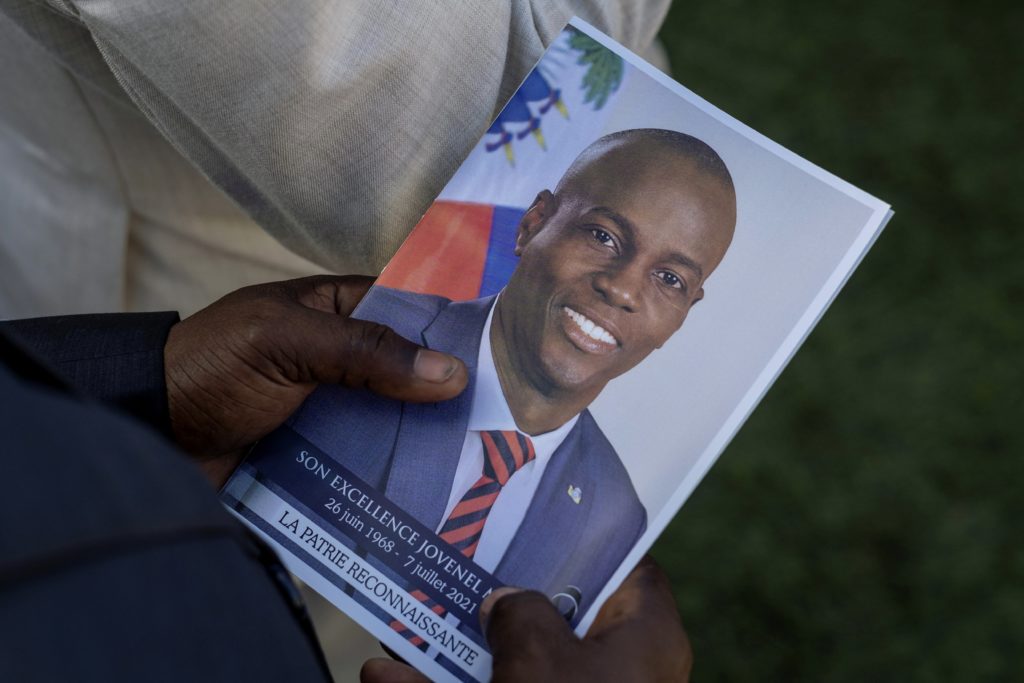
Dozens of people arrested for the 2021 assassination of Haitian President Jovenel Moïse are still awaiting trial in Miami, five years after the killing. U.S. prosecutors charged over 40 people, with some already convicted, while trials continue as Haiti remains without a president amid political turmoil and gang violence.
Key Facts
Haitian President Jovenel Moïse was killed on July 7, 2021, in an attack on his home near Port-au-Prince.
More than 40 individuals have been charged in the U.S. in connection with Moïse’s assassination; over a dozen have been convicted.
Miami, Florida, was a key location for planning and financing the assassination plot.
Christian Emmanuel Sanon, a Florida pastor and dual Haitian-American citizen, is on trial facing charges related to conspiracy in the assassination.
The plan involved using mercenaries, mainly Colombians, and funding that included money from U.S. COVID-19 relief programs.
Haiti has not had a president since Moïse’s death and faces ongoing challenges with gang violence and political instability.
Haiti’s justice system has struggled with investigations due to threats, judge resignations, and control of court buildings by gangs.
The prosecution is held in the U.S. because of difficulties conducting trials in Haiti.
Read the Original
Want the full story? Tap a source to open the original
article.
Several counties in Florida have declared local states of emergency due to increasing dengue fever cases, a disease spread by mosquitoes. Health officials are taking urgent steps like pesticide use and public education to control the outbreak and protect residents.
Key Facts
Hillsborough County declared a state of emergency on September 24 after confirming 134 dengue cases.
Dengue fever is spread by mosquito bites, mainly from Aedes aegypti and Aedes albopictus species.
Other Florida counties, Pasco and Pinellas, have also declared similar emergencies due to dengue.
Symptoms include fever, headache, eye pain, muscle and joint pain, and sometimes bleeding or gastrointestinal issues.
Dengue cases in Florida include both locally transmitted and travel-linked infections, with hundreds reported in 2026.
The state of emergency helps counties access emergency funds and resources to combat the mosquito spread.
In 2023, California reported its first local cases of dengue, showing the disease is spreading in the US.
Scientists link the spread of dengue-carrying mosquitoes to climate change and warming temperatures.
Read the Original
Want the full story? Tap a source to open the original
article.
President Donald Trump supports a possible ban on US diesel exports to lower fuel prices for American consumers. The US produces about 4 to 5 million barrels of diesel daily, exporting around 1.2 to 1.5 million barrels mainly to Latin America and Europe. Diesel prices are high due to conflicts involving Iran and tight global supply, affecting costs for transportation and goods in the US and abroad.
Key Facts
The US produces 4 to 5 million barrels of diesel every day.
Americans use about 3.6 million barrels daily; the rest is exported.
Most US diesel exports go to Latin American countries like Mexico and Brazil, and to Europe.
Diesel prices in the US are near a record $6.50 per gallon, up about 70% from last year.
Higher diesel prices result from conflicts affecting oil routes, especially around Iran.
Diesel fuels trucks, farm machines, and trains in the US, so higher costs affect food and goods.
President Trump said banning diesel exports could keep more fuel in the US and lower prices for Americans.
Experts warn that banning exports could raise diesel prices globally and disrupt other countries that rely on US diesel.
Read the Original
Want the full story? Tap a source to open the original
article.
The conflict between the United States and Iran remains tense, with limited and fragile diplomatic efforts taking place. Saudi Arabia is upset with President Donald Trump’s shifting approach, which alternates between negotiating deals with Iran and carrying out harsh military actions.
Key Facts
Barbara Slavin from the Stimson Center says US-Iran relations are marked by military moves, unclear diplomacy, and political strategy.
Recent indirect talks between Washington and Tehran, helped by Qatar, have not led to real progress.
These talks are described as "kabuki diplomacy," meaning the sides seem to negotiate but avoid making real compromises.
Saudi Arabia is increasingly involved and upset by developments in the conflict.
The conflict affects regional security, including threats from the Houthi group and problems near the Strait of Hormuz, important for global oil shipping.
Both the US and Iran have strong domestic reasons not to back down, fearing political costs.
President Trump risks appearing weak if he compromises, while Iran might wait due to oil market pressure.
Diplomacy may continue to be difficult, with uncertainty over whether either side will ease tensions without losing political support.
Read the Original
Want the full story? Tap a source to open the original
article.
President Donald Trump rejected Iran's offer to reopen the Strait of Hormuz for seven days, despite hopes it might ease tensions. His decision focused on maintaining strong U.S. deterrence and not allowing Iran to control this vital trade route or exploit American domestic politics.
Key Facts
The Strait of Hormuz is a key global shipping route often disrupted by Iran.
Iran offered to open the waterway for seven days, suggesting a short-term pause in conflict.
President Trump rejected this offer, seeing it as a tactic by Iran to weaken U.S. pressure.
Accepting the offer could have allowed Iran to control global commerce flow and gain influence.
The timing of the offer was during the U.S. midterm election period, a moment Iran hoped to exploit.
Rejecting the proposal was meant to show U.S. strength and commitment regardless of election pressures.
Iran faces a serious economic crisis due to U.S. maximum-pressure sanctions.
The offer was viewed by the Trump administration as a desperate move by Iran, not a genuine peace attempt.
Read the Original
Want the full story? Tap a source to open the original
article.
Five British men were arrested over a possible terrorist plot at a UK air base used by the U.S. military. They have been released on bail but are still under investigation by the UK’s counterterrorism police.
Key Facts
Five men were arrested in connection with a potential terrorist attack.
The incident involved a British air base operated by the U.S. military.
All five men are British citizens from London.
Their ages range from 23 to 25 years old.
The men were released on bail after arrest.
They remain under investigation by UK counterterrorism police.
No further charges or details about the plot have been disclosed yet.
Read the Original
Want the full story? Tap a source to open the original
article.
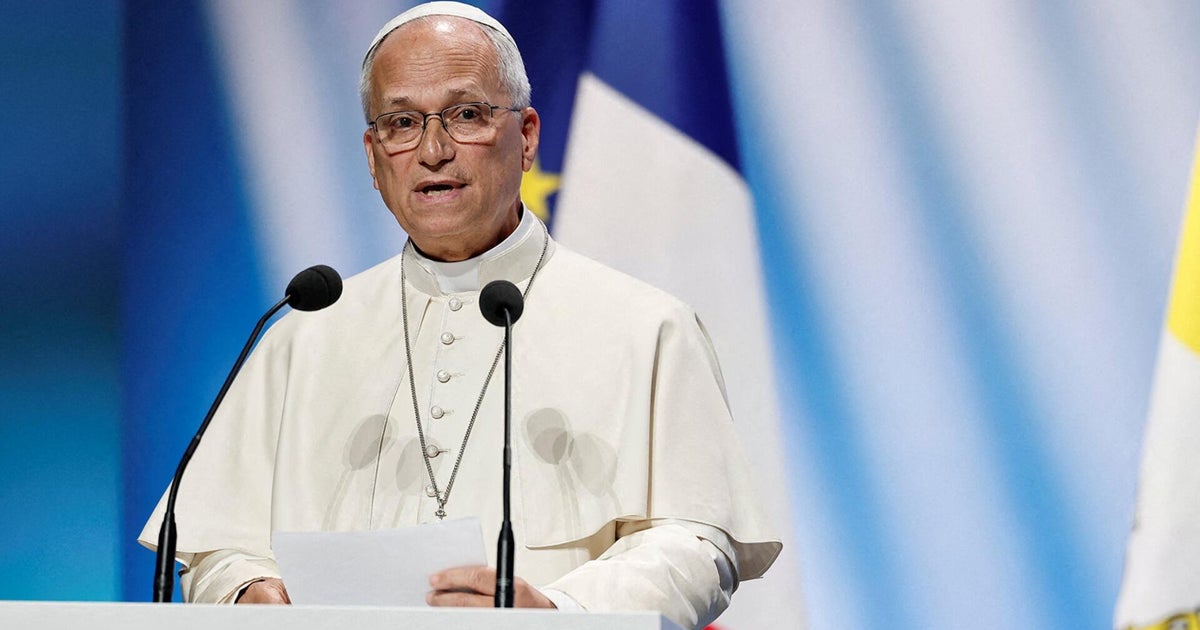
Pope Leo spoke against France’s new law that allows assisted dying. He said that helping people end their lives this way is wrong. His comments came during a visit to France.
Key Facts
Pope Leo visited France recently.
France legalized assisted dying, which means allowing people to choose to end their own lives with help under certain conditions.
The Pope called this legalization immoral during his visit.
Assisted dying laws are a subject of debate in many countries.
The Pope’s visit and statements were reported by CBS News.
His position reflects the Catholic Church’s long-standing opposition to assisted dying.
The visit included public speeches where the Pope shared his views on moral issues.
The report was presented by CBS News correspondent Chris Livesay.
Read the Original
Want the full story? Tap a source to open the original
article.
An Istanbul court convicted comedian Deniz Göktaş of insulting President Erdoğan and sentenced him to nearly 19 months, but ordered his release because he already spent about 90 days in jail. He cannot leave Turkey due to a travel ban, and the case will be reviewed by an appeals court.
Key Facts
Deniz Göktaş was convicted of insulting President Erdoğan.
He was sentenced to almost 19 months but released due to time already spent in prison.
Göktaş spent 88 days in solitary confinement before release.
A key line in his comedy called Erdoğan "a shy dictator."
Prosecution wanted up to 12 years in prison.
Göktaş denies the insult, calling "dictator" a political description.
Supporters cheered the verdict, doubting a fair trial before.
Many others, including journalists and activists, remain imprisoned in Turkey.
Read the Original
Want the full story? Tap a source to open the original
article.
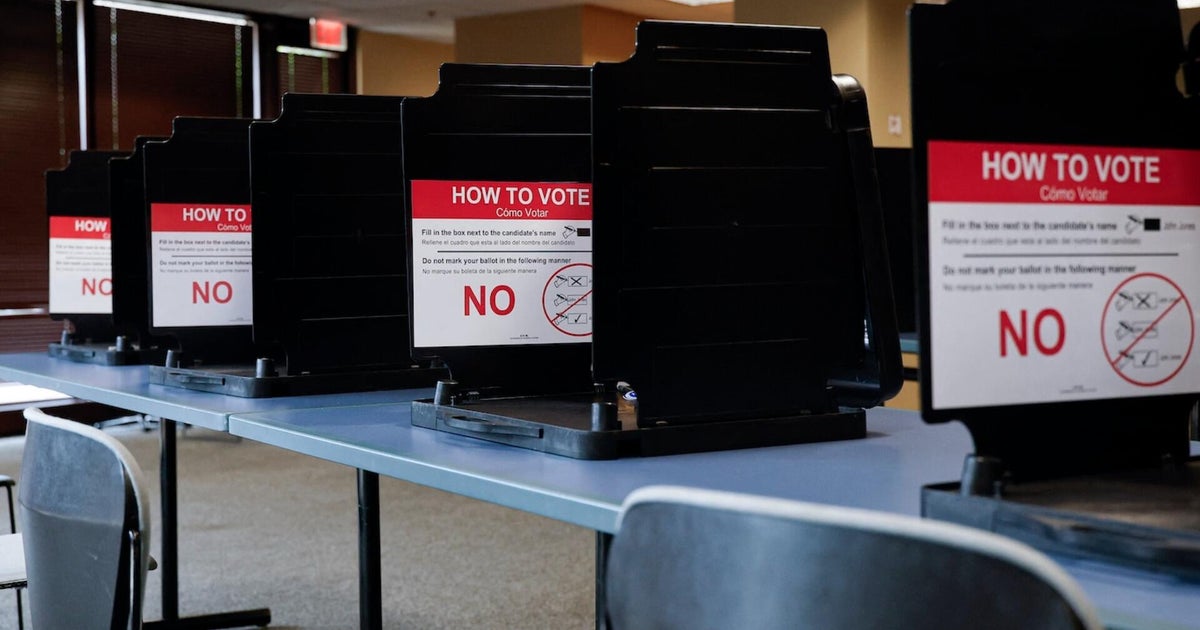
The Cybersecurity and Infrastructure Security Agency (CISA) has announced a plan to secure the United States' elections just weeks before the midterm voting. The plan aims to protect the election process from cyber threats and ensure the integrity of the vote.
Key Facts
CISA is the U.S. agency responsible for protecting election systems from cyber attacks.
The plan was shared a few weeks before the 2024 midterm elections.
Its goal is to safeguard election infrastructure across the country.
The plan includes steps to detect and respond to cybersecurity threats.
CISA works with state and local election officials to implement security measures.
The agency regularly monitors for any suspicious activity targeting elections.
Midterm elections determine many government seats and occur every two years.
Read the Original
Want the full story? Tap a source to open the original
article.
New York prosecutors are reopening a criminal investigation into an alleged gang rape at Cornell University in 2024. The woman, called Jane Doe, filed a civil lawsuit claiming she was drugged and assaulted by several fraternity members, and the case may go before a grand jury for possible charges.
Key Facts
The alleged assault happened on October 19, 2024, at Cornell’s Chi Phi fraternity house.
Jane Doe claims she was drugged with ketamine and was too intoxicated to consent.
She reported the incident to Cornell University Police on November 8, 2024.
Prosecutors initially decided not to press charges, saying her statement then did not support claims of drugging or gang rape.
The DA’s office is now reviewing new information and plans to present the case to a grand jury.
A grand jury is a legal group that decides if there is enough evidence to charge someone with a crime.
Jane Doe’s lawyer said she was traumatized and did not fully understand the incident at first.
The lawsuit also alleges Cornell University did not properly punish the fraternity members involved.
Read the Original
Want the full story? Tap a source to open the original
article.
Google is planning to end support for its ChromeOS operating system by the year 2034. The company will replace ChromeOS on newer devices with Googlebook OS, which is based on Android and offers more features, including artificial intelligence.
Key Facts
Google will support ChromeOS until mid-2034, after which it will stop updates.
Newer Chromebooks will be upgraded to Googlebook OS, offering a "direct migration" in many cases.
Googlebook OS is based on Android but includes deeper system capabilities and more AI features.
Googlebooks, running Googlebook OS, will be more expensive than Chromebooks, starting at $899.
Googlebooks aim to replace Chromebooks in education and business markets.
Chromebooks are currently popular in schools and businesses due to low cost and easy management.
Googlebooks currently lack many management tools, which may take over a year to develop.
Google’s announcement was originally in a court document, but now appears on a public support page.
Read the Original
Want the full story? Tap a source to open the original
article.
Home Secretary Shabana Mahmood has indicated she may change plans to make it harder for foreign workers to get permanent residence in the UK. She aims to balance fairness for migrants who come legally and for British citizens, with no final decision made yet.
Key Facts
Mahmood suggested increasing the time for most migrants to qualify for permanent residence from 5 to 10 years.
Health and social care visa holders might have to wait 15 years, and those on benefits longer than 12 months could wait 20 years.
Labour MPs, including Housing Secretary Angela Rayner, and trade unions have criticized the proposals.
Mahmood said reforms should be fair to migrants legally in the UK and British workers, especially young people.
No final changes to immigration rules have been made; Mahmood is outlining her guiding principles.
A Conservative spokesperson said Mahmood gave in to pressure and criticized the plan for being unfair to taxpayers.
Prime Minister Andy Burnham said the reforms need to find the right balance after consultation.
Mahmood also mentioned reopening a scheme to resettle refugees in the UK.
Read the Original
Want the full story? Tap a source to open the original
article.
UN experts warned that the United States' policy of deporting thousands of people to countries they have no connection to is causing human rights abuses. These deportations increase the risks of torture, slavery, trafficking, and disappearances, especially for vulnerable groups such as asylum seekers and migrants.
Key Facts
Since January 2025, the US has deported over 25,000 third-country nationals to more than 35 countries, including Burundi, Libya, and South Sudan.
Many deportees are sent to countries with no ties to them, which can worsen their situation and the reasons they fled.
UN experts say the deportation agreements violate the principle of non-refoulement, which protects people from being sent to places where they face harm.
The deportations raise risks of torture, ill-treatment, forced disappearance, arbitrary detention, slavery, and trafficking.
Vulnerable groups most at risk include children, women, people with disabilities, victims of trafficking, LGBT individuals, human rights defenders, and stateless persons.
Many destination countries lack proper asylum systems, protection facilities, and medical care for deported people.
The UN experts have informed the US and involved governments about these concerns.
The experts are independent and do not officially represent the UN, but work under the UN Human Rights Council.
Read the Original
Want the full story? Tap a source to open the original
article.
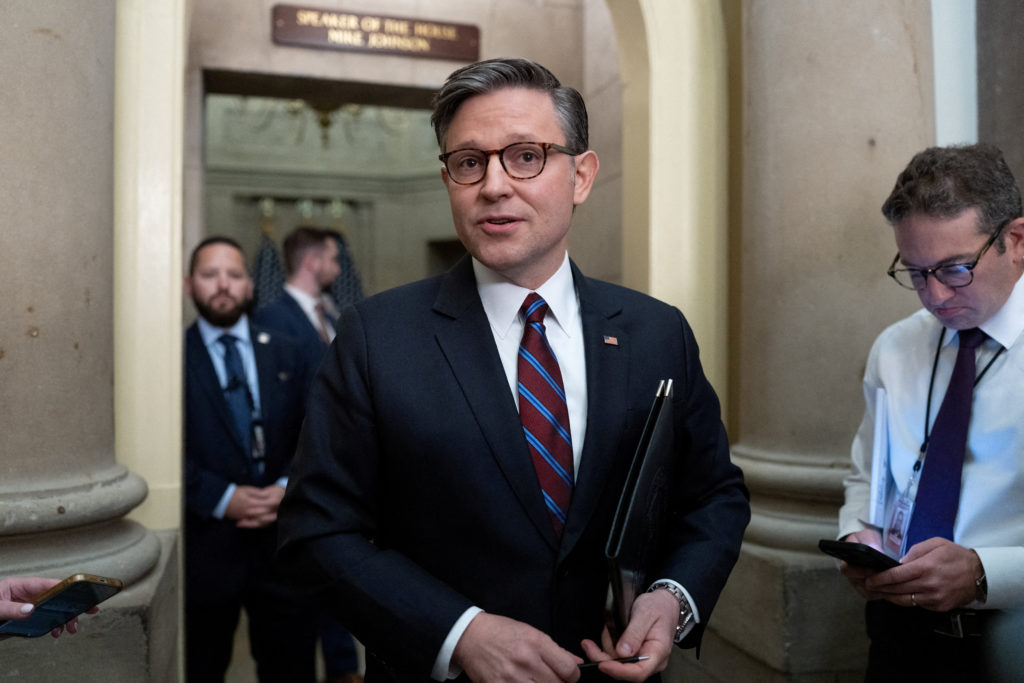
House Speaker Mike Johnson’s district in northwest Louisiana shows mixed reactions to a new large Republican tax bill that includes tax breaks and cuts to food and Medicaid programs. While some residents benefit from tax cuts on tips and overtime, others worry about high prices and reductions in aid programs like SNAP.
Key Facts
The GOP passed a large tax bill with about $4 trillion in tax breaks including for tips and overtime pay.
The bill cuts more than $1 trillion from SNAP food aid and Medicaid by adding work requirements and other changes.
Average tax deductions for Louisiana residents increased by about $2,900, though actual refunds rose by roughly $350 nationwide.
The bill is expected to increase economic growth but also adds over $3 trillion to the federal deficit over ten years.
High gas prices ($4 per gallon for gas and $6 for diesel) are causing concern among voters in Johnson’s district.
Some workers, like restaurant servers and deputies, report real benefits from the tax breaks on taxable income.
Voters find it hard to understand the connection between the tax bill, economic conditions, and rising prices.
Mike Johnson, supported by President Donald Trump, is seeking a sixth term as a U.S. House Representative from this district.
Read the Original
Want the full story? Tap a source to open the original
article.
The U.S. State Department is considering sharing passport records to help verify voters' citizenship. The plan aims to protect personal data, reduce fraud, and ensure the accuracy of U.S. citizenship during elections.
Key Facts
The State Department holds passport records showing American citizenship.
Officials want to share these records to confirm voter eligibility.
Protecting Americans’ personal information is a top priority.
The goal is to prevent voter fraud by confirming citizenship.
This effort supports maintaining trust in the election process.
Methods will be designed to keep data safe during sharing.
Read the Original
Want the full story? Tap a source to open the original
article.
Fighting has erupted in Baidoa, a city in Somalia, between the national army and local fighters loyal to the ousted regional president. The violence has caused deaths and injuries, damaged medical facilities, and made it hard for civilians to get help.
Key Facts
The clashes involve Somali government forces and fighters loyal to former South West State President Laftagareen.
The fighting intensified on Monday with use of fighter jets and drones.
The army says it forced the local fighters out after heavy casualties.
Local fighters reportedly used vehicles and drones loaded with explosives.
President Hassan Sheikh Mohamud's government sent troops to remove Laftagareen in March.
Medical group Doctors Without Borders reported three deaths and many injured, including children.
Roads and hospitals in Baidoa are blocked, limiting access to medical care.
This is the third outbreak of fighting in Baidoa in six weeks, causing serious harm to civilians and health services.
Read the Original
Want the full story? Tap a source to open the original
article.
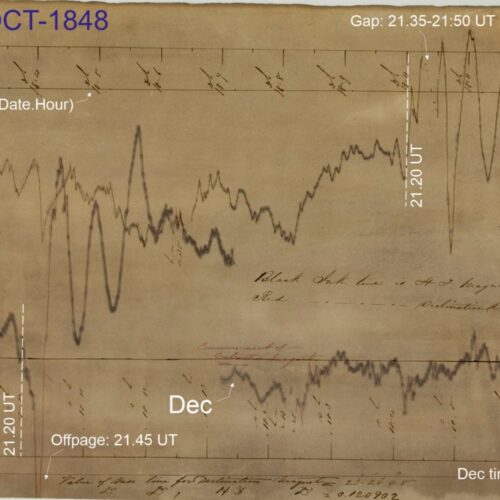
Scientists studied an 1871 report about a strong magnetic disturbance that affected railway telegraphs in Exeter, England. They found the reported date of 1841 was likely a mistake because the railway line was not built until 1846.
Key Facts
The Carrington Event of 1859 is known as the first extreme space weather event.
An 1871 article in Nature described a strong magnetic disturbance causing train delays in Exeter in 1841.
Researchers found the 1841 date was probably a typo since the railway was built after 1844 and opened in 1846.
The disturbance interfered with telegraph signals used for train control.
The telegraph was a new technology in the 1830s and vulnerable to space weather effects.
Strong geomagnetic storms like the Carrington Event can cause electrical disruptions, fires, and auroras.
Scientists study past events to better predict and prepare for future space weather impacts on technology.
Nathaniel John Holmes, an electrical engineer, may have written the anonymous 1871 report.
Read the Original
Want the full story? Tap a source to open the original
article.
Five men were arrested near RAF Fairford in the UK on suspicion of a bomb plot but were released on bail without charges. There is no clear evidence linking Iran directly to the alleged plot, though the base has been a target of concern due to its use by the US military for operations against Iran.
Key Facts
Five men were stopped at RAF Fairford, a US air force base in the UK, early Sunday morning and later released on bail.
The men were arrested on suspicion of carrying explosives and planning a terror attack but no explosives were found.
UK security services acted on last-minute warnings and a local farmer’s phone call reporting the vans blocking her driveway.
RAF Fairford stores US bombers used in military actions, including strikes against Iran.
Iran’s Islamic Revolutionary Guard Corps had warned bases like Fairford were "legitimate targets" after US attacks on Iranian sites.
Police said all five men are UK nationals from London.
UK threat levels around the base were high due to general concerns about attacks on US military sites, not specific intelligence about this event.
There is no clear evidence yet showing Iran’s involvement in this incident.
Read the Original
Want the full story? Tap a source to open the original
article.
Hispanic voters in South Texas and South Florida are shifting away from President Donald Trump and the Republican Party just weeks before the midterm elections. This change is making some Republican-held House seats more competitive and raising hopes for Democrats in Texas.
Key Facts
Hispanic voters in key areas of Texas and Florida are moving away from President Trump and GOP candidates.
Trump made significant gains with Latino voters in these regions during the 2024 election.
The Cook Political Report has moved several Texas and Florida House races toward Democrats.
In Texas, Democratic Senate nominee James Talarico leads Republican Ken Paxton among Hispanic voters.
Many Hispanic voters disapprove of Trump's job performance and immigration policies.
Immigration enforcement policies, especially deportation, are unpopular with about two-thirds of surveyed Hispanic voters.
Economic concerns remain the top priority for Hispanic voters, more than immigration.
Several Texas House districts previously solidly Republican have become competitive or lean Democratic.
Read the Original
Want the full story? Tap a source to open the original
article.