Six candidates are competing to become the next United Nations secretary-general to lead from January 2027. The UN faces challenges including financial problems and loss of trust, making this leadership choice important.
Key Facts
The current UN secretary-general, Antonio Guterres, will be replaced in early 2027.
Six people are competing for this top UN leadership position.
Candidates shared their ideas and plans for the UN on July 24, 2026.
The UN is dealing with financial difficulties.
There is a crisis of confidence, meaning trust in the UN is low.
The new leader will guide the UN during these challenging times.
The selection process for the new secretary-general is ongoing.
Read the Original
Want the full story? Tap a source to open the original
article.
Four Palestinians were killed and four others injured during a clash involving Israeli settlers and forces in the West Bank town of Tal near Nablus. One Israeli settler was also killed, and the Israeli military responded to what it described as an attack on Israelis in the area.
Key Facts
Four Palestinians died and four were injured in Tal, a town in the occupied West Bank near Nablus.
The attack involved Israeli settlers and the Israeli military; settlers allegedly opened live fire first.
One Israeli settler was killed and two others injured during the clashes.
About 25 to 30 Israeli settlers initially attacked the eastern part of Tal and tried to enter Palestinian homes.
The Israeli military said it intervened after a Palestinian stole a weapon and fired at settlers.
Israeli forces imposed a security cordon around Nablus and Tal, closing checkpoints and restricting movement.
Since the start of the year, 86 Palestinians have been killed by Israelis in the West Bank, including 21 by settlers.
Israeli Prime Minister Benjamin Netanyahu promised a strong response and called an emergency meeting after the incident.
Read the Original
Want the full story? Tap a source to open the original
article.
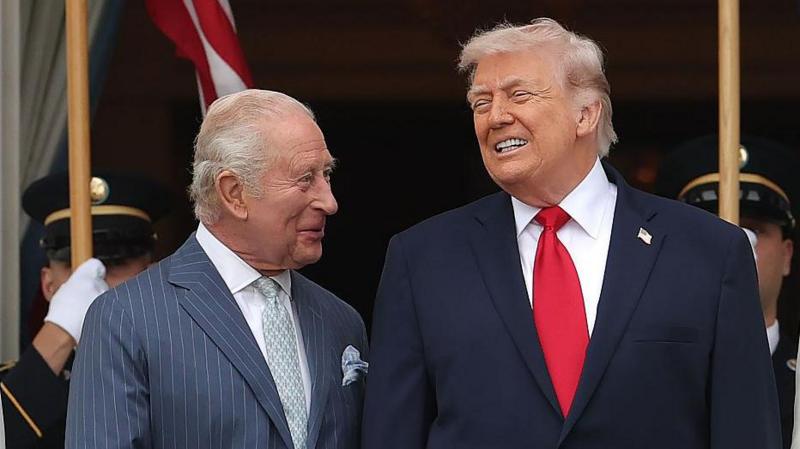
The U.S. has removed tariffs on Scotch whisky after President Donald Trump agreed to lift them following King Charles and Queen Camilla's state visit in April. This deal also allows Kentucky bourbon barrels to enter the UK without tariffs, benefiting whisky producers and related businesses on both sides.
Key Facts
The U.S. had a 10% tariff on Scotch whisky since April 2025, which was set to increase to 25% on single malts.
Scotland exports more whisky to the U.S. than any other country.
Tariffs cost the Scotch whisky industry about £150 million; the U.S. market was worth around £933 million in 2025.
The deal removes tariffs on Kentucky bourbon barrels, which are used to age Scotch whisky, entering the UK tariff-free.
Scotland’s First Minister John Swinney said the deal benefits workers and businesses in both Scotland and the U.S.
President Trump lifted the tariffs after King Charles and Queen Camilla’s visit to the U.S. in April 2025.
There was political debate over who deserved credit for the tariff removal, with Swinney highlighting a combined effort involving King Charles and meetings with President Trump.
The Scotch Whisky Association sees the tariff removal as positive for economic ties and job creation on both sides of the Atlantic.
Read the Original
Want the full story? Tap a source to open the original
article.
Oil prices rose above $100 a barrel for the first time since May due to increasing tensions in the Middle East. The rise follows attacks on Saudi oil tankers in the Red Sea and President Donald Trump’s statement about possibly launching a large attack on Iran.
Key Facts
Brent crude oil price climbed above $100 a barrel again, reaching levels not seen since May.
Tensions in the Middle East are growing, especially around the Strait of Hormuz and the Red Sea.
Yemen's Iran-backed Houthi rebels said they attacked two Saudi oil tankers in the Red Sea.
These attacks raise concerns about safe shipping routes for oil in the region.
President Donald Trump said he is considering a "massive attack" on Iran.
Iran warned it would hold any country responsible that helps the U.S. attack.
The situation is causing uncertainty in the global oil market.
Saudi Arabia, Yemen, Iran, and the U.S. are key players involved in this conflict and its economic impact.
Read the Original
Want the full story? Tap a source to open the original
article.
France is facing a serious wildfire crisis in its southwest region. Over 20,000 people have been evacuated from the village of Lège-Cap-Ferret, and fires have burned at least 4,800 hectares of land.
Key Facts
Intense wildfires hit southwestern France earlier this week.
More than 20,000 people were forced to leave their homes in Lège-Cap-Ferret.
At least 4,800 hectares (about 11,860 acres) have been burned by the fires.
Authorities have ordered evacuations to protect residents and tourists.
The situation is still very serious and ongoing.
Dry weather and heat may be contributing to the spread of the fires.
The wildfires are part of a wider pattern of climate-related events affecting Europe.
Emergency teams are working to control the flames and support the people affected.
Read the Original
Want the full story? Tap a source to open the original
article.
India’s government has extended a mobile internet shutdown in New Delhi amid large protests led by young people demanding education reforms. Leaders of the youth “Cockroach” movement agreed to meet with officials but said their protests will keep going.
Key Facts
The protests are led by a youth group called the “Cockroach” movement.
The government extended the mobile internet shutdown in New Delhi to control the protests.
The protests are focused on issues with India’s education system, including exam irregularities.
Activist Sonam Wangchuk ended a 26-day hunger strike during the protests.
Talks between youth leaders and government officials are scheduled to try to solve the standoff.
Public anger has grown due to scandals related to the education system.
The movement has spread to other cities like Mumbai.
Police have been accused of harsh treatment of peaceful protesters.
Read the Original
Want the full story? Tap a source to open the original
article.
The Spanish government declared a national emergency due to wildfires near Madrid and in Avila province. Around 10,000 people have been evacuated to keep them safe while firefighters work to control the fires.
Key Facts
Wildfires broke out late Thursday near Madrid and in the province of Avila.
The Spanish government declared a national emergency to respond faster.
About 10,000 people have been evacuated from the affected areas.
The emergency declaration helps move resources quickly to fight the fires.
Authorities said not enough has been done to prevent and control such fires in the past.
The fires are ongoing and considered more than a temporary problem.
The situation is linked to hot weather conditions fueling the wildfires.
Read the Original
Want the full story? Tap a source to open the original
article.
Health Secretary Robert F. Kennedy Jr. visited the University of Utah to talk about Utah’s new law banning fluoride and about food additives. This event took place on April 7, 2025, in Salt Lake City.
Key Facts
Robert F. Kennedy Jr. is the current Health Secretary.
He visited the University of Utah on April 7, 2025.
The visit focused on Utah’s new fluoride ban.
Discussions also covered legislation related to food additives.
The event took place in Salt Lake City, Utah.
The article mentions a weekly news quiz by The Associated Press.
The quiz aims to review major news stories from the week.
The article includes a photo by Melissa Majchrzak from the AP.
Read the Original
Want the full story? Tap a source to open the original
article.
The Philippines says China used water cannons on Philippine government boats for the second day near Scarborough Shoal, a disputed area in the South China Sea. China says it is enforcing the law on what it calls illegal Filipino vessels in the area, and both countries have protested by summoning each other’s ambassadors.
Key Facts
The Philippine Coast Guard accused the China Coast Guard of firing water cannons at Philippine vessels near Scarborough Shoal.
Scarborough Shoal is inside the Philippines’ exclusive economic zone but is also claimed by China.
Chinese vessels came very close to Philippine boats, causing a risk of collision.
The Philippine vessels were delivering fuel and conducting patrols to support local fishermen.
China claims the Filipino vessels were illegally gathering and ignored warnings.
Both incidents at Scarborough Shoal happened after a clash earlier in the week at another disputed area, Second Thomas Shoal.
Both countries have summoned each other’s ambassadors to protest the incidents.
China claims almost all of the South China Sea and has many coastguard ships there, increasing tensions with neighboring countries.
Read the Original
Want the full story? Tap a source to open the original
article.
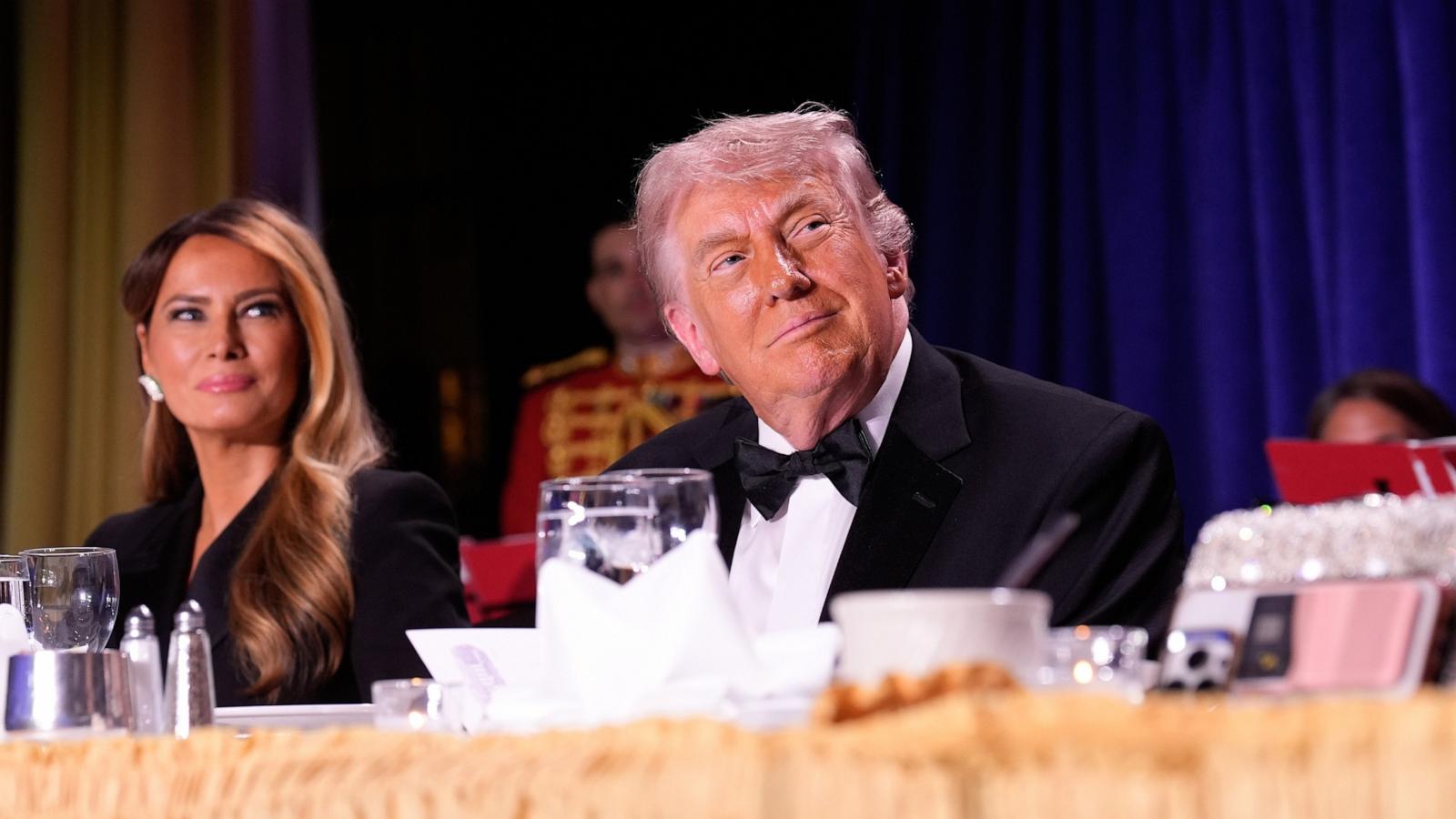
President Donald Trump will attend the rescheduled White House Correspondents' Association Dinner on Friday after the original event was cut short by a shooting in April. The dinner will recognize the bravery of a Secret Service officer and the hotel staff affected by the incident.
Key Facts
The original correspondents' dinner in April ended early due to a shooting at the Washington Hilton hotel.
Cole Allen fired shots, injuring Secret Service officer Victor Gonzales, who was protected by his vest and continued responding.
Allen faces charges including attempting to assassinate the president and assaulting a federal officer.
President Trump and other top officials were at the event when the shooting happened.
The rescheduled dinner will take place at the Waldorf Astoria hotel in Washington, D.C.
The White House Correspondents' Association will give a special award to Officer Gonzales and the Washington Hilton staff for their courage and professionalism.
Mentalist Oz Pearlman, the originally planned entertainer, will perform again at the rescheduled dinner.
The event will complete the program that was interrupted in April, including awards and President Trump’s remarks.
Read the Original
Want the full story? Tap a source to open the original
article.
The Trump administration has taken a new position on artificial intelligence (AI) policy by supporting open AI development but accusing some Chinese companies of stealing U.S. technology through a method called distillation. This stance could lead to actions against Chinese AI firms while still allowing open AI models used by many businesses and researchers.
Key Facts
The administration supports open-weight AI models that are available for wide use.
It accuses China's company Moonshot of stealing U.S. AI technology by copying Anthropic's model using a process called distillation.
Distillation involves training a smaller AI model to copy the behavior of a larger model more efficiently.
U.S. officials say small-scale distillation is acceptable, but large-scale secretive use aimed at stealing technology is not.
Treasury Secretary Scott Bessent and other officials warn about intellectual property theft by Chinese companies.
AI experts say distillation is mainly a technical issue, but the government sees it as a possible policy problem when used dishonestly.
The administration may consider sanctions or adding Chinese AI firms to a restricted list to stop illegal technology use.
A recent evaluation found the Chinese model Kimi K3 performs worse than leading AI models but is causing concern in the U.S. for its low cost and competition.
Read the Original
Want the full story? Tap a source to open the original
article.
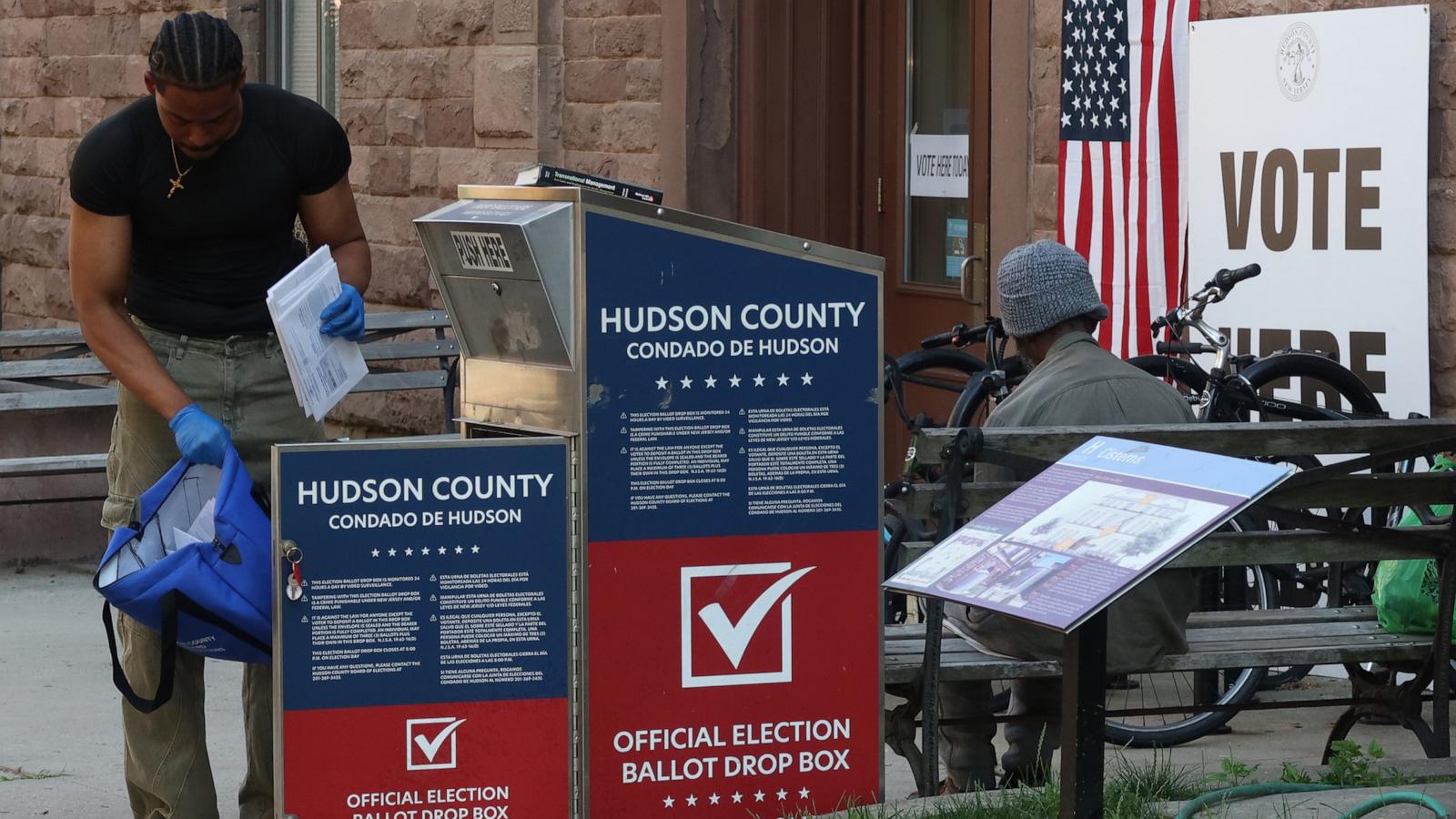
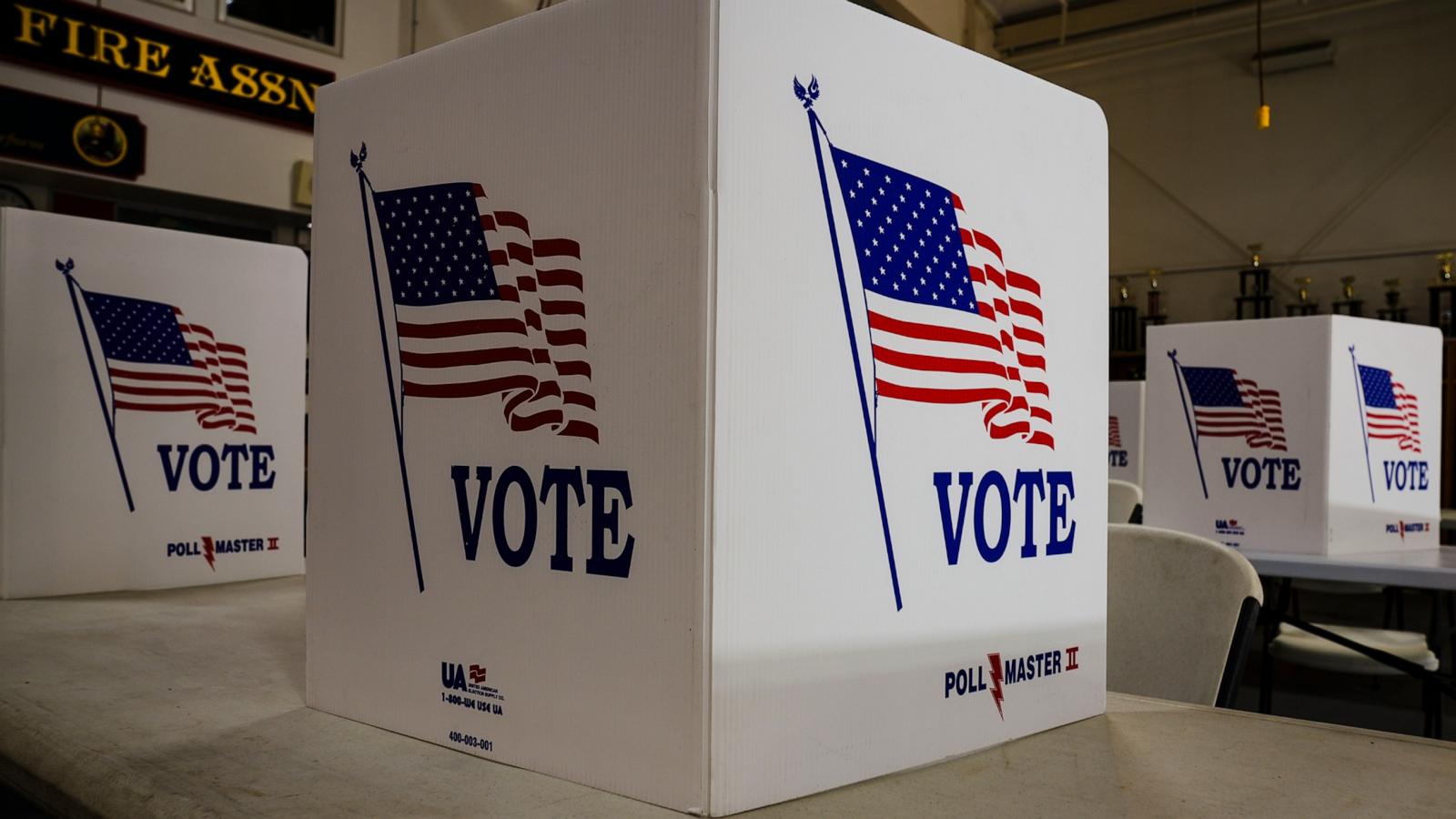
A software error in New Jersey allowed about 6,600 noncitizens to register to vote between June 2023 and June 2024. President Trump and Republicans are using this case to push for the passage of the SAVE Act, which would require voter ID and proof of citizenship for voter registration, before Congress' summer recess.
Key Facts
Approximately 6,600 noncitizens were mistakenly registered to vote in New Jersey due to a software glitch.
The error happened when noncitizens applied for driver’s licenses or ID cards and were asked about voter registration.
Fewer than 400 of these erroneously registered people actually voted, and their votes did not affect any election results.
New Jersey Governor Mikie Sherrill confirmed there is no evidence that elections were influenced by this mistake.
President Trump supports the SAVE Act, which aims to require voter ID and proof of citizenship to register to vote.
Trump and White House officials claim more noncitizens may be on voter rolls nationwide, though experts warn the system to identify such cases can have errors.
Trump has previously claimed, without evidence, that elections have been rigged and has promoted stricter voting laws.
The Trump administration wants Congress to pass the SAVE Act before the Senate breaks for its summer recess.
Read the Original
Want the full story? Tap a source to open the original
article.
President Donald Trump has imposed new tariffs of 10 to 12.5 percent on imports from 60 countries. These tariffs are meant to target goods made with forced labour and replace previous temporary tariffs that ended after a Supreme Court ruling.
Key Facts
The tariffs apply to imports from 60 countries that make up 99% of U.S. imports.
The import taxes range from 10% to 12.5%, depending on whether a country has laws against forced labour imports.
Countries with anti-forced labour laws (like India, Pakistan, Argentina) face 10% tariffs; others (including China and the UK) face 12.5%.
The tariffs took effect immediately after earlier temporary 10% tariffs expired on Friday at 12:01 am Washington DC time.
The legal authority for these tariffs is Section 301 of the Trade Act of 1974, allowing action against unfair trade practices.
Previously, President Trump used the International Emergency Economic Powers Act (IEEPA) to impose tariffs, but the Supreme Court ruled it did not authorize tariffs.
Earlier temporary tariffs under Section 122 of the Trade Act were set to expire after 150 days.
US Trade Representative Jamieson Greer said the goal is to stop human rights abuses and unfair trade by making partners enforce forced labour bans.
Read the Original
Want the full story? Tap a source to open the original
article.
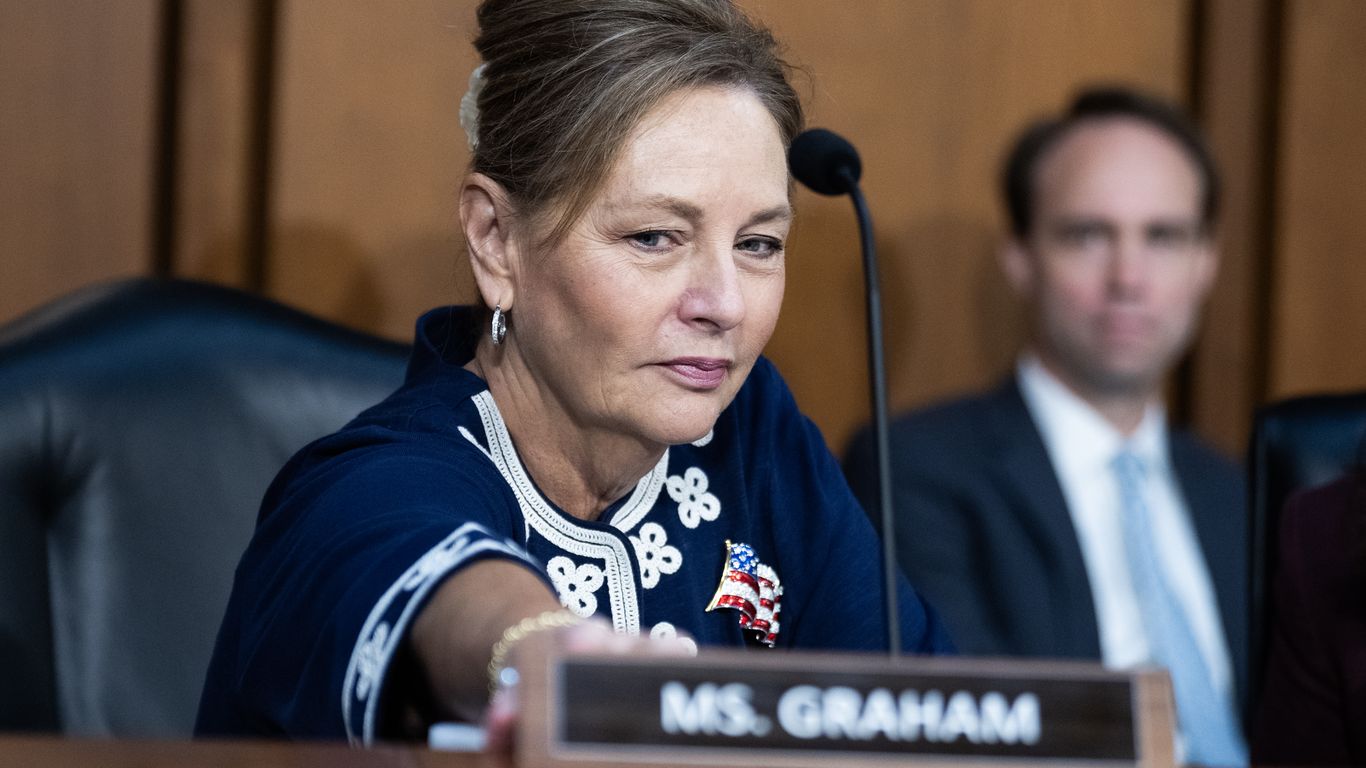
Darline Graham, who was appointed to temporarily fill her late brother Senator Lindsey Graham’s seat, has President Donald Trump’s endorsement as she runs for a full Senate term. However, many Republican leaders and voters in South Carolina doubt her chances because she is new to politics, has not built a strong personal reputation, and the state often rejects political handoffs like hers.
Key Facts
Darline Graham was appointed to temporarily fill the Senate seat after her brother Lindsey Graham’s death.
President Donald Trump quickly endorsed her for the full Senate term in the upcoming November election.
Some GOP leaders have not endorsed her and question her political experience.
Lindsey Graham had mixed support in South Carolina because of his bipartisan work and past criticism of Trump.
Darline Graham is not well known to voters and is behind other candidates in early polls.
She has not clearly defined her political views or participated in campaign debates.
South Carolina voters have a history of rejecting appointed senators seeking full terms.
Despite doubts, Trump’s endorsement and her brother’s political team are major advantages for her campaign.
Read the Original
Want the full story? Tap a source to open the original
article.
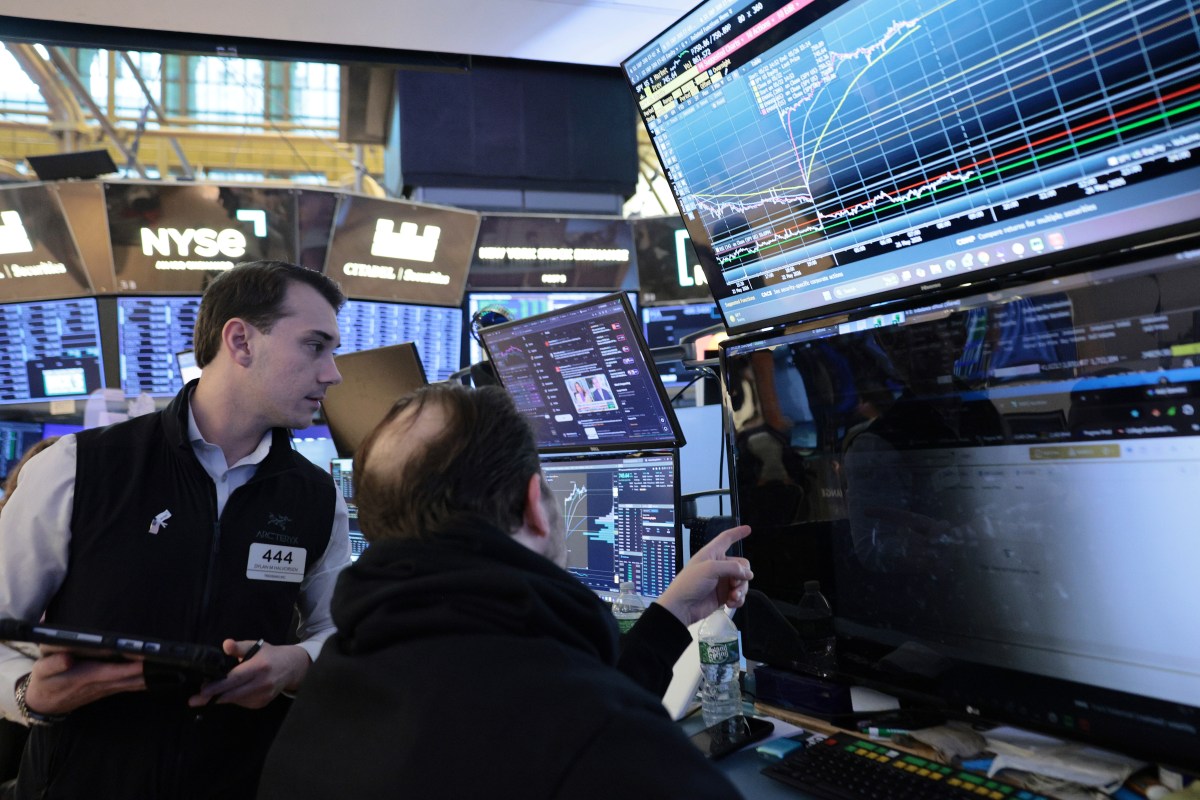
The global economy faces critical "choke points," places or systems where key goods like oil or technology components get stuck, slowing down supply and raising prices. Recently, conflicts near important oil routes in the Middle East and shortages in AI-related technology have highlighted how these choke points disrupt trade and economic stability.
Key Facts
The term "choke point" describes places or systems where important goods or resources get blocked or limited.
Saudi Arabia is moving more oil through the Red Sea, avoiding the Strait of Hormuz, but conflicts threaten the Bab el-Mandeb Strait, another key route.
About 5.7% of the world’s oil passed through the Bab el-Mandeb Strait in early 2026, up from 3.5% the previous year.
Energy prices have risen, with Brent crude oil trading above $100 per barrel.
Choke points can be physical (like straits) or related to resources, technology, or financial systems with few alternatives.
The AI industry faces choke points due to shortages in key parts and limited data center and power capacity.
Global trade specialization makes the system efficient but also fragile, increasing risks from tariffs and export controls.
Experts and companies are paying more attention to choke points when planning for business risks.
Read the Original
Want the full story? Tap a source to open the original
article.
Two large wildfires are burning in southwest France, forcing more than 20,000 people, including many tourists, to leave the area. Firefighters, police, and soldiers are working to stop the fires, which have been made worse by heatwaves and strong winds linked to climate change.
Key Facts
Two major wildfires are active about 50 kilometers west of Bordeaux, France.
Over 20,000 people have been evacuated because of the fires.
Hundreds of tourists had to leave their holiday spots due to the emergency.
Around 800 firefighters, along with police and soldiers, are fighting the fires.
The region has experienced three heatwaves since May 2026.
Climate change is causing higher temperatures and stronger winds, making wildfires spread faster and burn hotter.
The area damaged by fires in European Union countries this year is the second largest ever recorded.
The fires and evacuations are happening during the peak summer holiday season.
Read the Original
Want the full story? Tap a source to open the original
article.
President Donald Trump supports the SAVE Act, a new law that would consolidate personal voter information from states into federal control to verify voter eligibility. The law requires proof of citizenship and voter ID to register and vote and is facing legal challenges and criticism for centralizing election power.
Key Facts
The SAVE Act is supported by President Trump and aims to gather private voter information at the federal level.
It requires states to collect data from sources like the Social Security Administration and state ID cards to confirm citizenship.
The bill passed the House of Representatives but has not yet passed the Senate.
President Trump has refused to sign a bipartisan housing bill to pressure the Senate to pass the SAVE Act.
Voting rights groups and some former government officials argue that election administration should remain a state responsibility, as intended by the Constitution.
The administration has tried to build a national voter database using data from Homeland Security, IRS, and Social Security Administration, which has led to lawsuits from states over privacy concerns.
Courts have blocked or limited many of the administration’s efforts to collect voter information.
Federal laws exist to ensure accurate state voter rolls, and the Department of Justice claims authority to enforce them.
Read the Original
Want the full story? Tap a source to open the original
article.
Yemen’s Houthi rebels said they attacked two Saudi oil tankers in the Red Sea. This action responds to Saudi Arabia’s blockade of Yemen and adds to tensions in the region, pushing oil prices higher.
Key Facts
Houthi rebels in Yemen attacked two Saudi oil tankers on July 23, 2026.
The attack happened in the Red Sea near the Bab el-Mandeb Strait.
Houthis declared a blockade on Saudi-linked shipping through this strait earlier that week.
This is the first strike on a vessel by the Houthis since their blockade announcement.
Saudi Arabia had imposed a blockade on Yemen and struck Sanaa’s airport, prompting Houthi retaliation.
The Bab el-Mandeb Strait is an important shipping route connecting the Red Sea to the Gulf of Aden.
Oil prices, specifically Brent crude, reached their highest level since May due to these tensions.
The Strait of Hormuz remains closed, further pressuring global oil shipping.
Read the Original
Want the full story? Tap a source to open the original
article.
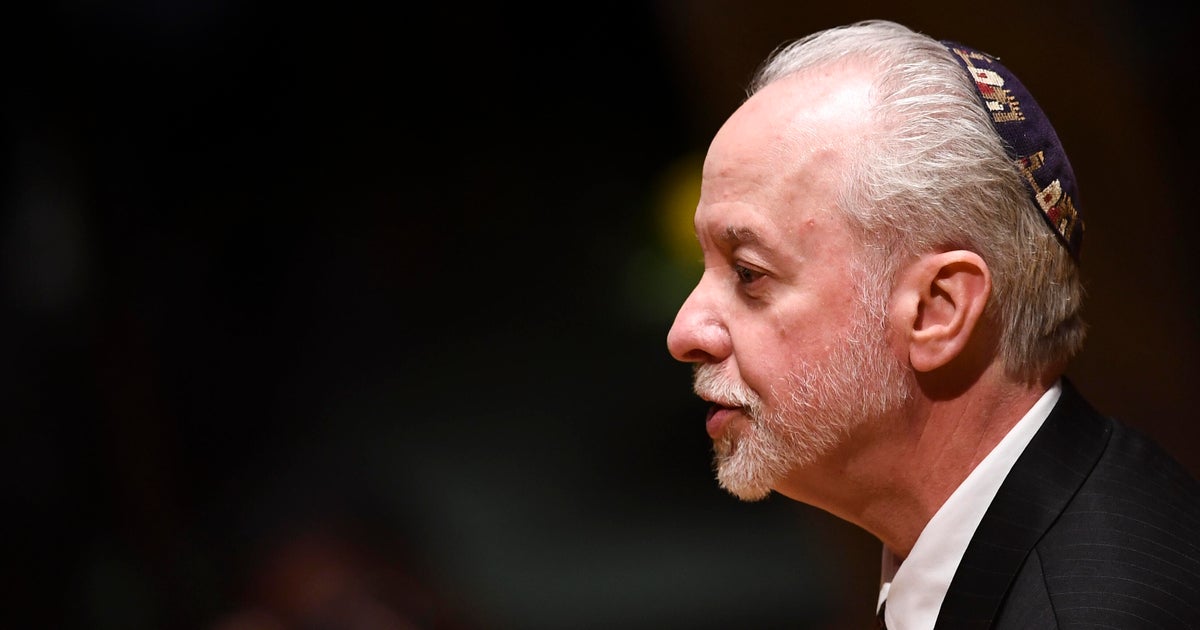
Rabbi Jeffrey Myers, the spiritual leader of the Tree of Life Congregation in Pittsburgh, is retiring nearly eight years after surviving the deadliest antisemitic attack in U.S. history, when a gunman killed 11 worshippers in 2018. Myers plans to move back to New Jersey to be near family and focus on personal healing after leading his congregation through grief, trial, and rebuilding.
Key Facts
Rabbi Jeffrey Myers became Tree of Life’s spiritual leader about a year before the 2018 attack.
On October 27, 2018, a gunman killed 11 people at the synagogue during Sabbath services.
Myers survived the attack and helped his congregation grieve and heal over the following years.
The synagogue shares its building with two other congregations in Pittsburgh’s Squirrel Hill neighborhood.
Myers often turned to the Book of Psalms for comfort and inspiration after the attack.
The gunman was sentenced to death in a trial that took several years.
Myers plans to retire in July 2026 and return to New Jersey to be close to his daughter and granddaughter.
Congregants and survivors praise Myers for steady leadership during a very difficult time.
Read the Original
Want the full story? Tap a source to open the original
article.
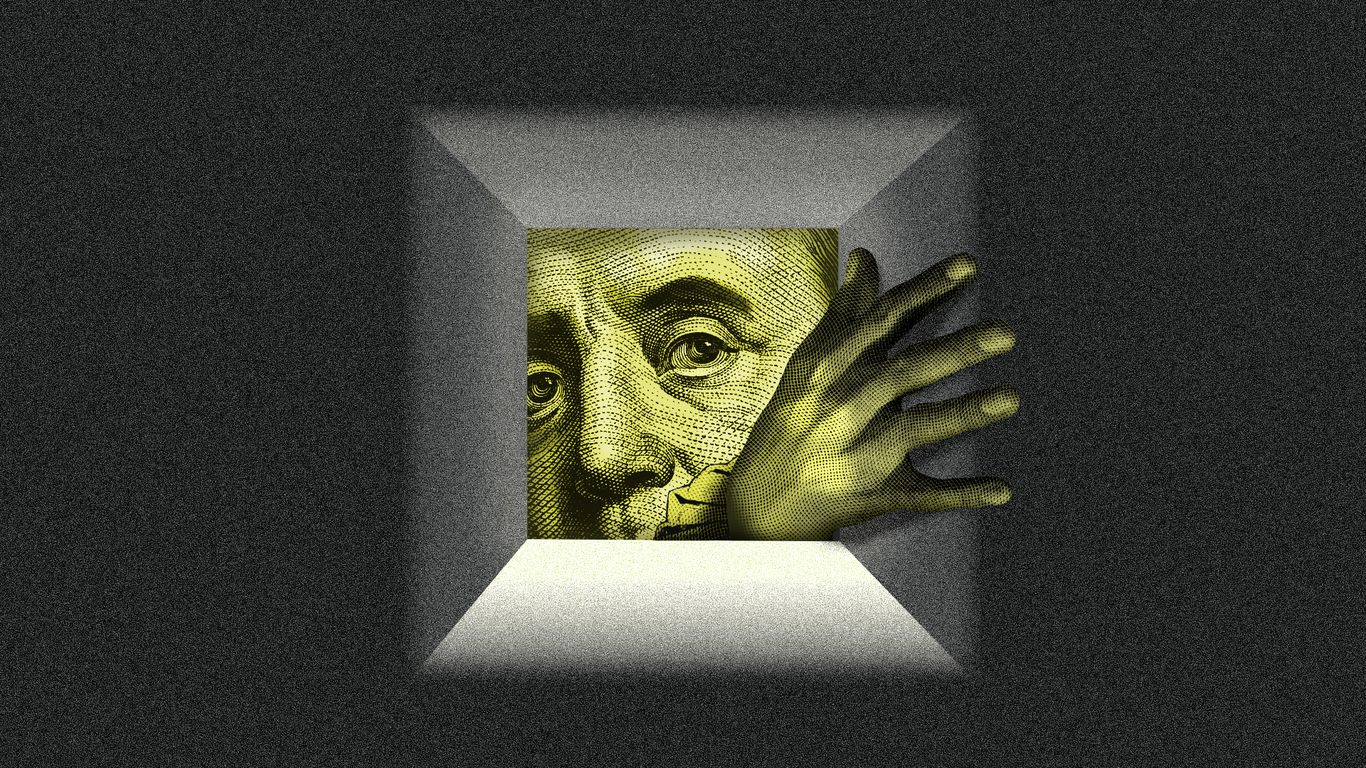
The article argues that blockchain technology and digital assets need clear and modern laws in the United States to support innovation and investment. It highlights the need for Congress to pass legislation that sets clear rules, protects consumers, and prevents fraud while allowing blockchain businesses to grow.
Key Facts
America has a history of successful technology innovation because of clear and fair rules.
Blockchain entrepreneurs in the U.S. face confusing and overlapping regulations.
Regulatory uncertainty slows investment and pushes innovation to other regions like the European Union.
Blockchain now represents real financial assets, including over $30 billion in tokenized assets and $15 billion in U.S. Treasuries.
Financial institutions see blockchain as a way to improve markets with faster and more transparent transactions.
The Digital Asset Market Clarity Act aims to create a modern and clear legal framework for digital assets.
The legislation would clarify which regulators oversee the market and set rules to prevent fraud and manipulation.
Proper rules would allow innovators to work confidently while protecting consumers and maintaining fair competition.
Read the Original
Want the full story? Tap a source to open the original
article.