A suicide bombing at a police checkpoint in Dera Ismail Khan, Pakistan, killed at least 11 people and injured 20 others. The Pakistan Taliban group said they carried out the attack.
Key Facts
The bombing happened in Dera Ismail Khan, in the Khyber Pakhtunkhwa province of Pakistan.
At least 11 people died, including seven security personnel.
Around 20 people were wounded in the attack.
The attack targeted a roadside police checkpoint.
Tehreek-e-Taliban Pakistan (TTP), also known as the Pakistan Taliban, claimed responsibility.
The incident took place on a Saturday.
Read the Original
Want the full story? Tap a source to open the original
article.
Andy Burnham, a Labour politician, is working to improve relations with UK farmers after a period of conflict over new taxes, including inheritance tax. Recent protests by farmers over these taxes have quieted, and there may be changes to support farmers in the next budget.
Key Facts
Andy Burnham reached out personally to farmers like Olly Harrison, showing a new approach to connect with them.
Farmers protested the 2024 budget’s inheritance tax changes, worrying it would cause farm closures.
Jeremy Clarkson joined farmers in a protest in London against these tax changes.
Since the protests, Burnham’s team has tried to rebuild trust with farmers and avoid further clashes.
There is no planned farmers' protest for the upcoming budget, suggesting improved relations.
In 2023, about 6,300 agricultural and related businesses closed, linked to taxes, weather, and inflation.
A possible change to inheritance tax or added financial support for farmers may happen in the next budget.
Farmers have also faced issues with the government’s new farming budget replacing EU subsidies, with funds running out quickly.
Read the Original
Want the full story? Tap a source to open the original
article.
Comedian Stavros Halkias talks about his new stand-up special, his TV show called "Tires," and his part in a movie about Anthony Bourdain named "Tony." He shares details about his life and career in an interview with Nate Burleson.
Key Facts
Stavros Halkias is a comedian.
He has a new stand-up special.
Halkias stars in a show called "Tires."
He plays a role in the movie "Tony," which is about Anthony Bourdain.
The interview is conducted by Nate Burleson.
The interview is available on CBS News.
The content covers Halkias’s personal life and career.
Read the Original
Want the full story? Tap a source to open the original
article.
The new UK Prime Minister, Andy Burnham, is popular within his party and among supporters, creating a positive atmosphere in the Labour Party. However, he faces serious challenges, including tough budget choices and ongoing international issues like the war in Ukraine and oil prices.
Key Facts
Andy Burnham is the new Prime Minister and is well-liked by Labour Party members.
Labour's mood has improved compared to the previous year, with fewer criticisms of leadership.
Burns’ leadership style focuses on social justice and regional divides, such as between the north and south of the UK.
The party is gaining some support in opinion polls, a trend called the "Burnham bounce."
Downing Street’s political operations have become more organized and clearer under Burnham.
Chancellor John Healey will soon decide on the upcoming UK budget, which faces pressure to either cut spending or raise taxes by around £10 billion.
External issues like global oil prices, the war in Ukraine, and tensions involving the Strait of Hormuz impact the UK’s economy and international standing.
Labour’s upcoming conference is happening close to the budget announcement, adding to the political pressure.
Read the Original
Want the full story? Tap a source to open the original
article.
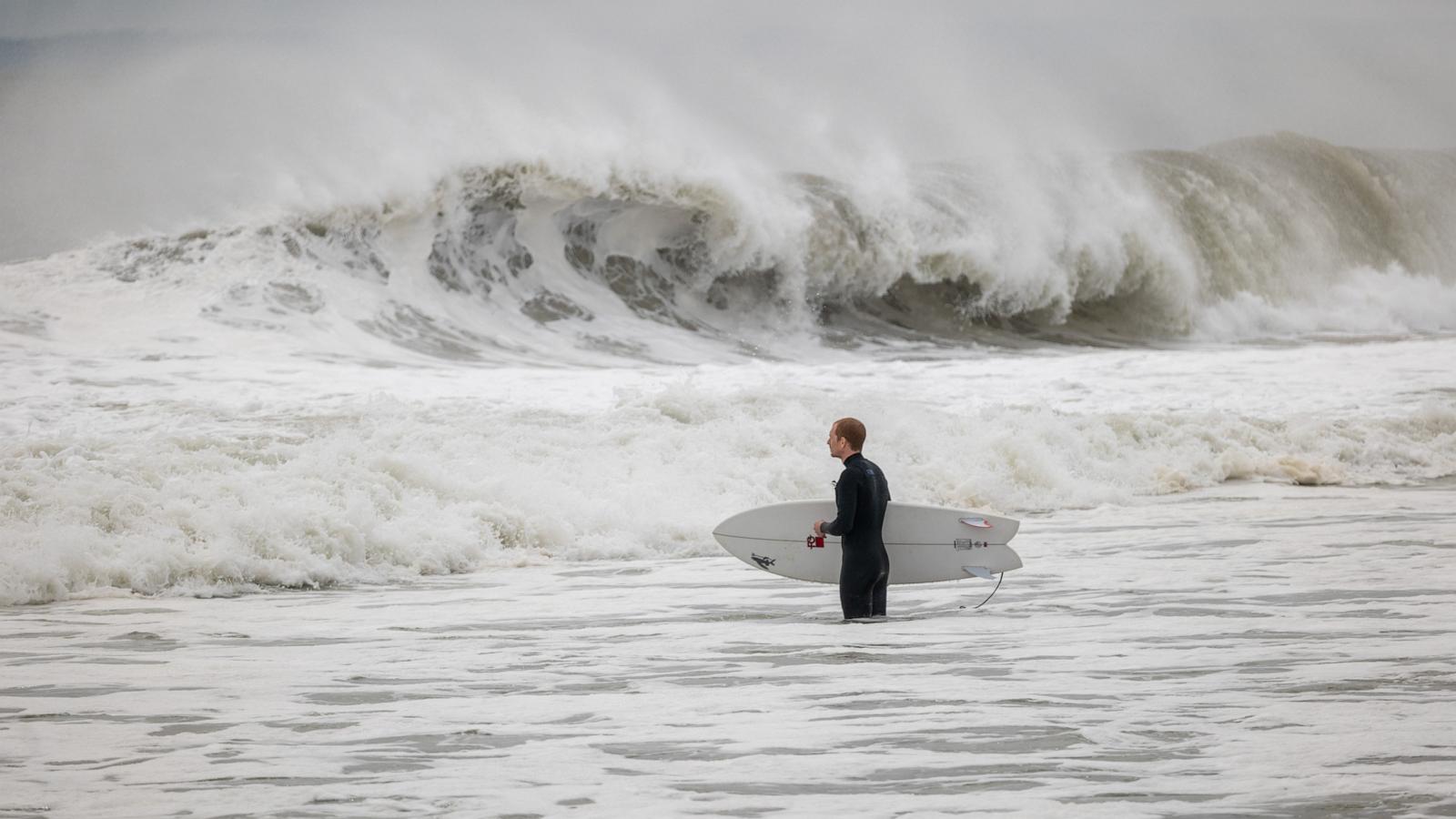
A nor’easter storm is affecting the U.S. East Coast with strong winds, heavy rain, and high waves. Coastal flooding and dangerous conditions are expected from Virginia to southern New England over the weekend.
Key Facts
The storm was about 200 miles east of the Delmarva Peninsula on Saturday morning.
Wind gusts reached up to 74 mph in Surf City, New Jersey, with other areas experiencing gusts over 60 mph.
Coastal flood alerts cover areas from eastern Virginia to southern Maine, including cities like New York, Boston, and Philadelphia.
High tides could cause moderate to major coastal flooding in parts of the Chesapeake Bay, Jersey Shore, and southern New England.
Wind advisories warn of gusts up to 45 mph in areas from Delaware to eastern Massachusetts.
High wind warnings are in place for the Jersey Shore, Rhode Island, and Massachusetts with gusts up to 60 mph.
Waves between 6 and 16 feet or higher are damaging beaches and creating dangerous conditions.
The storm will continue to bring heavy rain and wind through Sunday but should weaken later in the day.
Read the Original
Want the full story? Tap a source to open the original
article.
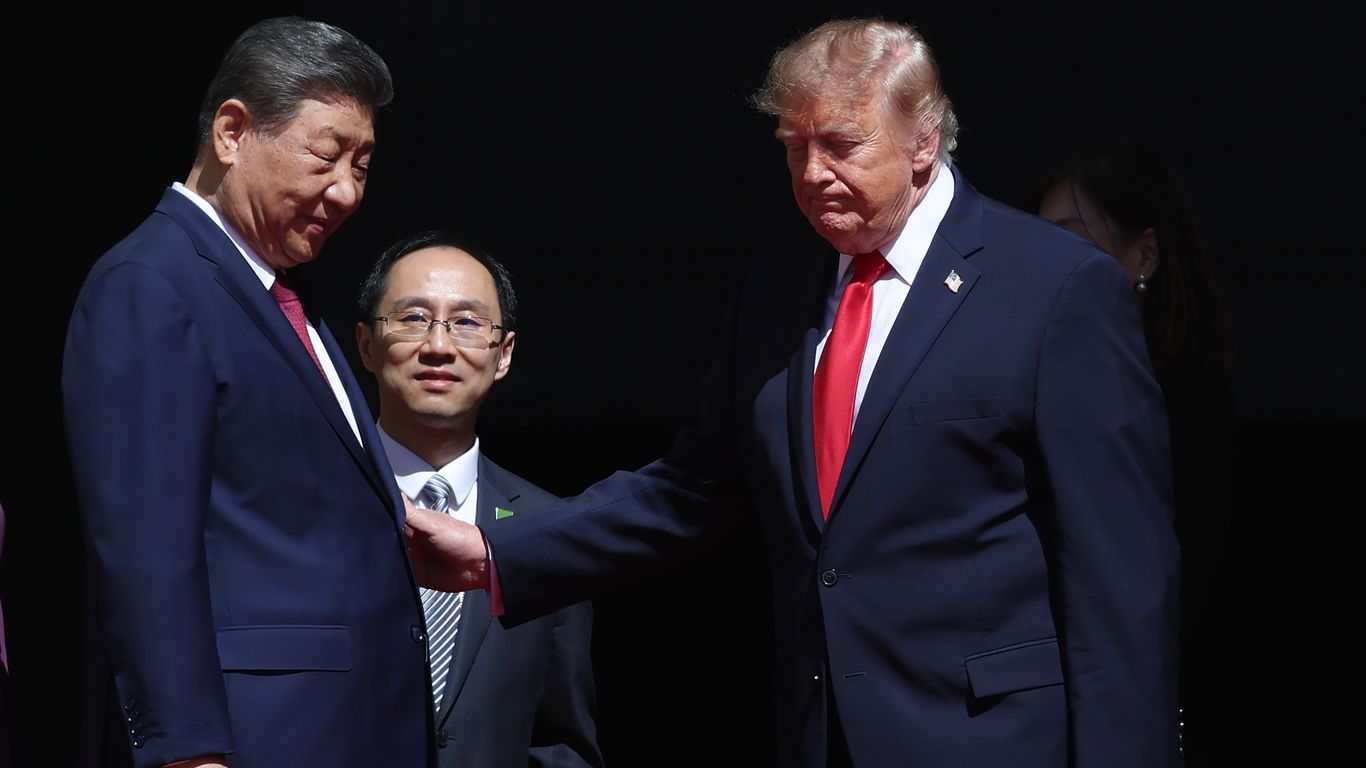
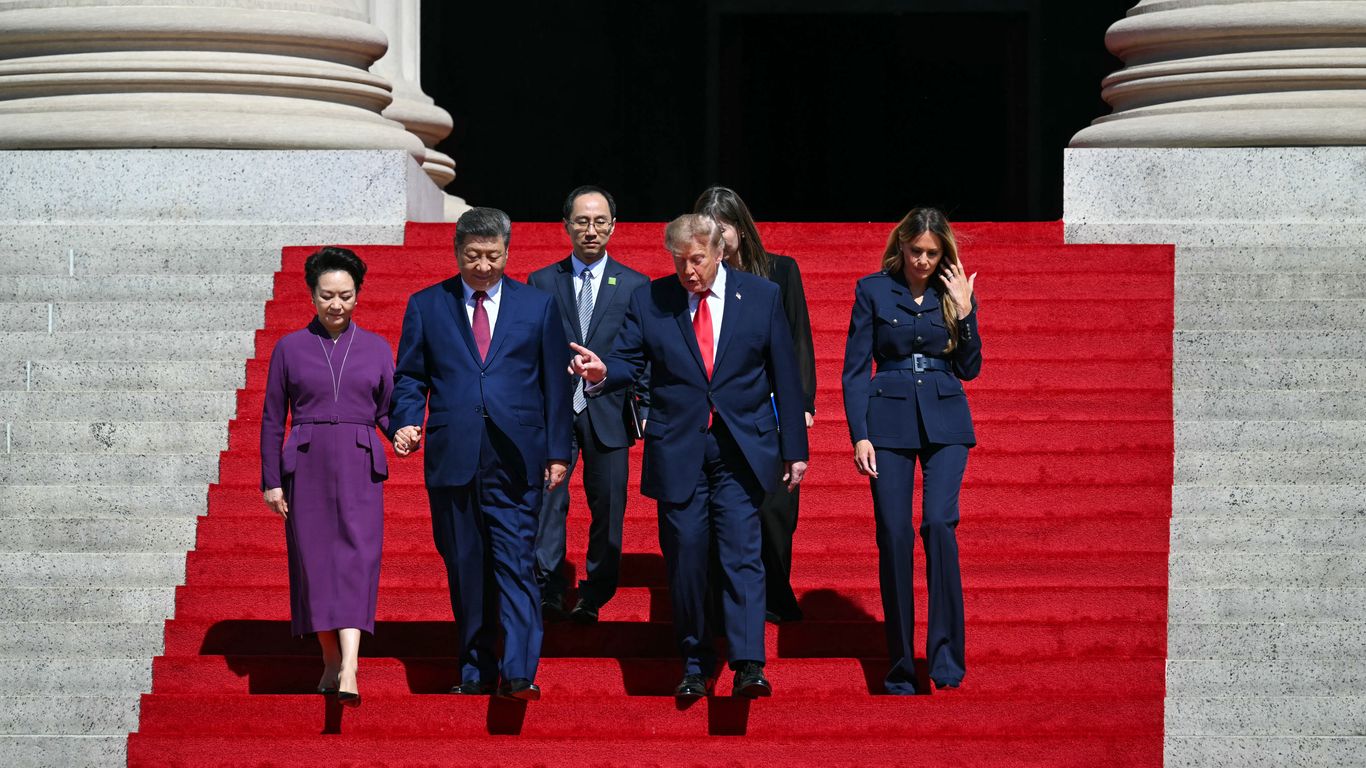
The United States and China have agreed to start talks about artificial intelligence, calling it "super intelligence" or "SI." They will set up a way to communicate directly to handle serious problems involving this technology.
Key Facts
President Donald Trump and Chinese leader Xi Jinping agreed on the new talks during a recent summit.
The U.S. and China will call artificial intelligence "super intelligence" or "SI."
A "U.S.-China Super Intelligence (SI) Dialogue" will discuss the risks and benefits of SI.
The first meeting of this dialogue will happen by November.
They will create a special communication channel to manage major SI-related incidents.
This channel is compared to the Cold War "red telephone," a direct line for emergency talks.
Treasury Secretary Scott Bessent worked on setting up this communication channel before the summit.
Details about what incidents will use the channel and how notifications will happen are not yet clear.
Read the Original
Want the full story? Tap a source to open the original
article.
The UN human rights office has added 61 more companies to a list of businesses accused of violating Palestinian human rights by working with Israeli settlements in the West Bank. The list now includes 214 companies, mostly from Israel, and aims to highlight firms involved in these activities, though it has no legal power to force actions.
Key Facts
The UN added 61 companies to a blacklist related to alleged human rights violations in Israeli settlements.
The total number of companies on the list is now 214, based in 11 countries, mostly Israeli.
Five companies were removed from the list in this update.
The blacklist started in 2020 after a UN Human Rights Council vote.
The list aims to identify companies linked to settlements but cannot enforce penalties.
Israel rejects the blacklist, calling it unfair and saying the companies did nothing wrong.
The UN informed the companies before adding them and allowed them to respond.
Recently, Britain banned trade with Israeli settlements, and France and Canada plan similar steps.
Read the Original
Want the full story? Tap a source to open the original
article.
Iran’s President Masoud Pezeshkian said Iran no longer trusts talks with the United States because past negotiations were followed by attacks and sanctions. Iran has proposed a plan to end the conflict involving the US and Israel, which includes reopening the Strait of Hormuz and lifting sanctions, but awaits a US response.
Key Facts
Iran lost trust in negotiations with the US due to previous attacks and sanctions after talks.
Iran proposed a seven-day plan to end the war involving the US and Israel, aiming to reopen the Strait of Hormuz and lift sanctions.
The Strait of Hormuz is a key shipping route for about 20% of the world’s oil and gas trade.
Under the plan, the US would lift its naval blockade, remove Iranian oil sanctions, release $12 billion in frozen Iranian assets, and observe a regional ceasefire.
Iran would reopen the Strait of Hormuz and start talks on its nuclear program on day seven.
Pezeshkian denied that Iran blocked the Strait of Hormuz and said the US closed routes first, calling Iran’s response natural.
He described the US and Israel as the aggressors, claiming Iran has not attacked any country in 200 years.
Pezeshkian said regional security should come from cooperation among Middle Eastern countries without external powers acting as policemen.
Read the Original
Want the full story? Tap a source to open the original
article.
The U.S. and China agreed to reduce tariffs on $30 billion worth of goods after a summit between President Donald Trump and Chinese leader Xi Jinping. This deal includes tariff cuts on some agricultural and medical products from China and household items from the U.S., aiming to ease trade tensions and lower consumer prices.
Key Facts
The tariff deal covers $30 billion of "non-sensitive goods" traded between the U.S. and China.
China will reduce tariffs on agricultural goods, seafood, wood products, cosmetics, and medical devices.
The U.S. will cut tariffs on small appliances, toys, holiday decorations, and children's car seats.
China agreed to import 10 million metric tons of U.S. coal in both 2027 and 2028.
China was a major importer of U.S. coal but reduced imports in 2025 during the trade war.
The deal is part of efforts to reduce the trade conflict that escalated last year.
The White House did not provide clear details about rare earth minerals, which are important for supply chains.
Both countries are still working on resolving supply issues related to critical minerals.
Read the Original
Want the full story? Tap a source to open the original
article.
The University of Oxford is working with OpenAI to digitize historical texts from its Bodleian Library. These texts are being used to train OpenAI’s AI models to improve their ability to understand and generate language.
Key Facts
Oxford partnered with OpenAI in March 2025 to digitize library texts and make them easier to access.
The digitized data, including historic books and dissertations, is used to train OpenAI’s AI models like ChatGPT.
Over 125,000 images from historical documents have been shared, including 16th-century ballads and 19th-20th century theses.
Only out-of-copyright and publicly available materials are included in the digitization.
Oxford retains rights to the scans and plans to publish them online soon.
Some university staff expressed concerns about reputational risks and environmental impacts from using AI technology.
This project is part of OpenAI’s broader NextGenAI initiative with other research libraries.
The Bodleian collection has about 23 million items, raising potential for large-scale digitization.
Read the Original
Want the full story? Tap a source to open the original
article.
The UK government is working on new laws to stop ticket touts from selling concert tickets at very high prices. The laws aim to protect fans from being overcharged and have support from many famous artists. Officials are preparing rules to prevent touts from avoiding UK laws by operating from other countries.
Key Facts
The UK government is drafting laws to ban the resale of concert tickets for profit.
The proposal is backed by well-known artists like Radiohead, Dua Lipa, Coldplay, and the Smiths’ drummer.
The laws are not yet in the king’s speech but the work is ongoing within the Department for Digital, Culture, Media and Sport (DCMS).
Research found ticket touts charging up to 19,728% more than face value for some events.
Three ticket sellers based in Latvia, North America, and Germany listed more than 75% of resold tickets.
Some tickets were sold without proper seller information, breaking competition rules.
Tickets were often “speculative,” meaning sellers listed tickets they did not yet have.
Ticket resale site Viagogo denies some claims and says it follows UK laws and forbids speculative listings.
Read the Original
Want the full story? Tap a source to open the original
article.
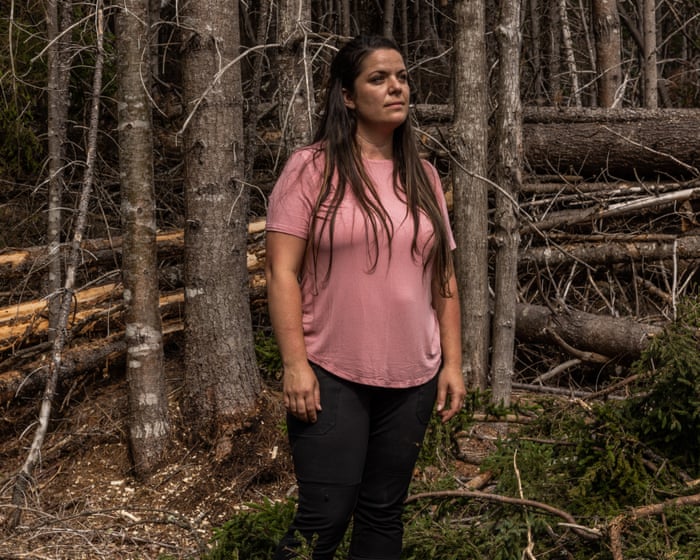
A logging business in Maine shut down due to delays in getting machine parts caused by expensive tariffs, which are part of a trade war with Canada. This trade conflict and high fuel prices have hurt Maine’s economy, important because logging is a major industry there. The issue is also a topic in the 2024 Senate race, where Democrat Troy Jackson challenges Republican Senator Susan Collins.
Key Facts
Molly London and her husband closed their Maine logging business after waiting weeks for costly replacement parts caused by tariffs.
Maine’s economy relies heavily on logging, especially in counties like Penobscot, known historically for its timber industry.
A trade war with Canada and record-high diesel fuel prices have made logging more expensive and difficult.
Maine sends about 40% of its exports to Canada, making trade ties very important.
Senator Susan Collins, a Republican from Maine, has served 29 years and chairs the Senate appropriations committee.
Democrat Troy Jackson, a fifth-generation logger, is challenging Collins in the 2024 Senate election.
Maine’s population leans Democrat but values independence and re-elected Collins in 2020 despite voting for Joe Biden.
Voters in rural areas like Penobscot feel left behind by political promises amid economic struggles.
Read the Original
Want the full story? Tap a source to open the original
article.
Staying informed here is free for everyone. If it's worth something to you, pay what you want. Supporters also get the daily digest by email every morning.
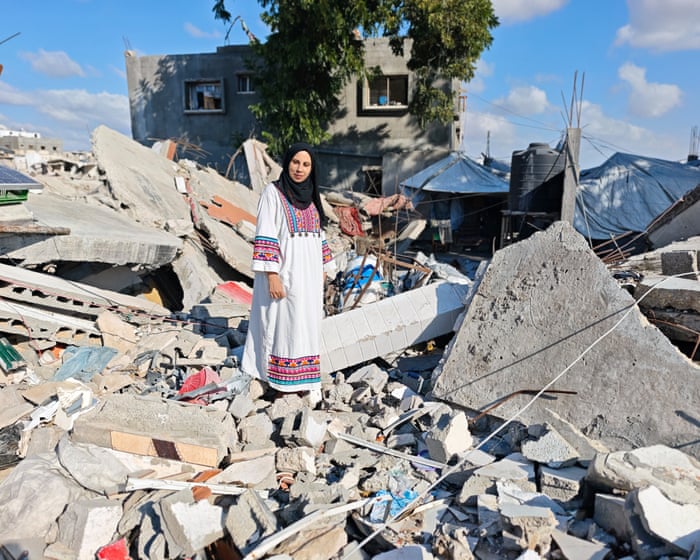
This article follows five people living in Gaza, showing their daily struggles with basic needs like cooking, water, and supplies during ongoing hardships. It highlights how blockades and shortages impact their everyday lives beyond the news about violence and conflict.
Key Facts
Families in Gaza receive very limited gas supplies, enough to cook for only 18 minutes a day every three months.
Water is scarce, with residents depending on irregular water trucks or long walks to find water.
Basic items like sugar, flour, and other food staples are rationed and sometimes dangerous to obtain.
Gaza is under a blockade that restricts many goods, including medical supplies, tools, and everyday items classified as “dual use,” meaning they could be used by Hamas.
The blockade limits not only survival needs but also cultural and educational items such as books, musical instruments, and hobby materials.
Gaza Skate Team, a youth group teaching skateboarding, has been affected by bans on skateboards, impacting children’s outlets and mental well-being.
The article focuses on the everyday lives and small moments rarely reported in the news, providing a human perspective on living conditions in Gaza.
Read the Original
Want the full story? Tap a source to open the original
article.
Google is building a large AI datacentre in Tarluvada, a small village in Andhra Pradesh, India. The project, costing $15 billion, promises jobs and development but has raised local concerns about environmental damage and unclear government communication.
Key Facts
The AI datacentre in Tarluvada is Google’s biggest outside the US and costs $15 billion.
The datacentre’s planned power use is 2.51 gigawatts, more than twice the initially announced amount.
This power need equals about 30% of Andhra Pradesh’s total electricity consumption.
Most of India’s electricity (75%) currently comes from coal, raising pollution concerns for the project.
The local village was promised jobs and compensation, but many residents are worried about environmental harm.
The state government and Google’s partner, Adani Group, have been accused of fast-tracking the project and hiding its true size.
Andhra Pradesh faces problems like heat, land loss, and water shortages, which critics say may worsen with the datacentre.
India produces nearly 20% of the world’s data but has only 3% of the world’s datacentres.
Read the Original
Want the full story? Tap a source to open the original
article.
A letter written by Thomas Jefferson in 1787, advising the new United States on key priorities like peace, paying debts, improving laws, and supporting farming, is now for sale. The letter was sent to David Rittenhouse and reflects concerns that remain relevant today, especially as some of Jefferson’s advice contrasts with actions taken by President Donald Trump.
Key Facts
Thomas Jefferson wrote the letter in 1787 while serving as minister to France.
The letter advises peace, paying off national debt, improving constitutions, and expanding agriculture.
Jefferson sent the letter to David Rittenhouse, a scientist and friend who built telescopes.
The letter is being sold by Raab Collection, a private dealer in historical documents, for about $285,000.
The letter draws attention to issues from the founding of the US that still exist today, such as war, debt, and governance challenges.
President Donald Trump has praised Jefferson and installed a bronze statue of him in the White House Rose Garden.
The article compares Jefferson’s advice with current challenges under President Trump, including national debt surpassing $40 trillion and ongoing conflicts abroad.
Jefferson’s letter was written shortly after the Constitutional Convention in Philadelphia, an event key to America's founding.
Read the Original
Want the full story? Tap a source to open the original
article.
Potential Democratic candidates for the 2028 U.S. presidential election are discussing how to manage artificial intelligence (AI). They focus on creating rules to control AI growth, protect the environment from datacenter impacts, and slow down AI development to reduce risks.
Key Facts
Many voters oppose building new datacenters because they use a lot of energy and resources.
Most Americans believe the government is not doing enough to regulate AI.
President Donald Trump supports leading the world in AI development and does not prioritize slowing it down.
Kamala Harris supports stronger federal rules on AI and has called for slowing down AI progress.
Gavin Newsom, governor of California, pushes for strict AI rules and wants companies to create a “kill switch” to stop AI if needed.
Josh Shapiro, governor of Pennsylvania, supports AI investment but wants strict regulations and limits on datacenter environmental impacts.
Andy Beshear, governor of Kentucky, has made policies to regulate datacenter construction and wants stronger federal AI oversight.
Democratic leaders generally want more guardrails and regulations to manage AI safely.
Read the Original
Want the full story? Tap a source to open the original
article.
The Ebola disease is spreading to new areas in the Democratic Republic of the Congo. Health officials are increasing checks at borders because 10 nearby countries face a high risk of the disease spreading.
Key Facts
Ebola has spread to new regions within the Democratic Republic of the Congo.
Ten neighboring countries are considered at high risk of Ebola spreading to them.
Health officials are improving monitoring and safety measures at borders.
Ebola is a severe disease that can spread between countries, especially nearby ones.
The outbreak is causing concern for public health in Central Africa.
Increased border health checks aim to stop Ebola from crossing into other nations.
Read the Original
Want the full story? Tap a source to open the original
article.
Thousands of Syrian Kurdish families have started returning to Afrin after fleeing the area in 2018 due to a Turkish-led military offensive. The new Syrian transitional government is helping people come back by organizing convoys and promoting peace between Kurds and Arabs.
Key Facts
Dilshad Hamdo and his family fled Afrin in 2018 during the Turkish-led Operation Olive Branch.
Many displaced Syrians, mostly Arabs, lived in abandoned Kurdish homes in Afrin after 2018.
After the fall of Bashar al-Assad’s regime in December 2024, the transitional government encouraged displaced Kurds to return.
Hundreds of Kurdish families returned from Hasakah to Afrin with state support in April and May.
Displaced families living in Kurdish homes left peacefully after compensation was paid.
About 12,000 Kurdish families have returned to Afrin through government-organized convoys.
Decree 13 was passed to recognize Kurdish cultural and political rights in Syria.
The transitional government aims to rebuild trust between Arabs and Kurds and promote peace.
Read the Original
Want the full story? Tap a source to open the original
article.
An explosion caused by a gas leak destroyed a small building in the Plaka district of Athens, Greece, killing two American tourists. Rescue teams continue to search for other missing people as nearby buildings are checked for safety.
Key Facts
The explosion happened on Friday in Athens' tourist area near the Acropolis.
Two American visitors died in the building collapse.
Four other people, including a British man and a Greek woman, are missing.
The building was a two-story structure rented to tourists.
The explosion likely resulted from a gas leak, according to Athens' mayor.
Rescue operations involved about 30 rescuers and three sniffer dogs.
Nearby buildings were damaged and are being inspected to see if they are safe or need to be torn down.
Residents had warned about gas leak risks in this neighborhood a year earlier.
Read the Original
Want the full story? Tap a source to open the original
article.
Russian forces attacked a data center in Kyiv used to support Starlink internet services that help Ukraine stay connected, including for military use. The strikes are part of a broader effort by Russia to disrupt Ukraine’s communications and internet access.
Key Facts
Russia targeted the Cosmonova data center in Kyiv with drones, which supports Starlink internet services in Ukraine.
Starlink, run by Elon Musk’s SpaceX, uses satellites to provide internet, crucial for Ukraine’s military and civilian communications.
Five people were injured in Russian strikes across Kyiv during recent attacks.
Ukrainian officials say the strikes aim to disrupt internet access, including military operations and public alerts.
Ukraine relies heavily on Starlink terminals for military drones and internet connection.
Another data center in Kyiv was also targeted by Russia shortly before Ukraine announced new protections for such sites.
A fire at a Starlink ground station in Poland may have been sabotage to hinder Ukrainian internet access, though investigations are ongoing.
Finland’s president has asked Elon Musk to increase Ukraine’s military use of Starlink to help combat Russian ballistic missile attacks.
Read the Original
Want the full story? Tap a source to open the original
article.