The Ebola outbreak in the Democratic Republic of the Congo (DRC) has spread to two new health zones near the borders with the Central African Republic and South Sudan. The outbreak, caused by the Bundibugyo strain, has resulted in almost 7,900 confirmed cases and nearly 3,800 deaths, with challenges in controlling it due to conflict, displacement, and lack of vaccines.
Key Facts
Ebola cases have appeared in Bulu (South Ubangi) and Dungu (Haut-Uele), expanding the affected zones to 63 across seven provinces.
As of September 23, there are 7,890 confirmed Ebola cases and 3,799 deaths in the DRC.
The outbreak is caused by the Bundibugyo strain, which currently has no approved vaccines.
Conflict and population movement make it hard for health workers to track and treat patients.
Contact tracing is low; only about 30,000 contacts have been identified compared to an estimated 420,000 expected.
Ituri province is the outbreak’s epicenter with over 6,000 cases, followed by North Kivu with 1,480 cases.
Death rates in North Kivu are higher (60%) than the national average (48%).
Patients often avoid hospitals fearing they will be sent to treatment centers where they may die, hindering early treatment and control efforts.
Read the Original
Want the full story? Tap a source to open the original
article.
Ahmad Joudeh is a ballet dancer who was born in a Palestinian refugee camp in Syria. He survived dangers during Syria’s civil war and threats from ISIS before moving to San Diego to continue his dance career.
Key Facts
Ahmad Joudeh was born in a Palestinian refugee camp in Damascus, Syria.
He grew up without official citizenship, meaning he was stateless.
He lived through Syria’s civil war, a dangerous and destructive conflict.
ISIS threatened to kill him because of his dancing.
Despite hardships, he pursued ballet, a form of dance.
He moved to San Diego, USA, where he now lives and dances.
His story shows how he found freedom through ballet after escaping violence.
Read the Original
Want the full story? Tap a source to open the original
article.
More than 167,000 pounds of beef, pork, and goat meat were recalled because they were made without proper federal inspection and had fake inspection labels. This recall is part of a larger group of food products, including frozen blueberries and deli meats, that have been removed from stores due to risks of harmful bacteria like E. coli, listeria, and salmonella.
Key Facts
Over 167,000 pounds of meat were recalled for lacking federal inspection.
The recalled meats include beef, pork, and goat.
The meat had false federal inspection labels.
The recall was announced by the U.S. Department of Agriculture.
Other foods recalled this summer include frozen blueberries, deli meats, and broccoli sprouts.
These food recalls are linked to outbreaks of harmful bacteria such as E. coli, listeria, and salmonella.
The recalled products have been removed from store shelves to protect public health.
Read the Original
Want the full story? Tap a source to open the original
article.
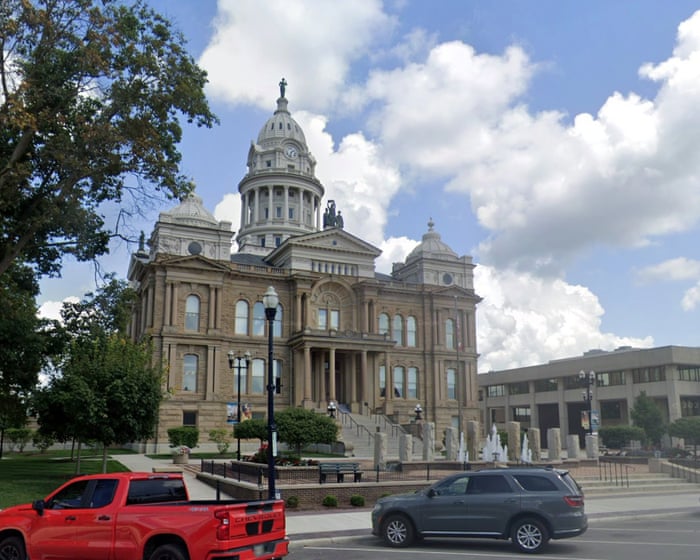
Caleb Flynn, a former pastor and American Idol contestant from Ohio, is on trial for the murder of his wife, Ashley Flynn. Prosecutors say he killed her to be with his girlfriend and tried to make the crime look like a home invasion, while Flynn denies the charges.
Key Facts
Caleb Flynn is charged with aggravated murder, two counts of felonious assault, and three counts of tampering with evidence.
Prosecutors say Flynn shot his wife twice in the back of the head while she was sleeping.
Flynn allegedly wanted to be with his girlfriend, Alleigha Botner, and told her he fantasized about killing his wife.
Flynn sent Botner love songs created with artificial intelligence (AI).
Ashley Flynn found texts between her husband and Botner during their 15th wedding anniversary cruise.
Botner ended the relationship after Flynn said he would get a divorce.
Ashley’s sister did not know about the affair until after the murder and said the couple’s children were very upset by the news.
The trial is ongoing and expected to finish next week.
Read the Original
Want the full story? Tap a source to open the original
article.
The glaciers and eternal snow on the Sudirman Range in Papua, Indonesia, are almost gone due to rising temperatures. These tropical ice areas are important for climate science and hold spiritual significance for local Indigenous groups.
Key Facts
The Sudirman Range once had permanent snow on all four major peaks about 100 years ago.
Today, only small patches of snow remain mainly on Puncak Jaya (Carstensz Pyramid), expected to disappear within a year or two.
Glacier area has shrunk from around 1,900 hectares (4,700 acres) in the 19th century to about 16 hectares (40 acres) now.
The glaciers are unique because they are the last tropical ice between the Andes and Himalayas, isolated by thousands of kilometers.
Ice cores from the glaciers give scientists important information about past climate and ocean changes in the tropical Pacific.
The melting is caused by global warming due to human activities like burning coal, oil, and gas.
Indigenous groups such as the Moni and Amungme people have strong spiritual connections to these mountains.
The glaciers' disappearance threatens both scientific knowledge and cultural heritage of the Indigenous communities.
Read the Original
Want the full story? Tap a source to open the original
article.
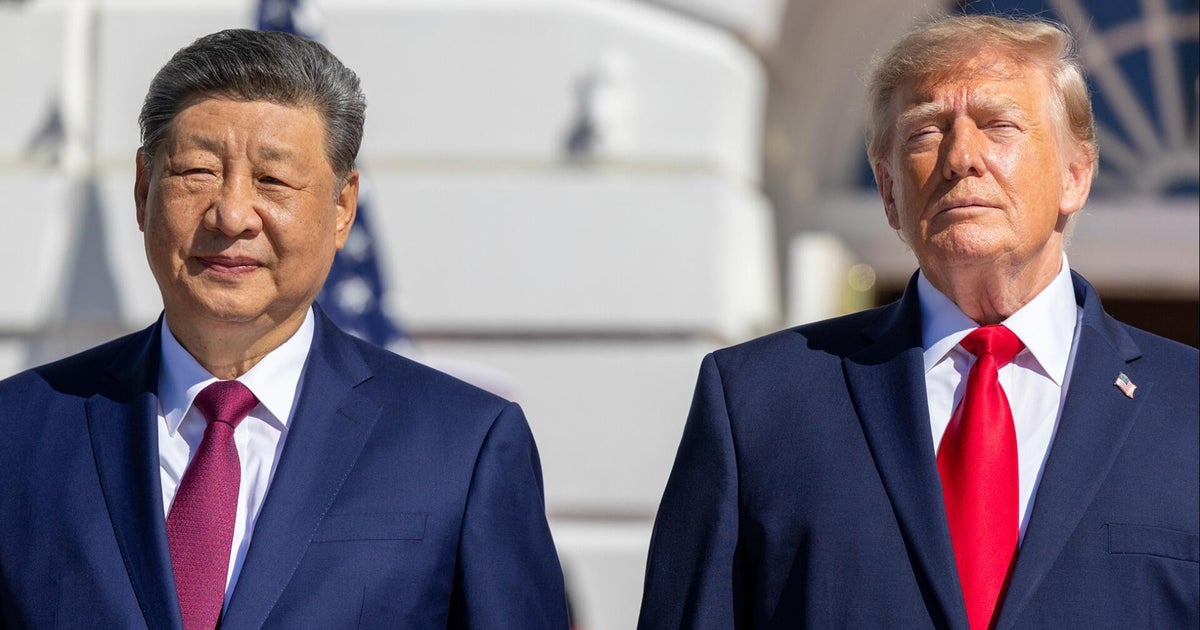
President Donald Trump and Chinese President Xi Jinping met in Washington for a three-day summit. They discussed several topics including AI, international conflicts, and trade, but did not reach any major agreements on regulating artificial intelligence.
Key Facts
The summit was the first visit by a Chinese president to the White House in over ten years.
Trump and Xi extended a trade truce for two months but made no big deals.
Both leaders talked about the wars in Iran and Ukraine and the status of Taiwan.
Despite the presence of tech leaders, they did not agree to pause or regulate AI development.
Xi said both countries must manage AI responsibly and keep it under human control.
Trump focused on maintaining U.S. leadership in AI and promoted the term "super intelligence."
Tech executives like Elon Musk and Tim Cook attended a state dinner with the leaders.
Critics said the summit missed the chance to set up joint U.S.-China working groups on AI safety.
Read the Original
Want the full story? Tap a source to open the original
article.
The Supreme Court stopped Missouri Republicans from using their preferred new congressional map. Instead, Missouri must use an older map for the upcoming November elections after a dispute over redrawing districts.
Key Facts
The Supreme Court ruled against Missouri Republicans’ plan to use a new congressional district map.
The GOP’s proposed map favored their party with 7 districts to 1.
The court ordered that Missouri must use the previous, older district map for the November elections.
This decision came after a long and difficult process of redrawing the state’s political boundaries.
The ruling prevents Republicans from using a map seen as more beneficial to their election chances.
The court’s action shows it will not let Missouri change maps so close to the election.
The case highlights ongoing conflicts over how voting areas are drawn in the U.S.
Redistricting is the process where state maps are adjusted after population counts to decide political district lines.
Read the Original
Want the full story? Tap a source to open the original
article.
The White House defended a recent TV ad featuring President Donald Trump by comparing it to past public service announcements (PSAs) on health and wartime efforts. The ad shows patriotic images and policy highlights and is labeled as government-paid, but critics say it violates rules against political campaigning with government funds.
Key Facts
The ad uses the song "Love Me" and features President Trump with patriotic symbols and key policies like tax cuts.
It aired on Fox News and is also on the White House website and YouTube channel.
The White House says the ad is not a campaign ad because Trump is not on the ballot and there is no call to vote.
The White House compares the ad to past PSAs from other presidents during wars and health crises.
Democratic Representative Jamie Raskin claims the ad breaks laws banning government resources for political campaigns, including the Hatch Act.
President Trump’s White House launched a 24/7 video channel called "Trump TV: The Essentials Station."
Critics see this use of government resources as unethical, but the White House argues it is public education.
Past presidents like Woodrow Wilson and Franklin D. Roosevelt used similar methods to communicate with the public during major events.
Read the Original
Want the full story? Tap a source to open the original
article.
Several Democratic senators have raised concerns that Health and Human Services Secretary Robert F. Kennedy Jr. may have hidden a deal to receive money from a vaccine lawsuit settlement. They say this is against the ethics agreement he made when confirmed, as he promised to remove himself from the lawsuit.
Key Facts
Senators from the Democratic party are questioning Secretary Kennedy’s actions.
Robert F. Kennedy Jr. is the current Secretary of Health and Human Services.
Kennedy pledged to end his involvement in a vaccine-related lawsuit before his confirmation.
There are questions about whether he hid a financial agreement related to that lawsuit.
The lawsuit involves a vaccine manufacturer and possible settlement money.
The senators want to know if Kennedy broke ethical rules agreed upon earlier.
This issue came up during or after his confirmation process last year.
Read the Original
Want the full story? Tap a source to open the original
article.
Iran has offered a deal to the United States to reopen the Strait of Hormuz within seven days if certain conditions are met. This offer refers to a previous agreement aimed at ending military actions and allowing safe passage of ships, but talks are ongoing amid continued conflict and military strikes in the region.
Key Facts
Iran’s Foreign Minister Abbas Araghchi said reopening the Strait of Hormuz depends on the U.S. meeting conditions in a previous memorandum of understanding (MOU).
The MOU, signed in June, included a ceasefire, an end to military operations, sanctions relief, and nuclear non-proliferation by Iran.
The Strait of Hormuz is a key route where about 20% of the world’s oil and natural gas passed before its closure disrupted global energy prices.
The U.S. and Israel launched air strikes on Iran on February 28, which Iran responded to by attacking U.S. bases and blocking the strait.
The U.S. currently maintains a naval blockade of Iranian ports, affecting Iran’s economy and oil exports.
President Donald Trump talked about the possibility of a deal after the November elections but also threatened severe military action against Iran.
Iran rejected threats and said peace cannot be built through coercion or intimidation.
Talks between the U.S. and Iran are continuing through mediators despite the ongoing conflict.
Read the Original
Want the full story? Tap a source to open the original
article.
An appeals court agreed with the Trump administration's decision to place the AI company Anthropic on a blacklist. This ruling allows the Pentagon to officially call Anthropic a risk to the supply chain, which can affect the firm's business with the government.
Key Facts
The U.S. Court of Appeals for the D.C. Circuit supported the Trump administration’s blacklisting of Anthropic.
Anthropic is an artificial intelligence company.
The Pentagon labeled Anthropic as a supply chain risk, meaning it could threaten the safety or reliability of government technology supplies.
This court decision lets the Pentagon keep Anthropic on the blacklist.
Being blacklisted can limit a company’s ability to work with the U.S. government.
The blacklisting was part of a national security review of certain technology companies.
Courts usually review such blacklisting to check if it follows the law.
The ruling shows government concerns about risks from foreign or sensitive tech companies.
Read the Original
Want the full story? Tap a source to open the original
article.
Colin Norris, a nurse convicted in 2008 of killing elderly patients with insulin injections, has been in prison for 18 years. New reviews of medical records and evidence have raised questions about whether the deaths were murders or natural causes related to medical conditions in frail elderly patients.
Key Facts
Colin Norris was convicted of killing four elderly patients and attempting to kill a fifth by injecting insulin.
The main case involved Ethel Hall, who died after a hypoglycemic coma while recovering from a broken hip.
Norris was convicted mostly based on medical charts showing severe low blood sugar, considered rare in non-diabetics.
His conviction was upheld after appeals, but new scientific evidence suggests low blood sugar episodes may happen naturally in frail elderly patients.
The police investigated retrospectively, looking for other unexplained deaths on Norris's wards with similar symptoms.
The jury convicted Norris by a majority of 11-1 after a five-month trial.
Norris's supporters argue the medical evidence is disputed and the deaths could be natural.
This case follows concerns about other nurses, such as Lucy Letby, convicted in similar hospital death cases.
Read the Original
Want the full story? Tap a source to open the original
article.
Diesel prices in Scotland have risen above £2 per litre at many filling stations, especially in island and rural areas. This increase is making it harder and more expensive for haulage businesses and farmers to operate, as fuel costs take up a larger part of their expenses.
Key Facts
Over 226 petrol stations in Scotland now charge more than £2 per litre for diesel.
The highest prices are in island regions like the Hebrides and Northern Isles, reaching up to 238.8p per litre.
Fuel costs for haulage companies have increased by about £250 weekly per lorry.
The war in Ukraine and conflict in the Middle East have raised crude oil prices, pushing up fuel costs.
The UK government has said there will be no increase in fuel duty this year to help consumers.
Some haulage firms add extra charges to customers to cover higher fuel costs.
The Road Haulage Association wants the government to stop future fuel tax rises and introduce rebates for commercial vehicle operators.
Higher fuel prices also affect farmers, increasing the cost of producing food during busy times like harvest.
Read the Original
Want the full story? Tap a source to open the original
article.
The 64th New York Film Festival is opening with over 70 new movies, including fiction and documentaries, showing in all five boroughs of New York City. The festival features films about topics like Elizabeth Holmes’ fraud case, journalists fleeing Russia’s crackdown, Israeli military actions, and a new documentary on the U.S. 14th Amendment.
Key Facts
The festival runs through October 12 and includes premieres of more than 70 films.
Notable actors featured include Pedro Pascal, Adam Driver, Scarlett Johansson, and Julianne Moore.
Documentaries include "You Can See Everything," about Elizabeth Holmes before she starts her prison sentence for fraud.
"My Undesirable Friends: Part II – Exile" follows journalists fleeing Russia after Russia invaded Ukraine.
"NAZA," a film about Israeli military use of AI targeting in Gaza, alleges human rights abuses and has been criticized by the Israeli government.
Ava DuVernay’s documentary "14th" explores current challenges to the 14th Amendment of the U.S. Constitution.
"Making Marie Antoinette" is a video diary by Eleanor Coppola, completed by her daughter Sofia Coppola after Eleanor died in 2024.
The festival also features music and other documentary films shot with unique film techniques.
Read the Original
Want the full story? Tap a source to open the original
article.
Israeli Prime Minister Benjamin Netanyahu described the news channel Al Jazeera as a “toxic media outlet” and said the media acts like an additional battleground in Israel’s conflict. Israel has responded by closing Al Jazeera’s offices, limiting journalist access in Gaza, and has killed some Palestinian journalists.
Key Facts
Prime Minister Netanyahu called Al Jazeera “toxic.”
He referred to the media as an “eighth front” in Israel’s conflict.
Israel has closed Al Jazeera’s local operations.
Palestinian journalists have been killed during Israeli actions.
Media access to Gaza has been restricted by Israeli authorities.
Al Jazeera correspondent Noor Wazwaz provided details on these issues.
Read the Original
Want the full story? Tap a source to open the original
article.
A U.S. appeals court allowed the Trump administration to blacklist Anthropic, an AI company, for not enabling certain AI features. The court said the government has the authority to do this under a law that does not require malicious intent, especially because of concerns about military use of AI technology.
Key Facts
The U.S. Court of Appeals for the District of Columbia Circuit ruled 2-1 to uphold the blacklisting of Anthropic.
The court said the government can blacklist companies even if they do not act with bad intent.
The blacklisting relates to Anthropic withholding some AI features important for military use.
The court cited concerns about AI models either shutting down unexpectedly or making wrong decisions that could affect military operations.
Trump and Defense Secretary Pete Hegseth ordered federal agencies and defense contractors not to use Anthropic products.
Anthropic sued the government, arguing the blacklisting was unlawful under a different law requiring malicious intent.
A different court in California ruled the blacklisting was illegal under that other law, but the appeals court said the Trump administration acted under a different legal authority.
Anthropic says it disagrees with the ruling and may appeal again.
Read the Original
Want the full story? Tap a source to open the original
article.
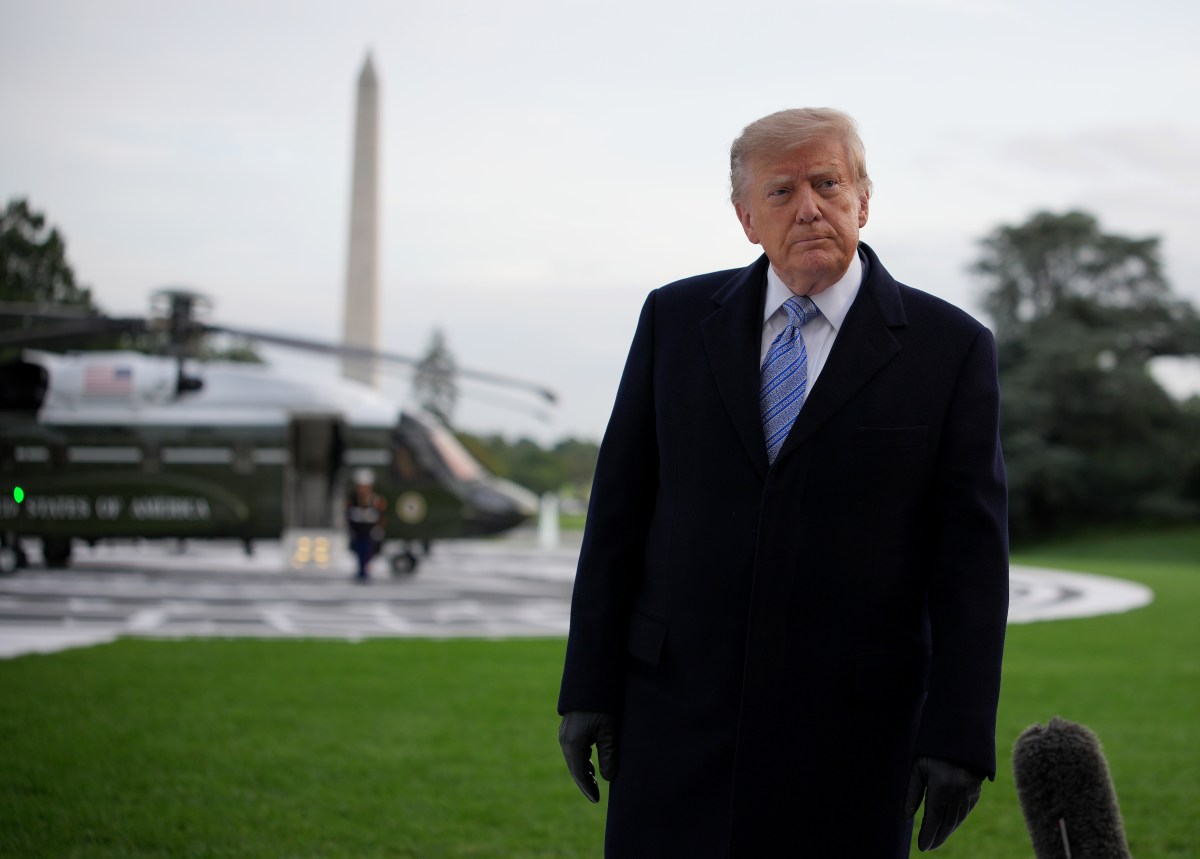
President Donald Trump told Chinese leader Xi Jinping that helping Iran is completely unacceptable. Trump recently finished a meeting with Xi to discuss this and other issues.
Key Facts
President Trump had a multi-day summit with Chinese leader Xi Jinping.
During the meeting, Trump said China aiding Iran is not acceptable.
The discussion focused on concerns about Iran's activities.
Nicholas Burns, a former U.S. ambassador to China, provided analysis of the talks.
The news was reported by CBS News senior White House correspondent Weijia Jiang.
Read the Original
Want the full story? Tap a source to open the original
article.
A report found that Turning Point USA insisted that Charlie Kirk speak outdoors at Utah Valley University despite security concerns. Kirk was assassinated at the outdoor event, and the report says the university should have kept control over key security decisions but allowed Turning Point USA to manage them.
Key Facts
Charlie Kirk was shot and killed on September 10, 2025, during an outdoor event at Utah Valley University (UVU).
UVU and its police chief raised security concerns about holding the event outdoors weeks before it happened.
Turning Point USA insisted on the outdoor location, creating challenges for security.
A planned face-to-face security briefing between UVU police and Turning Point USA’s security team did not happen.
UVU asked for expected attendance numbers, but Turning Point USA did not provide them.
The university report says no UVU employee acted in bad faith but says UVU gave Turning Point USA control over important security decisions.
UVU’s president says the university is learning from the report and has improved campus safety.
Kirk’s family plans to sue UVU, saying the event setup endangered him.
Read the Original
Want the full story? Tap a source to open the original
article.
Staying informed here is free for everyone. If it's worth something to you, pay what you want. Supporters also get the daily digest by email every morning.
A U.S. appeals court ruled that states can regulate prediction market platforms like Kalshi as gambling. The court decided Kalshi's contracts on sports events are not a type of financial swap and therefore can be controlled under gambling laws.
Key Facts
The 6th U.S. Circuit Court of Appeals made the ruling on Kalshi on a Friday.
The court was unanimous with a three-judge panel.
The ruling sided with the states of Ohio and Tennessee.
Kalshi argued that its sports-event contracts were financial “swaps.”
The court rejected Kalshi’s argument about the contracts being swaps.
This decision means states can regulate prediction markets like gambling.
The ruling limits how prediction market companies like Kalshi can operate.
Read the Original
Want the full story? Tap a source to open the original
article.
Voting has started for the second round of Fat Bear Week 2026, a popular event where people vote to choose the bear they think is the "fattest." The website for voting was so busy that it crashed briefly due to high interest.
Key Facts
Fat Bear Week 2026 is currently in its second round of online voting.
The event celebrates bears gaining weight before winter hibernation.
Many people participation caused the voting website to crash temporarily.
Mike Fitz, a naturalist at Explore.org, spoke about the event on CBS News.
Fat Bear Week draws public attention to wildlife and natural changes in bears.
Read the Original
Want the full story? Tap a source to open the original
article.