Neutral summaries of your favorite news sources — just the facts.
Your favorite news sources, one neutral feed — we distill their reporting into fact-first
summaries and always link to the original story. How it works
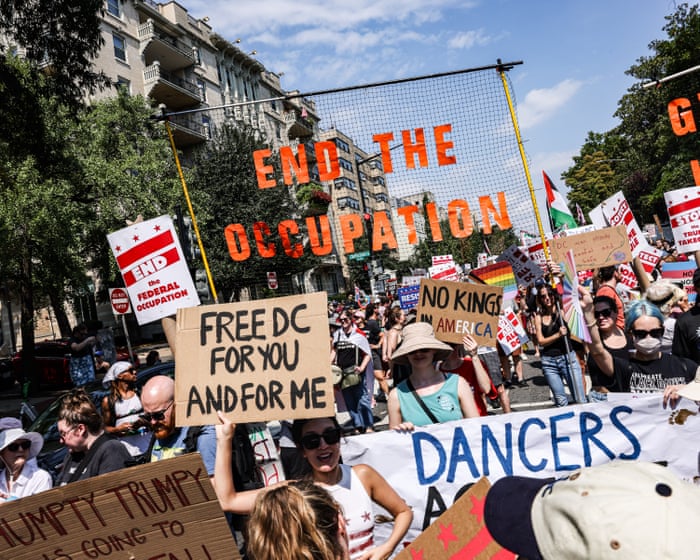
Nearly a year after President Donald Trump deployed thousands of National Guard troops to Washington DC under a crime emergency order, many residents say they feel the city is under siege rather than safer. The troop presence, extended until January 2029, includes patrolling public places, but local officials have limited control over the deployment and remain critical of its impact.
Key Facts
President Trump ordered thousands of National Guard troops to Washington DC starting in August 2024 to address crime.
The initial troop numbers of 2,000-2,500 doubled to over 5,000 during the city’s 250th birthday events in summer 2025.
The deployment is authorized by a presidential executive order extended through January 2029.
DC officials, including Mayor Muriel Bowser and DC Council Chair Phil Mendelson, have little control over the troops because DC is not a state.
Many local residents protest nightly using a cacerolazo (banging pots and pans) to show resistance against the military presence.
Some residents and officials say the armed troops make the city feel unsafe and hurt its reputation as a welcoming place.
The federal Department of Justice reports that the related DC Safe and Beautiful Task Force, involving over 30 agencies, has made nearly 14,000 arrests and removed over 1,500 illegal guns since August 2024.
The task force includes agencies like Immigration and Customs Enforcement and will continue operations for three more years.
Read the Original
Want the full story? Tap a source to open the original
article.
Thousands of Americans plan to protest this weekend on several important issues before the midterm elections. The protests will focus on violence by ICE agents, efforts to limit voting rights, and concerns about datacenter construction connected to AI technology.
Key Facts
More than 70 protests called "ICE Out" will demand justice for two men recently shot by ICE agents.
These protests call for the removal of ICE from communities and the arrest of officers involved in shootings.
Nearly 700 voting rights events will take place over three days to honor congressman John Lewis and encourage voter registration and education.
Recent court rulings and proposed laws threaten to reduce voting access, especially for Black and brown voters.
Some protests against datacenters are organized by conservatives who want to limit the growth of artificial intelligence.
Protests will occur in cities, rural areas, and politically conservative regions across the United States.
The voting rights campaign aims to reach 250,000 people through education and registration efforts.
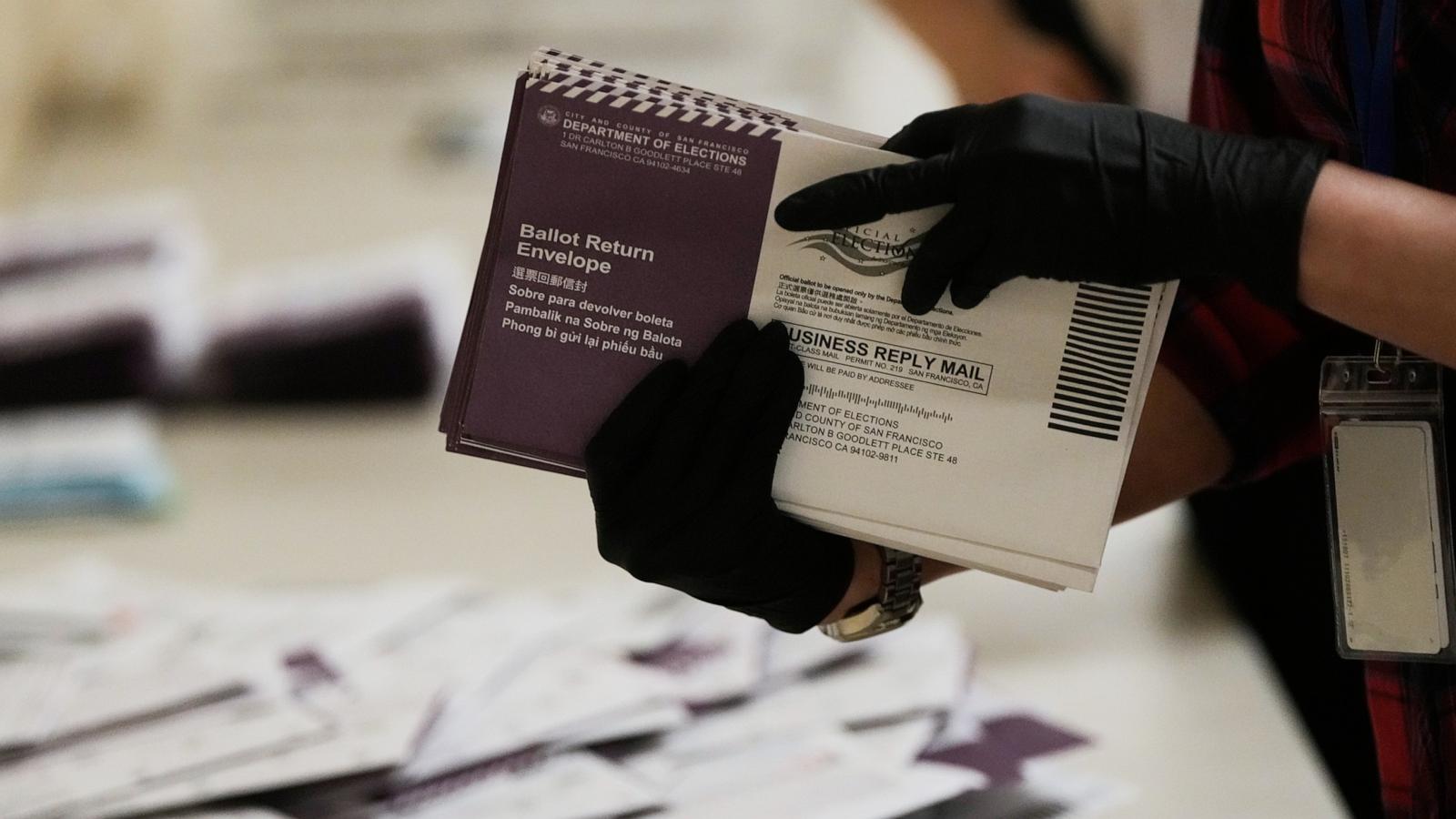
President Donald Trump is pushing a bill that would ban mail-in ballots and require new voter ID rules.
Read the Original
Want the full story? Tap a source to open the original
article.
A baby named Teddy was hospitalized with a lung infection called bronchiolitis when he was about four weeks old. During his hospital stay, a nurse noticed a special gap between his toes, which led to tests that confirmed Teddy has Down syndrome. His parents experienced mixed information from doctors and found the diagnosis challenging but also recognize the importance of focusing on their child's joy and individuality.
Key Facts
Teddy was born four weeks early and initially appeared healthy.
At around 4 weeks old, he had bronchiolitis, a lung infection that required hospital care.
A nurse noticed a "sandal gap" between Teddy’s big toe and second toe, which can be a sign of Down syndrome.
Doctors gave conflicting opinions about Teddy’s condition before a blood test was done.
The blood test confirmed Teddy has an extra copy of chromosome 21, which causes Down syndrome.
The diagnosis discussion focused heavily on medical risks and challenges.
Teddy’s mother wishes doctors had shared more balanced information about living with Down syndrome.
The family is learning to see Teddy as their unique child with a full life ahead.
Read the Original
Want the full story? Tap a source to open the original
article.
A 94-year-old woman named Erline Brown has worked at a Chick-fil-A restaurant in Alabama for 20 years and does not plan to retire soon. She started working there after her husband passed away and enjoys meeting customers and serving people.
Key Facts
Erline Brown is 94 years old and works as a hostess at Chick-fil-A in Opelika, Alabama.
She began working at Chick-fil-A in 2006, one year after the TigerTown location opened.
Before Chick-fil-A, Brown worked for 40 years at another company in Opelika.
Brown started at Chick-fil-A at age 74 and has worked there for almost 20 years.
It is uncommon for people over 90 to still be working in the U.S.; only a small percentage of Americans over 75 work.
Brown is very popular with customers and coworkers, some even visiting the restaurant specifically to see her.
She recently stopped driving and is now picked up by another employee.
Brown said she will keep working as long as she can and will retire only when she feels it is the right time.
Read the Original
Want the full story? Tap a source to open the original
article.
The U.S. military has increased attacks on several targets in Iran, including ports, energy sites, and bridges. President Trump aims to pressure the Iranian government, while Iran has responded by hitting U.S. bases and infrastructure in nearby areas, raising the risk of a larger conflict.
Key Facts
The U.S. military has struck multiple Iranian infrastructure targets like ports and energy facilities.
President Trump is directing efforts to pressure the Iranian regime.
Iran has responded by attacking U.S. military bases near its borders.
Iran also targeted power plants and desalination plants in retaliation.
These actions have increased tensions between the U.S. and Iran.
The situation is moving closer to the possibility of a full-scale war.
The conflict involves attacks on critical infrastructure that supports daily life and military operations.
Read the Original
Want the full story? Tap a source to open the original
article.
A federal appeals court temporarily allowed the Trump administration to continue working on a new rule related to mail-in voting and election oversight. The policy, which would require states to provide voter lists to the U.S. Postal Service and restrict delivery of mail-in ballots if states refuse, is still blocked by a separate court order.
Key Facts
A three-judge panel of the D.C. Circuit Court of Appeals paused a lower court ruling that blocked a new USPS rule on mail-in voting.
The rule would require states to give the Postal Service lists of approved voters.
If states refuse, the Postal Service could stop delivering mail-in ballots under this proposal.
A judge in Massachusetts blocked this rule last month, and that block remains in place.
The appeals court said the Trump administration might succeed because the rule is not finalized yet and is not covered by a 2021 agreement about election mail delivery.
The court noted that failing to implement the rule before the midterm elections could cause harm that cannot be fixed afterward.
The Trump administration has not yet been allowed to enforce the rule but may get permission from other courts in the future.
The NAACP brought the lawsuit against this rule, citing concerns about mail-in ballot delivery and voter access.
Read the Original
Want the full story? Tap a source to open the original
article.
Laos cannot officially determine the cause or who is responsible for the deaths of six tourists linked to methanol-tainted alcohol, as no autopsies were done. The distillery owner faces minor charges for selling harmful food products and running an illegal business, but not for causing the deaths.
Key Facts
Six tourists died in Laos in November 2024 after drinking alcohol suspected to contain toxic methanol.
The victims included people from Britain, Australia, Denmark, and the United States.
Laos authorities said they lacked proof to blame anyone or confirm the exact cause because no autopsies were allowed.
The distillery owner faces charges that could lead to up to one year in jail and fines, but not for the deaths directly.
Australia’s government expressed strong disappointment over the light charges and summoned the Laos ambassador.
Methanol is a poisonous liquid often used in paint thinner and sometimes illegally mixed with alcohol to save money.
Symptoms of methanol poisoning include vomiting, loss of balance, blurred vision, and in severe cases, blindness or coma.
The victims stayed at a backpacker hostel where several people were fined earlier for destroying evidence after the incident.
Read the Original
Want the full story? Tap a source to open the original
article.
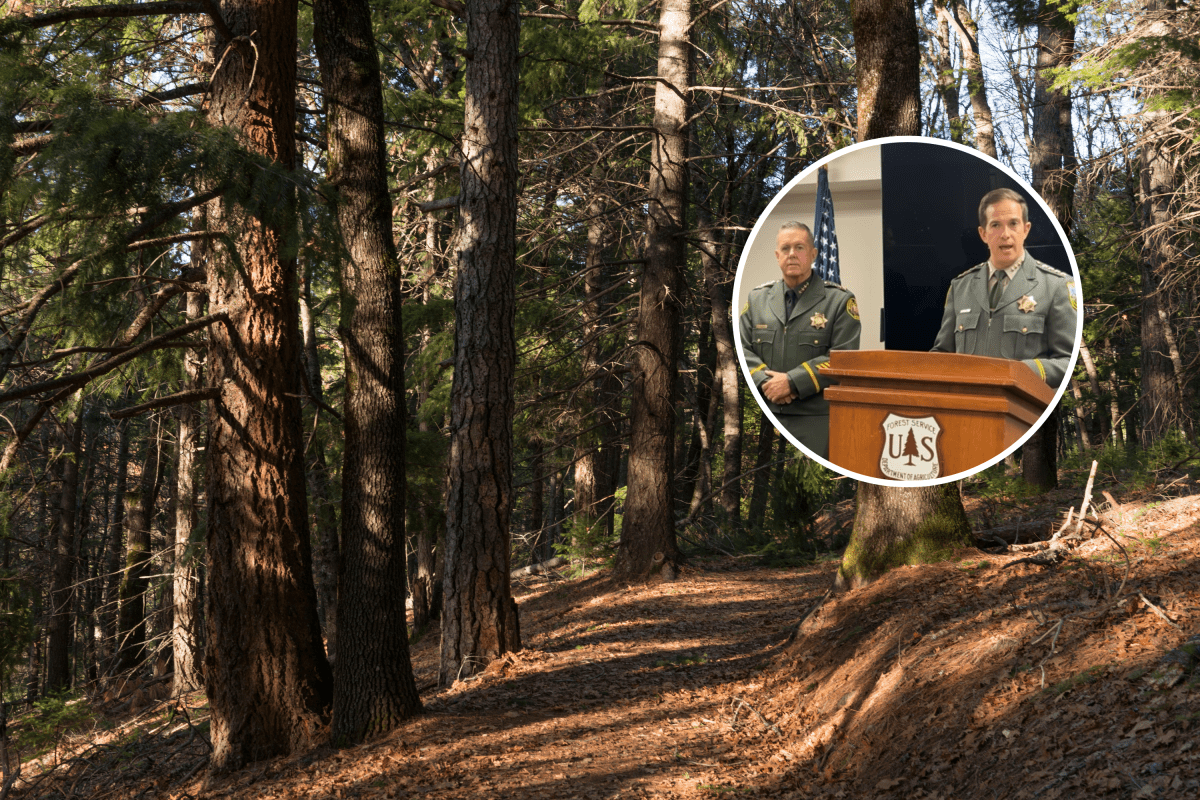
Two U.S. Forest Service workers were taken hostage at gunpoint in a remote part of Northern California’s Shasta-Trinity National Forest on July 16, 2026. After an overnight standoff involving the FBI and other law enforcement teams, the workers were freed and the two suspects were arrested.
Key Facts
The hostage event happened near Gumboot Lake in the Shasta-Trinity National Forest.
The two workers were zip-tied and held inside a trailer while doing routine fieldwork.
The situation started just before 11 a.m. on July 16, 2026, when a report was made to authorities.
Negotiations began around 4:20 p.m. and lasted several hours.
The hostages were released around 1:50 a.m. on July 17, and the suspects surrendered about 40 minutes later.
Two suspects, Joseph Charles Henrichsen and his son Phoenix, were arrested and charged with federal kidnapping.
The isolated location made the rescue more difficult and required a large response from multiple law enforcement agencies.
Drones helped find the trailer, and teams including FBI negotiators and SWAT were involved in resolving the case.
Read the Original
Want the full story? Tap a source to open the original
article.
Many Americans find it hard to stop thinking about work and daily worries even on weekends. Psychologist Rebecca Anderson suggests that people who work mainly with their minds should try physical or creative activities on weekends to give their brains a break and reduce stress.
Key Facts
Many Americans feel stressed on weekends because their minds stay busy with work and personal worries.
Psychologist Rebecca Anderson says mental workers need to switch from thinking to physical activities to relax.
Activities like puzzles, painting, gardening, or music can help reduce stress by using creativity and hands-on focus.
Winston Churchill is cited as an example of someone who used physical hobbies to relax after mental work.
Stress and burnout are increasing among U.S. workers, with 83% experiencing job-related stress.
About half of U.S. workers say they need help managing work stress.
Stress affects people of all ages, including nearly 30% of U.S. high school students reporting poor mental health.
Money, work, and global issues all contribute to ongoing stress and anxiety.
Read the Original
Want the full story? Tap a source to open the original
article.
This week, over 100 House Democrats voted to cut military aid to Israel, showing a strong split in the party just before the November midterm elections. The vote reflects a growing decrease in support for Israel among Democrats, especially younger voters, after years of conflict in Gaza.
Key Facts
More than 100 House Democrats voted to reduce military aid to Israel.
The proposal was rejected by nearly all Republicans and 98 Democrats.
The vote exposed deep divisions within the Democratic Party.
Some senior Democrats, including former Speaker Nancy Pelosi, supported cutting aid.
Younger Democratic voters and progressives are increasingly critical of unconditional US support for Israel.
The shift is influencing primary elections with progressive candidates opposing Israel aid winning in several states.
Military aid to Israel remains a major topic amid ongoing conflict in Gaza and frustration with Israel’s government.
Democrats worry that the issue could reduce voter turnout or create internal conflicts in the upcoming elections.
Read the Original
Want the full story? Tap a source to open the original
article.
President Donald Trump has restarted military strikes against Iran less than a month after signing a ceasefire agreement. This move risks escalating conflict and may affect the U.S. midterm elections just months away.
Key Facts
President Trump agreed to a ceasefire with Iran on June 17, aiming to stop a serious economic crisis.
Less than a month later, he ordered renewed strikes on Iranian military and infrastructure targets.
Iran responded by launching drone and missile attacks on U.S. allies in the Gulf region.
The ceasefire deal included Iran reopening the Strait of Hormuz, a key route for global energy exports, in exchange for lifting some sanctions.
Some Republican critics opposed the ceasefire, calling it too soft on Iran.
Experts warn that escalating military actions against Iran could lead to a larger ground war.
Renewed conflict may increase fuel and living costs in the U.S., possibly influencing voter opinions before the November midterm elections.
The dispute centers partly on Iran’s nuclear program and its support for groups like Hezbollah.
Read the Original
Want the full story? Tap a source to open the original
article.
Several states in the U.S. are seeing land seizures or proposed land seizures to build new power lines that will support data centers. Utilities say these new transmission lines are necessary to meet growing electricity demand, but some homeowners and farmers dispute the necessity and the use of eminent domain.
Key Facts
Georgia Power is building a new transmission line in Georgia, saying 70-80% of the power will support data centers.
The company may use eminent domain, a legal right to take private land for public use with compensation, to acquire over 300 parcels.
Similar transmission projects are proposed in Virginia, Pennsylvania, and Maryland to support data centers.
Some landowners and farmers oppose these projects, arguing they serve mostly corporate data centers and want better compensation.
Utilities say eminent domain is a last resort after other options fail, and most properties are acquired through agreement.
The projects aim to prevent electric grid overload and improve reliability amid growing power demand.
In Maryland, utility PSEG warns grid issues could threaten electricity costs and service without upgrades.
The disputes highlight tensions between private land rights and infrastructure needed for expanding digital industries like AI data centers.
Read the Original
Want the full story? Tap a source to open the original
article.
Sam Roberts, a 36-year-old from Sydney, Australia, has spent most of the last 10 years living on cruise ships after his divorce. He uses his investment income to fund this lifestyle and now travels on cruises for about 300 days each year.
Key Facts
Roberts started living on cruise ships after his 2016 divorce.
He spends roughly 300 days a year on cruise ships.
His investments provide income that supports his cruising lifestyle.
He spends between $100,000 and $150,000 annually on cruises.
Roberts appreciates meeting new people and enjoying new places daily.
He acknowledges feeling lonely sometimes despite large crowds onboard.
He misses family events and favorite foods but returns home for Christmas.
Roberts thinks his lifestyle offers valuable education and perspectives.
Read the Original
Want the full story? Tap a source to open the original
article.
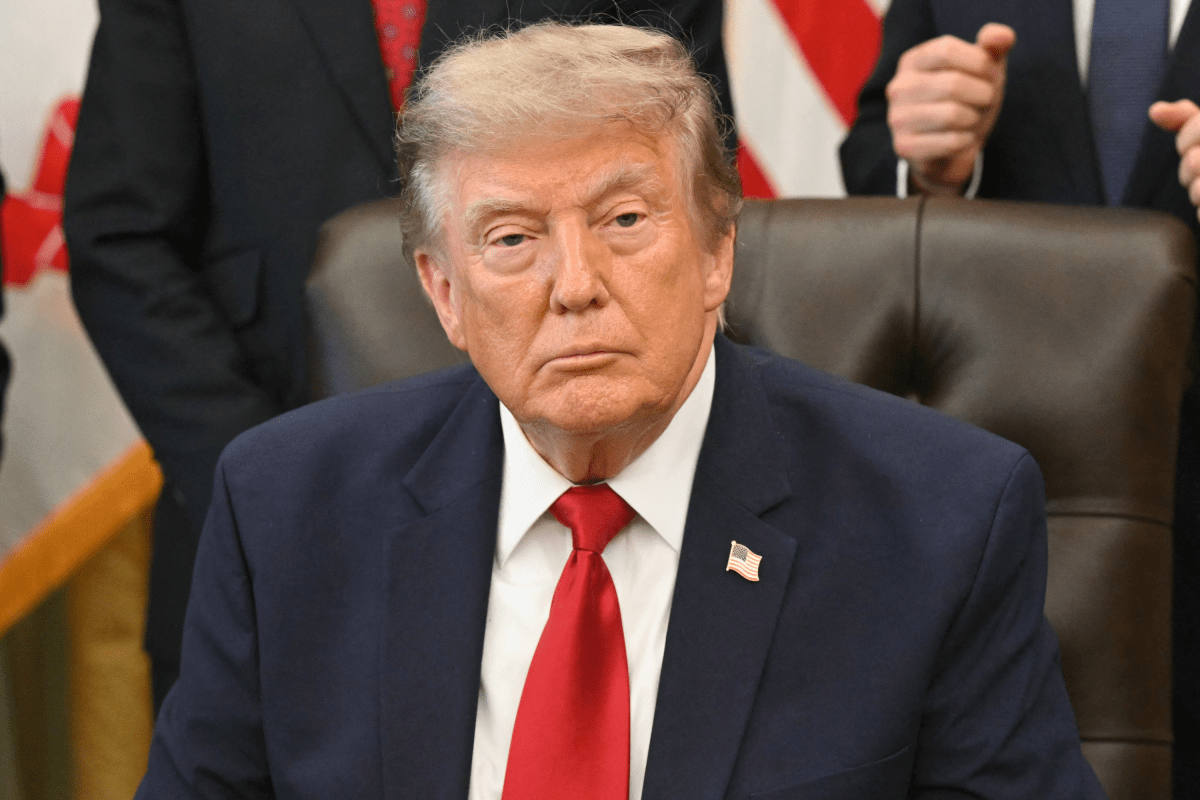
President Donald Trump’s approval rating has dropped to its lowest point among voters with a high school education or less, according to a recent poll. This group, which has been a strong part of Trump’s support base, now shows more disapproval than approval of the president.
Key Facts
Trump’s approval rating among all voters is 38%, with 61% disapproving, according to a July 2026 poll.
Among voters with a high school education or less, 41% approve and 57% disapprove of Trump.
This is the lowest approval rating Trump has had with less-educated voters since the polling began.
In January 2025, Trump had a 56% approval and 38% disapproval rate among less-educated voters, showing a 34-point drop by July 2026.
Overall, Trump’s net approval rating fell from plus 8 in January 2025 to minus 23 in July 2026.
Among less-educated voters, the net approval rating dropped from plus 18 in January 2025 to minus 16 in July 2026.
The polling survey was conducted by Echelon Insights with about 1,000 likely voters and has a margin of error of around 3.6 points.
The White House highlighted ongoing efforts by the president to improve the economy, housing, and inflation despite the drop in approval ratings.
Read the Original
Want the full story? Tap a source to open the original
article.
The article describes the city of Savannah, Georgia, exploring its history from painful times of slavery to its progress in civil rights and local leadership. It highlights Savannah’s cultural and economic growth, including its African American leaders, historical monuments, education, and new entertainment and hospitality developments.
Key Facts
Savannah is close to Jasper County, South Carolina, an area linked to the Gullah-Geechee culture and plantation history.
In 1859, a large slave auction called “The Weeping Time” took place in Savannah, selling over 430 enslaved people.
Savannah fought on the side preserving slavery during the Civil War but later became a leader in desegregation.
In 1964, Dr. Martin Luther King Jr. called Savannah “the most desegregated city south of the Mason-Dixon line.”
The city has had four African American mayors, including the current mayor, Dr. Van R. Johnson II.
There is a statue in Franklin Square honoring Haitian soldiers who fought in the American Revolutionary War and the Haitian Revolution.
The Savannah College of Art and Design (SCAD) is a highly respected art school located in the city.
The Plant Riverside District is a major new dining and entertainment area featuring a JW Marriott hotel built in a former power plant.
Read the Original
Want the full story? Tap a source to open the original
article.
Baby boomers own about a third of all U.S. homes and nearly half of the country's real estate wealth. As they start selling these homes in the coming years, there are concerns that younger generations may struggle to buy them due to high prices and debt, and that many of these homes may need repairs or be in less popular areas.
Key Facts
Baby boomers hold $18 to $19 trillion in housing value, nearly half of U.S. real estate wealth.
They own around one-third of all U.S. homes and 28% of homes with three or more bedrooms.
Younger generations like Gen X, millennials, and Gen Z carry high levels of debt, making it hard to afford homes.
In 2025, baby boomers made up 42% of homebuyers, compared to 26% millennials and 4% Gen Z.
The average age for first-time homebuyers in the U.S. is now 40 years old.
Many baby boomer homes are large, older, and may need renovations.
Some homes are located in retirement or less job-connected areas, which might lower their value and appeal.
The expected transfer of homes from baby boomers to younger generations in the 2030s is called the "silver tsunami" or "Great Transfer."
Read the Original
Want the full story? Tap a source to open the original
article.
Andy Burnham will become the UK Prime Minister soon, and activists say he has a chance to change how the country talks about racism. David Weaver, chair of Operation Black Vote, urges Burnham to address race issues directly and support those affected by the Windrush scandal, while working to unify communities.
Key Facts
Andy Burnham will become the UK Prime Minister after being confirmed as Labour leader.
Operation Black Vote is a civil rights group marking its 30th anniversary.
David Weaver, chair of OBV, says Burnham should focus on both class and race inequalities.
Weaver emphasizes that Black and Asian Britons face rising worries about their future in the UK.
Weaver calls for legal help and better compensation for Windrush scandal survivors.
Weaver wants Burnham to restore the Labour party position to Black MP Diane Abbott.
Research shows some UK voters support removing non-white people or restricting who counts as truly British.
Some politicians have made statements suggesting migrants should leave the UK, increasing fears among Black Britons about racism and exclusion.
Read the Original
Want the full story? Tap a source to open the original
article.
Many companies are spending a lot on artificial intelligence (AI) but not all are seeing good financial results. The key to benefiting from AI is to clearly define which business problems it will solve before investing.
Key Facts
Global corporate AI investment more than doubled in 2025.
Nearly half of private AI funding went to generative AI, which produces new content like text or images.
88 percent of organizations adopted AI in some way, and 70 percent use generative AI in at least one business area.
Only 20 percent of companies captured 74 percent of the value created by AI.
Success depends on linking AI projects to clear business goals like increasing revenue or improving profit margins.
Many companies buy AI software before defining how to measure success.
CFOs now focus on proving AI investments create real business value, beyond just tracking usage or productivity.
AI decisions are becoming financial choices about where to put company money, not just tech projects.
Read the Original
Want the full story? Tap a source to open the original
article.
More than 800 wildfires are burning in Canada, causing thick smoke that harms air quality in Canada and several U.S. states. President Donald Trump has blamed Canada’s forest management for the smoke pollution and threatened to impose extra tariffs.
Key Facts
Over 800 wildfires are active across Canada, with about 190 in northern Ontario.
The increase in fires is linked to climate change.
Smoke from the fires has caused poor air quality in parts of Canada and U.S. states like Minnesota, Illinois, Michigan, and New York.
The smoke pollution has raised concerns before the World Cup final in New Jersey.
President Donald Trump criticized Canada’s way of managing its forests.
Trump threatened to add more tariffs on Canada because of the smoke issue.
The fires and smoke are an ongoing environmental and cross-border concern.
Read the Original
Want the full story? Tap a source to open the original
article.
France is facing many wildfires caused by extreme heat. One major fire burned about 2,000 hectares in the Fontainebleau forest near Paris, and efforts are underway to replant the damaged trees.
Key Facts
France is experiencing record numbers of wildfires not seen since World War II.
The Fontainebleau forest, south of Paris, lost around 2,000 hectares to fire.
The fires followed very high temperatures and heatwaves.
The French government and organizations are working to restore affected forests.
The Fondation du Patrimoine started a fundraising campaign to help replant trees.
Authorities are investigating possible arson as the cause of some fires.
Firefighters continue to battle and control the flames.
The situation highlights concerns about climate change and its effects on forests.
Read the Original
Want the full story? Tap a source to open the original
article.