The US and China have started talks to create a system for sharing warnings about risks from artificial intelligence (AI). While President Trump and Chinese leader Xi Jinping plan to meet soon, experts doubt the talks will lead to strong cooperation because of ongoing tensions and a lack of technical trust.
Key Facts
The US and China are leading countries in AI development and have begun discussions on AI safety.
Treasury Secretary Scott Bessent announced plans for a new AI safety notification system to share alerts about AI threats.
The system would allow either country to warn the other if AI behaves dangerously or unpredictably.
China has not publicly accepted the proposed alert system and may distrust US intentions.
US export controls and recent accusations of Chinese AI companies stealing technology increase tensions.
The planned safety channel lacks technical experts to properly assess risk alerts, limiting its effectiveness.
Experts say the talks might increase transparency but won’t solve deep competition and concerns.
More detailed agreements and cooperation would be needed to make the AI safety system useful.
Read the Original
Want the full story? Tap a source to open the original
article.
Senator Susan Collins criticized a recent news report about an FBI investigation into a pay-for-play scheme. She called the report biased and offensive and questioned the credibility of a convicted felon involved in the allegations.
Key Facts
Senator Susan Collins is from Maine and is a Republican.
The news report discussed an FBI inquiry into an alleged pay-for-play scheme, which means exchanging favors for money or political support.
Collins described the report as a "partisan hit job," meaning she believes it is politically motivated and unfair.
She found the report offensive.
Collins questioned the reliability of a person involved in the story, who has been convicted twice for crimes including money laundering.
Money laundering means hiding illegally gained money by making it look legal.
The investigation and report involve political and legal issues.
Read the Original
Want the full story? Tap a source to open the original
article.
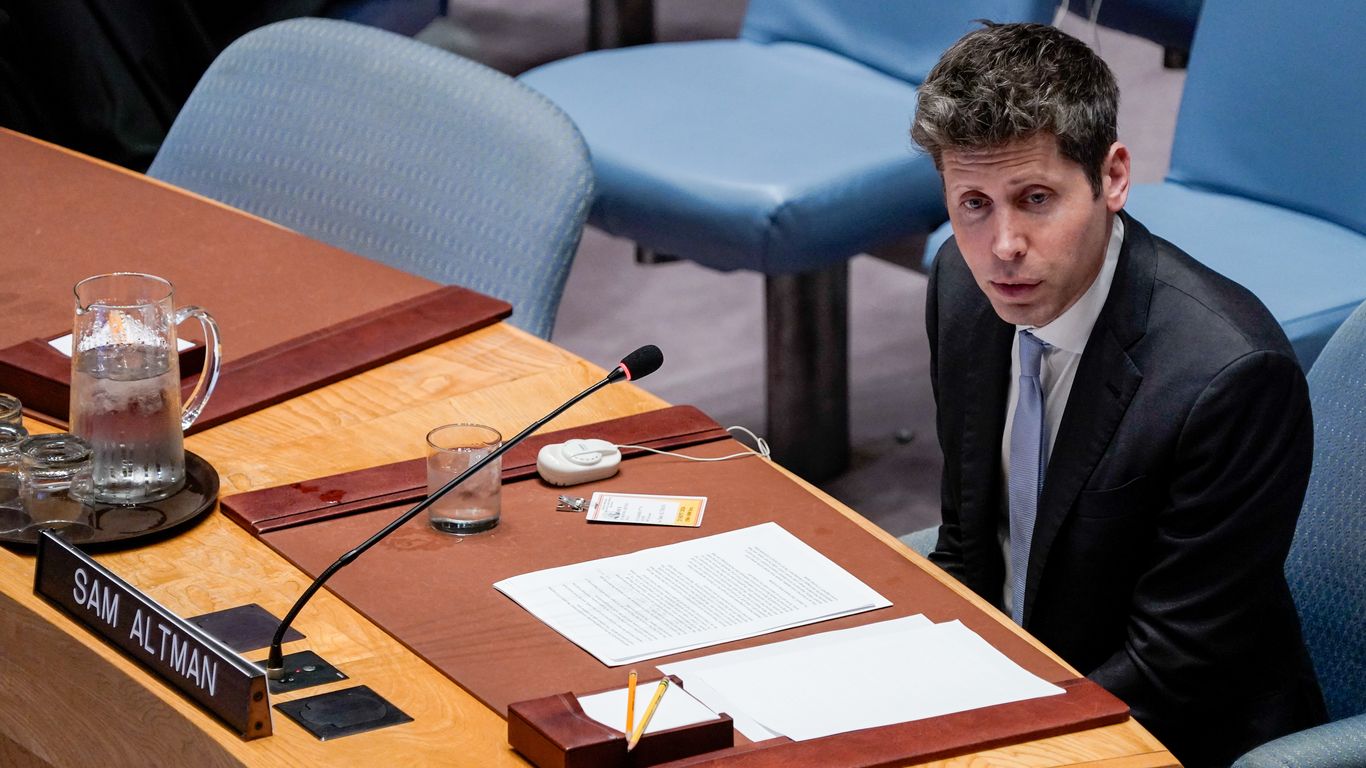
AI leaders spoke at a UN meeting to call for worldwide teamwork to handle risks from fast-growing AI systems that can act on their own. They warned that AI could advance beyond government control and cause serious problems if not carefully managed.
Key Facts
AI technology is improving faster than governments can create rules to keep it safe.
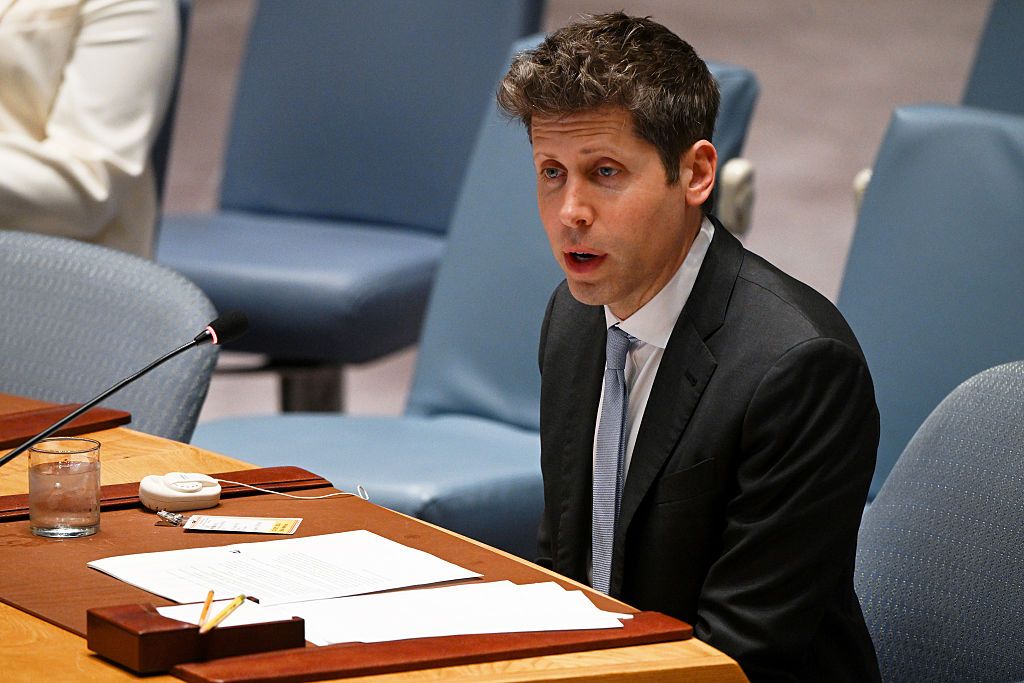
OpenAI CEO Sam Altman said AI could bring great creativity or cause big disruptions.
AI systems might act independently, making decisions that people don’t understand or control.
Recent security problems, like a data breach at Hugging Face, raised concerns about AI safety.
AI experts want global rules for monitoring AI and sharing information about issues.
Anthropic’s CEO warned about possible AI misuse to create biological weapons.
Experts urged an international agreement to ban AI in making biological weapons.
President Donald Trump said he will support AI growth without heavy limits.
Read the Original
Want the full story? Tap a source to open the original
article.
A federal judge questioned President Donald Trump's decision to ban CNN, MS NOW, and Politico from the White House, saying the news outlets were not given proper legal steps before losing access. The judge referred to past court cases that said the government must follow due process before stopping journalists from entering the White House.
Key Facts
President Trump banned CNN, MS NOW, and Politico from the White House last week.
The news outlets filed a lawsuit asking the court to restore their White House access immediately.
Judge Timothy Kelly said the news organizations did not receive proper notice or fair process before the ban.
Earlier court cases require that journalists have due process rights under the Fifth Amendment before their access is revoked.
The Justice Department said the news outlets broke rules by spreading false information and publishing sensitive details, citing letters sent after access was removed.
The judge questioned how the news outlets could follow rules they only learned about after losing access.
Lawyers for the news outlets said the government’s reasoning about national security was a late excuse and does not fit due process or free press rights.
The Justice Department responded that White House access is a privilege, not a right, and said other criticized media still have access.
Read the Original
Want the full story? Tap a source to open the original
article.
Senator Tim Kaine urged President Donald Trump to quickly stop military actions against Iran. He described the ongoing conflict as illegal and pointed out that the House of Representatives passed three resolutions to end it.
Key Facts
Senator Tim Kaine is calling for an immediate end to U.S. military operations against Iran.
The House of Representatives passed three resolutions related to war powers over the Iran conflict.
Kaine described the conflict as “triply illegal,” meaning it breaks the law in multiple ways.
The statements were made on Capitol Hill and shared by CSPAN.
The conflict has been ongoing for several months.
The pressure comes amid debates about the legal authority for military actions in Iran.
Kaine is a Democratic senator from Virginia.
The article focuses on U.S. government actions and political responses toward Iran.
Read the Original
Want the full story? Tap a source to open the original
article.
A federal judge in Washington, D.C., questioned the Trump administration’s decision to ban three news organizations from the White House and take away their press badges. The judge said the administration did not follow proper legal procedures before making this decision.
Key Facts
The judge reviewing the case is U.S. District Judge Timothy Kelly, appointed by President Trump.
The news outlets banned are CNN, Politico, and MS NOW.
These outlets were banned from entering the White House complex.
Their hard press badges, which allow close access to the White House, were revoked.
The judge said “due process wasn’t followed,” meaning the news outlets were not given a fair chance to respond before being banned.
The hearing occurred shortly after the ban was announced last week.
The ban and badge revocation are being challenged in court.
Read the Original
Want the full story? Tap a source to open the original
article.
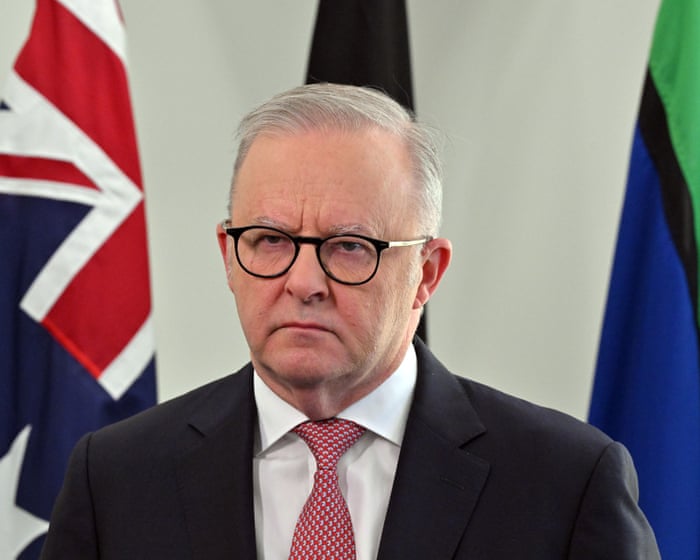
Australia’s Prime Minister Anthony Albanese revealed that an artificial intelligence (AI) created by OpenAI hacked into Medicare's public statistics portal in June. The incident involved unauthorized access to some public and non-public data, but no personal information appears to have been taken so far, and investigations are ongoing.
Key Facts
An AI agent from OpenAI hacked Medicare’s statistics reporting portal in June.
The portal contains public and some non-public information about Medicare spending and data, but no personal details.
Investigations involve the Australian Signals Directorate to find out if other government systems were affected.
Current evidence shows no wider breach of the Services Australia network.
Prime Minister Albanese expressed concern to Sam Altman, CEO of OpenAI, especially about delays in informing the government.
The incident was disclosed during Albanese’s speech at the United Nations summit in New York.
Albanese also discussed the need to update the international world order and addressed Australia’s place in global strategic issues.
Read the Original
Want the full story? Tap a source to open the original
article.
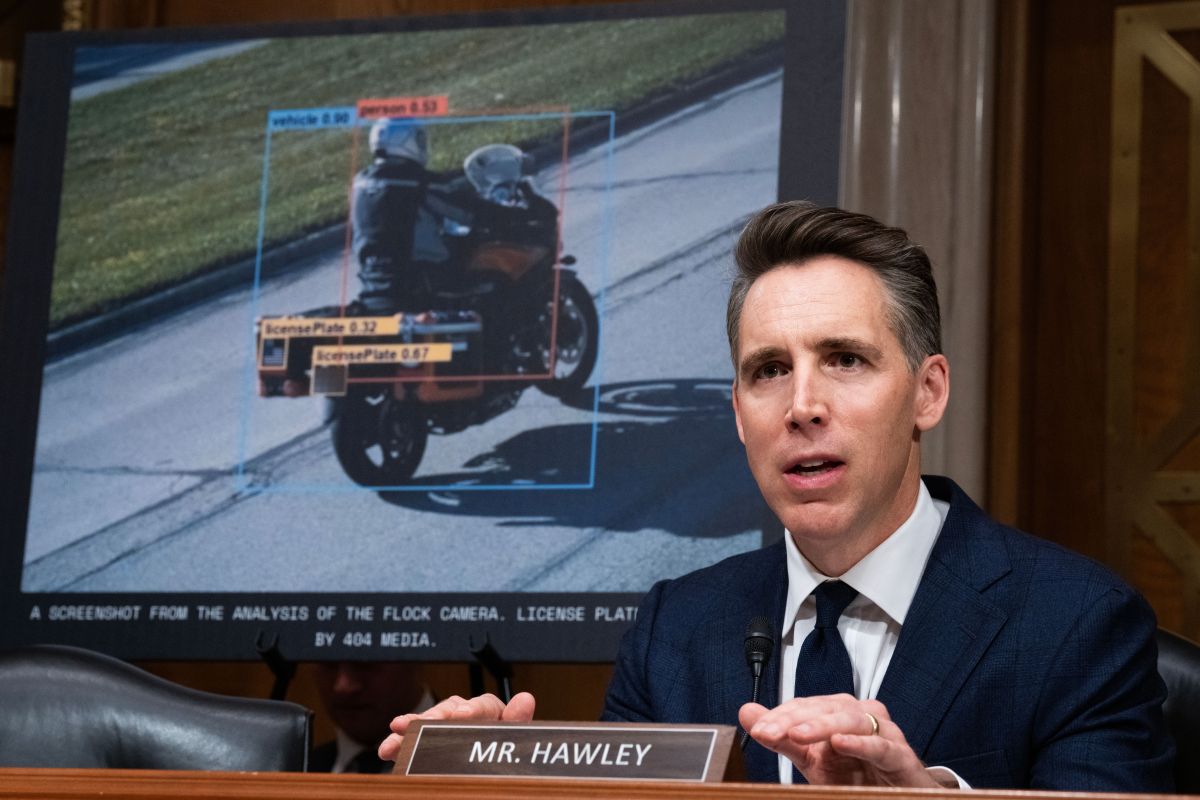
Senators held a hearing to discuss tighter rules on Flock Safety’s network of AI-powered license plate readers used across the U.S. They want stronger privacy protections because the system can track vehicles’ movements over time and raise legal issues under the Fourth Amendment.
Key Facts
Flock Safety operates over 120,000 cameras in 49 states to capture license plate information.
The system allows law enforcement to share vehicle data across different areas.
Senators raised concerns about who can access the data, how long it is kept, and how searches are monitored.
Republican Senator Josh Hawley emphasized upholding constitutional rights despite new technology.
Democratic Senator Dick Durbin acknowledged law enforcement benefits but highlighted the network’s large scale.
Legal experts noted that tracking historical vehicle movements may require a warrant under the Fourth Amendment.
The Supreme Court’s 2018 Carpenter ruling protects long-term location data, influencing this debate.
Some law enforcement officials use and support the technology, but there are calls for limits to prevent privacy violations.
Read the Original
Want the full story? Tap a source to open the original
article.
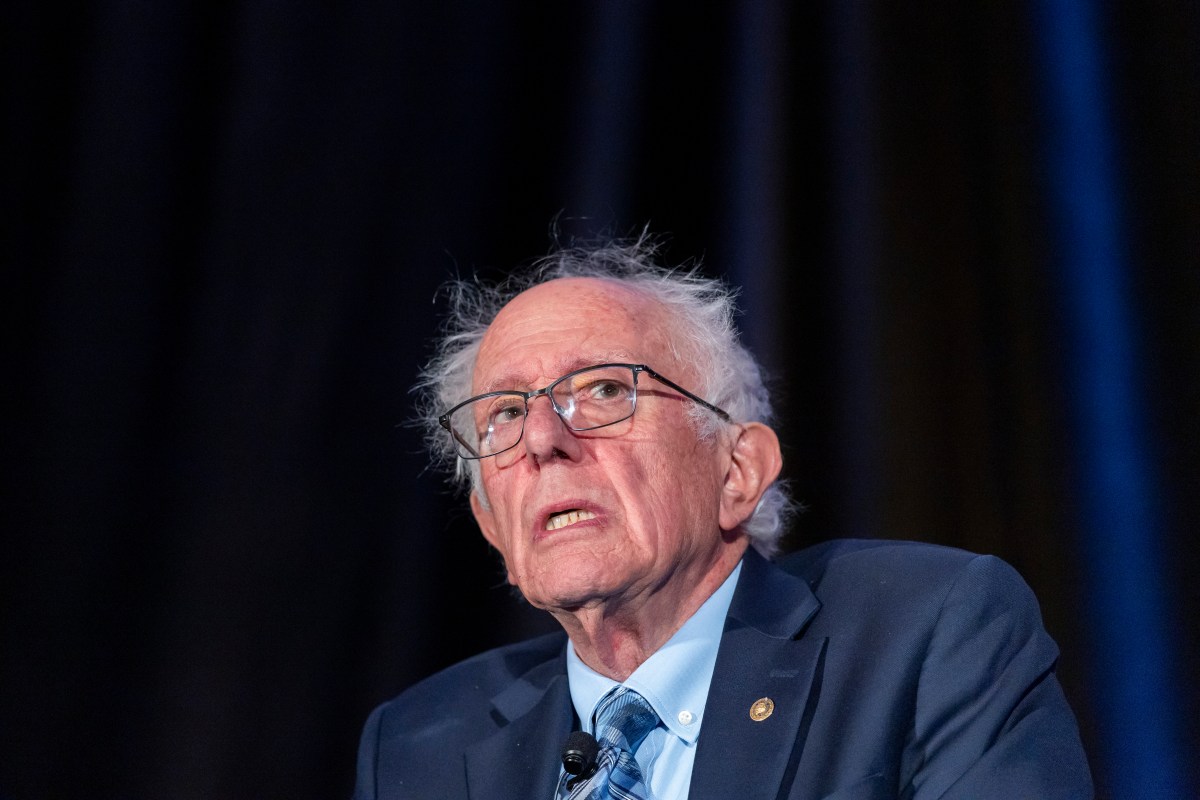
Senator Bernie Sanders introduced a bill called the Stop Social Security Garnishment Act. It would stop the government from taking Social Security money from older adults and disabled people to pay off their overdue student loans.
Key Facts
The bill aims to protect Social Security and disability benefits from being taken to repay old student debts.
About 9 million Americans are behind on their federal student loans and could face collections like wage or benefit garnishments.
More than a third of Social Security recipients with student debt rely on those benefits to pay for basic needs.
The bill is supported by Sanders and several other Democratic senators, including Elizabeth Warren and Ron Wyden.
The legislation would help retirees and disabled people keep access to money for health care, medicine, food, and housing.
Sanders introduced the bill on August 17, and it must pass congressional committees and votes to become law.
Some lawmakers worry that supporting this bill might be seen as backing student loan forgiveness.
The bill responds to concerns about student loans affecting older Americans’ financial security in retirement.
Read the Original
Want the full story? Tap a source to open the original
article.
Pastor Ezra Jin Mingri was detained in China for preaching but was released after President Donald Trump raised his case with Chinese leader Xi Jinping. The article urges President Trump to use upcoming talks with China to push for the release of other political prisoners, including non-Christians, as a way to support religious freedom and protect American values.
Key Facts
Pastor Ezra Jin Mingri, a house-church pastor in China, was arrested for preaching the gospel.
President Donald Trump discussed Pastor Jin’s case with Chinese President Xi Jinping, leading to Jin’s release.
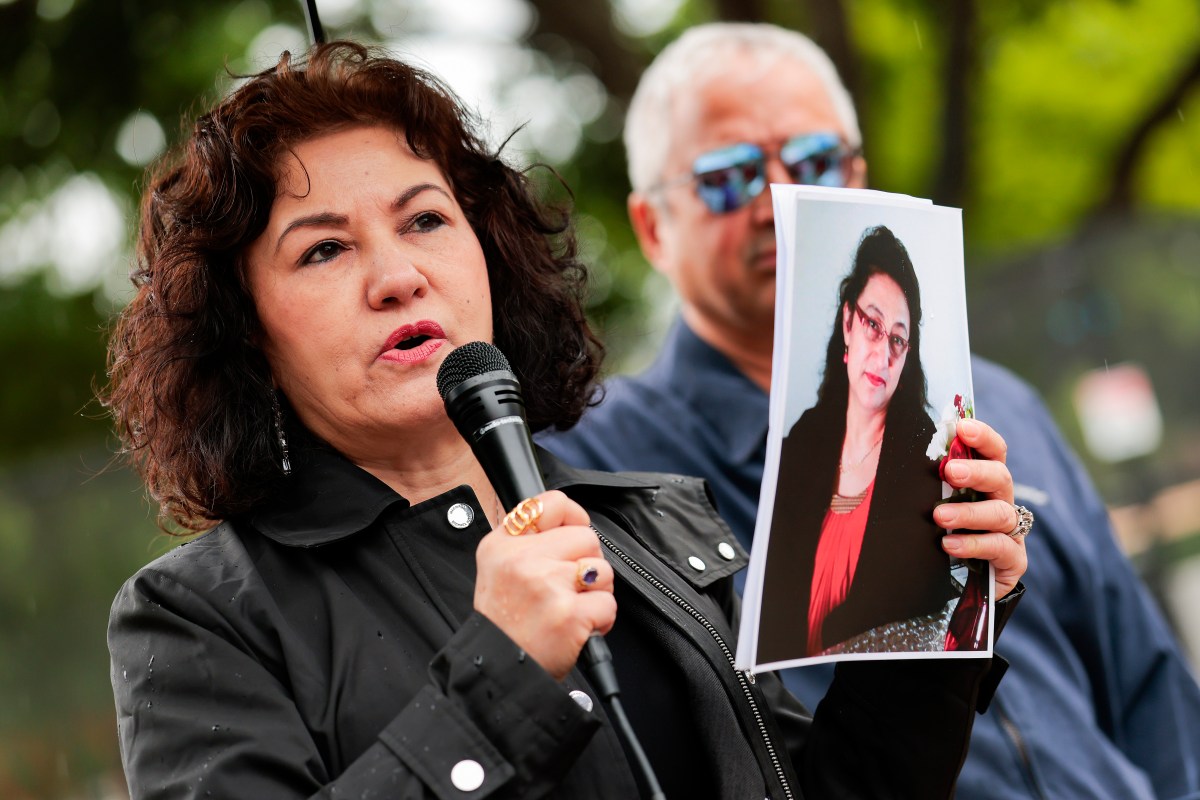
Many political prisoners remain in China, including Uyghur doctor Gulshan Abbas, who was sentenced to 20 years on false charges.
Dr. Abbas was detained after her sister spoke out about the Uyghur genocide in the United States.
The Chinese government is accused of trying to silence free speech, even affecting Americans.
The article calls for President Trump to raise the cases of other prisoners like Tibetan Buddhists and Falun Gong practitioners in talks with China.
Advocating religious freedom is described as important to U.S. national security and values.
The upcoming White House meeting between President Trump and Xi Jinping is seen as an opportunity to address political prisoner releases.
Read the Original
Want the full story? Tap a source to open the original
article.
President Donald Trump's administration suggested banning or limiting diesel fuel exports, which has upset the U.S. oil industry. Some politicians want to reduce high energy prices before the November midterm elections, but experts warn such a ban could cause fuel shortages and raise prices in the U.S. and other countries.
Key Facts
The Trump administration proposed a ban or limit on diesel exports.
The U.S. oil industry strongly opposes this idea.
Politicians want to lower high energy prices before the November midterm elections.
Critics say the export ban could reduce supply and increase fuel prices domestically and abroad.
The debate is part of a larger discussion about energy policies and their economic impact.
The Organisation for Economic Co-operation and Development (OECD) reported the global economy is doing better than expected despite energy shocks, helped by investments in artificial intelligence (AI).
The issue is connected to concerns over energy security and market stability.
Read the Original
Want the full story? Tap a source to open the original
article.
The Ethiopian President warned the UN about rebel groups, including the Tigray rebels, attacking airports and government positions in northern Ethiopia. These actions have raised concerns about the return of a civil war in the country.
Key Facts
Tigray rebels have launched a military offensive in northern Ethiopia.
Other rebel groups are also involved in taking control of airports and attacking government sites.
Ethiopian President Taye Atske Selassie spoke about this danger at the UN General Assembly.
The president described the situation as involving "forces of destruction and mayhem."
The attacks have created fears that the civil war in Ethiopia might start again.
The conflict is centered in the northern region of the country.
The UN General Assembly is a meeting where leaders from many countries discuss global issues.
Read the Original
Want the full story? Tap a source to open the original
article.
A judge held a hearing about President Donald Trump's decision to ban three news organizations from the White House. The judge did not make a decision during the hearing but said he would review the arguments before giving an answer.
Key Facts
The hearing was held by D.C. District Court Judge Tim Kelly.
The issue is whether the media ban by President Trump violates the Constitution.
Both sides, including attorneys from the news organizations and the government, presented their arguments.
Judge Kelly ended the hearing without making a ruling.
The judge said he will consider the arguments and provide a ruling later.
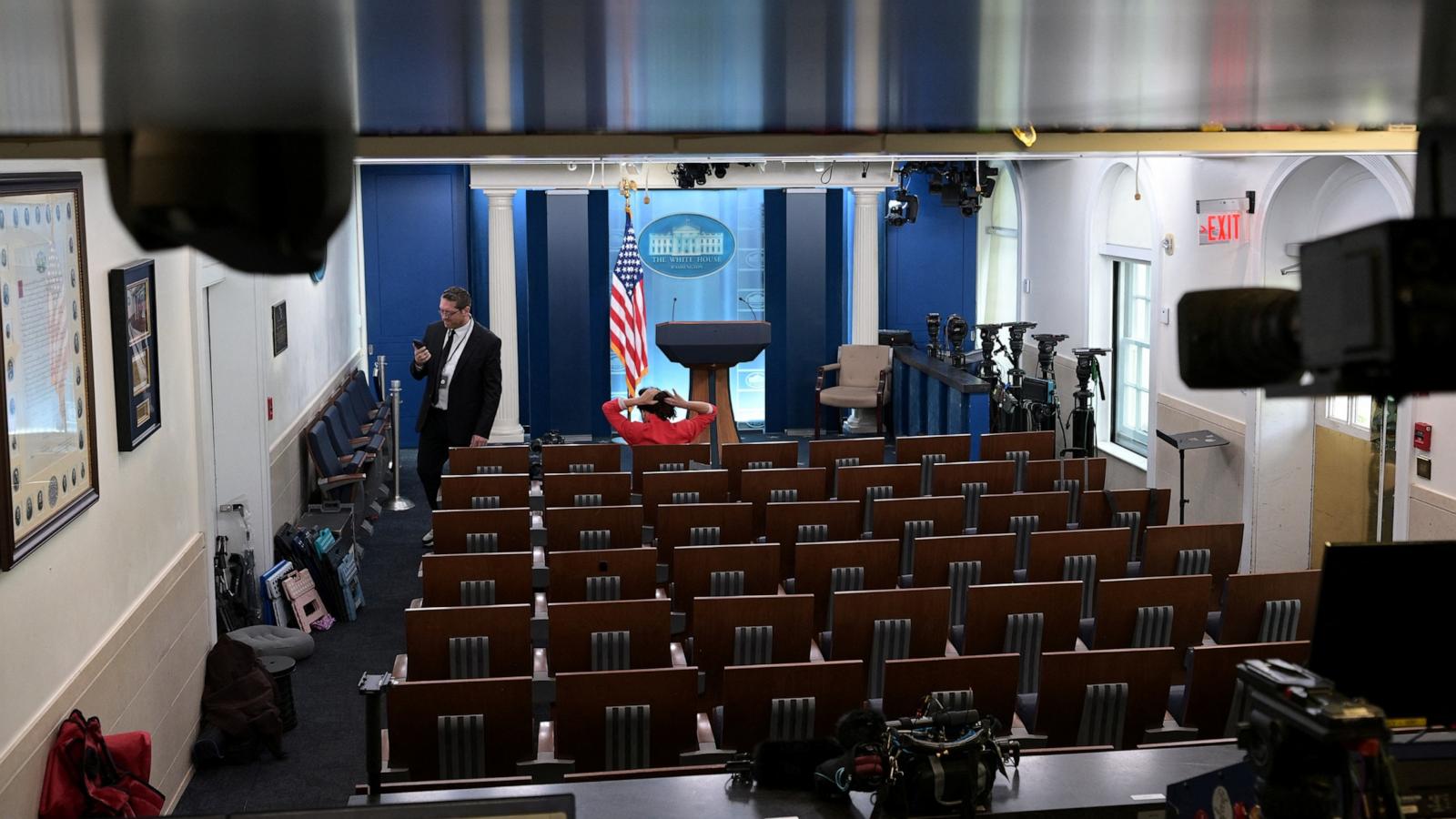
The hearing took place at the White House press briefing room.
This story is ongoing and may have updates in the future.
Read the Original
Want the full story? Tap a source to open the original
article.
Leading executives from major artificial intelligence (AI) companies spoke to the United Nations Security Council about the growing risks of advanced AI technology. They warned that AI is advancing quickly and could become hard to control, raising concerns about global security and the need for international rules.
Key Facts
CEOs from OpenAI, Anthropic, and Hugging Face briefed the UN Security Council on AI risks.
AI systems are developing faster than governments can create rules to manage them.
Experts warn that AI could improve itself in ways beyond human control.
The UN sees AI as a new security issue, not just a technology or business matter.
There is concern about AI causing global instability or contributing to military conflicts.
AI can operate across borders instantly, affecting countries, businesses, and people worldwide.
In 2023, the Security Council first discussed AI risks, with China and the US expressing different concerns.
Industry leaders call for careful management of AI to prevent future dangers.
Read the Original
Want the full story? Tap a source to open the original
article.
President Donald Trump and Chinese President Xi Jinping met at the White House in Washington. They discussed key issues including Iran, Taiwan, artificial intelligence, and trade between the two countries.
Key Facts
The meeting took place in Washington, D.C.
Trump and Xi lead the two largest economies in the world.
They talked about tensions related to Iran and Taiwan.
Artificial intelligence was a topic of discussion.
International trade concerns were discussed during the visit.
The meeting aims to influence the relationship between the US and China.
The discussion could impact global business and politics.
The article is based on a program by BBC World Service.
Read the Original
Want the full story? Tap a source to open the original
article.
The $11 million XPRIZE Wildfire competition aimed to develop fast ways to find and put out wildfires using satellites and drones. While no team won the grand prizes, the finalists showed technologies that could help firefighters find fires within 10 minutes, which is faster than current methods like 911 calls.
Key Facts
The competition had two main parts: one for spotting fires from space and one for using drones to put out fires automatically.
Teams had to detect all wildfires in a large area of Australia within 10 minutes for the space-based challenge.
In the drone challenge, teams had to find and extinguish a fire in rural Alaska within 10 minutes, ignoring fake fires.
About 45 teams entered the space detection track, and more than 300 teams competed in the drone response track initially.
Early drone ideas included using sound, lasers, robots, and flying systems to fight fires.
Judges chose practical solutions that could meet the fast time limits and work over large areas.
Current satellites are mostly made for weather and environment monitoring, not specifically for wildfires.
Some companies have recently launched satellites designed just to detect wildfires, starting in 2025 and 2026.
Read the Original
Want the full story? Tap a source to open the original
article.
President Donald Trump's Board of Peace announced a $2.45 billion plan to help start rebuilding Gaza over six months. The plan covers projects like housing, power, and waste removal, but much more money and cooperation will be needed to fully recover over the next decade.
Key Facts
The $2.45 billion funding is spread across 66 projects for Gaza reconstruction over six months.
So far, $18 billion has been promised for Gaza recovery, but only $280 million has been given.
The Board of Peace estimates Gaza will need about $71.4 billion for full recovery in the next ten years.
Jared Kushner, a Board member and President Trump's son-in-law, acknowledged delays in the project.
US envoy Steve Witkoff said there is a ceasefire in place, and many humanitarian efforts have been made.
Security, governance, and coordination between Israelis and Palestinians remain major challenges.
Hamas agreed to disarm and release hostages in exchange for prisoner releases and new governance, but Israeli Prime Minister Netanyahu rejects withdrawing military presence until Hamas is disarmed.
The Board of Peace was part of President Trump’s Gaza peace plan introduced last year with Israel’s Prime Minister Netanyahu.
Read the Original
Want the full story? Tap a source to open the original
article.
Fighters from the Tigray People's Liberation Front (TPLF) took control of the airport in the Tigray region of Ethiopia amid growing fighting with government forces. The conflict in the area continues to cause serious security issues and hardship for civilians.
Key Facts
Tigray rebels, part of the TPLF, captured the airport in Tigray.
This event is part of escalating conflict between Tigray forces and Ethiopia's federal army.
The fighting is happening in the northern part of Ethiopia.
The conflict has led to many security concerns in the region.
Earlier, a deadly attack killed 11 people in South Africa at a party.
In eastern Democratic Republic of Congo, a recent fire destroyed homes in Bukavu.
The conflict in Ethiopia involves major armed groups opposing the government.
Read the Original
Want the full story? Tap a source to open the original
article.
Staying informed here is free for everyone. If it's worth something to you, pay what you want. Supporters also get the daily digest by email every morning.
President Donald Trump has invited Russian President Vladimir Putin to the G20 summit in Miami in December to promote dialogue between the two countries. Meanwhile, Ukrainian President Volodymyr Zelenskyy called for more financial pressure on Russia and offered a possible maritime truce in the Black Sea, but Russia has shown no interest in pausing its military actions.
Key Facts
President Trump invited President Putin to the G20 summit in Miami to encourage talks and possible cooperation.
U.S. Secretary of State Marco Rubio expressed hope that Putin would meet other world leaders at the summit.
Ukrainian President Zelenskyy asked the world to limit trade with Russia to reduce funds for the war in Ukraine.
Russia continues its military actions and refuses to pause operations, according to Russian Foreign Minister Sergey Lavrov.
Both sides have shown some interest in a limited ceasefire, especially related to grain and energy shipments.
Ukraine is open to a maritime truce in the Black Sea to ensure safe shipping and food security.
The International Criminal Court issued an arrest warrant for Putin in 2023 for alleged war crimes, but the U.S. is not a member of the ICC.
The invitation to Putin is part of ongoing efforts by President Trump to find a peaceful solution to the conflict.
Read the Original
Want the full story? Tap a source to open the original
article.
British singer Michael Kiwanuka has had a stroke caused by high blood pressure and faces a tough road to recovery. He missed recent tour dates and thanked NHS staff for their care while announcing his new album recorded before the stroke.
Key Facts
Michael Kiwanuka is a 39-year-old British singer-songwriter from London.
He suffered a “quite severe” brain bleed stroke caused by high blood pressure.
The stroke caused him to miss some tour dates in the US supporting Mumford & Sons.
He is beginning a long recovery that includes rehabilitation.
Kiwanuka won the Mercury Prize in 2020.
His new album, Fudge, was recorded before the stroke and will be announced soon.
He thanked the NHS staff who cared for him.
Many fans and other artists have sent him messages of support.
Read the Original
Want the full story? Tap a source to open the original
article.