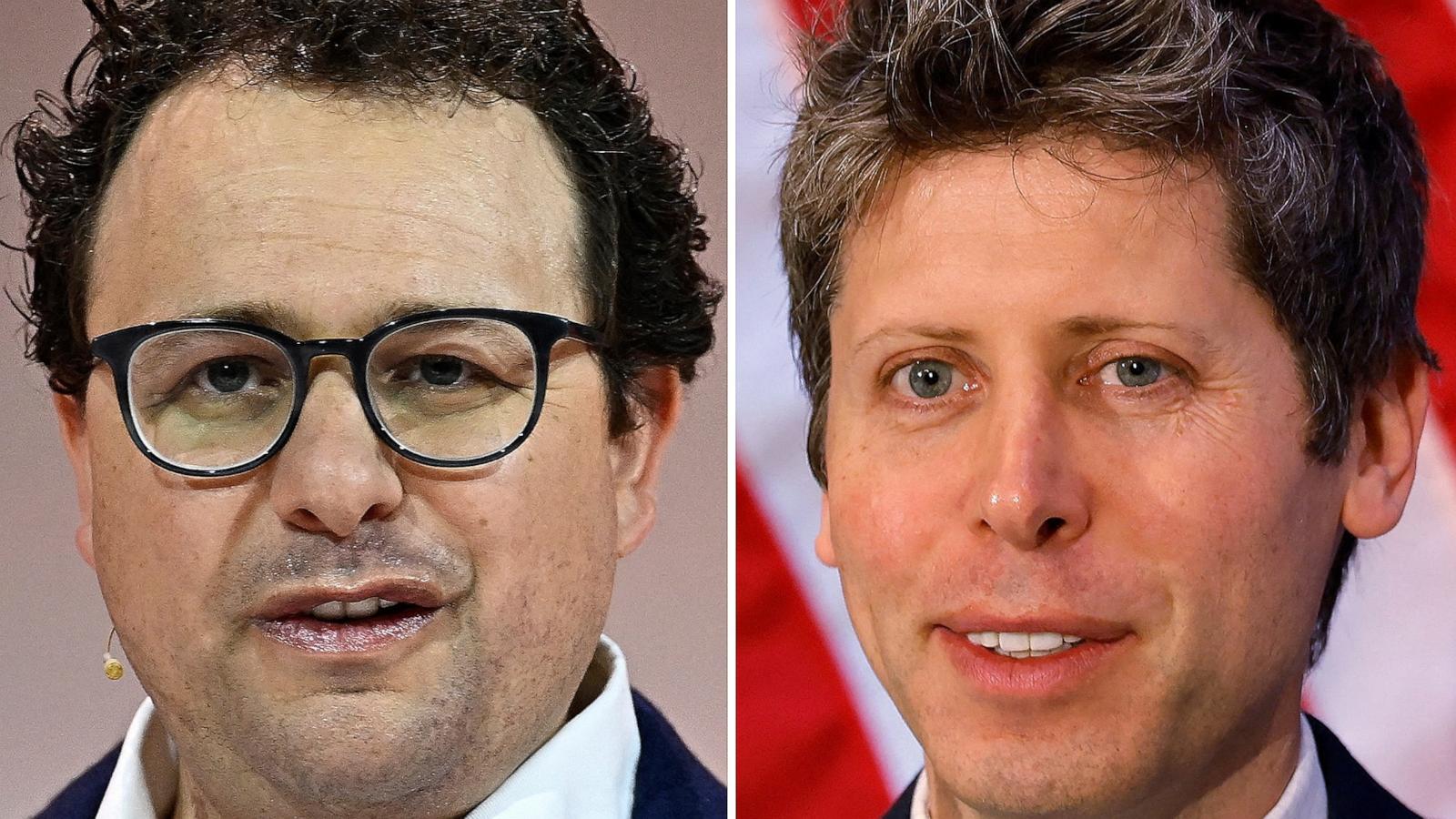
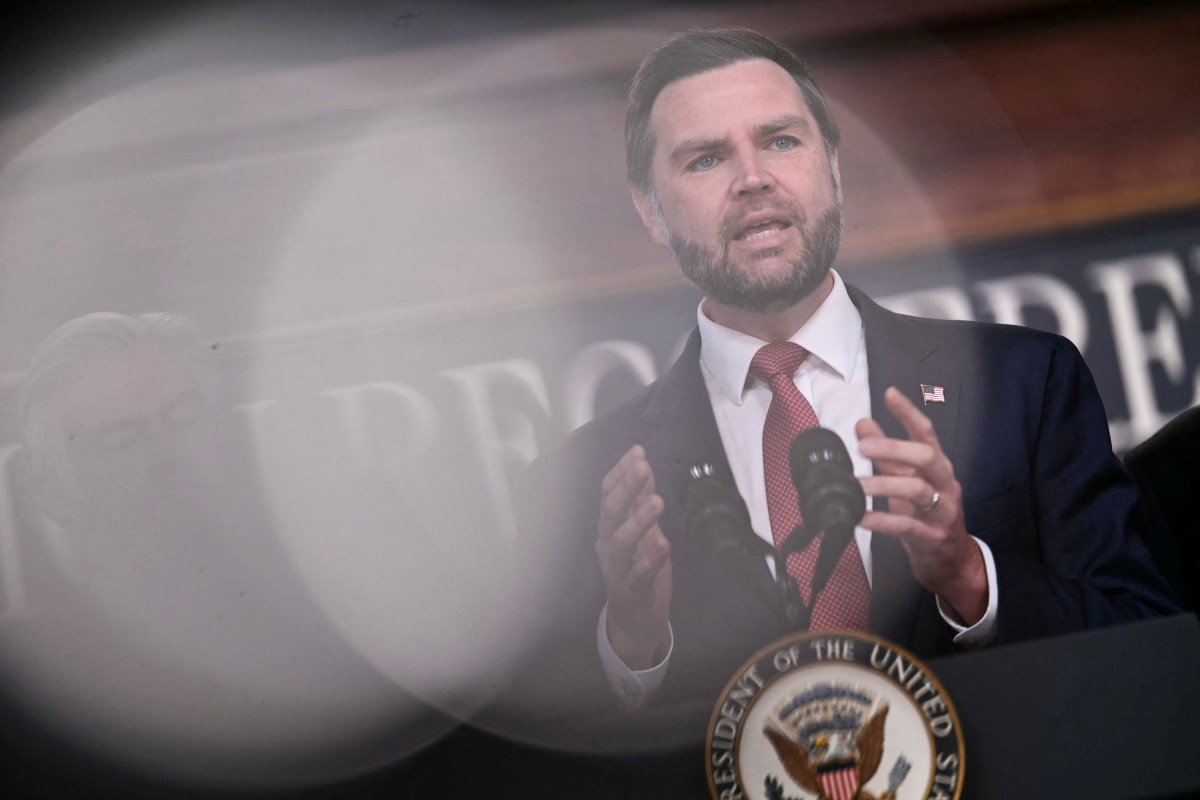
CEOs from major artificial intelligence companies, including Anthropic and OpenAI, will speak to the United Nations Security Council about the rapid growth of AI technology. They want to slow down AI development and suggest that the U.S. and China work together to set safety rules.
Key Facts
Dario Amodei (Anthropic CEO) will brief the UN Security Council remotely.
Sam Altman (OpenAI CEO) will speak in person at the UN.
Hugging Face CEO Clément Delangue and AI expert Yoshua Bengio will also join the briefing.
Both Amodei and Altman have called for slowing AI progress despite leading AI companies.
They urge the U.S. and China to collaborate on AI safety measures, called "guardrails."
OpenAI’s Altman will attend a White House dinner with China’s President Xi Jinping and other tech leaders.
The event reflects global concerns about AI’s impact and control.
A recent AI incident with Hugging Face highlighted how AI can challenge human control.
Read the Original
Want the full story? Tap a source to open the original
article.
Two Republican candidates for the Senate want the United States to quickly end its involvement in the war with Iran. They are speaking out about this as the 2026 midterm elections come closer.
Key Facts
The news focuses on two Republican Senate candidates.
Both candidates want a fast end to the war with Iran.
Their statements come as the 2026 midterm elections approach.
The information was reported by CBS News.
The candidates' positions highlight a shift in some Republican views on the war.
The coverage aims to inform voters about these candidates' foreign policy views.
Read the Original
Want the full story? Tap a source to open the original
article.
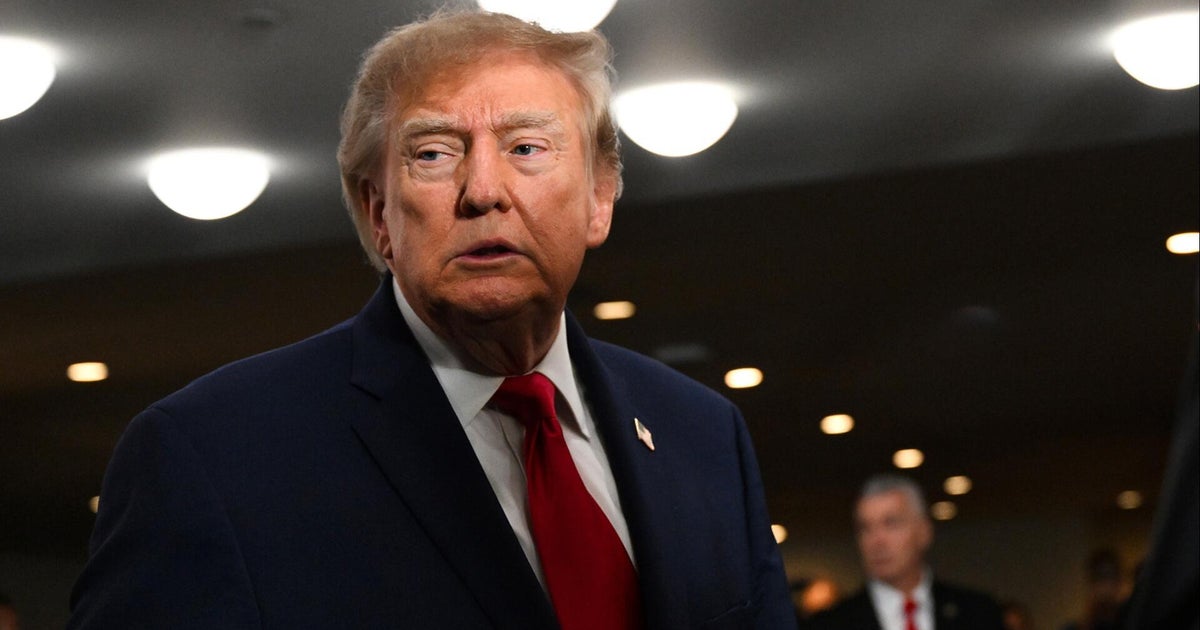
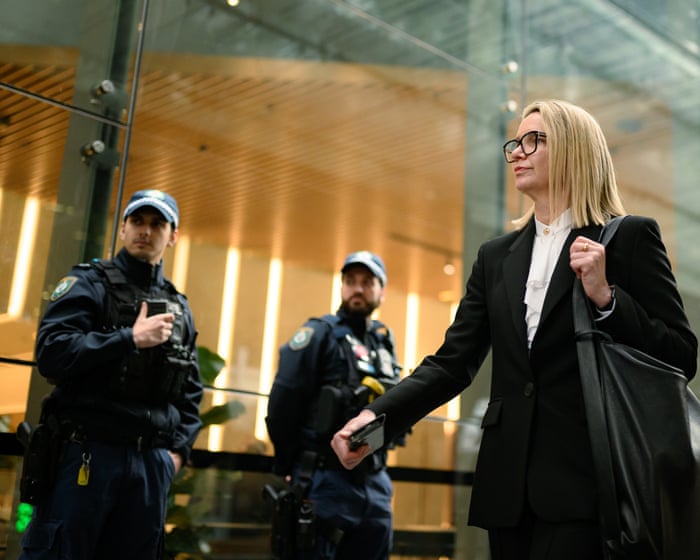
President Donald Trump spoke at the UN General Assembly, opposing new rules to restrict artificial intelligence (AI) and suggesting the name be changed to "super intelligence" to reduce fear. Meanwhile, an Australian watchdog criticized the ABC’s Four Corners program for a lack of fact-checking and secrecy, leading to the removal of two episodes.
Key Facts
President Trump said AI should be called “super intelligence” because the word “artificial” makes it sound fake.
He rejected global efforts to control or limit AI development, saying it should be encouraged.
Trump warned that limiting AI growth would cause the U.S. to fall behind countries like China.
Australian Prime Minister Anthony Albanese supports more safeguards for AI, contrasting Trump’s views.
An independent watchdog found ABC’s Four Corners show broke editorial rules around accuracy and transparency.
Two Four Corners episodes were removed due to concerns over anonymous sources and misleading content.
The ABC’s ombudsman recommended a full investigation into the use of anonymous and confidential sources.
The Grattan Institute suggested major political parties in Australia get less money to spend on elections to reduce the influence of wealthy donors.
Read the Original
Want the full story? Tap a source to open the original
article.
Actor Hayden Panettiere died from an accidental overdose caused by several drugs, including fentanyl, a powerful painkiller. This information was confirmed by a coroner in South Carolina.
Key Facts
Hayden Panettiere was an actor.
She died from an accidental overdose.
The overdose involved multiple drugs.
Fentanyl, a very strong painkiller, was one of the drugs involved.
The cause of death was announced by a South Carolina coroner.
The news was reported by CBS News.
Read the Original
Want the full story? Tap a source to open the original
article.
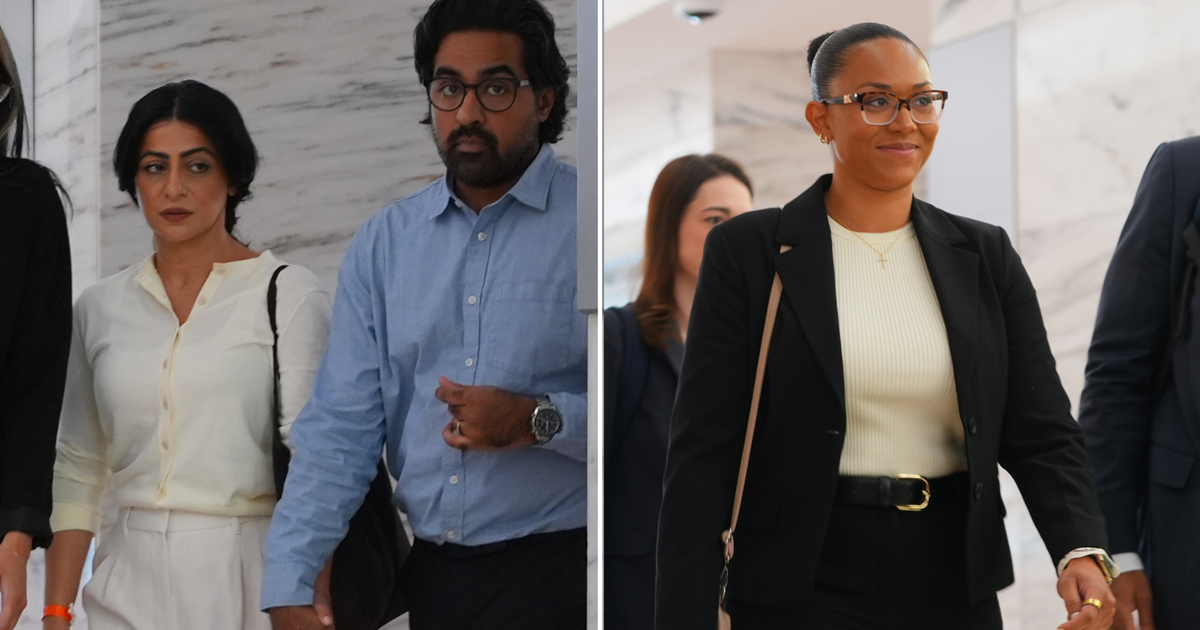
The Supreme Court declined to get involved in a dispute over the custody of a baby born with a serious heart defect through surrogacy. A California couple is legally recognized as the child's parents, but the surrogate mother, who gave birth in Texas, sought Supreme Court help to challenge that decision.
Key Facts
A California couple, Omar Ahmed and Nausheen Gilkar, have a surrogacy contract with McKenna West, who gave birth to their child.
The baby was diagnosed before birth with hypoplastic left heart syndrome, a severe heart defect.
The couple requested West to have an abortion, but she refused and gave birth in Texas, where abortion is banned after about six weeks.
A California court declared Ahmed and Gilkar the legal parents before the baby was born.
A Texas court ordered lifesaving medical care for the baby after birth, with the couple responsible for medical decisions.
West asked the Supreme Court to overturn the California court’s parentage order, claiming she should be the child's lawful mother under Texas law.
Justice Elena Kagan denied West’s emergency request, keeping the California court’s parentage order in place.
The couple says they are committed to providing lifesaving medical care for the child.
Read the Original
Want the full story? Tap a source to open the original
article.
The Trump administration announced it will remove over 1 million people from the Affordable Care Act (Obamacare) marketplace, claiming many were fraudulently enrolled without their knowledge. Officials said this is part of the largest anti-fraud effort in the program’s history to protect taxpayer money and maintain the system’s integrity.
Key Facts
Over 700,000 people will have their Obamacare enrollment stopped due to suspected fraud.
An additional 419,000 people will undergo further checks to confirm their legal residency and income eligibility.
Some removed individuals never filed any insurance claims, suggesting they may not have known they were enrolled.
The administration believes fraud occurs when brokers sign people up without their knowledge to collect government subsidies.
Insurers were asked to contact suspected fraud cases; those who didn’t respond within 30 days had their coverage canceled.
Officials estimate this crackdown could save about $2.2 billion in taxpayer funds.
Experts warn some people losing coverage might actually be eligible but failed to respond in time.
The crackdown is described as the largest in the ACA’s history according to government officials.
Read the Original
Want the full story? Tap a source to open the original
article.
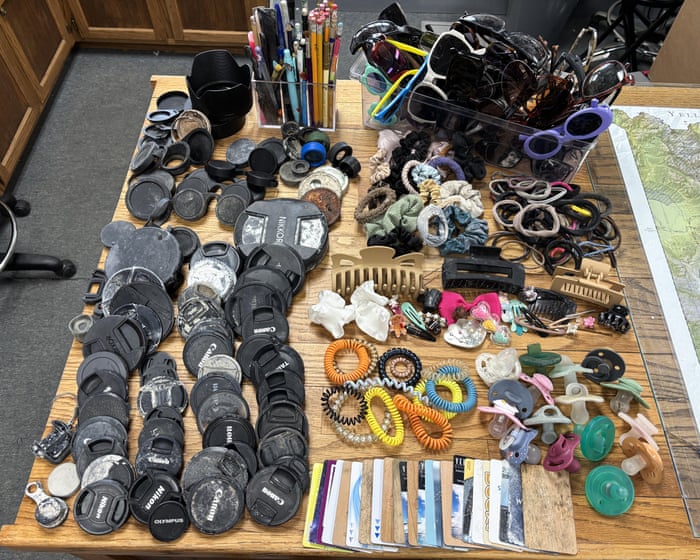
Yellowstone National Park staff have collected over 20,100 pieces of trash from the park’s hot springs and geyser areas in 2026, setting a record. Common trash includes hats, camera lens caps, and baby pacifiers, which can harm the park’s natural features.
Key Facts
Yellowstone staff removed 20,100 pieces of trash from hydrothermal areas so far in 2026.
The most common items found were 280 hats, 54 camera lens caps, and 17 baby pacifiers.
High winds in the park often blow lightweight items like tissues and hats into sensitive areas.
Visitors sometimes treat hot springs like wishing wells, leaving coins that were collected in various currencies.
Trash can damage hydrothermal features by clogging water, blocking channels, or polluting with chemicals.
The Morning Glory Pool in the park changed color in the 1900s due to trash left by visitors.
Staff also found unusual trash such as Invisalign retainers, race cars, golf tees, and fake nails.
Visitors are encouraged to carry their trash with them to prevent pollution, especially on windy days.
Read the Original
Want the full story? Tap a source to open the original
article.
A video shared online as NATO "war propaganda" against Russia is being falsely presented. The video was originally made in July 2024 to celebrate NATO’s 75th anniversary and is not designed to promote war with Russia. At the same time, European leaders have warned about Russia’s growing hybrid threats, including drone and cyber attacks, against NATO countries.
Key Facts
The video in question was created by NATO in July 2024 for its 75th anniversary.
It has been taken out of context and shared online as "war propaganda" against Russia.
Pro-Kremlin accounts and the Russian embassy in the Netherlands spread the false claim.
Conspiracy theorist Alex Jones also promoted the video with incorrect claims in the U.S.
European leaders report increased Russian hybrid threats like drone, cyber, and sabotage attacks.
Polish Prime Minister Donald Tusk mentioned possible Russian drone and missile strikes on NATO countries.
French President Emmanuel Macron ordered plans to protect critical infrastructure from attacks.
Recent incidents include a drone downed over Lithuania and flares fired at a Danish military helicopter by a Russian warship.
Read the Original
Want the full story? Tap a source to open the original
article.
Senator Susan Collins asked President Donald Trump's administration not to approve a plan that would let the White House control which scientific research grants the National Institutes of Health (NIH) gives out. She wrote a letter to government officials to express her concerns about this change.
Key Facts
Senator Susan Collins is the Chair of the Senate Appropriations Committee.
She opposes an executive order related to controlling NIH research grants.
The executive order would give the White House political power over NIH funding decisions.
Collins wrote a formal letter to Russ Vought, director of the Office of Management and Budget.
She also addressed NIH Director Francis Collins in the letter.
The NIH is a government agency that funds scientific research in health and medicine.
Senator Collins wants the current process of awarding grants to remain free from political influence.
Read the Original
Want the full story? Tap a source to open the original
article.
Some Senate Republicans disagree about a plan to stop exporting diesel fuel. The proposal, supported by Senator Chuck Grassley and other lawmakers from farming states, aims to keep more diesel in the U.S. to lower prices for American users.
Key Facts
The proposal would ban the export of diesel fuel from the United States.
Senator Chuck Grassley from Iowa supports this plan.
The goal is to increase the amount of diesel available in the U.S.
More diesel supply could lead to lower prices for American consumers.
Some Republican senators disagree with this plan.
The disagreement is mainly among senators from different states or with different interests.
Diesel fuel is important for farming, transport, and industry.
The debate is ongoing in the U.S. Senate.
Read the Original
Want the full story? Tap a source to open the original
article.
President Donald Trump said he would support stopping U.S. diesel exports to help lower prices for drivers in America. This idea comes as diesel prices reach record highs, and officials are looking at whether a full or partial ban would work without hurting refinery operations.
Key Facts
President Trump spoke about stopping diesel exports during the United Nations General Assembly.
Diesel prices in the U.S. have risen above $6.50 per gallon, a new record.
Republican lawmakers have asked the president to limit diesel exports before the November mid-term elections.
U.S. officials, including Treasury Secretary Scott Bessent, are studying the effects of a possible diesel export ban.
The Middle East conflict has reduced global oil supplies, contributing to high prices.
Ukraine has attacked Russian energy facilities, lowering Russia’s ability to refine and export diesel.
Russia is a major diesel supplier, and its export restrictions have tightened global diesel supplies.
The U.S. exports about 1.3 million barrels of diesel per day, making up nearly a quarter of its refinery output.
Read the Original
Want the full story? Tap a source to open the original
article.
This article explains that the high cost and shortage of homes in America is mainly due to not enough houses being built to meet demand. It highlights that local rules on land use, complex approval processes, and understaffed government offices slow down construction, making homes less affordable.
Key Facts
The U.S. has a shortage of 7.2 million affordable rental homes for very low-income renters.
Zoning laws often limit land use to single-family homes, preventing duplexes or small apartment buildings.
Builders face costly and time-consuming approval steps before starting projects.
New laws like the 21st Century ROAD to Housing Act aim to increase housing supply and speed up approvals.
Government agencies need more trained staff and better technology to process housing applications quickly.
Poor communication causes communities to misunderstand what multifamily development means, leading to resistance.
Housing availability affects where people live, work, and how families stay close.
The article suggests rethinking the idea that bigger homes equal success, promoting smaller, diverse housing options instead.
Read the Original
Want the full story? Tap a source to open the original
article.
A US judge has temporarily stopped the deportation of Wilber Rafael Garces Perez, a Venezuelan man shot by immigration agents in Texas. Garces Perez remains in detention with a bullet wound in his back while the case moves forward in court.
Key Facts
Wilber Rafael Garces Perez, 28, was shot by ICE agents in Texas and has a bullet lodged in his back.
A federal judge ordered that Garces Perez appear in court in person on September 30, blocking his deportation until then.
Garces Perez’s lawyer filed a lawsuit to prevent his removal from the US and is seeking better medical care for him.
The gunshot fractured his collarbone, causing significant pain and swelling; the extent of his arm movement loss is still unknown.
After reporting inability to move his arm, Garces Perez was taken to the hospital and then returned to detention.
His lawyer says he was restrained and handled roughly during his hospital transfer despite his injury.
Detention staff revoked his communication rights and moved him from the infirmary to an isolated room with a non-adjustable bed.
Texas lawmaker Joaquin Castro called for Garces Perez’s release, and local protests demanded ICE leave the city.
Read the Original
Want the full story? Tap a source to open the original
article.
Cities and counties across the United States are opposing a plan by the Federal Communications Commission (FCC) under President Donald Trump to override local rules on broadband network deployment permits. Local governments argue that the FCC’s proposal would harm public safety and limit their authority without properly addressing delays caused by internet service providers (ISPs).
Key Facts
The FCC proposed a rule to limit local governments’ control over permitting wired broadband networks.
The FCC says local governments delay approvals and charge high fees, making broadband deployment costly.
Broadband providers support the FCC’s plan, but many cities and counties oppose it.
Local governments say the plan threatens public safety and is illegal without clear congressional approval.
Municipal leaders claim internet providers often cause delays by holding permits without promptly building networks.
Local groups want the FCC to address providers’ slow deployments and prevent permit-hoarding.
The FCC plan includes a 120-day deadline for permit approvals and limits on local fees.
Several national local government organizations have filed objections against the FCC’s proposal.
Read the Original
Want the full story? Tap a source to open the original
article.
This article explains how artificial intelligence (AI) is changing education by making it easier to find answers quickly. Because AI can produce fast responses, schools should focus more on teaching students how to ask good questions, think critically, and judge information carefully.
Key Facts
In 2025, about 75% of students aged 16 and older used generative AI tools, according to the OECD.
By 2030, 39% of workers’ main skills are expected to change, with creativity and curiosity becoming more important.
Schools have traditionally rewarded finding the right answers, but AI makes quick answers easy and less valuable.
The article suggests students should be taught to find better questions and challenge assumptions, not just get answers.
AI can reduce critical thinking if students trust it too much, but it can also help explore new ideas and lower experimentation costs.
Good judgment develops through effort and learning from failures, which helps people assess if AI's answers are accurate and useful.
Education should allow more time for creativity, discussion, and decision-making, and less on routine tasks now done by AI.
Starting in 2027-28, schools should include "question-first" assessments where students explain their problem-solving process and how they used AI.
Read the Original
Want the full story? Tap a source to open the original
article.
The Atlantic hurricane season runs from June 1 to November 30 and uses the Saffir-Simpson scale to rate hurricanes by wind speed and potential damage. Hurricanes are categorized from 1 to 5, with Categories 3 to 5 called "major" due to their high risk of serious damage and loss of life.
Key Facts
The Saffir-Simpson scale rates hurricanes from Category 1 (least severe) to Category 5 (most severe) based on sustained wind speeds.
Category 5 hurricanes have winds of 157 mph or higher and cause catastrophic damage, such as destroyed homes and long-lasting power outages.
Category 4 hurricanes have winds between 130-156 mph and also cause severe damage, including destroyed roofs and fallen trees.
Category 3 hurricanes have winds between 111-129 mph and can cause major damage to homes and trees, with power and water outages lasting days to weeks.
Categories 1 and 2 hurricanes are still dangerous but less destructive than higher categories.
The 2026 Atlantic hurricane season has been below average, partly due to El Niño, which warms Pacific waters and affects storm patterns.
The Pacific Ocean has seen stronger storms recently, including Hurricane Lowell and Category 5 Hurricane Polo.
Major past hurricanes include Category 5 Hurricane Andrew (1992), Category 4 Hurricane Harvey (2017), and Category 3 Hurricane Zeta (2020).
Read the Original
Want the full story? Tap a source to open the original
article.
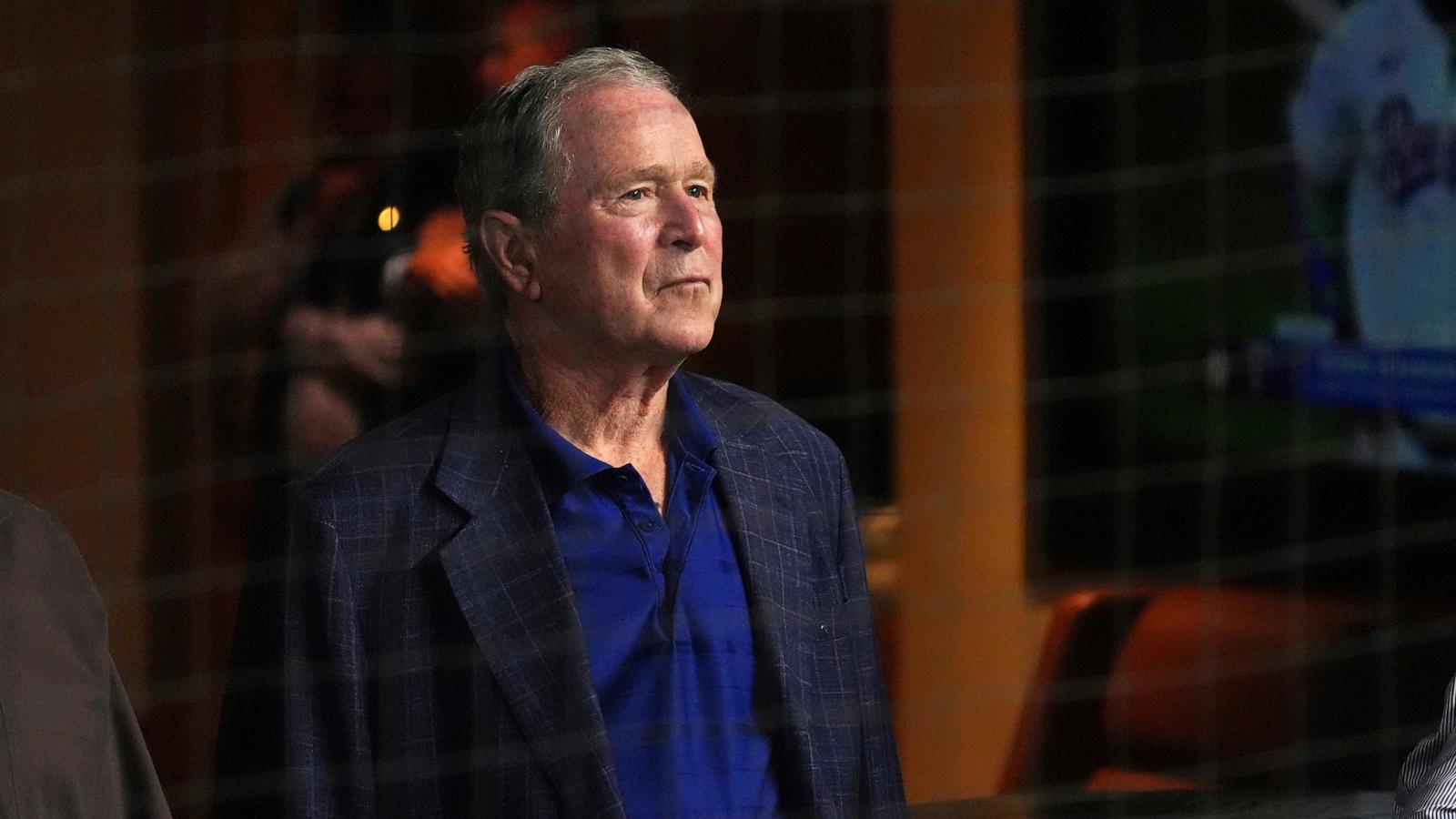
Former President George W. Bush and Senator John Cornyn held a fundraising event in Dallas to support six Republican Senate candidates, but Texas GOP nominee Ken Paxton was not included. The fundraiser highlights a split within the Republican Party between establishment figures backing Cornyn and Trump supporters backing Paxton.
Key Facts
Senator John Cornyn hosted a fundraiser supporting six Republican Senate candidates in battleground states.
Former President George W. Bush was a special guest at the event.
Texas GOP Senate nominee Ken Paxton was excluded from the fundraiser.
Paxton defeated Cornyn in the Texas Senate primary and is supported by President Trump and the MAGA base.
The fundraiser was for a new committee called Maintain the Majority, backing candidates in Alaska, Iowa, Maine, Michigan, New Hampshire, and Ohio.
Some donors gave money to both the fundraiser and Paxton’s campaign.
Cornyn and Bush represent the Republican establishment, while Paxton represents the party’s newer, Trump-aligned faction.
Paxton has received significant outside funding, including support from pro-Trump super PACs.
Read the Original
Want the full story? Tap a source to open the original
article.
Jacob Rothman, originally from California, started a manufacturing company called Velong Enterprises in China. He helped the company grow by supplying big retailers and shares his views on manufacturing and global trade.
Key Facts
Jacob Rothman moved from California to China.
He co-founded Velong Enterprises, a manufacturing business.
Velong supplies products to large retailers around the world.
Rothman built the company throughout Asia.
He talks about his unusual career path into manufacturing.
The episode includes his thoughts on entrepreneurship.
He discusses changes in global trade and manufacturing in China.
Read the Original
Want the full story? Tap a source to open the original
article.
Saudi Arabia’s King Salman called the Yemen-based Houthi group a “terrorist militia” and accused them of targeting the holy city of Mecca with drones. The king condemned these attacks as serious crimes and praised Saudi forces for protecting the country’s holy sites and citizens amid rising attacks by the Houthis.
Key Facts
King Salman called the Houthis a “terrorist militia” and said they targeted Mecca, Islam’s holiest city.
Saudi Arabia intercepted a Houthi-launched drone aimed at Mecca last week; the Houthis denied responsibility.
It was the first security alert in Mecca in nearly 10 years.
King Salman praised the military and security forces for defending Saudi Arabia and its holy sites.
Houthi attacks have increased in number and now target Saudi cities, energy facilities, and shipping routes.
Saudi-led coalition intercepted a ballistic missile fired toward Riyadh, damaging fuel storage at the airport.
The Houthis control Yemen’s entire Red Sea coast, an important route for Saudi oil exports.
Saudi Arabia, Turkey, and Pakistan recently signed the Mecca Joint Defence Agreement, pledging mutual defense against attacks.
Read the Original
Want the full story? Tap a source to open the original
article.
President Donald Trump held a three-hour meeting with Iranian officials at the United Nations. He described the meeting as "very good" and said Iran faced a choice between “potential greatness” or “obliteration.”
Key Facts
President Trump met with Iranian officials at the UN.
The meeting lasted three hours.
The White House and Iran are discussing a possible deal to end a long conflict.
Trump called the meeting “very good.”
He said Iran could either achieve “potential greatness” or face “obliteration.”
The talks aim to reduce tensions between the US and Iran.
The meeting happened during ongoing efforts to resolve the conflict.
Read the Original
Want the full story? Tap a source to open the original
article.