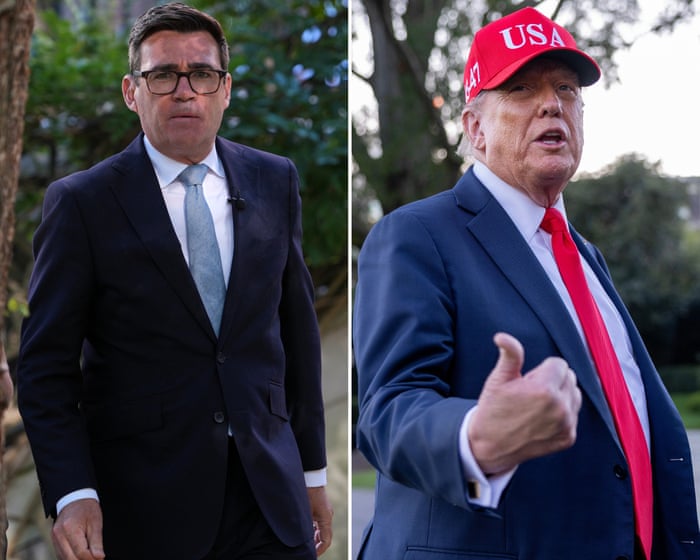
UK Prime Minister Andy Burnham is meeting with US President Donald Trump for their first face-to-face talks. While Trump is less popular in the US now and involved in difficult conflicts, Burnham plans to be more assertive than his predecessor but avoid open conflict with Trump.
Key Facts
Andy Burnham is the UK Prime Minister meeting President Trump at the United Nations.
Trump is currently unpopular in the US, facing high inflation and conflict in Iran.
Previous UK leader Keir Starmer took a cautious approach with Trump to avoid conflict, which some felt made him look overly compliant.
Burnham said the UK must protect its interests and not just agree with the US on everything.
Burnham aims to balance pushing back without causing a public diplomatic fight.
Trump has criticized the UK for not supporting strikes on Iran and made controversial remarks about Argentina and Ireland.
Despite tensions, Burnham and Trump have spoken twice by phone and reportedly have a good personal rapport.
The meeting is expected to cover issues like Ukraine, defense spending, and trade policies, held in the neutral setting of the UN instead of the White House.
Read the Original
Want the full story? Tap a source to open the original
article.
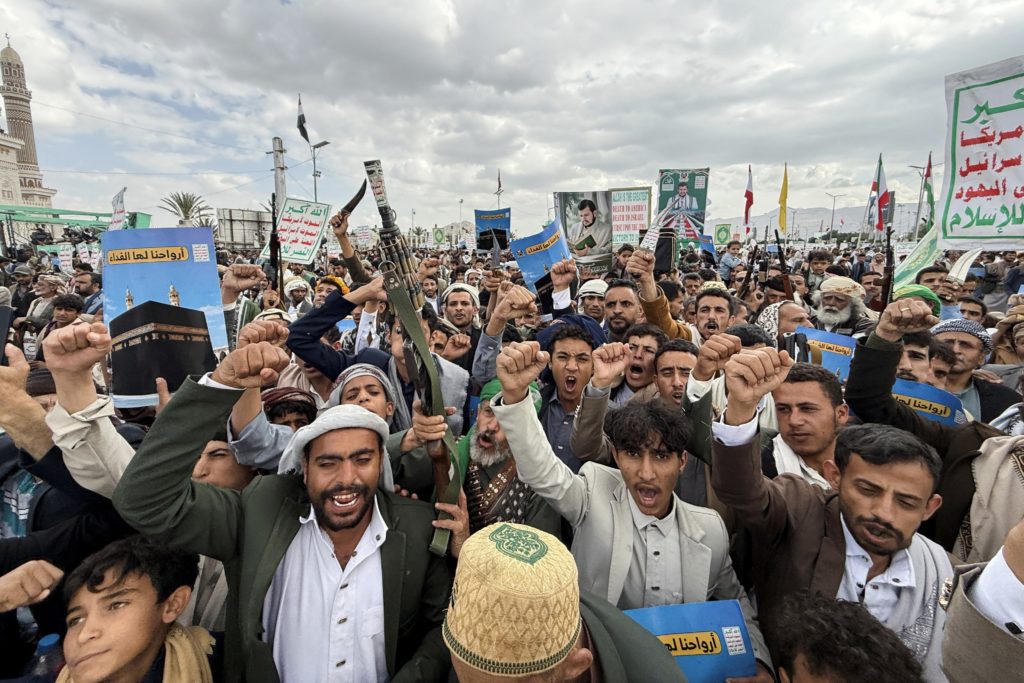
Fighting between Yemen’s Houthi group and Saudi Arabia is getting worse. The Houthis launched missiles at Riyadh, marking the first attack since a ceasefire in 2022, and both sides warn that any attack will be met with a stronger response.
Key Facts
The Houthis are a group based in Yemen and supported by Iran.
They attacked Riyadh, the capital of Saudi Arabia, with missiles.
This is the first such attack since a ceasefire in 2022.
Saudi Arabia has warned it will respond strongly to Houthi attacks.
The conflict between Saudi Arabia and the Houthis is long-standing and complex.
The fighting risks involving other countries in the Middle East.
Experts from different backgrounds are discussing what it would take to stop the attacks.
Turkey has expressed support for Saudi Arabia’s security as the conflict escalates.
Read the Original
Want the full story? Tap a source to open the original
article.
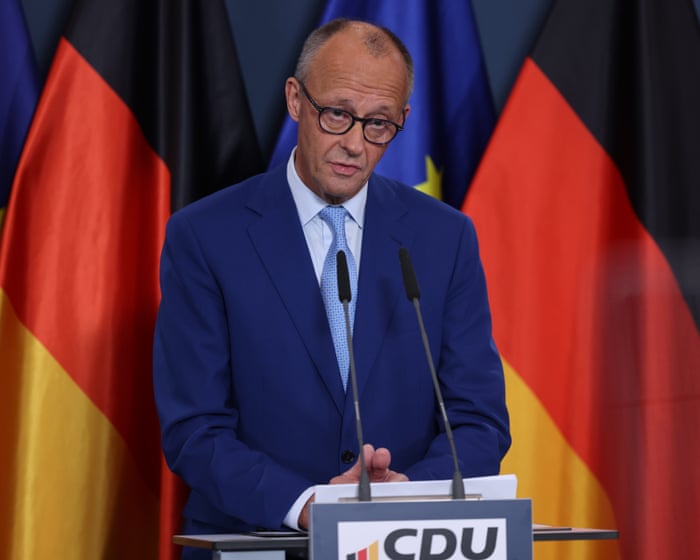
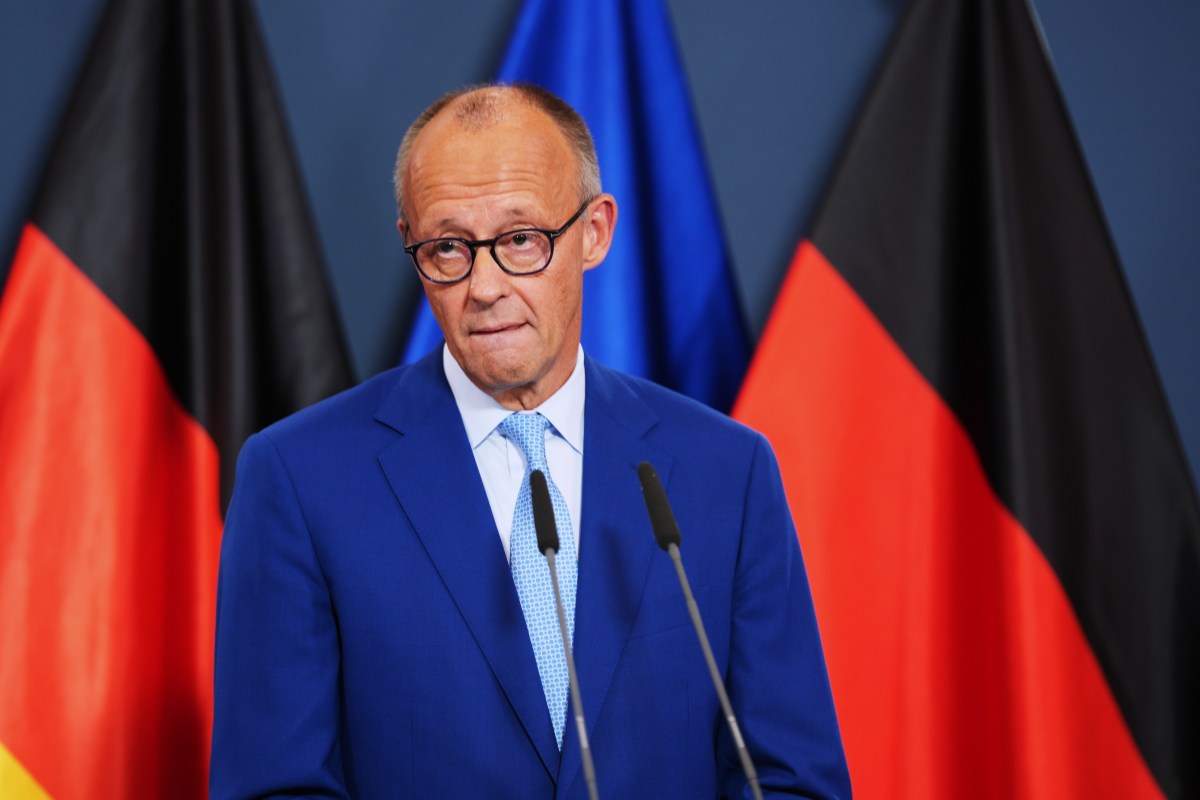
Germany’s Chancellor Friedrich Merz said he will stay in office despite his conservative party, the CDU, suffering major losses in two state elections. The far-right party AfD won the most votes in one region, while a left-wing party led in another, showing growing support for parties outside the traditional center.
Key Facts
Chancellor Friedrich Merz’s CDU barely passed the 5% vote threshold in Mecklenburg-Western Pomerania, its worst result there ever.
The far-right party, Alternative für Deutschland (AfD), won nearly 38% of votes in Mecklenburg-Western Pomerania and also made gains in Berlin.
The far-left party Die Linke led in Berlin with about 25% of the vote, ahead of the CDU.
The AfD has now been the strongest party in three different German state elections but remains excluded from power by other party agreements.
Merz admitted the CDU lost support partly due to a lack of positive influence from the federal government in Berlin.
He said he will continue working on reforms in taxes, healthcare, pensions, and cutting bureaucracy.
The AfD’s co-leader called on Merz to resign after the election losses.
Germany’s political situation is seen as unstable with rising support for radical parties on both left and right, challenging traditional parties.
Read the Original
Want the full story? Tap a source to open the original
article.
French President Emmanuel Macron and Canadian Prime Minister Mark Carney met on the French territory of Saint Pierre and Miquelon to strengthen ties between France and Canada. They talked about working together on fishing, security, energy, and closer economic relations amid challenging relations with the United States under President Donald Trump.
Key Facts
The meeting was the first visit by a Canadian leader to the Saint Pierre and Miquelon islands, a French territory near Canada’s Newfoundland.
Macron and Carney want to build stronger cooperation between France, Canada, and the European Union.
The visit happened while both France and Canada face difficult relations with the US under President Trump.
Canada is exploring becoming the European Union’s first associate member to reduce dependence on the US market.
Trump has imposed tariffs and suggested making Canada the 51st US state, prompting Ottawa to seek new partnerships.
Macron emphasized securing energy supplies, including oil, natural gas, and rare minerals from Canada amid the Iran war affecting global markets.
The meeting followed Trump’s new military deal with Denmark on Greenland, which Macron said respects Danish sovereignty and international law.
Macron described the France-Canada friendship as a source of strength in a world with many crises.
Read the Original
Want the full story? Tap a source to open the original
article.
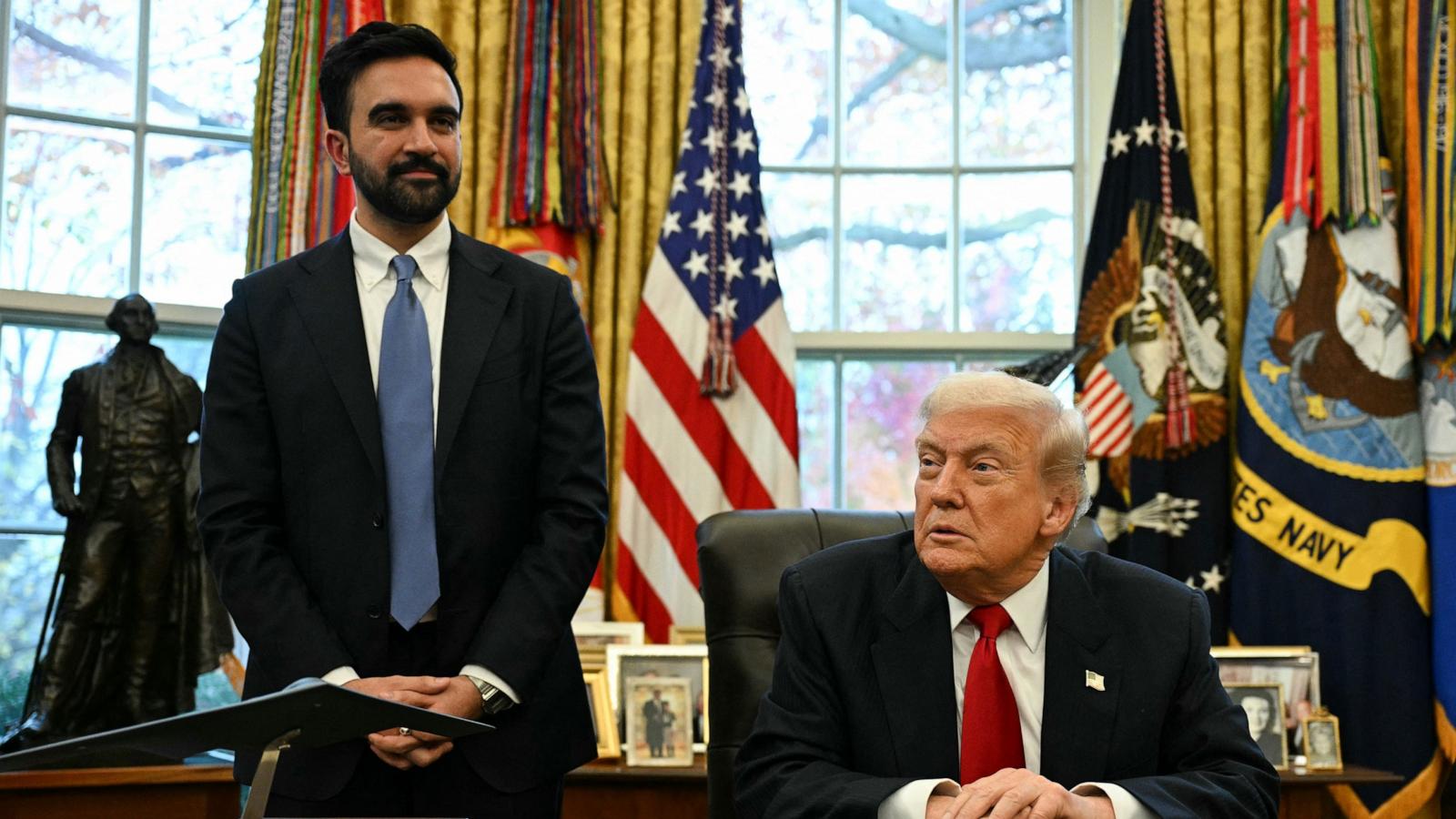
New York City Mayor Zohran Mamdani will meet with President Donald Trump on Monday, September 21, at Gracie Mansion, the mayor’s official home. The meeting will focus on issues important to New York City and its residents.
Key Facts
The meeting is scheduled for Monday, September 21, 2026, at Gracie Mansion in New York City.
Mayor Mamdani and President Trump have met twice before, both times at the White House.
Their first meeting was in November 2025 when Mamdani was still mayor-elect.
Their second meeting occurred in February 2026.
No specific topics or details about the meeting were shared publicly.
President Trump will already be in New York to speak at the United Nations General Assembly that day.
The mayor’s office stated the discussion will focus on issues affecting New Yorkers.
The White House has not yet made an official comment about the meeting.
Read the Original
Want the full story? Tap a source to open the original
article.
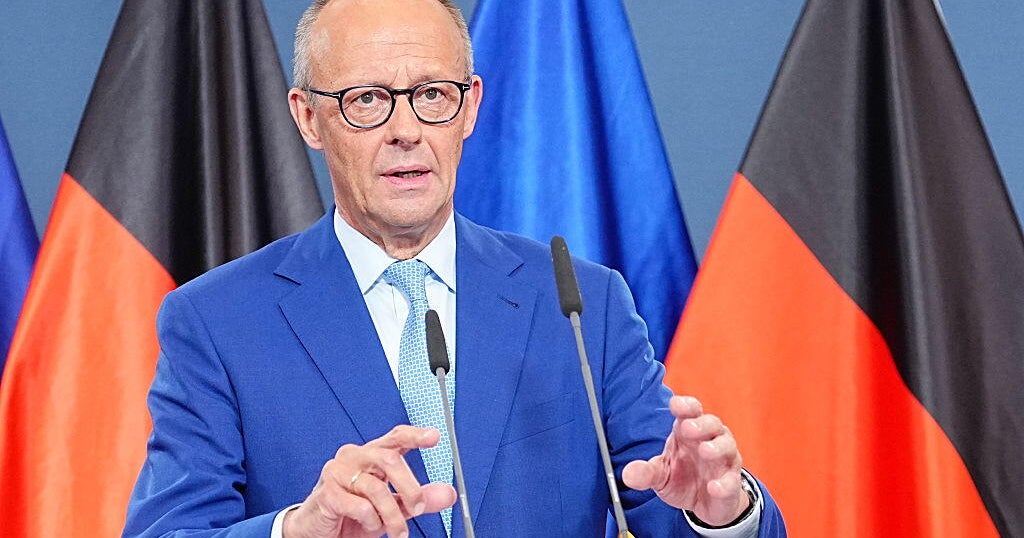
German Chancellor Friedrich Merz faced a historic election defeat when his party, the Christian Democratic Union (CDU), received its lowest vote ever in Mecklenburg-Western Pomerania. Despite this setback and the rise of the far-right Alternative for Germany (AfD) party, Merz said he would continue with planned economic reforms.
Key Facts
The CDU got only 5% of the vote in Mecklenburg-Western Pomerania, the worst result since World War II.
The far-right AfD gained 37% in Mecklenburg-Western Pomerania and 15.7% in Berlin.
In Berlin, the Left Party (Die Linke) led with 24.5%, ahead of CDU’s 20%.
Merz admitted the election result was a "disaster" but promised to keep pushing economic reforms.
The AfD is known for its anti-immigration stance and nationalism.
The CDU has governed Germany for much of the post-World War II period.
Germany’s economy is weak with rising unemployment, over 3 million jobless as of August.
AfD’s gains mark a resurgence of far-right influence in German politics.
Read the Original
Want the full story? Tap a source to open the original
article.
French President Emmanuel Macron and Canadian leader Mark Carney held a joint news conference on the French territory of Saint Pierre and Miquelon. They emphasized that France and Canada are two independent countries that want to maintain their strong relationship.
Key Facts
Emmanuel Macron is the President of France.
Mark Carney is the leader of Canada.
The press conference took place on Saint Pierre and Miquelon, a French territory near Canada’s Atlantic coast.
Both leaders expressed a commitment to preserving their countries’ independence.
The meeting highlighted the close ties between France and Canada.
Saint Pierre and Miquelon is a remote French overseas territory.
This visit marked a rare high-level meeting on this territory.
The discussion took place amid broader international and regional issues.
Read the Original
Want the full story? Tap a source to open the original
article.
German Chancellor Friedrich Merz said he will stay in office after his party did poorly in regional elections, while the far-right Alternative for Germany (AfD) won significant support. The AfD took first place in Mecklenburg-Western Pomerania and improved its results in Berlin, raising concerns about its growing influence in Germany.
Key Facts
The AfD won 37% of the vote in Mecklenburg-Western Pomerania and 15.7% in Berlin.
Chancellor Friedrich Merz’s Christian Democratic Union (CDU) dropped to 5.5% in Mecklenburg-Western Pomerania and 20% in Berlin.
The socialist Left Party won the Berlin election with 24.5%.
Merz called the election results a "disaster" but said he would continue leading the CDU and the government.
The AfD’s recent wins include a strong result in Saxony-Anhalt, where it got 43.8% of the vote.
The AfD’s rise reflects voter frustration with traditional parties amid economic and immigration issues.
Mainstream German parties refuse to work officially with the AfD despite its electoral gains.
The election results may affect Germany’s political future and how power is shared in states where the AfD leads.
Read the Original
Want the full story? Tap a source to open the original
article.
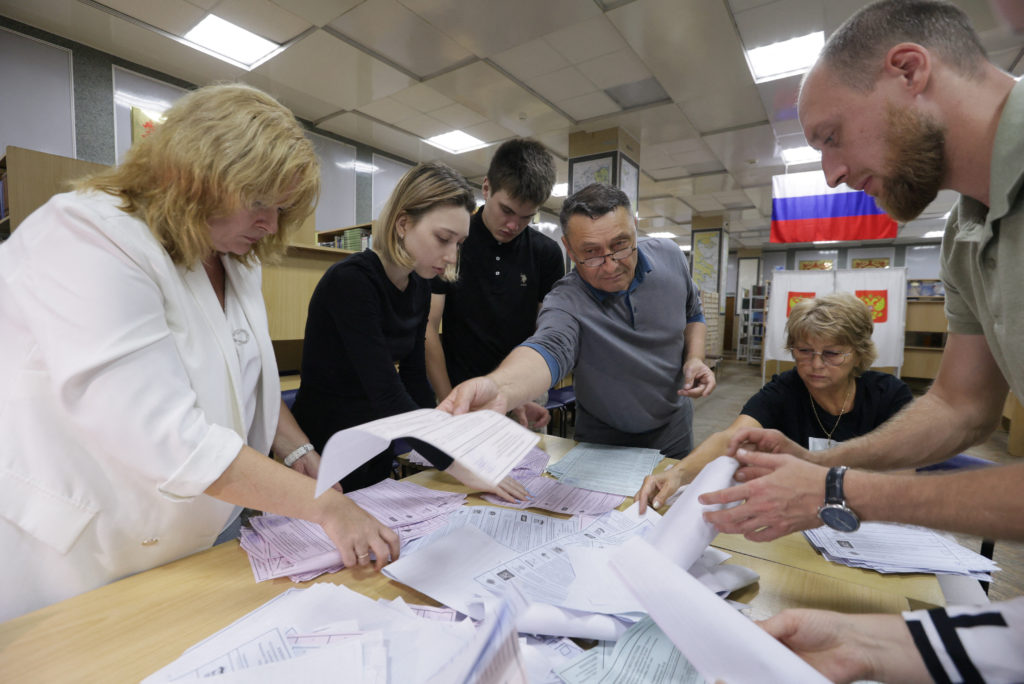
Russia held its first parliamentary election since the start of its war against Ukraine. The vote included areas that Russia annexed from Ukraine, which Ukraine and much of the world do not accept. The main pro-Kremlin party is expected to keep strong control, while real opposition parties faced many barriers.
Key Facts
The election took place over several days and allowed online voting to increase participation among 111 million voters in Russia.
For the first time, residents of four Ukrainian regions annexed by Russia, plus Crimea (annexed in 2014), were allowed to vote.
Ukraine and the European Union called the voting illegal and said it violates international law.
The Kremlin aims to show strong support for its policies and the war in Ukraine through this election.
Genuine opposition parties were removed from the ballot or suppressed; some opposition politicians were imprisoned or fled the country.
There were reports of election violations such as observers being denied access, sealed ballot boxes opened, and police involvement.
The Organization for Security and Cooperation in Europe (OSCE) was not invited to observe the election, violating Russia’s international commitments.
Early results expected that the ruling United Russia party will keep its dominant position in the parliament (State Duma).
Read the Original
Want the full story? Tap a source to open the original
article.
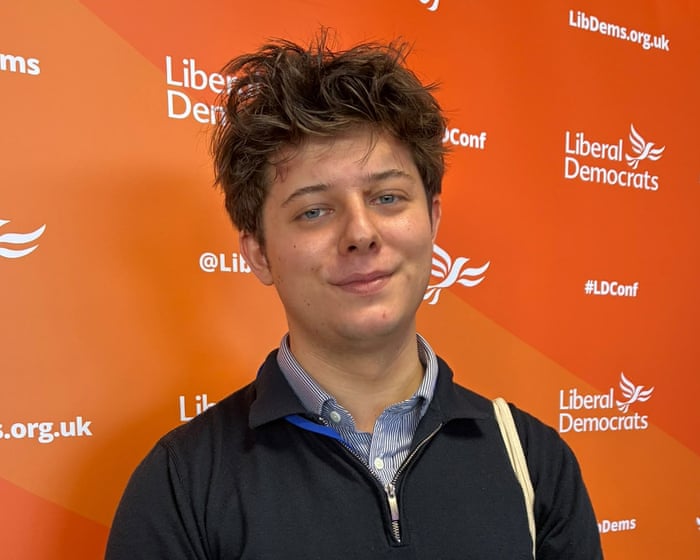
Several young former Conservative Party members in the UK have left to join the Liberal Democrats. They say the Conservative Party under leader Kemi Badenoch is moving too far to the right and pushing out moderates, especially those who support climate action and human rights.
Key Facts
Cody Butler, a 21-year-old former Tory activist, quit the Conservative Party and joined the Liberal Democrats in July.
Butler was previously chair of the One Nation Conservative Network, a group of moderate Tories.
Josh Bancroft, a former Tory local councillor, also defected to the Lib Dems recently.
Both Butler and Bancroft say moderates are being forced out due to Badenoch's right-wing leadership.
Badenoch's leadership has barred candidates who support net zero climate targets or the European Convention on Human Rights.
The Liberal Democrats currently have 72 seats and are focusing on winning more, especially where they were runners-up to Conservatives in 2024.
Lib Dem leader Ed Davey criticized the Tory party's climate policies and ruled out future cooperation with the Conservatives.
Davey said the Lib Dems aim to grow their party and can compete anywhere there is more than one political party.
Read the Original
Want the full story? Tap a source to open the original
article.
Artists in Gaza are creating murals on damaged walls to thank American rapper Macklemore for supporting Palestine. Even though a ceasefire was agreed upon, Israel has continued to carry out strikes that have killed Palestinians in Gaza.
Key Facts
Artists in Gaza are painting murals to honor Macklemore.
Macklemore is a US rapper known for his support of Palestine.
The murals are painted on walls destroyed during fighting.
A ceasefire agreement exists but fighting and strikes continue.
Israeli strikes have resulted in Palestinian deaths in Gaza.
The murals show gratitude for international support amid the conflict.
Read the Original
Want the full story? Tap a source to open the original
article.
There are no ads, so there is no reason to bait you. Readers who chip in keep it that way. Most choose $3.99/month, and get the daily digest every morning.
Israeli President Isaac Herzog has officially pardoned Elor Azaria, a former soldier who shot and killed a wounded Palestinian man in 2016. This event took place as around 100,000 Jewish Israelis gathered to pray at the Western Wall before the Jewish holiday Yom Kippur.
Key Facts
Elor Azaria was a soldier in the Israeli military.
In 2016, Azaria shot and killed a wounded Palestinian man.
Israeli President Isaac Herzog granted Azaria a pardon.
A pardon means the person is forgiven for a crime and may avoid punishment.
About 100,000 Jewish Israelis prayed at the Western Wall ahead of Yom Kippur, a major Jewish holiday.
The incident and pardon received widespread attention in Israel and internationally.
The Western Wall is a significant religious site in Jerusalem.
Read the Original
Want the full story? Tap a source to open the original
article.
Iran-backed Houthi rebels in Yemen warned other countries not to join Saudi Arabia in the civil war. The Houthis told the Trump administration they will not attack U.S. ships in the Red Sea but will continue fighting Saudi Arabia until the blockade on their areas ends.
Key Facts
The Houthis are supported by Iran and control parts of Yemen including the capital, Sanaa.
The Houthis assured the U.S. they will not target American ships in the Red Sea.
U.S. and Houthi representatives held indirect talks in Oman, mediated by a longtime mediator.
The Houthis want the Saudi-led blockade on their ports to be lifted before they negotiate.
Saudi Arabia blamed Houthi missile and drone attacks for civilian casualties and damage.
The Houthis declared a blockade on Saudi shipping in the Bab el-Mandeb Strait and the Red Sea.
The conflict escalated after a Saudi-led airstrike hit Sanaa airport, stopping an Iranian flight carrying a Houthi delegation.
The rebels said they can fight a war on multiple fronts if other countries join Saudi Arabia against them.
Read the Original
Want the full story? Tap a source to open the original
article.
President Donald Trump barred three major news organizations from covering the White House amid growing Republican concerns about his policies. The country faces ongoing challenges, including a long war with Iran, high gas and diesel prices, and debates over deportation policies, all while heading toward midterm elections in 44 days.
Key Facts
President Trump blocked three major news organizations from White House access.
The United States has been at war with Iran for 200 days, contributing to high gas and diesel prices.
Some Republican lawmakers, including two in Iowa, voted against Trump’s open-ended war in Iran.
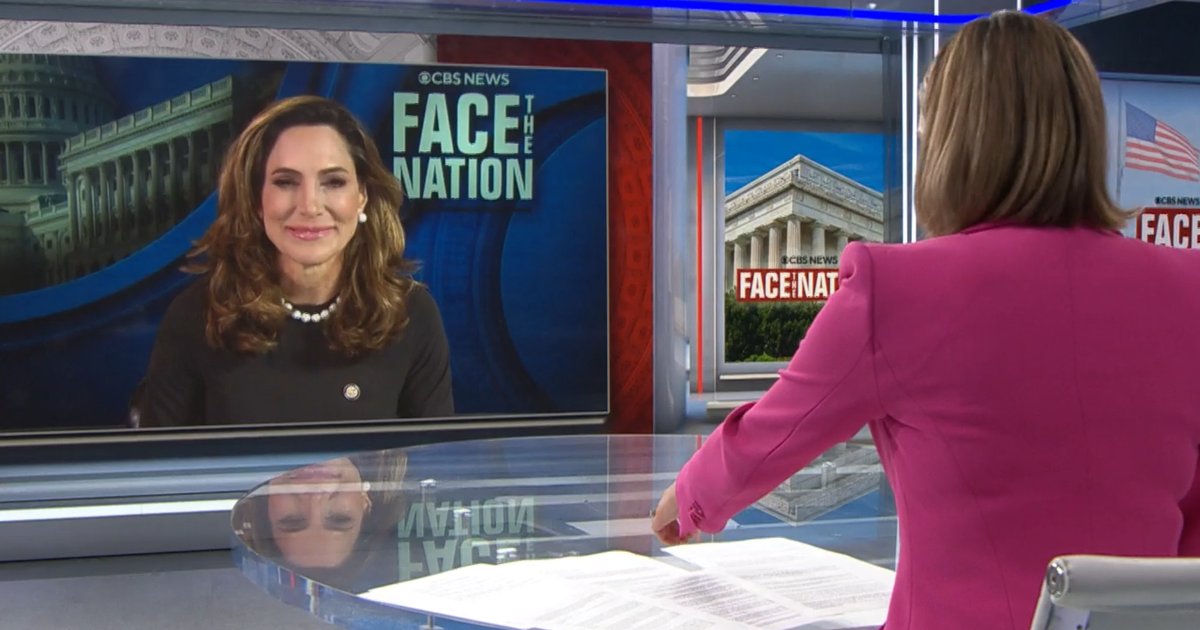
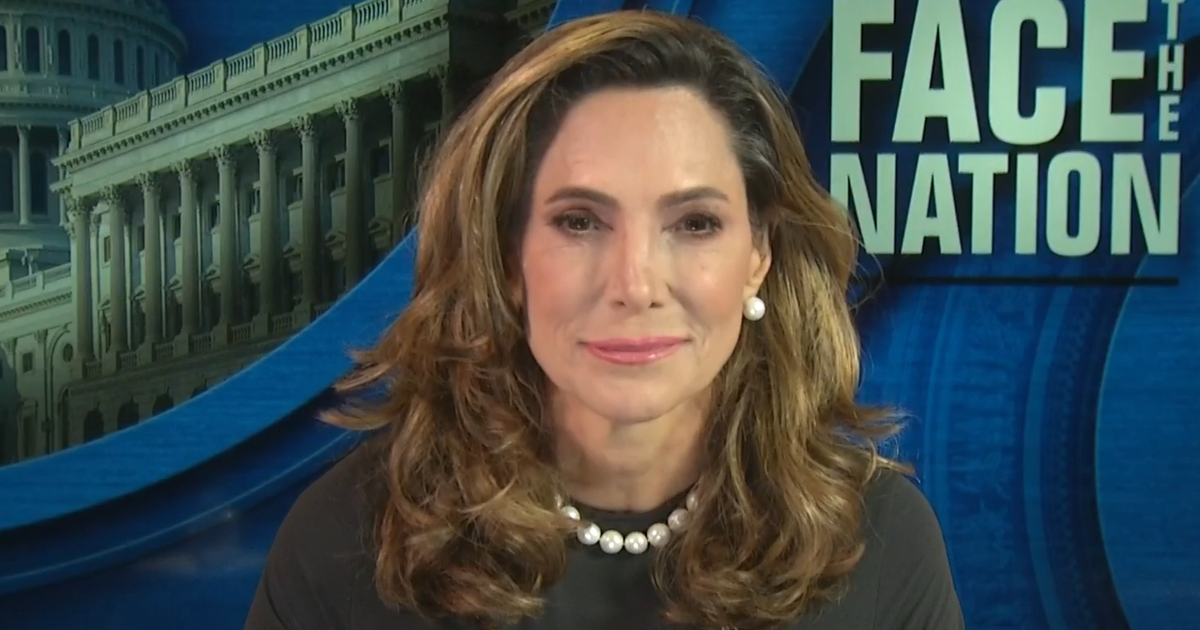
Florida Congresswoman Maria Elvira Salazar criticized Trump’s deportation policies, saying some Hispanic voters feel betrayed.
The U.S. faces ongoing tensions with Iran, Russia’s war in Ukraine, and challenging relations with China.
President Trump plans to attend the U.N. General Assembly and host Chinese President Xi Jinping in Washington this week.
Rising energy costs and supply disruptions, including attacks on Saudi Arabian infrastructure, increase pressure on the president and his party before midterm elections.
California Democrat Ro Khanna urged Chinese AI companies to cooperate with U.S. firms to slow AI development for safety reasons; no response was received.
Read the Original
Want the full story? Tap a source to open the original
article.
Rep. Maria Elvira Salazar of Florida urged President Donald Trump to maintain his support among Hispanic voters, which was key to his 2024 election win. She criticized his immigration policies for being too strict and warned that some advisors might be hurting his success with these voters.
Key Facts
Salazar spoke to President Trump after releasing a campaign ad criticizing his immigration enforcement.
She said Trump won 55% of Hispanic votes in 2024, which was historic for a GOP candidate.
Salazar described immigration as a complex issue and differentiated between various immigrant groups.
She said Trump's advisers might not be giving him the full picture on immigration policy.
Salazar is a Cuban American and represents a Miami district with a large Hispanic population.
She is running for reelection in November against Democrat Eliott Rodriguez.
Salazar emphasized the need to keep Hispanic voters supportive to continue winning elections.
She praised Trump for understanding business and immigration complexities better than others.
Read the Original
Want the full story? Tap a source to open the original
article.
US President Donald Trump imposed a 50% tariff on $20 billion of Canadian goods, including dairy products, causing Canadian dairy exports to the US to stall. This tariff has created uncertainty and financial challenges for Canadian dairy farmers, who rely on stable demand for their milk.
Key Facts
The 50% tariff by the US took effect on August 22, targeting $20 billion of Canadian goods, including dairy.
Canadian dairy farmers sell their milk through a provincial system that distributes milk based on demand, including exports to the US.
The tariff has mostly stopped Canadian dairy sales to the US, affecting processors and farmers.
If US demand drops, processors require less milk, forcing farmers to possibly dump milk or reduce their herds.
Milk production cannot quickly adjust because cows need constant care and feeding.
Canada uses a supply management system with quotas and tariffs to stabilize prices and supply for dairy farmers.
The US claims Canada’s system limits US dairy exports and imposes high tariffs, while Canada says US exporters already have good tariff-free access.
Canada’s dairy trade deficit with the US has increased since the new trade agreement started in 2020, with higher Canadian imports from the US than exports to the US.
Read the Original
Want the full story? Tap a source to open the original
article.
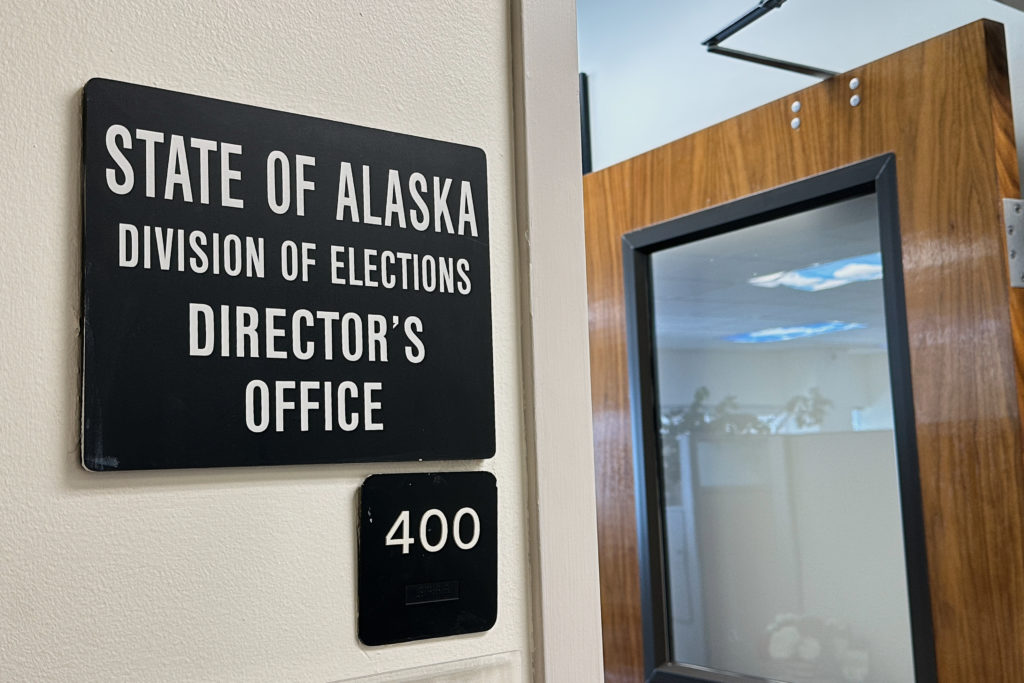
Alaska's primary election ended with confusion because some candidates withdrew after qualifying for the general election. This caused upset among voters and raised questions about the state's unique voting system, which includes open primaries and ranked choice voting in the general election.
Key Facts
Alaska uses a special election system with open primaries and ranked choice voting.
In the open primary, the top four candidates move on to the general election.
After the primary, some candidates withdrew from races for governor, U.S. Senate, and U.S. House.
These late withdrawals changed the final list of candidates for the general election in November.
Voters expressed frustration over candidates dropping out after winning primary spots.
Some voters also criticized candidates who stayed in despite the changes.
The situation has sparked debate about the fairness and complexity of Alaska’s election system.
Read the Original
Want the full story? Tap a source to open the original
article.
That's the point of this site, and readers keep it that way. Support for any amount and the daily digest lands in your inbox every morning at 7am Eastern.
Actor Danny Dyer, his daughter Dani, and singer Becky Hill took part in a protest in Kent demanding that water companies be returned to public ownership. The protest focused on concerns about water pollution, sewage spills, and the quality of seawater.
Key Facts
The protest happened in Leysdown, Kent, led by Surfers Against Sewage with 315,000 people signing a petition.
Protesters want water companies to be owned by the public, not private businesses.
Danny Dyer said the water quality was very bad and dangerous.
Becky Hill supported the protest to protect families and improve water cleanliness.
Water UK and Southern Water said they are working to reduce sewage spills and improve wastewater treatment.
Water UK plans to invest £104 billion over five years to reduce pollution and upgrade facilities.
Southern Water has a £1.5 billion plan over 10 years to improve rivers and seas.
The latest official water quality report rates Leysdown as "good" with no recent pollution incidents.
Read the Original
Want the full story? Tap a source to open the original
article.
Italy’s Prime Minister Giorgia Meloni announced plans to ban burqas and niqabs in schools and limit the number of foreign students in classrooms. The changes also include requiring parents of foreign students who struggle in school to take Italian language lessons. These proposals will need parliamentary approval to become law.
Key Facts
Italy plans to ban full-face veils like burqas and niqabs in schools.
Burqas cover the whole face, while niqabs leave the eyes visible.
Current law allows face coverings for religious reasons if identity checks are possible.
Meloni wants to limit how many foreign students can be in one class, but a 30% cap already exists.
Parents of foreign students who have serious trouble in school must take Italian lessons.
These proposals will need approval from Italy’s parliament within 60 days to become law.
Meloni’s government is Italy’s longest-lasting since World War II.
The National Future party, which is more right-wing, is gaining popularity and also supports a burqa ban.
Read the Original
Want the full story? Tap a source to open the original
article.