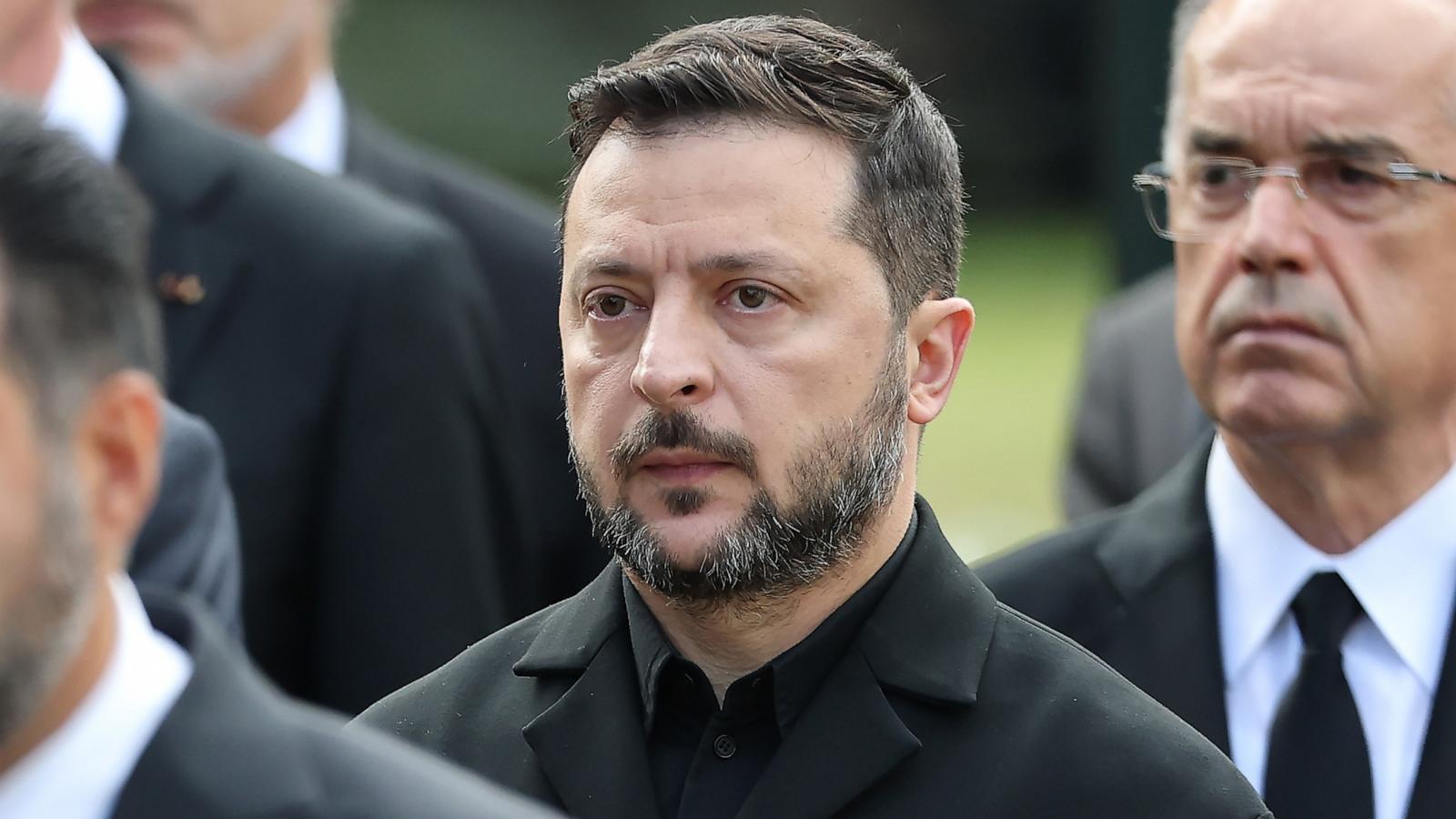
Stephen Miller, deputy chief of staff in the White House, is leading a large government effort to speed up the removal of undocumented immigrant children from the US. This effort involves multiple government departments working together to reject more children's immigration applications and send them out of the country faster.
Key Facts
Stephen Miller is directing the push to accelerate the removal of undocumented immigrant children during President Donald Trump’s second term.
Nearly 200,000 children have been ordered removed by immigration judges since Trump returned to office in 2025.
The effort involves at least five high-level government departments, including Health and Human Services, Homeland Security, and the Department of Justice.
Children’s immigration cases are being fast-tracked and rejected more quickly than before.
The plan includes dismantling some protections that help children have access to lawyers and fair hearings.
Miller and his team press officials daily to maximize the number of children removed from the US.
The White House describes the effort as part of anti-trafficking actions rather than just immigration enforcement.
Critics argue that some of the tactics used may violate federal law and be harmful to vulnerable children.
Read the Original
Want the full story? Tap a source to open the original
article.
A UK company named heata installs small computer servers at home that create heat while running and use it to warm hot water. This system lowers household energy bills by reducing how much gas or electricity is needed to heat water, while also reusing energy that would otherwise be wasted.
Key Facts
Giles Gibson’s home in London uses a server attached to the hot water tank to heat water instead of gas.
The server produces heat as it processes data, which is transferred to the water tank, reducing heating costs by £10 to £15 a month.
Heata runs a business where computing tasks are sent to servers installed in people’s homes, providing cloud computing services.
The technology works by conducting the heat from the server to a vented, unpressurized hot water cylinder without extra plumbing.
Installation takes a couple of hours with no cost for fitting the unit, though homeowners pay for broadband.
The system aims to provide about 80% of the hot water heating needs, with traditional heating as backup.
Currently, 100 homes have the system, and 3,000 people are on the waiting list for installation.
The system is not suitable for homes with combi boilers but can work with heat pumps; versions for other cylinder types are being developed.
Read the Original
Want the full story? Tap a source to open the original
article.
Scientists used the James Webb Space Telescope (JWST) to observe the small object Chariklo, located between Saturn and Uranus, which has two rings. They found that over the past decade, one ring became thicker and darker while the other nearly disappeared, but they are not yet sure why these changes happened.
Key Facts
Chariklo is a small celestial body about 250 kilometers wide with two narrow rings around it.
Rings were first discovered around Chariklo in 2013 using ground-based telescopes.
The two rings, named C1R and C2R, orbit at about 390 and 405 kilometers from Chariklo’s center.
Scientists spotted changes in the rings during a 2022 observation using JWST, a space telescope.
The inner ring became denser and darker, while the outer ring almost vanished.
JWST’s observation used infrared light, which can’t be seen from Earth due to the atmosphere.
Observing Chariklo and its rings required precise timing and positioning because the object is very small and far away.
The reason for the ring changes is still unknown, and scientists are exploring different explanations.
Read the Original
Want the full story? Tap a source to open the original
article.
People in the Northeastern United States are expected to pay more for heating their homes this winter. This is mainly because the price of heating oil, a common fuel for home heating, is rising due to higher diesel costs linked to conflicts involving the U.S., Iran, Russia, and Ukraine.
Key Facts
Heating oil, also called fuel oil, is widely used for home heating in the Northeast.
The price of diesel fuel has gone up recently.
Diesel price increases affect the cost of heating oil.
The U.S.-Iran and Russia-Ukraine conflicts have contributed to fuel price rises.
Higher fuel costs mean that heating bills for many households will be higher this winter.
The Northeast relies more on heating oil compared to other U.S. regions.
Rising energy prices have a direct impact on household expenses during cold months.
Read the Original
Want the full story? Tap a source to open the original
article.
President Donald Trump and Canadian Prime Minister Mark Carney’s relationship has grown more tense during Carney’s visit to the European Union. This visit happened while the U.S. and Canada face trade disagreements involving tariffs on each other’s goods.
Key Facts
Mark Carney, Canadian Prime Minister, took a trip to meet with European Union leaders.
Carney's visit has increased tensions with President Donald Trump.
The U.S. and Canada are currently involved in a trade dispute with tariffs on goods from both sides.
President Trump renamed a lake, which contributed to the strained relationship between the two countries.
The current trade and diplomatic situation shows ongoing challenges between the U.S. and Canada.
Read the Original
Want the full story? Tap a source to open the original
article.
The Democratic Republic of Congo (DR Congo) government says the Ebola outbreak is getting better, with fewer cases in the hardest-hit areas. However, health experts disagree and warn that the outbreak is still very serious.
Key Facts
The DR Congo government reports a decline in Ebola cases in key regions.
Health experts and responders believe the outbreak is still severe.
Ebola is a virus that causes a serious and often deadly illness.
The situation is being closely monitored by local and international health groups.
There are ongoing efforts to control the spread of the virus.
Some people question the government's claim about improvements.
The outbreak affects public health and safety in DR Congo.
The World Health Organization (WHO) is involved in the response.
Read the Original
Want the full story? Tap a source to open the original
article.
Spain’s police moved hundreds of migrants from the beaches of Ceuta, a small Spanish area in North Africa, to a temporary camp near the port. This operation happened after a large number of people arrived in Ceuta recently, and authorities had difficulty controlling the crowds during the transfer.
Key Facts
Police cleared migrants from the beaches in Ceuta, Spain.
Migrants were moved to a temporary camp set up at Ceuta’s port.
The move came after a record number of migrants arrived in Ceuta.
Police struggled to manage crowds trying to get into the new camp.
Ceuta is a small Spanish territory located in North Africa.
Migration is a major topic in Spain’s political discussions right now.
The operation occurred on September 18-19, 2026.
Read the Original
Want the full story? Tap a source to open the original
article.
French President Emmanuel Macron warned about Russian "hybrid attacks" amid rising fuel costs driven by conflicts in Iran and Ukraine. To tackle energy problems and political tensions before France's presidential election, Macron met with major presidential candidates to discuss strengthening the country's energy defenses.
Key Facts
Fuel prices in France have increased due to wars in Iran and Ukraine.
France faces energy challenges that are causing public dissatisfaction.
President Macron held a meeting with top presidential candidates at the presidential palace.
Macron warned about "hybrid attacks" from Russia, which means attacks using a mix of military, cyber, and other tactics to destabilize a country.
Macron wants to improve France’s defenses against energy threats.
The warning comes just months before the French presidential election.
The situation reflects broader tensions involving Russia and energy security in Europe.
Read the Original
Want the full story? Tap a source to open the original
article.
President Donald Trump announced that the US has reached a deal with Denmark giving America permanent control over Greenland’s security. The agreement, expected to be signed at the United Nations meeting, would block US rivals like China and Russia from military or sensitive investments on the island, while Denmark keeps sovereignty.
Key Facts
The US and Denmark are finalizing a deal granting the US permanent security control in Greenland.
Greenland is part of Denmark but governs itself in many ways.
The deal prevents non-NATO countries, including China and Russia, from building bases or making sensitive investments in Greenland.
The US can build more military sites on Greenland without needing approval from Denmark or Greenland.
Denmark and Greenland will still approve the agreement through their parliaments.
The deal is intended to remain valid even if Greenland gains independence in the future.
Greenland's leaders say the agreement benefits their interests and strengthens security for NATO and Europe.
The US interest in Greenland includes access to rare-earth minerals important for technology and defense.
Read the Original
Want the full story? Tap a source to open the original
article.
President Donald Trump shared a list of 25 achievements on his Truth Social platform, highlighting his work on immigration, the economy, military spending, and cultural issues. Recent polls show that most voters are more concerned about the cost of living, inflation, and jobs than the other topics Trump emphasized.
Key Facts
President Trump posted 25 claimed achievements before the midterm elections.
His list includes tighter border controls, tax cuts, tariffs, increased military funding, and lower drug prices.
Two September polls show inflation and the cost of living as the top concerns for voters.
About 34-37% of surveyed voters say inflation or cost of living is the most important issue.
The economy and jobs rank second in voter concerns, with 14-16% mentioning these issues.
Immigration is important but ranks lower than economic issues, at 6-8% in polls.
Crime and cultural policies are less frequently chosen as the main concern by voters.
Polls reflect issue importance, not whether people support or oppose the policies.
Read the Original
Want the full story? Tap a source to open the original
article.
AGRA, the Alliance for a Green Revolution in Africa, is marking 20 years of promoting commercial seeds and fertilizers to improve farming. However, new research shows its focus on maize has reduced land and investment for traditional African crops like millet, which are more resilient and nutritious. Hunger and undernourishment rates have increased in countries working with AGRA, despite its efforts.
Key Facts
AGRA was created to improve Africa’s food systems through commercial farming inputs like seeds and fertilizers.
Maize production has doubled in countries involved with AGRA, but yields have grown only modestly.
Traditional crops such as millet, sorghum, cassava, and groundnuts have lost land and investment since AGRA began in 2006.
Millet production has decreased by 27% and its yields dropped 17%, while maize land increased by 71% and maize production more than doubled.
Millet and other traditional crops are drought-tolerant and nutritious, important for food security in harsh climates.
Hunger and undernourishment have increased by about 60% in countries where AGRA operates, matching the continental trend.
The UN has emphasized the importance of affordable, healthy diets, which include diverse crops rather than monocultures.
Crop diversity helps protect soil health and reduces risk by ensuring some crops survive drought or pests.
Read the Original
Want the full story? Tap a source to open the original
article.
A man was killed by a great white shark while swimming at Sorrento Beach in Western Australia, leading authorities to issue a rare order to catch and kill the shark. Beaches in the area remain closed as the search continues, and this attack is the third fatal shark attack in the state this year.
Key Facts
The victim, Greg O’Neil, was a 63-year-old swimmer from Perth.
The attack happened on a Friday morning at Sorrento Beach, north of Perth.
Authorities issued a catch-and-kill order for the shark after it was identified by water police.
This order is rare and has not been issued in Western Australia for 10 years.
Beaches near Perth remain closed until at least Sunday as a safety measure.
There have been five fatal shark attacks in Australia so far this year, including two other deaths in Western Australia and one in Queensland.
The Western Australia Fisheries Minister said the order is due to the shark posing a serious threat, but this is not a large-scale shark cull.
Efforts to protect beachgoers will also include more drone monitoring and shark tagging.
Read the Original
Want the full story? Tap a source to open the original
article.
A family psychotherapist advises parents on how to respond when their sons repeat beliefs from the manosphere, a group of online communities with negative ideas about women. She recommends parents listen with curiosity and keep communication open instead of shutting down conversations or arguing, so their children don’t turn to harmful online sources.
Key Facts
The manosphere is a group of online forums that often spread negative ideas about women and relationships.
Psychotherapist Zara Kadir says shutting down talks about these ideas can push boys closer to harmful online voices.
Kadir holds two master’s degrees in psychotherapy and focuses on child and family therapy.
The Netflix drama *Adolescence* brought attention to the manosphere’s influence on young boys.
Parents should respond with curiosity, asking questions rather than simply correcting or forbidding.
This approach helps boys think critically about the information they hear online.
Kadir advises pointing out that people are too different to be described by broad, negative stereotypes.
Keeping open communication early helps prevent children from being radicalized by online groups later on.
Read the Original
Want the full story? Tap a source to open the original
article.
The government in England and Wales plans to strengthen laws that hold parents responsible if their children commit crimes. Parents could face fines, lose benefits, or even jail time in rare cases if they fail to help control their child’s behavior.
Key Facts
Parents may lose benefits, be fined up to £1,000, or go to jail in extreme cases if their children commit crimes.
Parenting orders require parents to attend counseling or residential courses to address their child’s behavior.
The youth justice minister said jail would be used only in the most extreme cases and judges will decide the punishment.
Experts say parenting orders have not been effective and may hurt poor families by adding financial pressure.
The use of parenting orders has declined from over 1,000 in 2009/10 to just 33 in 2022/23.
Courts must consider parenting orders for children under 16 convicted of offenses and may consider them for 16- and 17-year-olds.
Breaching a parenting order is a criminal offense with a maximum fine of £1,000.
Some researchers say support for parents should be voluntary and question the effectiveness of parenting orders.
Read the Original
Want the full story? Tap a source to open the original
article.
The European Union has asked the United States to allow Palestinian Authority officials to get visas so they can attend the United Nations General Assembly in New York, after the US denied these visas for the second year in a row. The US said it is continuing visa restrictions because it accuses Palestinian leaders of actions that hurt peace efforts, while the UN and the Palestinians criticize this decision.
Key Facts
The US denied visas to Palestinian Authority officials for the second year to attend the UN General Assembly in New York.
The European Union called on the US to reconsider the visa ban, citing its responsibilities as the UN host country.
The UN Secretary-General expressed regret over the US decision and its effect on Palestine’s participation in the UN.
The US State Department said it extended sanctions because the Palestinians did not meet reform commitments and took actions that undermine peace, like seeking recognition of statehood outside direct talks with Israel.
The US also cited Palestinian financial support for families of people involved in attacks as a reason for the visa ban.
Palestinian President Mahmoud Abbas will address the General Assembly via prerecorded video despite the visa restrictions.
Abbas’s speech is expected to focus on gaining international recognition for Palestine and raising concerns about the humanitarian crisis in Gaza and settlement growth in the West Bank.
Palestine’s Ministry welcomed the UN vote allowing Abbas’s address, seeing it as a win against attempts to block Palestine’s participation.
Read the Original
Want the full story? Tap a source to open the original
article.
Ukrainian President Volodymyr Zelenskyy thanked President Donald Trump for signing a new law that expands sanctions against Russia and extends sanctions on Iran. The law targets Russian leaders, businesses, and efforts to avoid sanctions as part of ongoing international pressure related to Russia's invasion of Ukraine.
Key Facts
President Trump signed the Russia and Iran sanctions bill into law on a Friday in 2026.
The bill was strongly supported by both parties in the U.S. Congress and championed by the late Senator Lindsey Graham.
The legislation expands sanctions against Russia and allows sanctions on countries helping Russia evade penalties.
Sanctions target Russian officials, oligarchs (wealthy influential people), banks, and a fleet of tankers that bypass sanctions.
It permits tariffs on the top five buyers of Russian oil and gas and on the top five countries aiding Russia's energy evasion.
The sanctions law also prevents funding gaps for sanctions related to Iran's energy and weapons sectors.
Zelenskyy said enforcing this law fully is the best way to honor Senator Graham's memory and help bring peace.
The sanctions are part of efforts against Russia's ongoing full-scale invasion of Ukraine, which started five years earlier.
Read the Original
Want the full story? Tap a source to open the original
article.
A woman named Alyce Collins shares how delaying a routine health scan led to the discovery of a serious genetic heart condition that also caused her father’s death. While pregnant, she was diagnosed with Marfan syndrome, a genetic disorder that weakens connective tissue and can cause dangerous heart problems, and she was closely watched by doctors during her pregnancy and delivery.
Key Facts
Alyce Collins’ father died at age 55 from an aortic dissection, a tear in the main artery from the heart.
She began showing symptoms like shortness of breath and dizziness during pregnancy in 2023.
Because of her family history, doctors ordered heart scans and genetic tests.
Genetic testing revealed Alyce has a mutation in the FBN1 gene linked to Marfan syndrome.
Marfan syndrome affects connective tissue and can cause aorta enlargement, tall stature, and vision problems.
She had frequent heart ultrasounds during pregnancy to monitor the size of her aorta.
Alyce delivered her daughter by Caesarean at 36 weeks under close medical supervision.
She experienced heavy bleeding after delivery and spent a day in intensive care.
Read the Original
Want the full story? Tap a source to open the original
article.
NATO faces challenges in responding quickly to drone threats near its territory, especially in the Black Sea region, where drones have approached key energy and transport sites. The alliance must improve its rules and processes to allow faster and clear action against unidentified drones without waiting for full proof of who is responsible.
Key Facts
On August 16, a Spanish F-18 shot down a drone that entered Romanian airspace on a NATO mission.
Four days later, Romanian F-16s reacted to a maritime drone near an important offshore gas platform in the Black Sea.
Neither drone incident caused injuries or deaths.
Gray-zone warfare involves low-scale actions, like drone testing, meant to cause confusion or hesitation without full war.
On September 13, a drone hit a train near the Poland-Ukraine border but caused no injuries.
Current NATO rules mean each country decides how to respond to threats in its airspace, causing delays.
Faster, pre-approved rules are needed to help commanders act quickly and legally against potential high-risk drone threats.
The goal is to deter threats by showing NATO will respond firmly and promptly to any airspace violations.
Read the Original
Want the full story? Tap a source to open the original
article.
Staying informed here is free for everyone. If it's worth something to you, pay what you want. Supporters also get the daily digest by email every morning.
This article discusses how people often compare artificial intelligence (AI), especially chatbots like ChatGPT, to autism because of their literal thinking and pattern recognition. However, researchers explain that AI does not actually experience the world or learn like humans, so these comparisons are not accurate.
Key Facts
Elon Musk joked about "masking" neurotypical behavior, a concept some relate to how chatbots act.
Many users, including autistic people, notice that AI chatbots show traits like literal thinking and strong pattern detection.
Some autistic individuals appreciate chatbots and even see AI as a "mirror" of their own communication style.
AI writing is sometimes mistaken for autistic writing, leading to misunderstandings and mislabeling.
Autism is linked to sensory and movement differences starting in infancy, involving learning through physical interaction.
AI learns by reading large amounts of text, without physical experience or ongoing learning from actions.
Researchers say AI’s behavior is not a true model of autism or psychopathy, as it lacks the human developmental process.
Autistic users often use AI to help them translate communication in social situations.
Read the Original
Want the full story? Tap a source to open the original
article.
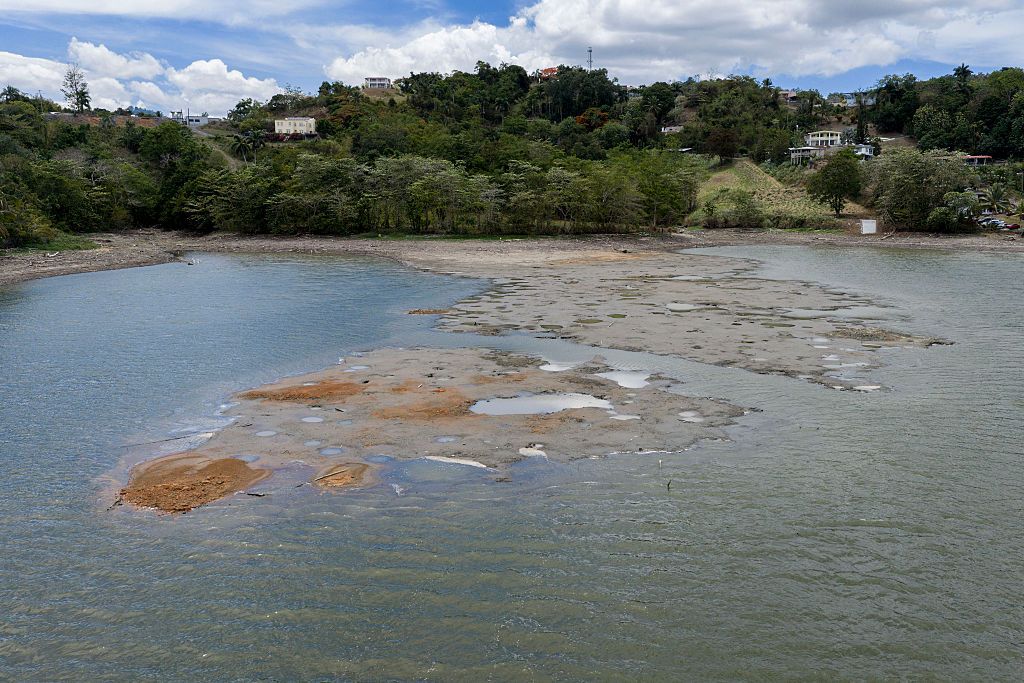
Puerto Rico is facing a serious water crisis caused by severe drought and old, failing water pipes. The crisis highlights ongoing problems with the island’s water system and the need for better government action and infrastructure upgrades.
Key Facts
Many residents of Puerto Rico are experiencing water shortages and rationing due to drought and old water systems.
July was the driest month in over 120 years in San Juan, worsening water shortages.
The Puerto Rico Aqueduct and Sewer Authority (PRASA) loses up to 65% of produced water before it reaches homes because of leaks and broken pipes.
A major pipeline broke in June, showing that the water system is still fragile despite emergency repairs.
Problems with water supply have existed long before the current drought and even before Hurricanes Irma and Maria.
Hurricane Maria in 2017 revealed major issues in Puerto Rico’s infrastructure and emergency response.
Experts say the crisis is not due to residents’ lack of knowledge, but to long-term neglect of vital public systems.
The U.S. White House says it is closely monitoring the situation.
Read the Original
Want the full story? Tap a source to open the original
article.