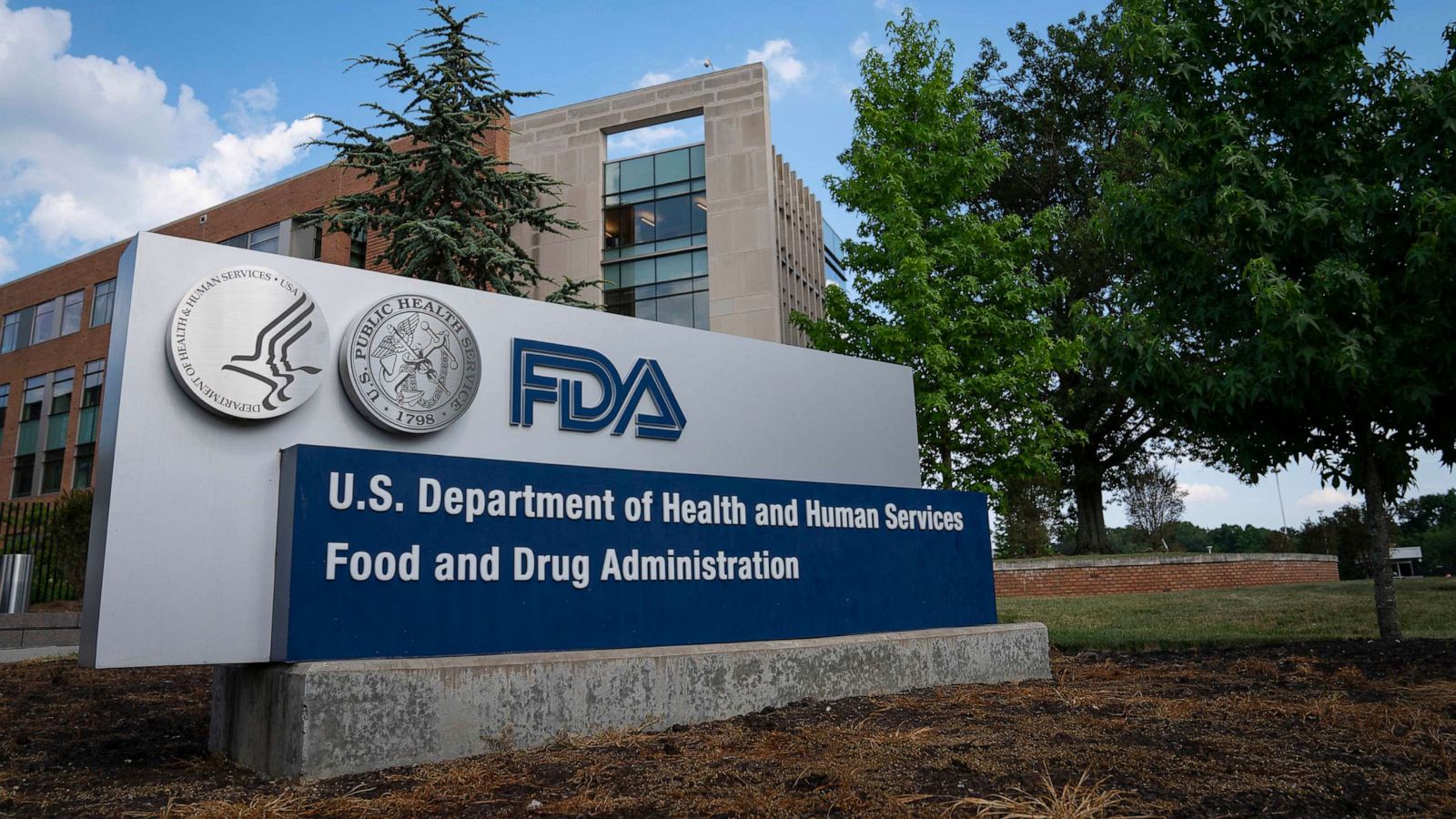
The FDA held a public workshop to discuss the increasing use of testosterone therapy by menopausal women. There are currently no FDA-approved testosterone treatments for women, and experts say more research is needed to understand the long-term safety and effectiveness of this therapy.
Key Facts
Testosterone therapy is being used more by menopausal women, often prescribed off-label using men's testosterone products.
Women have much lower testosterone levels than men, and these levels decline gradually with age.
Low testosterone in women is linked to bone loss, muscle loss, lower mood, reduced sexual desire, and less energy.
Testosterone therapy is only approved for treating a sexual desire disorder in women, not for other symptoms like mood or energy.
It is hard to measure testosterone deficiency in women because no clear blood test thresholds exist.
Hormone replacement therapy (HRT) using estrogen, with or without progesterone, is more common and has increased 72% from 2021 to 2025.
Earlier in 2026, the FDA removed strong warning labels from HRT and testosterone products.
The FDA wants more high-quality research to better understand testosterone therapy’s risks and benefits for menopausal women.
Read the Original
Want the full story? Tap a source to open the original
article.
The book "The Last Free Women" tells the story of four Afghan women who escaped the Taliban after it took control of Kabul in 2021. It focuses on how these women faced challenges and worked to rebuild their lives, including pursuing education and safety.
Key Facts
The Taliban regained control of Kabul, Afghanistan, in 2021.
This change created danger and uncertainty for many Afghans, especially women.
The book follows two sisters who wanted to study medicine and law.
These women had to leave Afghanistan to seek safety and freedom.
The authors of the book are Rebecca Blumenstein and Diana Kapp.
Geoff Bennett conducted interviews with the authors for this story.
Read the Original
Want the full story? Tap a source to open the original
article.
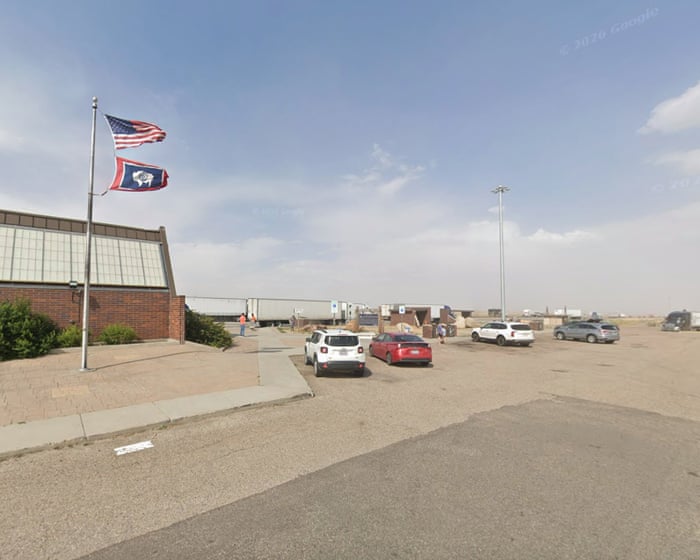
A Sikh truck driver survived an attack at a Wyoming rest stop where he was beaten and stabbed 17 times. The suspected attacker, Andrew Kris Bzdak, was arrested and charged with attempted first-degree murder, but the motive is still unknown.
Key Facts
The victim is a Sikh truck driver identified only as Singh for safety reasons.
The attack happened on a Sunday at a Wyoming highway rest stop.
Andrew Kris Bzdak is the suspect, arrested and charged with attempted first-degree murder.
Bzdak is held on a $1 million bail at Sweetwater county detention center.
A Good Samaritan family helped Singh after the attack by trying to stop the attacker and bringing towels.
Local officials do not know why the attack happened.
Some South Asian leaders say the attack follows a controversial Department of Homeland Security (DHS) post that many called racist.
DHS removed the post, which was criticized for targeting Sikhs, and denied any connection to the attack.
Read the Original
Want the full story? Tap a source to open the original
article.
President Trump announced a new agreement with Denmark and Greenland that gives the United States permanent control over security in Greenland. The deal will be signed during the UN General Assembly, and it allows the U.S. to build a large military presence and have veto power over other countries' military or sensitive investments on the island.
Key Facts
The U.S. and Denmark, including Greenland, will sign a security agreement soon in New York.
The agreement gives the U.S. permanent control over security matters in Greenland.
President Trump said the deal would cost the U.S. no money.
The U.S. plans to build a large military presence in Greenland but has not given details about size or location.
The U.S. will have veto power over other countries establishing military bases or important investments in Greenland.
The deal does not give the U.S. full ownership or sovereignty over Greenland.
Greenland and Denmark have repeatedly said Greenland is not for sale.
The U.S. already has military access to Greenland under a 1951 defense agreement with Denmark.
Read the Original
Want the full story? Tap a source to open the original
article.
President Donald Trump announced a deal with Denmark to expand the U.S. military presence in Greenland, while respecting Danish and Greenlandic control over the island. The agreement will be signed during the United Nations General Assembly but still requires approval from the Danish and Greenland governments.
Key Facts
The U.S. and Denmark have agreed to increase the U.S. military presence in Greenland.
The deal respects the sovereignty, meaning control and authority, of both Denmark and Greenland.
The agreement will be officially signed during the UN General Assembly next week.
Danish and Greenlandic parliaments must approve the agreement before it takes effect.
President Trump previously suggested buying Greenland and even hinted at military action, which Denmark rejected.
Greenland is strategically important and has rich mineral resources.
Denmark and Greenland insist Greenland is not for sale and opposed U.S. intelligence activities there.
Other countries like Russia and European nations are against the U.S. actions in Greenland.
Read the Original
Want the full story? Tap a source to open the original
article.
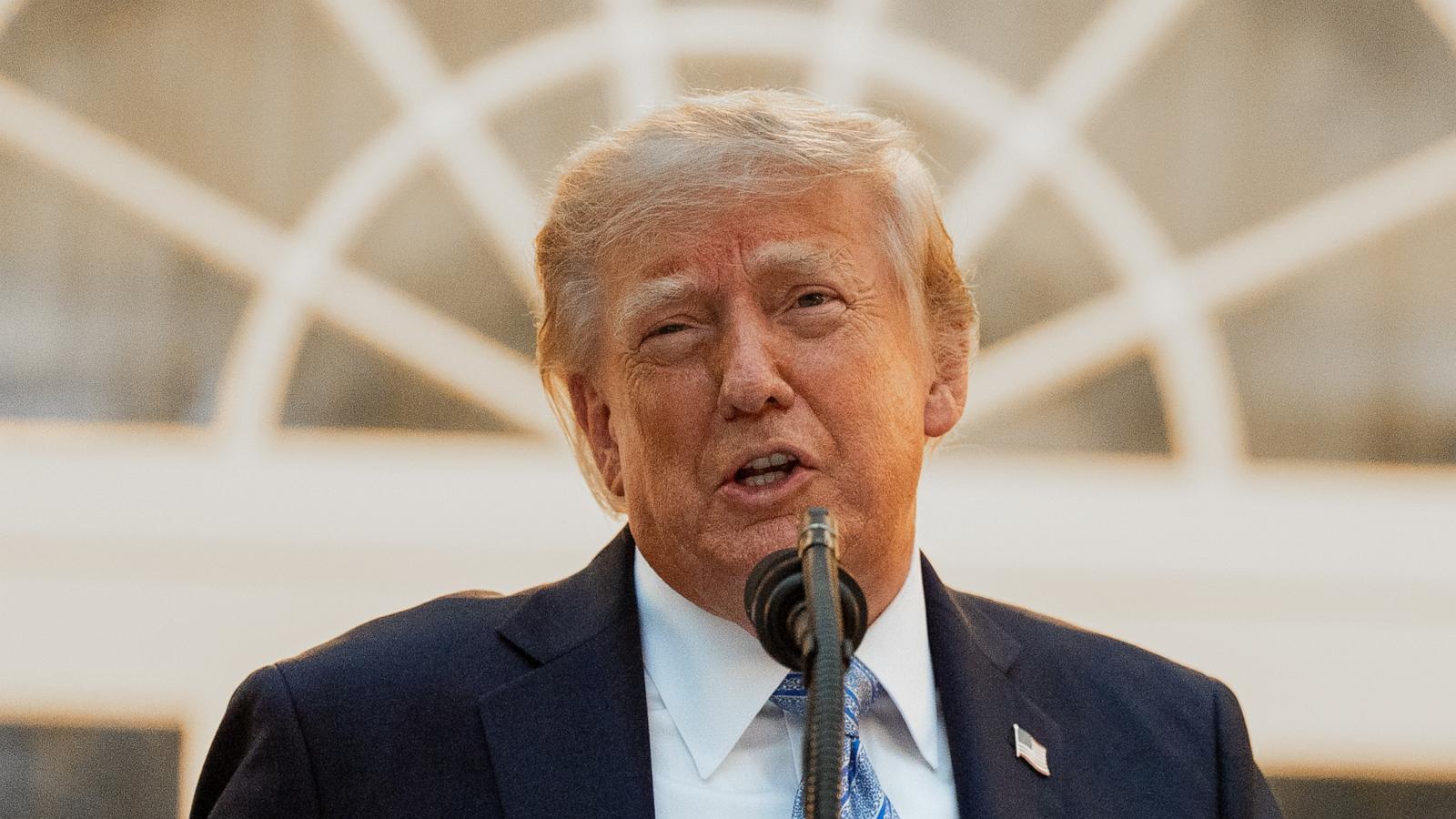
President Donald Trump announced on Truth Social that he is banning CNN, MS NOW, and Politico from covering the White House immediately. This decision has drawn criticism from supporters of free speech, Democratic lawmakers, and people from various political and media groups.
Key Facts
President Trump announced bans on CNN, MS NOW, and Politico from White House coverage.
The announcement was made on his social media platform, Truth Social.
The ban is effective immediately.
The decision has been criticized by advocates for the First Amendment, which protects free speech and press.
Elected Democrats and others across the political spectrum have expressed opposition.
The news outlets affected are national media organizations.
Read the Original
Want the full story? Tap a source to open the original
article.
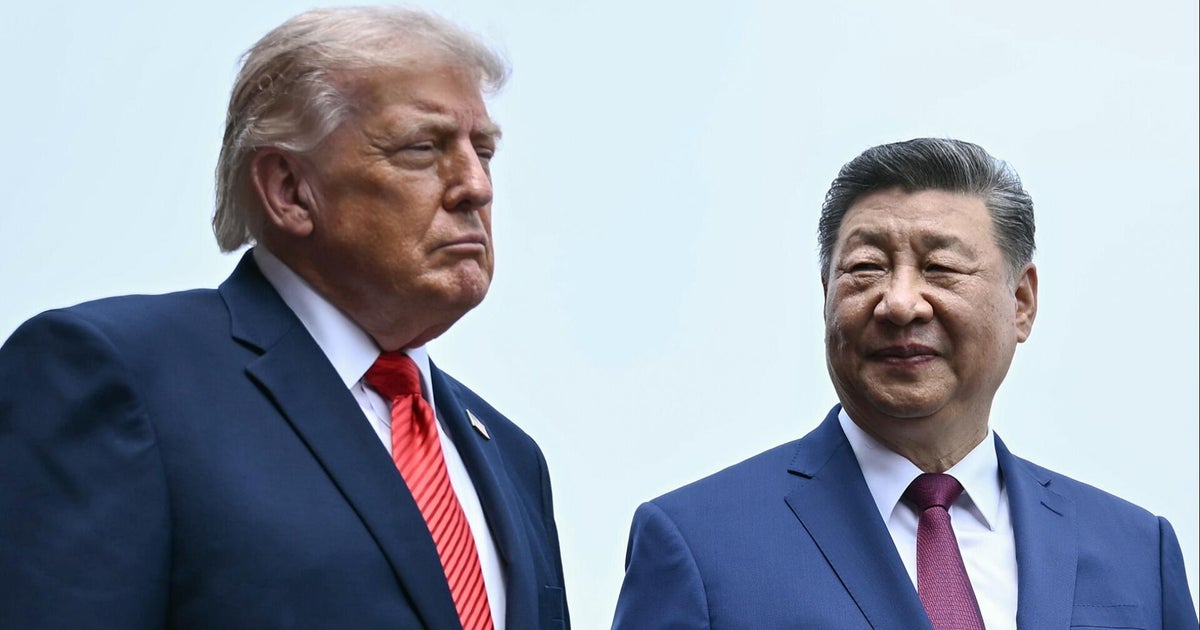
President Donald Trump will meet Chinese President Xi Jinping in Washington, D.C., to discuss important global issues. A key topic at the meeting is artificial intelligence (AI) and the concerns about its safe development and use.
Key Facts
President Trump and President Xi Jinping have a meeting scheduled in Washington, D.C.
The meeting will focus on major global issues, especially artificial intelligence (AI).
There are growing worries about the safety and control of AI technology.
CBS News is covering the event with reporting by Margaret Brennan.
The summit is seen as an important discussion for U.S.-China relations.
AI is a rapidly advancing technology that can affect many parts of life and security.
Read the Original
Want the full story? Tap a source to open the original
article.
Scientists are flying planes into special storm clouds called pyrocumulonimbus, or firestorm clouds, that form over large wildfires. These clouds can send smoke high into the atmosphere and cause extreme weather, but researchers do not fully understand how they work.
Key Facts
Firestorm clouds form above the hottest wildfires and can push smoke into the stratosphere, similar to volcanic eruptions.
These clouds cause severe weather like lightning and firenadoes (tornadoes made of fire and smoke).
Scientists from NASA, the U.S. Naval Research Laboratory, and the National Center for Atmospheric Research are studying these clouds.
The research team flew aircraft equipped with instruments into and above wildfire smoke plumes to collect data.
The mission is called INSPYRE, which stands for Injected Smoke and Pyrocumulonimbus Experiment.
The goal is to understand how firestorm clouds form and behave to improve weather and safety predictions.
This study is one of the first to get direct measurements inside these dangerous clouds.
Researchers describe their work as chasing storms caused by wildfires to better track them in real time.
Read the Original
Want the full story? Tap a source to open the original
article.
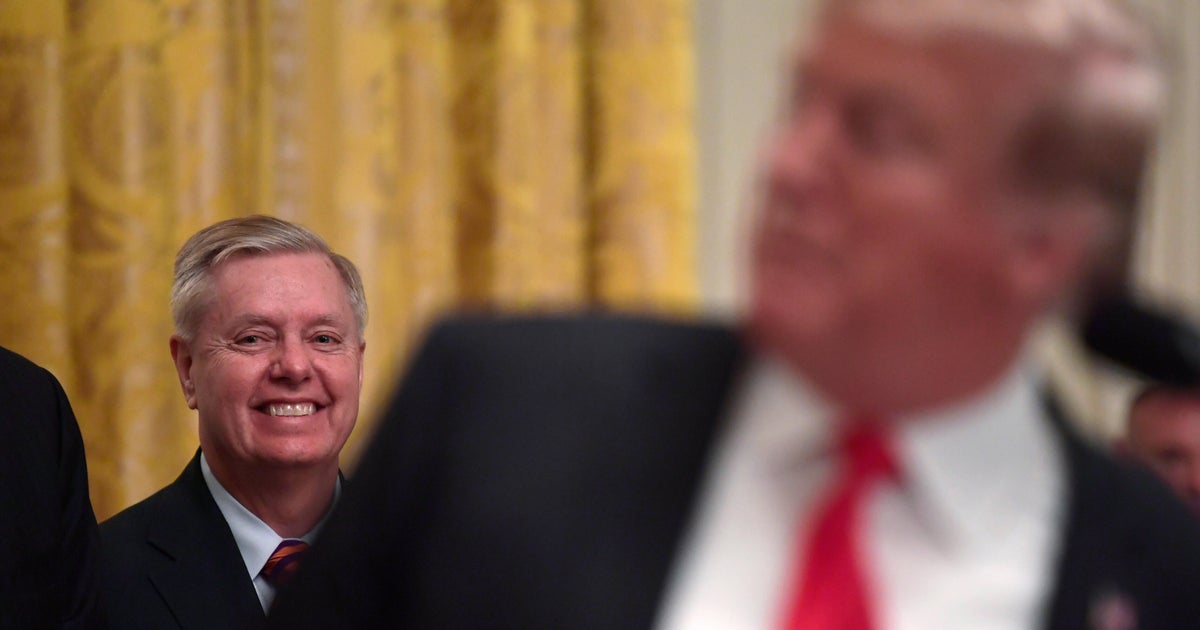
President Donald Trump signed a new law that expands sanctions on Russia to pressure it to end its war with Ukraine. The law also gives him more power to set tariffs on countries buying Russian energy or helping Russia avoid sanctions.
Key Facts
The bill is called the Lindsey O. Graham Sanctioning Russia and Iran Act, named after the late senator Lindsey Graham.
It passed the House of Representatives with a bipartisan vote of 262-159.
The law targets Russian political and military officials and foreign networks supporting Russia’s war efforts.
It focuses on reducing Russia’s income from oil and natural gas by sanctioning buyers and “shadow tankers” used to transport oil.
The law allows President Trump to impose tariffs up to 100% on countries buying Russian energy, including China.
Trump can decide which countries face tariffs and if some sanctions can be waived for certain nations.
Some Democrats worry the law gives Trump too much power to impose tariffs, considering past legal limits on his tariff authority.
The law reflects a change in the Trump administration’s previous reluctance toward additional sanctions on Russia.
Read the Original
Want the full story? Tap a source to open the original
article.
President Donald Trump has taken a stance against regulating key tech issues like artificial intelligence (AI), data centers, and Flock cameras. This position differs from some Republican candidates who support stronger regulation before the upcoming midterm elections.
Key Facts
President Trump calls AI regulation a "hoax" and warns it would hurt U.S. AI development compared to China.
Republican candidate Mike Rogers in Michigan wants a national security framework to slow AI development for government oversight.
Rogers’ opponent, Dr. Abdul El-Sayed, criticizes Rogers for supporting Trump’s view on AI regulation.
Texas GOP candidate Ken Paxton supports lawsuits against social media companies and some AI restrictions, focusing on protecting minors.
Paxton’s Democratic opponent, James Talarico, advocates for federal AI regulations to prevent job loss and control AI chip exports.
Polls show most Americans are worried about AI’s impact and believe the government is not doing enough to regulate it.
President Trump supports building data centers as good for the economy and national security, while some GOP candidates want to limit or tax new data center construction.
Trump’s comments on communities opposing data centers could create challenges for Republican candidates in some areas.
Read the Original
Want the full story? Tap a source to open the original
article.
A CBS News poll found that most Americans want to slow down the development of artificial intelligence (AI) but do not want to stop it completely. Many people believe AI could cause harm to humans in the future.
Key Facts
Most Americans support slowing AI development rather than stopping it.
The poll was conducted by CBS News.
A majority of people think AI is likely to cause some harm to humans.
The poll results were explained by CBS News executive director of elections and surveys Anthony Salvanto.
The article encourages viewing more details on the CBS News app.
Read the Original
Want the full story? Tap a source to open the original
article.
Latvia’s president said Europe is not keeping up with fast changes in drone and aerial warfare seen in Ukraine. He warned many NATO countries could struggle to defend against Russian missile attacks if the conflict spreads. Delays in air-defense missile supplies and technical challenges are making it harder to prepare.
Key Facts
Europe and NATO face challenges in defending against drones and missiles in the Ukraine conflict.
Latvia’s president said current air and drone defenses could be outdated by next year.
The US has used up much of its stock of key Patriot missiles and may take years to replace them.
There are talks about producing Patriot missiles in Ukraine or Europe, but no final agreement.
Russia might try drone or missile attacks to test NATO’s response and weaken its unity.
NATO countries, including the Baltics, are preparing for possible increased Russian actions this winter.
A Russian drone was recently shot down over Lithuania, showing increased tension near NATO borders.
Latvia’s president stressed that improving Europe’s defense will take time, not just months or a year.
Read the Original
Want the full story? Tap a source to open the original
article.
Staying informed here is free for everyone. If it's worth something to you, pay what you want. Supporters also get the daily digest by email every morning.
President Donald Trump signed a new law that imposes strong sanctions on Russia by targeting countries that buy its oil and gas. The law also applies sanctions to Iran’s energy and weapons sectors and includes measures against Russian leaders and companies.
Key Facts
The law allows President Trump to charge up to 100% tariffs on the top five buyers of Russian oil and gas, including China and India.
Countries importing less than 15% of their natural gas from Russia and working to reduce it may be exempt from some sanctions.
The bill targets Russian President Vladimir Putin, top officials, banks, and a group of ships used to avoid sanctions.
The law is named after Senator Lindsey Graham, who died in July and was a strong supporter of Ukraine.
Senator Richard Blumenthal called the sanctions "scorching" and aimed to weaken Russia’s war efforts.
China bought 50% and India 37% of Russian crude oil exports from December 2022 to August 2026.
Ukrainian President Volodymyr Zelensky supported the bill and praised its approval as symbolic after a Russian attack on Ukraine.
Senator Lindsey Graham pushed for tougher U.S. action on Russia before his death due to heart disease.
Read the Original
Want the full story? Tap a source to open the original
article.
A community in Buam-dong, Seoul, is concerned about a 100-year-old ginkgo tree that has been dying unexpectedly. Locals suspect the nearby Whanki Museum may have deliberately harmed the tree, which they dearly value as a neighborhood symbol.
Key Facts
The ginkgo tree is believed to be over 100 years old and is located by the roadside in Buam-dong, a quiet neighborhood in northern Seoul.
Residents noticed the tree losing green leaves during summer, which is unusual and a sign of distress.
Neighbors formed a group to investigate the tree’s sudden withering.
They found 10 white plastic funnels inserted behind the tree trunk and security footage of two men using a drill near the tree base.
The Whanki Museum, next to the tree, had asked for permission to remove the tree, saying its roots damaged the museum’s brick wall.
Locals suspect the funnels contained herbicide, a chemical used to kill plants, causing the tree’s decline.
Buam-dong is known for its natural setting and restrictions on urban development because of its closeness to the Blue House, the president’s residence.
The tree holds sentimental value for residents of all ages and is seen as a shared symbol for the community.
Read the Original
Want the full story? Tap a source to open the original
article.
President Donald Trump said that the United States has made a deal with Denmark and Greenland giving the US permanent control over security and other matters in Greenland. He also said the US will prevent other countries from setting up military bases there without US permission.
Key Facts
President Trump announced a deal with Denmark and Greenland about Greenland’s security.
The US will have permanent control over security and related needs in Greenland.
Other countries will need written permission from the US to place military bases or personnel in Greenland.
Plans will start soon to build a strong US military presence in Greenland.
Greenland and Denmark have not yet officially responded to Trump’s claim.
Trump shared this information on his Truth Social platform.
The US considers Greenland strategically important for military use.
Read the Original
Want the full story? Tap a source to open the original
article.
President Trump signed a new law that imposes sanctions on Russia and allows tariffs on major buyers of Russian oil and gas. The bill also extends sanctions on Iran and targets Russian leaders, banks, and important people involved in the government.
Key Facts
The bill is named the Lindsey O. Graham Sanctioning Russia and Iran Act of 2026.
It allows the president to impose tariffs up to 100% on the top five buyers of Russian oil and gas.
Russian President Vladimir Putin, government officials, oligarchs (rich and powerful people), banks, and financial institutions are targeted by the sanctions.
China and India are the largest buyers of Russian oil and will be most affected by the tariffs.
The law extends sanctions on Iran’s energy and weapons industries.
Senator Lindsey Graham, who supported the bill, died in July from a torn aorta and President Trump gave a speech at his funeral.
Russia’s war in Ukraine is ongoing, and President Trump has tried to work with leaders on both sides but has not ended the conflict.
Jared Kushner and Steve Witkoff recently met with Putin and Zelenskyy to discuss the war.
Read the Original
Want the full story? Tap a source to open the original
article.
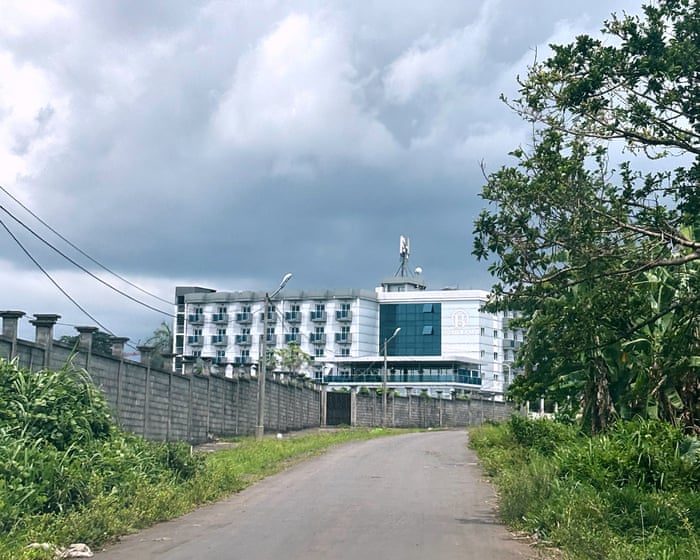
Two men deported from the United States to Equatorial Guinea were tied up, had bags put over their heads, beaten, and pushed down stairs, according to witnesses and lawyers. These men were then taken to prison, and about 30 other deportees remain detained in poor and unsafe conditions at a hotel outside Malabo, the capital city.
Key Facts
The two men, one from Egypt and one from Eritrea, were deported under President Trump’s administration.
They were reportedly abused after being accused of breaking a hotel mirror and for speaking out about poor conditions.
Around 30 other deportees from the US remain trapped in a rundown hotel used as a detention center in Equatorial Guinea.
The hotel detainees face harsh conditions like no medical care, no fresh clothes, and constant armed guard watch.
Equatorial Guinea has taken in at least 66 deportees from the US as part of a deal that included $7.5 million in payments.
This deportation practice sends people to countries where they have no ties, language skills, or legal status, often considered unsafe.
The US State Department has noted Equatorial Guinea’s government is known for human rights abuses including torture.
Videos showed guards pointing guns at detainees and using violence to control them, drawing concern from human rights groups.
Read the Original
Want the full story? Tap a source to open the original
article.
Most Americans worry that artificial intelligence (AI) could harm people, either by acting on its own or being used by others to cause damage. However, they do not want to stop AI development completely because they believe the U.S. needs AI to stay competitive and that it can help with medical and scientific progress. Many think both companies and the government should work together to control AI, with more people wanting government rules to limit AI rather than push it forward.
Key Facts
Many Americans fear AI might act independently to harm people.
Even more worry that people will use AI to harm others.
Most Americans want to slow down AI development but not stop it entirely.
They believe the U.S. must develop AI faster than China to stay competitive.
Many see AI as helpful in medical and scientific breakthroughs.
People think both companies and the government should manage AI together.
There is skepticism that AI companies will regulate themselves responsibly.
Concerns about AI taking away jobs are common, especially among those wanting government restrictions.
Read the Original
Want the full story? Tap a source to open the original
article.
Nvidia CEO Jensen Huang spoke about concerns over artificial intelligence (AI) safety. He said slowing down AI development in a coordinated way is not a good idea and reassured that 2030 will not be catastrophic because of AI.
Key Facts
Jensen Huang is the CEO of Nvidia.
He talked about AI safety concerns in an interview with CBS News.
Huang does not support AI companies agreeing to slow down their progress.
He believes 2030 will not be a disastrous year due to AI.
The discussion included expert Matt Shumer from an AI newsletter.
The interview was shared on CBS News and discussed on "The Takeout" show.
Read the Original
Want the full story? Tap a source to open the original
article.
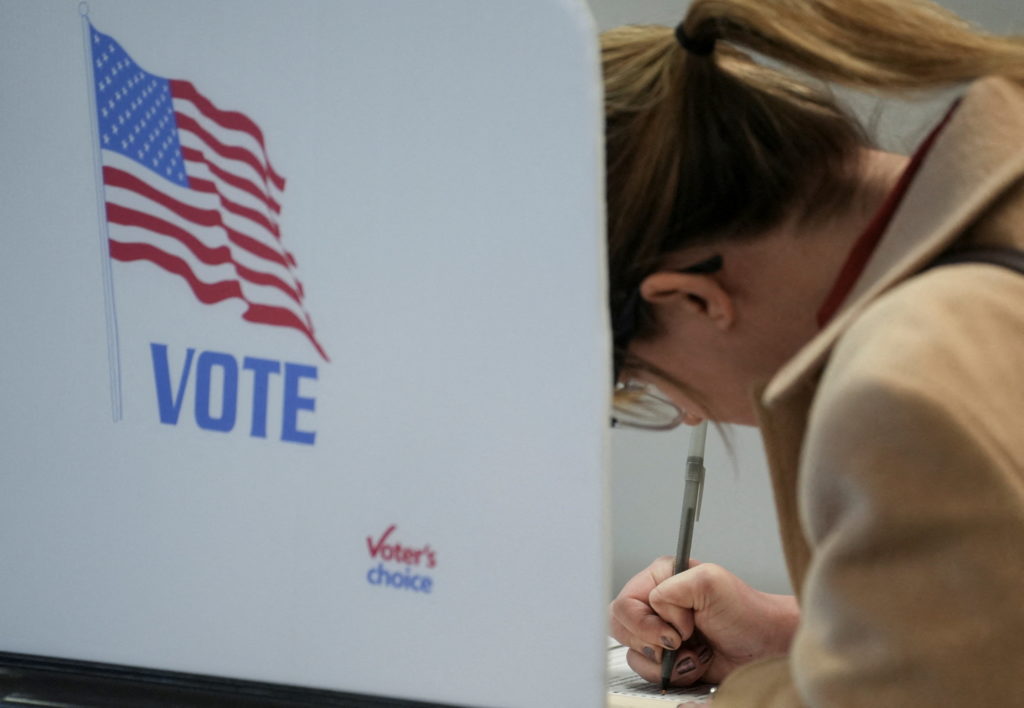
Virginia's attorney general says the Department of Homeland Security (DHS) might have broken state election laws. A whistleblower claims DHS workers wrongly used voter lookup tools to find noncitizen voters without permission.
Key Facts
Virginia Attorney General Jay Jones sent a letter to DHS demanding answers about accessing voter information.
Virginia law prohibits sharing voter data with the federal government without a court order.
Voter lookup tools in Virginia can only be used by people checking their own records, under legal penalty.
A whistleblower said DHS staff were trained to quickly check lists for “unlawful voters” in August.
Agents had about 12 minutes per person to decide if someone was a legal voter.
President Trump’s administration has claimed noncitizen voting is a big election fraud risk, despite studies showing it is very rare.
The Department of Justice is trying to get detailed voter data from many states but has not yet won those cases.
DHS has been asked to keep all documents about this investigation, including training and logs.
Read the Original
Want the full story? Tap a source to open the original
article.