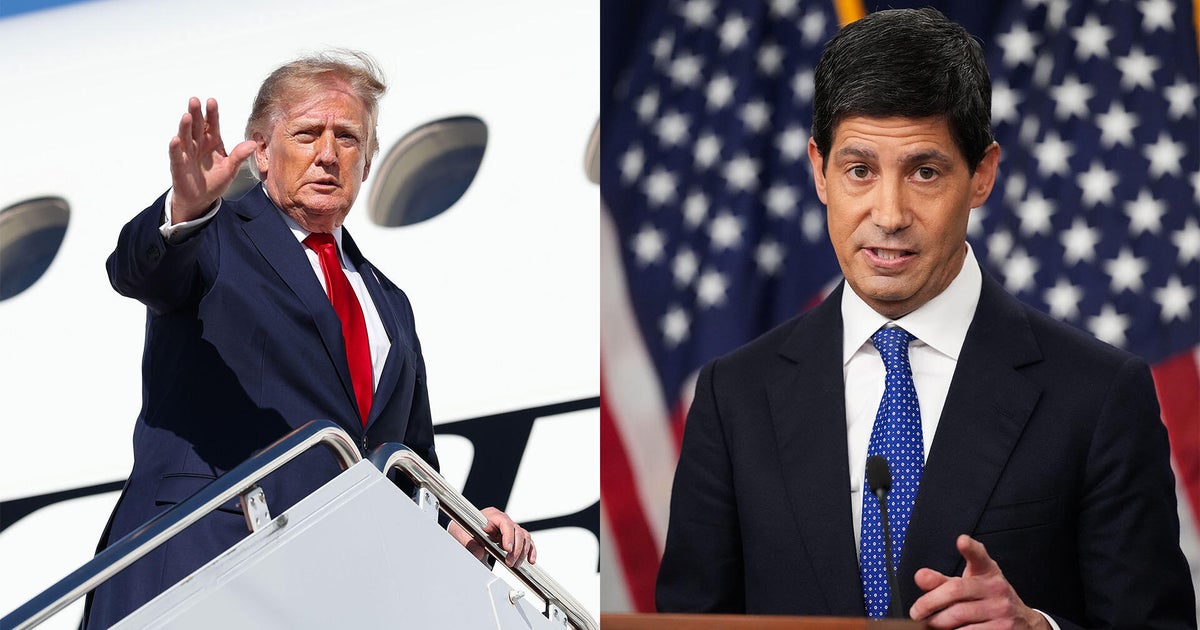
Israel and Morocco have agreed to improve their diplomatic relations by upgrading their missions to embassies and appointing ambassadors. They also plan to boost economic ties, increase air travel, and hold high-level visits soon.
Key Facts
Israel and Morocco will raise their diplomatic missions to embassies.
Both countries will appoint ambassadors to each other.
The agreement was reached during a meeting in New York, hosted by the US ambassador to the UN, Mike Waltz.
They will work on two economic agreements by the end of the year about investment protection and avoiding double taxation.
The countries plan to restart direct flights between them.
High-level official visits are planned for the coming months.
This deal follows the Abraham Accords, started by President Donald Trump to normalize relations between Israel and several Arab nations.
Morocco is one of the countries that joined the Abraham Accords, along with the UAE, Bahrain, Sudan, and Kazakhstan.
Read the Original
Want the full story? Tap a source to open the original
article.
The Federal Reserve raised interest rates for the first time since July 2023. President Donald Trump said he believes interest rates should be at 1% or lower.
Key Facts
The Federal Reserve increased interest rates on Wednesday.
This was the first rate increase since July 2023.
Interest rates are the cost banks pay to borrow money, which affects loans and credit for people and businesses.
Higher interest rates usually mean higher borrowing costs.
President Donald Trump said interest rates should be at 1% or less.
The Federal Reserve adjusts rates to manage the economy and control inflation.
This rate change marks a shift in the Fed’s policy after several months of no increases.
Read the Original
Want the full story? Tap a source to open the original
article.
Some tech companies like Nvidia, OpenAI, and Palantir are selling branded clothing as a way to promote their brands and connect with fans. These items are often limited in number and sell out quickly, turning them into exclusive products rather than a major source of income.
Key Facts
Nvidia sells exclusive clothes like jumpers and hoodies that quickly sell out, often through limited online "drops" or pop-up stalls at events.
Fans wear Nvidia clothing like a sports team uniform to show support and pride in the company.
Other tech firms, such as OpenAI and Anthropic, also offer branded clothing, sometimes only to employees or through short public sales.
Limiting availability makes these clothes more desirable, a strategy borrowed from the fashion industry.
Palantir Technologies calls itself a "lifestyle brand" and sells clothing to improve its public image amid criticism of its military and police work.
Palantir’s clothing attracts customers worldwide who support the company and what it represents.
Some companies like Anduril, a defense contractor, use clothing to promote political messages, such as increasing defense spending.
The clothing lines are generally about brand promotion and reputation rather than making money.
Read the Original
Want the full story? Tap a source to open the original
article.
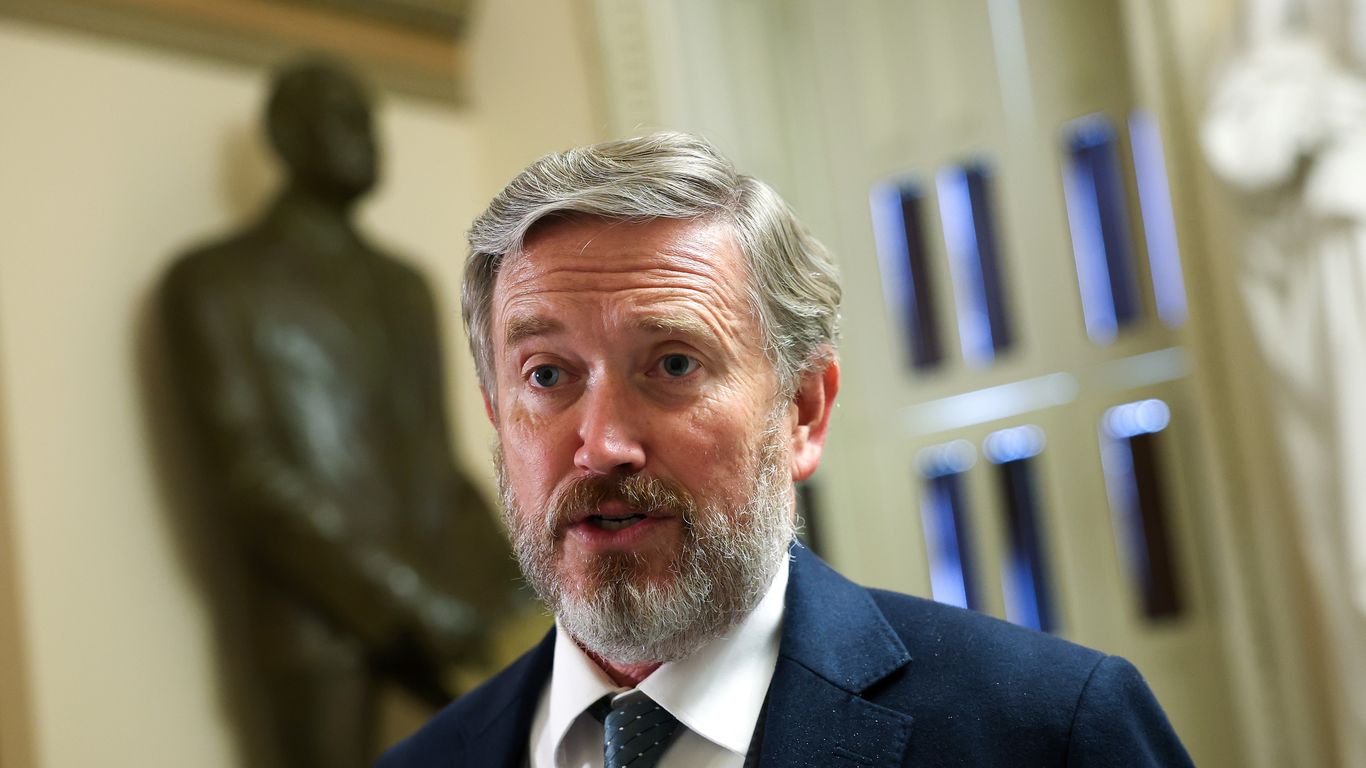
A top Democrat in Congress, Gregory Meeks, has announced he will not support a $2.8 billion US arms sale to Israel that includes heavy 2,000-pound bombs. He is concerned the bombs could be used in ways that violate international law, especially in crowded areas like Gaza and Lebanon, but the Trump administration can still approve the sale without Congressional approval.
Key Facts
Gregory Meeks is the top Democrat on the House Foreign Affairs Committee.
The proposed arms sale to Israel is worth $2.8 billion and includes 2,000-pound bombs.
Meeks worries these bombs may be used unlawfully in crowded civilian areas.
President Donald Trump can approve the sale even if Congress objects.
The US informs Congress about large arms deals but can bypass them under emergency rules.
Israel has used these large bombs in Gaza, leading to international criticism.
The bomb shipments were paused by President Biden in 2024 but resumed after Trump took office again.
The arms sale uses Foreign Military Financing, a US program that funds weapons purchases by allies like Israel.
Read the Original
Want the full story? Tap a source to open the original
article.
Networking helps people find jobs and career opportunities by making professional connections. Experts say starting with people you already know, doing research before reaching out, and being polite are good strategies for successful networking.
Key Facts
Networking means meeting and talking to people who can help you with your career.
Nearly half of Gen Z say not having a strong network makes it harder to get entry-level jobs.
You can start networking with friends, family, teachers, and past coworkers.
Sending clear, polite messages and saying thank you increases chances of getting help.
Building relationships early, before you need a job, is more effective than asking for a job directly.
Attending events for short times and practicing talking to people helps improve networking skills.
A simple conversation starter or commenting online can begin a professional connection.
It is normal to face rejection, and not to be discouraged when someone says no.
Read the Original
Want the full story? Tap a source to open the original
article.
The Bank of England is expected to keep interest rates at 3.75% despite rising inflation driven by higher energy prices linked to the conflict in the Middle East. Inflation rose to 3.1% in August, and central banks in Europe and the US have recently increased their rates to tackle similar cost pressures.
Key Facts
The Bank of England’s Monetary Policy Committee (MPC) is likely to keep the Bank rate steady at 3.75% for the sixth meeting in a row.
Inflation, measured by the Consumer Prices Index (CPI), increased to 3.1% in August from 2.9% in July.
Rising costs of petrol, diesel, and airfares have contributed to inflation increases.
Oil prices have stayed above $100 per barrel due to the ongoing Middle East conflict.
The Bank of England aims to keep inflation around 2% but expects it to remain above target for some time.
The European Central Bank recently raised interest rates to 2.5%, and the US Federal Reserve increased rates to 3.5%-3.75%.
Lenders have raised fixed mortgage rates, with average two-year and five-year rates at their highest levels since mid-2023 and late 2023, respectively.
Higher interest rates may benefit savers with better returns but could reduce the real value of savings because of inflation.
Read the Original
Want the full story? Tap a source to open the original
article.
House Speaker Mike Johnson’s decision to end the current congressional session early has caused a conflict with Representative Thomas Massie, who wants more days in session to push votes on important issues. Massie claims Johnson is cutting days to avoid tough votes, including an impeachment effort against Defense Secretary Pete Hegseth, while Johnson calls this a publicity stunt.
Key Facts
Speaker Johnson sent the House home for over six weeks before the midterm elections.
Rep. Thomas Massie is upset because this recess delays a vote on impeaching Defense Secretary Pete Hegseth.
Massie introduced eight articles of impeachment against Hegseth as a "privileged resolution" that requires quick House action.
Johnson canceled Thursday’s session, pushing the vote until after the elections.
Massie accused Johnson of avoiding votes by shortening the House calendar, a claim Johnson denies.
This is not the first time Massie has accused Johnson of using recesses to avoid votes, including on files related to Jeffrey Epstein.
Some other Republicans also criticize Johnson for canceling voting days during the election year.
Massie does not currently plan to try to remove Johnson as speaker but says others may take action in the future.
Read the Original
Want the full story? Tap a source to open the original
article.
The US military says it has kept the Strait of Hormuz open for commercial ships despite Iran’s blockade and attacks on vessels. The US has helped move large amounts of oil through the waterway while also enforcing a blockade on Iran.
Key Facts
The US military says commercial traffic through the Strait of Hormuz "continues to flow."
Since early May, commercial ships have moved more than 900 million barrels of crude oil through the strait with US assistance.
The US claims to have redirected over 100 ships attempting to break the blockade on Iran’s maritime trade.
US forces recently cleared mines from major shipping lanes to keep the routes safe.
The US military says it targets only military sites and denies intentionally hitting civilians.
Attacks on the city of Kuhestak, near the strait, have been linked to US strikes, with reports of civilian casualties.
US forces claim to have reduced Iran’s missile ability and weakened Iran’s naval forces.
The US says damage from Iranian attacks has not hurt its military operations in the region.
Read the Original
Want the full story? Tap a source to open the original
article.
Syria raised fuel prices overnight, increasing diesel by 40% and petrol by 28%. This caused protests in several cities, disruptions to transportation, and rising costs for everyday goods and travel amid ongoing economic struggles.
Key Facts
The Syrian government increased diesel prices by 40% and petrol prices by 28% starting Sunday night.
Protests occurred in many cities, including Aleppo, Idlib, and Damascus, with roadblocks and tyre burning.
Demonstrators blocked a major highway in northeastern Syria, halting hundreds of oil tankers.
A black market for fuel has grown because of the high prices and limited official supply.
The price hikes follow several increases since February, with petrol up about 86% and diesel more than double.
Nearly 90% of Syrians live below the poverty line, making fuel cost rises impact food and transport prices.
Syria’s war ended recently in December 2024 with the fall of Bashar al-Assad’s regime, and the new government is working to improve the economy.
Transport businesses face severe losses as fuel costs rise faster than fares, leading to expected price increases for travel and tourism.
Read the Original
Want the full story? Tap a source to open the original
article.
President Donald Trump praised Federal Reserve Chair Kevin Warsh but blamed the entire Federal Reserve board for raising interest rates. Trump said the board members were appointed by other people and implied they were responsible for the decision, not Warsh alone.
Key Facts
President Trump spoke to reporters in North Carolina.
He expressed support for Federal Reserve Chair Kevin Warsh.
Trump said the board of the Federal Reserve made the decision to raise interest rates.
The board members were appointed by others, not just Warsh.
Trump suggested Warsh faces challenges because of the board’s decisions.
Read the Original
Want the full story? Tap a source to open the original
article.
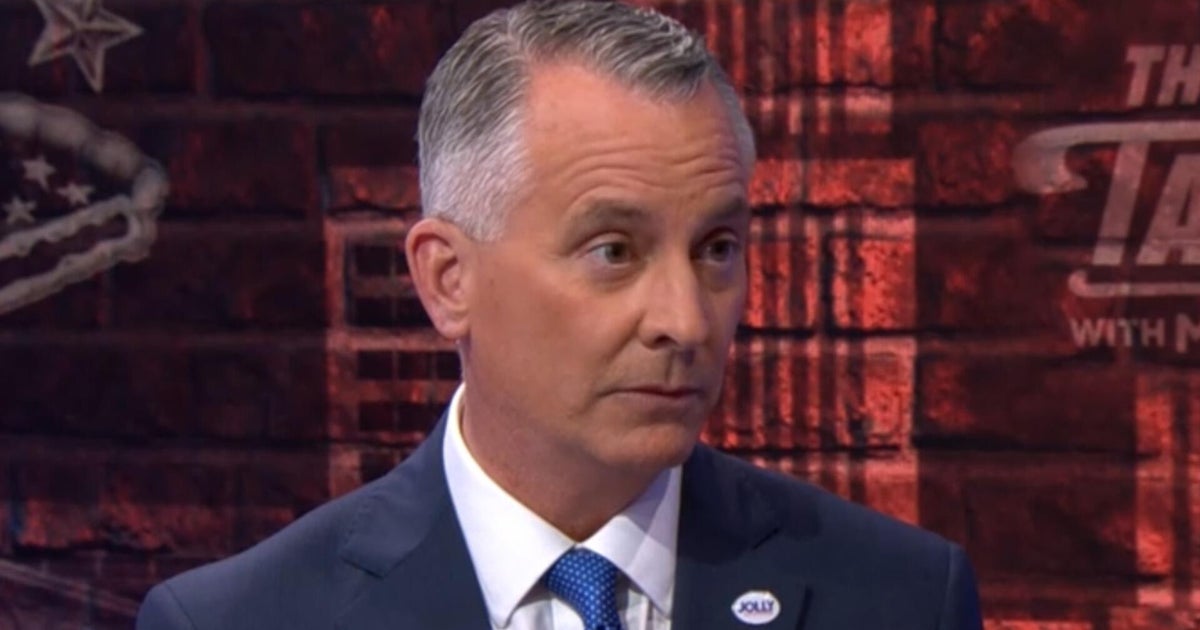
David Jolly, a Democrat running for governor in Florida, says the current political situation is similar to the time after the Watergate scandal in 1974. Democrats are hopeful about winning, even though they have not won a statewide election in Florida since 2018.
Key Facts
David Jolly is the Democratic candidate for Florida governor.
He compares today’s politics to the period after the Watergate scandal in 1974.
Democrats are optimistic about this election cycle in Florida.
Florida has not elected a Democrat to a statewide office since 2018.
President Donald Trump adopted Florida as his home state.
Jolly discussed his campaign on CBS News program "The Takeout."
The governor’s race in Florida is seen as challenging for Democrats.
Read the Original
Want the full story? Tap a source to open the original
article.
Sabato’s Crystal Ball, a political forecast, moved eight U.S. House of Representatives races to favor the Democratic Party. Two of these races changed from slightly favoring Republicans to being uncertain, showing more districts are now competitive before the November midterm elections.
Key Facts
Sabato’s Crystal Ball updated its ratings for House races on a Wednesday.
Eight races were shifted to favor the Democratic Party.
Two races moved from “leans Republican” to “toss-up,” meaning no clear favorite.
One notable race is an open seat in Iowa’s 2nd Congressional District.
These changes indicate more closely contested House districts this year.
The updates come seven weeks before the midterm elections in November.
Sabato’s Crystal Ball is a well-known election forecast tool.
Read the Original
Want the full story? Tap a source to open the original
article.
The United States Federal Reserve has raised interest rates for the first time in over three years to help lower rising inflation. The Fed increased the benchmark rate by 0.25%, now set between 3.75% and 4%, aiming to bring inflation back to 2%.
Key Facts
The Federal Reserve’s 12-member committee voted unanimously to raise interest rates by a quarter of a percentage point.
Inflation in the US reached 3.4% last month, above the Fed’s 2% target.
The Fed’s goal is to slow inflation by making borrowing more expensive, which may reduce spending.
Higher interest rates will increase costs for people with credit card debt and variable-rate loans like some home mortgages.
The rate increase comes less than 50 days before US midterm elections, potentially impacting voter sentiment.
Inflation has partly risen due to tariffs, the US conflict with Iran, and increased spending on artificial intelligence.
President Donald Trump has opposed higher rates and pressured the Fed for lower borrowing costs.
Kevin Warsh, the Fed Chair appointed by Trump, led the decision to raise rates despite Trump’s preference for lower rates.
Read the Original
Want the full story? Tap a source to open the original
article.
A recent scientific study found that climate change likely caused a glacier collapse in Nepal and Tibet, resulting in deadly floods that killed over 1,300 people. Warmer temperatures weakened the glacier, which released a massive avalanche of snow and ice, triggering fast and destructive floods.
Key Facts
The glacier collapse occurred on August 26 on Langtang Lirung mountain, releasing about 110 million cubic meters of snow and ice.
More than 1,300 people died and 5,000 remain missing due to the floods.
The avalanche fell 1,400 meters and caused an earthquake-level impact.
Climate change caused the region to warm about 2°C since pre-industrial times, with record highs shortly before the disaster.
Rising temperatures have shifted the freezing line higher, weakening mountain slopes by melting permafrost (frozen soil).
The glacier has been shrinking, losing support and releasing meltwater that contributed to instability.
A 7.8 magnitude earthquake in 2015 also damaged the area, increasing vulnerability to collapse.
This event is very rare, estimated to happen once every 1,000 to 10,000 years under normal conditions, showing limits to how much local communities can adapt.
Read the Original
Want the full story? Tap a source to open the original
article.
All homes in Northern Ireland will receive a one-time £63 discount on their electricity bills starting next month. The UK government funds this payment, which will be applied automatically, either as a bill reduction or as credit for pay-as-you-go customers.
Key Facts
Every household in Northern Ireland gets a £63 electricity bill discount next month.
The discount comes from UK government schemes that also run in Great Britain but are adjusted for Northern Ireland.
Bank payment customers will see the discount automatically on their bills.
Pay-as-you-go customers will get £63 credit when they top up their meters.
Pay-as-you-go users should not add more than £112 in one top-up to get the full discount at once.
The discount is meant to help families with rising energy costs during winter.
A separate £100 heating oil voucher is available for some users through a different scheme.
Rising energy prices are partly linked to global events such as the US-Iran conflict.
Read the Original
Want the full story? Tap a source to open the original
article.
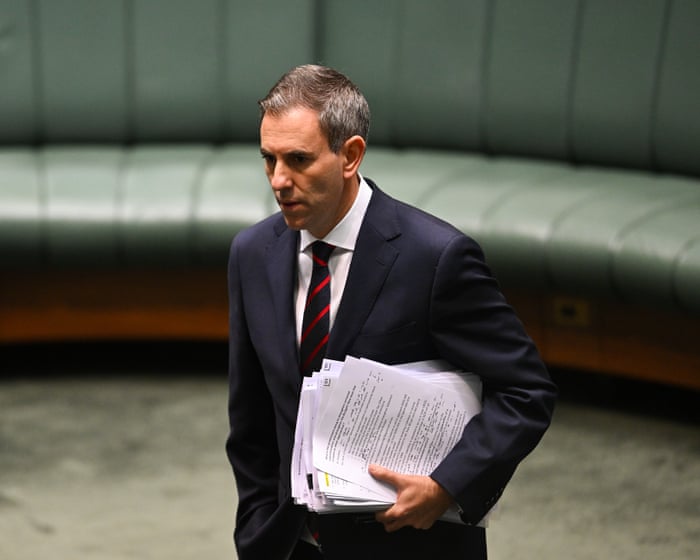
The International Monetary Fund (IMF) lowered its forecast for Australia’s economic growth in 2027 due to concerns about inflation and the possibility of higher interest rates. It advised Australian governments to control spending and debt to help manage inflation and support economic stability.
Key Facts
The IMF forecasted Australia’s economy to grow by 1.9% in 2024 but reduced the 2027 growth forecast to 1.6%.
The forecast downgrade is related to the likelihood of the Reserve Bank of Australia (RBA) increasing interest rates again.
Inflation and weak productivity growth are key challenges affecting Australia’s economic outlook.
Rising global energy prices, especially fuel costs, are increasing inflation risks in Australia.
Financial markets expect an 80% chance of an RBA interest rate hike on 29 September 2024.
The IMF supports recent changes to investor taxes but urges minimizing negative effects on investment.
It highlighted the need for governments to reduce budget deficits and manage rising debt and interest costs.
The IMF called improving productivity a vital long-term goal to raise living standards and debt sustainability.
Read the Original
Want the full story? Tap a source to open the original
article.
The U.S. House passed a bill to prevent Americans from paying higher electricity bills caused by growing data centers. The bill requires tech companies to cover the costs of new power infrastructure needed for these data centers instead of passing them to consumers. The bill now goes to the Senate.
Key Facts
The bill is called the Ratepayer Protection Act and passed 417 to 3 in the House.
It aims to stop the increased electricity costs caused by new data centers from being paid by regular consumers.
Tech companies that operate large data centers would have to pay for new power plants and infrastructure they need.
Data center electricity use could double by 2030 and may account for over 10% of U.S. power demand.
The bill was sponsored by GOP Rep. Gabe Evans of Colorado and supported by members from both parties.
President Donald Trump supports the AI industry and encourages companies to secure their own power supply.
Some Democrats and Republicans say the bill helps but does not solve all issues related to AI and data centers.
The bill responds to rising energy costs linked to the growth in AI-related data centers.
Read the Original
Want the full story? Tap a source to open the original
article.
The House passed a bill designed to protect Americans from higher electricity bills linked to large data centers. It asks states to think about rules that would make tech companies pay more of the electricity costs from these centers but does not force states to create such rules.
Key Facts
The bill is called the Ratepayer Protection Act.
It was approved by the House on a Tuesday.
The purpose is to shield Americans from rising electricity costs tied to data centers.
The bill encourages states to consider creating standards but does not require them.
If states choose to act, tech companies could pay more of the electricity costs from their data centers.
The bill has support from both political parties (bipartisan).
Data centers are large facilities that store and manage internet data and use a lot of electricity.
Read the Original
Want the full story? Tap a source to open the original
article.
Staying informed here is free for everyone. If it's worth something to you, pay what you want. Supporters also get the daily digest by email every morning.
The House of Representatives passed the bipartisan Ratepayer Protection Act to address rising costs related to building data centers that support AI technology. The bill asks state utility regulators to require data centers to pay some of the costs for new power generation, aiming to protect consumers from higher electricity bills.
Key Facts
The Ratepayer Protection Act passed the House with a vote of 417-3.
The bill requires state utility regulators to consider rules that make data centers share costs for new power plants.
Data centers use a lot of electricity, causing higher utility costs and concerns about the power grid and water use.
About 70% of Americans oppose building new data centers near their communities.
Lawmakers from both parties support slowing or restricting data center growth to address these concerns.
President Donald Trump opposes slowing AI or data center development, arguing it is important for U.S. technology leadership against China.
Trump has said communities that block data centers will be left behind economically.
The bill passed amid growing debate over AI’s rapid growth and its impact on infrastructure and consumers.
Read the Original
Want the full story? Tap a source to open the original
article.
The Federal Reserve increased interest rates by 0.25%, the first increase in three years. This action aims to address rising prices during ongoing inflation pressures linked to the war in Iran.
Key Facts
The Federal Reserve raised interest rates by a quarter of a point (0.25%).
This is the first rate increase in three years.
The rate hike is a response to elevated inflation.
Inflation is being influenced by the war in Iran, which is causing price pressures.
Fed Chair Kevin Warsh led this first major step to tackle inflation.
Economist Julia Coronado commented on this development in an interview.
The rate increase signals the Fed is acting independently from external influences.
Read the Original
Want the full story? Tap a source to open the original
article.