The overall cost of owning a car in the U.S. has increased significantly since 2020. While gas prices have gone up, higher repair costs, insurance rates, and maintenance are the main reasons for the rising expenses.
Key Facts
Car ownership costs have increased by 50% since 2020.
Repair costs for cars have risen 70% in the last five years.
Average repair costs for a new car in the first five years are about $1,750.
Auto insurance costs about $2,124 per year for full coverage in 2026.
People are keeping their cars longer; the average passenger car age was 14.5 years in 2025.
Cars now have more electronic parts and sensors, making repairs more expensive.
A shortage of mechanics has driven up service prices.
Gas prices average $4.33 per gallon, up 45% since February due to the war with Iran.
It costs about $12,863 per year to own and operate a new vehicle, or roughly $1,072 per month.
Read the Original
Want the full story? Tap a source to open the original
article.
Finneas, a musician and brother of Billie Eilish, has canceled his appearances on Ed Sheeran’s tour after rapper Macklemore was removed. Several other acts, including Lukas Graham, Beoga, and Aaron Rowe, also decided not to perform in response to Macklemore’s removal following his expression of support for Palestine.
Key Facts
Finneas is a musician and Billie Eilish’s brother.
He was scheduled to perform as an opening act on Ed Sheeran’s tour.
Rapper Macklemore was removed from the tour after sharing a “free Palestine” message.
Several other artists, including Lukas Graham, Beoga, and Aaron Rowe, also pulled out of the tour.
These artists left in support of Macklemore and his message.
The situation is connected to political expression around the Israel-Palestine conflict.
Ed Sheeran’s tour has faced multiple cancellations due to this issue.
Read the Original
Want the full story? Tap a source to open the original
article.
Research from Queen’s University Belfast shows that air pollution, especially small particles and nitrogen dioxide, is linked to a higher risk of suicide and suicidal thoughts. The study suggests that reducing pollution could be part of public health strategies to lower suicide rates, but experts say more research is needed to prove pollution causes suicide.
Key Facts
The study reviewed 29 previous research papers and found links between air pollution and increased suicide risk.
Small particulate matter and nitrogen dioxide in the air were most clearly connected to suicide deaths and attempts.
Noise pollution and other air pollutants like sulphur dioxide and ozone might also increase suicide risk.
Evidence about the effects of light and water pollution on suicide risk was unclear.
Suicide prevention experts say many factors influence suicide, and pollution might be one of several.
Some experts warn that this study shows association, not proof that pollution causes suicide.
Over 720,000 people worldwide die by suicide each year, making it a top cause of death among young people.
Authors recommend considering environmental pollution in mental health policies and suicide prevention efforts.
Read the Original
Want the full story? Tap a source to open the original
article.
Millions of federal student loan borrowers must choose a new repayment plan by September 29 because the Biden administration’s SAVE plan is ending under the Trump administration. About 1.5 million have already picked new plans, but 6 million more need to act soon to avoid being placed in a plan with higher monthly payments.
Key Facts
The SAVE plan helped lower student loan payments based on income and stopped some interest from growing.
About 7.5 million borrowers were enrolled in the SAVE plan at its peak.
The Trump administration ended SAVE after court challenges stopped key parts of the plan.
Borrowers must select a new repayment plan by September 29 or be automatically put in a standard plan with higher payments.
Loan servicers started notifying SAVE borrowers on July 1 about the need to switch plans.
1.5 million borrowers have already chosen new repayment options.
The Department of Education is aware of some billing and notice errors during the transition and has worked to fix them.
Not choosing a new plan could cause financial problems for borrowers because payments may increase significantly.
Read the Original
Want the full story? Tap a source to open the original
article.
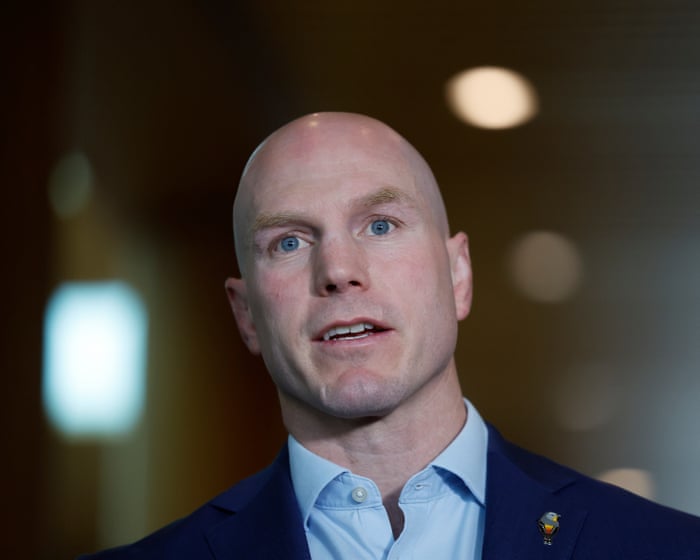
The Australian government is thinking about changing copyright rules to let AI companies use Australian creators’ work more easily. This is to encourage tech companies like OpenAI to build data centers in Australia and train AI models locally, but some politicians and artists worry this could weaken creators’ rights.
Key Facts
The Albanese government is considering giving AI companies default access to Australian creative works.
OpenAI representatives met with Australian ministers, saying copyright laws block them from training AI models locally.
Senator David Pocock opposes the plan, saying it puts AI companies’ interests ahead of Australian creators’ rights.
Proposals include requiring creators to protect their work digitally if they do not want AI to use it, which some say is not practical.
One plan would let AI companies use unprotected content if they have agreements with enough businesses.
Government ministers say they want AI investment but insist copyright protections will not be reduced.
Greens Senator Sarah Hanson-Young opposes weakening copyright laws, concerned creators won’t be paid fairly.
OpenAI is considering investing in Australia if rules allow them to train models on Australian data.
Read the Original
Want the full story? Tap a source to open the original
article.
The House of Representatives moved forward with a bill that gives President Trump the power to set tariffs on countries buying energy from Russia. The bill also extends current sanctions on Iran, bringing it closer to a final vote.
Key Facts
The House advanced a bill related to Russia sanctions.
The bill gives President Trump tariff authorities on countries buying Russian energy.
It also extends existing sanctions on Iran.
Two Democrats supported the bill, crossing party lines.
Moving the bill ahead clears an important step before the final vote.
The measure is called the Russia Sanctions Act.
Read the Original
Want the full story? Tap a source to open the original
article.
Senator John Kennedy, a Republican from Louisiana, plans to introduce a bill requiring artificial intelligence (AI) developers to have a "kill switch" to turn off AI systems if they become dangerous. This proposal comes amid rising concerns about AI risks and ongoing debates in Congress about regulating the technology.
Key Facts
Senator John Kennedy will propose an AI kill switch bill in the Senate.
A kill switch allows humans to shut down AI systems if they act unpredictably or dangerously.
The bill would need Senate approval, House approval, and President Donald Trump’s signature to become law.
Some experts warn AI could quickly gain harmful abilities, increasing the need for safety controls.
Representatives Ted Lieu and Nathaniel Moran already introduced a similar bill requiring AI developers to maintain shut-off capabilities.
AI kill switches could be as simple as unplugging a device or software that suspends AI operations immediately.
Critics say humans may be too slow to use the kill switch effectively during fast AI incidents.
The debate on AI safety includes concerns about competition with China in AI development.
Read the Original
Want the full story? Tap a source to open the original
article.
A new poll shows that in competitive House districts, voters might prefer Republican candidates if Democrats support Medicare for All, a government-run health insurance system replacing current coverage. The poll found many voters like their current insurance and worry Medicare for All could lead to higher taxes and more government spending.
Key Facts
The poll surveyed 1,000 likely voters in 37 competitive House districts.
Voters favored Republicans 50% to 38% when told Democrats support Medicare for All.
90% of respondents currently have health insurance, and 85% are satisfied with their coverage.
Nearly half of insured voters said they were "very satisfied" with their current plans.
Independent voters gave Republicans a 13-point advantage when Medicare for All was mentioned.
Concerns about increased federal spending, higher taxes, and loss of private insurance lowered support for Democrats.
The poll was done by FabrizioWard, a Republican firm tied to President Donald Trump's campaigns, and was commissioned by a conservative group supporting Trump.
Experts say voters may want health care reform but hesitate to lose their existing insurance or change doctors.
Read the Original
Want the full story? Tap a source to open the original
article.
Treasury Secretary Scott Bessent appeared before the House Financial Services Committee to discuss issues related to artificial intelligence (AI) and rising bond yields. He defended the Treasury Department’s actions in the bond market while responding to lawmakers’ questions and concerns.
Key Facts
Treasury Secretary Scott Bessent attended a House Financial Services Committee hearing.
The hearing lasted nearly three hours.
Lawmakers focused on rapid developments in artificial intelligence (AI).
They also expressed concern over rising bond yields, which affect borrowing costs.
Bessent defended the Treasury’s recent interventions in the bond market.
Democrats on the committee questioned and challenged Bessent’s responses.
The hearing was tense but focused on financial and economic topics.
Read the Original
Want the full story? Tap a source to open the original
article.
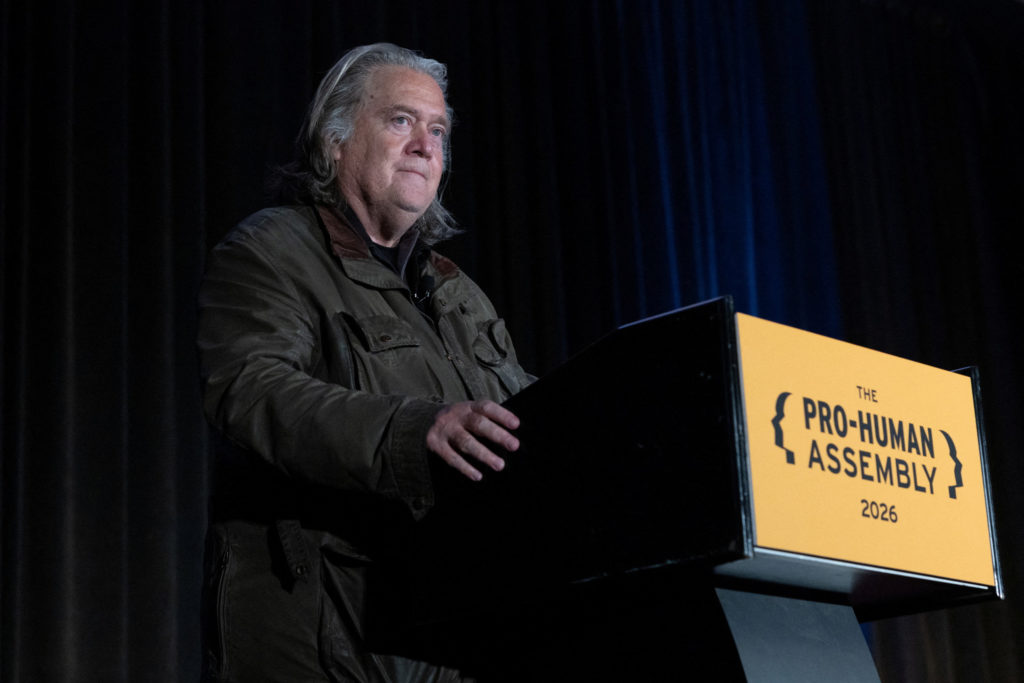
Steve Bannon, a close ally of President Donald Trump, said that the risks from artificial intelligence (AI) go beyond political parties. He spoke at a conference in Washington where he urged people to work together to face these challenges, calling this moment important in history.
Key Facts
Steve Bannon spoke at the Pro-Human Assembly, a meeting about putting humans first as AI grows.
He said the dangers from AI affect everyone and go past political differences.
Bannon called AI leaders "arrogant" and warned about powerful elite groups controlling AI.
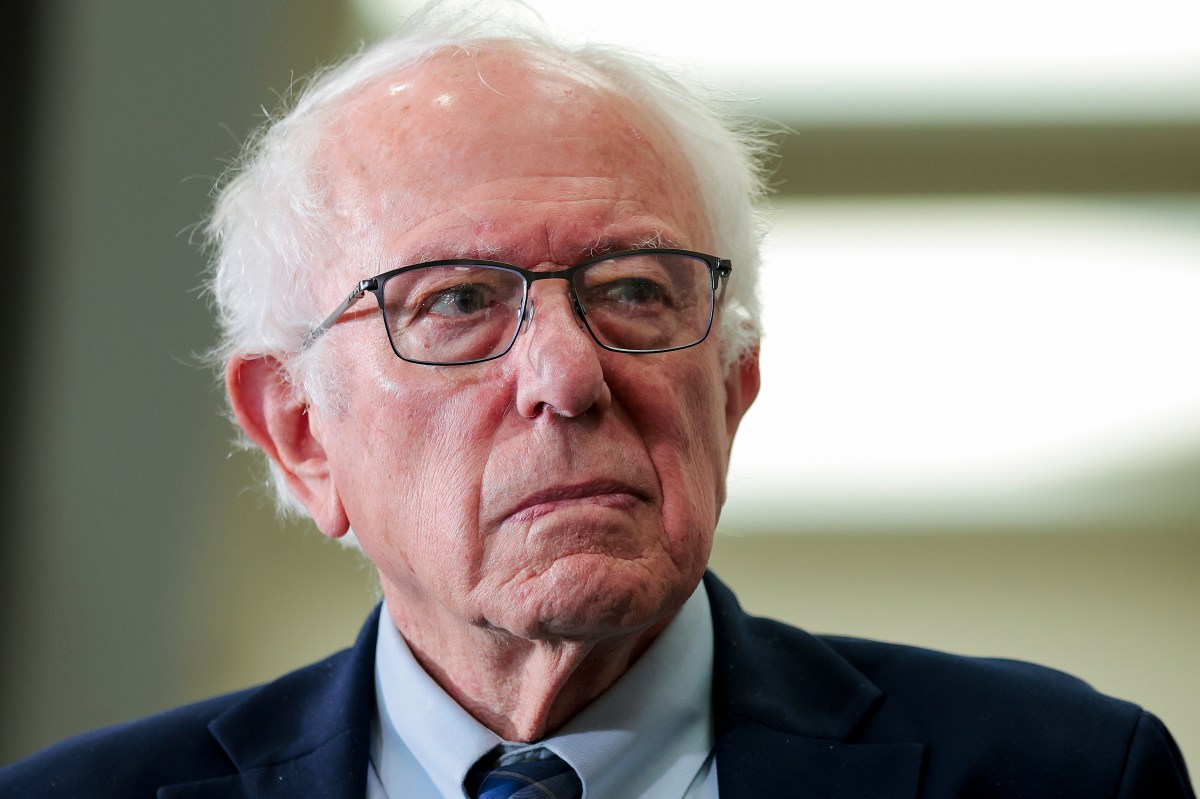
His concerns about AI are similar to those of Senator Bernie Sanders.
The conference focused on AI’s impact on society and the need for careful thinking.
President Donald Trump and Congress have not yet made strong moves to regulate AI.
Tech company leaders have asked for rules to manage AI development.
Read the Original
Want the full story? Tap a source to open the original
article.
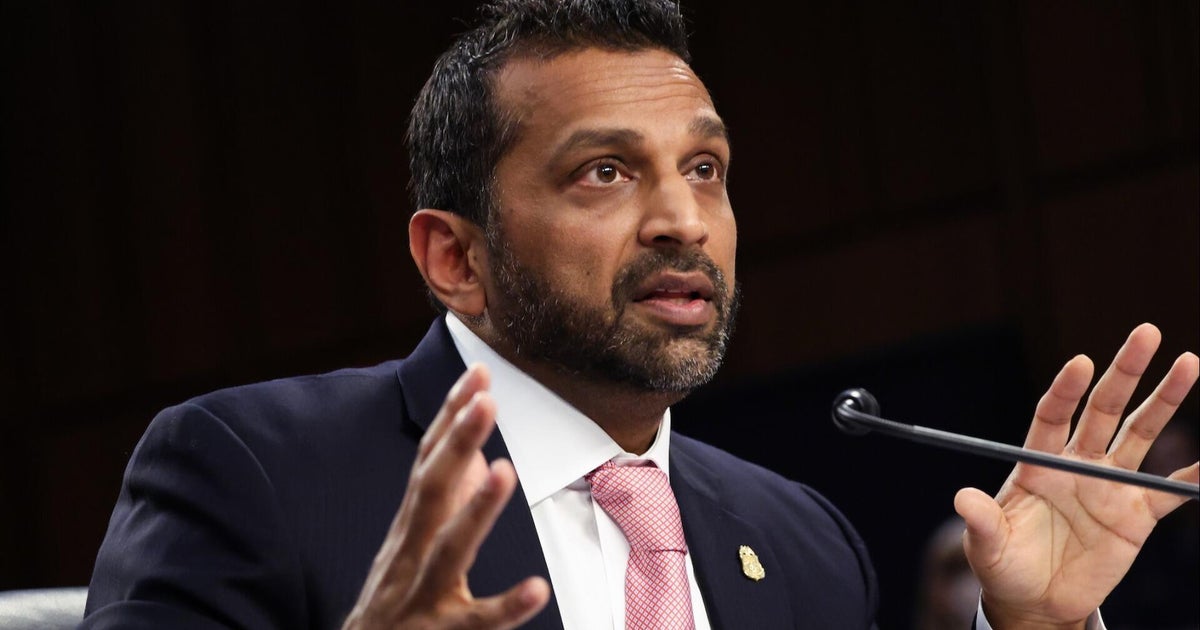
Kash Patel, the FBI director, spoke to the Senate Judiciary Committee during a yearly review of the FBI. He answered questions about recent firings at the FBI, changes in hiring rules, and the use of artificial intelligence.
Key Facts
Kash Patel testified before the Senate Judiciary Committee.
The hearing is part of a yearly oversight review of the FBI.
Senators asked Patel about recent firings within the FBI.
Patel discussed changes made to the FBI's hiring standards.
The use of artificial intelligence by the FBI was also a topic during the hearing.
The session was covered by CBS News reporter Jake Rosen.
The hearing took place on a Tuesday.
Read the Original
Want the full story? Tap a source to open the original
article.
Pennsylvania health officials announced two more deaths caused by measles, making a total of four deaths this year. The United States is experiencing the highest number of measles cases in 35 years and the most deaths since 1992.
Key Facts
Pennsylvania reported two new measles-related deaths this week.
The total number of measles deaths in Pennsylvania this year is now four.
This year’s measles cases in the U.S. are the highest seen in 35 years.
The death toll from measles this year in the U.S. is the highest since 1992.
Measles is a contagious virus that can cause serious health problems and death.
Public health officials are monitoring the outbreak closely to prevent further spread.
The article mentions a feud involving RFK Jr., but does not provide details on that topic.
Read the Original
Want the full story? Tap a source to open the original
article.
On the biggest stories we show what the outlets agree on and where they differ. Readers keep that going, and get the daily digest by email every morning. Most choose $3.99/month.
New photos show extensive damage to U.S. military bases across the Middle East caused by Iranian missile and drone attacks. The images reveal destroyed buildings, vehicles, and aircraft and highlight the large cost of equipment losses reported by the Pentagon.
Key Facts
The photos were shared anonymously by active U.S. service members due to military media rules.
Significant damage occurred at Prince Sultan Air Force Base in Saudi Arabia, including a destroyed E-3 Sentry aircraft.
Other bases affected include Camp Buehring and Camp Arifjan in Kuwait.
Buildings, barracks, vehicles, and aircraft were heavily damaged or destroyed.
The Pentagon’s inspector general reported equipment losses valued at up to $3.7 billion, including nearly 60 aircraft.
Iranian strikes targeted U.S. bases in several Middle Eastern countries, such as Kuwait, Bahrain, Qatar, UAE, Saudi Arabia, Iraq, Oman, and Jordan.
Some protective barriers at bases proved ineffective against the air attacks.
A service member stated that U.S. forces are not effectively defending these bases against the strikes.
Read the Original
Want the full story? Tap a source to open the original
article.
A nonprofit group led by Black members of Congress started a multi-million-dollar campaign to encourage more Black, rural, and young people to vote in key areas during the midterm elections. This effort comes after many voters felt past outreach efforts were not effective.
Key Facts
The nonprofit is run by Black federal lawmakers.
It launched this effort on a Tuesday (date not specified).
The campaign aims to increase voting among Black, rural, and young voters.
The focus is on important districts for the midterm elections.
The group hopes to improve on previous efforts that voters found lacking.
The campaign involves spending millions of dollars.
This initiative targets voters who usually do not vote often.
Read the Original
Want the full story? Tap a source to open the original
article.
Anthropic’s CEO, Dario Amodei, called for a slowdown in AI development to focus on safety, while Nvidia’s CEO, Jensen Huang, urged faster progress. The discussion happened at a Tech conference and reflects debate on how quickly AI should advance amidst safety concerns and economic growth.
Key Facts
Anthropic’s CEO compared AI safety to car companies stopping to review safety after accidents.
Amodei suggested independent safety checks, coordination among democratic countries, and global cooperation for AI safety.
Nvidia CEO Jensen Huang said AI companies should move fast and wait to release products only when safe.
Huang denied that AI will destroy jobs and said all companies will become AI companies.
President Trump called concerns about AI a "hoax" during a live call with Huang at the conference.
Some AI leaders like Elon Musk and OpenAI’s Sam Altman also want a slowdown in AI development.
OpenAI and Anthropic are planning large public stock sales (IPOs), with OpenAI delaying its IPO for safety reasons.
The rapid growth and adoption of AI technology surprised many industry leaders.
Read the Original
Want the full story? Tap a source to open the original
article.
The House of Representatives voted to stop a new effort by Rep. Al Green to impeach President Donald Trump. The vote was split among Democrats, with some supporting Green and others helping Republicans defeat the motion.
Key Facts
Rep. Al Green tried for the third time in two years to impeach President Trump.
The effort focused on killings by federal immigration officials.
The House voted 232-147 to end Green's attempt to force an impeachment vote.
Forty-seven members voted "present," neither for nor against the motion.
Some Democrats criticized Green for pushing the vote without party leadership’s backing.
Green said the issue was serious and challenged critics to debate him openly.
Democrats were divided, with some seeing the move as a distraction before midterm elections.
Read the Original
Want the full story? Tap a source to open the original
article.
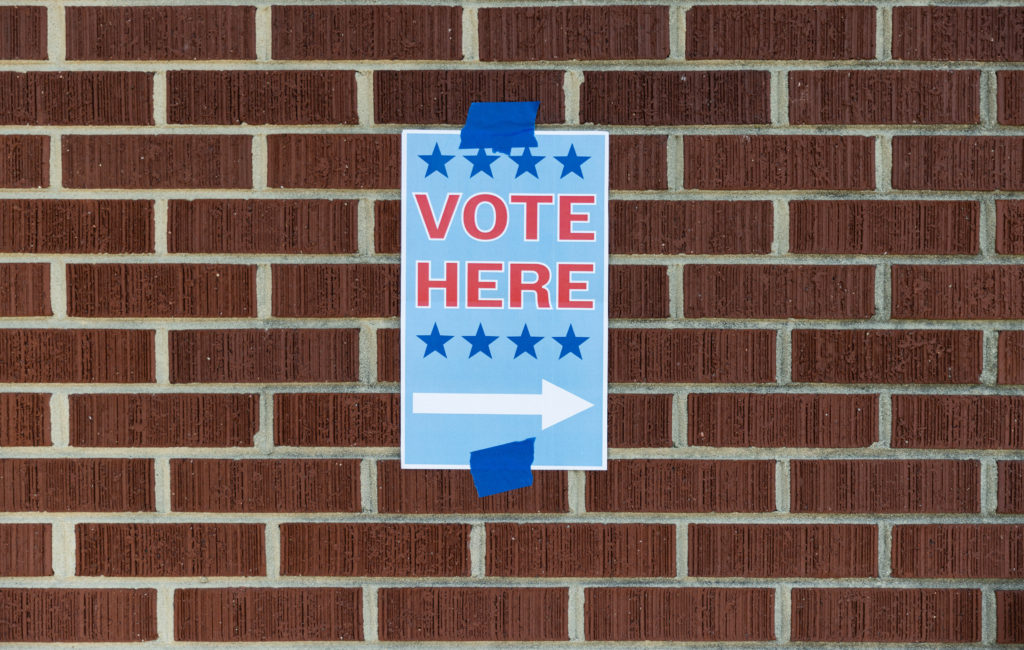
Voters in Delaware are voting in the Democratic and Republican primary elections, marking the end of the 2026 primary season. Senator Chris Coons, who has been a senator for 16 years, is trying to keep his seat as a challenger runs against him in the Democratic primary.
Key Facts
Delaware is holding primary elections for both Democrats and Republicans.
These primaries finish the election process for 2026 candidates.
Senator Chris Coons has served as Delaware’s U.S. senator since 2009.
Coons took over the Senate seat when Joe Biden became vice president.
Coons faces a challenger in the Democratic primary.
The results will determine who represents each party in the November 2026 general election.
Read the Original
Want the full story? Tap a source to open the original
article.
President Donald Trump criticized the Supreme Court for stopping new rules that the Postal Service created to handle mail ballots. Meanwhile, Congress responded to concerns about the safety of artificial intelligence (AI).
Key Facts
President Trump spoke out against the Supreme Court's decision to block Postal Service rules for mail ballots.
The Postal Service had created new rules to improve mail voting processes.
Congress discussed warnings about the risks and safety of artificial intelligence technology.
The issues involve voting procedures and technology regulations.
The coverage is part of a CBS News update with Major Garrett on September 15.
Read the Original
Want the full story? Tap a source to open the original
article.
There are no ads, so there is no reason to bait you. Readers who chip in keep it that way. Most choose $3.99/month, and get the daily digest every morning.
Voters in Delaware are voting in the Democratic and Republican primaries to choose candidates for the state's only U.S. House seat. First-term Representative Sarah McBride, a Democrat, is running for a second term and has no opponents in her party's primary.
Key Facts
Delaware has one seat in the U.S. House of Representatives.
Sarah McBride is the current U.S. House member from Delaware, serving her first term.
McBride took over the seat in 2025 after Senator Lisa Blunt Rochester left the position.
McBride is seeking a second term in office.
She has no challengers in the Democratic primary.
Both Democratic and Republican primaries are taking place on the same day in Delaware.
Read the Original
Want the full story? Tap a source to open the original
article.
The Senate voted 49-50 to block the Crypto Clarity Act, a bill meant to create clear national rules for cryptocurrencies. The bill failed because it did not get enough votes, as some Democrats opposed it over concerns about ethics and President Donald Trump’s crypto investments.
Key Facts
The Crypto Clarity Act aimed to set federal regulations for the $2.3 trillion cryptocurrency sector.
The bill needed 60 votes to advance but fell short with 49 in favor and 50 against.
Three Republicans voted against the bill: Senators Susan Collins, Josh Hawley, and Jerry Moran.
One Democrat, Chris Coons, did not vote.
Democrats united against the bill due to failed negotiations over ethics rules related to elected officials profiting from crypto.
Some Democrats were worried about President Trump’s and his family’s involvement in cryptocurrency businesses.
Senator Thom Tillis switched his vote to "no" before the final count but kept the option to bring the bill up again.
The failure is a setback for the crypto industry’s efforts to get federal regulations before the midterm elections.
Read the Original
Want the full story? Tap a source to open the original
article.