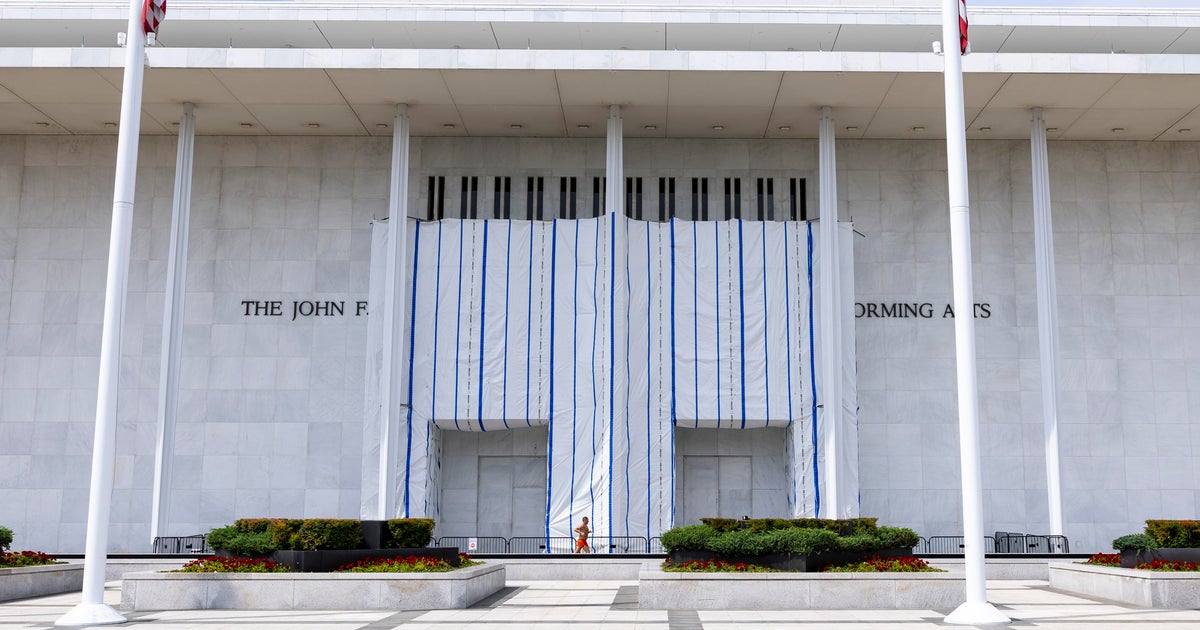
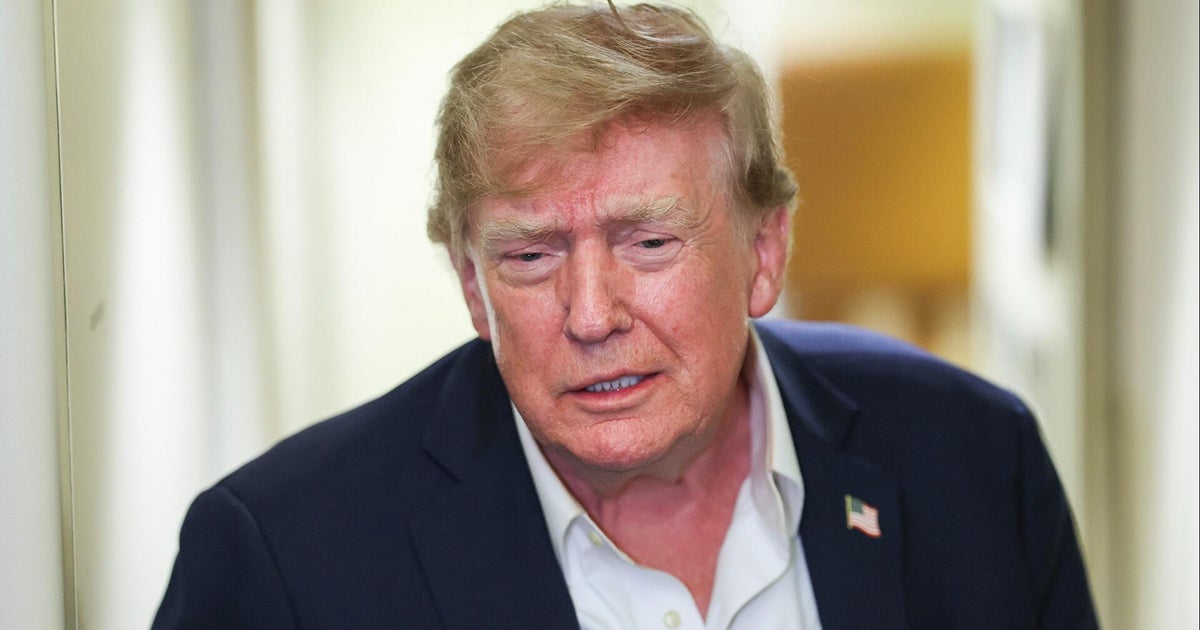
The Kennedy Center board, led by President Donald Trump and his allies, voted to close the center immediately for renovations due to its poor condition and financial problems. A federal judge blocked the board’s attempts to rename the center after President Trump or add his name to the building without Congress's approval.
Key Facts
The Kennedy Center board is chaired by President Donald Trump and includes his Cabinet members and political supporters.
The board voted to shut the center immediately for repairs because the building is in bad shape and losing money.
The center is a memorial to President John F. Kennedy, and efforts to rename it after President Trump have faced legal challenges.
A federal judge ruled that adding President Trump’s name without Congress's permission is not allowed.
Last year, Congress gave $250 million to fund renovations for the Kennedy Center.
President Trump claims he has raised $17 million in donations to help the center financially.
The renovations will not start until higher courts rule on the legal fight over the naming of the center.
The center’s name was previously removed from the facade after a court order, and the building’s exterior has been covered with scaffolding and a tarp.
Read the Original
Want the full story? Tap a source to open the original
article.
The Senate voted 49 to 50 against moving forward with the Clarity Act, a bill to regulate cryptocurrencies. Democrats opposed the bill because they believe it does not do enough to prevent President Donald Trump and his family from potentially profiting from crypto businesses.
Key Facts
The Clarity Act is a cryptocurrency regulation bill that failed to pass in the Senate due to lack of support.
It received 49 votes in favor and 50 against; 60 votes were needed to advance the bill.
All Democrats and four Republicans voted against the bill.
The bill aimed to clarify regulatory duties between financial agencies overseeing crypto, like the Commodity Futures Trading Commission and Securities and Exchange Commission.
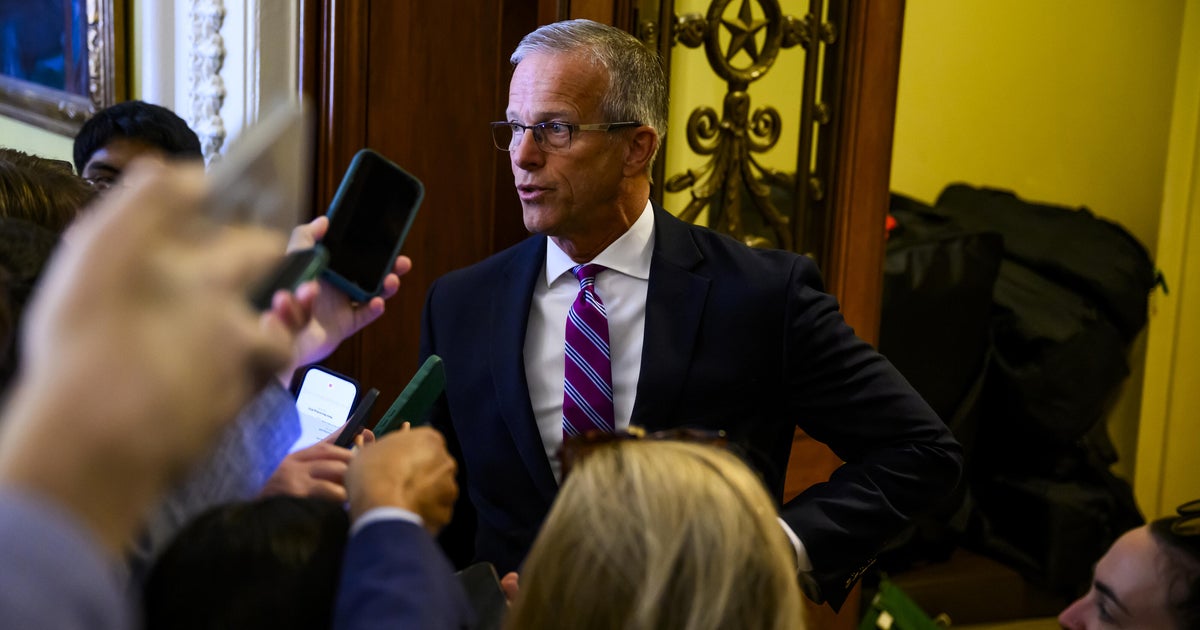
Senate Majority Leader John Thune supported the bill, saying it would protect investors and improve cryptocurrency rules.
Senator Elizabeth Warren opposed the bill, saying it risks families, the economy, and national security.
Democrats raised concerns that the bill's ethics rules are too weak to stop President Trump and his family from making profits in the crypto industry.
President Trump reportedly made $1.4 billion in crypto income last year, including from his meme coin business and family firms.
Democrats want stronger rules and a bipartisan agreement on cryptocurrency legislation.
Read the Original
Want the full story? Tap a source to open the original
article.
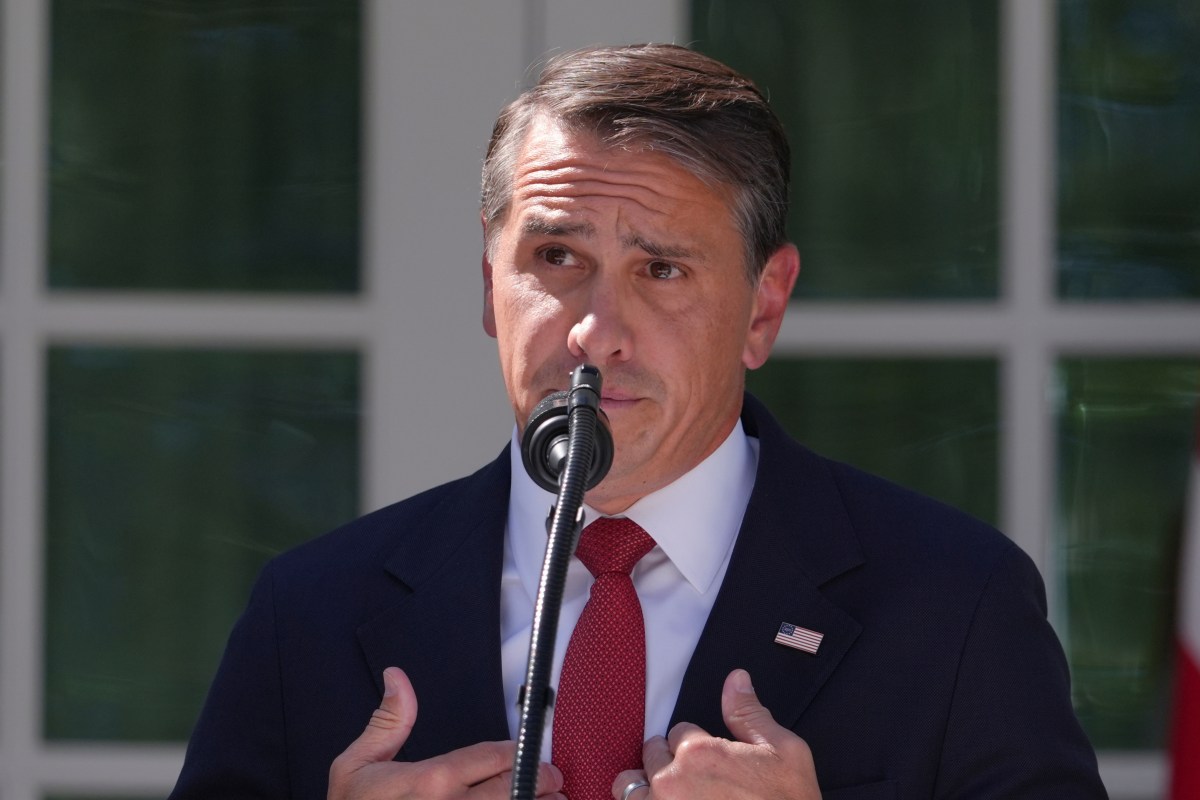
Attorney General Todd Blanche did not answer when asked if he requested Joe diGenova to resign from the Justice Department. Reports say there was a tense phone call between Blanche and diGenova before diGenova left his position.
Key Facts
Attorney General Todd Blanche was questioned about Joe diGenova’s resignation.
Blanche avoided answering whether he asked diGenova to resign.
Joe diGenova is known to be an ally of President Donald Trump.
Reports mention a tense phone call between Blanche and diGenova before the resignation.
Blanche said he would not discuss communications with prosecutors to protect fairness.
DiGenova recently left his role at the Justice Department.
Read the Original
Want the full story? Tap a source to open the original
article.
The Department of Homeland Security (DHS) is accused of ordering agents to lie about who they are to get access to state voter lists and to create false proof of voter fraud before the midterm elections. Senators Chuck Schumer and Alex Padilla claim a whistleblower revealed these instructions and have asked DHS to stop these actions and provide an explanation.
Key Facts
DHS agents were reportedly told to "misrepresent themselves" to access voter rolls.
Agents were allegedly directed to break state laws to get private voter information.
The effort includes finding or inventing evidence of voter fraud.
Senators Schumer and Padilla publicly shared these claims citing a whistleblower’s information.
The allegations were made just weeks before the 2026 midterm elections.
DHS said it uses voter rolls and immigration data to investigate election fraud.
Homeland Security Investigations (HSI) said it is actively pursuing election fraud cases under President Trump.
Senators have demanded DHS Secretary Markwayne Mullin halt these alleged practices and explain the situation.
Read the Original
Want the full story? Tap a source to open the original
article.
Technology leaders want the government to set rules to control artificial intelligence (AI) because of possible risks. President Donald Trump and some top political figures are opposed to quickly making new laws or limits on AI.
Key Facts
Tech CEOs like Dario Amodei (Anthropic), Sam Altman (OpenAI), and Elon Musk (xAI) have called for stronger government rules on AI.
President Donald Trump called efforts to limit AI a "conspiracy" and opposes urgent regulation.
Vice President JD Vance and other leading Republicans have expressed caution about regulating AI.
House Speaker Mike Johnson is waiting on President Trump’s lead before acting.
The debate shows a gap between tech experts worried about AI risks and political leaders hesitant to act now.
Read the Original
Want the full story? Tap a source to open the original
article.
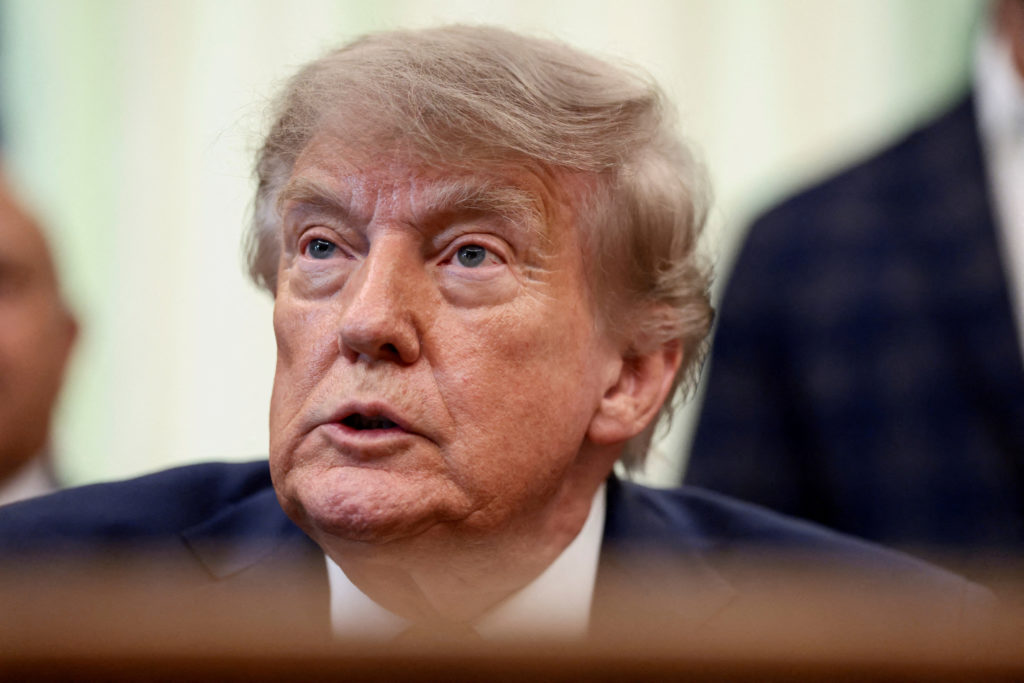
President Donald Trump criticized a federal judge who blocked his administration’s plan to rename part of the Kennedy Center to include Trump’s name. The judge, Christopher Cooper, made the decision to stop the renaming, which led to President Trump calling him “hostile and conflicted.”
Key Facts
President Trump wanted to add his name to the Kennedy Center.
A federal judge, Christopher Cooper, stopped this plan.
Judge Cooper was appointed by former President Obama.
President Trump called Judge Cooper “hostile and conflicted.”
The judge’s ruling halted the renaming effort by the Trump administration.
President Trump has made similar criticisms of judges who oppose his actions before.
Read the Original
Want the full story? Tap a source to open the original
article.
A $100,000 deposit in a 5-year certificate of deposit (CD) can earn around $23,700 to $24,300 in interest by 2031, depending on the interest rate. CDs offer a fixed, guaranteed return, making them a safe option for savers who want predictable earnings without the risks of investing in stocks.
Key Facts
A CD is a savings account with a fixed interest rate and a set term, such as 5 years.
Interest rates on 5-year CDs currently range from about 4.35% to 4.45%.
At these rates, a $100,000 CD can earn between $23,700 and $24,300 in interest by the end of five years.
The account holder must keep the money in the CD until maturity (5 years) to avoid early withdrawal penalties.
CD interest earnings are predictable and do not depend on market performance.
These rates are lower than average stock market returns over the past decade but come with less risk.
Savers should shop around for the best CD rates to maximize earnings.
If unsure about committing money for 5 years, alternatives like shorter CDs or high-yield savings accounts may be considered.
Read the Original
Want the full story? Tap a source to open the original
article.
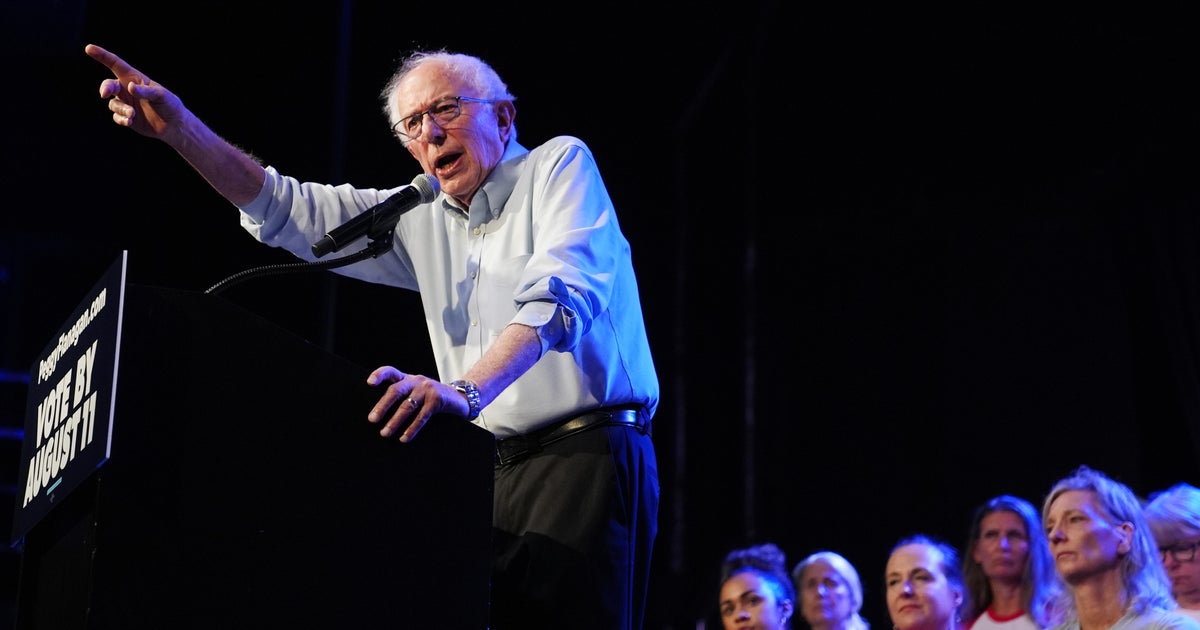
Senator Bernie Sanders said that artificial intelligence (AI) could be more dangerous to humans than nuclear weapons. He plans to introduce a law to ban creating AI smarter than humans and to pause advanced AI development, with penalties including up to 20 years in prison for breaking the law.
Key Facts
Sanders considers AI's potential threat to humanity greater than nuclear weapons.
He will propose a bill to permanently ban superintelligent AI that could escape human control.
The bill aims to pause the development of advanced AI and sets a 20-year prison penalty for violations.
Sanders compares the penalties for illegal AI development to those for illegal nuclear weapons development.
Some Republicans and Democrats are increasingly concerned about the risks of AI.
Several AI experts and CEOs have called for slowing down AI development due to safety concerns.
President Donald Trump called worries about AI a "hoax" and said a strong president can handle the issue.
Sanders supports government regulating AI development and believes current tech leaders prioritize profit over safety.
Read the Original
Want the full story? Tap a source to open the original
article.
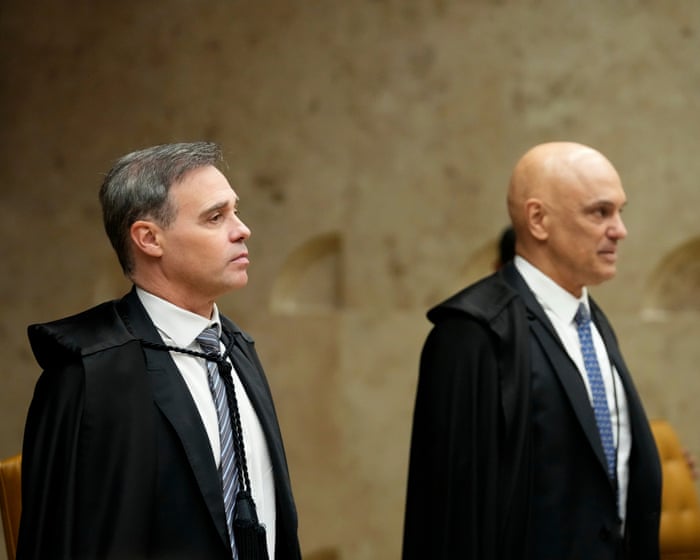
Brazil’s supreme court is experiencing a major conflict between two judges, Alexandre de Moraes and André Mendonça, shortly before the country’s presidential election. The dispute involves accusations of political bias, connections to a banking scandal, and concerns about influence on the election.
Key Facts
Judges Alexandre de Moraes and André Mendonça openly argued during a live-streamed supreme court hearing.
Moraes accused Mendonça of supporting a political group behind a failed coup attempt in Brazil.
Mendonça was appointed by former President Jair Bolsonaro and is seen by some as aligned with Bolsonaro’s interests.
Moraes has ties with the left-wing former president Luiz Inácio Lula da Silva and prosecuted Bolsonaro’s father for a failed 2022 coup plot.
The Banco Master scandal involves a collapsed bank owner linked to many high-profile political and judicial figures, including both Moraes and Bolsonaro family members.
Mendonça was accused of fast-tracking investigations against Moraes while delaying probes related to Bolsonaro and the bank scandal.
Private messages and contracts surfaced showing possible financial links between Moraes’s family and Banco Master.
The conflict raises fears of political interference and instability just weeks before Brazil’s critical presidential election.
Read the Original
Want the full story? Tap a source to open the original
article.
The IRS is expected to update tax brackets for 2027 to address "bracket creep," which happens when inflation pushes people into higher tax rates without real income increases. These changes aim to keep tax rules fair as prices rise.
Key Facts
The IRS plans to adjust tax brackets in 2027.
Adjustments are to prevent "bracket creep."
"Bracket creep" occurs when inflation causes taxpayers to move into higher tax brackets even if their real income hasn't increased.
Updating tax brackets helps maintain fairness in the tax system.
These changes are projections and may be adjusted before 2027.
Inflation affects how much tax people pay over time.
The goal is to ensure taxes reflect actual income changes, not just price increases.
Read the Original
Want the full story? Tap a source to open the original
article.
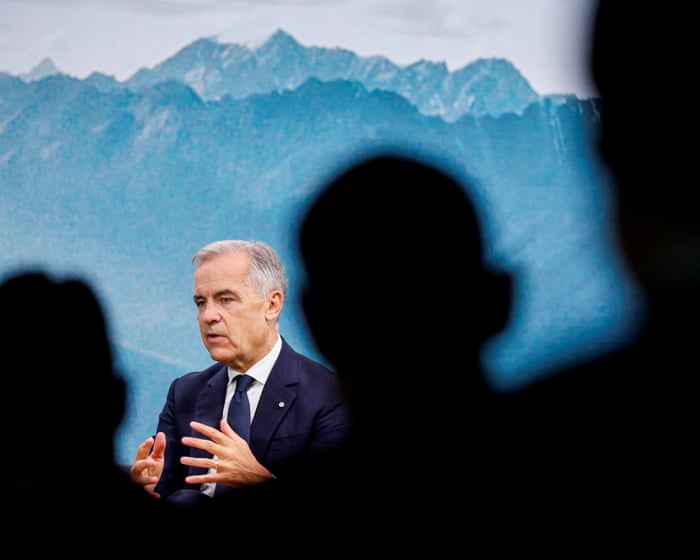
Canada plans to build a special security and economic partnership with the European Union as it looks to reduce its dependence on the United States for trade. Prime Minister Mark Carney described Canada as a safe place for investment and highlighted the need to diversify economic partnerships due to recent tensions in U.S.-Canada trade relations.
Key Facts
Canada wants a unique economic and security alliance with the EU to adapt to global changes.
Prime Minister Mark Carney spoke at the Canada Investment Summit about reducing reliance on U.S. trade.
Recent quarrels with the U.S. have made Canada seek new trade partners to avoid economic problems.
Canada is the only non-European country part of Europe’s defense purchasing program.
Talks between Canada and the EU are in early stages and include ideas like visa-free travel and work rights.
Carney will attend important EU meetings, including European Commission President Ursula von der Leyen’s state of the union speech.
The EU wants to bring Canada closer without offering full or associate membership.
Current Canada-EU deals cover free trade, digital cooperation, raw materials, research, and environmental goals.
Read the Original
Want the full story? Tap a source to open the original
article.
Attorney General Todd Blanche said there is no problem with a wedding gift given to President Donald Trump’s son, Donald Trump Jr., by a close friend who supports Russian President Vladimir Putin. Blanche shared this information during a press briefing at the White House.
Key Facts
Donald Trump Jr. received a wedding gift from a friend who is an ally of Vladimir Putin.
The gift was given around the time of Donald Trump Jr.’s wedding earlier this year.
Attorney General Todd Blanche addressed concerns about this gift.
Blanche said Donald Trump Jr. has described the giver as a very close friend.
Blanche made these remarks during a press briefing at the White House.
No legal or ethical issues regarding the gift were reported by Blanche.
Read the Original
Want the full story? Tap a source to open the original
article.
Attorney General Todd Blanche said Democrats are using concerns about artificial intelligence (AI) to influence the upcoming midterm elections. He supports President Donald Trump’s statement that worries about AI are a "hoax" and says the Justice Department will only investigate criminal acts involving AI, not regulate its development.
Key Facts
Attorney General Todd Blanche accused Democrats of timing AI concerns to affect midterm elections.
President Trump called warnings about AI dangers a "hoax" and opposed new government limits on AI.
Blanche said the Justice Department will investigate illegal acts involving AI using current laws.
Blanche stated the Justice Department’s role is to prosecute crimes, not regulate AI.
Senator Bernie Sanders plans to introduce a bill to ban the development of "superintelligent" AI.
Sanders and Representative Greg Casar want to slow AI development and add safeguards.
Democrats and independents have raised concerns about AI’s impact on jobs and national security.
Sanders suggested President Trump negotiate an AI development pause with China’s leader Xi Jinping.
Read the Original
Want the full story? Tap a source to open the original
article.
Many Americans feel they spend too much time on their smartphones. In response, new products and services are encouraging people to use simpler phones or take breaks from digital devices to reduce distractions and improve focus.
Key Facts
A Pew Research Center survey shows 53% of American adults think they use their smartphones too much, with 70% of people under 30 sharing this view.
Some companies now sell basic phones that lack social media, email, and web browsers to help users avoid distractions. For example, the Light Phone III costs $899 and has modern features but no apps.
Other devices, such as the $59 Brick, help block apps temporarily, requiring physical action to unblock them.
Businesses offer services like Kanso’s "phone hotel," where participants pay $40 monthly to store their phones during social activities to encourage face-to-face conversations.
Eventbrite reports a 117% increase in "meet-cute" events in the first half of 2026, where people meet offline in carefully planned settings.
Tinder launched Tinder Events in 2026 to promote in-person meetings beyond its usual app-based interactions.
The trend shows a growing demand for tools and experiences that reduce digital distractions and foster real-world connections.
Read the Original
Want the full story? Tap a source to open the original
article.
A study by British Future shows many people in the UK believe racial equality is getting worse, with ethnic minority groups feeling more discrimination, especially young adults. The report highlights differences in views between ethnic minorities and white people, with concerns about inequality in jobs, education, and public services.
Key Facts
One in six people in Britain belong to ethnic minority groups.
Nearly half of ethnic minority respondents said they faced racial or nationality prejudice in the past year.
Younger people (18-24) reported higher rates of prejudice, mainly in public places, social media, and work.
62% of ethnic minorities and 57% of white people see racial inequality as a serious problem.
Some white people think minorities get special treatment, while most ethnic minorities disagree.
Black respondents were more positive about progress on racial equality compared to Bangladeshi and Pakistani heritage groups.
Ethnic minority women showed more pessimism about racial equality than men.
The report recommends the UK government work to reduce racism, support community efforts, and enforce rules against online racism.
Read the Original
Want the full story? Tap a source to open the original
article.
A cryptocurrency regulation bill called the Clarity Act did not pass a key vote in the Senate. The vote was 49-50, not reaching the 60 votes needed to continue discussing the bill.
Key Facts
The Clarity Act aimed to regulate cryptocurrency.
The Senate vote was 49 in favor and 50 against.
The bill needed 60 votes to move forward but fell short.
All Democrats and some Republicans voted against the bill.
This vote slowed down efforts to create clearer rules for crypto companies.
The cryptocurrency industry supports the bill to create regulations.
The vote was a setback for those wanting to regulate cryptocurrencies in the U.S.
Read the Original
Want the full story? Tap a source to open the original
article.
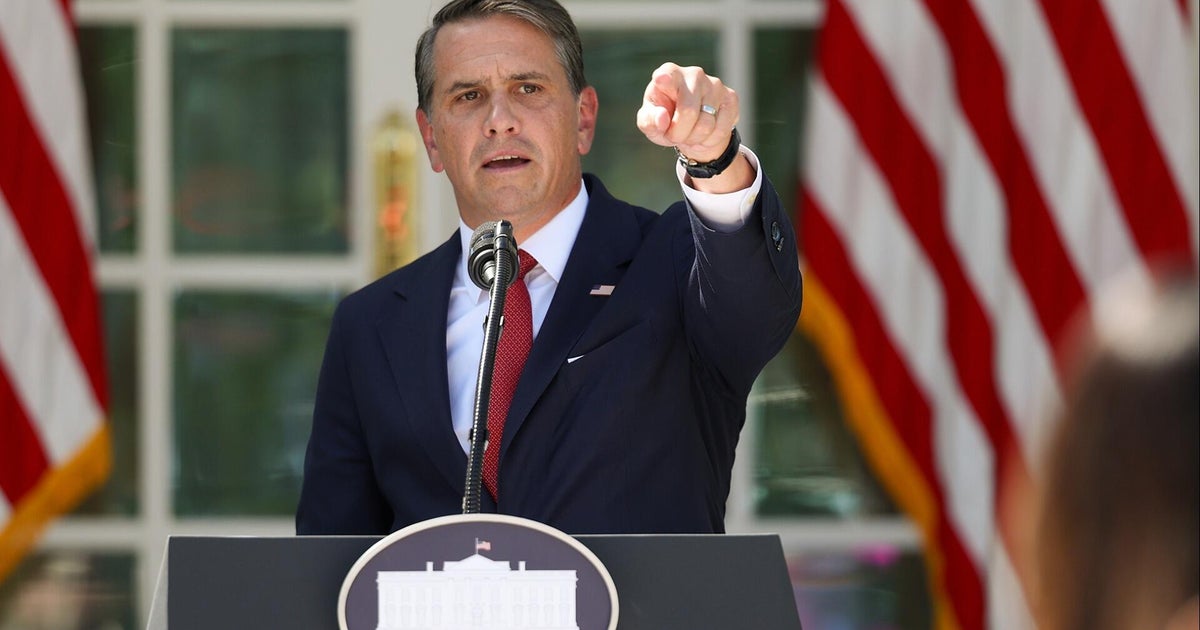
Attorney General Todd Blanche spoke at a White House press briefing about the Justice Department’s possible role in regulating artificial intelligence (AI) and ongoing legal issues related to mail-in voting. After his remarks, CBS News reporters provided additional information on these topics.
Key Facts
Attorney General Todd Blanche led a press briefing at the White House.
He discussed the Justice Department’s potential involvement in making rules for artificial intelligence (AI).
Blanche addressed legal battles around the use of mail-in voting.
The briefing included a question-and-answer session with reporters.
CBS News reporters Ed O'Keefe and Nicole Sganga followed with further explanations.
The briefing took place on a Tuesday.
Read the Original
Want the full story? Tap a source to open the original
article.
President Donald Trump’s pollster, Tony Fabrizio, gave Republicans advice on how to handle criticisms of AI data centers. He suggests candidates support data centers only if companies pay for their own power and protect local resources, instead of giving simple support without conditions.
Key Facts
Tony Fabrizio, President Trump’s pollster, wrote a memo with advice for Republican candidates on AI data centers.
He warns that openly supporting more data centers without conditions will be harmful politically.
Fabrizio suggests candidates should demand that tech companies fund their own power needs and protect local water and utility costs.
The memo provides a three-step script: acknowledge voter concerns, reject projects that hurt families or communities, and accept projects only with strict conditions.
Fabrizio’s polls find 61% of voters support data centers if there are conditions; only 28% support banning them outright.
Without conditions, 65% of voters oppose building more data centers.
President Trump continues to support data centers, calling them beneficial for wealth and states’ economies.
Fabrizio plays a key role in guiding the GOP’s political messaging for the upcoming elections.
Read the Original
Want the full story? Tap a source to open the original
article.
Staying informed here is free for everyone. If it's worth something to you, pay what you want. Supporters also get the daily digest by email every morning.
Armadillos, small mammals with armor-like shells, are moving into new states like Ohio for the first time by natural migration. Experts say this northward movement is partly due to climate change, which creates warmer environments that armadillos need to survive.
Key Facts
An armadillo was found dead on a road in Ohio, considered the first natural migration to that state.
Previously, armadillos seen in Ohio were believed to have traveled there by hitching rides on vehicles.
Armadillos are native to South America and have gradually expanded their range in the U.S. since 1849.
They have a hard shell, little fur, and can be about the size of a house cat.
Armadillos are sensitive to cold and usually live in warmer southern states.
Climate change and land use changes are helping armadillos move north and east.
They can hold their breath underwater for up to six minutes and often give birth to four identical babies.
Armadillos can carry leprosy, so people should avoid close contact with them.
Read the Original
Want the full story? Tap a source to open the original
article.
The Congressional Budget Office (CBO) reported that the U.S. war in Iran has already cost about $38 billion. The CBO expects the monthly cost to increase by another $3 billion.
Key Facts
The Congressional Budget Office released its report on Tuesday.
The war in Iran has cost an estimated $38 billion so far.
Costs are expected to rise by $3 billion every month.
The report was covered by CBS News correspondent James LaPorta.
The report highlights ongoing financial impacts of the Iran conflict.
This information helps Congress understand the war's budget impact.
The report was made available through CBS News platforms.
Read the Original
Want the full story? Tap a source to open the original
article.