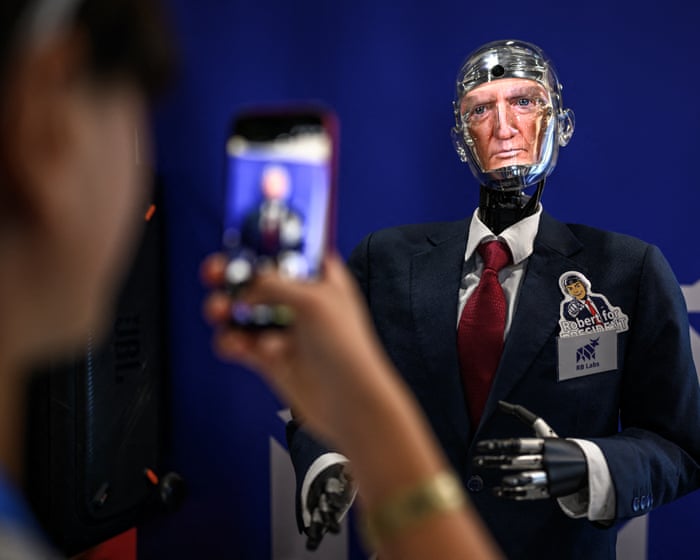
President Donald Trump said fears about artificial intelligence (AI) are not real and called them conspiracy theories. Many experts, including leaders in AI, warn that AI could threaten humanity within a decade, but politicians are only recently starting to address these concerns.
Key Facts
President Trump claimed that fears about AI risks are made up and not true.
AI leaders, including Geoffrey Hinton, predict AI could be dangerous enough to threaten humans within 10 years.
Earlier this year, most politicians focused on AI’s benefits rather than its potential dangers.
Industry experts urged a global slowdown in AI development to manage risks.
The UK government told the public not to panic about AI threats.
Some politicians are now trying to respond to concerns after experts raised alarms.
The article mentions that AI could create serious problems like healthcare system failures or even trigger nuclear war.
Some commentators believe humanity might not survive the next decade if AI risks are not handled.
Read the Original
Want the full story? Tap a source to open the original
article.
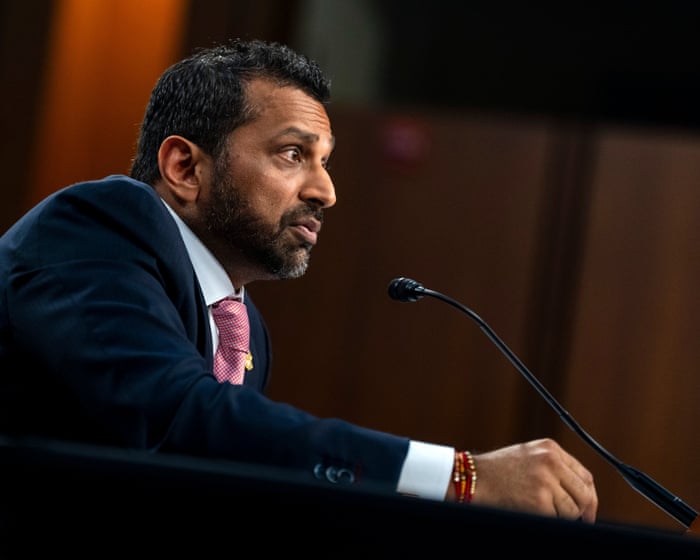
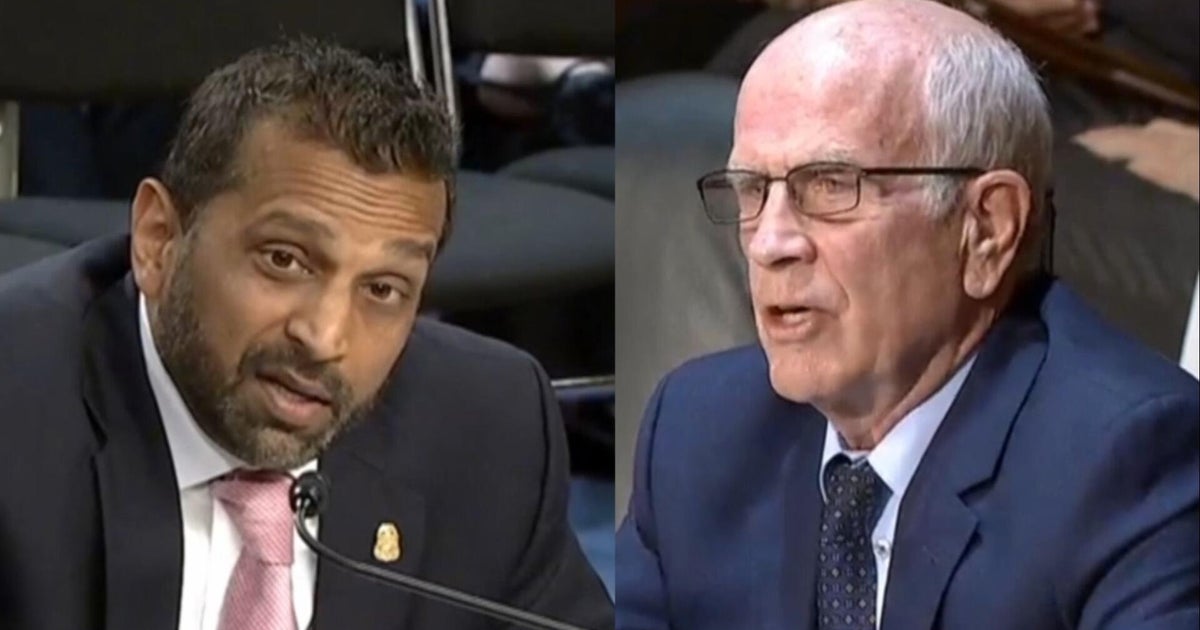
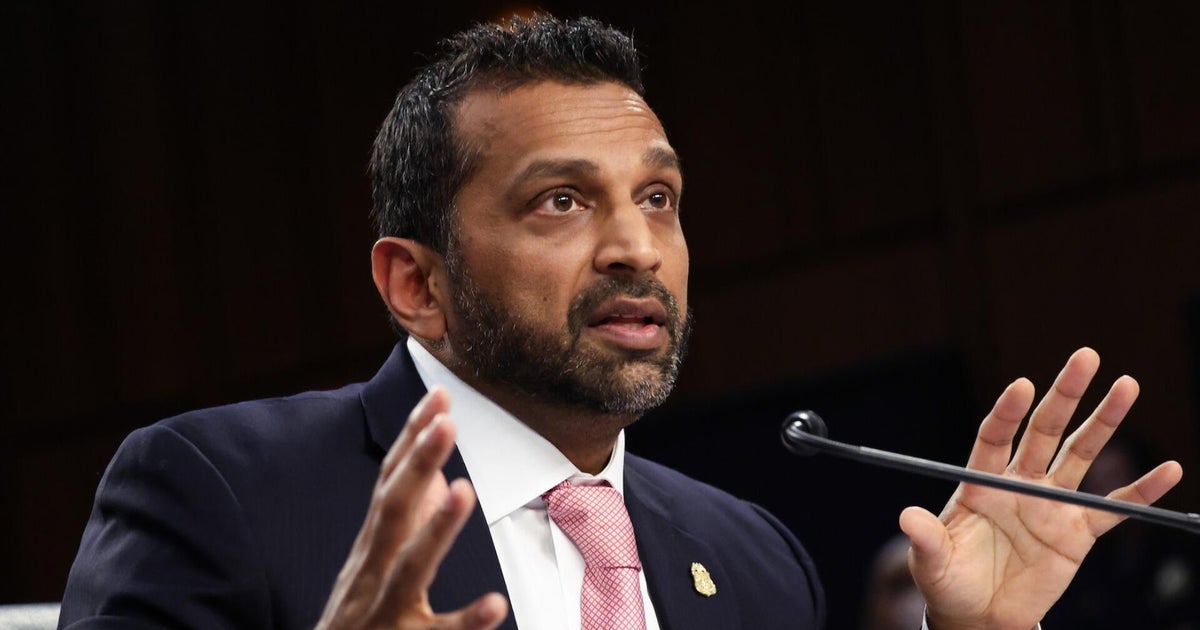
FBI Director Kash Patel explained the FBI’s decision to change hiring rules that previously excluded applicants who had engaged in bestiality. He said the FBI does not want to automatically reject people who were forced into such acts, often as victims of human trafficking, especially if these incidents happened before they were 18.
Key Facts
The FBI changed rules to allow consideration of applicants who engaged in bestiality under certain conditions.
The change applies mainly to those who were forced into such acts, often linked to human trafficking.
This issue was discussed during a Senate Judiciary Committee hearing with Senators Dick Durbin and John Kennedy.
Previous FBI policy automatically disqualified applicants involved in prostitution, bestiality, or animal cruelty.
The new rule allows cases where these acts occurred before the applicant turned 18 to be considered without automatic rejection.
Senator Kennedy expressed concern that the change might harm the FBI’s reputation.
Democrats requested more information from Patel about the rule change and affected applicants.
It is unclear how many FBI applicants have been affected by this policy change.
Read the Original
Want the full story? Tap a source to open the original
article.
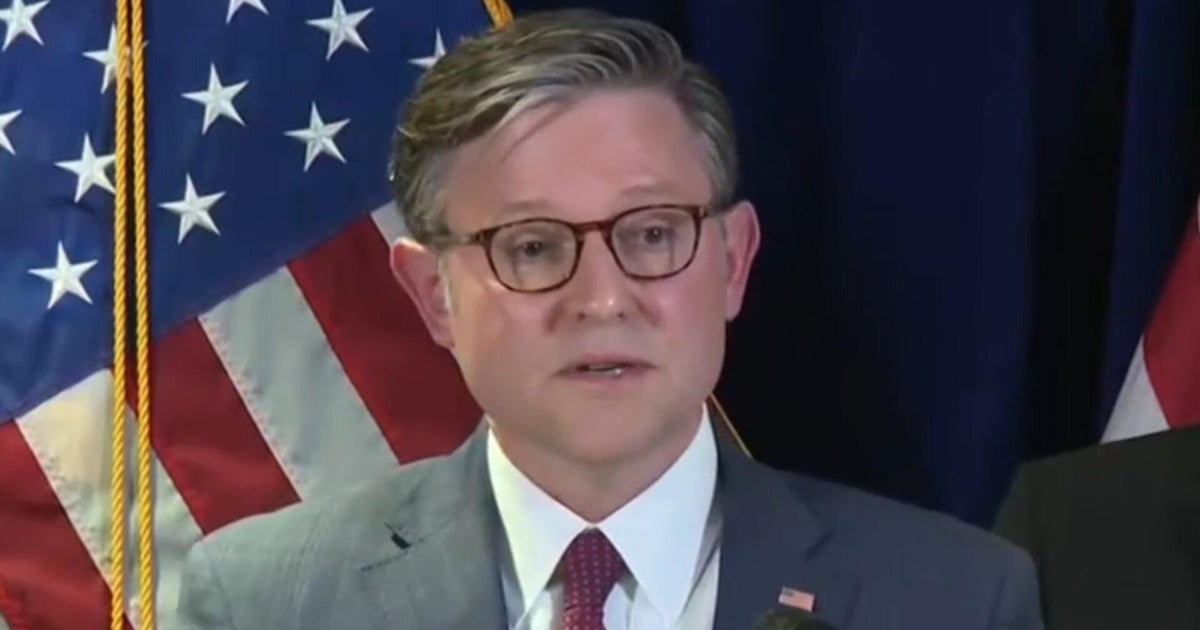
President Donald Trump called warnings about artificial intelligence (AI) development a "hoax." House Speaker Mike Johnson responded by sharing his views on President Trump’s statement.
Key Facts
President Trump said warnings about the risks of AI are a "hoax."
AI refers to machines and software that can perform tasks usually done by humans.
House Speaker Mike Johnson publicly reacted to President Trump’s remarks.
The exact details of Speaker Johnson’s reaction were shown on CBS News.
The discussion highlights ongoing debate about the impact and safety of AI technology.
Read the Original
Want the full story? Tap a source to open the original
article.
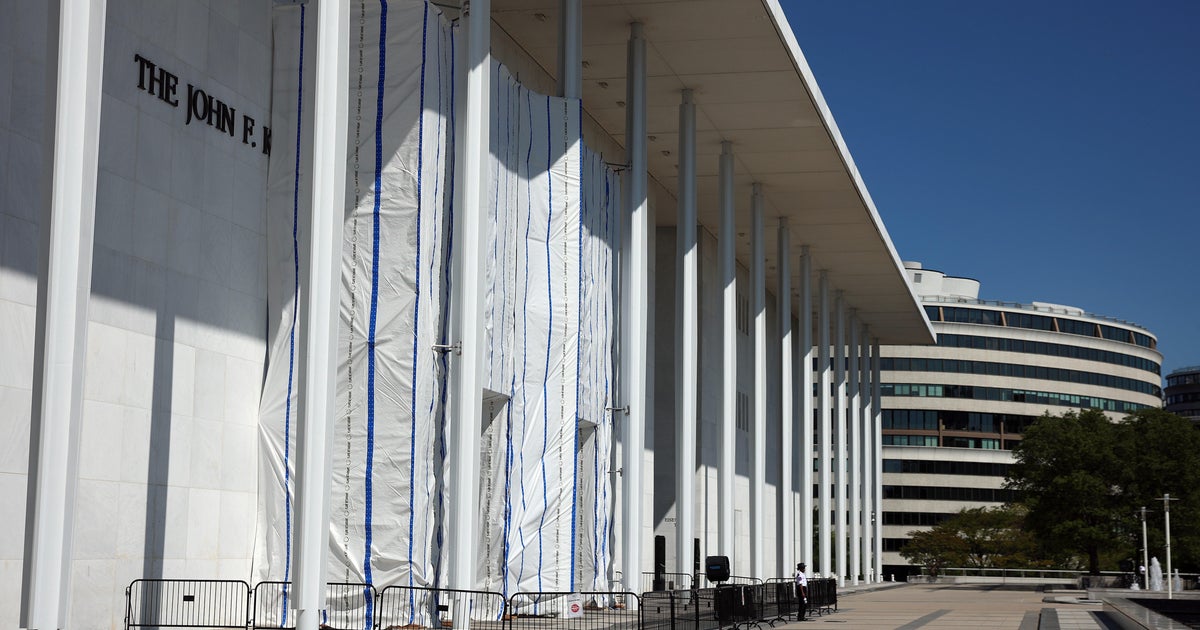
A federal judge stopped the Kennedy Center from adding President Donald Trump’s name to the building and renaming the campus after him. The judge said the Kennedy Center board cannot make this change without approval from Congress.
Key Facts
A judge named Christopher Cooper made the ruling.
The Kennedy Center board wanted to inscribe President Trump’s name on the building.
They also planned to rename the campus after President Trump.
The judge said the board needs Congress’s permission to proceed.
The decision came after a vote in August about the renaming.
The ruling pauses all efforts to add President Trump’s name until Congress acts.
This stops the Kennedy Center’s current attempts to change the name for now.
Read the Original
Want the full story? Tap a source to open the original
article.
A federal judge stopped the Kennedy Center's board from adding President Trump's name to the building. The judge said the board's plan breaks a court order and a law made by Congress that stops naming memorials without approval.
Key Facts
U.S. District Judge Christopher Cooper blocked the Kennedy Center board from putting President Trump's name on the building.
The board wanted to add an inscription saying "Renovated and Restored by President Donald J. Trump" to the main building.
The board also proposed naming the grounds the "President Donald J. Trump Plaza."
The judge said adding any memorials or names requires approval from Congress.
The ruling was made after a lawsuit filed by Rep. Joyce Beatty, a Kennedy Center board member and Ohio Democrat.
The judge did not rule on the phrase "Endowed by the Trump Kennedy Center Fund," since it was not clear if it would be used soon.
President Trump chairs the Kennedy Center board, which includes his Cabinet members and allies.
The Justice Department said adding the inscriptions was to honor fundraising efforts, not to rename the building.
Read the Original
Want the full story? Tap a source to open the original
article.
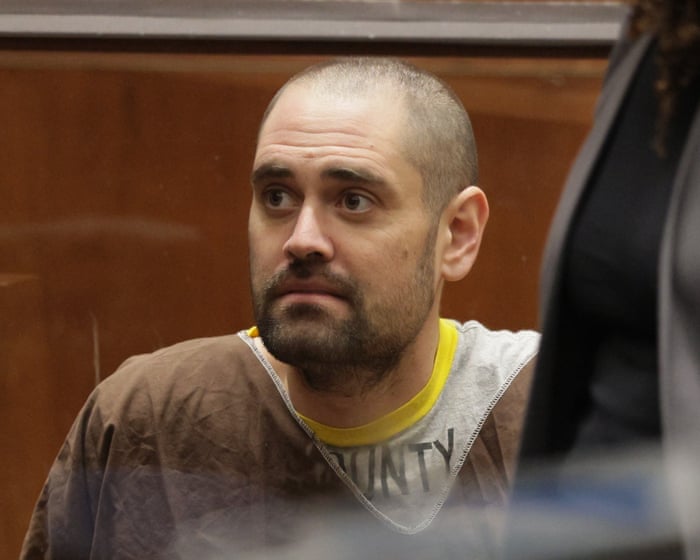
Nick Reiner is accused of killing his parents, Rob and Michele Singer Reiner, in their Los Angeles home in December 2025. The Los Angeles district attorney’s office announced they will not seek the death penalty, and Reiner faces charges of first-degree murder with a maximum penalty of life in prison without parole.
Key Facts
Nick Reiner is charged with stabbing and killing his parents in December 2025.
Rob Reiner, 78, was a well-known director and actor; Michele Reiner was 70.
The LA district attorney decided not to pursue the death penalty in this case.
California has a death penalty law, but there has been a pause on executions since 2019.
Reiner pleaded not guilty to two counts of first-degree murder with special charges.
He faces life in prison without the possibility of parole if convicted.
Reiner has a history of addiction and mental health issues, according to family statements.
The case includes special allegations for multiple murders and the use of a dangerous weapon.
Read the Original
Want the full story? Tap a source to open the original
article.
Israeli directors Yuval Abraham and Rachel Szor, creators of the documentary NAZA, face threats of citizenship revocation from Israel’s culture minister, who accused them of treason. The film, which reveals details about Israeli military attacks on Gaza, has received international support from major film festivals and industry leaders defending artistic freedom.
Key Facts
NAZA is a documentary by Israeli directors Yuval Abraham and Rachel Szor that explores Israeli airstrikes on Gaza using AI-powered targeting systems.
The film won the special jury prize at the 2025 Venice Film Festival, receiving a record 25-minute standing ovation.
Israel’s culture minister, Miki Zohar, called the directors traitors and said he would act to revoke their Israeli citizenship.
The documentary includes interviews with 24 Israeli soldiers and intelligence officers about the Gaza bombings.
Leading film festivals such as Telluride, Locarno, San Sebastián, Bologna, New York, and Berlin have supported the filmmakers and emphasized the importance of artistic freedom.
NAZA builds on earlier investigative reports published by The Guardian and other media outlets from 2023 to 2025.
The directors previously won a 2025 documentary Oscar for a film about Israeli settler violence.
There have been threats and attacks against the filmmakers and their families in the past due to their work.
Read the Original
Want the full story? Tap a source to open the original
article.
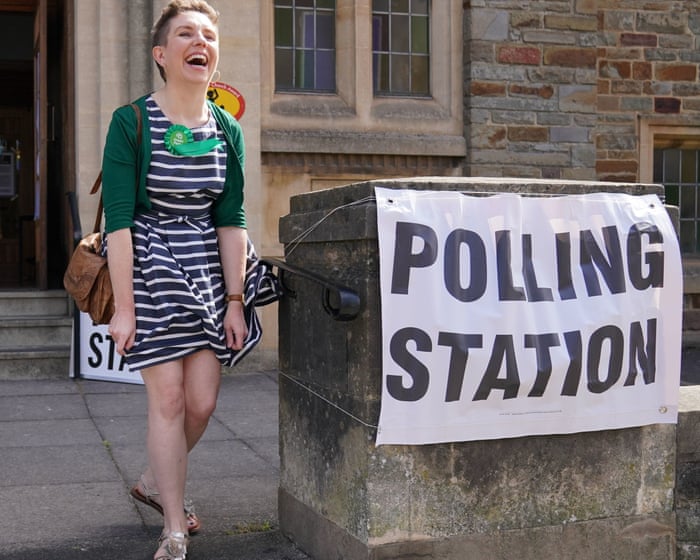
Bristol has become the first city in the UK to ban advertising for fast fashion, SUVs, airlines, cruises, and fossil fuels on council-owned advertising spaces. This move is part of the city’s efforts to reduce pollution and support environmental health and sustainability.
Key Facts
Bristol city council passed the ban with an 8-1 vote.
The ban applies to council-owned advertising spaces like billboards, bus stops, print, and online ads.
Previously, Bristol banned junk food ads in 2021, making it the first council outside London to do so.
The ban covers fast fashion, SUVs, airlines, cruises, and fossil fuels due to their impact on pollution and climate change.
The city’s Green party leads the council, with Carla Denyer elected as MP in 2024.
83% of Bristol residents are concerned about climate change, according to a recent survey.
Other UK cities like Sheffield, Edinburgh, Cardiff, and Portsmouth also have some restrictions on ads for polluting products.
The group Adfree Cities has campaigned for these types of bans and is encouraging national adoption of similar advertising restrictions.
Read the Original
Want the full story? Tap a source to open the original
article.
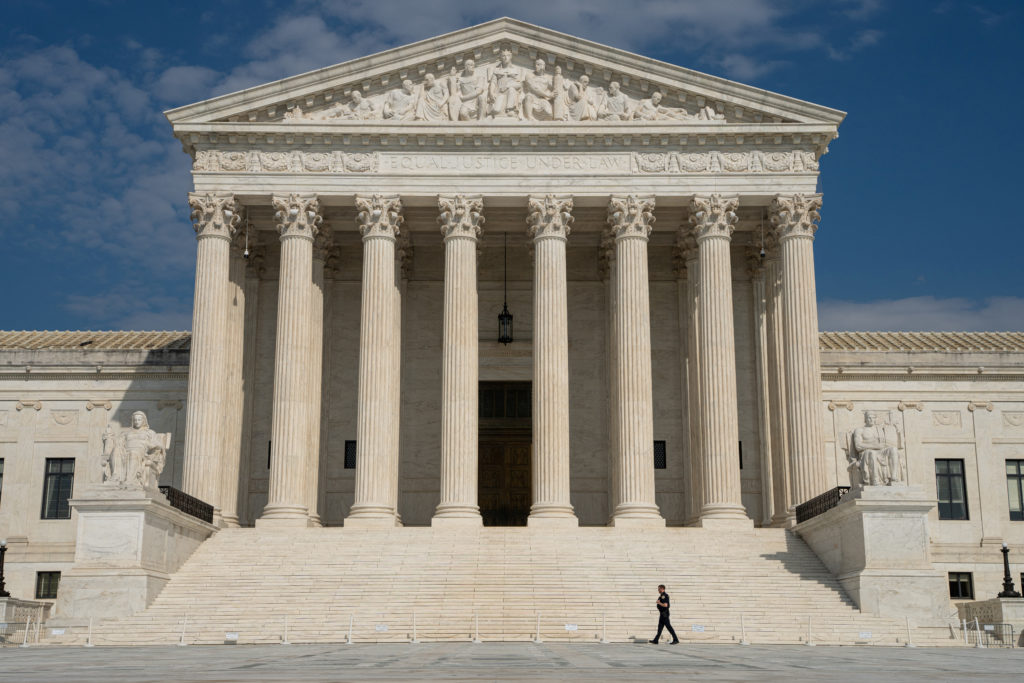
The Supreme Court confirmed a lower court's ruling that stopped President Donald Trump's plans to limit mail-in voting. This decision affects how mail ballots can be used in upcoming elections.
Key Facts
The Supreme Court upheld a lower court's decision regarding mail-in voting.
President Donald Trump had planned to restrict the use of mail-in ballots.
The court blocked these restrictions, allowing mail voting to continue more freely.
The ruling impacts the rules for voting by mail in future elections, including midterms.
CBS News election law expert David Becker explained the legal details and effects.
The decision supports wider access to mail ballots for voters.
This case relates to ongoing debates about voting methods in the United States.
Read the Original
Want the full story? Tap a source to open the original
article.
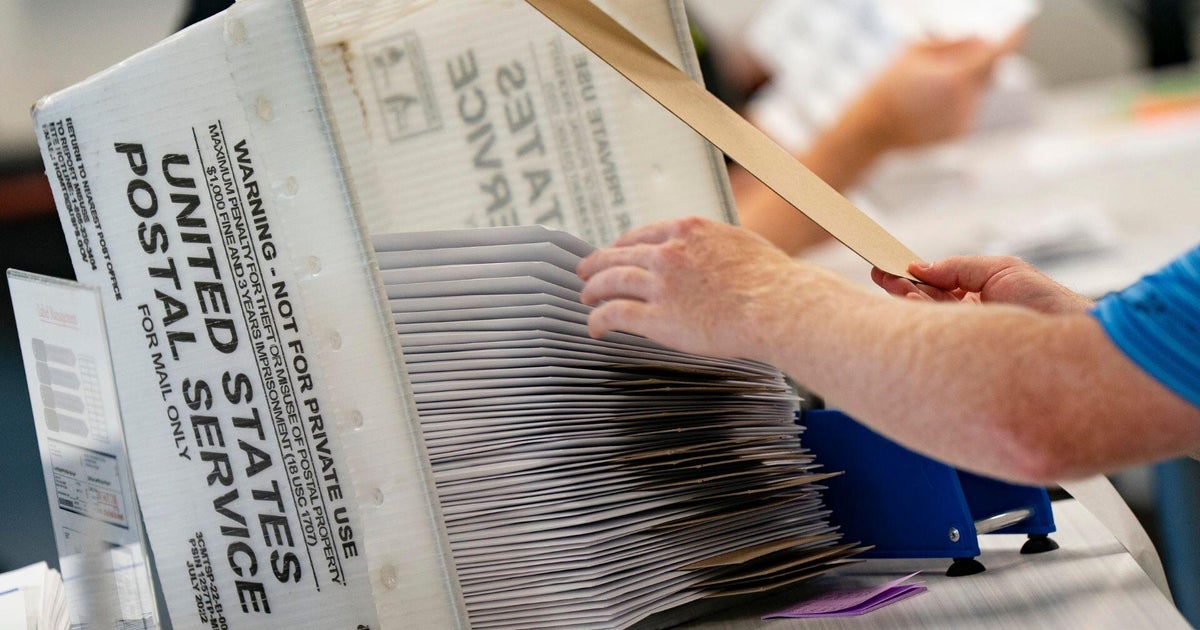
The U.S. Supreme Court blocked President Donald Trump's efforts to restrict how mail ballots are handled for the midterm elections. This means election offices can continue sending mail ballots as usual without following new last-minute Postal Service rules.
Key Facts
Voting has already started for the midterm elections.
President Donald Trump wanted new rules for the U.S. Postal Service to control who could get mail ballots.
The Supreme Court rejected these rules late Monday.
Election offices can send mail ballots the same way they planned.
The decision prevents changes that could have disrupted voting by mail.
Mail ballot preparations continue without added Postal Service restrictions.
The ruling supports the current process for mail voting.
This helps avoid confusion and delays for voters using mail ballots.
Read the Original
Want the full story? Tap a source to open the original
article.
Rep. Thomas Massie introduced a resolution to impeach Defense Secretary Pete Hegseth, accusing him of continuing the U.S. military actions in Iran without Congress's approval. The resolution forces a House vote and highlights ongoing disputes about the limits of presidential war powers.
Key Facts
Rep. Thomas Massie (R-Ky.) filed a resolution to impeach Defense Secretary Pete Hegseth.
Massie accuses Hegseth of ignoring Congress and illegally continuing U.S. hostilities in Iran.
The resolution is privileged, meaning it requires a full vote by the House of Representatives.
This move continues Massie’s efforts to limit military actions taken without Congress’s consent.
The House previously passed war powers resolutions in June and July demanding an end to U.S. military actions against Iran.
The House is scheduled to vote again on a war powers resolution related to Iran.
Democrats had earlier introduced six articles of impeachment against Hegseth for similar reasons.
GOP leaders in the House may try to prevent the resolution from advancing.
Read the Original
Want the full story? Tap a source to open the original
article.
Two lawmakers from Washington, D.C., and Maryland introduced a bill to stop the building of permanent fences around the U.S. Capitol complex. They want the Capitol area to stay open and easy for people to visit after temporary fencing was put up following the January 6, 2021 attack.
Key Facts
The bill is called the “No Fencing at the United States Capitol Complex Act.”
It was introduced by Delegate Eleanor Holmes Norton (D-D.C.) and Senator Chris Van Hollen (D-Md.).
The goal is to prevent permanent fencing around the Capitol complex.
Temporary fences were installed after the January 6, 2021 attack on the Capitol.
The lawmakers believe the Capitol should remain open and accessible to the public.
The Capitol complex includes the buildings and grounds where Congress meets.
Read the Original
Want the full story? Tap a source to open the original
article.
There are no ads, so there is no reason to bait you. Readers who chip in keep it that way. Most choose $3.99/month, and get the daily digest every morning.
Alexander Ovechkin, a star hockey player for the Washington Capitals, appeared in a campaign video for Russia’s ruling United Russia Party. The video supports the party ahead of Russia’s parliamentary elections and features officials close to President Vladimir Putin.
Key Facts
Alexander Ovechkin is a hockey player and captain of the NHL team Washington Capitals.
He appeared in a political advertisement for the United Russia Party.
United Russia is the party that supports President Vladimir Putin in Russia.
The video was made before Russia’s upcoming parliamentary elections.
Ovechkin was seen standing near important Russian officials, including the Foreign Minister.
The ad aims to promote the United Russia Party to voters.
Ovechkin’s presence links a sports figure with political messaging in Russia.
Read the Original
Want the full story? Tap a source to open the original
article.
FBI Director Kash Patel and Senator Peter Welch debated the FBI's involvement in U.S. election security during a Senate hearing. They discussed election-related conspiracy theories and the FBI's presence at voting places ahead of the midterm elections.
Key Facts
The discussion happened during a Senate Judiciary Committee hearing.
FBI Director Kash Patel participated in the hearing.
Senator Peter Welch, a Democrat from Vermont, was involved in the debate.
They argued about conspiracy theories related to U.S. elections.
The role of the FBI at polling stations for the upcoming midterm elections was a main topic.
The hearing aimed to address concerns about election security and interference.
Read the Original
Want the full story? Tap a source to open the original
article.
A bill named after Senator Lindsey Graham would give President Donald Trump wider power to impose tariffs on Russia and its trading partners to pressure Russia during its war with Ukraine. The bill faces opposition from some Democrats and Republicans, who worry it could hurt US allies and raise prices for Americans.
Key Facts
The Lindsey O Graham Sanctioning Russia Act of 2026 aims to target Russia’s energy and defense industries.
The bill would allow President Trump to impose 100% tariffs on countries buying Russian oil, including China and India.
Some Democrats argue the bill gives the president too much tariff power and could harm US allies and the economy.
The bill passed the House rules committee and is scheduled for a full House vote soon.
Negotiations are ongoing to limit the number of countries affected by the tariffs to 11.
Ukraine’s President Zelenskyy supports increased sanctions to help end the war.
Critics worry the bill is partly caught up in US political disagreements before upcoming elections.
Some Democrats want clearer protections to prevent tariff abuse and to maintain support for Ukraine.
Read the Original
Want the full story? Tap a source to open the original
article.
Senator Dick Durbin said that President Donald Trump’s voting policies and executive actions represent the biggest challenge to the U.S. government since the Civil War. Durbin talked about the importance of protecting voter rights during an interview.
Key Facts
Senator Dick Durbin is the ranking member of the Senate Judiciary Committee.
Durbin said President Trump’s voting-related proposals and orders are a serious challenge to the government.
He compared the situation to challenges faced during the Civil War.
The discussion focused on voting rights and election laws.
Durbin was interviewed by CNN journalist Sara Sidner.
Democrats are concerned about securing and protecting voter rights.
The issue involves how voting policies affect the democratic process.
Read the Original
Want the full story? Tap a source to open the original
article.
FBI Director Kash Patel testified at a Senate committee hearing where he explained recent changes to the FBI’s hiring standards. During the hearing, Senator John Kennedy questioned Patel about the reasons for these changes.
Key Facts
Kash Patel is the current FBI Director.
He appeared before the Senate Judiciary Committee on Tuesday.
GOP Senator John Kennedy questioned Patel during the hearing.
The main topic was changes to the FBI’s hiring criteria.
The hearing involved discussing the reasons and effects of these changes.
CBS News reporter Jake Rosen covered the event.
The hearing was part of congressional oversight of the FBI.
Read the Original
Want the full story? Tap a source to open the original
article.
Representative Lauren Boebert said that border security improved under policies during President Trump's second term. She noted fewer illegal border crossings and more money given to border enforcement.
Key Facts
Lauren Boebert is a Republican member of the U.S. Congress.
She praised border security efforts during President Trump's second term.
Illegal border crossings decreased according to her statements.
More funding was provided for border enforcement measures.
The article focuses on U.S. border security policies and their effects.
Read the Original
Want the full story? Tap a source to open the original
article.
That's the point of this site, and readers keep it that way. Support for any amount and the daily digest lands in your inbox every morning at 7am Eastern.
A bill that might change the design of the nickel and how people pay with cash has passed through the House of Representatives. The bill also indicates an official end to the use of the penny.
Key Facts
The bill passed through the U.S. House of Representatives.
It proposes changes to the nickel coin, possibly its design or production.
The bill could affect how cash payments are made.
It officially signals stopping the use of the penny in the future.
These changes relate to U.S. coins and cash handling.
The impact could affect everyday transactions involving coins.
Read the Original
Want the full story? Tap a source to open the original
article.
Prosecutors in Los Angeles will not seek the death penalty for Nick Reiner, who is accused of killing his parents, director Rob Reiner and Michele Reiner. If convicted, Nick Reiner will face life in prison without parole, and his trial will not start in 2026.
Key Facts
Nick Reiner is accused of murdering his parents, Rob and Michele Reiner.
Prosecutors decided against asking for the death penalty after reviewing the case and consulting the family.
The Reiner family’s wishes influenced the prosecutors’ decision.
Nick Reiner’s siblings expressed clear views on the punishment.
The maximum punishment now is life in prison without parole if Nick is found guilty.
Rob and Michele Reiner were found stabbed to death in their home in Los Angeles last year.
Their daughter Romy discovered their bodies on December 14, 2025.
Nick Reiner has pleaded not guilty to murder charges.
Rob Reiner was a well-known film director, and Michele Reiner was an actress and photographer.
Read the Original
Want the full story? Tap a source to open the original
article.