A seven-year-old boy named Miles Phillips from Sydney, Australia, became popular after a video of him singing an original song went viral on social media. The song, called "Eastern Rosellas," was inspired by colorful birds he saw on a family visit to Raymond Island.
Key Facts
Miles Phillips is seven years old and lives in Sydney, Australia.
He wrote and performed a song called "Eastern Rosellas."
The song became popular after his dad shared a video on social media.
The song was inspired by Eastern Rosellas, colorful birds Miles saw on Raymond Island.
Miles and his dad Joel talked to the BBC about the song's impact.
Joel described the song's popularity as a "surreal moment."
The story was published by the BBC less than an hour ago.
Read the Original
Want the full story? Tap a source to open the original
article.
A climatologist warned that Europe is facing more heatwaves and wildfires as climate change increases risks. Thousands of people have been evacuated near Madrid due to large wildfires fueled by extreme heat.
Key Facts
Europe is experiencing more frequent heatwaves.
Wildfires have been spreading, especially near Madrid, Spain.
Thousands of residents have been evacuated because of these fires.
Scientists link the increase in heatwaves and wildfires to climate change.
The heatwaves and fires are causing severe environmental and safety challenges.
Experts are closely monitoring the situation to understand future risks.
This situation is part of a larger trend affecting multiple regions in Europe.
Climate change is causing hotter and drier conditions that help fires spread more easily.
Read the Original
Want the full story? Tap a source to open the original
article.
UNESCO added the archaeological site of Sebastia in the West Bank and several castles in southern Lebanon to its World Heritage List. This decision was made despite Israel’s objections, as Israel had asked the committee to reject these nominations.
Key Facts
UNESCO is a United Nations agency focused on education, science, and culture.
Sebastia is a small town in the West Bank with an important archaeological site.
The castles are located in southern Lebanon.
Israel opposed the listing of both sites and urged the committee to reject them.
Israel described the nominations as the "weaponization of cultural heritage."
The decision was made at a UNESCO meeting in South Korea.
The inscription means these places are officially recognized as having cultural or historical importance globally.
The committee’s decision highlights tensions related to cultural heritage in conflict regions.
Read the Original
Want the full story? Tap a source to open the original
article.
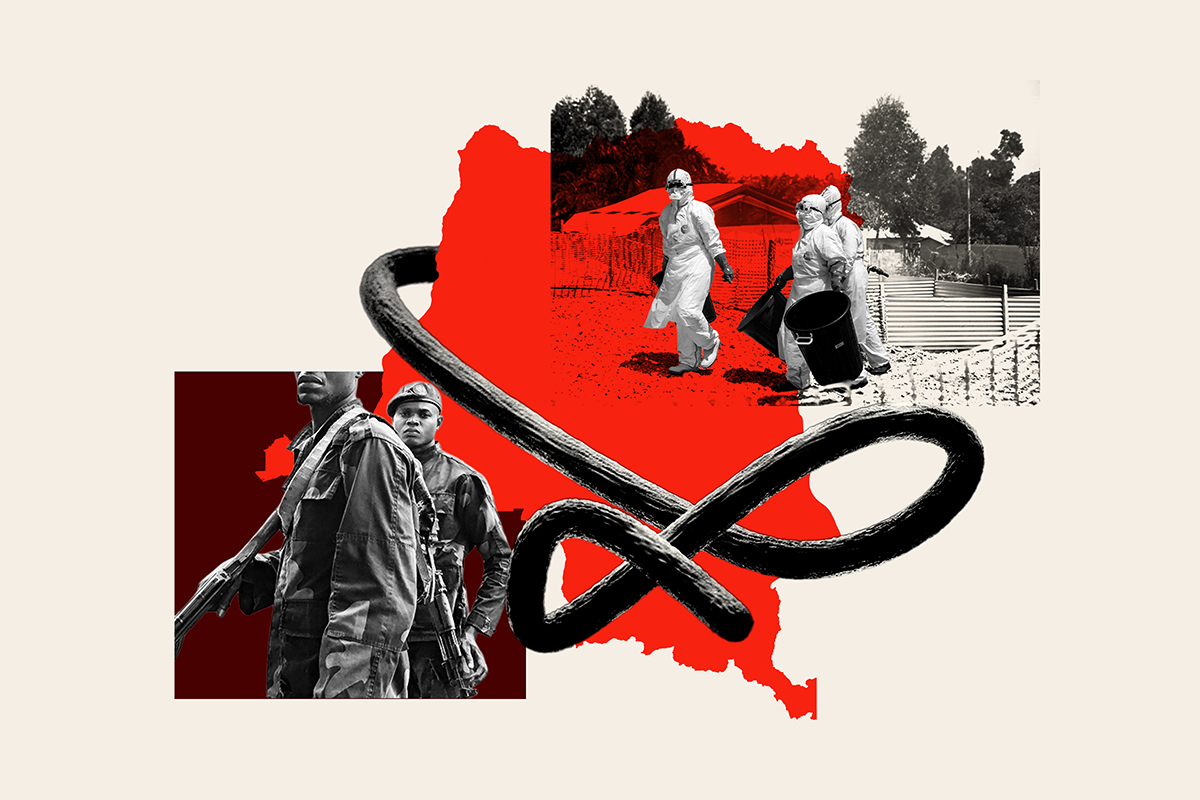
Multiple armed conflicts in the Democratic Republic of the Congo (DRC) are making it hard to control a worsening Ebola outbreak that has already killed over 1,000 people. The violence disrupts health efforts and risks spreading the disease to nearby countries and beyond.
Key Facts
The DRC has a population of over 120 million people and is about the size of several large European countries combined.
The country has suffered decades of wars and conflicts, causing over 6 million deaths mostly from disease and lack of medical care.
An Ebola outbreak in the DRC has infected over 2,500 people and caused more than 1,000 deaths.
The disease has spread from the DRC to neighboring Uganda.
Violence and insecurity prevent health workers from reaching some areas to provide vaccines and monitor the outbreak.
Fighting involves government forces, rebel groups like M23 supported by Rwanda, and other armed groups including the ADF, which has links to ISIS.
Experts warn the ongoing conflict and Ebola outbreak could cause regional instability and increase the risk of cases appearing in other countries, including the U.S.
The government of the DRC is led by President Félix Tshisekedi and is supported by some militias in the fight against rebel groups.
Read the Original
Want the full story? Tap a source to open the original
article.