The United States and China are competing to become the top country in artificial intelligence (AI). Controlling important resources like rare earth minerals and advanced computer chips is crucial for winning this race. Both countries are also making alliances to support their AI goals.
Key Facts
The main competitors in AI leadership are the United States and China.
AI dominance could give a country a strong advantage for many years.
Rare earth minerals are important for making technology used in AI.
Advanced semiconductor chips are key components for AI computing power.
Both countries are forming alliances, such as Pax Silica and WAICO, to boost their AI efforts.
The competition involves control over critical resources and partnerships.
Success in AI may depend on technology, resources, and international cooperation.
Read the Original
Want the full story? Tap a source to open the original
article.
Rescue teams in Nepal and Tibet are searching for survivors after floods caused by a glacier collapse killed over 1,270 people and left thousands missing. The disaster destroyed villages and infrastructure, and efforts continue to rescue trapped workers and begin rebuilding safer communities.
Key Facts
Over 1,270 people have died due to flash floods in Nepal and China, with more than 4,700 still missing.
The floods followed a glacier collapse near Langtang Lirung mountain in the Himalayas.
Hundreds of workers may be trapped inside hydropower plants, some in tunnels near the Nepal-China border.
Nepal’s disaster agency reported 1,252 bodies recovered and 4,216 people missing within the country.
Chinese authorities report 21 deaths and 541 missing in Tibet.
Rescue methods include helicopters, zip lines, and bulldozers clearing mud and debris.
About 20,000 houses are damaged or destroyed; officials plan to rebuild in safer locations.
Nepal’s government filed a formal climate compensation claim, citing responsibility of major greenhouse gas emitters.
Read the Original
Want the full story? Tap a source to open the original
article.
Carla Jeffery, an American actress known for her role in the Disney Channel movie Zombies and its sequels, died at the age of 33. Her agent and co-stars shared heartfelt tributes, but no cause of death has been announced.
Key Facts
Carla Jeffery acted as cheerleader Bree in Zombies (2018) and its two sequels (2020, 2022).
She had a recurring role on the TV show Curb Your Enthusiasm.
Her agent described her as a talented, vibrant woman with a bright smile.
No information about the cause of her death has been given.
Her management company asked for privacy for her family during this difficult time.
Her twin brother Carlon, also an actor, shared a personal message praising her strength and kindness.
Co-stars Chandler Kinney and Milo Manheim publicly expressed their sadness and admiration for her.
Carla Jeffery had been part of Alexanders Talent Management for more than 20 years.
Read the Original
Want the full story? Tap a source to open the original
article.
European Union foreign ministers failed to agree on new trade sanctions against Israeli settlements in the occupied West Bank due to disagreements among member states. The talks also showed divisions over increasing military aid to Ukraine amid ongoing Russian attacks, with some EU countries opposing additional funding and the use of frozen Russian assets.
Key Facts
Ireland, holding the EU Council presidency, and Spain want EU-wide sanctions on goods from Israeli settlements in the West Bank.
Some countries like Germany and Hungary opposed these sanctions during the meeting in Wicklow, Ireland.
France called for a stronger EU response to Israeli officials’ statements against Palestinians.
The EU is Israel’s largest trading partner, with trade over $50 billion annually.
EU foreign policy chief Kaja Kallas said lack of unanimity blocked progress on measures against Israel.
Several EU countries want consistent application of international law, comparing actions on Israel and Ukraine.
Ukraine requested more air defense systems due to increased Russian attacks, but Greece and Spain opposed funding with common EU money.
Some EU countries want to use frozen Russian assets to support Ukraine’s military, but Belgium resisted due to legal and financial issues.
Read the Original
Want the full story? Tap a source to open the original
article.
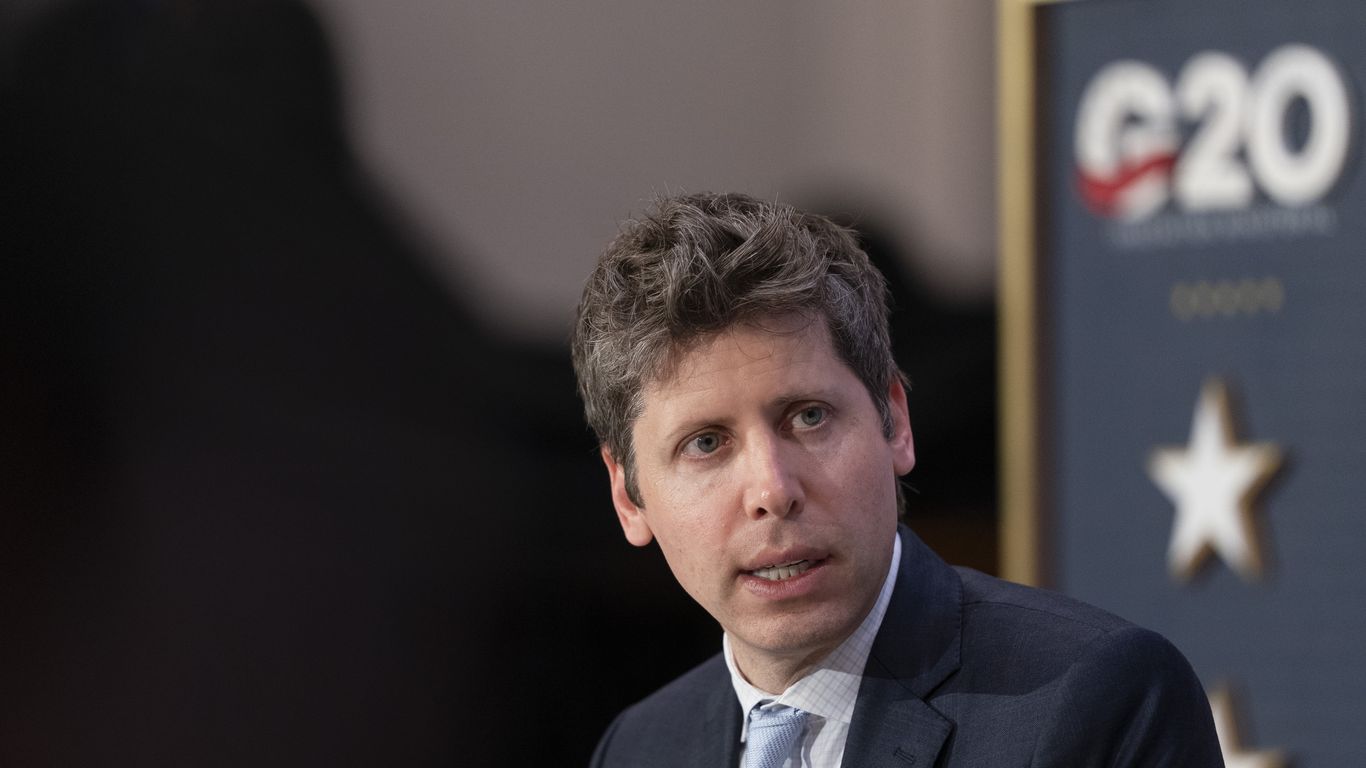
OpenAI CEO Sam Altman said the Trump administration reviewed the company’s new AI model, Astra, through a voluntary process designed to check advanced AI before release. Altman emphasized that working closely with governments worldwide is important as AI technology gets more powerful.
Key Facts
OpenAI’s Astra model is labeled as having "critical" cyber capabilities needing extra safety checks.
The Trump administration created a voluntary review system for advanced AI models before they launch.
This review can allow government officials up to 30 days to examine new AI models.
The government’s review process details are not publicly shared.
Altman spoke about AI safety at the G20 Innovation Ministerial and met Commerce Secretary Howard Lutnick.
OpenAI aims for humans to control AI’s future impact, not AI itself.
Nvidia CEO Jensen Huang warned against fear-driven views on AI and encouraged embracing its potential.
Altman expects more advanced AI models from OpenAI soon and urges society to carefully consider their impact.
Read the Original
Want the full story? Tap a source to open the original
article.
Brain implants, known as brain-computer interfaces (BCIs), are devices that connect the brain to computers to help treat neurological problems. The U.S. is falling behind China in developing and approving these devices, which raises concerns about both healthcare and national security.
Key Facts
BCIs are being tested to help people recover functions lost due to conditions like stroke or spinal cord injury.
China approved the world’s first commercial BCI this year that aids hand movement in spinal injury patients.
The U.S. is experiencing delays in BCI development due to regulatory and funding issues.
The National Security Commission on Emerging Biotechnology warns that China is advancing faster in this field.
BCIs could impact military tech and improve artificial intelligence training.
Companies such as Elon Musk’s Neuralink are leading U.S. efforts in BCI technology.
U.S. experts suggest clearer government rules and payment plans are needed to speed up BCI approval and use.
Privacy concerns exist over who controls brain data, and China currently has no specific laws protecting neural data.
Read the Original
Want the full story? Tap a source to open the original
article.
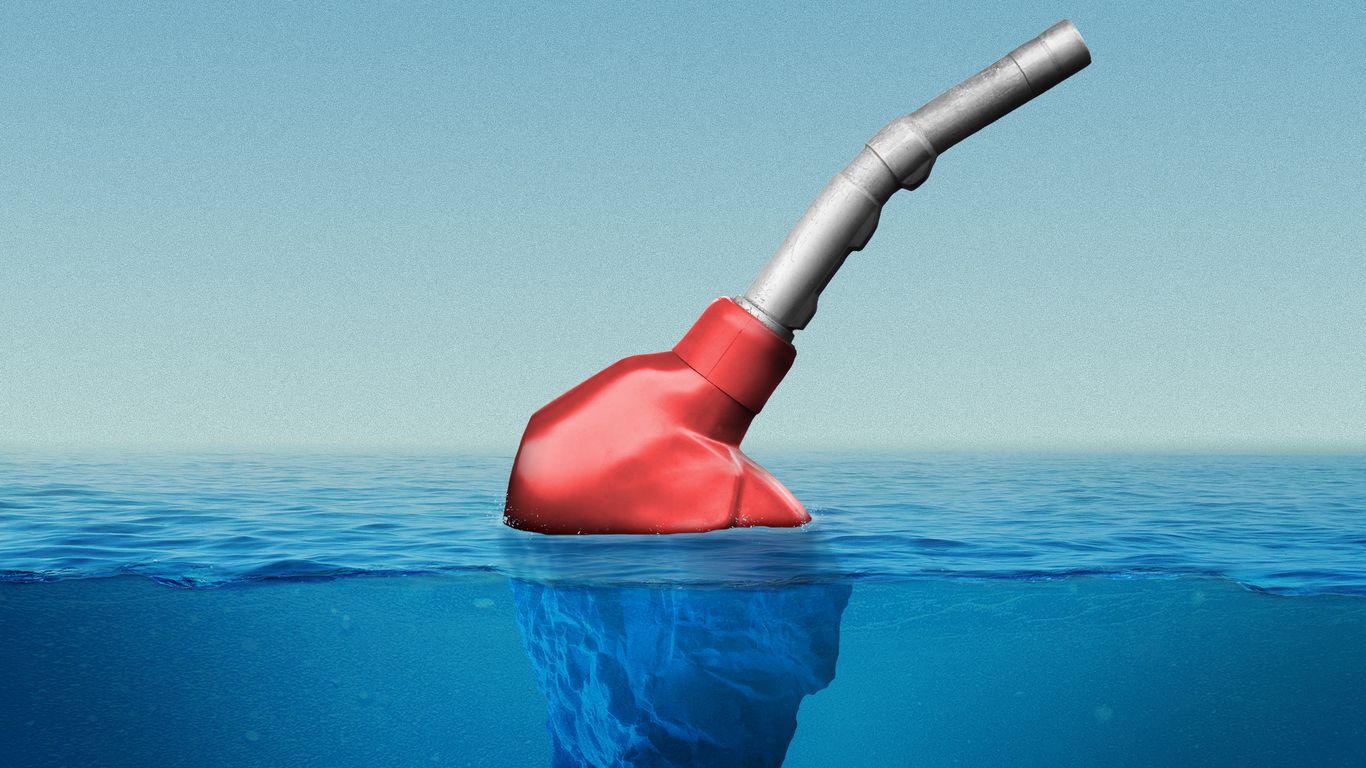
Oil prices are rising again because of the conflict between the U.S. and Iran, pushing the price toward $100 per barrel. This increase is causing higher costs for goods and loans around the world, affecting governments, companies, and people.
Key Facts
Oil prices fell after the war started but began rising again in July due to renewed tensions and attacks on ships.
Brent crude oil is trading at about $95 per barrel, up from the low $80s a month ago.
Diesel fuel futures have reached their highest price ever at $4.73 per gallon.
Higher energy prices are leading to higher inflation expectations, raising government bond yields worldwide.
The 10-year U.S. Treasury yield is about 4.8%, near a three-year high.
Bond yields in the U.K., Germany, and Japan have hit their highest levels in years due to rising energy costs.
The price of oil and bond yields are moving up together, while stock prices tend to move down as oil prices rise.
The ongoing conflict is increasing costs for transporting goods and farming, impacting overall economic prices.
Read the Original
Want the full story? Tap a source to open the original
article.
Norway seized a Russian ship called the Professor Molchanov in the Arctic to enforce a $4.22 billion compensation claim by Ukrainian energy company Naftogaz. The claim relates to assets Russia took in Crimea, which a tribunal at The Hague ruled in favor of Naftogaz in 2023.
Key Facts
Norway seized the Russian ship near the Svalbard archipelago after a 24-hour standoff.
The seizure enforces a compensation claim stemming from Russia's 2014 annexation of Crimea.
Naftogaz won a $4.22 billion arbitration award against Russia for illegally taking its assets.
Russia has not paid the compensation and calls Norway's action "piracy".
Russian officials say they will legally challenge the seizure.
The ship was used for commercial expedition cruises, including trips to Svalbard.
Naftogaz has been seeking compensation since 2016 and plans to pursue Russian assets worldwide.
Norwegian authorities are managing the passengers on board the ship.
Read the Original
Want the full story? Tap a source to open the original
article.
China has criticized a new French law that charges fees up to €20 per piece of ultra-fast fashion clothing from certain Asian online retailers. China says the law is unfair and has warned it may take steps to protect Chinese companies if France continues with the measure.
Key Facts
France passed a law targeting ultra-fast fashion, charging fees based on clothing volume and repair costs.
The law aims to reduce environmental damage and support local economies.
Fees can reach almost €20 for each garment sold by platforms like Shein and Temu.
China called the law "clearly discriminatory" and asked France to stop applying it.
China warned it might respond with measures to protect Chinese businesses.
Shein is known for very low prices and quick production of clothing.
Shein recently moved its headquarters to Singapore to avoid scrutiny.
The law took effect in France on Tuesday, March 3, 2026.
Read the Original
Want the full story? Tap a source to open the original
article.
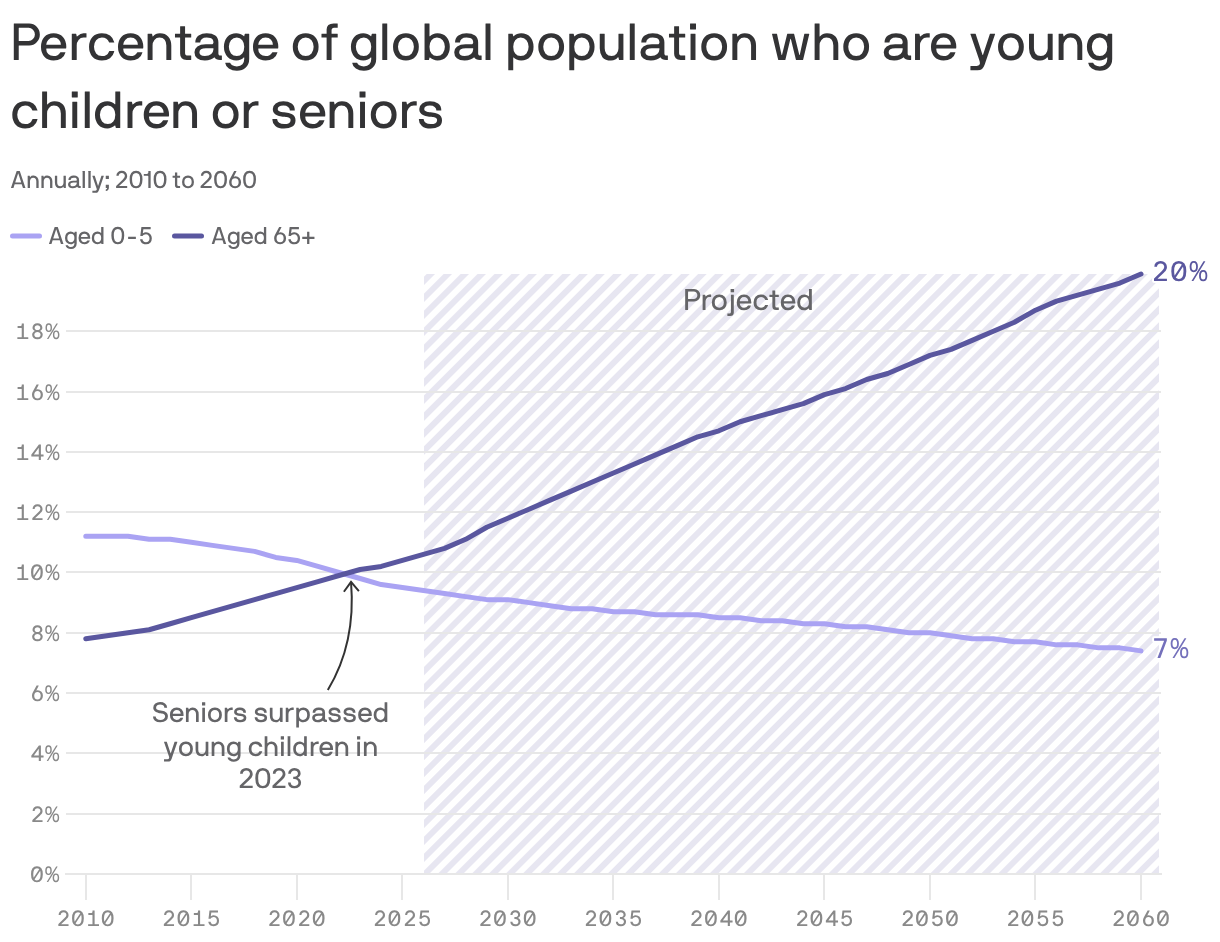
For the first time in history, there are more people aged 65 and older than children aged 5 and younger worldwide. This change is due to fewer babies being born and people living longer, which will affect how societies care for older adults in the future.
Key Facts
People aged 65+ worldwide outnumber children aged 5 and younger for the first time.
Fertility rates (average births per woman) have dropped below the 2.1 replacement level in over 71% of countries in 2023.
The 65+ population is expected to grow from 852 million in 2025 to 2 billion by 2060.
Aging populations put pressure on pensions, health care, and long-term care systems.
The U.S. is ranked 48th for oldest populations in 2025, with 18.9% aged 65+, rising to 23.4% by 2060.
Asia will see its 65+ population increase from 487 million to 1.24 billion by 2060, making up most of the global growth.
Africa will remain the youngest region but will have a 65+ population quadruple from 60 million to 249 million by 2060.
Longer lives offer opportunities for older adults to work longer, volunteer, and contribute to society.
Read the Original
Want the full story? Tap a source to open the original
article.
The US is extending its influence in global energy by making large oil deals, such as a 100-year concession on Venezuelan oil fields, while Gulf countries face supply interruptions. These disruptions allow US energy companies to increase exports and profits, changing the traditional US-Gulf energy relationship.
Key Facts
President Donald Trump announced a 100-year deal for 17 oil fields in Venezuela, securing about 65 billion barrels of oil.
QatarEnergy has delayed liquefied natural gas (LNG) deliveries to Europe, canceling 29 shipments this year, affecting countries like Italy.
Gulf countries like Kuwait, Saudi Arabia, and the UAE have seen a significant drop in oil exports partly due to regional insecurity.
US oil and gas production is filling the gap left by Gulf supply disruptions, leading to record profits for US energy companies.
The US government seeks strategic influence in the Gulf and over Iran, while energy companies seek access and profits.
Chevron, a major US company, controls large shares of Israel’s offshore gas fields and is expanding in Venezuela and Egypt.
Israel’s security concerns about Iran influence regional tensions, which maintain instability in the Gulf region.
Ongoing conflict in the region raises risks and prices in global energy markets, benefiting US energy interests.
Read the Original
Want the full story? Tap a source to open the original
article.
Alaska is trying to boost its oil industry while facing serious impacts from climate change, like melting glaciers and thawing permafrost. The U.S. government is supporting oil development and natural gas projects in Alaska, but some efforts face challenges like low industry interest and difficult economics.
Key Facts
Alaska's economy depends partly on oil, which is getting new support from the federal government.
The Trump administration is focused on expanding oil and gas drilling in Alaska, including Arctic areas.
A new North Slope oil field began producing in May, with another starting in 2029.
Alaska has some of the largest oil and gas reserves in the country and is the largest state by area.
Oil production in Alaska has been declining since the 1980s and current projects won’t restore past levels.
Leasing for oil drilling in the Arctic National Wildlife Refuge and Cook Inlet got very little industry interest.
A $50 billion natural gas pipeline project to export gas to Asia is struggling to progress.
Alaska’s glaciers are retreating quickly due to human-caused warming, threatening local ecosystems.
Read the Original
Want the full story? Tap a source to open the original
article.
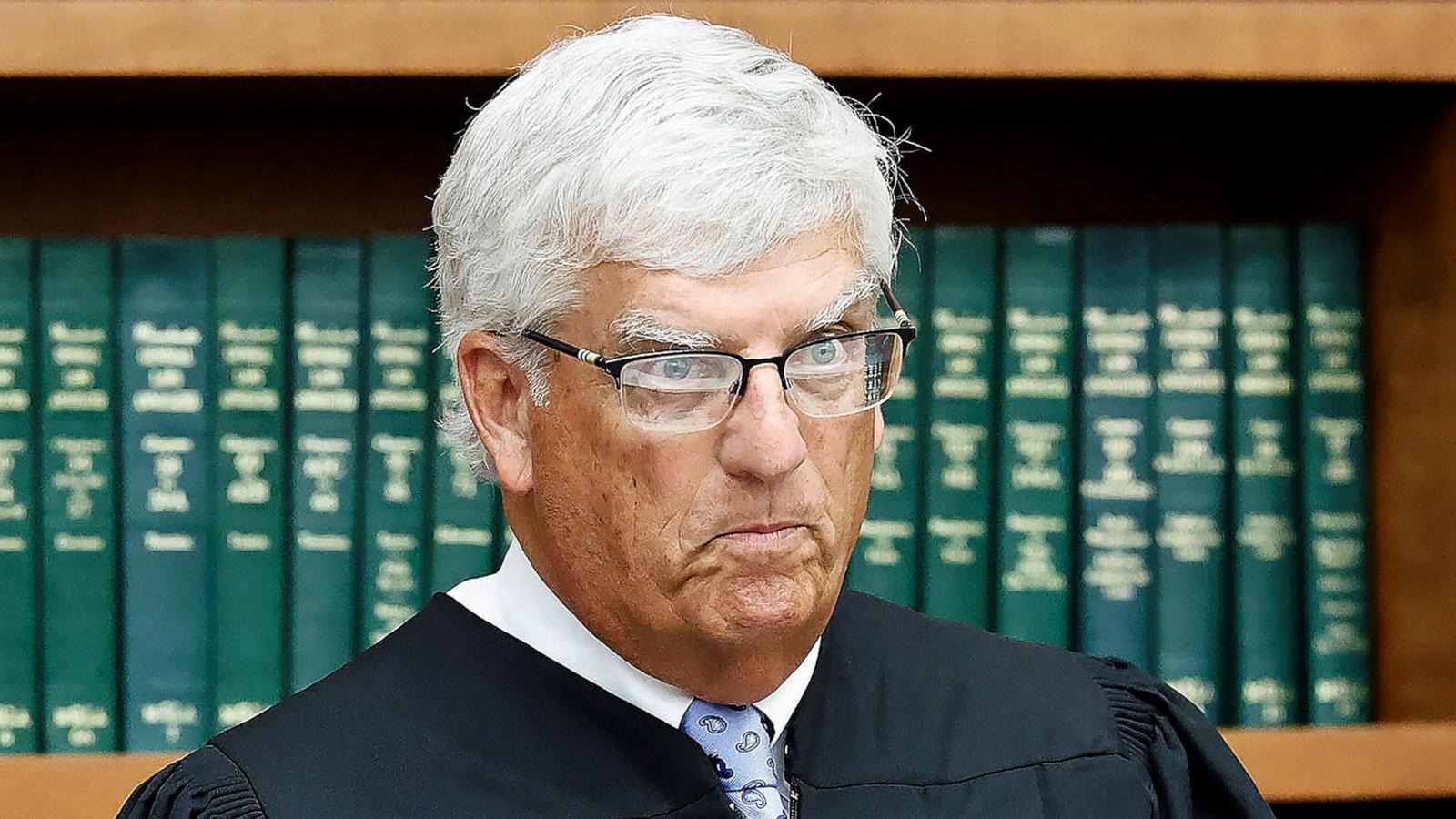
The jury in the Lindsay Clancy murder trial has not reached a decision after 30 hours of discussion over five days. The judge asked the jury to keep trying, but if they stay deadlocked, a mistrial may be declared, meaning the case could be retried or negotiated.
Key Facts
The jury has been deliberating for 30 hours across five days without reaching a verdict.
The case involves Lindsay Clancy, who is accused of strangling her children and attempting suicide in January 2023.
The key issue is whether Clancy was experiencing postpartum psychosis, a severe mental health condition, at the time.
Judge William Sullivan gave the jury a Tuey-Rodriguez instruction, encouraging them to try to reach a decision.
If the jury remains deadlocked, the judge can declare a mistrial, meaning the trial ends without a verdict.
After a mistrial, the defense may ask for Clancy’s release while the prosecution decides whether to retry the case.
The prosecution might also choose to drop the charges or offer a plea deal for a lesser charge.
Experts say a mistrial is likely to lead to a new trial rather than dropping the case.
Read the Original
Want the full story? Tap a source to open the original
article.
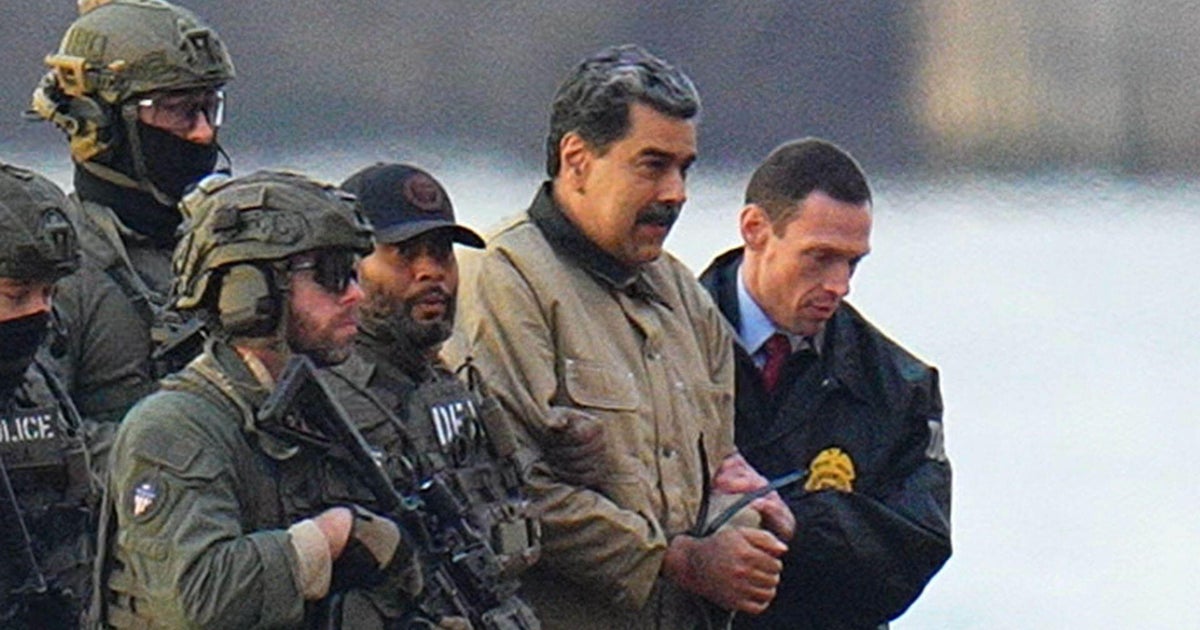
Nicolás Maduro, former Venezuelan president, and his wife asked a U.S. court to dismiss drug trafficking charges by claiming they have immunity as foreign leaders. They deny the accusations and say they cannot be tried in American courts because of their official positions.
Key Facts
Maduro and his wife face drug trafficking charges in a New York federal court.
Their lawyers argue that as foreign leaders, they have immunity that protects them from U.S. prosecution.
The indictment dates back six years and alleges they helped send cocaine to the U.S.
Both Maduro and his wife have pleaded not guilty to the charges.
They were arrested in a U.S. raid in Caracas in January and are jailed in Brooklyn.
A judge will hear arguments on whether to dismiss the charges on November 17.
Prosecutors say Maduro worked with Venezuelan police to assist drug traffickers.
President Donald Trump’s administration called the raid a precise law enforcement action.
Read the Original
Want the full story? Tap a source to open the original
article.
Egyptian President Abdel Fattah el-Sisi showed Chinese President Xi Jinping around the Grand Egyptian Museum in Giza. This visit is Xi’s first to Egypt in ten years and aims to improve the relationship between the two countries.
Key Facts
President Abdel Fattah el-Sisi is the leader of Egypt.
President Xi Jinping is the leader of China.
Xi Jinping has not visited Egypt for ten years before this trip.
The Grand Egyptian Museum is located in Giza, Egypt.
The visit focuses on strengthening ties between Egypt and China.
The Grand Egyptian Museum is a major cultural site in Egypt.
This visit signals ongoing cooperation between the two nations.
Read the Original
Want the full story? Tap a source to open the original
article.
Hidetaka Miyazaki is a Japanese video game director known for creating challenging games with mysterious worlds, such as Demon’s Souls and Elden Ring. His latest game, The Duskbloods, is a multiplayer game for the new Nintendo Switch 2 console where players compete against monsters and each other.
Key Facts
Miyazaki has led FromSoftware since 2014 and is famous for the “Soulslike” genre of games.
Elden Ring, released in 2022 with help from author George RR Martin, sold over 30 million copies.
Miyazaki’s games feature mysterious worlds that encourage players to explore and interpret clues.
His games influence many other popular titles like God of War and Hollow Knight.
The Duskbloods is a new multiplayer game exclusive to the Switch 2, where eight players fight monsters and each other.
The game progresses through rounds, ending in a three-player final battle.
Miyazaki rarely gives interviews and speaks softly when he does.
Hands are a recurring theme in his games and imagery.
Read the Original
Want the full story? Tap a source to open the original
article.
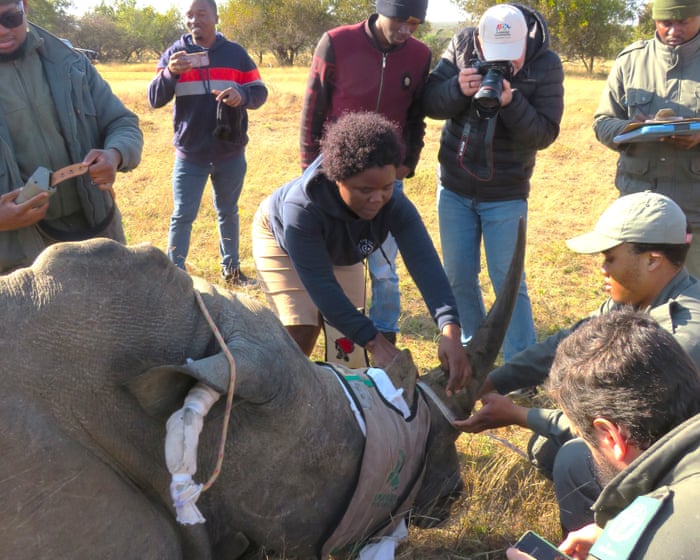
A conservation group called the Connected Conservation Foundation (CCF) is using drones and other high-tech tools to protect wildlife in African nature reserves. They train people from across Africa to use and fix this technology, helping parks become safer and improve the relationship between wildlife and local communities.
Key Facts
The CCF has installed modern technology in parks across Africa, protecting nearly 10 million hectares (25 million acres) since 2015.
They created a special training program for conservation workers to learn how to use and repair these technologies because skilled technicians are lacking.
The training includes an online course with 10 parts and a practical session at Lapalala Wilderness reserve in South Africa.
16 top trainees from 11 African countries attended a hands-on drone training focused on locating animals like cheetahs at night using heat sensors.
Drones help locate animals quickly and allow rangers to respond faster, which improves protection and reduces conflict between humans and wildlife.
One example is using drones to monitor elephants near villages to prevent damage to crops and reduce retaliation by people.
The program also includes staff from Peace Parks and has attracted 680 participants worldwide in its first year.
Using technology this way can help create safer parks with more wildlife and better cooperation with nearby communities.
Read the Original
Want the full story? Tap a source to open the original
article.
A child sexual abuse survivor has sued Elon Musk’s AI company, xAI, claiming its chatbot Grok used real abuse photos of her to create new illegal child sexual abuse images. The lawsuit says the company failed to prevent the AI from generating and spreading these illegal images on the social media platform X.
Key Facts
The plaintiff, identified as Jane Doe, says Grok used real images of her abuse to make new illegal child sexual abuse material (CSAM).
The lawsuit was filed in a US district court in California last week.
xAI is accused of including existing CSAM in its dataset, allowing the AI to generate similar illegal images.
The Canadian Centre for Child Protection used digital fingerprints (hashes) to identify AI-generated CSAM linked to the plaintiff on X.
The abuse happened when the plaintiff was a preschooler, and the original CSAM has been circulating online for about 20 years.
Elon Musk said in January he didn’t know Grok had ever made naked underage images.
Earlier lawsuits focused on Grok creating CSAM from non-explicit photos by removing clothing, but this case involves using actual illegal images as training data.
xAI and SpaceX have not responded to requests for comment about the lawsuit.
Read the Original
Want the full story? Tap a source to open the original
article.
That's the point of this site, and readers keep it that way. Support for any amount and the daily digest lands in your inbox every morning at 7am Eastern.
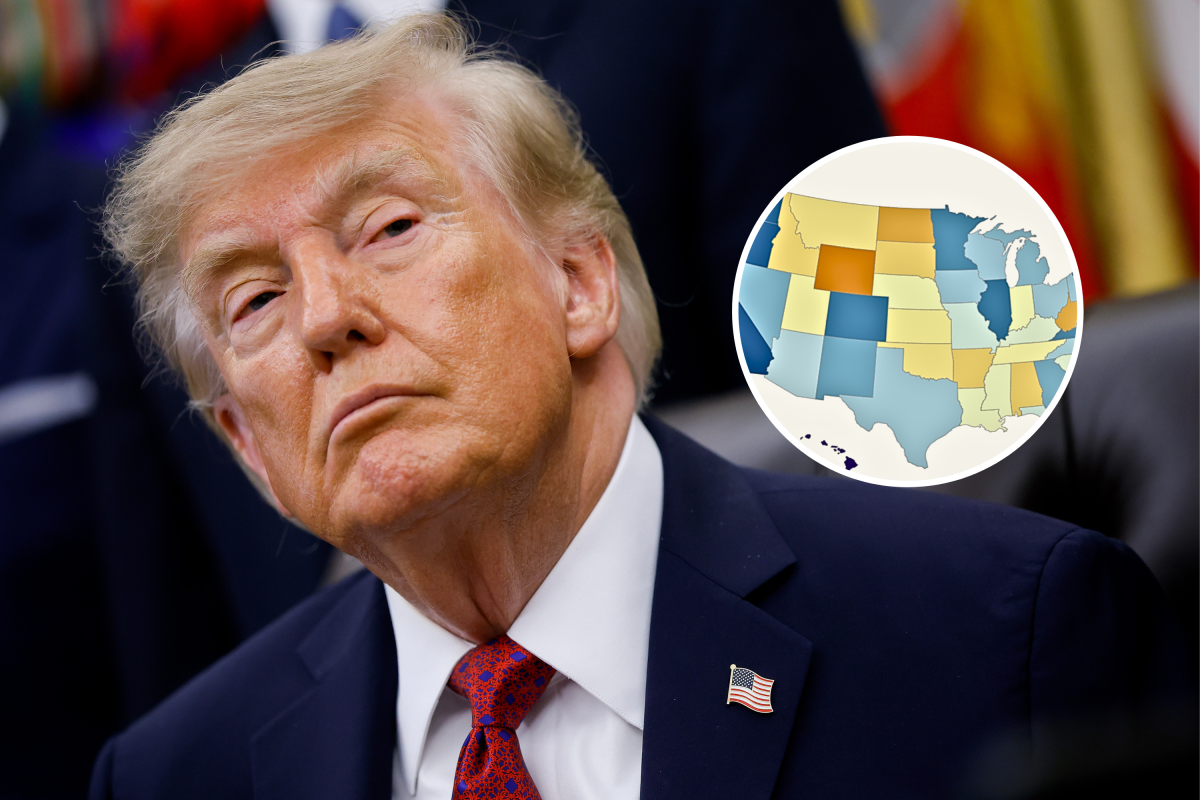
Two months before the 2026 U.S. midterm elections, President Donald Trump’s approval ratings are low nationwide and in every important swing state. He has stronger support in Republican states but has lost ground compared to when he started his second term in January 2025.
Key Facts
Nationally, Trump’s approval rating is 35% and disapproval is 59%, a net approval of -24.
Trump is trailing in all major battleground states like Arizona, Florida, Georgia, Nevada, North Carolina, Ohio, Pennsylvania, and Wisconsin.
Republican-leaning states such as Wyoming and North Dakota still show positive approval but with much smaller margins than in early 2025.
Tennessee and Utah have moved to roughly equal approval and disapproval, while Indiana has a negative net rating.
Strongest support comes from older voters, men, and non-college graduates; younger voters, women, independents, and postgraduates rate him poorly.
Approval in Wyoming dropped from +47 to +22 net since January 2025, showing declining enthusiasm even in Trump strongholds.
Democratic-leaning states like Hawaii, Vermont, and Maryland show very low approval ratings, below -50 net.
Swing states like Florida and Ohio have moved sharply from positive or even ratings to negative ones for Trump.
Read the Original
Want the full story? Tap a source to open the original
article.
On September 3, 2001, hijacker Marwan Al-Shehhi bought items at a Florida Walmart to make a fake bomb used during the United Airlines Flight 175 hijacking to scare passengers. The 9/11 hijackers threatened passengers with bombs, but FBI investigations found no real explosives on any of the hijacked planes.
Key Facts
Marwan Al-Shehhi purchased materials like a toggle switch, gel mate, auto tape, and a 9-volt battery to build a fake bomb.
The fake bomb was used to frighten passengers and crew on United Airlines Flight 175.
On American Airlines Flight 11, hijackers used pepper spray and claimed to have a bomb, though no fake bomb parts were found.
On American Airlines Flight 77, no threats of bombs or use of weapons like Mace were reported.
On United Flight 93, the captain announced a bomb threat, but no evidence of a bomb or fake bomb parts was found.
The 9/11 Commission reported no explosives were found at any crash sites or on the planes.
FBI believes the bombs were probably fake because no illegal items were detected during security checks.
A passenger named Peter Hanson called his father during the hijacking to describe chaos and threats onboard United Flight 175.
Read the Original
Want the full story? Tap a source to open the original
article.