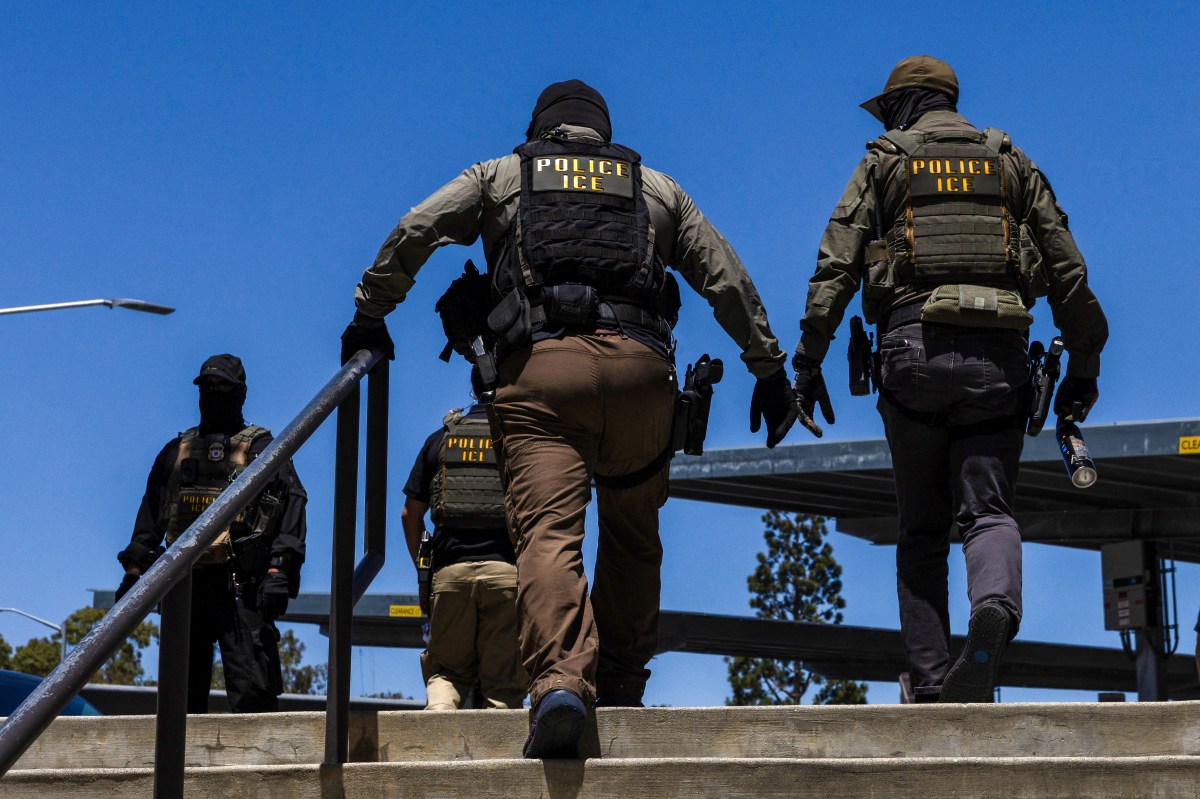
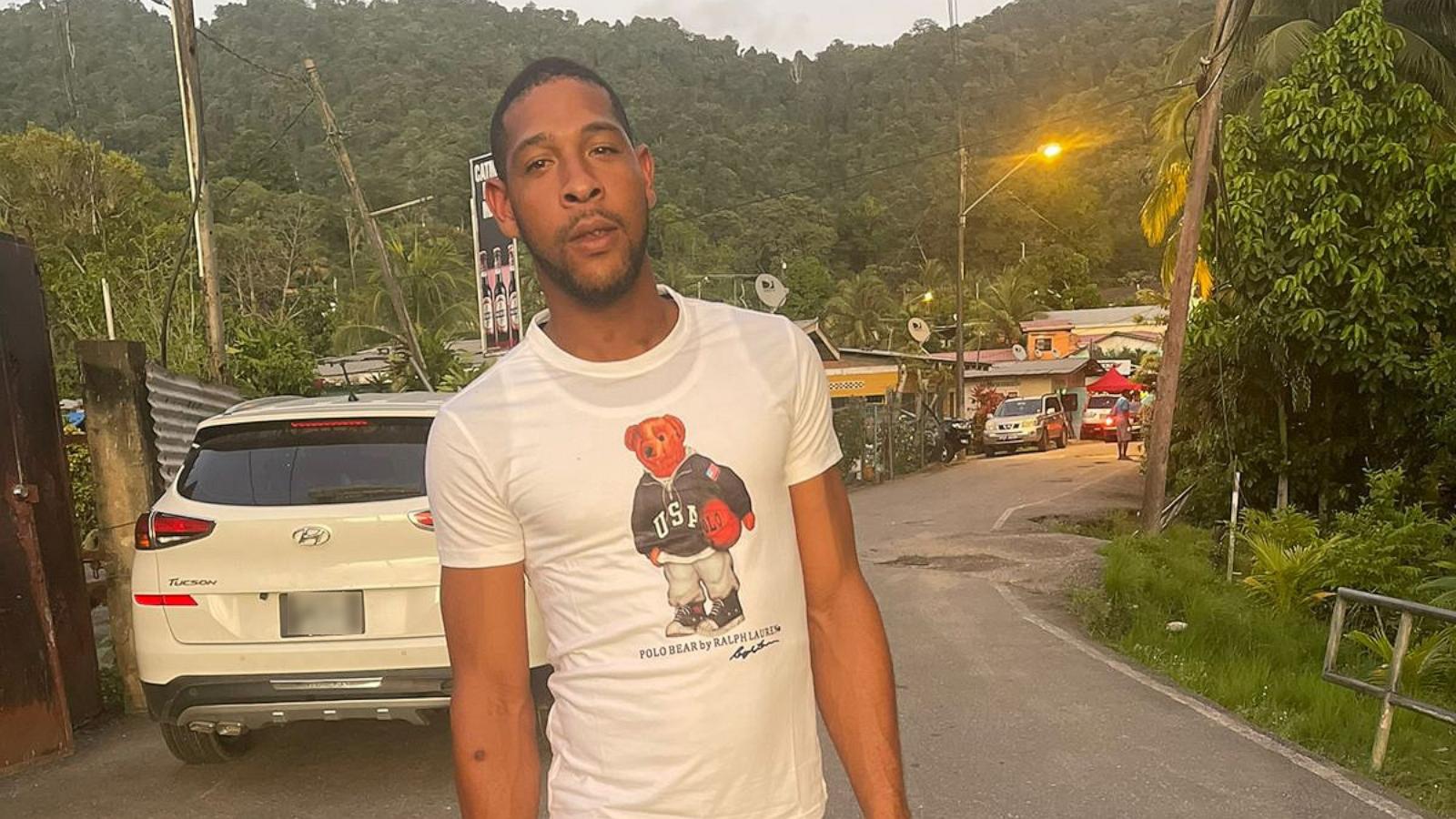
A federal judge criticized the U.S. government for deporting Etinosa Osahon, a Nigerian man protected from return to Nigeria due to past torture, without following required legal procedures. The judge ordered the government to explain its actions and work on returning Osahon to the United States, where he lived for many years with his family.
Key Facts
Etinosa Osahon, a Nigerian man, was deported by U.S. immigration authorities despite a court protection against returning him to Nigeria.
An immigration judge had found that Osahon was tortured in Nigeria and would likely face torture again if sent back.
Osahon lived in the U.S. since 2002 as a lawful permanent resident and complied with all immigration check-ins for 14 years.
He was married to a U.S. citizen and had three children who are U.S. citizens.
Osahon was removed without the usual legal safeguards and taken from a routine appointment to custody, then flown to Ghana, and later ended up hiding in Togo.
He contracted malaria in Togo, has no legal status, cannot work legally, and has limited medical care access.
The judge said ICE acted against their own rules and the U.S. Constitution’s due process rights by deporting Osahon without proper procedure.
The judge converted Osahon’s case to a civil lawsuit allowing his constitutional and legal claims to continue.
Read the Original
Want the full story? Tap a source to open the original
article.
Starbucks workers in Buffalo, New York, began a public union-organizing campaign in 2021 during the Covid-19 pandemic. The efforts and company resistance are featured in a new documentary, Baristas vs Billionaires, which shows workers’ struggles against Starbucks’ opposition and highlights a broader labor movement among young workers.
Key Facts
Starbucks workers in Buffalo started organizing a union in 2021 amid the Covid-19 pandemic.
The union drive faced strong opposition from Starbucks and its billionaire former CEO, Howard Schultz.
The documentary Baristas vs Billionaires tells the story of this union struggle and is narrated by Susan Sarandon with Alec Baldwin as a producer.
The film’s director, Mark Mori, is a former steelworker and union member who sees this union effort as part of a larger labor movement revival.
Many Starbucks workers come from families affected by the decline of US manufacturing industries in the Rust Belt region.
The union is demanding a $17 minimum wage, better staffing and schedules, workplace protections, and action on unfair labor practices.
More than 700 Starbucks stores have voted to unionize since 2021.
Starbucks Workers United started a boycott in August 2025 over the company’s failure to agree on a first union contract.
Read the Original
Want the full story? Tap a source to open the original
article.
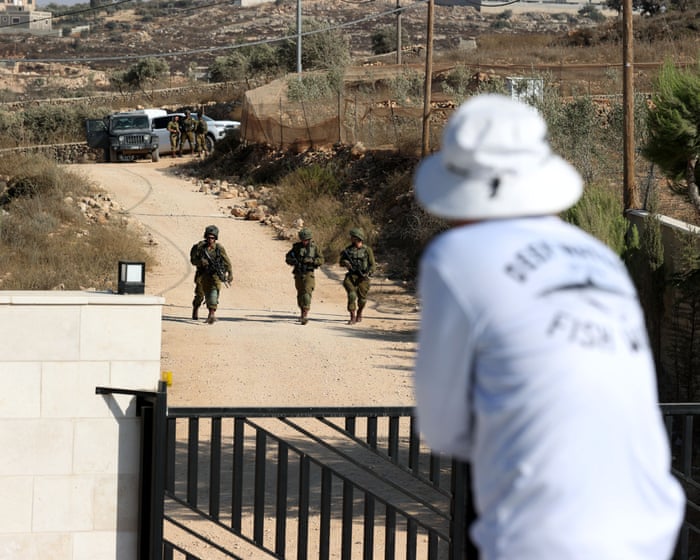
A family in Ohio is closely following violence by Israeli settlers against Palestinians in the West Bank, where their relatives live under threat and siege. Across the U.S., including in Ohio, public opinion is shifting, with more people opposing government support for Israel amid ongoing conflicts.
Key Facts
Loui Ridi traveled from Ohio to his family home in Qusra, West Bank, where Israeli settlers have besieged their property.
Settlers have blocked family members from leaving, causing food and water shortages.
The U.S. ambassador to Israel called the settlers’ actions “terrorist” behavior.
President Donald Trump and Vice-President JD Vance have recently changed their tone about Israel’s settlements.
Protests and political actions in Toledo, Ohio, reflect divided U.S. opinions on aid to Israel.
The Gaza Strip conflict has killed over 76,000 people and been condemned by the United Nations.
Public support for Israel among Americans has decreased, with a Pew poll showing 60% unfavorable views in April 2024.
Groups funding pro-Israel politicians in the U.S. have faced setbacks in recent elections, especially in the Midwest.
Read the Original
Want the full story? Tap a source to open the original
article.
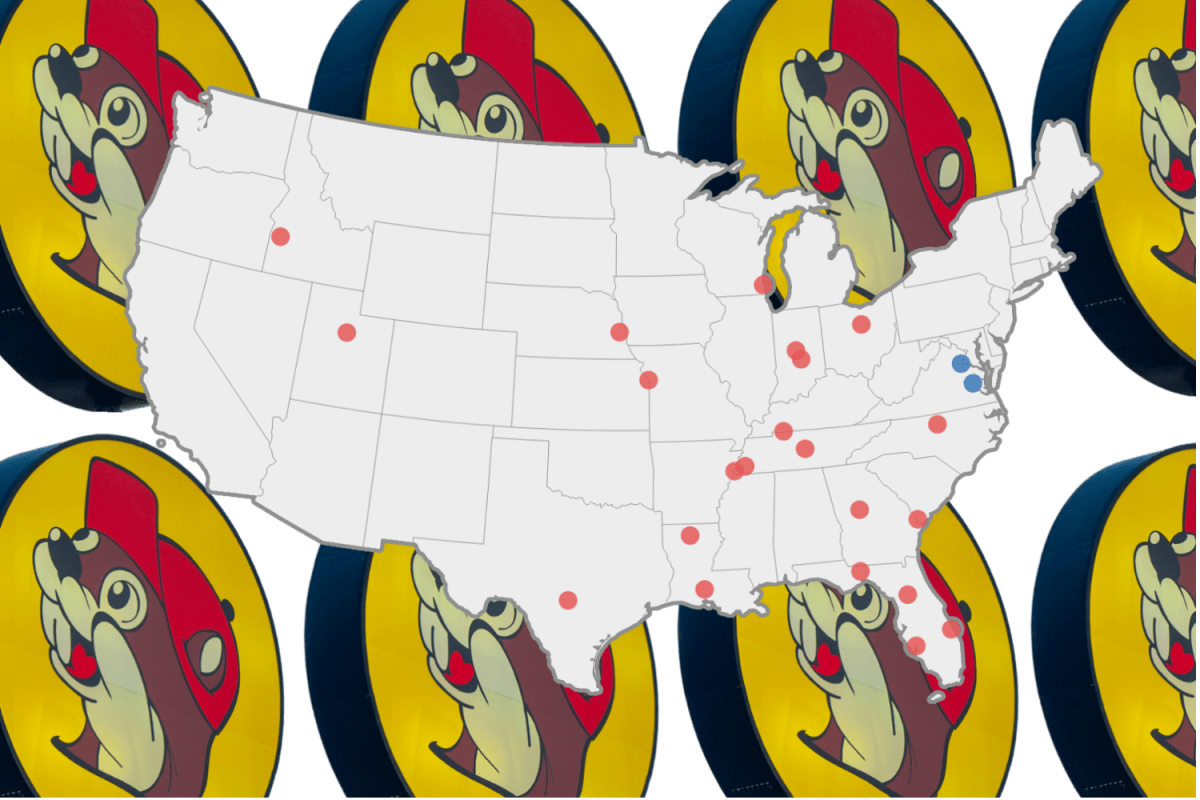
Buc-ee’s plans to open 24 new stores mostly in states that voted for President Trump in the 2024 election, focusing on what its CEO calls "conservative, business-friendly states." The company has faced legal disputes over trademarks but continues expanding rapidly beyond its Texas origins.
Key Facts
Buc-ee’s CEO Arch "Beaver" Aplin III wants to expand mainly in conservative states.
Out of 24 planned new locations, 22 are in states that voted Republican in 2024; 2 are in Democratic-voting Virginia.
Planned sites include cities in Idaho, Nebraska, Utah, Kansas, Indiana, Louisiana, Tennessee, and Florida.
Aplin praised Arkansas, a conservative-led state, as a business-friendly place during a recent store opening.
Buc-ee’s has been involved in lawsuits over trademark issues with smaller businesses.
Ohio Governor Mike DeWine criticized Buc-ee’s lawsuit against a small Ohio business.
Founded in Texas in 1982, Buc-ee’s now has 58 stores in 14 states.
The company’s growth focuses on states with supportive business environments and available workforce.
Read the Original
Want the full story? Tap a source to open the original
article.
A strike by air traffic control workers at Kenya's main airport in Nairobi has caused flight delays and cancellations for two days. Hundreds of passengers have been stuck at the airport, with some waiting many hours or overnight as talks between unions and airport managers continue without agreement.
Key Facts
The strike is happening at Jomo Kenyatta International Airport (JKIA) in Nairobi, Kenya.
Air traffic control workers are demanding better work conditions and enforcement of a previous agreement.
Kenya Airways and other airlines have delayed or canceled flights due to the strike.
Some passengers have waited over 12 hours and spent the night at the airport.
Talks between airport management and worker unions broke off without resolution.
JKIA is a busy regional hub, handling about nine million passengers last year.
Similar strikes have occurred at this airport in past years over worker issues.
Airlines are allowing passengers to change flights without extra fees due to the disruption.
Read the Original
Want the full story? Tap a source to open the original
article.
A severe flood hit Nepal on August 26, destroying villages and leaving many people without homes or food. Rescue workers are still searching for survivors, while those who escaped are trying to rebuild their lives despite the risk of more flooding.
Key Facts
The flood occurred in Nepal on August 26, 2026.
Entire villages were devastated, with families losing everything in minutes.
Rescue teams continue searching for survivors amid dangerous conditions.
Thousands of people remain missing, with ongoing rescue operations.
Survivors are struggling to find shelter, food, and basic needs.
The Nepali army is actively involved in rescue efforts, using helicopters.
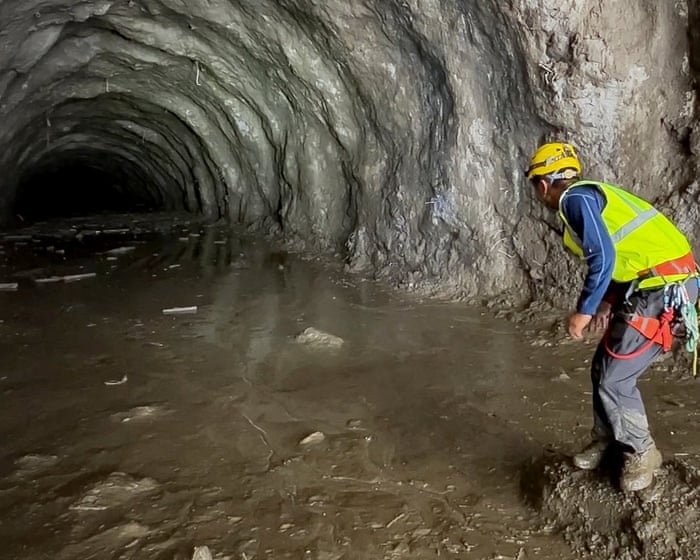
Some survivors are trapped in difficult places, such as hydropower tunnels.
There is a threat of further floods due to unstable river banks.
Read the Original
Want the full story? Tap a source to open the original
article.
A principal in Nepal saved at least 900 students by evacuating them just before flash floods destroyed their school. The floods, triggered by a glacial collapse in the Himalayas, killed over 900 people and caused widespread damage in Nepal and China.
Key Facts
Rajendra Dawadi, principal of Tribhuvan Trishuli Secondary School, ordered an immediate evacuation when flood warnings appeared.
About 900 students were on campus and were safely moved to higher ground.
Two school staff members are missing after the disaster.
The floods destroyed Dawadi’s school and many others, disrupting education for thousands of children.
The disaster was caused by a glacial collapse in the Himalayan region.
Over 900 people have died and more than 4,700 people remain missing because of the floods.
At least 69 schools were completely destroyed, threatening the education of nearly 19,000 students in northern Nepal.
Dawadi had a personal connection to the school, having studied and worked there for years.
Read the Original
Want the full story? Tap a source to open the original
article.
Three individuals from Asia won the Ramon Magsaysay Awards, which recognize outstanding service to society. The winners include a Singaporean diplomat who helped create an important sea law, a Myanmar activist jailed for defending democracy, and a Bangladeshi aid worker helping poor people.
Key Facts
The Ramon Magsaysay Awards are often called Asia’s Nobel Prize.
Tommy Koh, a Singaporean lawyer and diplomat, led negotiations that resulted in the 1982 U.N. Convention on the Law of the Sea.
This sea law treaty defines territorial waters and economic rights for countries, helping to resolve disputes.
Bo Kyi, a Myanmar activist, spent seven years in prison for promoting democracy and opposing military rule.
Bo Kyi helped form an organization to support political prisoners and document human rights abuses in Myanmar.
Runa Khan, from Bangladesh, worked to provide help to her country’s poorest people.
The awards have been given since 1958 and will be presented in Manila on November 15.
The awards recognize people who show selfless service and "greatness of spirit" in Asia.
Read the Original
Want the full story? Tap a source to open the original
article.
Niger’s military leaders stopped a mutiny by young soldiers in the capital city with help from Russian paramilitary forces. Russia’s Africa Corps has also helped other military regimes in the nearby Sahel region maintain control, increasing Russia’s influence in African security and politics.
Key Facts
Soldiers in Niger’s capital, Niamey, mutinied and took some fellow soldiers hostage at a key military base.
The mutiny included gunfire near the presidential palace but was ended within 24 hours.
Niger’s junta asked for and received help from Russia’s Africa Corps to stop the mutiny.
Africa Corps is a Russian paramilitary group under the Russian Defense Ministry.
This is the second time in 2025 Russia has intervened to protect junta-led governments in the Sahel.
The Sahel region includes Niger, Mali, and Burkina Faso, where Russia-backed forces are active.
Russia replaced the Wagner mercenary group in the Sahel with Africa Corps.
Russia’s military help supports these African governments politically, economically, and security-wise.
Read the Original
Want the full story? Tap a source to open the original
article.
Gaza is facing a severe shortage of drinking water because the ongoing war with Israel has damaged most of its water and sanitation systems. The extremely high temperatures are making the water crisis worse, creating a dangerous situation for people living there.
Key Facts
Nearly 90% of Gaza’s water and sanitation infrastructure has been damaged or destroyed after two and a half years of war with Israel.
The war has made it hard for people in Gaza to get clean drinking water every day.
Extreme heat in the region is making the water shortage much more serious.
UNICEF provided the estimate of damage to Gaza’s water systems.
The water crisis in Gaza is now a critical humanitarian problem that affects many people’s health and survival.
The conflict continues to have a direct impact on basic services like water and sanitation.
Rising temperatures increase the demand for water while supplies shrink, worsening the situation.
Read the Original
Want the full story? Tap a source to open the original
article.
Iran attacked U.S. military targets in the Middle East on Monday. This was in response to American strikes on an island in the Strait of Hormuz and marked the first exchange of fire between the two countries in a month during an ongoing regional conflict.
Key Facts
Iran launched attacks against U.S. military forces in the Middle East on August 31, 2026.
The attacks were retaliation for recent American strikes on an island in the Strait of Hormuz.
This incident was the first direct exchange of fire between Iran and the U.S. in one month.
The conflict has been ongoing in the Middle East, involving Iran and U.S. forces.
The Strait of Hormuz is a strategically important waterway for global oil transport.
The exchanges highlight rising tensions and military actions in the region.
Recent related events include U.S. threats of financial sanctions on Iran's allies.
The war in the area has had significant financial and human costs.
Read the Original
Want the full story? Tap a source to open the original
article.
Iran attacked U.S. military targets in the Middle East to respond to previous American strikes on its land. The attacks mark a new rise in conflict in the region, with the U.S. aiming to stop Iran from placing sea mines and threatening more economic punishments.
Key Facts
Iran launched attacks on U.S. military sites in the Middle East.
These attacks came after the U.S. conducted strikes on Iranian territory.
The conflict between the U.S. and Iran in the region has increased again.
The U.S. said its strikes prevented Iran from placing more sea mines in an important waterway.
The U.S. also threatened additional economic sanctions against Iran.
The situation reflects ongoing tensions and fighting in the Middle East.
Coverage includes perspectives from journalists in Tehran.
Read the Original
Want the full story? Tap a source to open the original
article.
There are no ads, so there is no reason to bait you. Readers who chip in keep it that way. Most choose $3.99/month, and get the daily digest every morning.
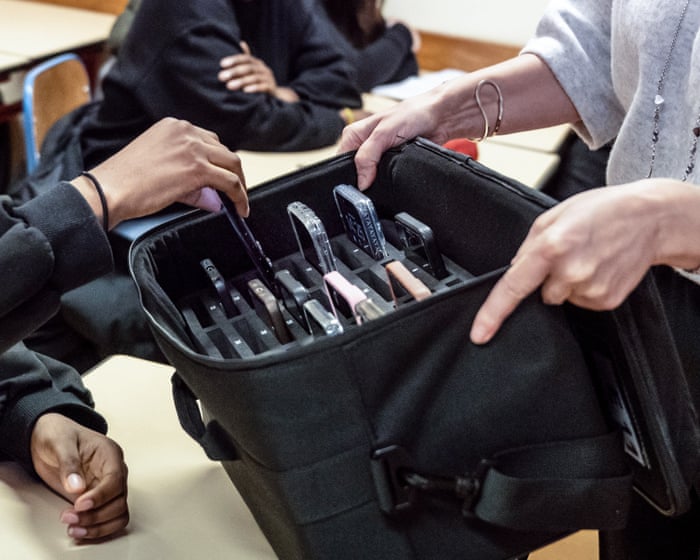
French high schools are quickly working to enforce a ban on mobile phone use starting in September. President Macron supports this ban to reduce screen time among teenagers, after a related social media ban for children under 15 was rejected by France’s constitutional council.
Key Facts
The phone ban applies to lycées, where students are aged 15 to 18.
Primary and middle schools in France already ban mobile phone use.
Schools must change their internal rules to enforce the ban, which takes time and involves student consultation.
Students often use phones for essential school tasks like checking timetables or entering the canteen.
Some older students attend apprenticeships or higher education courses on high school campuses and also need phone access.
There are questions about where the ban will apply—inside classrooms, corridors, playgrounds, or the entire school.
President Macron’s proposed social media ban for under-15s was blocked due to constitutional concerns over freedom of expression and privacy.
The government is rewriting the social media law to try to pass it before Macron leaves office in May.
Read the Original
Want the full story? Tap a source to open the original
article.
NASA launched a new space telescope named after astronomer Nancy Grace Roman. It reached orbit quickly and is designed to help scientists learn more about dark matter and dark energy, two big mysteries in physics.
Key Facts
The telescope was launched from Kennedy Space Center in Florida.
It reached orbit ten minutes after liftoff.
It is named after Nancy Grace Roman, a pioneering astronomer.
Scientists call it a "discovery machine" for its potential to find new information.
The telescope aims to improve understanding of dark matter and dark energy.
Dark matter and dark energy are major unsolved questions about space and physics.
The launch happened in August 2026.
Read the Original
Want the full story? Tap a source to open the original
article.
President Donald Trump’s administration has restarted a military campaign targeting suspected drug-smuggling boats in the Caribbean and eastern Pacific after pausing for two months. Critics question the legality and effectiveness of the strikes, which have killed over 200 people and rely on a secret Justice Department memo for legal justification.
Key Facts
The boat strike campaign, now called Operation Joint Task Force-Western Hemisphere, was previously known as Operation Southern Spear.
The campaign targets boats allegedly involved in drug smuggling, especially in the Caribbean and eastern Pacific regions.
At least 227 people have died in these strikes over about one year.
President Trump claims the strikes have reduced drug flow by 98%, based on Customs and Border Patrol fentanyl seizure data.
Critics say the strikes may be illegal extrajudicial killings and ineffective in stopping drug trafficking.
A secret Justice Department memo gives the president broad authority to order these strikes by treating vessels as military targets.
Some lawmakers and civil rights groups have called for transparency and questioned the legality of the strikes.
U.S. Southern Command said the new strikes are an evolution of previous efforts to stop illegal drug movement.
Read the Original
Want the full story? Tap a source to open the original
article.
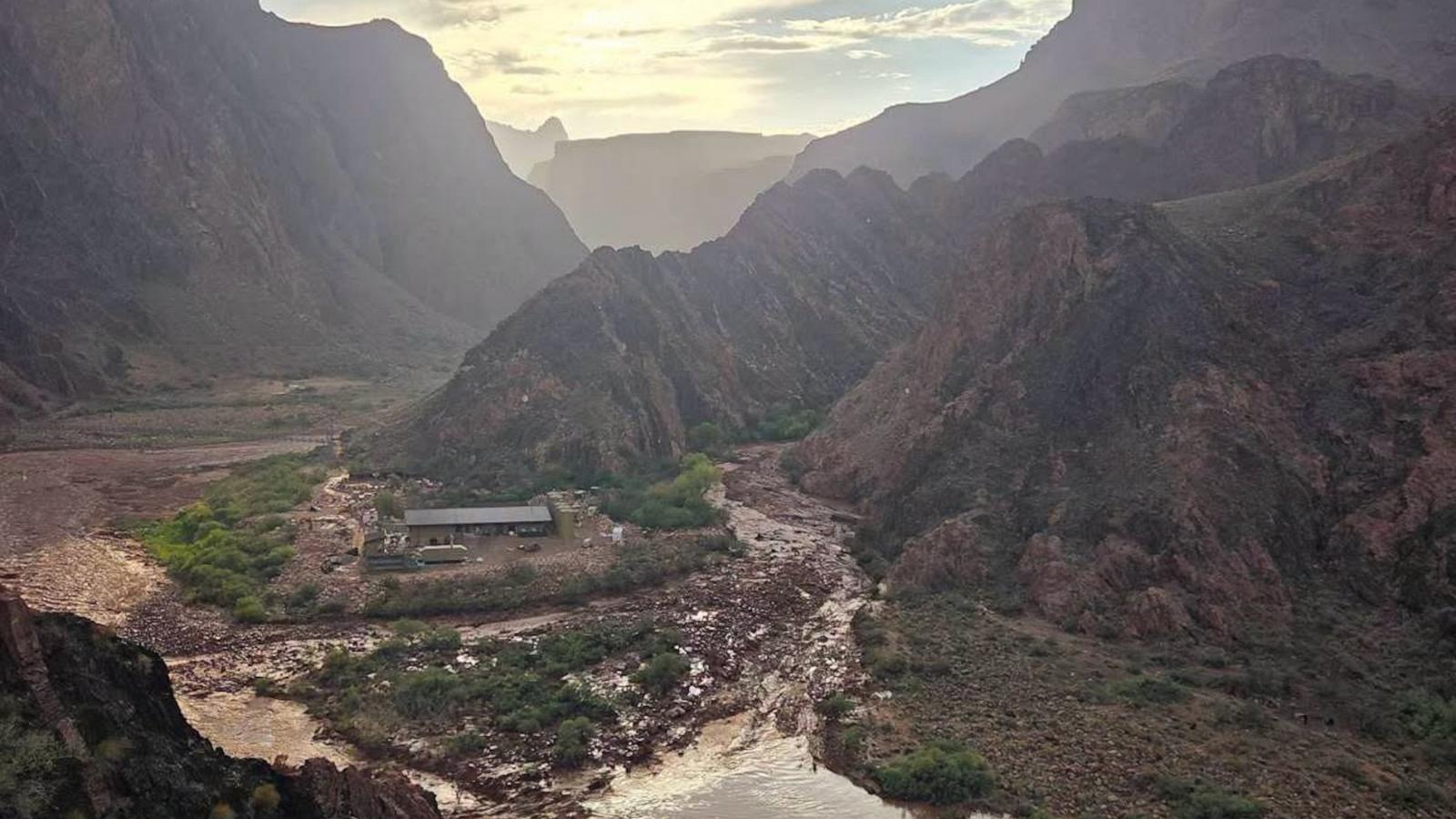
A flash flood hit the Grand Canyon in Arizona on August 29, 2026, causing one death and leaving at least 14 people missing or unaccounted for. Rescue teams are evacuating stranded hikers by air, while several trails and campgrounds remain closed due to damage.
Key Facts
The flash flood occurred on Saturday afternoon in Bright Angel Canyon and Phantom Ranch.
One person died; their identity has not been released.
At least 14 people may be missing or unaccounted for after the flood.
Over 60 people were air evacuated from the affected areas.
The park’s water pipeline was damaged, leading to water conservation measures and restrictions on overnight stays starting Monday.
Several campgrounds and trails are closed indefinitely.
The National Park Service is asking for information about any hikers in the affected areas on August 29.
Further thunderstorms and heavy rain may cause more flash flooding and rockfalls in the coming days.
Read the Original
Want the full story? Tap a source to open the original
article.
French winemakers are moving to northern regions like Normandy and Brittany because climate change is making traditional vineyards in southern France harder to maintain. These northern areas, once known for cider, are becoming more suitable for growing grapes due to warmer temperatures, though challenges from climate shifts still exist.
Key Facts
Climate change is making southern French vineyards like those in the Loire Valley less reliable.
Winemakers like Sebastien Fricker have relocated north to Normandy to grow grapes.
Normandy and Brittany have cooler climates that are becoming warmer and more stable, helping grape cultivation.
Northern regions currently produce very little wine compared to Bordeaux, a major wine area in the southwest.
Since 2016, EU rules on planting grapevines have become less strict, encouraging vineyard expansion in northern France.
Producers in northern regions mainly sell their wine directly to customers.
Recent heatwaves, droughts, and wildfires in France have caused early grape harvests and affected wine quality.
Local experts say the main challenge now is producing high-quality wine in these new northern vineyards.
Read the Original
Want the full story? Tap a source to open the original
article.
A flash flood hit Grand Canyon National Park, forcing the evacuation of dozens of people and leaving around 15 missing. The flood caused large rocks and metal objects to crash into the Colorado River and damaged a water pipeline for tourists.
Key Facts
The flood occurred over the weekend at Grand Canyon National Park in the US.
About 15 people are reported missing due to the flood.
More than 60 people were airlifted out of the area for safety by August 30.
The flood moved large boulders and metal parts into the Colorado River.
A water pipeline that serves visitors in the park was destroyed by the flood.
Additional evacuations were planned following the initial rescue efforts.
The flood caused significant disruptions to the park’s natural and tourist infrastructure.
Read the Original
Want the full story? Tap a source to open the original
article.
Each summary links back to the original reporting, so you can check the work. Support that, and get the daily digest every morning. Most choose $3.99/month.
Rescue teams in Nepal are trying to reach hundreds of people trapped after severe flash floods hit the region, leaving over 900 dead and thousands missing. The floods also affected nearby Tibet, and the disaster is believed to be linked to climate change. In a separate event, tensions between the US and Iran escalated with missile attacks in the Strait of Hormuz.
Key Facts
Over 900 people have died in Nepal due to flash floods caused by a surge of ice, rock, mud, and debris.
More than 4,000 people are still missing in Nepal; an additional 500 are missing in Tibet.
Around 21,000 security personnel, along with civilians and volunteers, are involved in the rescue efforts in Nepal.
China sent over 2,100 rescue workers to assist in the disaster response.
The Red Cross estimates over 90,000 people have been affected by the floods.
The US attacked Iranian rocket launchers in the Strait of Hormuz, prompting Iran to retaliate with missile strikes on airbases in Jordan and the UAE.
President Donald Trump claimed that Iran’s Kharg Island, a key oil export hub, was being destroyed but provided no further details.
The recent military clashes between the US and Iran mark the first hostilities in a month, after a period of stalemate.
Read the Original
Want the full story? Tap a source to open the original
article.
Nepal has started burying bodies after deadly floods and mudslides caused many deaths and left over 4,200 people missing. The disaster also affected nearby parts of China and many workers on hydropower projects are among those missing.
Key Facts
Floods and mudslides in Nepal and China have caused more than 900 deaths.
Over 4,700 people are still missing.
Among the missing, 933 are workers on hydropower projects hit by the floods.
Morgues are full, so Nepal has begun burying bodies that have not been claimed.
Rescue efforts are ongoing despite dangerous conditions such as unstable river banks.
The disaster has impacted large communities, including those near rivers and hydropower tunnels.
Helicopters from the Nepal army are being used to rescue survivors and trapped people.
The event is one of the deadliest natural disasters in the region recently.
Read the Original
Want the full story? Tap a source to open the original
article.