The jury in Lindsay Clancy's murder trial is continuing its discussions on the second day after both sides finished their closing statements. The prosecution and defense presented their cases before the jury began deciding.
Key Facts
The trial involves Lindsay Clancy and a charge of murder.
The prosecution shared their arguments explaining why they believe Clancy is guilty.
The defense presented reasons why Clancy should not be found guilty.
The jury started deliberating after hearing both sides’ closing arguments.
Jury deliberations have extended into a second day, showing the decision is not immediate.
Reporting on the trial is provided by CBS News correspondent Shanelle Kaul.
The trial is being closely followed and updated by CBS News.
Read the Original
Want the full story? Tap a source to open the original
article.
The U.S. Army used a powerful laser system to destroy three drones near the border with Mexico. Officials said the drones were connected to Mexican drug cartels.
Key Facts
The U.S. military used a high-energy laser called the Army Multipurpose High Energy Laser system.
The laser shot down three drones near the U.S.-Mexico border.
The operation happened late Tuesday and early Wednesday.
Officials say the drones were linked to Mexican drug cartels.
This marks a notable use of laser technology for border security.
The U.S. southern border faces threats involving drug cartel activities.
The Army is exploring new technologies to improve border protection.
Read the Original
Want the full story? Tap a source to open the original
article.
The Trump administration has ended a rule that protected old-growth forests and restricted roads, drilling, and logging on millions of acres of national forests. This change could harm habitats of over 400 endangered animal and plant species and affect drinking water supplies for many communities.
Key Facts
The rollback removes the 2001 Roadless Area Conservation Rule, which had protected about 58 million acres of forest land and rivers.
Over 7 million acres of endangered species habitat and nearly 1,800 miles of rivers could be exposed to new development.
The affected areas include forests in the Rocky Mountains, Alaska, the south-west, and south-east US.
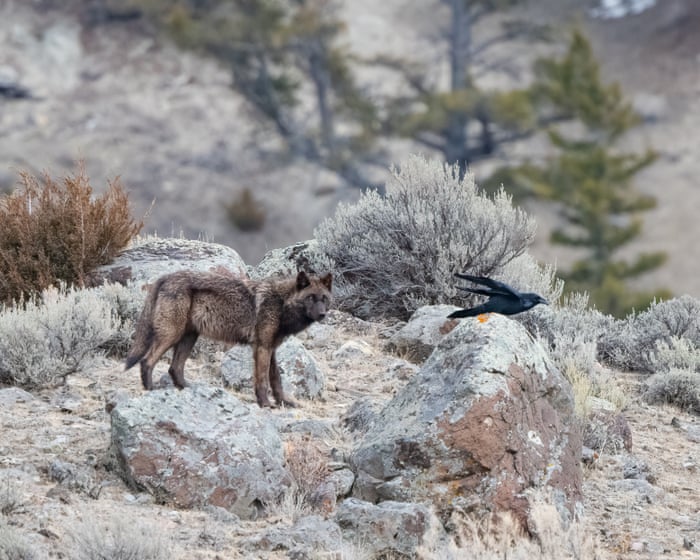
Species at risk include grizzly bears, gray wolves, wild salmon, Mexican spotted owls, hellbenders, and various rare plants.
The Tongass National Forest in Alaska, home to many wild salmon and important to the local fishing economy, is included in the rollback.
Drinking water for millions of people in cities like Bozeman, Atlanta, Phoenix, and Albuquerque is supplied by these protected forest watersheds.
Conservation groups warn that more roads and logging may lead to dirtier water, fragmented wildlife habitats, and increased wildfire risks.
Read the Original
Want the full story? Tap a source to open the original
article.
President Donald Trump has imposed high tariffs on Canadian goods, claiming Canada has treated the U.S. unfairly in trade. Canada responded with its own tariffs on American products. This trade conflict comes amid other challenges for President Trump, including issues with Iran and political opposition at home.
Key Facts
President Trump accused Canada of ripping off the United States on trade and imposed 50% tariffs on Canadian cars, trucks, auto parts, and steel.
Canada retaliated by putting tariffs up to 50% on about 700 American goods.
Trump is using the Hawley-Smoot Tariff Act of 1930 to justify his tariffs, a law linked to worsening the Great Depression.
The Canadian prime minister said Canada will not allow the U.S. to dominate it through trade pressure.
President Trump is also facing difficulties with the Iran conflict, which he started without a clear plan.
He is confronting criticism from Republicans and others in the U.S. over his policies and actions.
U.S. courts have ruled against some of Trump’s previous tariff attempts, calling them unconstitutional.
There are ongoing disputes with universities, media companies, and financial markets about Trump’s policies.
Read the Original
Want the full story? Tap a source to open the original
article.
Many elected officials face pressure to lower high energy bills. Some suggest removing strict climate laws that limit using cheap fossil fuels to reduce costs.
Key Facts
Energy bills in New York and other places are very high.
Officials are looking for ways to make energy cheaper.
Climate laws restrict the use of fossil fuels like coal, oil, and natural gas.
Fossil fuels are seen as more affordable and plentiful sources of energy.
Some people suggest ending these climate laws to lower energy prices.
The article indicates President Trump is not responsible for the high energy bills.
The debate involves balancing energy costs and environmental laws.
Read the Original
Want the full story? Tap a source to open the original
article.
A group of Democratic senators asked Israeli Prime Minister Benjamin Netanyahu to stop plans for building new homes in the West Bank. They are worried the project would split the Palestinian territory, impacting peace efforts.
Key Facts
Over a dozen Democratic senators signed a letter to Prime Minister Netanyahu.
The letter was led by Arizona Senator Ruben Gallego.
The planned housing development is in the West Bank, an area with disputed control.
Senators fear the new homes would divide Palestinian land further.
The Israeli government has started the bidding process for the construction.
The senators want the Israeli government to reverse this decision to build the homes.
The issue relates to the ongoing conflict and peace process between Israelis and Palestinians.
Read the Original
Want the full story? Tap a source to open the original
article.
A jury is deciding whether Lindsay Clancy should go to prison or a psychiatric hospital after she killed her three children in 2023. The trial has focused attention on postpartum psychosis, mental health care gaps, and the stigma that stops some mothers from getting help.
Key Facts
Lindsay Clancy killed her three young children in January 2023.
The five-week trial is held in Plymouth County Superior Court.
Clancy has not denied the killings, but the jury must decide her legal responsibility.
The case highlights postpartum psychosis, a serious mental illness after childbirth.
Stigma and fear often cause mothers to hide symptoms like hallucinations or paranoia.
Clancy reported many symptoms but denied suicidal or violent thoughts in key doctor visits.
Legal tools exist to help families intervene, such as emergency hospitalization laws.
Families sometimes cannot force treatment due to a fragmented mental health system.
Read the Original
Want the full story? Tap a source to open the original
article.
Humpback whales off Brazil's coast have made a strong comeback since commercial whaling was banned in 1986. Today, about 35,000 humpbacks live in the South Atlantic, with Brazil’s Abrolhos archipelago as a major breeding ground studied by scientists.
Key Facts
Commercial whaling was banned worldwide in 1986, and Brazil followed with its own ban in 1987.
The Abrolhos archipelago off Brazil is the largest breeding area for Southern Atlantic humpback whales.
The humpback whale population in the South Atlantic is around 35,000, nearly half of the global total.
In 2014, humpback whales were removed from Brazil’s threatened species list due to their population growth.
Scientists collect skin and blubber samples using a crossbow to study whale family relationships and migration patterns.
Humpbacks migrate long distances, with some traveling from Brazil to places as far as South Georgia island and Australia.
Researchers use an artificial intelligence tool called Happy Whale to identify individual humpbacks from tail patterns in photos.
The AI helped track a whale that traveled over 15,000 kilometers from Brazil to Australia.
Read the Original
Want the full story? Tap a source to open the original
article.
Petrol prices in the UK have reached their highest level since late 2022, just before a busy bank holiday weekend. This increase adds financial pressure on drivers as many prepare for travel, with prices influenced by international events and local market practices.
Key Facts
The average petrol price in the UK is now 161.6 pence per litre; diesel costs 183.4 pence per litre.
The last time petrol was this expensive was November 2022, after Russia invaded Ukraine.
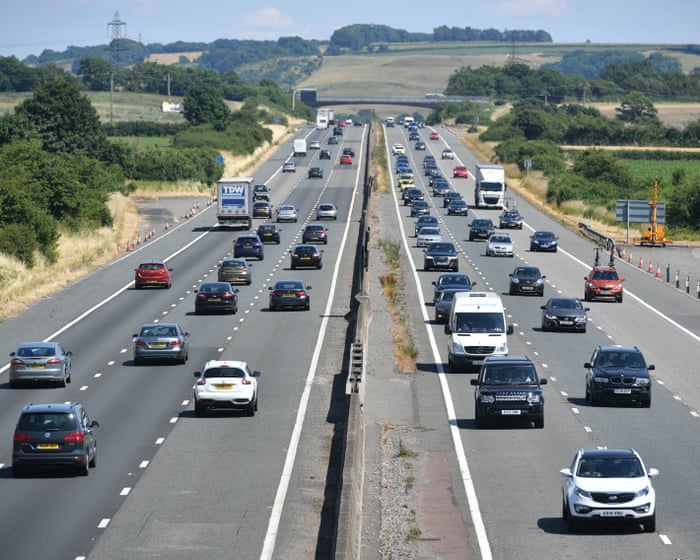
Millions of people plan to drive over the bank holiday, with traffic expected to be the heaviest since 2015.
The price rise is partly due to global oil price changes, including spikes driven by conflicts involving the US, Israel, and Iran.
The UK Competition and Markets Authority (CMA) is monitoring pump prices to prevent retailers from charging excessively.
Many petrol stations delay lowering prices when wholesale costs drop, according to the CMA.
A government tool called Fuel Finder helps drivers compare fuel prices at nearby stations.
Competitive petrol stations can influence local prices, often lowering costs nearby.
Read the Original
Want the full story? Tap a source to open the original
article.
An armed attack on a cattle camp and village in northwest South Sudan killed at least 49 people and injured 33 others. The raid is part of ongoing violence between herders fighting over land and water, causing serious problems for local communities.
Key Facts
The attack happened early Thursday at Machar-Pakuek cattle camp and Mading Juer Boma in Warrap State.
At least 49 people were killed and 33 wounded in the raid.
The raid was carried out by an armed cross-border criminal group, according to local officials.
This area faces frequent violent cattle raids due to competition over scarce grazing land and water.
The local government called the attack a humanitarian crisis and asked for help from aid groups.
A similar raid three weeks ago killed 60 people and wounded 50 in the same region.
South Sudan's President Salva Kiir declared a six-month state of emergency last year due to rising violence from such raids.
The United Nations is concerned about ongoing community violence in this region of South Sudan.
Read the Original
Want the full story? Tap a source to open the original
article.
Flash floods caused by a glacier collapse hit the Nepal-Tibet border area, killing over 550 people and leaving about 1,500 missing, including many foreign tourists. Survivors told stories of quickly escaping rushing floodwaters, with rescue teams using helicopters to save people trapped in valleys.
Key Facts
The disaster happened at the Himalayan border between Nepal and Tibet (China).
Over 550 people have died, and about 1,500 are still missing.
Many missing people are foreign tourists.
A glacier collapse likely triggered the floods and landslides.
Survivors described vehicles being swept away and heavy mudslides.
Rescue crews used helicopters to reach survivors in hard-hit valleys.
A group of pilgrims from India escaped by climbing a hill after their bus was caught.
Workers at dam construction sites suffered heavy losses; some survived by sheltering in tunnels.
Read the Original
Want the full story? Tap a source to open the original
article.
Drone strikes in Sudan’s North Kordofan region killed eight civilians and injured dozens, according to a rights group. A second drone attacked rescuers arriving to help victims, which the group called a war crime and urged for an independent investigation.
Key Facts
Eight civilians were killed and dozens wounded by drone strikes in the desert town of Sowdari, North Kordofan, Sudan.
A second drone struck while people were helping the initial victims.
The rights group Emergency Lawyers says this repeated targeting violates international law and is considered a war crime.
Sudan has been in conflict since April 2023 between the Rapid Support Forces paramilitary and the Sudanese military.
At least 59,000 people have died in the fighting, but the real toll may be higher.
Both sides in the conflict have used drones for attacks.
The United Nations reports drone strikes caused 80% of civilian deaths in Sudan during the first four months of 2024.
The rights group is calling for an independent investigation to find out who is responsible for the drone attacks.
Read the Original
Want the full story? Tap a source to open the original
article.
That's the point of this site, and readers keep it that way. Support for any amount and the daily digest lands in your inbox every morning at 7am Eastern.
A flash flood along the Nepal-China border caused heavy damage and many missing people. Authorities warn that a new lake formed by a glacial collapse could overflow and cause more flooding downstream. Rescue efforts continue while officials stay alert for further risks.
Key Facts
A flash flood hit the Himalayan border region between Nepal and China, causing serious damage.
A glacial collapse on August 26 blocked a river, creating a new lake behind debris.
The lake holds several million cubic meters of water—about 1,200 Olympic-sized swimming pools.
The lake is located about 6 miles from Gyirong Port, a border crossing that was flooded.
Officials warn the lake could burst and cause more flooding downstream.
More than 1500 people are still missing after the disaster.
Rescue workers are on high alert and ready to evacuate if needed.
Scientists say melting glaciers and debris increase the risk of further floods but a flood as severe as the first is unlikely to happen again.
Read the Original
Want the full story? Tap a source to open the original
article.
With primary elections ending, Democrats and Republicans are preparing for the November general election by focusing on different campaign messages. Democrats are emphasizing the economy, especially concerns about high prices for fuel, groceries, and healthcare. Republicans are concentrating on warning voters about socialism and left-wing extremism within the Democratic Party, while continuing to blame Democrats for economic problems.
Key Facts
Primary elections have ended, and both parties are preparing for the November general election.
Democrats want to focus on economic issues like high costs of gas, food, and healthcare.
Republicans emphasize concerns about socialism and left-wing extremists in the Democratic Party.
Republican President Donald Trump and his party aim to maintain full control of Washington.
Some Republican strategists admit the focus on socialism may not work well everywhere.
Voters say the economy is their top concern, even though inflation has decreased from its peak.
The Republican National Committee's recent talking points rarely mention “gasoline” despite high fuel costs.
The ongoing war in Iran and its economic effects are viewed as negative and complicating the political messaging.
Read the Original
Want the full story? Tap a source to open the original
article.
Ottawa’s city council voted to start the process of renaming a street called Trump Avenue, which has had the name for about 25 years. One suggested new name is "Taco Avenue," which refers to a phrase making fun of President Donald Trump.
Key Facts
Trump Avenue is a residential street in Ottawa, Canada’s capital.
The council voted unanimously to begin renaming the street.
Possible new names include Taco Avenue, Pelosi Avenue, Obama Avenue, Gulf of Mexico Avenue, and Rosie O'Donnell Avenue.
"Taco Avenue" stands for "Trump Always Chickens Out," a phrase that became popular online in 2025.
More than half of the local residents need to agree to the name change before it can move forward.
After resident approval, there will be another public consultation to choose the final name.
Officials expect the process to continue after Ottawa’s municipal election in October 2024.
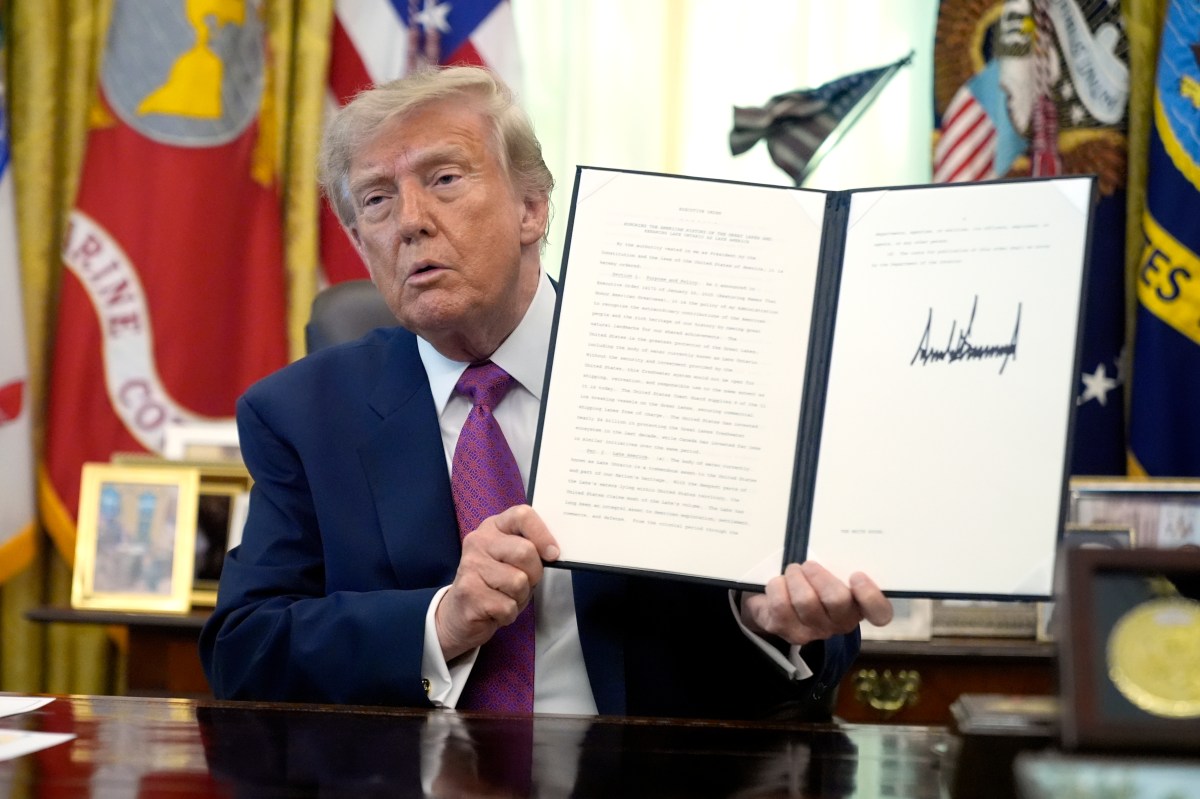
President Trump recently signed an order to rename Lake Ontario as "Lake America" for U.S. federal agencies, but Canada is not required to follow this change.
Read the Original
Want the full story? Tap a source to open the original
article.
A lake created by floods and mudslides on the border between China and Nepal overflowed on Friday. This caused rescue efforts in the area to stop temporarily.
Key Facts
Floods and mudslides occurred on the China-Nepal border.
These disasters created a lake by blocking water flow.
The lake’s banks broke on Friday, causing more flooding.
Rescue operations in the affected area were paused because of the flooding.
The event took place near the border between China and Nepal.
Al Jazeera reported from Nepal’s capital about the situation.
Read the Original
Want the full story? Tap a source to open the original
article.
Six months ago, the United States and Israel started strikes on Iran, killing Iran’s Supreme Leader and hitting key sites. Since then, Iran has attacked US forces and allies, Hezbollah has launched rockets at Israel, and fighting has caused many deaths and economic disruptions, but no side has gained a clear victory.
Key Facts
At least 7,900 people have died since the conflict began, including thousands in Lebanon and Iran, and dozens of Americans and Israelis.
The US and Israel have carried out over 3,500 attacks on Iran, while Iran has launched more than 2,000 attacks in the Gulf region.
Ship traffic through the Strait of Hormuz, an important oil route, has dropped from 100 ships daily to about 7 due to blockades and attacks.
There have been 70 confirmed attacks on ships in the Strait of Hormuz, causing 19 deaths of crew members.
The war has cost the US government at least $37.5 billion so far, with some estimates much higher to cover repairs and military supplies.
Oil prices have risen by about 22% since the war started, with a peak increase of 67% earlier this year.
The US Strategic Petroleum Reserve is at its lowest level since 1982, holding 290 million barrels, down from its full capacity of 714 million barrels.
Read the Original
Want the full story? Tap a source to open the original
article.
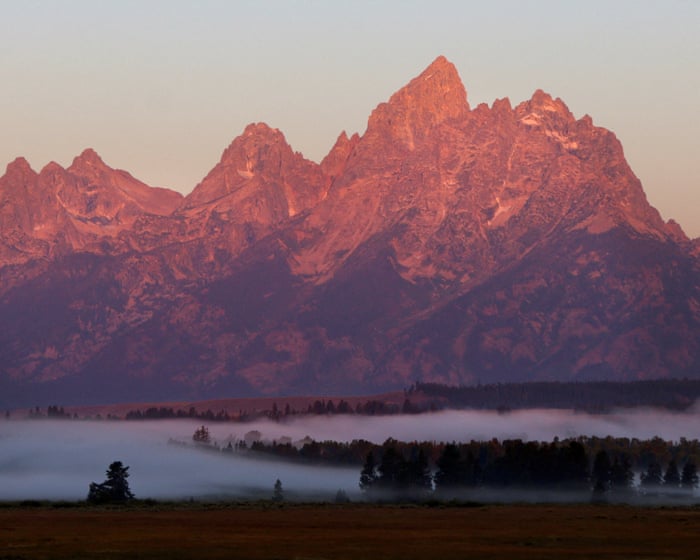
Central bankers and economists are meeting at the annual Federal Reserve symposium in Jackson Hole, Wyoming, where Federal Reserve Chair Kevin Warsh will speak about inflation and the bond market. Market participants are watching closely to see how the Fed will handle rising inflation and recent government actions to lower US borrowing costs by buying long-term bonds.
Key Facts
The Federal Reserve's Jackson Hole symposium focuses this year on inflation and bond markets.
Kevin Warsh is the new Chair of the Federal Reserve.
Warsh’s speech is expected at 10 a.m. Eastern Time in Wyoming.
Investors want clarity on how the Fed will control inflation if prices keep rising.
US Treasury Secretary Scott Bessent has been buying long-term bonds to lower borrowing costs.
This Treasury action could conflict with the Fed’s efforts to manage inflation.
European bond yields have risen to highs not seen in 15 to 18 years amid these concerns.
Warsh has indicated his speech will also cover topics like AI, productivity, demographics, and the global impact of the Iran war.
Read the Original
Want the full story? Tap a source to open the original
article.
Qatar’s Minister of State for Foreign Affairs visited eastern Libya for the first time in 14 years. This visit is part of efforts by Qatar, Egypt, and Turkiye to help unify Libya after many years of conflict between two opposing governments.
Key Facts
Qatar’s foreign minister visited eastern Libya, marking the first visit in 14 years.
The visit aims to promote the idea of a united Libya, often called ‘One Libya’.
Libya has been divided and in conflict for over ten years.
Two rival authorities have been fighting for control of the country.
Qatar is cooperating with Egypt and Turkiye in these diplomatic efforts.
The push for unity involves talks and visits to different parts of Libya.
The goal is to end the long-lasting political split and violence in Libya.
Read the Original
Want the full story? Tap a source to open the original
article.
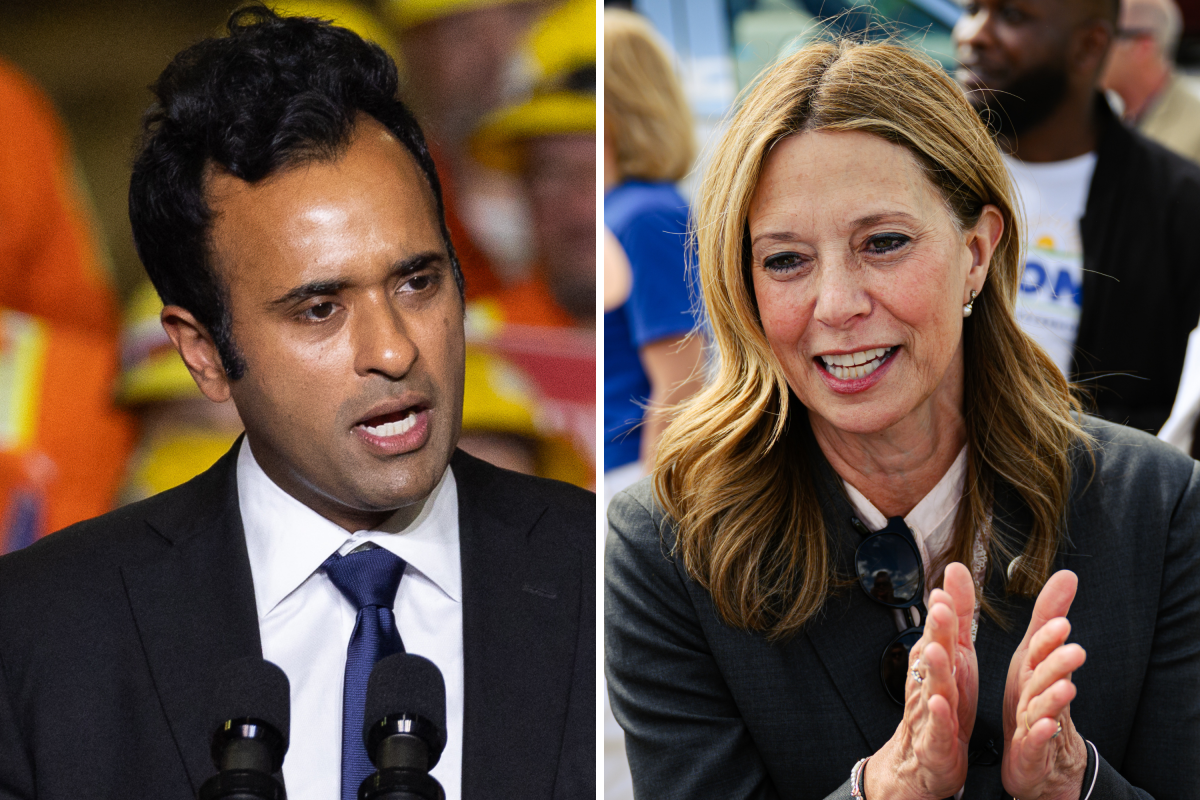
Republican Vivek Ramaswamy has lost his lead over Democrat Amy Acton in prediction markets for the Ohio governor's race. Polls show the race is very close as both candidates compete to replace the term-limited Republican governor.
Key Facts
Prediction markets Polymarket and Kalshi now give Acton a slight edge over Ramaswamy in winning the Ohio governor’s race.
Polymarket shows Acton with a 54% chance, Ramaswamy with 47%; Kalshi shows Acton at 55%, Ramaswamy at 45%.
Recent polling averages also show a very tight race, with Acton slightly ahead by about 0.2 percentage points.
Ohio tends to vote Republican in presidential elections and was won by President Trump by 11.2 points in 2024.
The current governor, Mike DeWine, is a Republican who cannot run again due to term limits.
Prediction markets work by allowing people to buy and sell bets on the election outcome, which can reflect the latest information quickly.
Polls from different organizations show mixed results, with some favoring Ramaswamy and others favoring Acton, all within margins of error.
Both parties may need to invest resources because the race is unexpectedly close for an open Republican seat.
Read the Original
Want the full story? Tap a source to open the original
article.