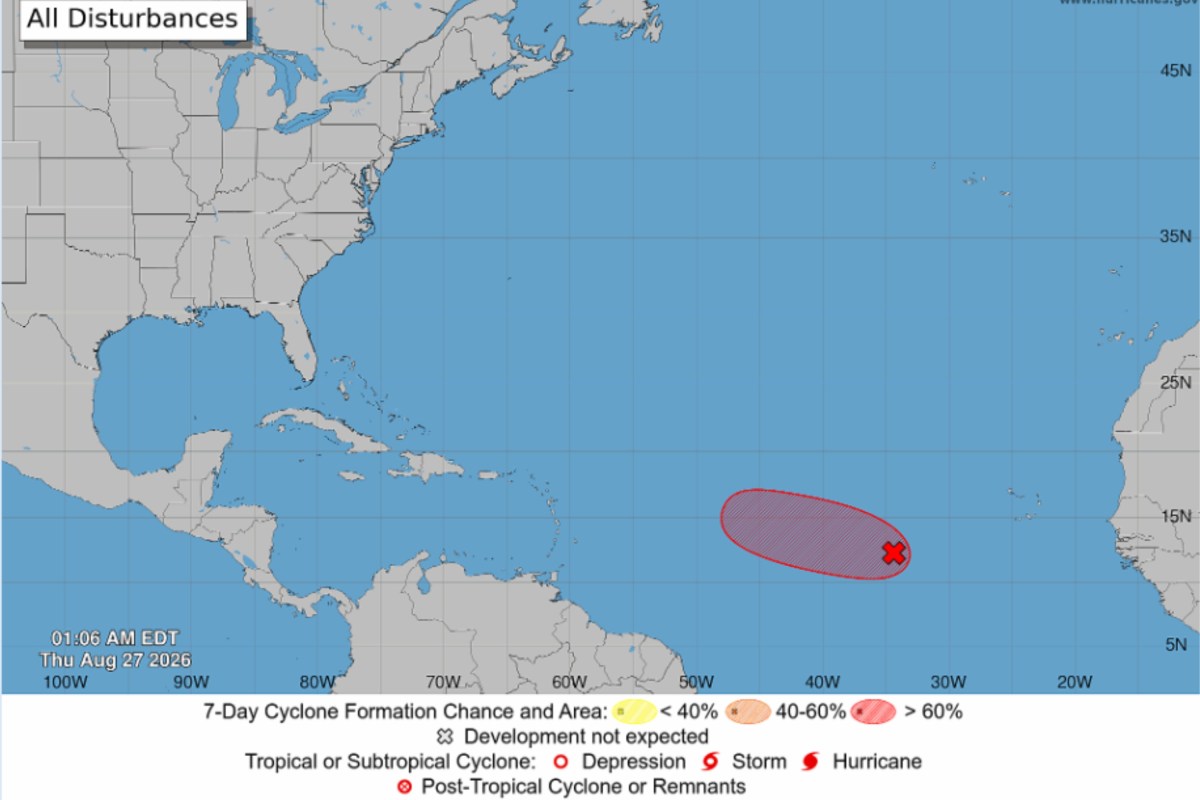
Meteorologists are watching an area of disturbed weather in the Atlantic called Invest 96L. The National Hurricane Center says it has a 70% chance of becoming a tropical storm named Dolly within the next few days.
Key Facts
Invest 96L is a weather disturbance southwest of the Cabo Verde Islands.
The National Hurricane Center (NHC) monitors Invest 96L for tropical development.
Showers and thunderstorms linked to Invest 96L have become more organized.
There is a 70% chance the system will develop into a tropical cyclone in 48 hours and seven days.
If it becomes a tropical storm, it will be named Dolly.
Conditions may become less favorable for development by Friday.
The NHC may issue official advisories if Invest 96L strengthens into a tropical depression or storm.
Forecast models show different possible paths for the storm, signaling a potential threat.
Read the Original
Want the full story? Tap a source to open the original
article.
Meta has agreed to pay up to $18 billion over the next ten years to settle lawsuits in the United States. The company will also limit how teenagers can use Facebook and Instagram to address claims that its platforms were designed to be addictive and harmful to children.
Key Facts
Meta will pay a maximum of $18 billion within ten years as part of the settlement.
The agreement involves nearly all U.S. states.
The lawsuits accused Meta of creating social media products that intentionally addicted children.
Meta is required to set strict limits on how teenagers use Facebook and Instagram.
This settlement ends a federal trial about the safety of Meta’s platforms for young users.
The case focused on claims that Meta misled the public about the safety of its products.
The announcement was made on August 27, 2026.
Read the Original
Want the full story? Tap a source to open the original
article.
The Strait of Hormuz, a narrow passage key to global shipping, has seen a drastic drop in vessel traffic from over 100 ships a day to only five since the United States-Israel war on Iran began. This reduction has caused major disruptions in the global movement of oil, gas, and goods, as about 80 percent of world trade depends on ships passing through such routes.
Key Facts
The Strait of Hormuz is a 33 km (21 miles) wide passage important for shipping.
Before the conflict, about 100 vessels passed through it daily; now only about five do.
Around 80% of the world's trade by volume moves through maritime shipping.
The Strait carries more than one-third of the world’s seaborne crude oil and significant amounts of gas products.
Crude oil exports from the Gulf region have dropped by 47%, from 17 million barrels to about 9 million barrels a day.
Direct crude oil exports via the Strait have fallen to an average of 2.2 million barrels per day.
Different types of ships pass through the Strait, including oil tankers, container ships, dry bulk carriers, and Ro-Ro ships (which carry wheeled cargo).
The Strait has no alternative maritime route, making its closure uniquely disruptive to global trade.
Read the Original
Want the full story? Tap a source to open the original
article.
A large piece of ice broke off from a glacier and fell into a river, causing severe floods in Nepal and Tibet. The floods have killed at least 180 people, left more than 1,300 missing, and displaced many others in the Himalayan area.
Key Facts
A glacier collapse triggered the floods in Nepal and Tibet.
The ice fell thousands of meters into a river below.
At least 180 people have died because of the floods.
Over 1,300 people are reported missing, including foreigners and pilgrims.
Hundreds of people have lost their homes in the Himalayan region.
The disaster occurred recently and affects both Nepal and Tibet.
Rescue and recovery efforts are ongoing in the area.
Read the Original
Want the full story? Tap a source to open the original
article.
Floods and mudslides caused by a glacier collapse have hit the border area between Nepal and China, killing at least 270 people and leaving over 1,300 missing. Rescue teams face challenges due to destroyed bridges and roads, and many people have been evacuated or displaced.
Key Facts
A glacier collapse caused floods and mudslides along the Nepal-China border.
At least 270 people have died and more than 1,300 are reported missing.
Hundreds of people are displaced in the Himalayan region.
Dozens of bridges and about 40 km of roads have been damaged, making rescue efforts difficult.
The Nepali army rescued over 100 people by helicopter and evacuated foreign nationals.
Bodies were found 100 km downstream in Nepal’s Chitwan district.
Injured people are being sent to Kathmandu for medical treatment.
In Tibet, mudslides covered roads with up to 2 meters of mud near the border crossing at Gyirong.
Read the Original
Want the full story? Tap a source to open the original
article.
Yayoi Kusama, a famous Japanese artist known for her immersive art using bright colors and polka dots, has died at age 97. She gained worldwide recognition for her unique exhibitions, including Infinity Mirror Rooms and large sculptures, which attracted millions of visitors.
Key Facts
Yayoi Kusama was a Japanese artist who used polka dots, mirrors, and lights in her art.
She became popular during the pop art movement and had shows in cities like Tokyo, New York, London, and Melbourne.
Kusama experienced hallucinations of dots and lights as a child, which inspired her art from the 1960s.
She represented Japan at the Venice Biennale in the 1990s, boosting her global fame.
Kusama had major exhibitions at the Museum of Modern Art (New York), Tate Modern (London), and the National Museum of Modern Art (Tokyo).
Visitors took part in her art by placing over 800,000 stickers on a room at the Hirshhorn Museum in Washington D.C. in 2017.
Her art installations drew large crowds and were extended several times, notably the Infinity Mirror Rooms at Tate Modern from 2021.
She lived voluntarily in a psychiatric hospital for many years and died recently in a Tokyo hospital.
Read the Original
Want the full story? Tap a source to open the original
article.
Norwegian King Harald is in very serious health condition, according to the royal palace. The 89-year-old king, who has hemolytic anemia, was recently hospitalized, and his health has worsened after earlier improvements.
Key Facts
King Harald of Norway is 89 years old.
He has hemolytic anemia, a condition where red blood cells break down too quickly.
The king was admitted to the National Hospital in Oslo earlier in August 2026.
His health had stabilized after a bacterial blood infection but then got worse.
Queen Sonja and Crown Prince Haakon canceled their public events due to his condition.
Crown Prince Haakon is acting as regent while the king is hospitalized.
King Harald has been Norway’s monarch since 1991.
He has been hospitalized multiple times in recent years for various health issues.
Read the Original
Want the full story? Tap a source to open the original
article.
Heavy rain and flooding hit the north-central regions of Japan, especially in Ishikawa and Toyama prefectures. The weather caused roads to close, homes and vehicles to flood, and left many people stranded and needing rescue.
Key Facts
A Level 5 heavy rain warning was issued for parts of Ishikawa and Toyama prefectures by Japan’s weather agency.
More than 380,000 people were advised to move to safer locations due to flooding and landslide risks.
Up to 20 centimeters (7.8 inches) of rain was expected through Friday morning in some areas.
Flooding isolated 270 homes in three municipalities in Ishikawa prefecture.
Rescue workers used rubber boats to help residents stranded in flooded areas.
Several rivers overflowed, causing widespread flooding but no reported injuries.
Over 1,000 homes experienced power outages because of the bad weather.
Earlier in the month, flooding in eastern Japan caused 13 deaths.
Read the Original
Want the full story? Tap a source to open the original
article.
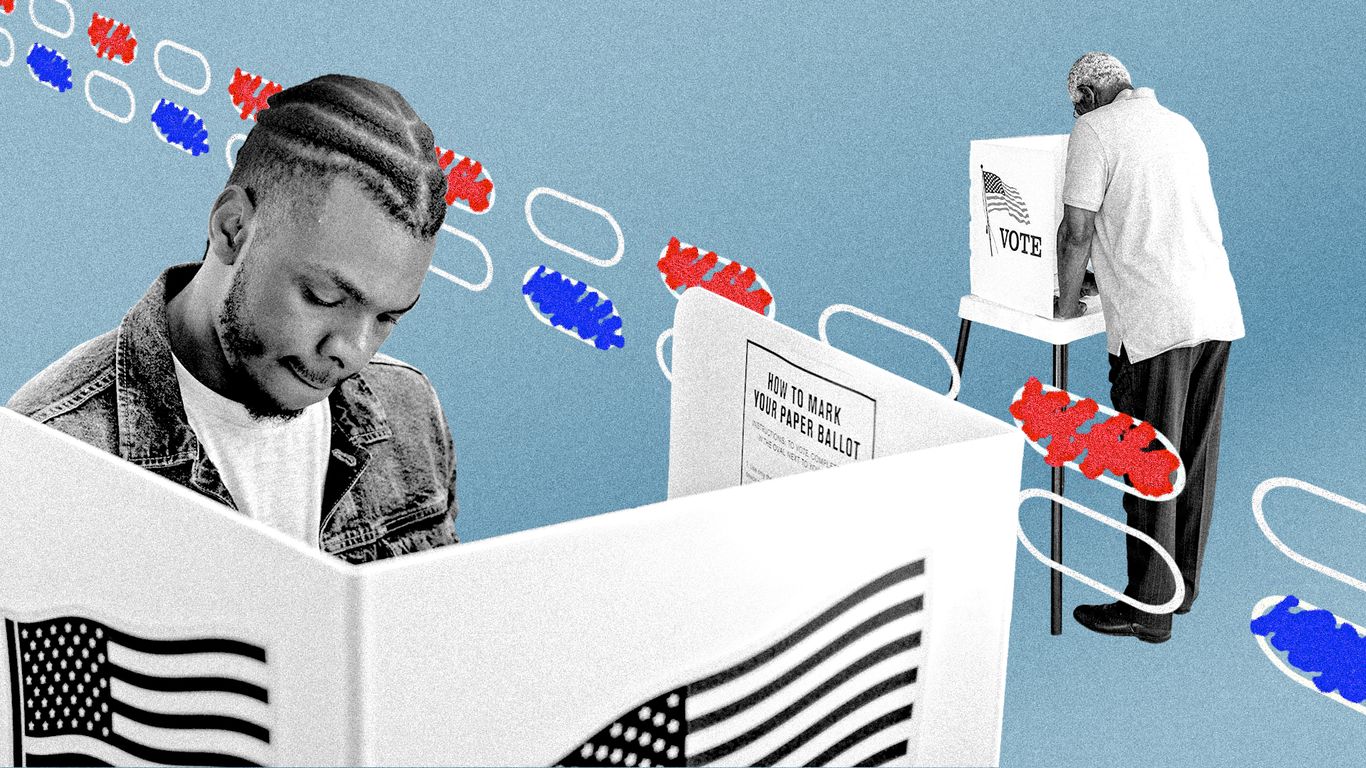
Young Black voters, especially those in Generation Z, are showing more support for progressive and new candidates rather than longtime Black political leaders in Democratic primaries. This trend was seen in Michigan’s Senate race and New York City’s mayoral primary, revealing a generational divide within the Black community’s voting patterns.
Key Facts
In Michigan, Abdul El-Sayed, a progressive candidate, narrowly defeated establishment-backed Haley Stevens despite her strong financial support and endorsements from older Black leaders like Rep. Jim Clyburn.
Younger Black voters in Michigan supported El-Sayed more heavily, while older voters leaned toward Stevens.
Young Black voters are more willing to support progressive and new candidates rather than traditional Black leaders.
Some young Black voters express frustration with older leaders holding power and ignoring their desires for change.
Data shows 17% of Black voters under 50 lean Republican, compared with 7% of those 50 and older, indicating some openness to Republican candidates among younger Black voters.
In New York City’s 2025 Democratic mayoral primary, younger voters preferred Zohran Mamdani, a progressive, while older Black voters favored Andrew Cuomo.
Al Sharpton, a longtime civil rights leader, says elders should not just give up power but acknowledges the importance of both older and younger generations working together.
Younger Black voters are focused more on issues like housing, health care, education, and economic security compared to older voters who prioritize traditional civil rights fights.
Read the Original
Want the full story? Tap a source to open the original
article.
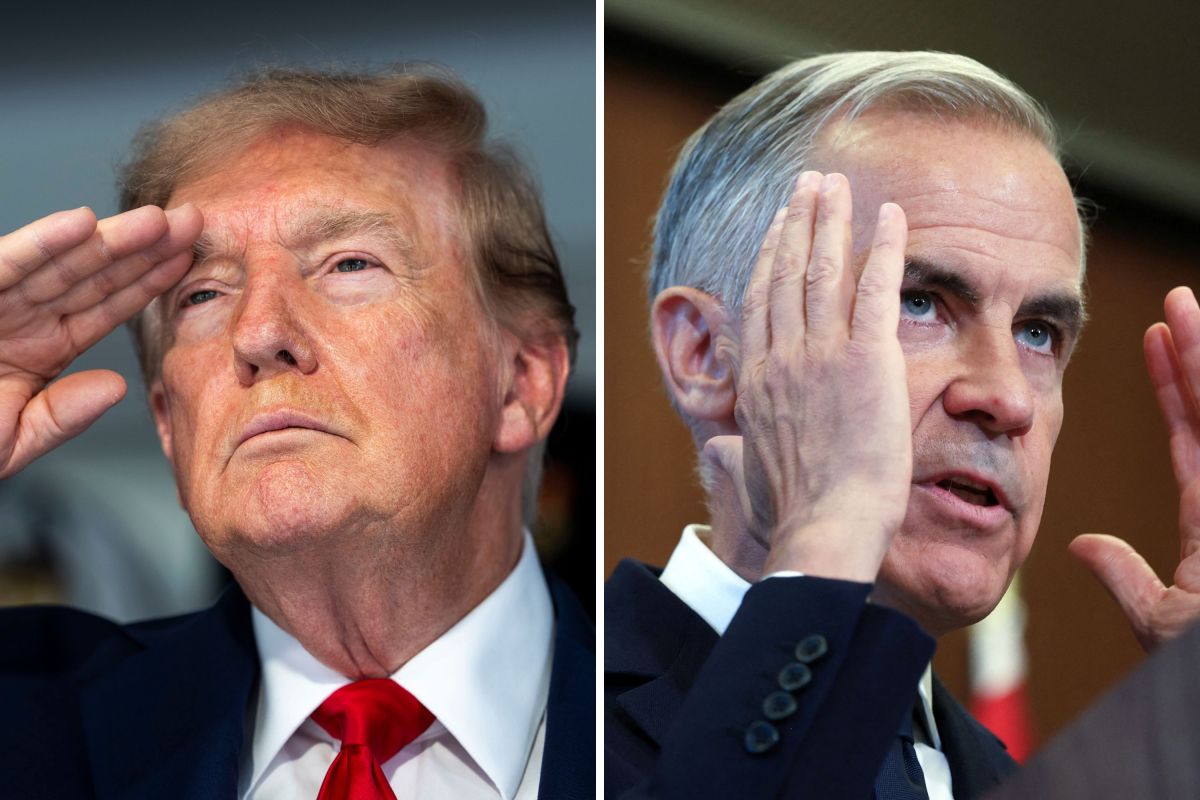
The trade conflict between the U.S. and Canada has led to new tariffs on Canadian goods, including building materials, which could raise costs for American homebuilders and buyers. These tariffs add to rising material prices and may slow down home construction during a time when housing is already hard to afford.
Key Facts
The U.S. and Canada have imposed new tariffs on $20 billion worth of goods due to failed trade talks.
Canada responded with tariffs up to 50% on items such as hockey sticks, clothing, wine, dairy, cement, and plywood.
Canadian lumber faces a 35-45% tariff in the U.S., increasing building costs.
Tariffs have caused building material prices to rise 40% since December 2020.
The National Association of Home Builders warns that tariffs increase housing costs and reduce new construction.
Lumber imports to the U.S. are at their lowest quantity since 2014.
Higher costs mainly affect plywood, veneer, engineered wood products, aluminum, and steel used in homebuilding.
Rising mortgage rates have a bigger impact on housing affordability, but tariffs exacerbate the cost challenges.
Read the Original
Want the full story? Tap a source to open the original
article.
Wildfires are becoming more severe due to climate change, requiring actions during fires, before fire seasons, and over many years. The Pacific Northwest is currently experiencing a record wildfire season, highlighting the need for better evacuation plans, forest management, and climate policies.
Key Facts
The Pacific Northwest, including Washington and Oregon, is having its most active wildfire season in recorded history.
Wildfires need different responses: evacuations during fires, preparing homes and communities before fire seasons, and long-term forest and climate management.
Preparing evacuation plans ahead of time helps people stay calm and act quickly when fires start.
Simple home safety steps include clearing flammable materials near houses and protecting vents from embers.
Community measures include managing nearby fuels and adopting building rules suited for wildfire risks.
A man has been charged with arson for starting a large fire in Spokane that destroyed hundreds of homes.
The cause of fires (arson or natural) does not change the need for preparedness because weather conditions drive fire severity.
Government actions, like cutting greenhouse gas emissions, are key to reducing wildfire risks over decades.
Read the Original
Want the full story? Tap a source to open the original
article.
South Korea’s central bank raised its interest rate to 3.00 percent due to strong growth in the semiconductor sector driven by AI demand. This situation shows how new technology can first increase costs by requiring heavy investment before improving productivity, a pattern that may influence U.S. Federal Reserve policy decisions.
Key Facts
The Bank of Korea increased its policy rate from 2.75% to 3.00%, the second consecutive hike.
South Korea’s semiconductor exports and investments are growing, partly because of AI-related demand.
Core inflation in South Korea rose to 2.6% in July, with higher forecasts for 2026 and 2027.
The rise in semiconductor prices boosted South Korea’s income and helped recovery in spending.
The AI-driven growth shows that investment and productivity gains do not happen at the same time.
The Bank of Korea also cited cost pressures, currency risks, wage rises, housing prices, and household loan growth as reasons for the rate increase.
The U.S. Federal Reserve is watching similar trends as AI drives demand for data centers, software, and equipment.
Federal Reserve Chair Kevin Warsh will discuss these issues in his upcoming speech while U.S. inflation remains above target.
Read the Original
Want the full story? Tap a source to open the original
article.
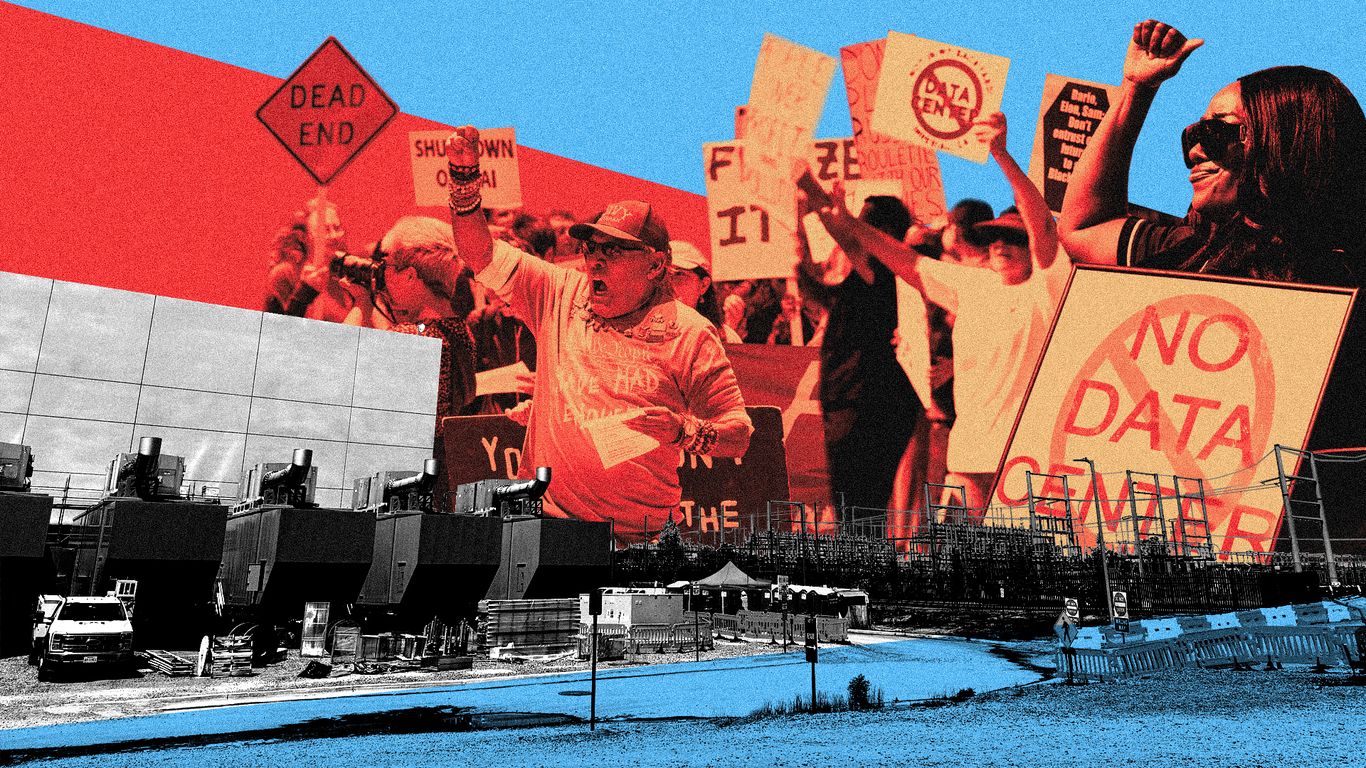
Meta agreed to pay $17 billion and make changes to protect teens on Instagram and Facebook. This settlement is part of wider public and legal pushback against big tech companies, including those building AI-related data centers. Many data center projects face delays due to local opposition, which worries investors and the AI industry.
Key Facts
Meta's $17 billion settlement limits how teens use Instagram and Facebook, including daily time limits and filter restrictions.
Meta urges other social media companies like YouTube and TikTok to adopt similar teen safety measures.
Amazon paid $2.5 billion last year over complaints about Prime subscriptions.
Apple and Google had to change how their app stores handle payments after lawsuits.
TikTok recently agreed to pay $400 million for violating children's privacy rules.
Opposition to new data centers in U.S. communities has risen to 61%, increasing concerns about AI industry growth.
About 75 data center projects, worth $130 billion, were delayed or blocked in early 2024.
Despite pushback, over 1,500 data centers are under construction in the U.S., about half the number currently operating.
Read the Original
Want the full story? Tap a source to open the original
article.
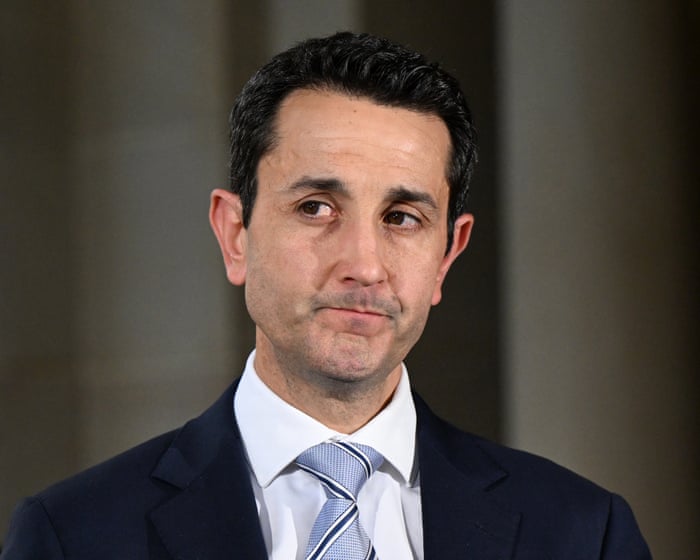
Queensland has passed a new law that requires some offenders, including children as young as 10, to serve a mandatory jail sentence of at least 12 months if they commit a serious offense while on bail. The government admits this law breaches human rights and may worsen overcrowding in prisons and youth detention centers, but argues it is needed due to repeat offending.
Key Facts
The law applies to children from age 10 and adults charged with serious offenses while on bail or who fail to appear in court.
A “significant offense” includes serious crimes like robbery, dangerous driving, and sexual offenses against children.
Offenders face stricter bail rules and must be held in custody unless courts are confident they won’t reoffend.
Conviction of a second offense leads to a mandatory minimum 12-month jail sentence without parole.
The law applies even if the offender is found not guilty of the first offense.
Queensland’s government admits the law limits rights to liberty and may cause more overcrowding in detention centers.
Human rights experts say the law removes judges’ ability to consider individual circumstances and could cause unfair punishments.
Queensland already has the highest rate of youth detention in Australia, and experts say increasing jail time may not reduce youth crime.
Read the Original
Want the full story? Tap a source to open the original
article.
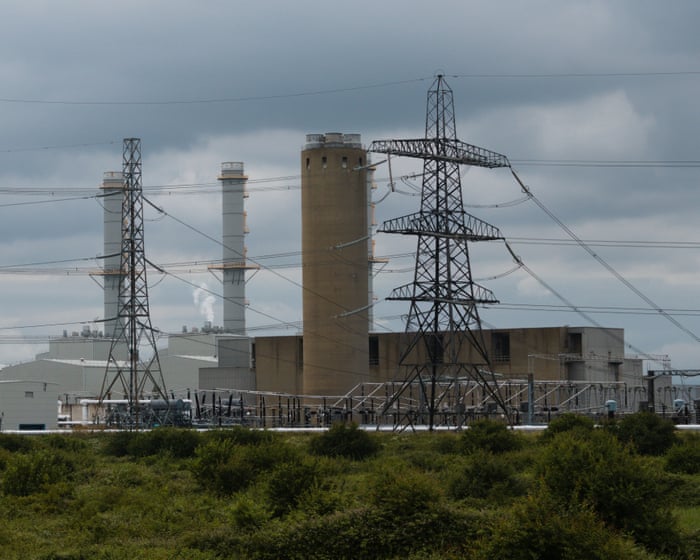
A small gas power plant in the UK was shut down for four days due to a cyber-attack linked to Iran. The UK government plans to improve cybersecurity rules for small power plants by 2030, but experts say this timeline may leave the energy system at risk.
Key Facts
Hundreds of small gas power plants in the UK could be vulnerable to cyber-attacks until new rules take effect in 2030.
An Iran-linked cyber-attack shut down an unnamed small power plant for about four days last month.
The government’s energy regulator, Ofgem, will propose new cybersecurity standards by the end of 2027.
These new standards aim to protect small gas and electricity plants that are currently less secure than large power stations.
Small gas plants are often unmanned and usually idle but can supply extra power when needed.
The attack did not affect the wider UK electricity system, but it showed these plants are targets for hackers.
Experts warn the government should speed up cybersecurity measures to protect national security.
The UK faces an average of four major cyber-attacks weekly, increasing the urgency to improve defenses.
Read the Original
Want the full story? Tap a source to open the original
article.
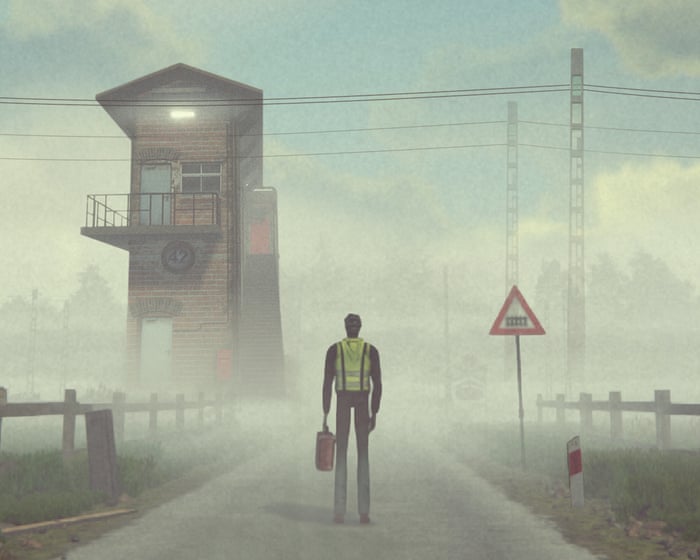
Trainwatch is an independent video game where you play as Troy, a railway worker managing a deserted level crossing while dealing with personal challenges. The game mixes daily tasks with mysterious elements and explores themes of loneliness and mental struggle.
Key Facts
Trainwatch is created by solo developer Remigiusz Michalski, also known as Harvester Games.
The game takes place over a month and involves managing a railway crossing, cooking, and washing.
Troy, the character, must stay sober and call his wife every night.
The setting is a quiet, empty area with a foggy atmosphere and mysterious things at the edges.
The game is a time-management mystery with muted colors and a feeling of unease.
It explores themes like isolation, guilt, and mental health.
Players can explore buildings and meet local people to help them.
The developer was inspired by his own childhood near railway tracks and his solitary life as an indie game maker.
Read the Original
Want the full story? Tap a source to open the original
article.
Research shows many vulnerable children in care are hurting themselves on purpose to avoid being left without support when they turn 18. Experts warn the care system is failing these young people, who sometimes harm themselves to stay in expensive private care facilities.
Key Facts
Some children in care self-harm to avoid losing support when they turn 18 or recover.
A government review found a big drop in care support for people aged 18 to 24.
The number of children in unregulated care settings in England has increased nearly fivefold.
Many children in care have faced neglect or abuse and use self-harm as a way to feel safe.
Private care companies charge local councils over £20,000 per week for high-risk children.
Young people learn more severe ways to self-harm while in inpatient psychiatric units.
A parliamentary report says children’s social care housing is often expensive, inadequate, and far from support.
The report calls for better funding, tougher inspections, and ending the use of unregulated care spaces.
Read the Original
Want the full story? Tap a source to open the original
article.
The US Treasury announced a new sanctions plan called Operation Economic Outcast to punish Iran and any countries, including China, that help Iran. This is President Trump’s latest effort to end conflict involving Iran. Experts worry this move might cause wider global trade problems.
Key Facts
Operation Economic Outcast is a sanctions program targeting Iran and countries assisting it.
The plan was announced by US Treasury Secretary Scott Bessent on August 24, 2026.
China is specifically mentioned as a country that could face punishment under the new sanctions.
This action is part of President Trump’s strategy to end the ongoing conflict related to Iran.
Experts like Vali Nasr from Johns Hopkins University are concerned it might trigger a global trade conflict.
The announcement was made during a press conference at the US Treasury Department in Washington, DC.
Previous sanctions against Iran have been in place, but this operation aims to be more strict.
The issue involves not just Iran but also international relationships and global trade.
Read the Original
Want the full story? Tap a source to open the original
article.
That's the point of this site, and readers keep it that way. Support for any amount and the daily digest lands in your inbox every morning at 7am Eastern.
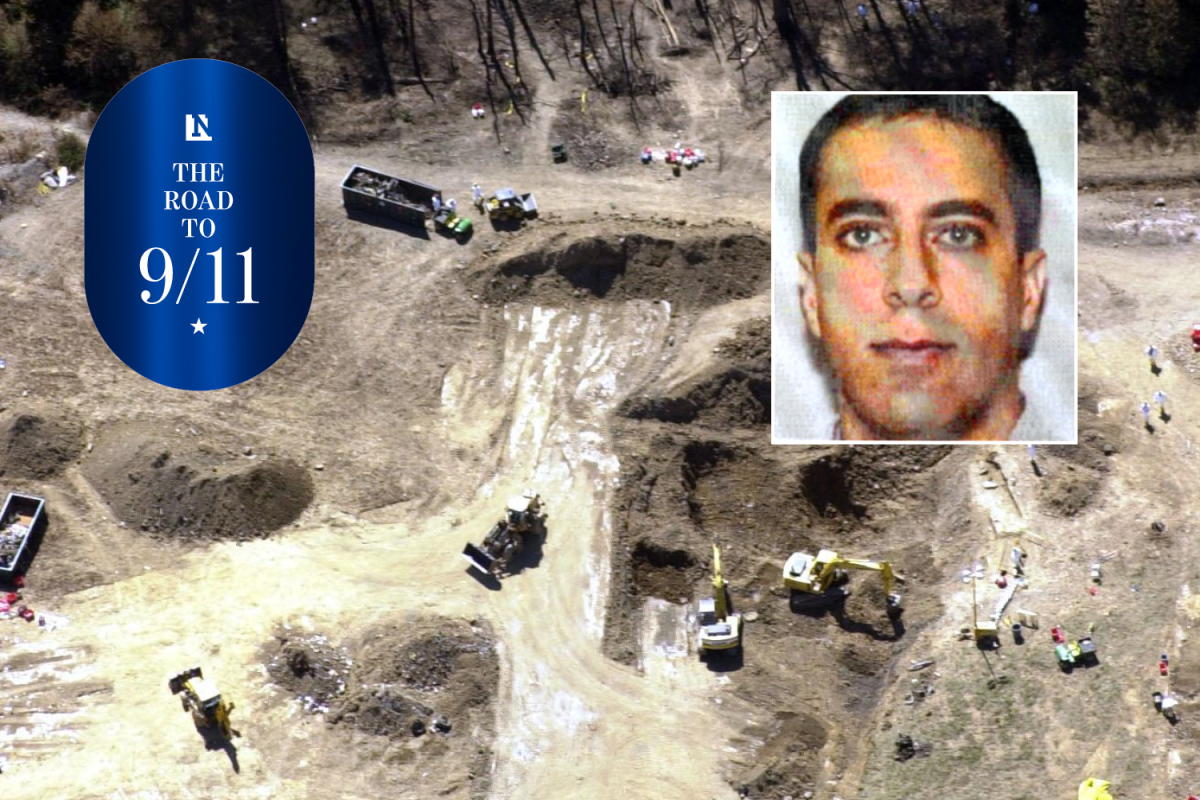
This article describes activities of al-Qaeda members just before the September 11, 2001 attacks. It details how some hijackers bought flight materials and tried to enter the United States but were denied visas for reasons unrelated to terrorism. It also explains the role of financial supporters who helped the hijackers prepare.
Key Facts
Ziad Jarrah, one of the hijackers, bought special flight charts and GPS devices near Fort Lauderdale in late August 2001.
Mohammed Atta and others copied Boeing cockpit diagrams at an office supply store the day after Jarrah’s purchases.
Ali Abdul Aziz Ali, also known as Ammar Al-Baluchi, applied for a U.S. visa in Dubai but was denied due to concerns he might stay illegally.
Ramzi Bin al-Shibh, another al-Qaeda member, was denied a U.S. visa four times over similar immigration concerns.
Five al-Qaeda members failed to get U.S. visas before 9/11, but none were denied due to suspected terrorism.
Ali Al-Baluchi acted as a financial middleman helping the hijackers with money and travel arrangements.
The secret details about what these visa-denied individuals planned to do in the U.S. remain unclear to the public.
This information is part of a series examining the events leading up to 9/11, 25 years after the attacks.
Read the Original
Want the full story? Tap a source to open the original
article.
This article discusses the common practice of parents posting photos of their children on the first day of school on Instagram. It explores why parents share these pictures and questions the purpose of sharing them with a large audience versus close family and friends.
Key Facts
Many parents post pictures of their kids on the first day of school on Instagram.
These posts show kids dressed nicely and smiling, marking a new school year.
Parents often post to share their feelings and celebrate this milestone.
Posting can be a way for parents to connect with others and express pride in their children.
There is a difference between sharing photos privately with family and broadcasting them to many Instagram followers.
Parents sometimes feel emotional about their kids growing older and starting new school years.
Some parents take many photos before choosing the best one to share or print.
The article questions the value of posting these photos to a broad audience instead of just close contacts.
Read the Original
Want the full story? Tap a source to open the original
article.