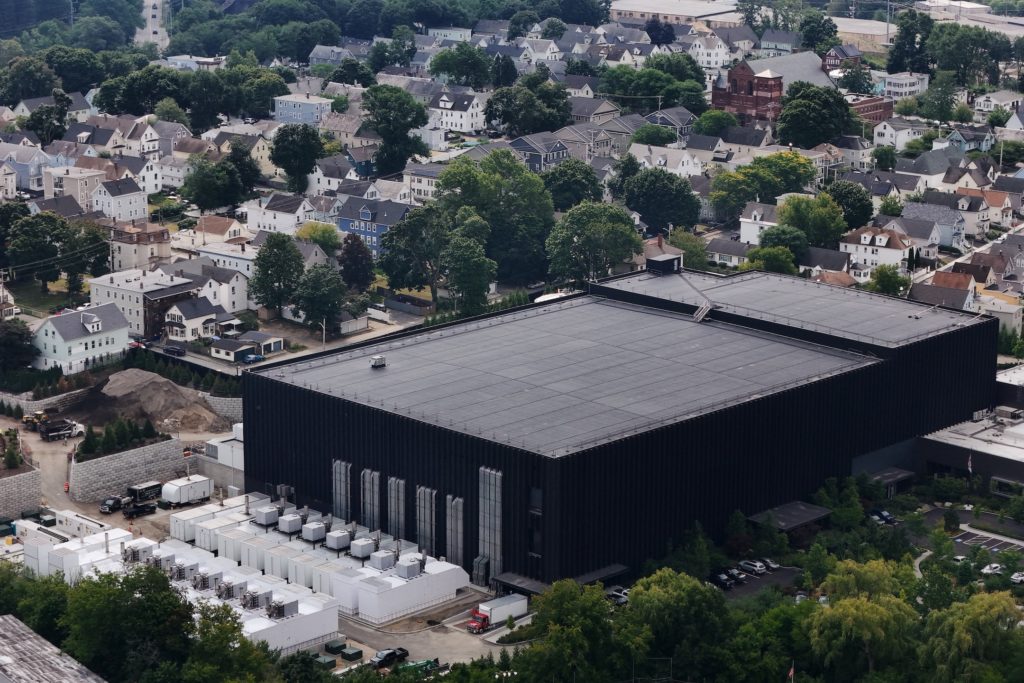
Data centers that support artificial intelligence (AI) have become an important topic in the U.S. midterm elections. Candidates on different sides are focusing on rules and policies about these centers because they believe it could affect voters' decisions.
Key Facts
AI data centers are facilities that store and process large amounts of information for AI technologies.
Opposition to these data centers is one issue that many voters agree on during this election season.
Political candidates are trying to create policies to respond to public concerns about data centers.
The discussion about data centers may influence the results of some midterm election races.
Lisa Desjardins and Clara Ence Morse from The Washington Post talked about the impact of data centers on the midterms.
Read the Original
Want the full story? Tap a source to open the original
article.
A state grand jury found that the DeSantis administration moved $10 million meant for poor children's health care into political groups supporting Republican causes. The report said the money was used to fight a 2024 marijuana legalization vote, but no criminal charges were filed because no one took responsibility. Key officials, including the state's attorney general and former staff, were involved or aware of the transfer.
Key Facts
$10 million from a Medicaid settlement was redirected from health insurance funds to political groups.
The funds ended up in two political action committees and the Republican Party of Florida.
The money was used to oppose Amendment 3, a 2024 initiative to legalize marijuana in Florida.
No one was charged criminally due to lack of clear responsibility or memory of who approved the transfer.
James Uthmeier, then the Governor’s Chief of Staff, was linked to directing the money and his political committee was a main recipient.
Attorney General Ashley Moody authorized her deputy to sign the settlement but did not conduct thorough checks.
The grand jury report was sealed but leaked, causing political debate and calls for transparency.
Governor Ron DeSantis said he was not involved in the settlement decision and called the matter a “hoax.”
Read the Original
Want the full story? Tap a source to open the original
article.
The Tohono O’odham Nation, an Indigenous tribe in Arizona, has accused U.S. federal agents and construction workers of illegally entering its land to build a border wall. The tribe says it was not asked for permission and that the work violates their rights and damages sacred and sensitive areas.
Key Facts
The Tohono O’odham Nation is located along about 62 miles of the U.S.-Mexico border in Arizona and Mexico’s Sonora state.
Around 20 armed Customs and Border Protection (CBP) agents and construction workers entered tribal land before dawn to start border wall work.
The CBP blocked the area with vehicles and brought a SWAT team to protect contractors. Mexican police and a surveillance balloon were also present.
Tribal police were stopped by federal agents from issuing trespassing citations to the construction workers.
The tribe has members on both sides of the border, who cross using tribal ID cards instead of passports.
The Tohono O’odham Nation says it has cooperated with federal authorities to reduce irregular border crossings and drug smuggling by over 95%.
The tribe filed a lawsuit against the Trump administration in June over land use for the border wall, saying the construction ignores their sovereignty and causes environmental and cultural harm.
The tribe prefers to spend resources on services for its members but feels forced to protect its rights through legal action.
Read the Original
Want the full story? Tap a source to open the original
article.
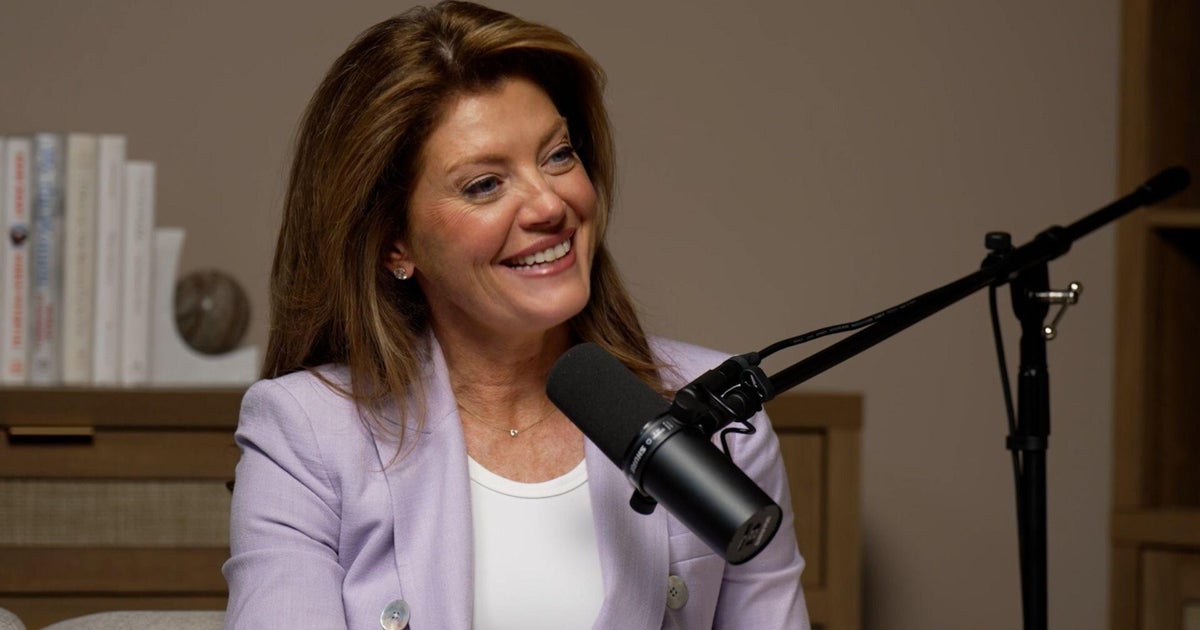
Norah O'Donnell shared her reasons for studying the gut microbiome and explained what she eats to maintain a healthy one. The gut microbiome means the community of tiny microbes living in the digestive system.
Key Facts
Norah O'Donnell discussed her interest in the gut microbiome.
She explained how she keeps her gut microbiome healthy through her diet.
The gut microbiome consists of bacteria and other microbes in the digestive tract.
A healthy gut microbiome can support overall health.
The conversation was part of a CBS News segment.
Read the Original
Want the full story? Tap a source to open the original
article.
A legal dispute took place in Texas between a California couple and their surrogate mother over a newborn baby who has a serious heart problem. The case became a focus for anti-abortion groups who want to change rules about surrogacy.
Key Facts
The dispute involves a baby born with a serious heart condition.
The surrogate mother refused to have an abortion.
The California couple and the surrogate are in a custody battle over the baby.
The case was heard in a Texas court this week.
Anti-abortion activists are paying attention to this case.
These activists want to create new laws or restrictions related to surrogacy.
The case raises questions about parental rights and medical decisions in surrogacy agreements.
The story was reported by Amna Nawaz and Shefali Luthra, a reproductive health reporter.
Read the Original
Want the full story? Tap a source to open the original
article.
Meta agreed to pay $17 billion to settle legal claims from many U.S. states. The states said Meta made social media platforms that were addictive and harmed teen mental health.
Key Facts
Meta is a big social media company known for platforms like Facebook and Instagram.
Dozens of U.S. states took legal action against Meta.
The lawsuit claimed Meta designed its platforms to be addictive.
The addictive design reportedly harmed the mental health of teenagers.
Meta agreed to a $17 billion settlement to resolve these claims.
This settlement is a major legal and financial event for Meta.
The outcome could affect how social media companies design their platforms in the future.
Read the Original
Want the full story? Tap a source to open the original
article.
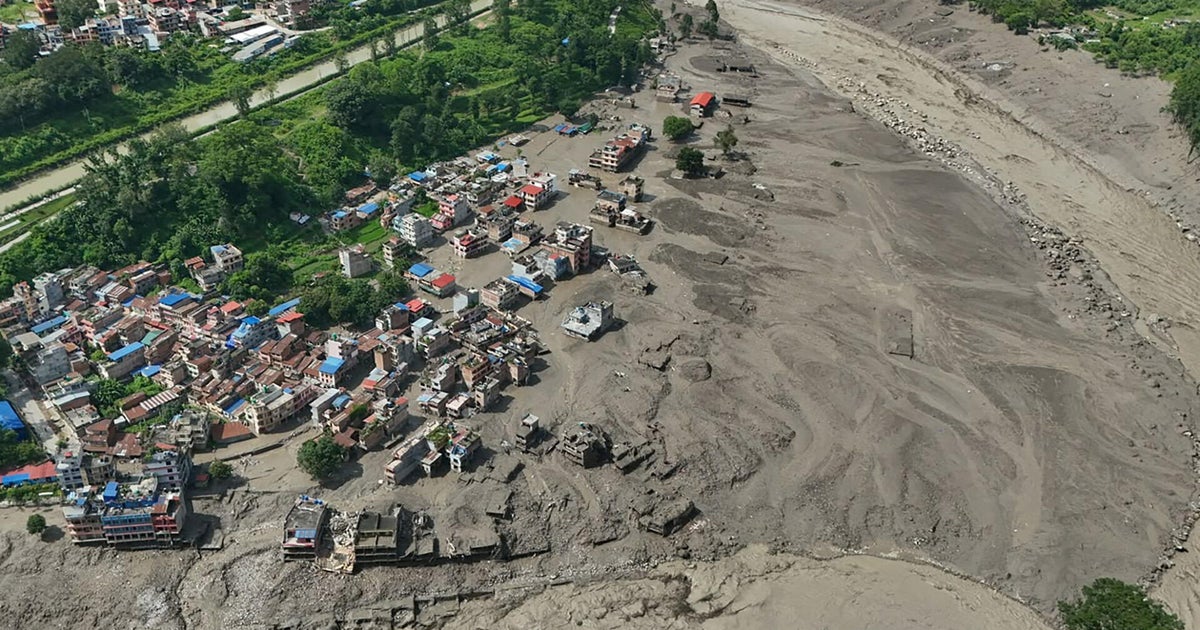
A severe flash flood and mudslide struck the border area between Nepal and Tibet, killing more than 150 people and leaving hundreds missing, including over 30 British citizens. The disaster occurred when a river overflowed with mud, water, and debris, affecting many locals and foreign visitors in the mountainous region.
Key Facts
More than 150 people have died due to flooding and mudslides near the Nepal-Tibet border.
Hundreds are reported missing, including dozens of UK citizens.
The flood resulted from a river bursting its banks, sending water and debris into nearby areas.
The affected area is popular with hikers and pilgrims in the Himalayas.
Nepal’s prime minister described the event as shocking and deeply distressing.
Rescuers are carrying out searches and pulling survivors from floodwaters.
Several British schools and families are among those impacted, with ongoing efforts to locate missing persons.
The disaster has damaged homes, infrastructure, and bridges in the region.
Read the Original
Want the full story? Tap a source to open the original
article.
Experts say a large piece of glacier ice fell into a river near the Nepal-Tibet border, causing floods and landslides that killed at least 270 people. The collapse created a powerful flow of water and debris, which was first mistaken for an earthquake but was confirmed by the US Geological Survey as a seismic event caused by the glacier collapse.
Key Facts
A glacier collapse at about 5,200 meters elevation triggered floods and landslides on the Nepal-Tibet border.
The falling glacier ice turned into a fast-moving mass of water, rocks, sediment, and trees.
The event destroyed a border post and caused damage downstream in Nepal, including floods and collapsed bridges and buildings.
The collapse generated seismic waves similar to a 5.2 magnitude earthquake, but it was not a real earthquake.
Experts use satellite images and limited ground data to study the disaster because the area is hard to reach.
Water monitoring stations downstream stopped sending data shortly after the collapse.
Initial theories included the possibility of a glacial lake outburst flood (GLOF), but the main cause was confirmed as glacier collapse.
Climate change increases risks of such glacial events by causing glaciers to melt and become unstable.
Read the Original
Want the full story? Tap a source to open the original
article.
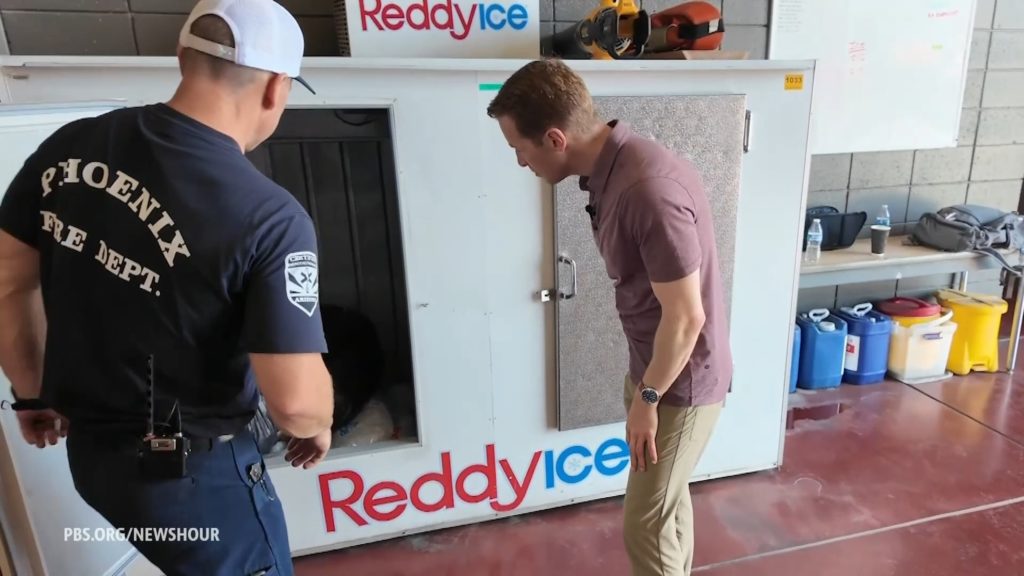
Phoenix faces extreme heat that causes more deaths than violent crime every year. To help prevent heat-related illnesses, the city’s fire department is giving out bags of ice to people in need.
Key Facts
Extreme heat is the deadliest weather threat in the U.S.
In Phoenix, heat kills more people annually than homicides.
The city uses bags of ice as a simple tool to fight heatstroke.
The fire department is leading this ice distribution effort.
This approach is part of a larger effort to protect residents from dangerous heat.
The story is featured in a series called Tipping Point by Climate Central.
Read the Original
Want the full story? Tap a source to open the original
article.
Heavy flooding has occurred in Nepal, causing serious problems for people living there. At the same time, very high temperatures are making wildfires worse in affected areas.
Key Facts
Nepal is experiencing severe flooding.
The floods are causing significant damage and disruption.
Extreme heat is happening in some regions.
This high heat is making wildfires harder to control.
Wildfires are spreading due to dry and hot conditions.
Authorities are monitoring both the flood and wildfire situations.
Efforts are underway to help people affected by these disasters.
Read the Original
Want the full story? Tap a source to open the original
article.
The U.S. Army will build small nuclear reactors called microreactors at five military bases to provide reliable power independent of the commercial electric grid. The project is part of a broader effort supported by President Trump’s administration to advance nuclear energy technology for military and civilian use.
Key Facts
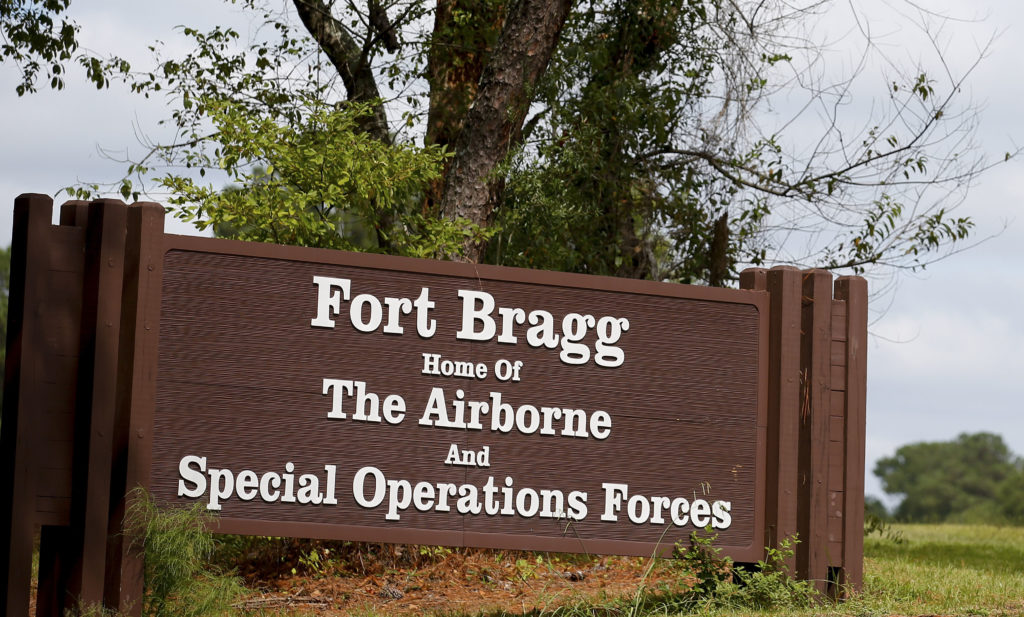
The Army plans to install microreactors at five bases: Fort Bragg (NC), Fort Campbell (KY), Fort Hood (TX), Fort Benning (GA), and Fort Drum (NY).
Five companies will share up to $2.2 billion over five years to build and operate these microreactors.
Microreactors can run for years without needing new fuel and provide steady power even if the main electrical grid goes down.
The Army wants to build over 20 microreactors eventually as part of its Janus Program.
The reactors will be licensed by the Army, not the usual Nuclear Regulatory Commission, to speed up approval.
Safety measures include automatic shutdown if something goes wrong and plans to quickly remove radioactive waste.
President Trump signed orders in 2025 to promote nuclear power development and tasked the Army with deploying these reactors by September 2028.
The Army aims for these microreactors to be models for both military and civilian use, not just Army-specific designs.
Read the Original
Want the full story? Tap a source to open the original
article.
A federal judge blocked a Trump administration rule that lowered wage requirements for foreign farmworkers hired under the H-2A visa program. The judge ruled that the Labor Department did not prove the rule protected U.S. farmworkers from wage cuts and bypassed proper rulemaking steps.
Key Facts
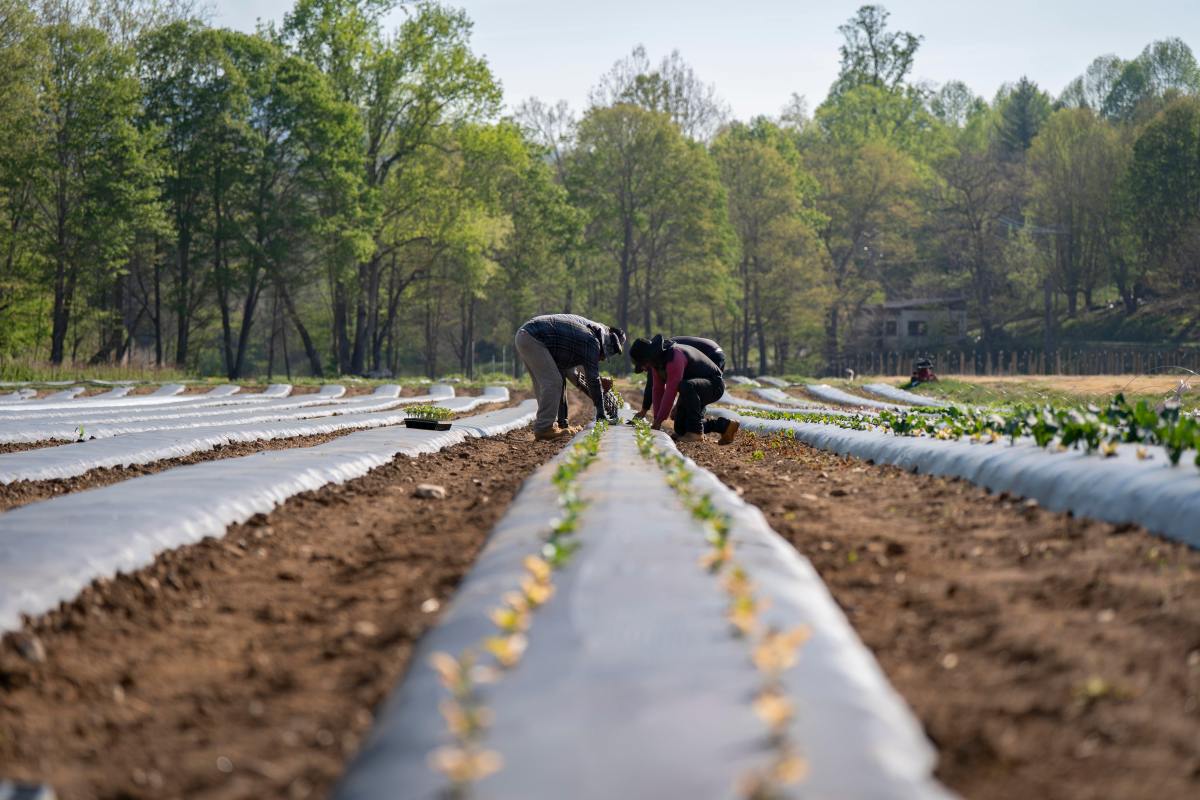
The rule changed how wages are set for foreign agricultural workers under the H-2A visa program starting in 2025.
It lowered the minimum wage levels for many foreign farmworkers, sometimes by up to $7 per hour.
The judge, appointed by President Biden, said the Labor Department failed to show the wage cuts would not hurt American farmworkers’ wages.
About 92% of H-2A workers would be paid at the lowest skill tier under the rule, based on the 17th percentile wage rather than the average wage.
The rule introduced a two-tier wage system and reduced wages by accounting for employer-provided housing.
The judge ordered the Labor Department to create a new method to set wages and warned employers might owe backpay if the new wages are higher.
The United Farm Workers union praised the decision and called for quick new wage rules to protect farmworkers.
The Labor Department had argued the wage changes were needed to fix farm labor shortages and help growers manage costs under stricter immigration enforcement.
Read the Original
Want the full story? Tap a source to open the original
article.
On the biggest stories we show what the outlets agree on and where they differ. Readers keep that going, and get the daily digest by email every morning. Most choose $3.99/month.
Target removed a children's Halloween costume after people criticized it for resembling racist minstrel show imagery. The company apologized and said it is reviewing how the costume was approved to prevent future mistakes. This incident occurred as Target is recovering financially and making changes in leadership and store operations.
Key Facts
Target pulled a Halloween clown costume that many said looked like racist minstrel show characters.
The costume featured gloves, a top hat, and a mask with large teeth, which critics linked to harmful stereotypes.
Target apologized, calling the costume offensive and pledging to learn from the mistake.
The retailer ended a diversity and inclusion program in January 2025 and replaced it with a "Belonging" strategy.
Activists have called for Target boycotts, which led to significant drops in the company’s stock value last year.
Target’s stock has risen about 63% in 2025 as the company focuses on store upgrades, better staffing, and pricing strategies.
New CEO Michael Fiddelke is leading Target’s turnaround, including plans to open new stores and remodel many locations.
Retail experts say mistakes in merchandise selection can happen even to large companies, but quick response is important.
Read the Original
Want the full story? Tap a source to open the original
article.
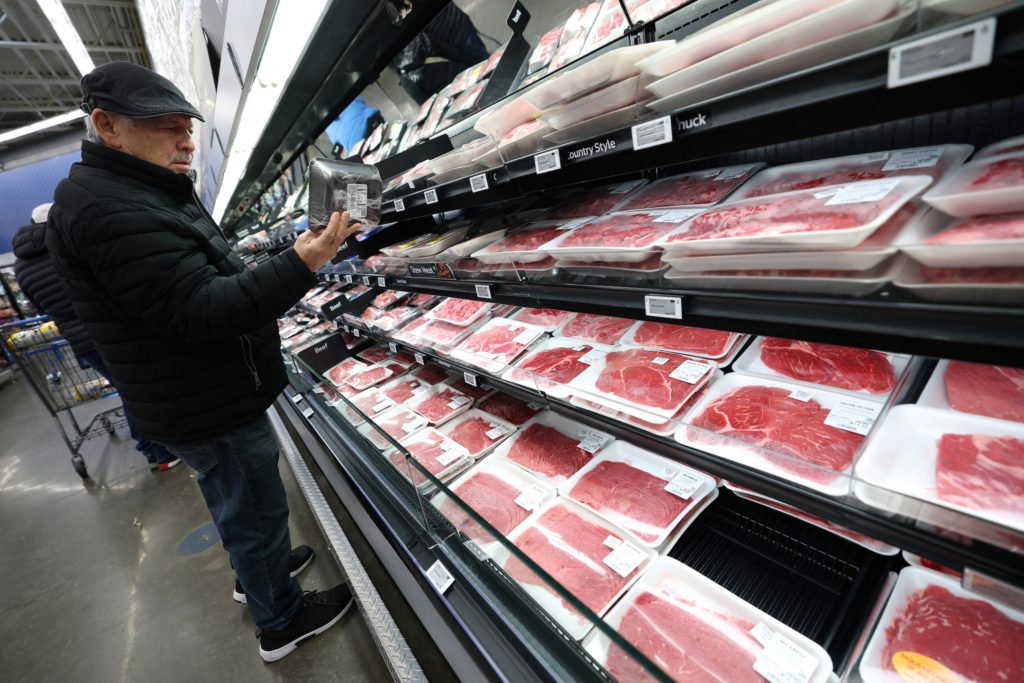
President Trump plans to pause taxes on imported ground beef, which means cheaper meat from other countries. Ranchers and some Republican politicians are upset because they believe this will hurt American cattle farmers and the beef industry.
Key Facts
President Trump announced a pause on tariffs for imported ground beef.
Tariffs are taxes on goods coming from other countries.
Ranchers say cheaper imports will make it hard for American producers to compete.
Some Republican politicians also oppose the plan.
The Montana Farmers Union talked about the issue with Geoff Bennett.
Critics worry this will weaken the US beef industry over time.
Read the Original
Want the full story? Tap a source to open the original
article.
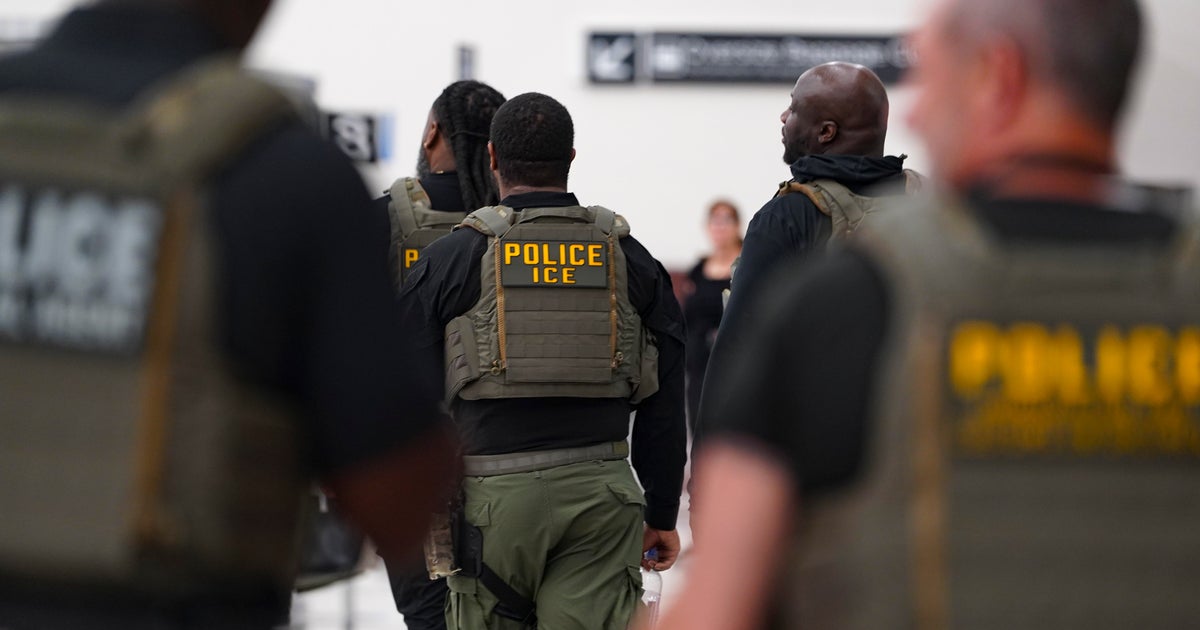
In July, Immigration and Customs Enforcement (ICE) arrested more than 800 people without criminal records each day on average, a new record. This increase happened during President Donald Trump’s second term as the administration pushed ICE to arrest 2,000 people per day, including many with only civil immigration violations.
Key Facts
ICE averaged over 1,580 arrests daily in July, the highest so far this administration.
More than half of those arrested in July had no criminal records, only civil immigration issues.
Only about 4% of July arrests involved immigrants with violent crime convictions.
The rise in arrests followed a summer ramp-up after earlier declines due to leadership changes and funding issues.
ICE and DHS officials say their targets include people illegally in the U.S., including some without criminal records but suspected of serious crimes elsewhere.
Sanctuary cities, which limit cooperation with ICE, saw a smaller increase in arrests than non-sanctuary areas.
Arrests in Florida and Texas, states that require local cooperation with ICE, increased significantly.
Some sanctuary cities like San Ysidro, Denver, and Newark also saw big spikes in community arrests recently.
Read the Original
Want the full story? Tap a source to open the original
article.
An early government report estimated that thousands of Americans might have been exposed to harmful chemicals after a 2023 train derailment in East Palestine, Ohio. The incident released chemicals such as vinyl chloride, a substance used in making plastic, raising health concerns.
Key Facts
A train derailment happened in East Palestine, Ohio, in 2023.
The derailment caused a spill of toxic chemicals.
One chemical released was vinyl chloride, used in plastic production.
Early government estimates suggested thousands of people could be at risk of exposure.
These government documents were obtained by a watchdog group.
The spill became a significant topic in political discussions.
Officials monitored the situation due to public health concerns.
Read the Original
Want the full story? Tap a source to open the original
article.
Meta has agreed to pay over $18 billion to U.S. states as part of a settlement to resolve a trial about its Facebook and Instagram platforms. The deal includes new rules to better protect children and teenagers who use these social media sites, but it still needs a judge’s approval.
Key Facts
Meta will pay more than $18 billion to states through this settlement.
The settlement addresses concerns about kids and teens using Facebook and Instagram.
Meta will introduce changes to improve safety and protection for younger users on its platforms.
The agreement resolves a trial involving state attorneys general and Meta.
The settlement must be approved by a judge before it becomes official.
The changes aim to reduce risks related to mental health and privacy for young users.
This is a major agreement involving many states across the U.S.
The case is considered important in regulating social media and protecting minors.
Read the Original
Want the full story? Tap a source to open the original
article.
The Trump administration is expanding its immigration restrictions to include people who enter the U.S. legally by pausing immigrant visa applications and planning to revoke many business and tourism visas. This new policy targets people seen as likely to rely on public benefits, and it affects family-based immigrant visas, causing delays and possible legal challenges.
Key Facts
The State Department paused all immigrant visa applications starting in early August, with plans to resume by mid-September.
The pause is to train consular officers on new rules related to a "public charge" requirement, meaning applicants who might rely on public benefits.
Business and tourism visas of up to 200,000 foreigners who applied for asylum may be revoked under this policy.
The visa pause mainly affects family-based immigrant visas like for parents, spouses, children, or siblings of U.S. citizens.
Worker visas sponsored by employers are not affected since they show proof of income.
Visa interviews delayed by the pause will be rescheduled for September, October, or November, though rescheduling can be difficult.
The policy reflects the Trump administration’s approach to reduce immigration levels by using stricter rules.
A previous policy restricting visas from 75 countries was blocked by a court earlier in 2026, which may influence upcoming legal challenges.
Read the Original
Want the full story? Tap a source to open the original
article.
A federal judge declined to erase Steve Bannon’s criminal conviction for refusing to testify to Congress about the January 6 Capitol attack. The judge said the Justice Department did not properly explain why it wanted the case dismissed but allowed them to try again following legal rules.
Key Facts
Steve Bannon was convicted for refusing to testify before the House committee investigating the January 6, 2021, Capitol attack.
The Justice Department asked a judge to dismiss Bannon’s conviction.
U.S. District Judge Carl Nichols refused to dismiss the case because prosecutors did not clearly explain their reasons.
The judge said the government can submit a new request to dismiss if it follows proper legal steps.
The U.S. Supreme Court threw out an earlier appeals court ruling that had upheld Bannon’s conviction.
Bannon already served a four-month prison sentence after his 2022 conviction.
U.S. Attorney Jeanine Pirro, appointed by President Donald Trump, said dismissing the case would serve “the interests of justice” but did not provide details.
Judge Nichols was appointed by President Donald Trump during his first term.
Read the Original
Want the full story? Tap a source to open the original
article.
A judge paused criminal charges against Jeanine John Taele, a former U.S. Marine arrested with ammunition and a gun at President Donald Trump’s golf course in California. Taele is now undergoing a psychiatric evaluation and was sent to a mental health court, as concerns were raised about his mental fitness to stand trial.
Key Facts
Taele was arrested at Trump National Golf Course in Rancho Palos Verdes, California, with a loaded 9mm pistol, binoculars, ammunition, and a badge labeled “security protection agent.”
He was wearing an earpiece and taking photos during an event where President Trump was scheduled to appear.
The judge noted Taele’s false claim in a pretrial evaluation that he was a State Department official for 14 years.
Investigators found about 200 pages of writings from Taele, including schedules related to Melania Trump and the Secret Service, and lists about living “off the grid.”
Taele has previous legal issues, including a November 2025 arrest for allegedly stealing Meta Glasses and muttering to himself.
He faced several felony charges including possession of a short-barreled rifle or shotgun, receiving a large-capacity magazine, and a misdemeanor for carrying a concealed firearm in a vehicle.
The judge did not grant bail, and Taele will remain in jail until a mental health court hearing on September 9.
Taele’s attorney indicated it is too early to know how his mental health status will affect his defense.
Read the Original
Want the full story? Tap a source to open the original
article.