Italy plans to update its road rules to fine pedestrians who use mobile phones or other electronic devices while crossing streets, aiming to reduce accidents caused by distracted walking. The new rules also require pedestrians to make sure drivers see them before crossing and prohibit hesitation when crossing the road.
Key Facts
Pedestrians in Italy could face fines starting at €75 for using phones or similar devices while crossing roads.
The ban includes laptops, tablets, and digital cameras but allows hands-free calls and emergency phone use.
Wearing earphones is allowed if the pedestrian can hear properly in both ears.
Pedestrians must ensure drivers see them and intend to stop before crossing.
The rule does not apply to pedestrians walking on sidewalks.
Italy’s new code will also increase penalties for drivers using phones, with fines up to €2,588 and possible license suspension.
Restrictions planned for elderly drivers (85+) were removed from the draft after public opposition.
Similar distracted walking rules exist in Lithuania, Honolulu, and Japan.
Read the Original
Want the full story? Tap a source to open the original
article.
South African police arrested four people after boxing champion Zolani Tete was shot and killed near his home. Tete was a two-time world boxing champion preparing to return to the sport after a doping ban.
Key Facts
Zolani Tete, a two-time boxing world champion from South Africa, was shot dead last week near his home in Mdantsane, Eastern Cape.
Four suspects aged 22 to 28 were arrested, and one has been charged with murder.
A 27-year-old woman with Tete during the attack survived and is hospitalized.
Tete won the IBF junior-bantamweight title in 2014 and the WBO bantamweight title in 2017.
He holds the record for the fastest knockout in a world championship fight: 11 seconds in 2017.
In 2023, he received a four-year doping ban that ended in July, and he was preparing to return to boxing.
South Africa’s Sports Minister called Tete one of the country’s finest fighters and said his death is a great loss.
Read the Original
Want the full story? Tap a source to open the original
article.
Vice President JD Vance asked Congress to make recent healthcare fraud enforcement measures permanent by turning them into law. He wants to ensure future governments cannot reverse the progress made in fighting Medicare fraud.
Key Facts
Vice President JD Vance spoke about healthcare fraud enforcement.
He called on Congress to make current fraud enforcement rules permanent laws.
The goal is to stop future administrations from undoing progress.
The focus is on Medicare fraud, which involves cheating the government healthcare program for older adults.
Making these rules permanent would help protect the program from fraud in the long term.
This issue is part of the current administration’s efforts to improve healthcare oversight.
Read the Original
Want the full story? Tap a source to open the original
article.
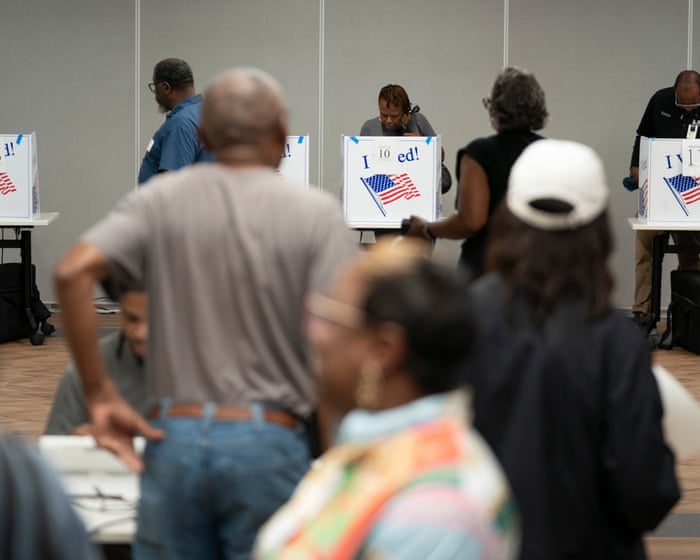
Oklahoma will hold runoff elections Tuesday for the Republican governor’s nomination and the Democratic U.S. Senate nomination. Voters will also decide on two state ballot measures, including one to add a voter ID requirement to the state constitution. The governor’s race is notable because Democrats have not won the office in 20 years, and the runoff will test President Trump’s influence.
Key Facts
Oklahoma Republicans are holding a runoff between Gentner Drummond and Mike Mazzei to pick their nominee for governor.
Neither candidate won a majority in the June 16 primary; Drummond got 26.25% and Mazzei 25.97% of the vote.
Mazzei loaned over $11 million to his campaign, spending $12.3 million total; Drummond spent about $9.1 million, raising more money outside loans.
President Donald Trump endorsed Mazzei and criticized Drummond before the primary.
Democrats will also hold a runoff for their U.S. Senate nominee between N’Kiyla Jasmine Thomas and Jim Priest.
Thomas led with about 45% but did not reach the 50% needed to avoid a runoff; Priest raised much more money.
The winner of the governor’s runoff will face Democrat Cyndi Munson in the fall election.
Voters will also decide two statewide ballot measures, including one to add a voter ID law to the constitution.
Read the Original
Want the full story? Tap a source to open the original
article.
Democrat Christina Bohannan is running for the U.S. House of Representatives in Iowa’s 1st Congressional District for the third time. She is trying to win in a largely rural area that voted strongly for President Donald Trump two years ago. Her previous losses were close, and she hopes issues like healthcare and the economy will help her win this time.
Key Facts
Christina Bohannan is a university professor and Democratic candidate for Congress in Iowa’s 1st District.
She has run for this seat twice before, losing in 2022 and 2024.
Her 2024 loss was very close, by only 799 votes.
The district is mostly rural with some urban and suburban areas.
More than half of the 20 counties in the district have fewer than 20,000 residents.
Bohannan is campaigning in rural counties where she had less presence before.
Republican incumbent Mariannette Miller-Meeks won the seat and calls Bohannan a “radical progressive.”
Bohannan is focusing on voter concerns about healthcare, the economy, and President Trump’s declining popularity.
Read the Original
Want the full story? Tap a source to open the original
article.
Iran warned it will respond strongly to new U.S. sanctions planned to be announced soon. Meanwhile, Israeli and Syrian officials met to discuss lowering tensions after recent Israeli airstrikes in Syria, and a Palestinian American remains worried about attacks in the West Bank after Israeli military withdrawal.
Key Facts
Iran’s Foreign Ministry said Tehran will respond harshly to expanded U.S. sanctions and any related escalation.
The sanctions may also target countries cooperating with the U.S. against Iran.
The Strait of Hormuz, a critical waterway for global oil trade, remains tense with Iran blocking traffic and demanding U.S. military withdrawal and compensation.
Iran’s economy has adapted to past sanctions by developing new trading partners and domestic industries, but the Iranian currency recently hit a record low.
Israeli and Syrian officials held talks in Jordan to ease tensions after Israeli airstrikes on a Syrian air base.
The talks were mediated by the U.S. and aimed at restarting future security agreement negotiations.
A Palestinian American man, whose home was besieged earlier by Israeli settlers in the West Bank, fears potential attacks after Israeli troops leave the area.
The Iranian government sees sanctions as unlikely to bring peace to the Middle East region.
Read the Original
Want the full story? Tap a source to open the original
article.
Preservationists are working to protect a very old live oak tree at the Battle of Eutaw Springs site in South Carolina. This tree, called a "witness tree," was alive during the Revolutionary War battle in 1781 and is now struggling to survive. Experts are installing equipment like lightning rods and cables to help keep the tree healthy and stable.
Key Facts
The tree is a live oak located at the Battle of Eutaw Springs historic site in South Carolina.
It is called a "witness tree" because it was alive during the 1781 Revolutionary War battle there.
The Battle of Eutaw Springs was one of the last battles fought in the American Revolution.
The tree is estimated to have been about 50 years old during the battle, making it over 290 years old today.
Preservationists have been trying for decades to save this tree from dying.
Steel cables installed about 50 years ago help support the tree but are now choking it.
Specialists recently installed a copper lightning rod to protect the tree from lightning strikes.
The South Carolina Battlefield Preservation Trust is involved in the tree’s conservation efforts.
Read the Original
Want the full story? Tap a source to open the original
article.
A two-year-old Scottish girl named Mollie has a rare skin condition called xeroderma pigmentosum (XP), which makes her extremely sensitive to sunlight. Thanks to UV-resistant film installed on windows at her home, Mollie can safely play indoors in natural light without the curtains closed.
Key Facts
Mollie has a rare form of XP that makes her allergic to ultraviolet (UV) light.
She must wear full-length clothing and sun cream to go outside safely or only go out after dark.
Mollie’s skin is very sensitive, and she can get sunburned even on cloudy days.
A charity called The Archie Foundation helped fund £600 for UV window film at her father’s house.
The NHS had already installed UV film at her mother’s home.
The film blocks harmful UV rays, letting Mollie enjoy daylight inside safely.
Mollie will probably face neurological and movement challenges in middle age but is expected to have a mostly normal childhood.
Her mother uses a UV monitor in the house to check that the rooms are safe for Mollie to enter.
Read the Original
Want the full story? Tap a source to open the original
article.
A mother, grandmother, and stepfather who abused three children for years were sentenced without jail time in Aberdeen Sheriff Court. The children suffered beatings, starvation, and psychological abuse from 2003 to 2012, and the court acknowledged the lasting harm caused.
Key Facts
Shirley Freeman, Julia Stephen, and David McColl were found guilty or admitted to abusing children.
The abuse included physical violence, starvation, and psychological cruelty at homes in Balloch and Aberdeen.
The victims, now adults, described being locked in rooms, denied food, and punished with sleep deprivation.
Freeman received 18 months probation, unpaid work, and a restriction of liberty order instead of prison.
Stephen got 18 months probation and unpaid work; McColl got similar punishments with a restriction of liberty order.
The court said no sentence could undo the terrible childhoods the victims endured.
Victims described ongoing emotional struggles and feelings of guilt related to the abuse.
The abuse was called a "house of terror" by the court during the trial.
Read the Original
Want the full story? Tap a source to open the original
article.
Four people have been arrested in Kenya after at least 18 elephants died from suspected poisoning. Officials believe the elephants ate tomatoes sprayed with illegal pesticides containing cyanide near Amboseli National Park.
Key Facts
Three Kenyans and one Tanzanian were arrested in connection to the poisoning.
At least 18 elephants, mostly female adults and calves, died over the past two months.
Tests found cyanide traces in tomato plants found in the elephants' stomachs.
The poisoned tomatoes came from farms in the Kimana area, near Amboseli National Park.
The Amboseli ecosystem is a large area near the Kenya-Tanzania border where over 2,000 elephants live and migrate.
Illegal pesticides banned in Kenya are sometimes smuggled from Tanzania and used by local farmers.
Elephants often raid farms for food, increasing risk of poisoning.
The suspects were released on bail and the investigation is ongoing.
Read the Original
Want the full story? Tap a source to open the original
article.
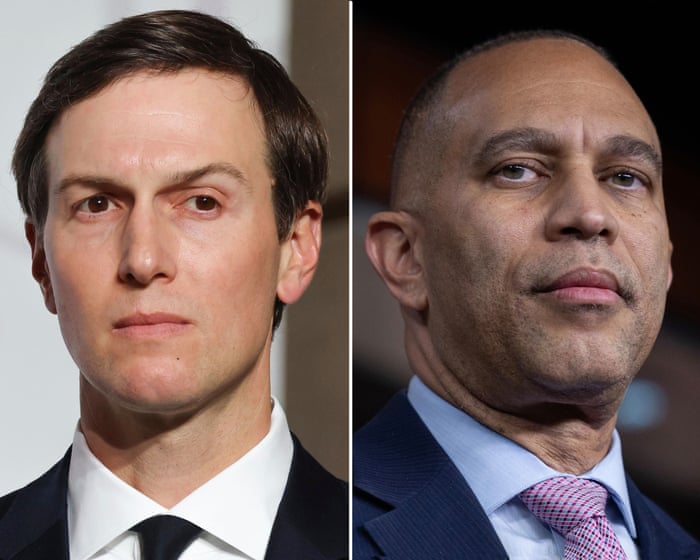
House Democratic leader Hakeem Jeffries met with Jared Kushner, President Donald Trump’s son-in-law, causing criticism from some Democrats. The meeting took place months before midterm elections, where Democrats hope to win the House and investigate the Trump administration.
Key Facts
Hakeem Jeffries, leader of House Democrats, met with Jared Kushner.
Kushner is President Donald Trump’s son-in-law and an influential advisor.
The meeting happened ahead of the November midterm elections.
Democrats want to retake control of the House and may investigate Trump’s family finances.
Some Democrats criticized Jeffries for meeting Kushner, accusing Kushner of using family ties for money.
Jeffries said Democrats want “bold change” and will oppose extreme Republican policies.
Senator Chris van Hollen supports meetings but wants real results from them.
Former Republican Adam Kinzinger expressed confusion about the meeting on social media.
Read the Original
Want the full story? Tap a source to open the original
article.
Many Americans will receive their Social Security payments this week, with amounts varying based on their earnings and age when they started collecting benefits. Payments are scheduled on different days depending on recipients’ birth dates, and the government adjusts payments each year to keep up with inflation.
Key Facts
Over 75.7 million Americans received Social Security or Supplemental Security Income (SSI) in July.
Payments for people born between the 21st and 31st of a month will be issued on August 26.
Social Security payments are staggered by birthdate, with earlier payments for those born earlier in the month.
The highest possible monthly retirement benefit for someone claiming at age 70 in 2026 is $5,181.
The average retired worker receives about $2,086 per month, with most people receiving less than the maximum.
Social Security benefits increased by 2.8% in 2026 to help keep up with rising living costs.
The cost-of-living adjustment (COLA) for 2027 will be announced in October and is currently projected around 3.5%.
Some groups, like those who started benefits before 1997 or receive both Social Security and SSI, have different payment schedules.
Read the Original
Want the full story? Tap a source to open the original
article.
There are no ads, so there is no reason to bait you. Readers who chip in keep it that way. Most choose $3.99/month, and get the daily digest every morning.
Many U.S. companies that publicly supported strengthening the Voting Rights Act in 2021 are still giving money to state political groups that work against the law. These groups, called 527 organizations, influence key state elections and have helped Republican attorneys general win court cases weakening voting rights and other protections.
Key Facts
Over a dozen companies, including Airbnb, DoorDash, Target, and Zillow, support the Voting Rights Act but also donate to groups undermining it.
These groups are known as 527 organizations, which are tax-exempt political groups active in state-level elections.
Amazon, Google, Meta, and Microsoft had paused or lowered donations after the January 6 insurrection but have since resumed or increased funding.
The Republican Attorneys General Association (Raga), a 527 group tied to January 6 events, has received resumed or new donations from these companies.
State attorneys general backed by these groups have won Supreme Court cases that overturned Roe v. Wade and weakened parts of the Voting Rights Act.
Donations to 527 groups can have a large impact on state races and policies, even if the amounts seem small compared to federal campaigns.
Republican 527 groups are raising more money than Democratic ones during this election cycle, with significant contributions from public companies.
These state races and attorneys general offices influence national policies through court cases and legislation.
Read the Original
Want the full story? Tap a source to open the original
article.
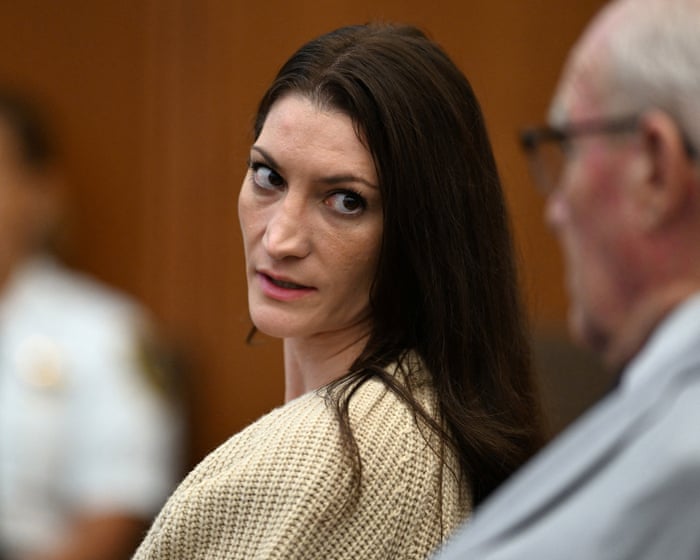
The trial of Lindsay Clancy, a Massachusetts mother accused of killing her three children, has sparked widespread discussion and conspiracy theories on social media. Experts say social media platforms like TikTok amplify such content because their algorithms prioritize user engagement, leading to rapid spread of both information and misinformation.
Key Facts
Lindsay Clancy is on trial for the alleged killing of her three children in Massachusetts.
Social media users are creating theories and questioning evidence from the trial.
No legal evidence supports claims that Patrick Clancy, Lindsay’s ex-husband, committed the crime.
The trial has drawn international attention and sparked debates about maternal mental healthcare in the U.S.
Platforms like TikTok use algorithms that promote content which keeps users engaged, including conspiracy videos.
Experts trace public obsession with trials back to historic cases like the 1893 Lizzie Borden trial.
Some social media users feel participating in the discussion gives them a sense of community.
A screenwriter and professor posted viral TikTok videos analyzing the trial as if it were a TV show narrative.
Read the Original
Want the full story? Tap a source to open the original
article.
Chuwi has released the Unibook, a budget laptop with a new lower-end Intel processor, 8GB of RAM, and 256GB storage, priced at $449. While it offers decent basic features and many ports, its performance and build quality show compromises common in cheaper laptops.
Key Facts
The Unibook uses Intel’s new lower-end Wildcat Lake processor.
It comes with 8GB of RAM and 256GB of storage.
The introductory price is $449, with a normal price listed at $569.
The laptop has many ports, including USB-C, HDMI, USB 3.0, microSD, headphone jack, USB 2.0, and Ethernet.
Its keyboard is considered good, but the trackpad is poor.
The aluminum body feels somewhat flimsy but is typical for low-cost laptops.
Only some internal parts like the SSD, Wi-Fi card, and battery can be upgraded.
The Unibook is targeted more at computer enthusiasts than general users looking for a reliable everyday laptop.
Read the Original
Want the full story? Tap a source to open the original
article.
The article discusses how Democratic candidates in four states are avoiding using the Democratic Party name in their campaigns. This suggests they believe using the party’s name might hurt their chances to win.
Key Facts
Democratic candidates in four states are not prominently using the Democratic Party name.
Avoiding the party name is a campaign strategy to appeal to more voters.
This behavior implies concerns about the party’s current popularity or image.
The article focuses on U.S. politics and election strategies.
No specific states or candidate names are mentioned in the summary provided.
The topic reflects challenges faced by the Democratic Party in certain areas.
Using or avoiding a party’s brand can impact voter perception and election results.
Read the Original
Want the full story? Tap a source to open the original
article.
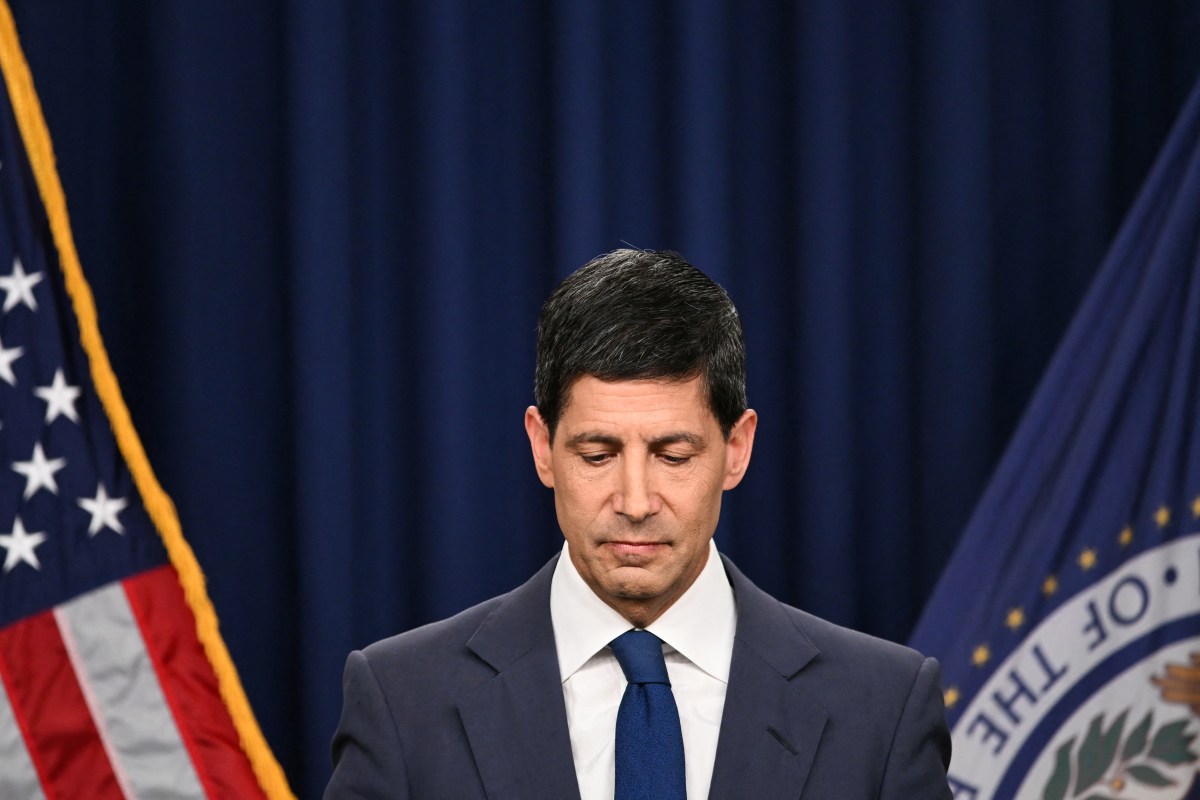
Federal Reserve Chair Kevin Warsh will speak at the Jackson Hole Economic Policy Symposium this week. This speech is important because Warsh may explain his ideas about interest rates, inflation, and the future of the Federal Reserve under his leadership.
Key Facts
Kevin Warsh became the Federal Reserve Chair in May, replacing Jerome Powell.
Warsh has been quiet about his views on interest rates and inflation since taking charge.
The Jackson Hole meeting is a yearly event where central bankers and economists discuss important economic issues.
The 2024 symposium theme is "Financial Innovation: Implications for Payments and Policy."
Warsh may discuss his idea of reducing “forward guidance,” which means giving less prediction about future interest rates to avoid market risks.
Some experts worry less guidance could cause more market instability.
Markets and economists are watching Warsh’s speech for clues about the Fed’s plans for the rest of the year.
The Federal Reserve declined to comment on Warsh’s upcoming remarks.
Read the Original
Want the full story? Tap a source to open the original
article.
At the World Robot Games held in Beijing, humanoid robots broke Usain Bolt’s 100-meter sprint record. The event featured various competitions like athletics, boxing, and martial arts, showing China’s progress in robot technology.
Key Facts
The World Robot Games took place in Beijing’s Olympic speed skating arena.
Humanoid robots competed in multiple events including running, boxing, football, and martial arts.
One humanoid robot ran the 100-meter race faster than Usain Bolt’s world record.
China organized the event and highlighted its advancement in robotics.
Human operators controlled some of the robots during the competitions.
The event demonstrated how robots can perform in tasks traditionally done by humans.
The games showcased international interest and competition in robot development.
Read the Original
Want the full story? Tap a source to open the original
article.
The number of graduate job vacancies in the UK has dropped by almost half over the past year, with just over 8,300 roles available in July 2026 compared to more than 15,000 in July 2025. Employers are hiring fewer entry-level positions due to increased costs and the use of artificial intelligence (AI) to screen candidates.
Key Facts
Graduate job vacancies fell from 15,397 in July 2025 to 8,383 in July 2026.
This is the lowest level of graduate vacancies since Adzuna began tracking them in 2016.
Competition for all jobs is increasing, with 2.14 job seekers per vacancy in July 2026, up from 1.93 a year earlier.
Higher employer national insurance contributions and minimum wage increases have made hiring entry-level staff more expensive.
Some sectors like travel, teaching, and construction saw a rise in job openings, while healthcare, nursing, hospitality, and logistics had fewer vacancies.
Youth unemployment in the UK was 16.2% in the early months of 2026, with over one million young people not in education, employment, or training (NEET).
Employers increasingly use AI to filter job applications, causing frustration among young job seekers.
The government has introduced new rules for public contracts requiring companies to create jobs and training opportunities.
Read the Original
Want the full story? Tap a source to open the original
article.
Dutch public broadcaster Avrotros has decided not to take part in the 2027 Eurovision Song Contest. They said the contest can no longer be seen as neutral because it includes countries involved in ongoing military conflicts, leading to division and concerns about fairness and safety.
Key Facts
Avrotros withdrew from the 2027 Eurovision Song Contest due to concerns over neutrality.
The Eurovision Broadcasting Union (EBU) updated rules disallowing countries involved in armed conflict from hosting the contest if they win.
Avrotros feels these rule changes do not fully restore the contest’s neutral character.
The Netherlands boycotted this year’s contest after Israel was allowed to compete despite ongoing conflict concerns.
Other Dutch broadcasters might still participate in Eurovision as the Netherlands has multiple public broadcasters.
The EBU continues discussions with Dutch media to possibly enable another broadcaster’s participation.
Some countries, including Spain and Ireland, also boycotted Eurovision recently over similar concerns.
The rule changes affect both Israel and Ukraine due to their involvement in ongoing conflicts.
Read the Original
Want the full story? Tap a source to open the original
article.