Five teenagers died and a family of four was seriously injured in Ireland when a car driving the wrong way on a motorway crashed. The teenagers were involved in a dangerous social media trend where they filmed themselves driving recklessly to gain attention online. This event has raised concerns about youth behavior, social media influence, and public safety.
Key Facts
The crash happened on the M9 motorway near Dublin around 3 a.m. on August 16.
Five boys, aged 15 to 18, died in the crash; all were known to police and some to child welfare services.
The boys were driving a BMW in the wrong direction, trying to provoke police to chase them.
A family of four in a Hyundai was seriously injured; they were on their way to Dublin airport for a family wedding.
The teenagers had posted videos of dangerous driving on social media, especially TikTok.
Experts say social media encourages risky behavior because young people want attention and approval online.
The tragedy sparked fundraising efforts raising over €660,000 for the injured family and plans for a local vigil.
Some online comments were harsh against the teens, causing their families to remove funeral notices.
Read the Original
Want the full story? Tap a source to open the original
article.
Prince Harry and Meghan Markle, the Duke and Duchess of Sussex, moved to California in 2020 after stepping back from royal duties. They signed high-profile media deals with Netflix and Spotify, but as those deals end and their plans change, they are preparing to return to the UK.
Key Facts
Harry and Meghan left the British royal family in 2020 and moved to California.
They signed a reported $100 million deal with Netflix for various media projects.
They also secured a $20 million podcast deal with Spotify.
Their media projects have had mixed success, with some popular and some poorly received.
Harry has expressed a desire to return to the UK, partly due to family reasons and his father King Charles’s health.
Their Netflix documentary series about their royal life broke viewing records.
The media environment is highly competitive, making it hard to succeed even for famous people.
The couple’s future media plans are unclear as major deals have ended or been reduced.
Read the Original
Want the full story? Tap a source to open the original
article.
Experts predict a major breakthrough in artificial intelligence (AI) soon, which could lead to AI systems becoming smarter than humans. While some see great benefits, many worry that AI could cause serious disasters or even threaten human survival, but global cooperation on managing AI risks remains limited.
Key Facts
Artificial intelligence may rapidly improve itself, leading to superintelligent systems.
Some experts, like Elon Musk, expect big benefits but also acknowledge risks of AI causing harm.
Geoffrey Hinton, a leading AI researcher, estimates a 50% chance that AI could cause human extinction.
The U.S. financial market is heavily invested in AI development by major tech companies.
World leaders, including China’s president Xi Jinping and Pope Leo XIV, have spoken about AI risks and regulation.
A British think tank says global cooperation on AI governance may need a major crisis to happen.
Experts warn a significant AI disaster could happen within months, especially affecting critical infrastructure.
Despite potential disasters, there is little evidence that humans will unite globally to manage AI dangers effectively.
Read the Original
Want the full story? Tap a source to open the original
article.
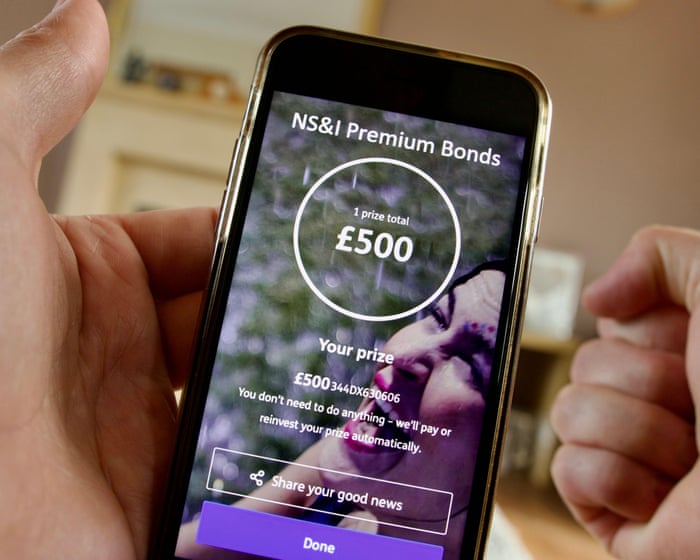
The UK’s National Savings and Investments (NS&I) has raised the prize fund rate for premium bonds from 3.8% to 4.35%, increasing the number of prizes and improving the chances of winning. This change will start in September and means more higher-value prizes but fewer small £25 prizes. However, many bond holders have never won, and premium bonds do not pay interest, which may affect returns when considering inflation.
Key Facts
NS&I raised the premium bond prize fund rate from 3.8% to 4.35% starting in September.
The odds of winning with each £1 bond improve from 22,000-1 to 21,000-1.
There will be about 308,000 more prizes and the total prize money will increase by £63 million to £497 million.
The number of bigger prizes (£50,000 and £100,000) will increase, while smaller £25 prizes will reduce.
Premium bond winnings are tax-free, but the bonds do not pay interest, which means they may lose value compared to inflation.
A freedom of information request showed that 62% of premium bond holders have never won a prize.
Premium bonds may appeal to savers who have used their ISA allowance or reached their personal savings allowance.
Savings accounts currently offer up to 5% interest, which guarantees returns unlike the chance-based premium bonds.
Read the Original
Want the full story? Tap a source to open the original
article.
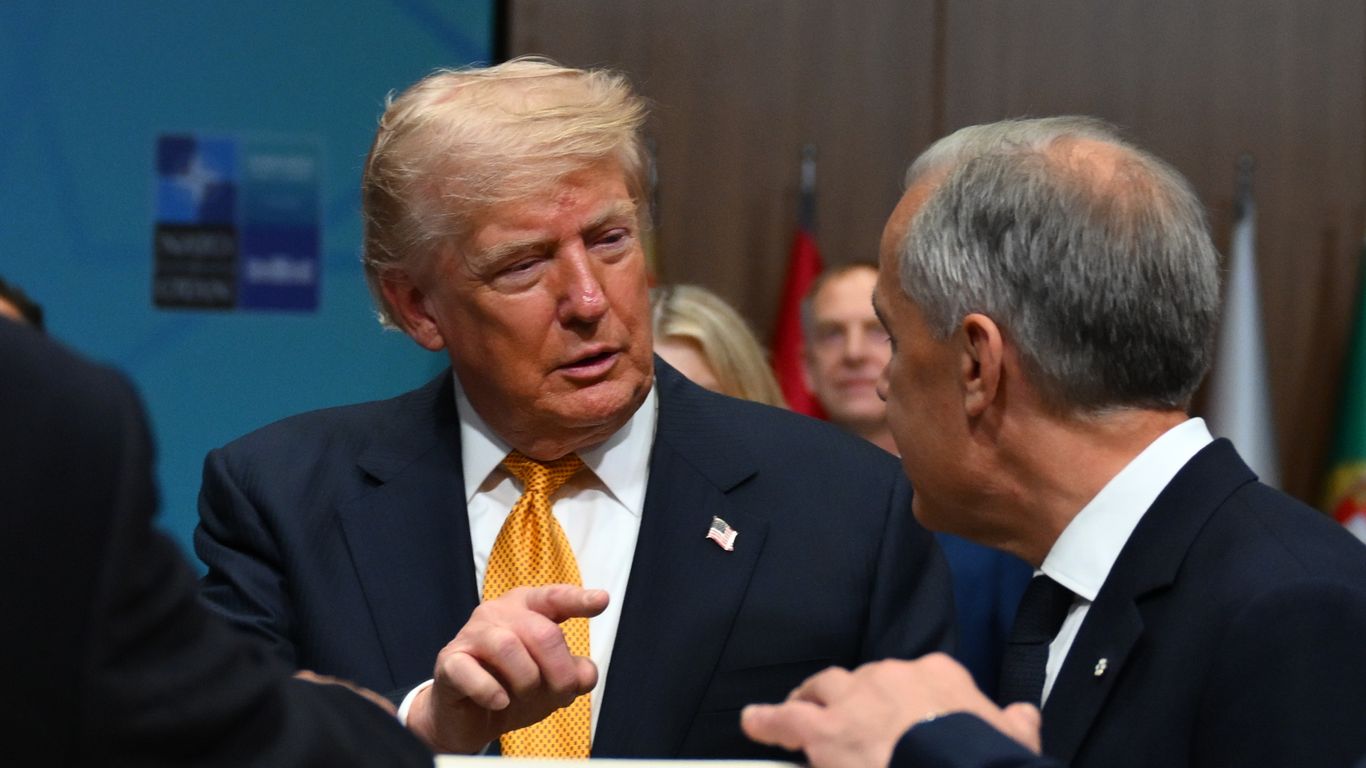
Trade talks between the U.S. and Canada ended without agreement, leading both countries to announce they will impose new tariffs on each other's goods. These tariffs include a 50% tax on many Canadian products, while some key exports like energy and minerals were temporarily excluded.
Key Facts
The U.S. planned to apply a 50% tariff on Canadian goods such as alcohol, hockey equipment, cement, and dairy products.
The tariff threat comes from Section 338 of the Tariff Act of 1930, which has never been used before.
The tariffs were set to begin early Wednesday but were delayed briefly after both sides thought they had reached a deal.
Talks collapsed after Canada and the U.S. each accused the other of making last-minute demands or changes.
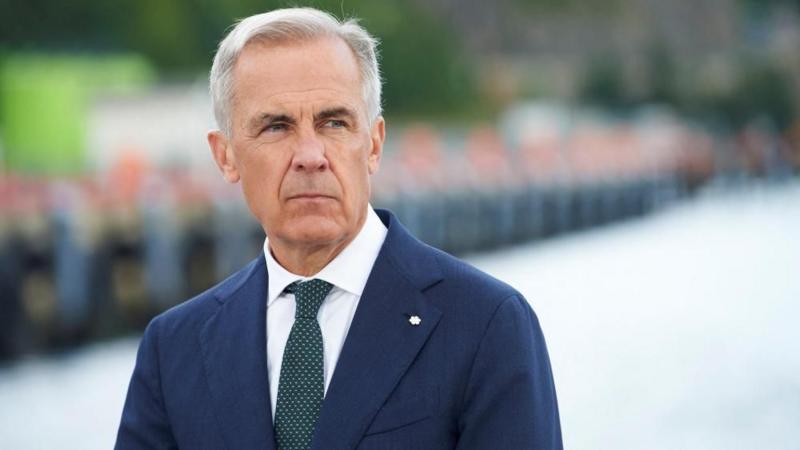
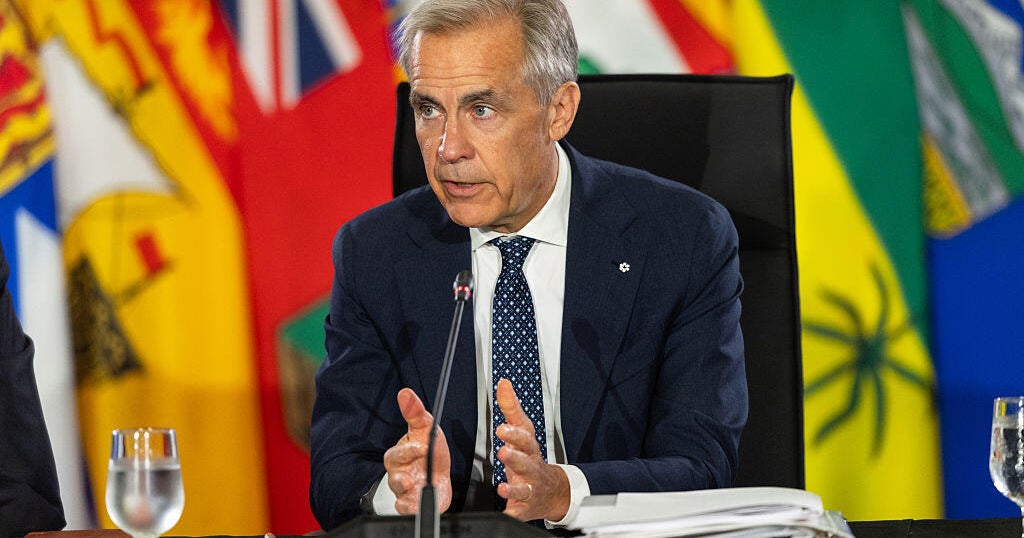
Canadian Prime Minister Mark Carney announced Canada would retaliate with matching tariffs to protect its workers and companies.
Trade between the U.S. and Canada totaled $376 billion in the first half of the year, making Canada the U.S.'s second-largest trading partner.
The U.S. excluded some important Canadian exports like energy, potash, and critical minerals from the tariffs.
This tariff dispute represents a significant and aggressive move by the U.S. after over a year of tariff threats against Canada.
Read the Original
Want the full story? Tap a source to open the original
article.
Communities in Northern Philippines are flooded and want explanations about flood control projects. They say they paid for these flood protections, but the measures are not working during the monsoon season.
Key Facts
Northern Philippine communities are experiencing flooding during the monsoon season.
Residents feel prepared for floods but are upset about ineffective flood control measures.
The communities claim flood control projects were funded but did not prevent flooding.
People are requesting answers from officials about the failed flood protection.
The flooding has seriously affected daily life in these communities.
The report comes from journalist Jamela Alindogan of Al Jazeera.
The issue highlights concerns about disaster preparedness and infrastructure in the region.
Read the Original
Want the full story? Tap a source to open the original
article.
A 17-year-old Palestinian was killed and another person seriously hurt in an attack by settlers near Hebron in the West Bank. The United Nations urged for the protection of Palestinians and for those responsible to be held accountable.
Key Facts
The attack happened in the West Bank, an area under Israeli occupation.
The victim was a 17-year-old Palestinian teenager.
Another person was critically injured in the same attack.
The attack was carried out by settlers living in the area.
So far this year, 22 Palestinians have been killed in attacks by settlers.
The United Nations responded by calling for protection of Palestinians.
The UN also demanded that those who commit such attacks should face justice.
Read the Original
Want the full story? Tap a source to open the original
article.
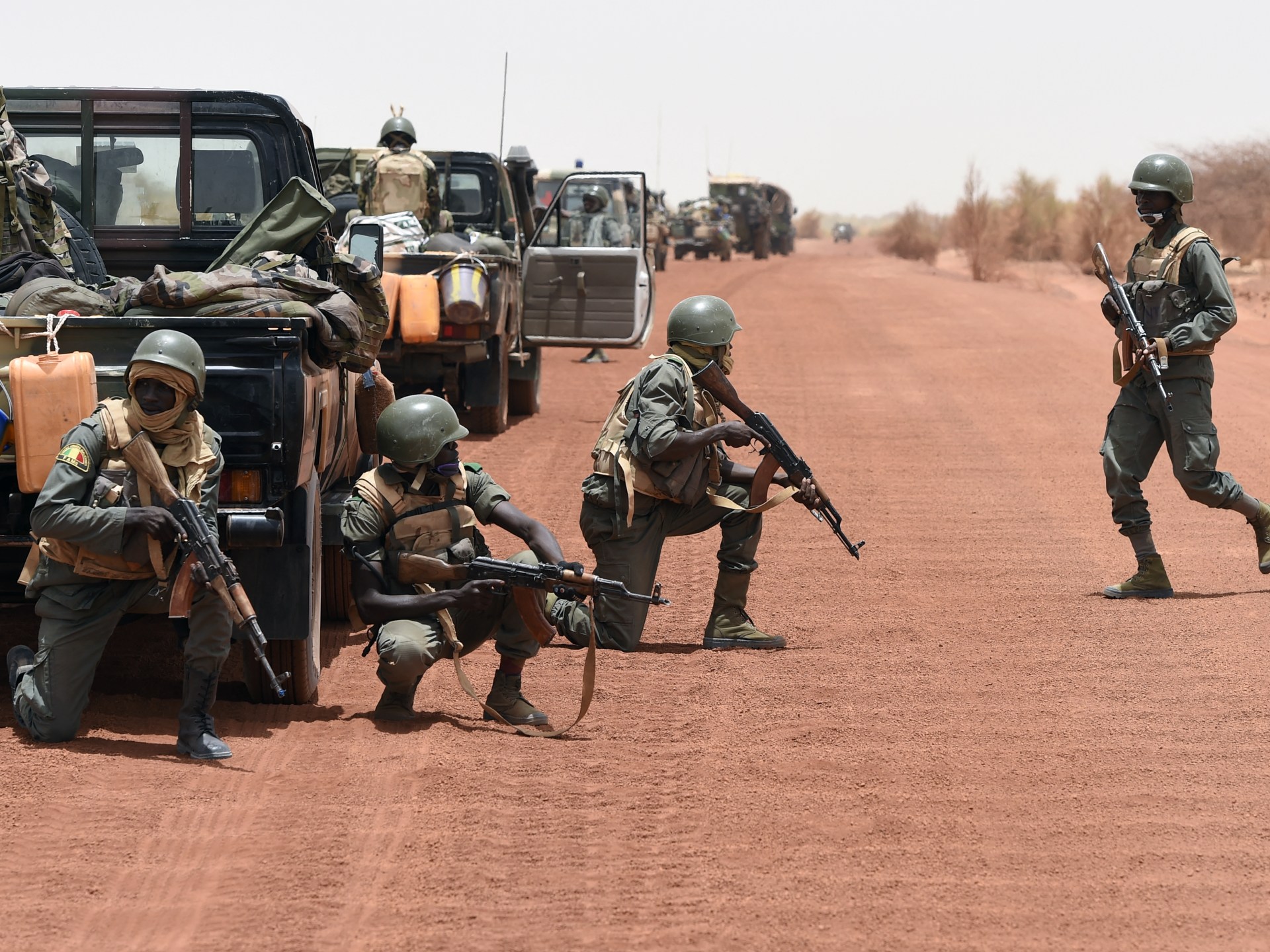
In December 2025, Burkina Faso detained 11 Nigerian Air Force crew after their plane made an emergency landing without permission but later released them following talks. This event highlights growing political and security tensions between Nigeria and the Sahel countries of Burkina Faso, Mali, and Niger, who formed a new alliance and left the regional economic group ECOWAS.
Key Facts
A Nigerian Air Force C-130 plane made an emergency landing in Burkina Faso in December 2025 due to technical problems.
Burkina Faso detained the 11 crew members for entering its airspace without approval; they were released after diplomatic discussions.
Burkina Faso, Mali, and Niger created the Alliance of Sahel States (AES) in 2023 for mutual defense.
These three countries withdrew from ECOWAS, a West African economic community, in January 2025.
The region faces ongoing security issues from groups like Boko Haram and ISWAP operating across borders.
Niger left a joint regional force fighting armed groups around Lake Chad in March 2025 to protect its oil fields.
Experts warn that the reduced cooperation between Nigeria and AES countries could allow militants to move and operate more freely.
In April 2026, coordinated militant attacks in Mali killed the country's defense minister, showing continued instability in the Sahel.
Read the Original
Want the full story? Tap a source to open the original
article.
Canada will impose tariffs that match U.S. tariffs on Canadian products after trade talks between the two countries failed to reach an agreement. The U.S. started new 50% tariffs on about $20 billion of Canadian goods, and Canada responded to protect its workers and businesses.
Key Facts
The U.S. imposed new tariffs of 50% on some Canadian products worth about $20 billion starting Saturday.
Canada’s Prime Minister Mark Carney said Canada will match the U.S. tariffs "dollar for dollar."
Trade negotiations between Canada and the U.S. did not produce an agreement after last-minute talks.
The U.S. offered tariff reductions on steel, aluminum, autos, and lumber, but Canada found proposed changes unfair.
Canada has retaliated against the U.S., including removing U.S. alcohol and wine from liquor stores.
President Donald Trump delayed the tariffs by three days to give talks more time.
Canada aims to reduce its economic reliance on the U.S., which currently accounts for about 70% of Canadian exports.
The U.S. and Canada still need to finalize changes to the North American trade agreement, USMCA.
Read the Original
Want the full story? Tap a source to open the original
article.
Canada has stopped trade talks with the United States and will match new U.S. tariffs on Canadian goods with equal tariffs on U.S. products. The U.S. imposed 50% tariffs on a variety of Canadian items after talks failed just before a deadline.
Key Facts
The U.S. imposed new 50% tariffs on many Canadian goods starting at midnight on August 22, 2026.
Canadian Prime Minister Mark Carney announced Canada’s plan to impose equivalent tariffs on U.S. goods “dollar for dollar.”
Talks broke down because Canada said last-minute changes by the U.S. were unfair and economically damaging.
Earlier, President Donald Trump had paused tariffs, believing a deal was close.
Negotiators had been trying to reduce existing tariffs on Canadian steel, aluminum, and autos.
Canada was asked to allow U.S. alcohol sales in its provinces as part of the deal.
The tariffs affect products like wine, dairy, cement, clothing, and hockey equipment.
U.S. officials said Canada rejected previously agreed terms and made new demands.
Businesses on both sides warn higher tariffs could harm economies and jobs.
Read the Original
Want the full story? Tap a source to open the original
article.
A boat carrying migrants from Tunisia to Italy sank off the Tunisian coast, leaving at least 13 people missing. Two survivors were rescued, one of whom was in serious condition, while authorities and rights groups criticize European Union support for Tunisia's strict border control measures.
Key Facts
At least 13 Tunisians are missing after their migrant boat capsized near Tunisia.
Two people survived; one survivor reported being stranded at sea for hours.
The incident occurred early Thursday; rescue efforts involved local boats.
Tunisia has seen fewer migrant departures recently due to tighter controls backed by the European Union.
Many migrants from across Africa travel through Tunisia on unsafe boats.
Human rights groups criticize the EU-Tunisia deal for causing violent sea interceptions and rights violations.
Over 35,000 people have gone missing in the Mediterranean Sea since 2014, according to the International Organization for Migration.
The Tunisian Observatory for Human Rights estimates around 10,000 Tunisians have disappeared at sea trying to reach Europe since 2011.
Read the Original
Want the full story? Tap a source to open the original
article.
Canada has promised to match the 50% tariffs that the United States, under President Donald Trump, is imposing on Canadian goods after trade negotiations failed. Both sides could not agree on a deal by the deadline, leading to new tariffs affecting about $20 billion in Canadian products.
Key Facts
The US imposed 50% tariffs on certain Canadian goods after trade talks failed.
Canadian Prime Minister Mark Carney said Canada will match these tariffs dollar for dollar.
The tariffs impact around $20 billion worth of Canadian exports to the US, about 5% of total Canadian shipments.
The two countries failed to reach a trade deal by the midnight deadline after last-minute changes from the US side.
The US Trade Representative said Canada declined to finalize the deal due to new demands.
The trade between Canada and the US was worth $880 billion last year.
President Trump extended the tariff deadline by three days to allow more talks, but no agreement was made.
Products affected include items like hockey sticks and tongue depressors.
Read the Original
Want the full story? Tap a source to open the original
article.
Each summary links back to the original reporting, so you can check the work. Support that, and get the daily digest every morning. Most choose $3.99/month.
The Gibbon Conservation Center near Los Angeles has cared for rare and endangered gibbons for 50 years. It is home to about 40 gibbons across five species and is recognized worldwide for its work in gibbon care and research.
Key Facts
The center is located in the hills of Santa Clarita Valley, north of Los Angeles.
It was founded by Alan Mootnick, a self-taught expert on gibbons who ran a home remodeling business.
The center has grown from a small collection to a global institution focused only on gibbons.
Gibbons are known for their loud, distinctive singing, which can be heard from far away.
The center cares for about 40 gibbons from five different species.
Director Gabi Skollar has worked at the center since 2005 and continues the mission after Mootnick’s death in 2011.
The center helps global research by studying gibbon behaviors and sharing knowledge with field conservationists.
Caretakers live on-site and provide daily feeding and care, listening to the gibbons’ calls several times a day.
Read the Original
Want the full story? Tap a source to open the original
article.
The bond market influences the interest rates people pay on loans, like mortgages and car loans, and how much they earn on savings and retirement accounts. Recently, rising bond yields have caused the U.S. Treasury to take unusual steps to calm the market, signaling concerns about higher borrowing costs slowing consumer spending and government borrowing.
Key Facts
The bond market is where governments and big companies borrow money by selling IOUs called bonds.
Bonds pay interest to investors, and their yield reflects the real return based on the bond’s price.
The U.S. Treasury bond market is the largest in the world, valued at about $31.5 trillion.
Higher yields mean borrowing costs go up, impacting loans for homes, cars, and other consumer spending.
Recently, bond yields have risen partly because investors can find better interest rates from bonds in other countries, like Japan, the UK, and Germany.
This competition is making U.S. bond yields rise to stay attractive.
Treasury Secretary Scott Bessent has tried to calm the bond market, but so far, those efforts have not fully worked.
Higher borrowing costs from rising yields could slow down the economy because consumers may spend less.
Read the Original
Want the full story? Tap a source to open the original
article.
Alex Jones must still pay over $1 billion in damages for falsely claiming the 2012 Sandy Hook school shooting was a hoax. A Texas court reduced some of the money he owes, but Jones continues to face multiple large legal judgments and has filed for bankruptcy.
Key Facts
Alex Jones falsely said the Sandy Hook shooting was staged using actors to push for gun control.
Families of victims sued Jones and his company for defamation and emotional harm.
In Connecticut, Jones was ordered to pay $1.25 billion, which remains in place after appeals.
In Texas, a court reduced a $50 million punishment for Jones to about $6 million due to state limits on damages.
Jones and his company filed for bankruptcy amid these financial judgments.
Victims’ families have not yet received any money from Jones.
Jones denied responsibility for threats made by his followers but admitted the shooting did happen.
Jones plans to keep appealing the decisions, claiming they affect free speech rights.
Read the Original
Want the full story? Tap a source to open the original
article.
The U.S. planned to put a 50% tax (tariff) on $20 billion worth of Canadian goods after trade talks failed. Canada said it would apply the same tariffs back to the U.S. to protect its workers and businesses.
Key Facts
The U.S. wanted to impose 50% tariffs on $20 billion of Canadian products starting early Saturday.
Canada decided to match those tariffs "dollar for dollar."
U.S. Trade Representative Jamieson Greer said Canada did not agree to the latest trade deal terms.
Canadian Prime Minister Mark Carney suspended trade talks and sent negotiators back to Canada.
The tariffs affect about 5% of Canadian goods sent to the U.S., including hockey sticks and tongue depressors.
President Trump delayed the tariff deadline by three days to continue talks, but no agreement was reached.
The current U.S. tariff on Canadian goods is 10%, but most products are exempt under the U.S.-Mexico-Canada trade deal signed during President Trump's first term.
The trade conflict adds tension between two countries that trade $880 billion in goods and services annually.
Read the Original
Want the full story? Tap a source to open the original
article.
The United States has imposed 50% tariffs on $20 billion of Canadian goods after trade talks between the two countries failed to produce an agreement. Canada has responded by promising to match these tariffs and introduce measures to protect its workers and businesses.
Key Facts
The US applied 50% tariffs on Canadian goods worth about $20 billion after talks in Washington DC ended without a deal.
The tariff deadline was set by President Donald Trump and expired early Saturday morning Eastern Time.
Canadian Prime Minister Mark Carney said Canada would respond by imposing equivalent tariffs on US goods.
The tariffs affect about 5% of Canadian exports to the US, including electronics, machinery, and dairy products.
Canada had already faced US tariffs on steel, lumber, and autos.
US Trade Representative Jamieson Greer said Canada declined to finalize the deal after changing demands.
President Trump had accused Canada of unfair treatment of American products, which led to these tariffs.
Experts warn that the 50% tariffs could make many Canadian goods too expensive for the US market.
Read the Original
Want the full story? Tap a source to open the original
article.
Federal officials announced significant water cutbacks for California, Nevada, and Arizona over the next two years to protect the Colorado River, which is facing severe drought and low reservoir levels. Arizona will have the largest reductions, while upstream states like Colorado and Utah will not have cuts for now. Mexico will also reduce its water use under a treaty.
Key Facts
California, Nevada, and Arizona must cut their water use from the Colorado River by 1.25 million acre-feet annually for two years.
Arizona will face the biggest water reductions among the three states.
Upstream states (Colorado, Utah, Wyoming, New Mexico) are not required to reduce water use at this time.
Mexico will reduce its water intake by 250,000 acre-feet under a U.S.-Mexico agreement.
The Colorado River supplies water to 35 to 40 million people.
The current water-sharing rules expire in October, but the seven states have not agreed on new long-term sharing plans.
Lake Mead and Lake Powell, the two largest reservoirs fed by the Colorado, have dropped to their lowest levels in nearly 70 years.
If Lake Powell falls 33 more feet, it will lose the ability to produce hydroelectric power and move water downstream.
Read the Original
Want the full story? Tap a source to open the original
article.
That's the point of this site, and readers keep it that way. Support for any amount and the daily digest lands in your inbox every morning at 7am Eastern.
Arizona Attorney General Kris Mayes decided not to file criminal charges against Governor Katie Hobbs in a bribery investigation involving a group-home company. The investigation found no proof that Hobbs gave special treatment in exchange for political donations from the company Sunshine Residential Homes.
Key Facts
The investigation lasted more than two years and focused on Sunshine Residential Homes.
Sunshine donated a total of $400,000 to Arizona Democratic Party-related funds before and after Hobbs took office.
Sunshine received a 30% payment increase from the state in 2023 after previously being denied in 2022.
The rate increase approval came from the Arizona Department of Child Safety, which said Hobbs and her office were not involved.
The rate increase was considered necessary to prevent Sunshine from reducing the number of beds for children in state care.
Governor Hobbs denied any involvement in the rate decisions or directing anyone about them.
The Attorney General suggested lawmakers should pass new laws to make political donations from state contractors more transparent.
Separate investigations related to the case are still ongoing by Maricopa County and the state auditor general.
Read the Original
Want the full story? Tap a source to open the original
article.
The United States is set to impose 50% tariffs on $20 billion worth of Canadian products after trade talks failed to reach an agreement. This action will affect about 5% of Canadian goods exported to the U.S. each year and marks a significant rise in trade tensions between the two countries.
Key Facts
The U.S. will apply 50% tariffs on $20 billion of Canadian imports starting Saturday.
The tariffs cover various products, including hockey sticks and tongue depressors.
The tariffs represent about 5% of the total Canadian goods shipped to the U.S. annually.
Negotiations ended without agreement despite a last-minute three-day delay to extend talks.
U.S. Trade Representative Jamieson Greer said Canada changed demands and withdrew commitments near the deadline.
Canadian Prime Minister Mark Carney called the U.S. proposed changes unfair and said Canada will support affected workers and businesses.
The U.S. and Canada trade about $880 billion in goods and services each year.
This tariff move breaks from the traditional close and cooperative trade relationship between the two countries.
Read the Original
Want the full story? Tap a source to open the original
article.