The U.S. Department of Justice (DOJ) and TikTok, owned by ByteDance, have agreed to pay $400 million to settle claims that TikTok broke children's online privacy laws. TikTok will not admit to any wrongdoing but has made changes to improve its privacy and safety rules for children.
Key Facts
The DOJ sued TikTok in 2024 for violating the Children's Online Privacy Act (COPPA).
TikTok and ByteDance agreed to pay $400 million to settle the lawsuit.
TikTok has changed its ownership, management, and privacy policies since the suit began.
The settlement is one of the largest under the children's privacy law.
New rules include stronger protections for young users and more parent controls.
The DOJ says TikTok’s updates help protect millions of American children online.
The lawsuit also involved accusations that TikTok allowed children to create regular accounts and unlawfully collected their personal information.
TikTok avoided a ban in the U.S. during President Trump’s current administration by forming a U.S. joint venture.
Read the Original
Want the full story? Tap a source to open the original
article.
A Texas court reduced the fine against Alex Jones from $50 million to $1.5 million in a case where he was accused of spreading false claims about the 2012 Sandy Hook school shooting. This decision affects only part of the lawsuit, while Jones still faces over a billion dollars in damages from other related cases.
Key Facts
Alex Jones claimed the Sandy Hook shooting was a hoax, which caused harm to the victims' families.
The Texas Third Court of Appeals cut his fine from $50 million to $1.5 million.
The court said the families did not provide enough proof for harassment damages above Texas’s $750,000 limit.
The ruling is only for two of 19 claims made against Jones in this case.
A separate court in Connecticut ordered Jones to pay $1.25 billion for similar false claims.
Jones and his company declared bankruptcy and gave up the Infowars brand but still broadcast on social media.
Jones called the Texas ruling a win for free speech and plans to appeal to the Texas Supreme Court.
Victims’ families experienced serious harassment, including threats and forced moves, due to Jones's claims.
Read the Original
Want the full story? Tap a source to open the original
article.
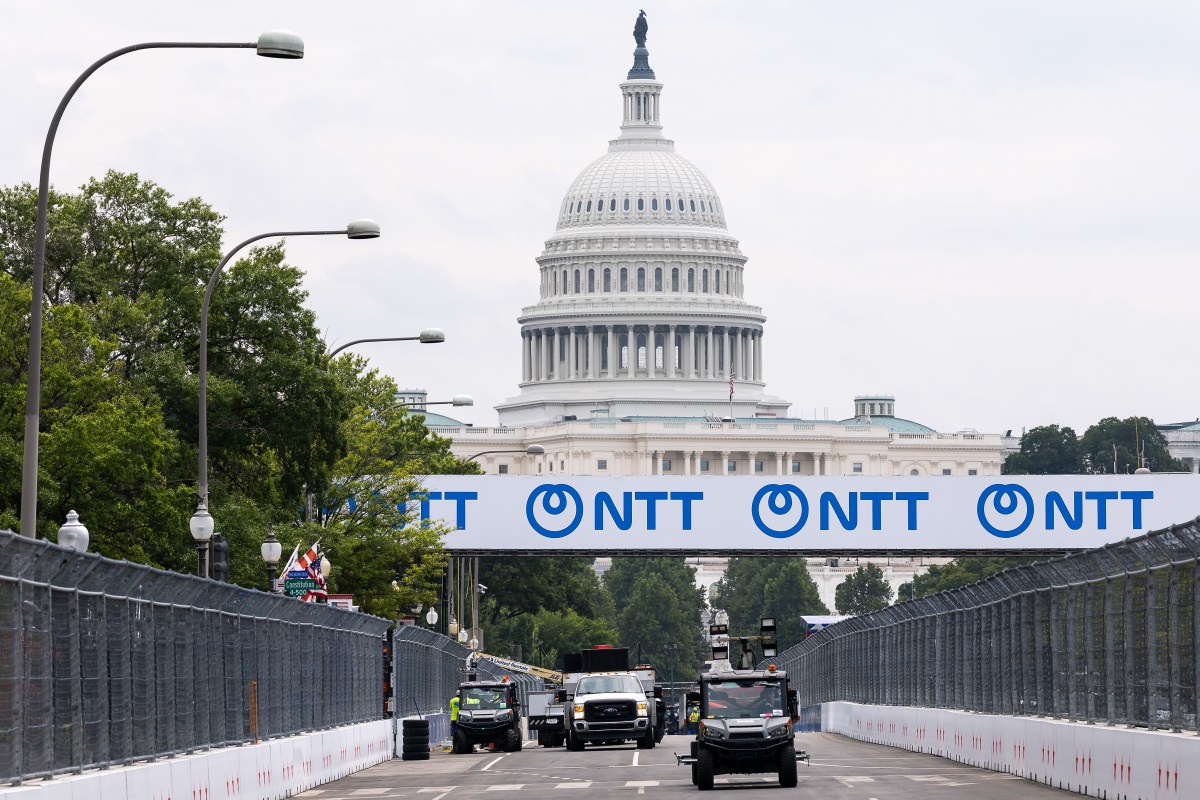
Washington, D.C. has turned part of the National Mall and nearby streets into a racetrack for the first-ever Freedom 250 Grand Prix IndyCar race, which will cover 250 miles over 147 laps. Many streets and popular museums around the area are closed or have restricted access, and officials urge people to use public transportation during the weekend event.
Key Facts
The Freedom 250 Grand Prix route is 1.7 miles long with seven turns, looping around the National Mall and U.S. Capitol.
The race will cover 147 laps, totaling 250 miles, as part of America’s 250th anniversary celebrations.
Streets used in the race include Pennsylvania Avenue, Constitution Avenue, Independence Avenue, and parts of 3rd, 7th, and 9th streets, plus a larger area with road closures.
Access to the National Air and Space Museum, National Museum of the American Indian, National Museum of Natural History, and National Gallery of Art is limited or requires event tickets.
Some outdoor sculptures near the National Gallery of Art were boarded up to prevent damage from race vibrations.
Nearby landmarks such as the National Archives and Smithsonian Castle are also affected, and certain Metro stations serve as main entry points to the restricted area.
City officials encourage visitors and residents to avoid driving downtown and to use Metro trains instead.
Reactions from locals are mixed; some see the event as boosting tourism and jobs, while others report difficulties navigating due to fences and road closures.
Read the Original
Want the full story? Tap a source to open the original
article.
U.S. health officials say a food-poisoning outbreak linked to alfalfa sprouts has sickened people in 15 states. The outbreak involves infections from both salmonella and different strains of E. coli bacteria, with some people hospitalized.
Key Facts
There are 55 reported cases of illness across 15 states, including Minnesota, Wisconsin, Florida, and others.
Four people have been hospitalized due to the outbreak.
Most sick people interviewed (26 out of 34) said they ate alfalfa sprouts.
The germs involved are salmonella and Shiga toxin-producing E. coli (STEC), which can cause stomach pain, diarrhea, and serious kidney problems.
The sprouts come from Everything Sprouts, a grower in Minnesota, sold under Calco and Everything Sprouts brands.
Everything Sprouts has not yet issued a product recall.
The FDA had previously warned Everything Sprouts about sanitation problems, including a leaking roof dripping water onto the sprouts.
Officials continue to investigate and monitor the outbreak.
Read the Original
Want the full story? Tap a source to open the original
article.
Arizona's Attorney General Kris Mayes announced that no criminal charges will be filed against Governor Katie Hobbs for alleged pay-to-play involving a group home company that got a state rate increase after donating to her inaugural fund. The investigation did not find evidence of wrongdoing but called for better laws on political donations by state contractors.
Key Facts
Governor Katie Hobbs faced accusations of a pay-to-play scheme with Sunshine Residential Homes.
Sunshine gave $100,000 to Hobbs' inaugural celebration and donated to the state Democratic Party.
The company received a 30% increase in state payments during 2022-2023, with only one other company also receiving a raise.
Attorney General Kris Mayes said there was no proof of bribery or a direct exchange of favors.
Mayes suggested that laws should be improved to make political donations from contractors more transparent.
A separate investigation by Maricopa County Attorney Rachel Mitchell and the state auditor general is still ongoing.
Sunshine’s founder and his wife also contributed $10,000 each to Hobbs’ campaigns.
The donations and increased payments occurred in the months around Hobbs' 2022 election and inauguration.
Read the Original
Want the full story? Tap a source to open the original
article.
The Pentagon fired the editor-in-chief, publisher, and a reporter of Stars and Stripes, a military newspaper partially funded by the Pentagon. The editor said he was dismissed for speaking out against possible military censorship of the news.
Key Facts
Erik Slavin was the editor-in-chief of Stars and Stripes.
Slavin said he was fired for insubordination after an interview about potential censorship of service members' news.
He believes the newspaper should stay independent from military control.
Publisher Max Lederer, who planned to retire later this year, also received a notice of separation.
Reporter Lara Korte was among those given separation notices.
Stars and Stripes is funded partly by the Pentagon but has a history of editorial independence.
The dismissals happened shortly after the editor spoke publicly on CBS.
Read the Original
Want the full story? Tap a source to open the original
article.
Libya’s rival governments agreed on a national budget for the first time in over ten years, marking a possible step toward cooperation. This agreement comes 15 years after the fall of leader Muammar Gaddafi and follows years of conflict, divided authorities, and delayed elections.
Key Facts
Libya’s rival legislatures agreed on a 190 billion dinar (about $30 billion) budget shared between the two main political groups.
Muammar Gaddafi was overthrown in 2011 after a violent uprising and a battle for control of the capital, Tripoli.
Libya has had divided governments since 2014, with two rival parliaments claiming authority.
A UN-backed Government of National Accord was formed in 2015 but faced attacks and division.
Another UN effort created an interim unity government in 2021, led by Abdul Hamid Dbeibah, but elections planned for December 2021 were canceled last minute.
Dbeibah remains in office despite election disputes and challenges from a rival administration backed by the eastern parliament.
Major disagreements remain about who can run in elections, election rules, and the powers of future governments.
The United States under President Trump has tried to mediate but has not resolved the conflict, and militia front lines have remained stable.
Read the Original
Want the full story? Tap a source to open the original
article.
Trade negotiators from the US and Canada have met for the third day to try to finalize a deal before new US tariffs on Canadian goods begin. President Donald Trump has set a Saturday deadline to impose 50% tariffs on about $20 billion of Canadian imports if no agreement is reached.
Key Facts
US and Canadian trade negotiators have been meeting in Washington, DC, for three days.
President Donald Trump has threatened 50% tariffs on $20 billion worth of Canadian goods starting Saturday.
The tariffs were paused earlier in the week while negotiations continue.
The last tariffs were introduced by President Trump in 2025 during his second term, causing Canada to retaliate.
A possible deal may reduce vehicle tariffs from 25% to 15% and cut steel and aluminum tariffs by half.
Canadian public opinion is largely against making concessions to the US in these talks.
Key Canadian provinces have differing views, some wanting tariffs completely removed.
Canada sends 70% of its exports to the US, making it very sensitive to American trade policies.
Read the Original
Want the full story? Tap a source to open the original
article.
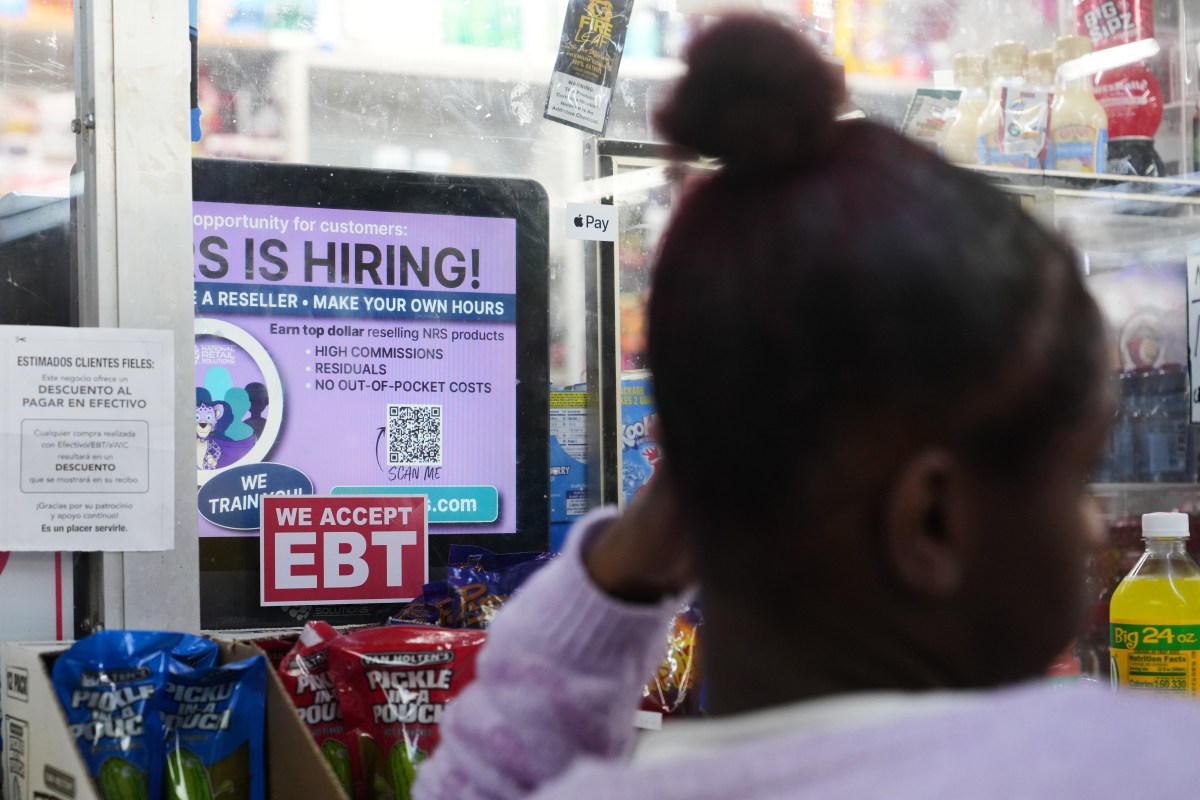
Enrollment in the Supplemental Nutrition Assistance Program (SNAP), which provides food benefits to low-income Americans, dropped by over 13% from May 2025 to May 2026. The decline is linked to stricter work and eligibility rules introduced under President Donald Trump’s domestic policy changes.
Key Facts
SNAP enrollment fell from 42.2 million in May 2025 to 36.6 million in May 2026.
Arizona had the largest drop, with participation falling by about 53%.
Other states with declines over 20% include Georgia (36.5%), Florida (22.2%), Louisiana (21.5%), and Nevada (23.1%).
New federal rules increased work requirements and reduced exemptions for some adults, including those aged 55 to 64.
Some states faced challenges implementing the new rules, causing administrative hurdles for applicants.
Fears of immigration enforcement may have led some eligible immigrants to avoid applying for benefits in states like Florida.
The stricter rules aim to encourage work and reduce government spending, but some argue they have caused eligible people to lose benefits.
SNAP is the largest federal nutrition program, helping over 35 million Americans pay for groceries monthly.
Read the Original
Want the full story? Tap a source to open the original
article.
A former Liberal Democrat candidate, David Campanale, is suing the party for religious discrimination after being removed as a candidate. The party has admitted discrimination but disagrees with Campanale’s demand for nearly £790,000 in damages, offering around £22,800 instead. The case is now before a court to decide the compensation amount.
Key Facts
David Campanale was selected as the Liberal Democrat candidate for Sutton and Cheam in 2021 but was removed in August 2023.
Campanale claims he faced discrimination because of his Christian beliefs, including being mocked and excluded from campaign activities.
The Liberal Democrats admitted to direct and indirect religious discrimination and acknowledged failing to address Campanale’s complaints.
Campanale is seeking about £790,000 in damages for emotional harm, lost earnings, pension loss, counseling, and loss of political chances.
The Liberal Democrats argue this amount is excessive and suggest around £22,800 is fair compensation, denying losses related to earnings and pension.
Campanale alleges his removal was part of an organized effort against him due to his faith.
Former senior Liberal Democrats and the former archbishop of Canterbury have criticized the party and called for an independent inquiry.
The Liberal Democrats said candidates may be deselected if their religious beliefs conflict with party values and denied discrimination was widespread.
Read the Original
Want the full story? Tap a source to open the original
article.
The article tells the story of Palestinians like Moira Jilani and Hussein Abu Khdeir, whose family members were killed in violent incidents involving Israeli forces or settlers in East Jerusalem. It highlights ongoing struggles for justice and the impact of these events on Palestinian families, who often face accusations and hardship after such deaths.
Key Facts
Ziad Jilani was shot and killed by an Israeli border police officer in East Jerusalem in 2010.
Israeli authorities labeled Ziad a "terrorist," but his family disputes this claim.
The officer who shot Ziad had reportedly expressed hostile views online beforehand, but no trial was held due to lack of evidence.
Moira Jilani, Ziad's widow, and their three daughters have lived with the stigma and pain caused by his death.
Mohammed Abu Khdeir, a 16-year-old Palestinian boy known for his kindness, was also killed in East Jerusalem.
Both families continue to face difficulties in getting recognition and justice.
The article mentions the United Nations’ International Day of Remembrance and Tribute to Victims of Terrorism on August 21.
Palestinians affected by these events often encounter false accusations and social challenges.
Read the Original
Want the full story? Tap a source to open the original
article.
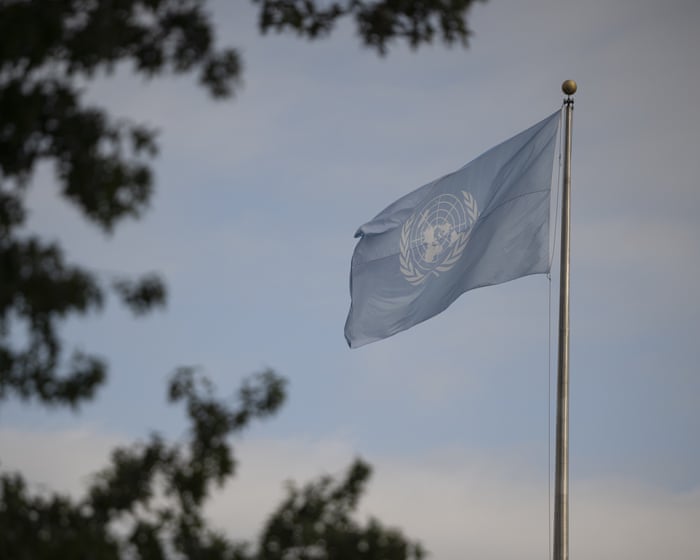
The Trump administration has started transferring $725 million to the United Nations to help pay some of the money the U.S. owes. This payment comes as the UN faces serious money problems and could lose funding if overdue amounts are not paid.
Key Facts
The U.S. is sending $725 million to the UN, which is less than 20% of over $4 billion the UN says the U.S. owes.
The payment was announced in a letter from the State Department to Congress on August 4.
UN Secretary-General António Guterres warned that the UN might face financial collapse due to unpaid contributions.
If the U.S. does not pay its dues, it risks losing voting rights in the UN General Assembly starting in January.
The money will help the UN pay salaries and keep operations going for some time.
The Trump administration has cut funding to many UN agencies and stopped some mandatory payments.
The U.S. is the largest contributor to the UN budget.
The payment is expected before President Trump’s speech to the UN General Assembly in New York next month.
Read the Original
Want the full story? Tap a source to open the original
article.
That's the point of this site, and readers keep it that way. Support for any amount and the daily digest lands in your inbox every morning at 7am Eastern.
Several public interest groups have asked the Federal Trade Commission (FTC) to investigate AI companies for buying, scanning, and then destroying millions of books. These groups say this practice could limit public access to important books and might be an unfair business practice.
Key Facts
More than a dozen groups sent a letter to the FTC asking for an investigation.
AI companies reportedly buy many books, scan them to train AI language models, and then destroy the physical copies.
Some destroyed books may be the last existing copies of those works.
The groups call this practice "hoard-and-destroy" and say it hurts competition and public access.
They argue this may violate the FTC Act against unfair business practices.
A 2025 court ruling said AI developer Anthropic did not break copyright laws by using purchased books for AI training.
Recent reports claim Amazon also buys books in bulk, scans them for AI, and destroys the originals.
Neither Anthropic nor Amazon has responded publicly to these claims.
Read the Original
Want the full story? Tap a source to open the original
article.
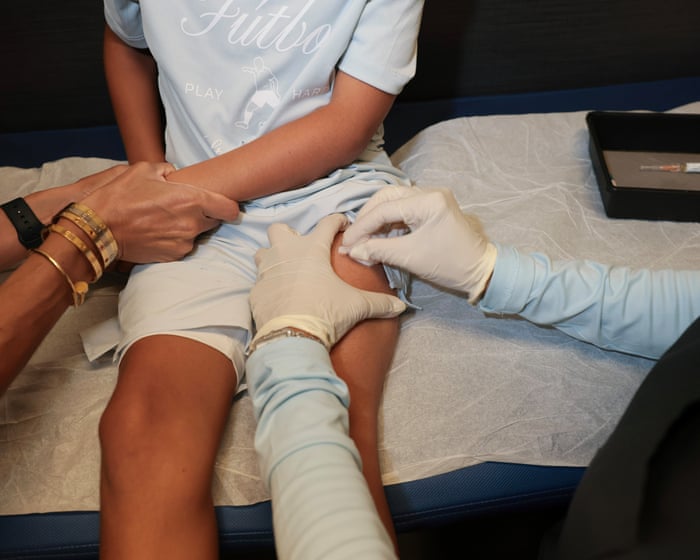
The Trump administration is asking the public for feedback on how vaccine recommendations are categorized. This review may lead to changes in categories used to guide who should get vaccines and under what conditions, which some experts worry could cause confusion.
Key Facts
The Department of Health and Human Services (HHS) has asked for public comments on vaccine recommendation categories like routine, risk-based, and shared clinical decision-making.
The input will help decide if new or different categories should be created.
Normally, such vaccine decisions are made by experts at the CDC or its advisory committee, but this time HHS and a task force led by Robert F. Kennedy Jr., a vaccine skeptic, are involved.
Experts say the current "shared clinical decision-making" category is confusing for the public.
Adding new categories might limit access to vaccines and increase confusion about who should get them.
The public has 30 days to submit comments on how vaccine recommendations should be evaluated, including how to handle limited scientific evidence.
This effort follows an executive order by President Donald Trump directing federal agencies to reduce vaccine recommendations.
Vaccine mandates are mostly decided by states or local governments, not federally.
Read the Original
Want the full story? Tap a source to open the original
article.
The Department of Health and Human Services (HHS) has started a new federal program to help find people with autism if they go missing. The program will work together with the Department of Justice and the Federal Emergency Management Agency to improve how different groups respond to these situations.
Key Facts
HHS launched a new initiative focused on missing persons with autism.
The goal is to improve how quickly and effectively these cases are handled.
The program involves cooperation between HHS, the Department of Justice, and FEMA.
It aims to strengthen teamwork among emergency services like police and first responders.
This initiative is a federal effort to better protect people with autism.
The program focuses on preparedness and quick response when a person with autism is missing.
It recognizes that autistic individuals might need special considerations during searches.
Read the Original
Want the full story? Tap a source to open the original
article.
Turkiye has requested an international arrest warrant for Israeli Prime Minister Benjamin Netanyahu, accusing him of genocide and other crimes related to Israel’s May attack on activists in international waters. The Turkish government is seeking help from Interpol to pursue these charges and says it will use all legal means to hold Israel accountable.
Key Facts
Turkiye issued arrest warrants on July 14 for Netanyahu and another person in connection to the May attack on the Global Sumud Flotilla.
The charges include genocide, crimes against humanity, and torture.
The Global Sumud Flotilla was a group of about 50 vessels aiming to deliver aid to Gaza.
Israeli forces intercepted the flotilla in international waters, detained the activists, and then deported them.
Turkey has previously criticized Israel strongly and issued domestic arrest warrants for Netanyahu.
Other countries including France, Italy, and Australia have started judicial actions related to the flotilla incident.
Israel denies the accusations and called Turkey’s actions attempts to destabilize the region.
Turkish and Israeli officials exchanged strong statements condemning each other’s actions and intentions.
Read the Original
Want the full story? Tap a source to open the original
article.
Logitech is facing a class action lawsuit for not refunding customers the money related to import tariffs that the U.S. Supreme Court declared unlawful. The lawsuit claims Logitech raised prices because of these tariffs, kept the extra money, and did not pass on the refunds it received from the government to customers.
Key Facts
In April 2025, Logitech raised prices on 51% of its products by up to 25% due to import tariffs.
The U.S. Supreme Court ruled in February 2026 that these tariffs, imposed under the International Emergency Economic Powers Act (IEEPA), were illegal.
Logitech received a full refund of $61 million from the government for these tariffs.
Customers who bought Logitech products at higher prices are suing for refunds of the tariff-related price increases.
Logitech’s CFO said in 2026 that the price increases offset tariff costs and contributed to high company profits.
The lawsuit was filed in the U.S. District Court for the Northern District of California by a housing builder and a California resident.
Logitech has not publicly commented on the lawsuit or the price increases.
Other companies like Microsoft, Nintendo, and Sony are facing similar lawsuits over tariff refund issues.
Read the Original
Want the full story? Tap a source to open the original
article.
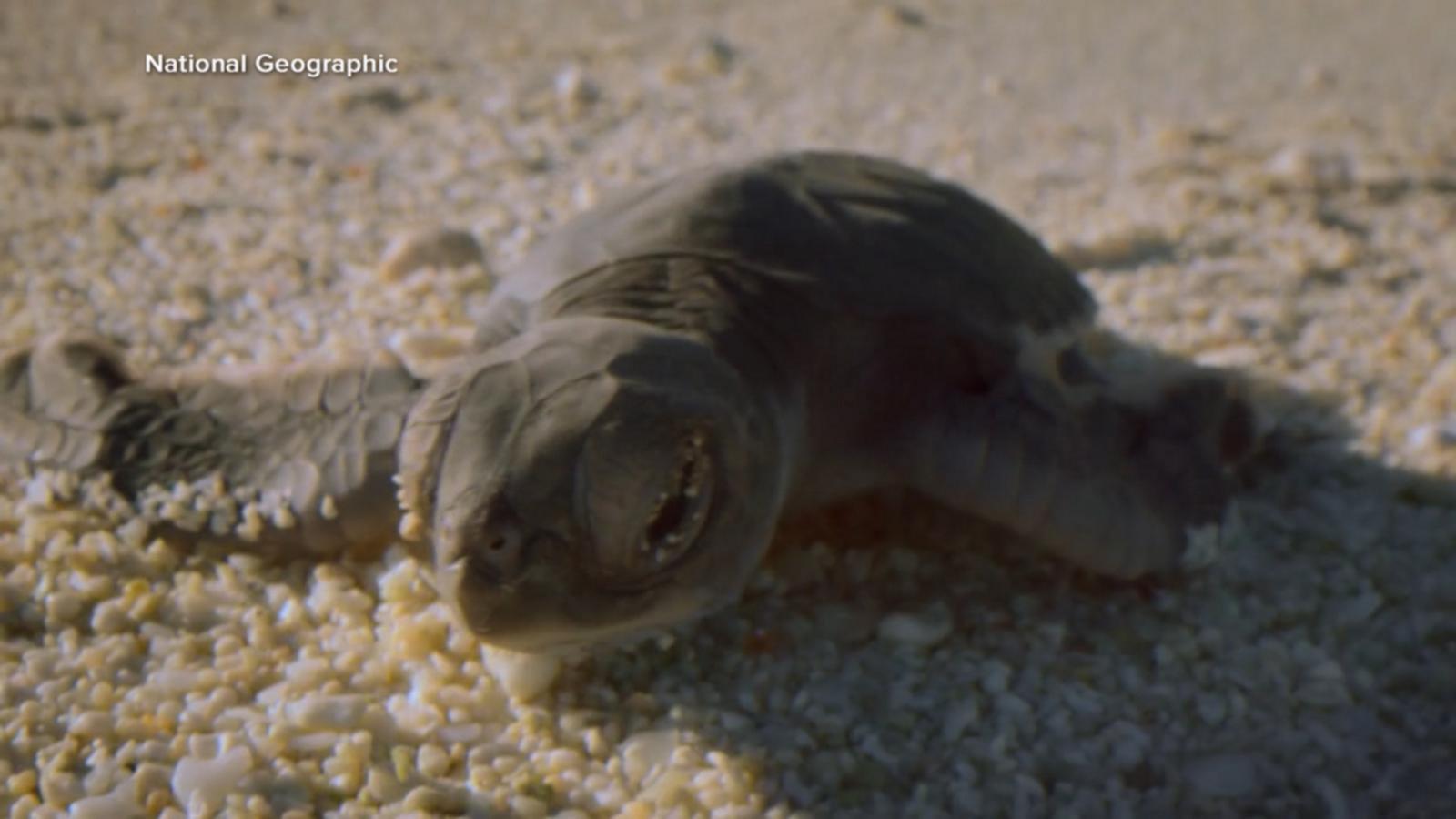
National Geographic shared a video featuring baby green sea turtles from Australia's Great Barrier Reef. The video is part of the series "Incredible Animal Journeys," which is available to watch on Disney+.
Key Facts
The video shows baby green sea turtles.
These turtles come from the Great Barrier Reef in Australia.
National Geographic posted the video.
The video is included in the series "Incredible Animal Journeys."
This series can be streamed on Disney+.
The focus is on animal behavior and nature.
Green sea turtles are a species found in oceans around the world.
The Great Barrier Reef is a large coral reef system off Australia's coast.
Read the Original
Want the full story? Tap a source to open the original
article.
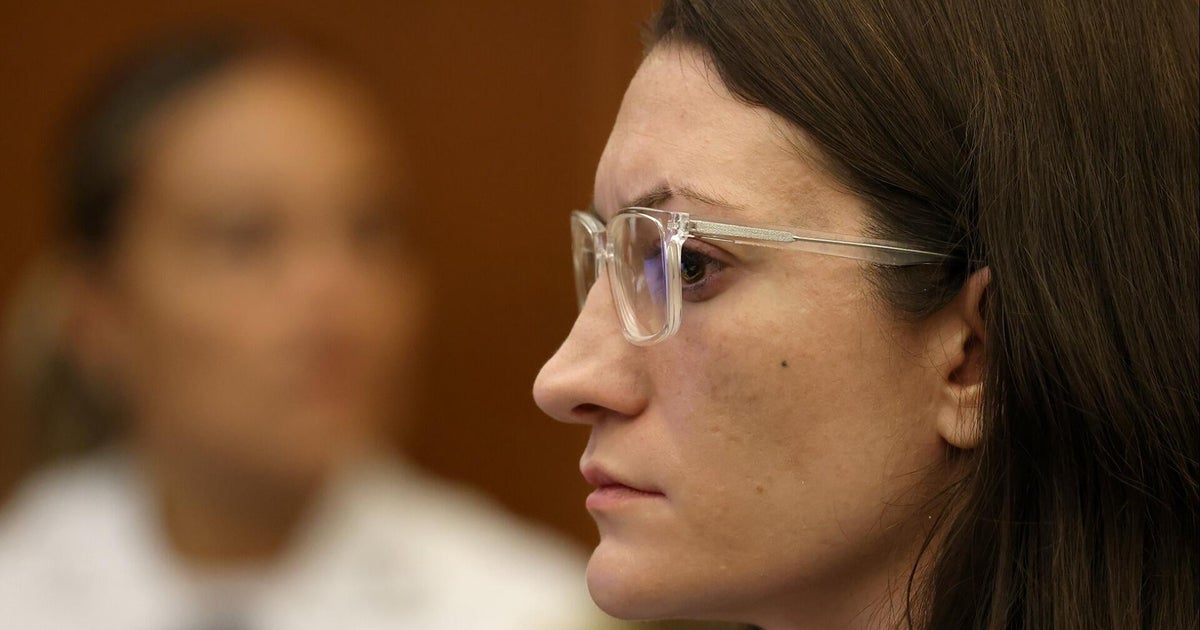
Lindsay Clancy did not testify in her murder trial before her defense team finished their case. A legal expert explained some reasons why a defendant might choose not to speak in court.
Key Facts
Lindsay Clancy is on trial for murder.
Her defense team rested their case without her testifying.
A legal expert from CBS News explained possible reasons for this decision.
Defendants sometimes avoid testifying to prevent tough cross-examinations.
Not testifying does not mean the defendant is guilty or innocent.
The trial is ongoing or moving to the next phase after the defense rests.
Choosing to testify is a strategic decision made with lawyers’ advice.
Read the Original
Want the full story? Tap a source to open the original
article.
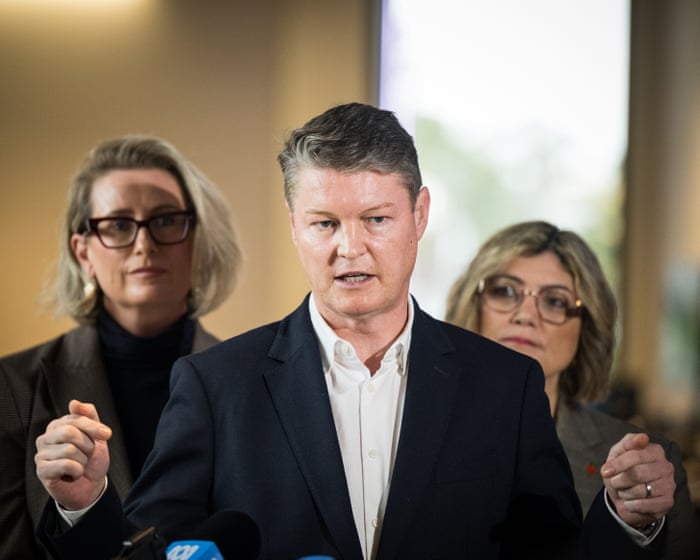
The Victorian Labor government in Australia has proposed a new plan to provide free dental care for all residents if they are re-elected. The plan includes opening 10 public dental clinics offering free checkups and treatments on a walk-in basis, aiming to help over 100,000 people per year.
Key Facts
The Victorian Labor government plans to spend $230 million to open 10 public dental clinics across the state.
Clinics will provide free dental services like checkups, fillings, root canals, and extractions.
Seven clinics will be in Melbourne and three in regional Victoria, open long hours including weekends.
Services will be offered on a walk-in basis, prioritizing urgent dental needs such as pain or injury.
Currently, free or low-cost dental care in Australia is mostly limited to certain groups like children and Indigenous people.
Most Australian adults pay for dental treatment out of pocket because Medicare does not cover dental care for most adults.
Rising dental costs have led some Australians to delay or skip treatment, causing worsening oral health.
This program is a state government initiative and it is unclear if the federal government will help fund it.
Read the Original
Want the full story? Tap a source to open the original
article.