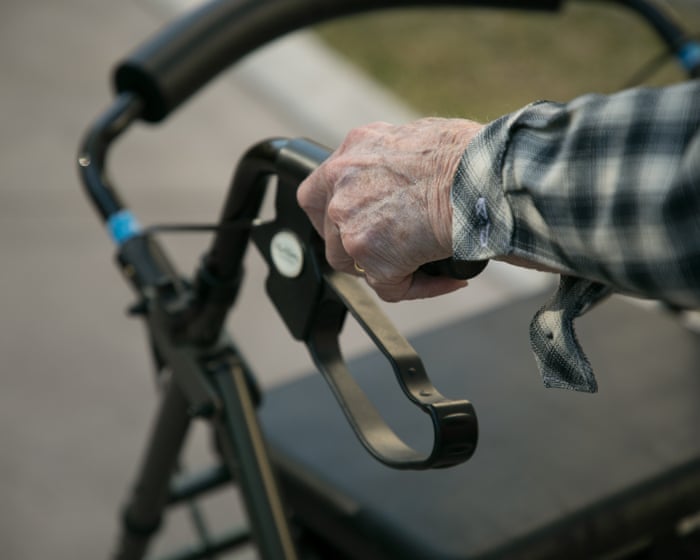
A Commonwealth Ombudsman investigation found that Australia’s aged-care assessment algorithm can produce clinically incorrect decisions that assessors cannot override under current law. The report also criticized the tool’s lack of transparency and oversight, and said public consultation and trials did not meaningfully cover the version that was introduced.
Key Facts
The Integrated Assessment Tool (IAT) helps determine the level of care older Australians can receive.
The Ombudsman found that assessors cannot change an algorithmic funding recommendation, even when it is clinically inappropriate.
The report said the public cannot meaningfully see how the algorithm turns assessment information into outcomes.
The Ombudsman said legislation should be changed to let assessors correct clinically incorrect algorithm decisions.
The investigation found that consultation and trials cited as support for the system related to earlier versions of the tool and legislation.
The department did not enforce contractual quality controls or verify whether assessors had required clinical qualifications, the report found.
Department staff raised concerns before rollout about inadequate ways for people to seek review of incorrect decisions.
Read the Original
Want the full story? Tap a source to open the original
article.
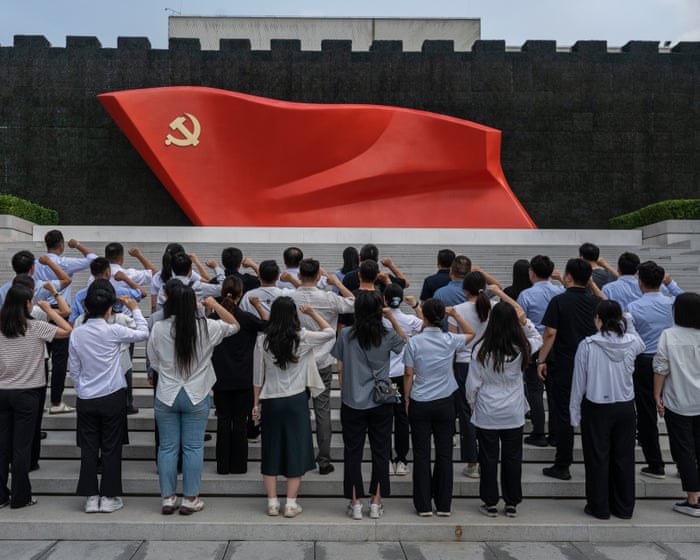
China’s Communist Party is preparing for a fifth plenum focused on party discipline, loyalty and anti-corruption. Xi Jinping’s campaign has continued for more than a decade, with over one million people investigated last year; analysts say the drive also reinforces Xi’s control and has no clear end point.
Key Facts
Xi Jinping launched his anti-corruption campaign after taking power in 2012.
China’s disciplinary authorities investigated more than one million people last year.
More than 100 of those investigated last year held ministerial- or provincial-level posts or higher.
The fifth plenum is scheduled to begin on Monday and will address party self-governance, a term the article says refers to discipline, loyalty and anti-corruption.
More than 300 members of the Communist Party’s Central Committee attend plenums.
The meeting is likely to be the last substantive one before next year’s 21st Party Congress, where a new Central Committee will be chosen.
Analysts say the anti-corruption campaign also strengthens Xi’s control and may continue indefinitely.
In January, Zhang Youxia, China’s top general and second in the military hierarchy to Xi, was placed under investigation.
Read the Original
Want the full story? Tap a source to open the original
article.
Serbia’s student-backed movement claimed a major election victory over the ruling party led by Aleksandar Vučić. The result follows nearly two years of protests after a railway station collapse in Novi Sad killed 16 people in 2024.
Key Facts
The student-backed movement claimed a major election victory.
The movement defeated Vučić’s long-standing ruling party.
Celebrations took place across Belgrade.
Protests began after a railway station collapsed in Novi Sad in 2024.
The collapse killed 16 people.
The protests continued for nearly two years.
Read the Original
Want the full story? Tap a source to open the original
article.
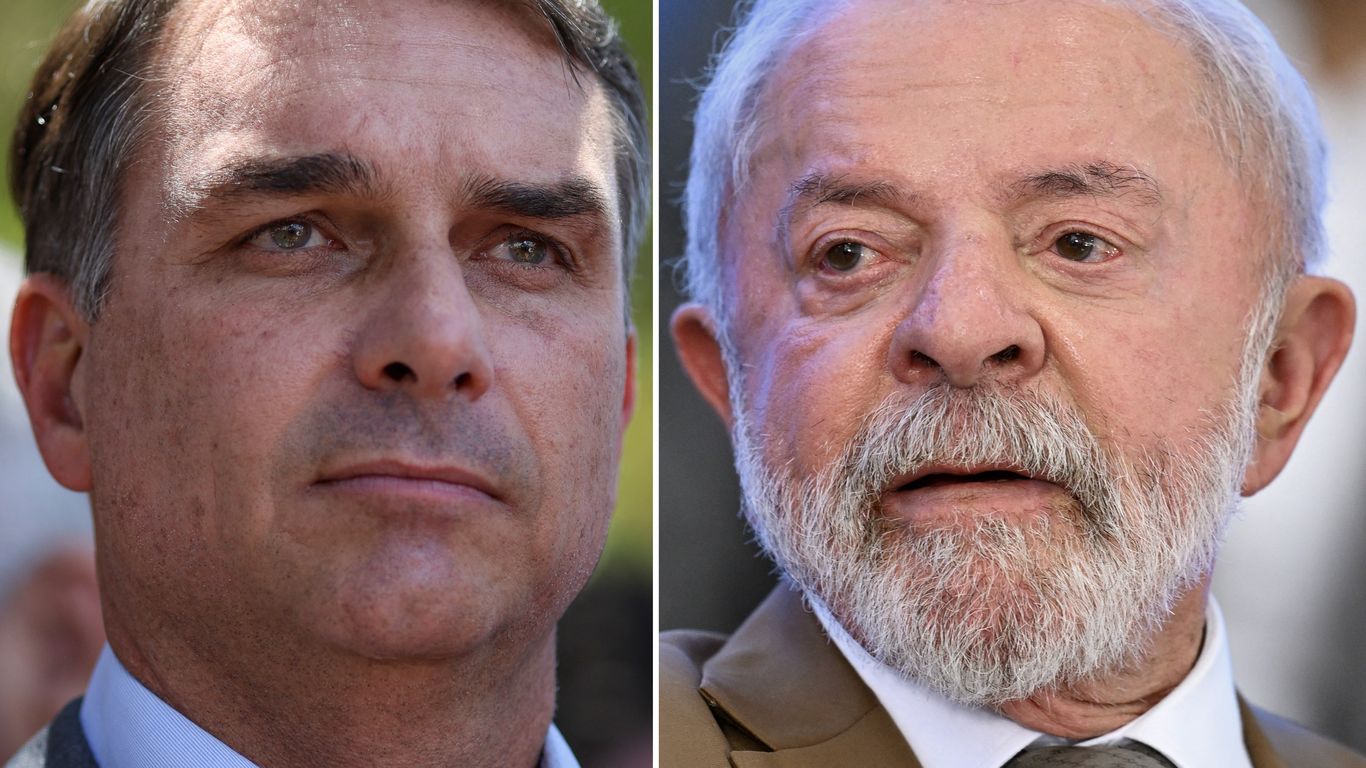
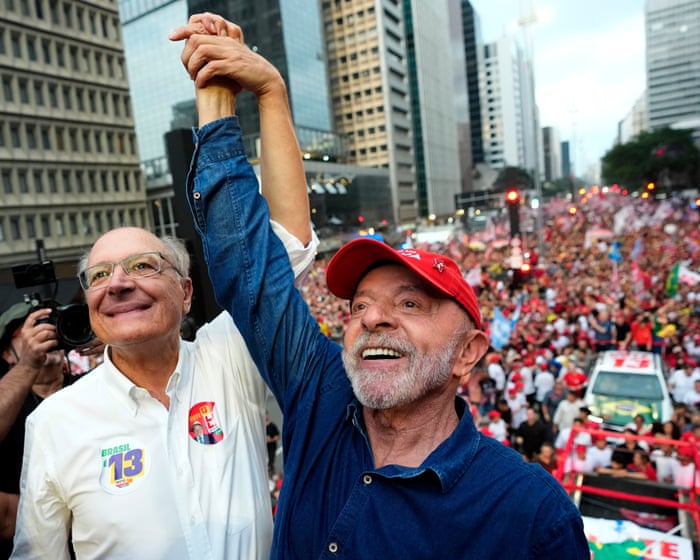
Luiz Inácio Lula da Silva won a fourth term as Brazil’s president with 51.7% of the vote, defeating Flavio Bolsonaro. He faces a divided electorate, a Congress strengthened by right-wing parties, strained public finances, pressure to address violence, and tense relations with the United States under President Donald Trump.
Key Facts
Lula won the October 25 runoff with 51.7% of the vote, compared with 48.2% for Flavio Bolsonaro.
The article says the narrow result reflects Brazil’s political divide and the continued strength of Bolsonarism.
The Liberal Party holds 121 of 513 seats in the lower house and 28 of 81 seats in the Senate, leaving Lula without a congressional majority.
Lula will need support from the center-right Centrao bloc to pass proposals, while lawmakers control a growing share of the federal budget.
Brazil spends more than it collects, public debt exceeds 80% of gross domestic product, and the central bank keeps interest rates high to curb inflation.
Lula faces pressure to tackle criminal groups and militias; he said he would support lowering the age of criminal responsibility from 18 to 16 for heinous crimes.
Trump imposed tariffs on Brazil last year and added a 25% tariff on some products this year, according to the article.
Lula has pledged to protect Brazil’s sovereignty while managing relations with the Trump administration.
Read the Original
Want the full story? Tap a source to open the original
article.
UK newspapers focus on possible pension tax changes ahead of the Budget, debate over closer ties with the EU, and an investigation involving Thomas Markle. Other front-page stories cover a reported BBC compensation payment, falling European luxury sales, and defence spending.
Key Facts
The Times reports that Chancellor John Healey may raise the tax-free allowance to protect about one million low-income pensioners from income tax.
The Times also reports that Healey has decided against reducing the amount of pension people can take as a tax-free lump sum.
Several papers report that Prime Minister Andy Burnham has declined to rule out restoring freedom of movement between the UK and the EU, prompting criticism from Brexit supporters.
The Daily Mirror reports that an investigation into allegations against Thomas Markle could widen to the United States and Mexico; Markle denies the allegations.
The Daily Telegraph reports that the BBC agreed to pay £400,000 to a Jewish documentary maker who claimed she faced anti-Semitism and bullying, without admitting liability.
The Financial Times reports that European luxury goods sales have fallen as demand from Chinese consumers eases, while uncertainty linked to AI-driven stock movements is also affecting demand.
The i Paper reports that Defence Secretary Wes Streeting says the UK will lead from the front as defence spending is set to receive a Budget boost.
Read the Original
Want the full story? Tap a source to open the original
article.
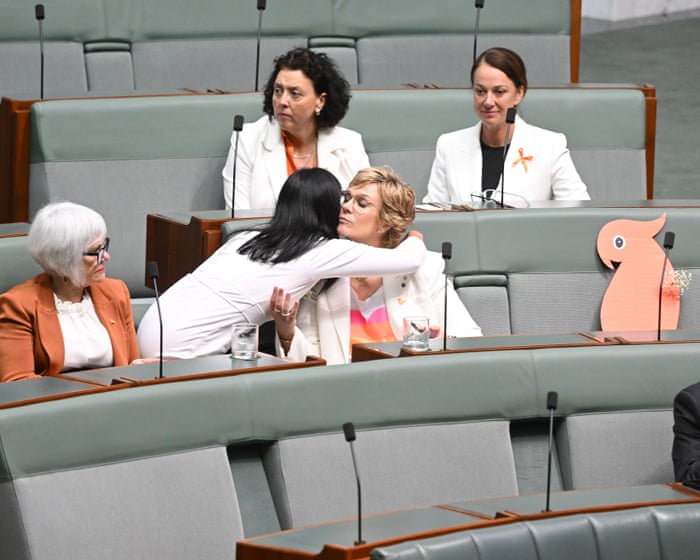
Australian Prime Minister Anthony Albanese led parliamentary tributes to independent MP Helen Haines, who is in serious but stable condition after an alleged attack outside her electorate office. The incident has prompted debate about political violence and public discourse, while opposition figures have rejected claims that parliamentary debate should be changed to address the problem.
Key Facts
Haines represents the electorate of Indi and remains in Melbourne’s Alfred hospital.
Haines has lost both legs following the alleged ramming attack, according to the article.
A 43-year-old man has been charged in connection with the attack; investigators have not established a motive.
Albanese described the shock of the alleged attack as “like a stone in our hearts.”
Opposition Leader Angus Taylor said robust parliamentary debate does not cause political violence and opposed changing parliamentary practice.
Barnaby Joyce said changes to question time were unlikely to solve the broader problem.
Albanese said anger and aggressive language are increasing across public life, including on social media.
MPs are being encouraged to sign a pledge to act with honesty, respect and compassion.
Read the Original
Want the full story? Tap a source to open the original
article.
Luiz Inácio Lula da Silva won Brazil’s presidential run-off against Flávio Bolsonaro, securing his fourth presidential election victory. He will begin a new term in January 2027, facing a divided electorate, a strongly right-leaning Congress and tensions with the U.S. administration.
Key Facts
Lula served as president from 2003 to 2010 and returned to office in January 2023.
Flávio Bolsonaro led Lula in the first round on 4 October, but Lula won the run-off three weeks later.
More than 48% of voters chose Bolsonaro, underscoring Brazil’s political divide.
Bolsonaro’s Liberal Party made the largest gains in the congressional election, leaving Lula to govern with Brazil’s most right-wing Congress of its democratic era.
Lula’s campaign gained momentum through street demonstrations and a major social media effort.
The article says Donald Trump’s administration would have preferred a conservative president in Brazil and seeks to limit China’s influence in the Western Hemisphere.
Environmentalists welcomed Lula’s win, fearing a Bolsonaro victory could weaken protections for the Amazon.
Read the Original
Want the full story? Tap a source to open the original
article.
Brazilian President Luiz Inácio Lula da Silva won reelection, according to the electoral court after all votes were counted. His nonconsecutive fourth term is due to begin Jan. 5, 2027, and keeps Brazil under left-of-center leadership as U.S. President Donald Trump presses the country with higher tariffs.
Key Facts
Brazil’s electoral court said Lula held an unassailable lead with 100% of votes counted.
Lula is set to serve a fourth, nonconsecutive presidential term.
His next term is scheduled to begin Jan. 5, 2027.
Lula’s opponent, Flávio Bolsonaro, may pursue legal action over a decision to extend voting by two hours.
In the first round, Bolsonaro received 47% of the vote and Lula received 45%, a gap of 2.2 million votes.
Lula’s victory leaves Brazil and Mexico, the region’s two most populous nations, with left-of-center leaders.
The article reports that Trump imposed increased tariffs on Brazil.
Read the Original
Want the full story? Tap a source to open the original
article.
A student-led movement won Serbia’s election after nearly two years of protests against corruption and government negligence. The campaign began after a train-station canopy collapse killed 16 people in Novi Sad in November 2024 and grew into a broad national challenge to Aleksandar Vučić’s political dominance.
Key Facts
The Novi Sad train-station canopy collapsed on 1 November 2024, killing 16 people.
Critics connected the collapse to corruption and problems with the station’s renovation.
Student protests expanded to include farmers, actors, judges and other members of society.
Students organized through assemblies and prepared people to monitor polling stations.
The movement fielded candidates for all 250 parliamentary seats, but no students were candidates.
The student-backed list won the election, ending 14 years of dominance by Vučić’s Serbian Progressive Party.
Vučić conceded defeat on Sunday night, while saying the movement would fail.
Read the Original
Want the full story? Tap a source to open the original
article.
The article says the UK economy has grown faster than expected this year, but rising inflation and higher-than-forecast borrowing pose challenges ahead of the Budget. Chancellor John Healey must present credible growth and cost-of-living plans while reassuring investors that the government will control borrowing.
Key Facts
UK GDP grew 0.6% in the first quarter and 0.5% in the second quarter, according to the article.
The article says third-quarter growth is on track to reach 0.6% to 0.8%.
The International Monetary Fund praised the UK for standing out among G7 countries in its plans to cut borrowing.
Inflation rose to 3.5% in September, more than forecast.
Government borrowing was also higher than forecast, and the article says a Bank of England interest-rate increase is a strong possibility.
The article says investors have shifted some attention from UK borrowing costs to the gap between French and German borrowing costs and the US debt outlook.
Healey's team has tightly restricted access to Budget plans to limit leaks.
Read the Original
Want the full story? Tap a source to open the original
article.
Brazilian President Luiz Inácio Lula da Silva won a fourth, nonconsecutive term, according to early election results reported Sunday. He defeated Flávio Bolsonaro, who campaigned on public security and corruption, while Lula emphasized Brazilian sovereignty amid tensions with the United States over tariffs.
Key Facts
Lula was the incumbent candidate in the election.
Flávio Bolsonaro is the son of former Brazilian President Jair Bolsonaro and was seen as the heir to his political movement.
The campaign focused on U.S. tariffs, climate change, the Amazon rainforest, and allegations of corruption.
The United States imposed an additional 25% tariff on some Brazilian goods this summer.
The article says Amazon deforestation has fallen 71% since 2022 and reached a record low annual level in 2026.
Lula supports expanded oil development despite his climate policies.
Jair Bolsonaro is serving a 27-year prison sentence for plotting a coup to overturn the 2022 election and remains under house arrest for health reasons.
Read the Original
Want the full story? Tap a source to open the original
article.
Brazilian President Luiz Inácio Lula da Silva won a fourth term after defeating Senator Flávio Bolsonaro in the October 25 runoff, according to official results. Lula received 51.7% of the vote, and Bolsonaro received 48.2%; Lula’s next term will begin amid a conservative-led Congress that may constrain his agenda.
Key Facts
Lula won 51.7% of the vote in the runoff, while Flávio Bolsonaro received 48.2%.
Flávio Bolsonaro is the eldest son of former Brazilian president Jair Bolsonaro.
Lula had finished second in the first round of voting, according to the article.
The article says better-than-expected turnout helped Lula win.
Lula campaigned on reducing poverty and inequality and on his record during his third term.
His campaign pledged a 15% increase to his welfare program and proposed free weekend public transport; the transport proposal requires congressional approval.
The article says Brazil elected its most conservative Congress since its return to democracy, presenting a challenge for Lula’s next term.
Read the Original
Want the full story? Tap a source to open the original
article.
Luiz Inácio Lula da Silva defeated Flávio Bolsonaro in Brazil’s presidential runoff, winning a fourth term after finishing behind Bolsonaro in the first round. With nearly 99% of votes counted, Lula received 51.75% and Bolsonaro 48.25%.
Key Facts
Lula won 51.75% of the vote, while Flávio Bolsonaro received 48.25%, with nearly 99% of votes counted.
Lula had narrowly lost the first round to Bolsonaro in early October.
The article says no first-round runner-up had won a presidential runoff in Brazil since the return of democracy in the 1980s.
Voter abstention fell from 21.08% in the first round to 19.21% in the runoff.
Lula previously served two consecutive presidential terms after winning the 2002 and 2006 elections, then returned to office after winning in 2022.
Flávio Bolsonaro’s father, former president Jair Bolsonaro, is serving a 27-year sentence for plotting a coup, according to the article.
The article identifies U.S. President Donald Trump as an international ally of the Bolsonaro family.
Read the Original
Want the full story? Tap a source to open the original
article.
Brazilian President Luiz Inácio Lula da Silva defeated Senator Flávio Bolsonaro in the presidential runoff, winning 51 percent of the vote with more than 96 percent of ballots counted. The result gives Lula a fourth, non-consecutive term; he is scheduled to take office on January 5, 2027.
Key Facts
Brazil’s Superior Electoral Court called the race for Lula at about 9:13 p.m. Brasília time.
Lula received more than 51.49 million votes, or 51 percent, while Bolsonaro received about 48.8 million votes, or 48.68 percent.
Lula had trailed Bolsonaro in the October 4 first round, receiving 45 percent to Bolsonaro’s 47 percent.
Reports of suspended public transportation prompted allegations of voter suppression during the election.
Heavy rain and transportation concerns led both campaigns to seek a voting extension; polling stations stayed open two hours later than expected.
Lula’s victory marks his fourth non-consecutive presidential term and makes him the oldest Brazilian president to take office since the country returned to democracy.
Former president Jair Bolsonaro, Flávio Bolsonaro’s father, was sentenced to 27 years in prison for his role in a coup plot after losing the 2022 election.
Read the Original
Want the full story? Tap a source to open the original
article.
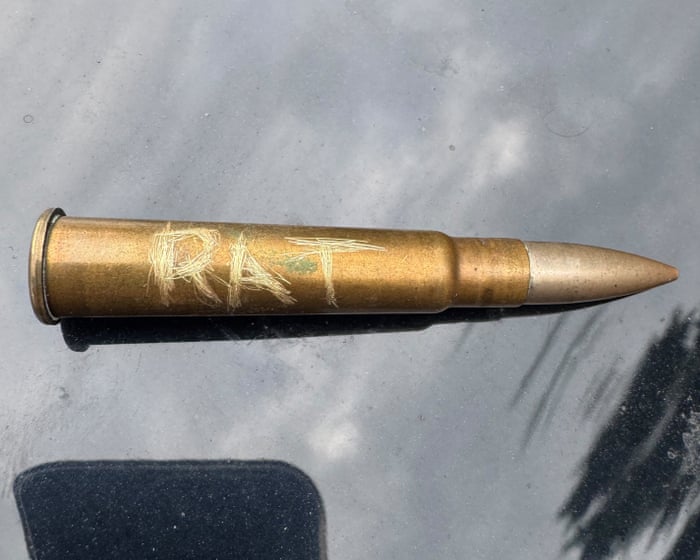
Victoria Emergency Services Minister Paul Edbrooke said he feared for his family after finding a bullet marked “RAT” and bearing his former firefighter identification number on his car on Saturday. He said he believed it was a death threat and would not be intimidated; authorities’ findings are not reported in the article.
Key Facts
Edbrooke found the bullet on the bonnet of his car after speaking with community members.
He said his children also drive the car and that the incident made him worry about his family’s safety.
Edbrooke said his firefighter identification number would not be known to the broader community.
He said people associated with the United Firefighters Union were among those sending him aggressive threats and social media abuse.
The union is in a Fair Work Commission dispute with Fire Rescue Victoria over an enterprise bargaining agreement that has remained unresolved since 2021.
The union has campaigned against Victoria’s Labor government and plans to consider disaffiliating from the Victorian Labor Party.
Edbrooke referred to an alleged attack on federal MP Helen Haines the previous week; the article said there was no suggestion the incidents were linked.
Read the Original
Want the full story? Tap a source to open the original
article.
President Donald Trump has made an anti-Muslim attack on Democratic Senate candidate Abdul El-Sayed, according to the article. El-Sayed is running against Republican Mike Rogers in a race that could affect which party controls the Senate.
Key Facts
Donald Trump is the current U.S. president.
Trump directed an anti-Muslim attack at Abdul El-Sayed.
El-Sayed is the Democratic Senate candidate named in the article.
El-Sayed is running against Republican Mike Rogers.
The article says the race could help determine control of the U.S. Senate.
The article says the U.S. midterm elections are just over a week away.
Read the Original
Want the full story? Tap a source to open the original
article.
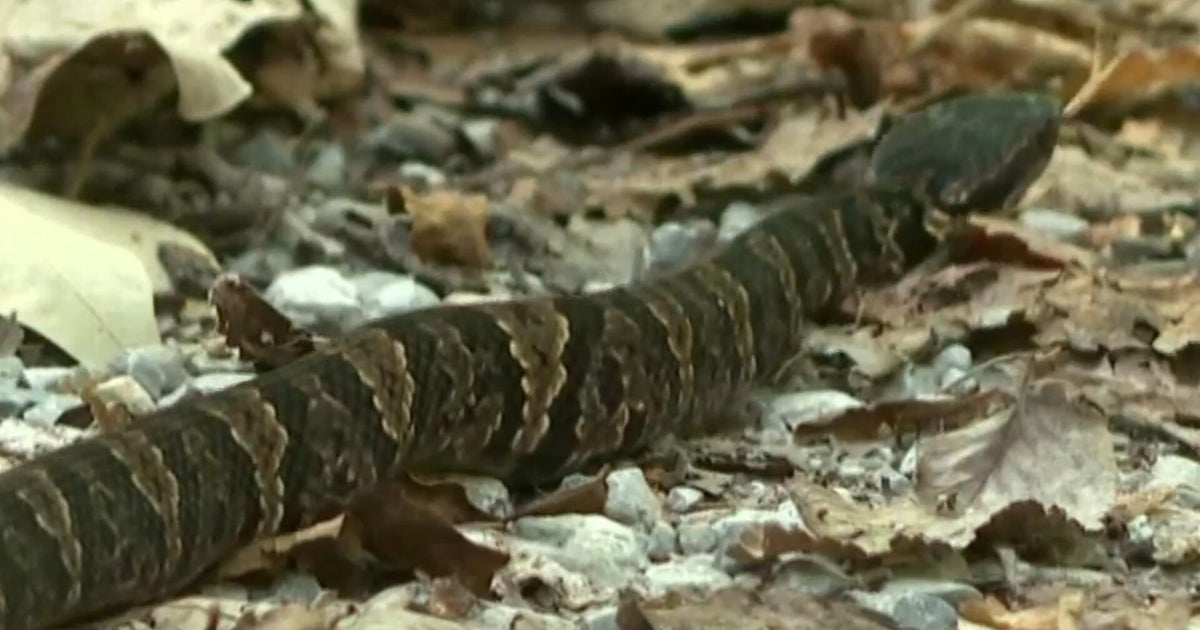
Snake Road in the Shawnee National Forest in Southern Illinois closes to cars to protect snakes during their fall migration. Visitors come to watch the reptiles move through the area.
Key Facts
Snake Road is in the hills of the Shawnee National Forest in Southern Illinois.
The road closes to cars during the snakes’ fall migration.
The closure is intended to protect migrating reptiles.
People visit the area to watch the migration.
CBS News reporter Noel Brennan covered the migration.
Read the Original
Want the full story? Tap a source to open the original
article.
More than 7,500 restaurant locations closed across the United States in the first six months of 2026. CBS News reports that rising costs and declining sales are forcing some restaurants to close.
Key Facts
More than 7,500 restaurant locations closed nationwide in the first half of 2026.
The report identifies rising costs as a factor behind the closures.
The report also cites declining sales.
CBS News correspondent Mark Strassmann reported on restaurant closures.
Read the Original
Want the full story? Tap a source to open the original
article.
Unusually high tides and damaging surf affected Southern California beach communities over the weekend. The report linked the conditions to warm temperatures and El Niño and included a forecast, but the article provided no further details.
Key Facts
Southern California beach communities experienced damaging surf over the weekend.
The report described the tides as unusually high.
Warm temperatures and El Niño were cited as factors behind the conditions.
Akiko Fujita reported on the effects on beach communities.
Andrew Kozak provided the forecast.
Read the Original
Want the full story? Tap a source to open the original
article.