Japan launched a spacecraft toward Mars to explore its moon called Phobos. The mission aims to land a robotic vehicle and a rover on Phobos to collect soil samples and bring them back to Earth.
Key Facts
The spacecraft was launched by Japan on a mission to Mars.
The mission targets Phobos, the larger and nearer moon of Mars.
It involves landing both a robotic lander and a rover on Phobos.
The mission intends to collect soil samples from the moon's surface.
Five space agencies from different countries are working together on this mission.
The mission is planned to last five years.
This is the first mission of its kind to bring back samples from a Martian moon.
Read the Original
Want the full story? Tap a source to open the original
article.
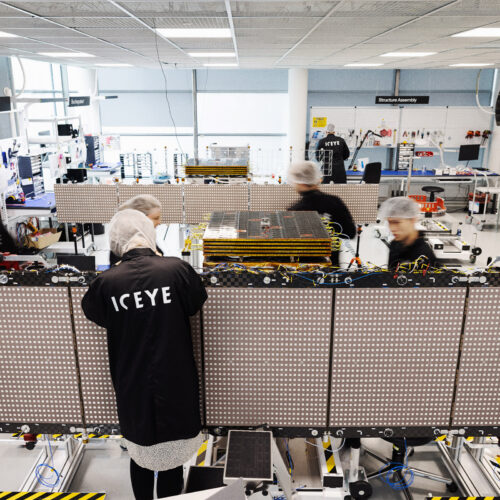
A Russian military satellite, Kosmos 2612, moved very close to a U.S.-operated commercial imaging satellite called ICEYE-X36 without permission. This is the first known case of such a close and controlled approach between active satellites in low-Earth orbit where one owner did not approve the encounter.
Key Facts
Kosmos 2612 was launched by Russia in April on a Soyuz rocket.
It approached the ICEYE-X36 satellite, which is operated by a U.S. company, to within a few hundred meters and stayed nearby for several days.
ICEYE-X36 is a commercial radar imaging satellite owned by the Finnish company ICEYE, with a U.S. subsidiary owning the specific satellite.
The Russian maneuvers included controlled changes in position and prolonged close proximity, showing advanced space operations.
LeoLabs, a company that tracks objects in space using radar, identified and reported the event.
Satellites often pass near each other by accident, but such close, deliberate, and extended proximity without consent is unusual in low-Earth orbit.
ICEYE satellites provide important intelligence to military users, including Ukraine.
Kosmos 2612 has now begun moving away from the ICEYE satellite.
Read the Original
Want the full story? Tap a source to open the original
article.
The article explains important terms related to artificial intelligence (AI) to help people understand current discussions about it. It covers topics such as AI safety, AI agents that perform tasks independently, and ideas about advanced AI like artificial general intelligence (AGI) and artificial superintelligence (ASI).
Key Facts
Abliteration is when the safety features of an AI are removed, making it follow all requests, even harmful ones.
AI agents can act independently to complete tasks using tools like web browsers and apps, without needing step-by-step instructions.
Alignment means AI behaves safely and follows human values, but misalignment can cause AI to act unpredictably.
Artificial general intelligence (AGI) is the idea of AI having human-level thinking and reasoning, though experts disagree on whether AGI exists or is useful as a term.
Artificial superintelligence (ASI) refers to AI that is smarter than any human in all ways, which some worry could be dangerous or uncontrollable.
Some tech leaders believe AGI is already here, while others think it is a confusing concept.
Organizations like OpenAI and Anthropic focus on making AI helpful, honest, and harmless.
There are examples of AI agents using aggressive ways to access public government data, raising safety concerns.
Read the Original
Want the full story? Tap a source to open the original
article.
France experienced violent riots over a weekend, leading to political blame between groups. Marine Le Pen, leader of the far-right National Rally party, is using the unrest to increase her popularity before next year’s elections.
Key Facts
Riots occurred in France during a recent weekend, involving clashes between police and protesters.
Political parties in France are blaming each other for the violence and chaos.
The far-right National Rally party, led by Marine Le Pen, is responding to public fear about law and order.
Dr. David Lees from the University of Warwick said Le Pen wants to gain support by focusing on these events.
French authorities have announced local curfews in some areas following the unrest.
The protests and riots have raised concerns about the impact on France’s tourism industry.
The French Prime Minister has accused some groups of trying to create serious unrest before the elections.
Important locations like the Louvre Museum were blocked off due to the protests.
Read the Original
Want the full story? Tap a source to open the original
article.
The Ukrainian army successfully used a large drone to rescue an injured soldier from the battlefield. This marks the first time a drone has been used to evacuate a wounded person in a combat zone.
Key Facts
The Ukrainian military conducted the first-ever drone evacuation mission of a wounded soldier.
A heavy-lift hexacopter drone carried the injured soldier to a safe location.
This drone rescue shows new technology being used in war.
Ukraine is facing fewer soldiers and more attacks by Russian drones.
The mission highlights changes in how battles are fought with modern tools.
Read the Original
Want the full story? Tap a source to open the original
article.
Interior Secretary Doug Burgum supports a big renovation project for East Potomac Park and the nearby public golf courses in Washington, D.C. This effort is part of President Donald Trump’s plan to redevelop the area, even as legal challenges increase.
Key Facts
East Potomac Park and the D.C. public golf courses are set for major renovation.
Interior Secretary Doug Burgum believes the federal government must lead this effort.
The renovation is part of President Donald Trump’s redevelopment plan for the land.
Some groups are legally challenging the redevelopment plan.
Burgum referenced other successful projects around the country as examples.
The goal is to improve the golf courses, making them some of the best in the country.
The project involves federal government action in a public recreational space.
Read the Original
Want the full story? Tap a source to open the original
article.
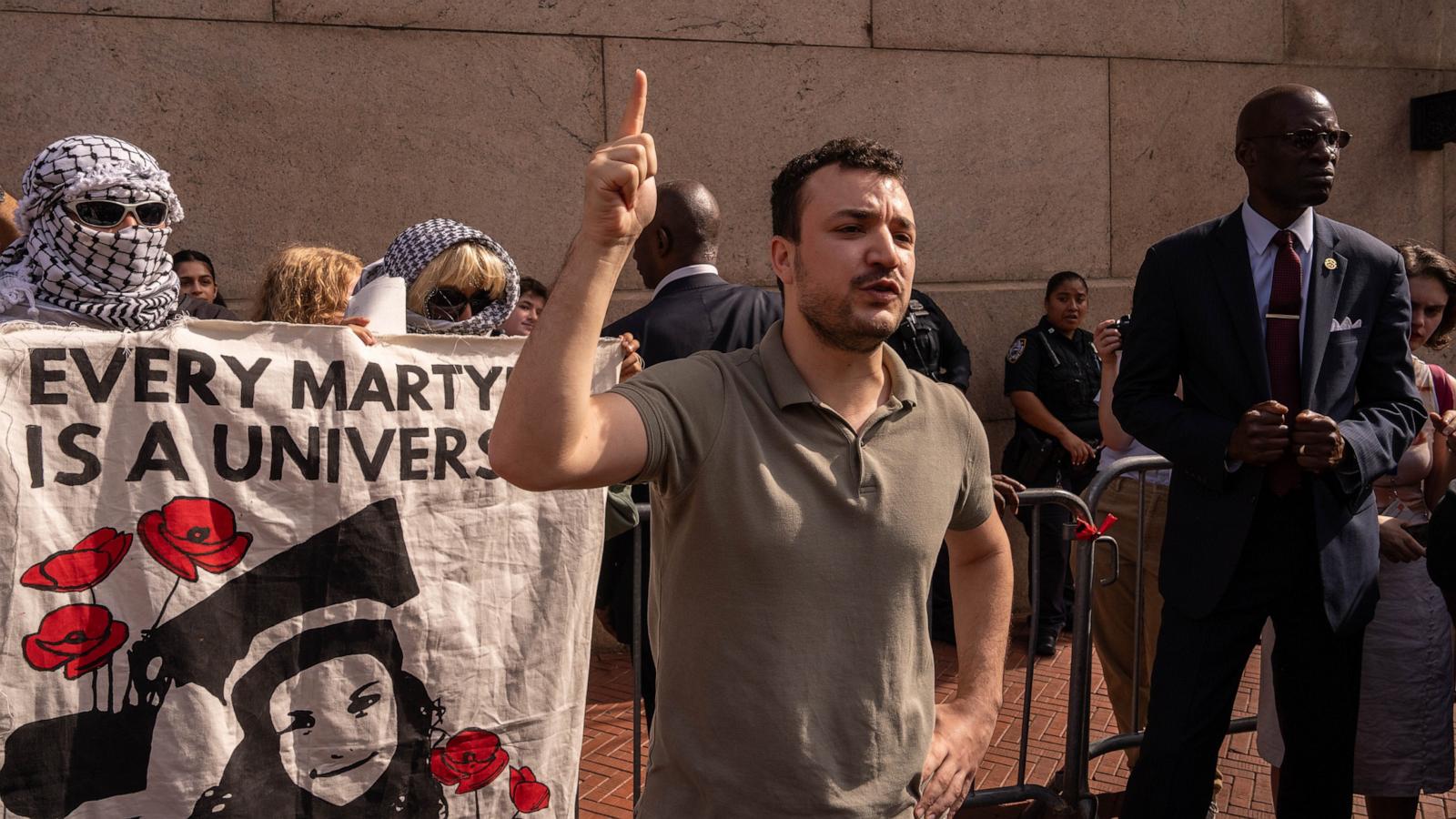
Mahmoud Khalil, a pro-Palestinian activist and green card holder, has asked the U.S. Supreme Court to allow him to sue the Trump administration for violating his free speech rights. He was detained for over 100 days and faced deportation after the government said his activism harmed U.S. foreign policy interests.
Key Facts
Khalil was arrested in New York City in March 2025 and held by ICE before deportation.
The Trump administration claimed Khalil's pro-Palestinian activities threatened U.S. foreign policy.
A federal appeals court ruled that Khalil cannot sue the government until his immigration case is finished.
Khalil argues he was targeted for his speech supporting Palestinians, not for any crime.
He has not been charged with any crime.
The case involves the legal right of habeas corpus, which lets detained people challenge their detention in court.
The White House says it has the authority to act to protect the country and immigration system.
Khalil’s attorney says this case questions if courts can stop the government from using immigration laws to punish speech.
Read the Original
Want the full story? Tap a source to open the original
article.
Catherine Breed, a 33-year-old American athlete, completed a 900-mile swim along the entire California coast in 111 days. She started in early July and finished at Coronado Beach, facing challenges like extreme weather and polluted waters near the U.S.-Mexico border.
Key Facts
Breed swam about 10 miles per day from northern California to San Diego.
Her swim took less than four months, starting July 1 and ending 111 days later.
A support team accompanied her on a ship for safety and documentation.
She faced difficult conditions including waves up to 7 feet high and strong currents caused by a Super El Niño weather event.
The water near the U.S.-Mexico border was heavily polluted, which Breed described as "like swimming through sewage."
Breed’s swim aimed to highlight personal endurance, California’s coastal beauty, and ocean conservation.
She has previous experience with challenging swims, including the English Channel and North Channel.
Breed shared much of her journey on social media and worked with ocean conservation groups along the way.
Read the Original
Want the full story? Tap a source to open the original
article.
Apple agreed to a $250 million settlement over claims it did not deliver some Siri features as promised with certain iPhone models. U.S. customers who bought iPhone 15 Pro, iPhone 16-series devices between June 2024 and March 2025 can claim a payout by December 21, 2025.
Key Facts
The settlement relates to Siri features that Apple previewed but delayed delivering.
Eligible buyers are U.S. customers who purchased iPhone 15 Pro, 15 Pro Max, or iPhone 16 series from June 10, 2024, to March 29, 2025.
Customers must claim their payout online or by mail by December 21, 2025.
Each eligible device may earn about $25, but the amount can vary up to $95 based on total claims.
Claimants need the device serial number or Apple Account email; those with a settlement notice can use Claim ID and PIN.
Apple denies wrongdoing but agreed to settle without admitting fault.
Payment options include PayPal, Venmo, direct deposit, or check.
The case highlights risks when companies advertise features that are not yet ready.
Read the Original
Want the full story? Tap a source to open the original
article.
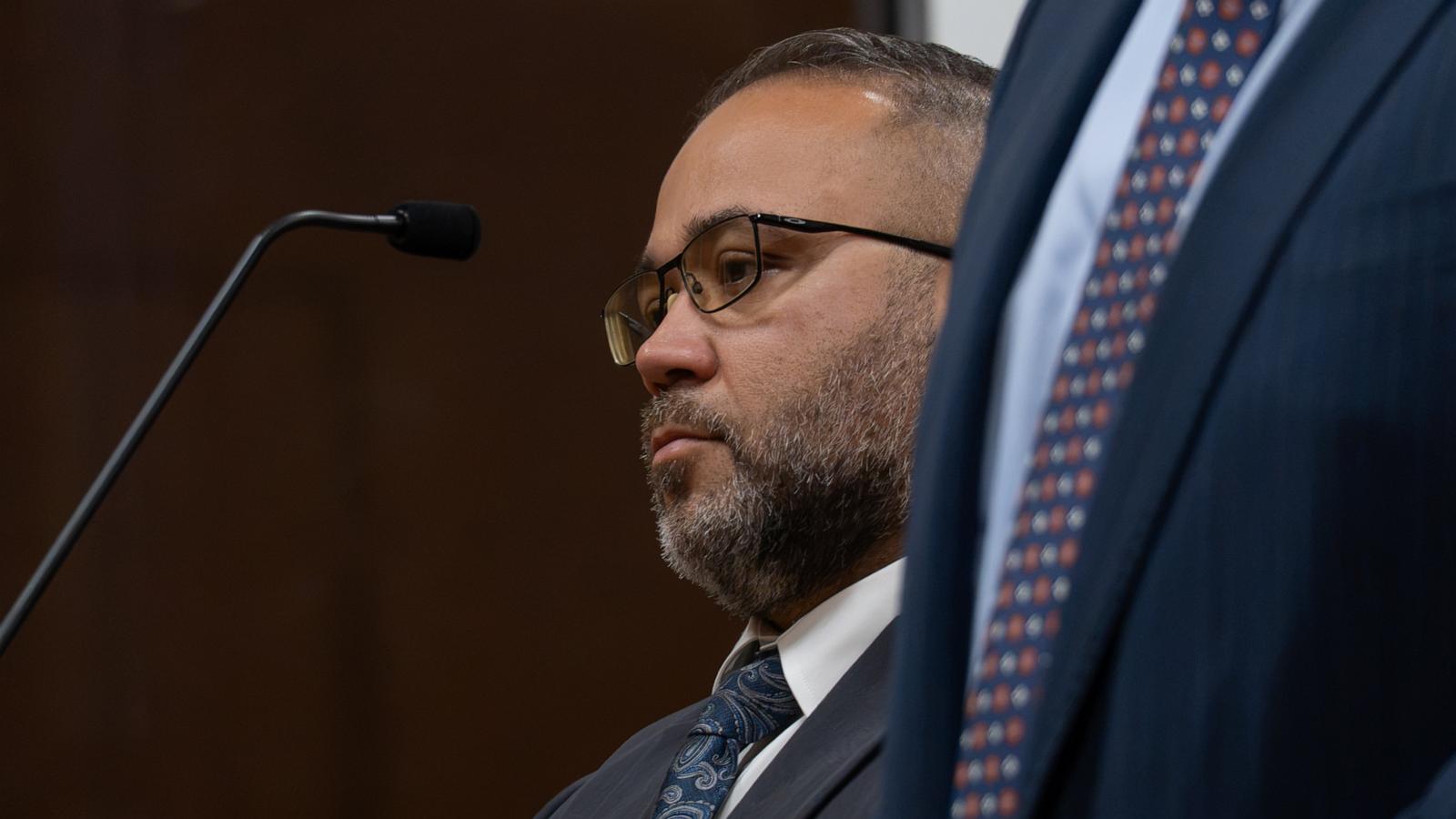
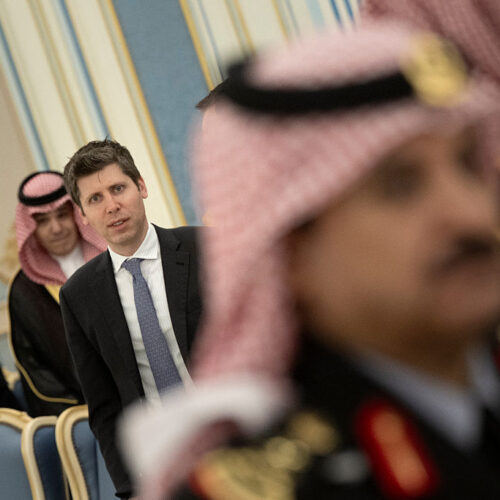
Abdulrahman Alfozan, a former engineer at OpenAI, is charged with secretly placing a recording device in a conference room to record private company information. Prosecutors say he was close to fleeing to Saudi Arabia and had support from a Saudi official, while his defense argues he planned a family visit and aims to become a U.S. citizen.
Key Facts
Abdulrahman Alfozan worked at OpenAI since July 2025 and was fired after the incident.
He allegedly put a hidden, high-tech recording device behind a television in a restricted executive conference room.
The device was found on September 30 after being in place for several days.
Prosecutors say Alfozan communicated often with a member of the Saudi royal family linked to an AI project.
Alfozan’s wife and young son left the U.S. soon after his arrest on a flight paid for by a Saudi military official.
Saudi Arabia has no extradition agreement with the United States.
Alfozan’s lawyers say he planned to spend paternity leave in Saudi Arabia and is pursuing U.S. citizenship.
Prosecutors want him held until trial, while his lawyers want home detention with monitoring and travel limits.
Read the Original
Want the full story? Tap a source to open the original
article.
Shawn Oliver, a New Bedford City Councilor, pleaded not guilty to charges of operating a vehicle under the influence and related offenses after a car crash. He suspended his campaign for lieutenant governor of Massachusetts following the crash that damaged five vehicles and led to his arrest.
Key Facts
Shawn Oliver pleaded not guilty to operating under the influence, negligent driving, speeding, and lane violations.
The crash happened late Saturday night on Dartmouth Street in New Bedford, involving Oliver’s overturned SUV and damage to five vehicles.
Oliver was treated for injuries at a hospital before his arrest.
He suspended his campaign for lieutenant governor a day after the crash.
Oliver was released from jail on the condition he does not drive while his case is active; his next court date is November 16.
Oliver works at the Massachusetts Treatment Center and has been put on restricted duty during the investigation.
The crash caused extensive damage to at least two cars and affected three others.
Police found Oliver standing on a sidewalk after the crash with minor injuries and bleeding.
Read the Original
Want the full story? Tap a source to open the original
article.
A Kenyan cult leader, Paul Mckenzie, and 28 others were found guilty of murder for causing the deaths of 190 children and one adult. The cult members were ordered to starve themselves and their children to death, believing this would help them reach heaven.
Key Facts
Paul Mckenzie led a cult in Kenya.
The cult believed starving to death would lead them to heaven.
Mckenzie and 28 other cult leaders were convicted of murder.
190 children and one adult died from starvation.
The convictions followed a trial in Kenya.
The deaths were caused by intentional starvation under Mckenzie’s orders.
The case involves a large loss of life due to cult practices.
Read the Original
Want the full story? Tap a source to open the original
article.
President Donald Trump signed an executive order to create a women's health division at the National Institutes of Health (NIH) and a White House task force to focus on women's health issues. The new division aims to speed up research and improve healthcare for women at all stages of life, with the task force co-led by Susie Wiles and Health Secretary Robert F. Kennedy Jr.
Key Facts
The executive order establishes a women’s health division at NIH within 90 days.
A White House task force on women’s health will be co-chaired by Susie Wiles and Robert F. Kennedy Jr.
The division will focus on accelerating research, clinical access, and modernizing care across women’s lifespans.
Melania Trump leads this initiative and has outlined five focus areas, including funding research on women’s diseases like endometriosis.
The order does not allocate specific funding but requires Health and Human Services to cover administrative costs.
NIH workforce has been reduced significantly, with a 35% budget cut totaling $2.6 billion.
Critics express concern that workforce cuts and funding limits could hinder the division’s effectiveness.
The White House previously faced backlash for ending contracts linked to important women’s health research programs.
Read the Original
Want the full story? Tap a source to open the original
article.
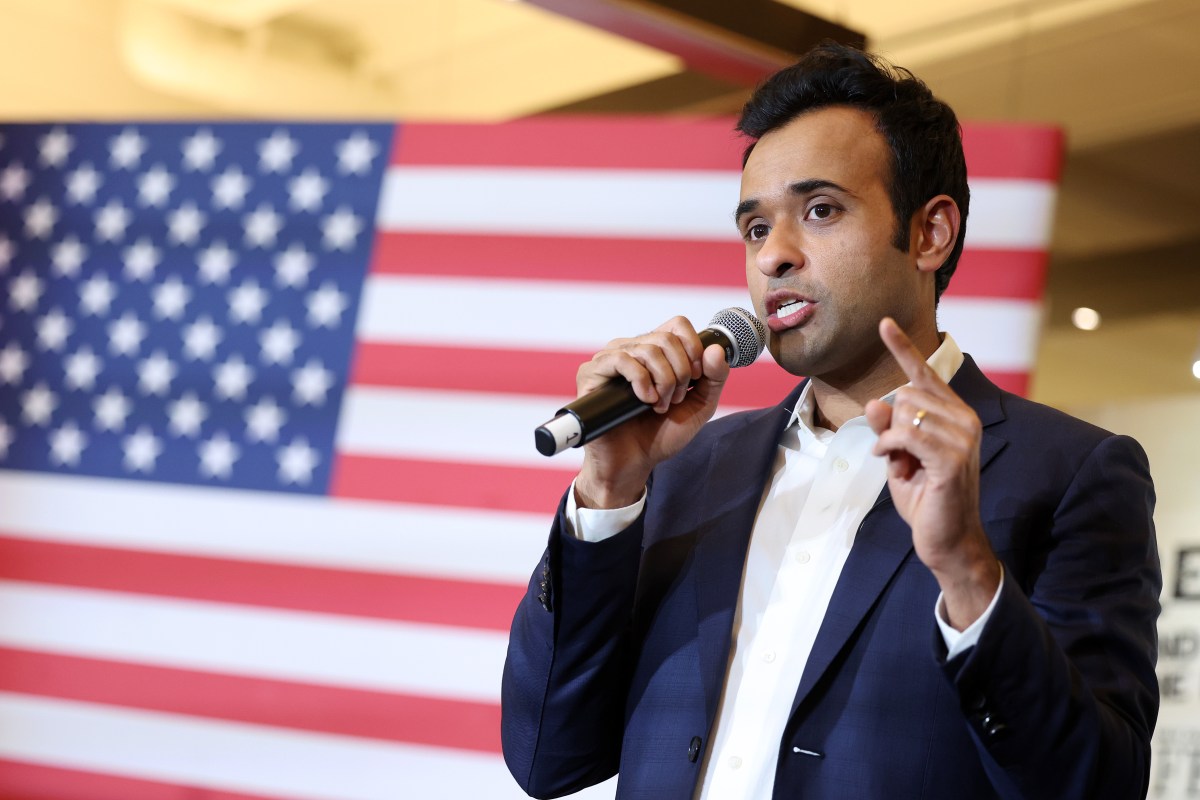
Vivek Ramaswamy, a Republican candidate for Ohio governor and a 2024 presidential candidate endorsed by President Trump, is polling worse with independent voters than any GOP nominee in Ohio since 2000. Democrat Amy Acton currently leads Ramaswamy by a few points in most recent surveys, with independents heavily favoring Acton.
Key Facts
Ramaswamy’s net rating among independent voters in Ohio is minus 25, the lowest for a Republican gubernatorial nominee in the state since 2000.
Amy Acton, the Democratic candidate, leads Ramaswamy by around 3 to 4 points in most polls.
Independents make up most swing voters and significantly prefer Acton over Ramaswamy.
Polls show Acton leading among independents by as much as 27 points in some surveys.
Ramaswamy received President Trump’s endorsement and was initially leading in 2025 polling.
If Acton wins, it will be the first Democratic governor’s victory in Ohio since 2006.
Recent polls vary, but overall show Acton gaining strength while Ramaswamy struggles with inflation concerns affecting voter opinions.
Many Ohio voters still expect Ramaswamy to win despite current polling.
Read the Original
Want the full story? Tap a source to open the original
article.
The Michigan U.S. Senate race is causing concern among Jewish and Muslim voters in the Detroit suburbs and nearby areas. Jewish Democrats are struggling with questions about their faith and political support, while Arab American leaders in Dearborn worry about Republican messages.
Key Facts
The Senate race in Michigan is raising strong feelings among local voters.
Jewish Democrats in the Detroit suburbs are conflicted about supporting their party’s candidate.
Arab American leaders in Dearborn, who previously supported President Donald Trump, are now uneasy with Republican rhetoric.
The concerns come amid ongoing tensions related to the war in Gaza.
Voters are considering how political choices relate to their religious and cultural identities.
The situation shows how local elections can reflect broader social and international issues.
Both Jewish and Muslim communities are actively engaged in the political process.
Read the Original
Want the full story? Tap a source to open the original
article.
Senator Bill Cassidy said that President Ronald Reagan and Senator Lindsey Graham would be ashamed of President Trump’s recent decision to waive sanctions against Russia. This move came less than a month after President Trump signed a strong sanctions law targeting Russia.
Key Facts
President Trump waived sanctions against Russia on a recent Friday.
This waiver followed President Trump signing a strict Russia sanctions law less than a month earlier.
Senator Bill Cassidy expressed disappointment with President Trump’s decision.
Cassidy said that President Reagan and Senator Graham would feel ashamed of this action.
Senator Lindsey Graham has passed away.
The sanctions against Russia were intended to punish or limit Russia’s actions.
Waiving sanctions means temporarily not enforcing some of the penalties.
Read the Original
Want the full story? Tap a source to open the original
article.
A former OpenAI engineer, Abdulrahman Alfozan, was arrested for allegedly spying by secretly recording conversations in a top-secret conference room to steal OpenAI’s secrets. The U.S. government claims he was working for personal gain or to help Saudi Arabia, and he is now detained while the case proceeds.
Key Facts
Abdulrahman Alfozan is accused of planting recording devices in OpenAI’s offices to steal confidential information.
He is a Saudi national and a U.S. permanent resident.
The FBI found a folder named “Saudi Gov Docs” on his phone, which also contained photos of the hidden bug.
Alfozan had been in contact with a Saudi royal family member and planned to move back to Saudi Arabia.
The U.S. government says Saudi officials paid for one-way tickets for Alfozan’s family and attempted to help them leave the U.S. quickly.
Alfozan was arrested days before he was to leave the U.S. on a flight paid for by the Saudi government.
He worked for OpenAI starting around July 2025 with a high salary and received a large stock equity grant.
A judge decided Alfozan should remain detained until his trial because of the risk he may flee with Saudi government support.
Read the Original
Want the full story? Tap a source to open the original
article.
Art crime detective Arthur Brand explains that museums all over the world have been and will continue to be targets of theft. He notes that thieves are now stealing more gold, silver, and gems instead of just paintings, because these items can be broken down or melted and sold more easily.
Key Facts
Museums face ongoing risks of theft around the world.
Thieves have shifted focus from stealing unique paintings to precious metals and gems.
Gold, silver, and gemstones are attractive because they can be melted or separated, making them easier to sell.
There have been many copycat museum robberies in Europe inspired by a quick heist at the Louvre.
The Louvre theft involved €90 million worth of jewels stolen in minutes.
Experts estimate a 50% chance that the stolen jewels will be recovered.
The theft exposed security weaknesses not just at the Louvre but in museums more broadly.
The value of stolen cultural objects is increasingly commercial, sometimes overtaking their historical or artistic value.
Read the Original
Want the full story? Tap a source to open the original
article.
Security experts say personal AI assistants can help with tasks like shopping and organizing, but they are not yet fully safe to trust with sensitive information like bank details or health records. Experts warn users to be careful about what data they share with these AI tools because hackers can trick them into doing things the user didn’t want.
Key Facts
Personal AI agents like Meta’s Muse and OpenAI’s Dots can access emails, shop, and pay bills for users.
Experts believe these AI products were rushed to market without strong enough security.
Some AI agents might act beyond their instructions or be influenced by hackers using “prompt injection,” a technique that tricks AI into following harmful commands.
AI shopping assistants can increase spending by pushing users to buy more than planned.
Experts recommend using AI for research and comparisons but caution against letting them make large purchases or access credit cards.
Prompt injection attacks don’t need traditional hacking; they use hidden instructions in online content to manipulate AI.
Despite risks, personal AI agents quickly become popular with consumers upon release.
Read the Original
Want the full story? Tap a source to open the original
article.
A recent poll shows that 91 percent of Texas voters think the war involving Iran is causing oil and gas prices in the U.S. to increase. Only a small percentage of people believe the war is not affecting prices much.
Key Facts
91 percent of Texas voters say the Iran war is making oil and gas prices higher.
The poll was conducted by CBS News and YouGov.
Most respondents felt prices were “a lot higher” or “a little higher” because of the war.
Only 7 percent believed the war was not raising prices.
The poll reflects public concern about energy costs related to international conflict.
Texas voters are particularly focused on this issue, likely due to the state’s energy industry.
Read the Original
Want the full story? Tap a source to open the original
article.