Senator Richard Blumenthal reported that Ukrainian President Volodymyr Zelensky told U.S. senators Ukraine does not yet have full access to the Starshield satellite system or U.S. intelligence information. This update was given on a call with senators from both parties amid increasing tensions involving President Trump.
Key Facts
Ukrainian President Zelensky spoke to a bipartisan group of U.S. senators.
Zelensky said Ukraine does not have full access to the Starshield satellite network.
Ukraine also lacks complete access to U.S. intelligence sharing.
The call was hosted by Senator Thom Tillis, a Republican from North Carolina.
The report was made by Senator Richard Blumenthal, a Democrat from Connecticut.
The issue happens during a time of growing tension related to President Donald Trump.
Starshield is a satellite-based system important for intelligence and communication.
Read the Original
Want the full story? Tap a source to open the original
article.
The article reviews the high turnover rates in senior White House positions during President Donald Trump’s terms, noting many staff members left their roles quickly. It includes an interactive, unofficial calculator that estimates how long someone might last working for President Trump based on different personal and job-related factors.
Key Facts
Over half (56%) of senior White House positions saw turnover by September 2026, compared to 92% during Trump’s first term.
Turnover includes people leaving by choice, being promoted, or being fired.
Katie Zacharia held the role of White House press secretary for only five days.
Anthony Scaramucci lasted 11 days as communications director, and Michael Flynn served 25 days as national security adviser.
Sally Yates was fired after 11 days as acting attorney general.
The article offers an unscientific online tool that estimates how long people might last in White House jobs under President Trump.
The calculator considers factors like age, sex, height, professional background, expected job title, relationship with the president, and how someone handles the press.
The article emphasizes that the calculator is for entertainment only and not a reliable predictor of job security.
Read the Original
Want the full story? Tap a source to open the original
article.
Mahmoud Khalil, a Columbia University student, asked the U.S. Supreme Court to review his case. He was jailed for months and says his detention was because of his right to speak out in support of Palestine during President Donald Trump’s administration.
Key Facts
Mahmoud Khalil is a student at Columbia University.
He was involved in protests supporting Palestine.
Khalil was jailed for several months last year.
He claims his detention was punishment for his free speech.
His legal team has asked the Supreme Court to hear his case.
The case relates to actions taken during President Donald Trump’s administration.
The Supreme Court has not yet decided whether to take the case.
Read the Original
Want the full story? Tap a source to open the original
article.
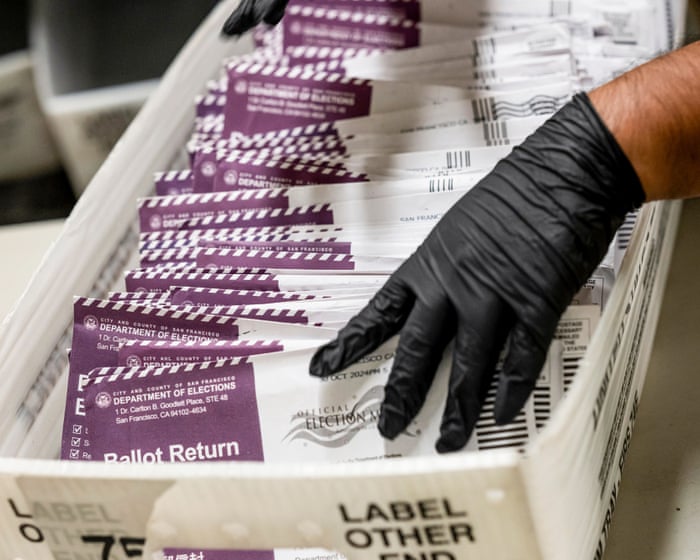
The U.S. Department of Justice charged 28 green card holders in California for illegally registering to vote and casting ballots. The government’s actions are part of a wider effort to stop noncitizens from voting before the November midterm elections, but some officials question the accuracy and impact of these claims.
Key Facts
28 lawful permanent residents (green card holders) in California face criminal charges for voter fraud.
Charges include lying on naturalization forms and illegally registering and voting; these are felony offenses with up to five years in prison.
21 of the 28 defendants allegedly cast illegal votes; 11 have been arrested so far.
The DOJ sent California a list of over 20,000 people believed to be noncitizens who received ballots.
California officials argue the list is vague, unverified, and that removing voters from rolls without proof could violate federal law.
The DOJ acknowledges its list may include some U.S. citizens and says cooperation with California is needed to verify names.
Acting Deputy Attorney General said the larger number (190,000) is an unconfirmed estimate while 20,000 is a more certain figure.
The DOJ threatened to prosecute officials who count ballots from alleged noncitizens, a move election experts call questionable and intimidating.
Read the Original
Want the full story? Tap a source to open the original
article.
Democratic Rep. Marie Gluesenkamp Perez represents a district in Southwest Washington that mixes urban and rural areas and has voted for both her and President Trump. She often sides with Republicans on some issues to reflect her district’s values and aims to help Democrats keep control of the House by appealing to moderate voters.
Key Facts
Gluesenkamp Perez owns an auto repair shop with her husband and focuses on blue-collar issues.
Her district includes part of the Portland, Oregon metro area and large rural areas relying on fishing, logging, and manufacturing.
She has voted against some typical Democratic positions, including opposing Biden’s student debt relief.
She voted for a Republican election proposal supported by President Trump.
She supported a bill that included restrictions on abortion and climate change efforts.
She voted to censure some fellow Democrats and introduced a resolution to reprimand another Democrat.
Republicans used her disagreements with Democrats to pass a vote condemning socialism.
Her current opponent, John Braun, is a more moderate Republican compared to her previous opponent.
Read the Original
Want the full story? Tap a source to open the original
article.
President Volodymyr Zelensky said that limits on the speed of a U.S. military satellite system called Starshield are slowing down Ukraine’s ability to coordinate drone strikes against Russian forces. He reported that the equipment stops working at speeds between 130 and 160 km/h (80 to 100 mph) in parts of the front line.
Key Facts
Starshield is a U.S. military-grade satellite system used by Ukraine.
The system stops functioning when units move faster than 130-160 kilometers per hour.
This speed limit is causing delays in coordinating drone attacks against Russian forces.
Ukrainian frontline units have reported these technical problems.
A Ukrainian army brigade used an aerial drone to rescue a wounded soldier for the first time.
The rescue involved lowering a drone to the ground so the soldier could attach himself to a winch.
The drone then lifted the soldier to safety from the battle front.
Read the Original
Want the full story? Tap a source to open the original
article.
The Trump administration is considering changes to FEMA’s structure to reduce the control centered in Washington, D.C., and adjust staffing in other locations. FEMA Administrator Cameron Hamilton sent a memo highlighting the need to empower regional offices and improve the agency's flexibility in responding to emergencies.
Key Facts
The Trump administration wants FEMA to decrease the amount of control based in Washington, D.C.
FEMA Administrator Cameron Hamilton circulated a memo about these planned changes.
The goal is to give more power and responsibility to regional offices across the country.
Some FEMA staff may be moved or reorganized as part of this plan.
The changes aim to make FEMA respond faster and more effectively to disasters.
The plans come during President Donald Trump’s current term in office.
The memos were obtained and reported by The Hill news outlet.
Read the Original
Want the full story? Tap a source to open the original
article.
The article lists the richest members of the U.S. Congress based on their estimated net worth. The data comes from Quiver Quantitative, which tracks financial information about public officials.
Key Facts
The list focuses on members of the U.S. Congress and how much money they are estimated to have.
Net worth means the total value of a person's money and assets minus any debts.
Quiver Quantitative is the source that collects and publishes these estimates.
The data is current as of 2026.
The estimates include both senators and representatives.
Wealth in Congress varies widely among members.
This information is public and helps people understand the financial background of lawmakers.
Read the Original
Want the full story? Tap a source to open the original
article.
The Trump administration has not made a clear decision about extending Temporary Protected Status (TPS) for Ukrainian and Sudanese immigrants, so their protections will continue for at least six more months. This uncertainty comes just before the midterm elections and follows concern from some lawmakers about the future of immigrants fleeing conflict in these countries.
Key Facts
TPS protects immigrants from Ukraine and Sudan from deportation and allows them to work legally in the U.S.
Both Ukraine and Sudan’s TPS designations were set to expire but will be extended for six more months by default.
The Department of Homeland Security has not announced a final decision on whether to extend or end TPS for these countries.
The Trump administration has been ending TPS protections for many countries over the past 21 months despite ongoing conflicts at home.
Some Republican Senators, including Lisa Murkowski and Susan Collins, have expressed concern about the status of Ukrainian immigrants.
Advocates say the lack of a clear decision leaves immigrants and employers uncertain about the future.
Immigration is a key topic leading up to the midterm elections, with public opinion increasingly supportive of immigrants.
Some members of President Trump’s party have criticized parts of the administration’s immigration policy.
Read the Original
Want the full story? Tap a source to open the original
article.
Prime Minister Andy Burnham is asking government officials to find new, bolder plans to deal with Thames Water, a company facing money problems. He is considering options like turning unpaid fines into government ownership stakes and is willing to spend taxpayer money or use courts to take more control of the utility.
Key Facts
Thames Water is running out of money and recently asked creditors for an extra £2.4 billion.
Burnham has promised to bring essential services, like water, under public control.
One idea is to convert £100 million in unpaid fines into a government stake in Thames Water.
Burnham has said he is willing to spend government money and go to court to take over the company.
The government is working on changing laws to make it easier to take control of water companies.
Officials had two main options: strike a bailout deal with debt owners or use a special bankruptcy process called SAR (special administration regime).
Thames Water’s creditors once offered a £10 billion rescue plan, which was rejected before Burnham became prime minister.
Burnham’s approach is different from previous leaders, focusing on bolder, less constrained options.
Read the Original
Want the full story? Tap a source to open the original
article.
U.S. retailers are using new technology like digital price tags and artificial intelligence (AI) to change product prices more often. Many consumers feel confused or worried because they don’t fully understand how these prices are set or if prices differ between customers. Lawmakers and regulators are starting to review and create rules about these pricing methods.
Key Facts
Digital price tags are becoming common in U.S. stores and replace paper price labels.
Artificial intelligence helps businesses predict customer reactions to set prices.
Terms like "dynamic pricing" mean prices change based on market demand or supply.
Some social media posts wrongly claim stores scan customers to set different prices for people.
Walmart says digital price tags update prices but do not charge customers differently based on personal data.
At least 30 U.S. states are considering laws about algorithm-driven and personalized pricing.
The Federal Trade Commission may enforce rules requiring businesses to explain how they use personal data for pricing.
Digital price tags allow faster price changes, but prices are often updated regularly, such as weekly, not hourly or daily.
Read the Original
Want the full story? Tap a source to open the original
article.
A judge in Washington, D.C., is questioning federal officials about the sudden removal of over 500 trees from a public golf course without proper notice. The dispute involves President Donald Trump’s plan to renovate the golf course, which is already the subject of a lawsuit, and the government’s claim that the tree removal was based on a 2019 report.
Key Facts
The East Potomac Golf Course had more than 500 trees removed suddenly on Columbus Day weekend.
D.C. District Judge Ana Reyes wanted advance notice of any major changes to the golf course.
The tree removal is tied to a 2019 Cultural Landscape Report recommending removal of dead or hazardous trees.
President Trump has announced plans for a full renovation of the golf course starting November 15, but the judge has blocked major construction for now.
The golf course is part of a lawsuit brought by the D.C. Preservation League against Trump’s renovation plans.
Interior Department official Gregory Wischer testified that tree removal focused on cleanup, not renovation.
The Justice Department’s Associate Attorney General Stanley Woodward clashed with Judge Reyes and refused to have other DOJ lawyers answer her questions.
President Trump criticized Judge Reyes on social media after she denied a request to remove her from the case.
Read the Original
Want the full story? Tap a source to open the original
article.
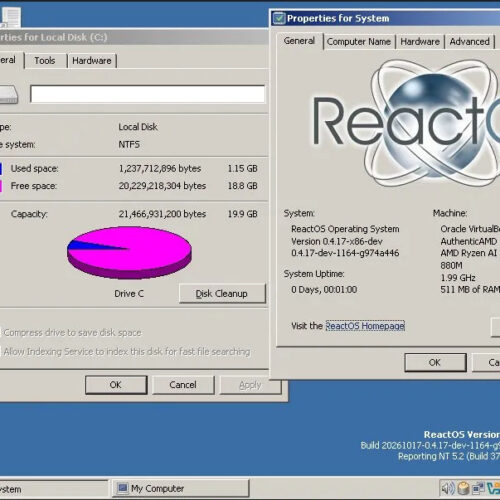
ReactOS, an open-source operating system similar to Windows, can now be installed directly on NTFS drives, the same type of drive used by most Windows systems. This improvement helps ReactOS move closer to a beta version but still has some performance and security limitations.
Key Facts
ReactOS can now be installed on NTFS partitions, a common Windows file system.
Previously, ReactOS required a FAT32 partition for installation.
NTFS has been the standard Windows file system since Windows XP in 2001.
ReactOS aims to be compatible with Windows Server 2003.
The new NTFS driver in ReactOS lacks caching, journaling, and security features, which may affect performance and safety.
Read-only NTFS support has existed in ReactOS since 2016; boot support was added in 2022.
ReactOS development is mostly volunteer-driven and open to contributors through public platforms like GitHub.
The project has been in alpha for a long time due to the complexity of recreating Windows from scratch.
Read the Original
Want the full story? Tap a source to open the original
article.
Jon Stewart will continue hosting "The Daily Show" once a week until December 2028. He also works as the show's executive producer and has been hosting on Mondays.
Key Facts
Jon Stewart is 63 years old.
He hosts "The Daily Show" on Comedy Central every Monday.
Stewart also serves as the executive producer of the show.
His contract extension lasts through the end of 2028.
This timeline covers the next U.S. presidential election period.
"The Daily Show" uses other comedians and TV personalities to host on other days.
Comedy Central made the announcement on a Monday.
Read the Original
Want the full story? Tap a source to open the original
article.
Senate Minority Leader Chuck Schumer asked the FCC to deny a conservative group's request to loosen rules on automated political phone calls made with artificial intelligence. Schumer is concerned that this change could allow campaigns to use fake voices of their opponents to spread misleading messages before the November elections.
Key Facts
Chuck Schumer is the Senate Minority Leader and a Democrat from New York.
He sent a request to the Federal Communications Commission (FCC).
The request was to reject a petition by a conservative political group.
The petition asked to allow more AI-generated robocalls during campaigns.
Robocalls are automated phone messages sent to many people.
AI-generated means the calls use artificial intelligence to create voices.
Schumer worries that opponents’ voices could be faked for misleading calls.
This issue is related to the upcoming November midterm elections.
Read the Original
Want the full story? Tap a source to open the original
article.
A former OpenAI engineer named Abdulrahman Alfozan is accused of secretly installing a recording device in an OpenAI conference room to capture sensitive meetings. U.S. prosecutors say he had strong connections to Saudi officials and that Saudi Arabia supported him after his arrest.
Key Facts
Abdulrahman Alfozan, 35, is charged with using a hidden device to record confidential discussions at OpenAI’s San Francisco office.
The device was plugged into a television in a conference room where government officials and executives met.
Prosecutors say Alfozan was in contact with a member of the Saudi royal family and a Saudi military official helped his family return to Saudi Arabia after his arrest.
Alfozan has lived in the U.S. for 15 years and is a lawful permanent resident applying for citizenship.
Messages show a Saudi royal urged Alfozan to work in Saudi Arabia on AI projects.
He was planning to travel to Saudi Arabia before the investigation became public, citing family and immigration reasons.
The investigation is ongoing, and more charges may be added.
The case highlights security concerns about protecting sensitive information in AI research.
Read the Original
Want the full story? Tap a source to open the original
article.
A senior adviser to Ukrainian President Zelensky said some Ukrainians died because the U.S. did not always warn them in time about incoming Russian missile attacks. The adviser also mentioned ongoing limits on Ukraine’s use of the Starlink internet network, which helps with military communication, although the U.S. government denies any changes in intelligence sharing.
Key Facts
Serhii Beskrestnov, an adviser to President Zelensky, said Ukrainians died due to late or missing U.S. warnings about missile strikes.
Ukraine reported a pause or interruption in U.S. intelligence sharing last week amid tensions over a deal to import Russian oil.
President Zelensky said intelligence sharing was restored after a three-day pause, and praised U.S. intelligence for warning about missile attacks.
Beskrestnov said intelligence information is sometimes delayed or incomplete, especially warnings for air raids.
Restrictions on the Starlink internet network, used by Ukraine’s military for communication and drones, continue without clear explanation.
Elon Musk, owner of Starlink, said the U.S. government controls access to Starshield, a military version of Starlink.
Starshield limited the speed mobile units could move while connected, affecting Ukraine’s drone operations.
The adviser suggested the simultaneous intelligence and Starlink issues might be intended to pressure Ukraine to negotiate with Russia.
Read the Original
Want the full story? Tap a source to open the original
article.
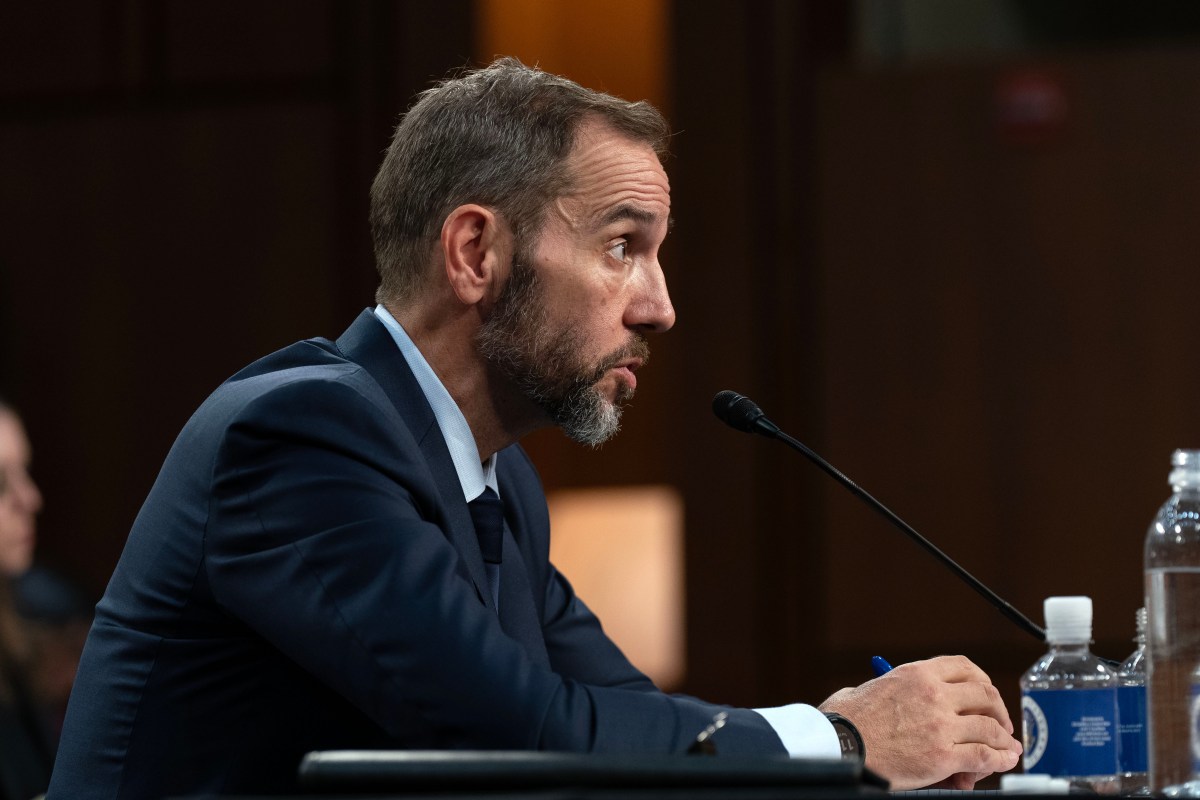
The BBC wants Jack Smith, former special counsel in election investigation, to testify in a lawsuit filed by President Donald Trump over a BBC documentary about Trump’s January 6, 2021, speech. Trump claims the documentary falsely showed his speech as encouraging the Capitol riot, while the BBC argues Smith has important information about the speech and its effects.
Key Facts
President Donald Trump sued the BBC for $10 billion, saying a documentary misrepresented his January 6 speech.
The BBC’s documentary included edits that made it seem Trump directly called for violence, which the BBC later admitted was an editorial mistake.
Jack Smith, who led investigations into efforts to overturn the 2020 election, is subpoenaed by the BBC to testify about Trump’s speech.
Trump’s lawyers want to stop Smith from testifying, but the BBC says Smith does not object to the subpoena.
The court has allowed the BBC to investigate the message of Trump’s speech but not every detail of January 6 events.
Smith indicted Trump in 2023 for trying to overturn the 2020 election, but the case was dismissed in 2024 after Trump became president again.
BBC chair Samir Shah apologized for the misleading editing but says fuller questions about Trump’s speech remain.
The legal dispute is now focused on whether Smith will have to testify and what evidence can be used in the lawsuit.
Read the Original
Want the full story? Tap a source to open the original
article.
The U.S. Department of Homeland Security has banned the use of AI technology from the Chinese company DeepSeek across most civilian government agencies. This move reflects ongoing concerns about Chinese AI technology amid competition and security worries in the AI field.
Key Facts
The ban affects civilian U.S. government agencies like the Treasury, State, and Justice Departments but not the Department of Defense.
DeepSeek is a Chinese company that offers open-source AI models that are free to access and cheaper than U.S. rivals’ products.
The ban took effect at the end of July and was made public by DHS on a Monday.
The White House has criticized Chinese AI firms for security risks and potential misuse of U.S. AI technology.
DeepSeek’s AI models have become very popular since their release in 2025, causing occasional server crashes due to high demand.
U.S. companies like Snowflake, Vercel, and OpenRouter use DeepSeek’s technology in their services.
Training DeepSeek’s AI model cost about $6 million, compared to $100 million for OpenAI’s GPT-4, highlighting large cost differences.
President Donald Trump has described China as the main U.S. rival in AI technology development.
Read the Original
Want the full story? Tap a source to open the original
article.