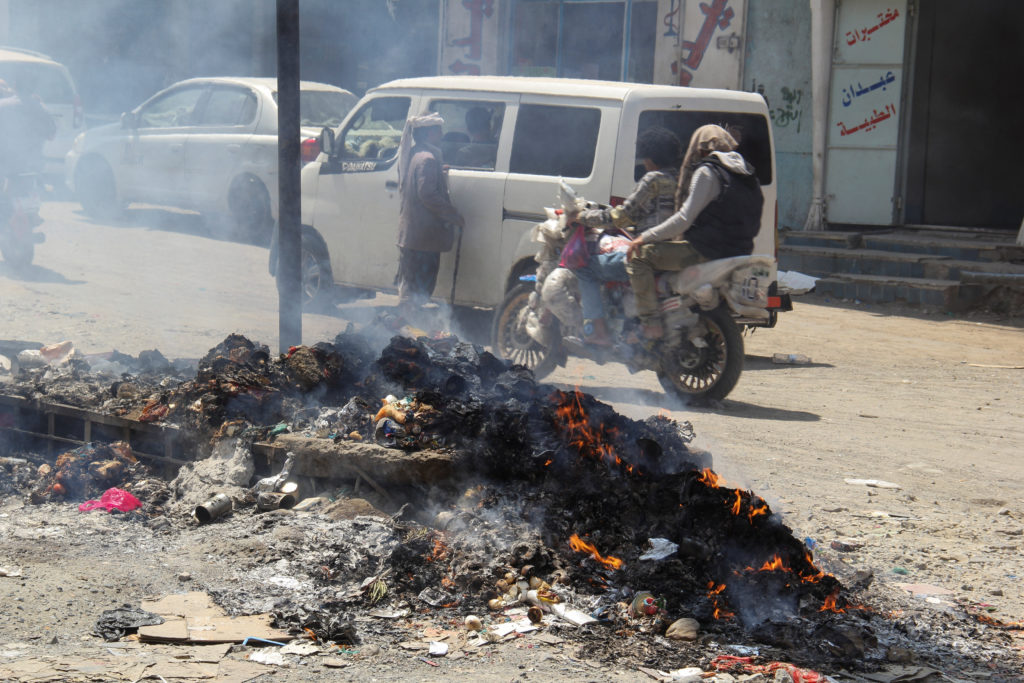
Egypt's top security council agreed to support Saudi Arabia in defending itself against attacks by Yemen's Houthi rebels. The conflict involves drone and missile strikes by the Houthis and has caused deaths, damage to infrastructure, and disruptions in both countries.
Key Facts
Egypt's National Defense Council, led by President Abdel-Fattah el-Sissi, decided to provide military support to Saudi Arabia.
Saudi Arabia faces missile and drone attacks from Iranian-backed Houthi rebels in Yemen.
These attacks have targeted airports, oil facilities, and residential areas, causing civilian casualties and economic issues.
Saudi Arabia and the United Arab Emirates are discussing ways to improve military cooperation.
Fighting in Yemen has killed civilians, including children, with recent airstrikes hitting rebel-held regions.
Saudi helicopter crash near Najran killed two crew members; Houthis claimed responsibility, Saudi side cited technical failure.
The Houthis control parts of Yemen, including areas near vital shipping routes on the Red Sea coast.
Iranian and Egyptian foreign ministers held talks amid the escalating regional conflict.
Read the Original
Want the full story? Tap a source to open the original
article.
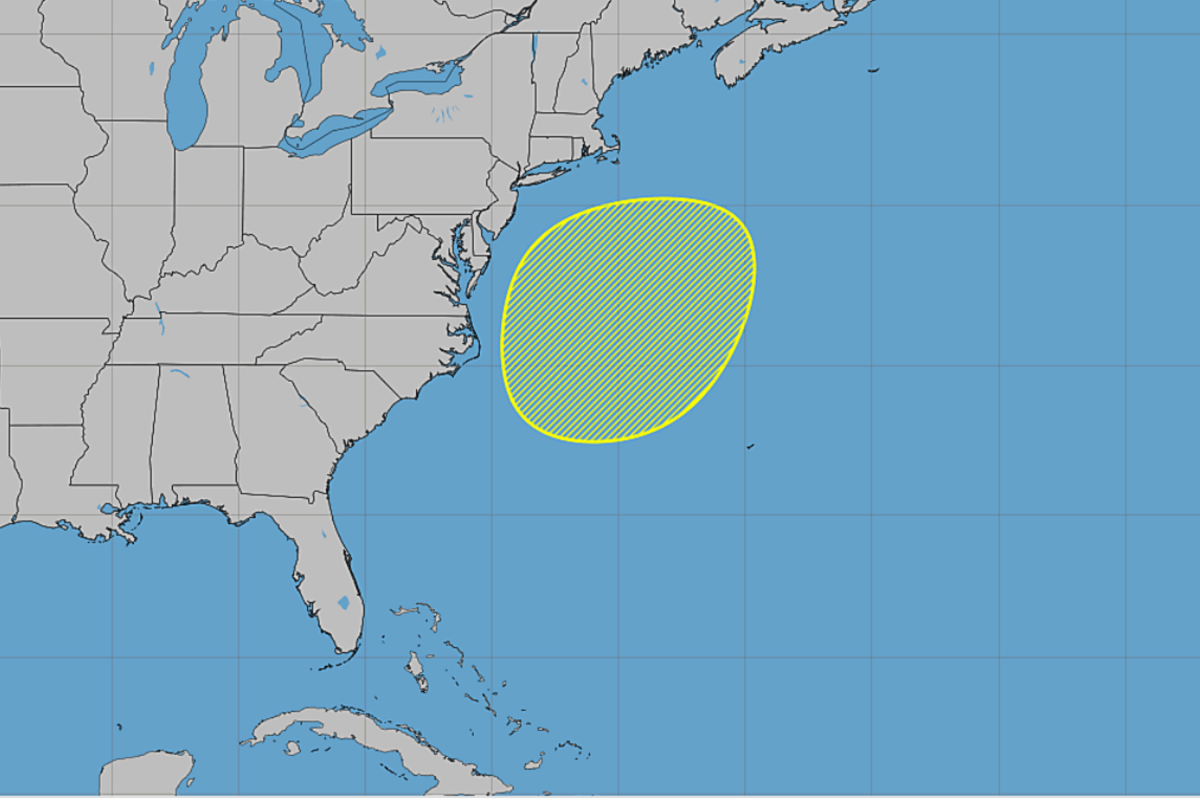
A slow-moving storm is expected to bring strong winds, flooding, and dangerous waves to parts of the U.S. East Coast this week. The National Hurricane Center says the storm might become a subtropical or tropical storm named Josephine, but even if it does not, it will still cause damage along the coast.
Key Facts
The storm is forming off the Southeast coast of the U.S. and will move slowly through the middle of the week.
There is a 30 percent chance the storm will develop into a subtropical or tropical storm within seven days.
If named, the storm will be called Josephine.
The storm will cause high winds, coastal flooding, beach erosion, and dangerous surf.
The strongest effects are expected from the Delmarva Peninsula to eastern North Carolina.
Coastal flooding and erosion are likely, especially during high tides.
Winds could gust between 40 and 60 mph, strong enough to move unsecured objects.
High surf and rip currents may affect areas from Florida to New England.
Read the Original
Want the full story? Tap a source to open the original
article.
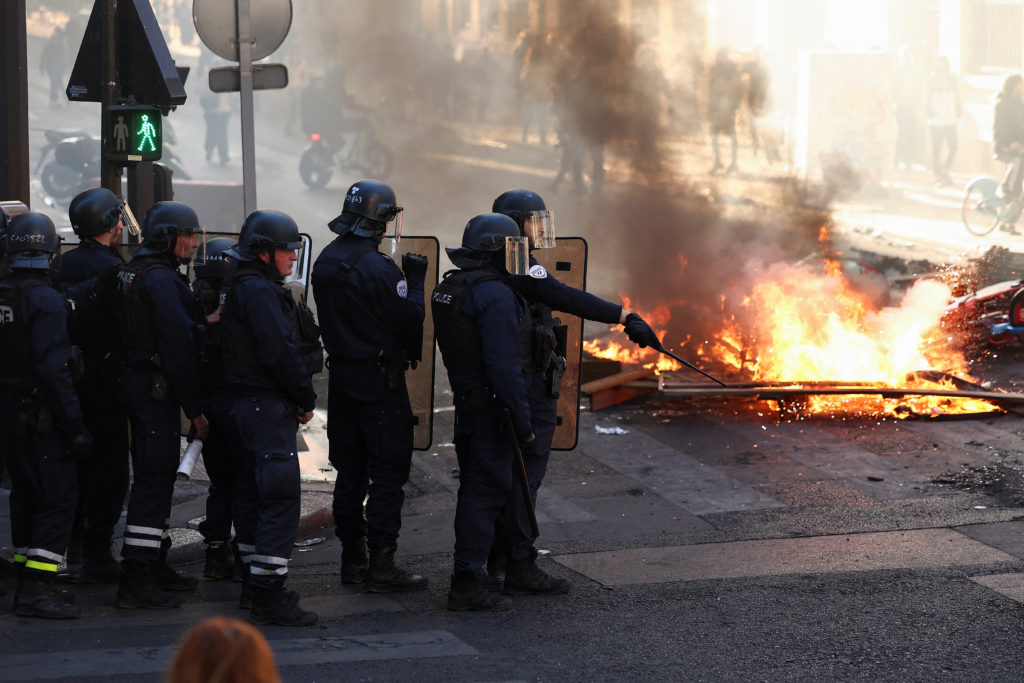
Student protests in France have grown from demands for education reform into wider demonstrations about the high cost of living and cuts to social services. Similar protests have spread across Europe, as young people express frustration with their governments, while right-wing parties try to gain politically from the unrest.
Key Facts
The protests began with students asking for changes to the education system in France.
The demonstrations expanded to include issues like expensive living costs and social service cuts.
France is experiencing some of Europe’s most serious unrest in recent years.
Other European countries have also seen youth protests about similar issues.
Young people feel their governments are not meeting their needs.
Right-wing political parties are trying to use the protests to increase their support.
The situation reflects broader social and political tensions in Europe today.
Read the Original
Want the full story? Tap a source to open the original
article.
French President Emmanuel Macron called for calm and order after protests against fuel prices and living costs turned violent. He condemned the rioting and looting, stating those responsible will face justice, and promised transparency about the police response.
Key Facts
About 550,000 people protested mostly peacefully across France on Saturday.
Protests were mainly about rising fuel prices, cost of living, and public services like schools.
Rioting and looting happened in cities including Paris, Marseille, and Lille.
Around 2,400 people were arrested during the unrest.
Approximately 1,000 police officers were injured, with seven seriously hurt.
President Macron called violence “unbridled” and said no violence is justified.
Local officials will work to protect businesses and buildings.
Macron promised full transparency about how police handled the protests.
Read the Original
Want the full story? Tap a source to open the original
article.
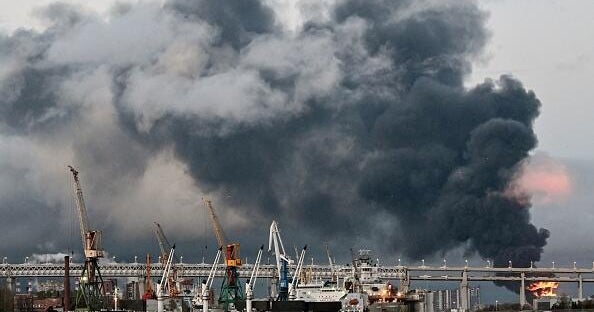
Ukraine’s President Volodymyr Zelenskyy said the war with Russia must end and that Ukraine is preparing new diplomatic steps. He shared that his team is in close contact with US officials despite recent disagreements, and he thanked the United States for resuming intelligence support. Meanwhile, fighting continues with recent drone attacks on Russia’s St. Petersburg and Russian strikes inside Ukraine.
Key Facts
President Zelenskyy said the war with Russia needs to end and Ukraine is planning next diplomatic moves.
Zelenskyy spoke with US envoys, Steve Witkoff and Jared Kushner, about Ukraine’s situation and diplomacy.
President Donald Trump recently waived sanctions against Russia’s energy sector and criticized Ukrainian attacks on Russian infrastructure.
The US briefly stopped sharing intelligence with Ukraine about Russian missile attacks but resumed it recently.
Ukraine’s access to Starshield, a military satellite internet system from Elon Musk’s SpaceX, is currently limited or blocked.
The US government denies restricting Ukraine’s satellite connectivity and has called Zelenskyy’s claim reckless.
Russia’s drone attacks killed at least one person and hit energy and data sites in St. Petersburg, Russia’s second-largest city.
Russian strikes inside Ukraine recently killed two people near the Poland border and injured others.
Read the Original
Want the full story? Tap a source to open the original
article.
French President Emmanuel Macron condemned the violence and looting during nationwide protests against rising living costs and poor school conditions. He said those responsible for damage and attempts to undermine the government would face consequences, while authorities arrested about 1,800 people amid ongoing clashes.
Key Facts
Protests in France involved around 550,000 people, with organizers estimating up to 800,000 participants.
The protests focused on rising living costs and poor conditions in schools.
At least 1,800 people were arrested during the demonstrations, including 855 in the Paris area.
Violent groups involved included radical far-left elements and criminals, according to President Macron.
In Limoges, a 19th-century city hall building was severely damaged by fire, causing part of the roof to collapse.
Authorities have increased protection for public buildings and may ban protests when needed.
The protests are part of a broader pattern, including echoes of the 2018 "yellow vest" movement.
A person died of a heart attack during the unrest, with investigations ongoing.
Read the Original
Want the full story? Tap a source to open the original
article.
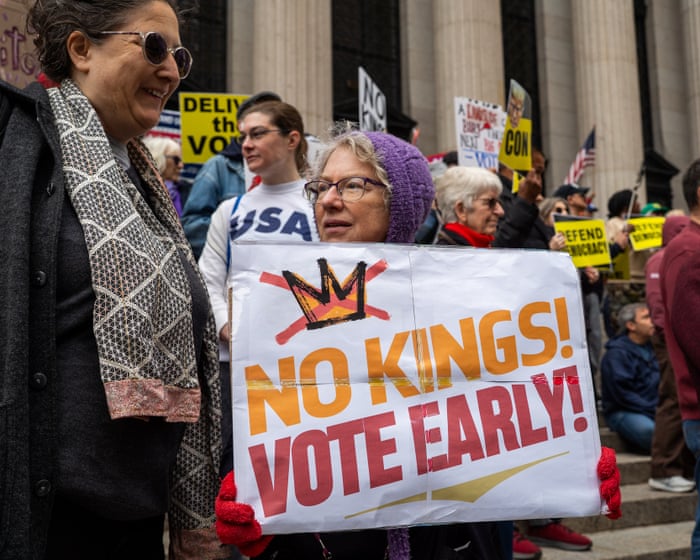
The No Kings movement’s Instagram account was temporarily suspended by Meta during a large protest to promote early voting. Meta said the suspension was an automated mistake caused by high activity on the account, but organizers and some politicians questioned this explanation.
Key Facts
The No Kings movement leads nationwide protests focused on democracy and voting rights.
Their Instagram account was shut down for several hours during a major demonstration on Saturday.
Meta apologized, saying an automated system mistakenly suspended the account due to posting too often.
No Kings organizers said they only posted a few times and livestreamed to many people, casting doubt on Meta’s reason.
Senator Bernie Sanders criticized the suspension, linking it to billionaire control over media platforms.
Despite the suspension, protests continued with events in Washington, Atlanta, and Los Angeles.
The protests support early voting and address issues like immigration, layoffs, and political challenges from President Trump.
The movement fears attempts to disrupt elections, especially amid changes to voting laws and concerns about election integrity.
Read the Original
Want the full story? Tap a source to open the original
article.
Treasury Secretary Scott Bessent said that oil prices might drop before the end of 2026. However, this will depend on the situation with the conflict involving Iran.
Key Facts
Scott Bessent is the U.S. Treasury Secretary.
He discussed oil prices on NBC News’s show "Meet the Press."
Bessent said oil prices could fall before the end of 2026.
The timing of price changes depends on the ongoing conflict with Iran.
The Iran conflict is affecting global oil markets.
The interviewer mentioned President Trump’s comments about oil prices.
No specific details were given on how the conflict might resolve.
The broader economic impact of oil prices was implied but not detailed.
Read the Original
Want the full story? Tap a source to open the original
article.
The Gulf Cooperation Council (GCC), which includes Saudi Arabia and other Gulf countries, strongly condemned attacks by Yemen’s Houthi fighters on Saudi Arabia. They promised to support Saudi Arabia and urged the United Nations to enforce arms restrictions on the Houthis and label them a terrorist group. Fighting in Yemen continues to cause heavy damage and worsening conditions for civilians.
Key Facts
The GCC includes Saudi Arabia, Bahrain, Kuwait, Oman, Qatar, and the UAE.
The GCC said an attack on one member counts as an attack on all, backing Saudi Arabia’s right to defend itself.
Saudi-led forces shot down several drones near Saudi cities, attributed to the Houthis.
The GCC and United Nations Security Council condemned Houthi attacks on Saudi Arabia and Red Sea shipping.
Yemen’s recognized government appealed to the UN to act against Houthi strikes that damaged homes and government buildings.
Fighting in Yemen has displaced over 233,000 people, with severe shortages of food, fuel, and medical supplies in affected areas.
Hospitals in Taiz province face critical shortages amid ongoing conflict and a cholera outbreak.
Read the Original
Want the full story? Tap a source to open the original
article.
French President Emmanuel Macron condemned the recent violence during nationwide protests against high living costs and poor school conditions. Over 2,300 people were arrested after clashes with police, looting, and attacks on public buildings across several cities.
Key Facts
Protests involved around 550,000 people according to police, with organizers estimating up to 800,000 participants.
Violent groups included far-left activists and criminals, causing fires and damage to buildings like the City Hall in Limoges.
Police used tear gas to control unrest in Paris, where small groups tried to set fires and cause destruction.
More than 2,300 arrests were made over the weekend nationwide, with 855 arrests in Paris alone.
President Macron held an emergency meeting to address the violent protests and promised accountability.
The protests were sparked by rising living costs and poor conditions in schools.
The demonstrations were linked to efforts to revive the “yellow vest” movement from 2018.
One person died of a heart attack during the unrest, and authorities are investigating.
Read the Original
Want the full story? Tap a source to open the original
article.
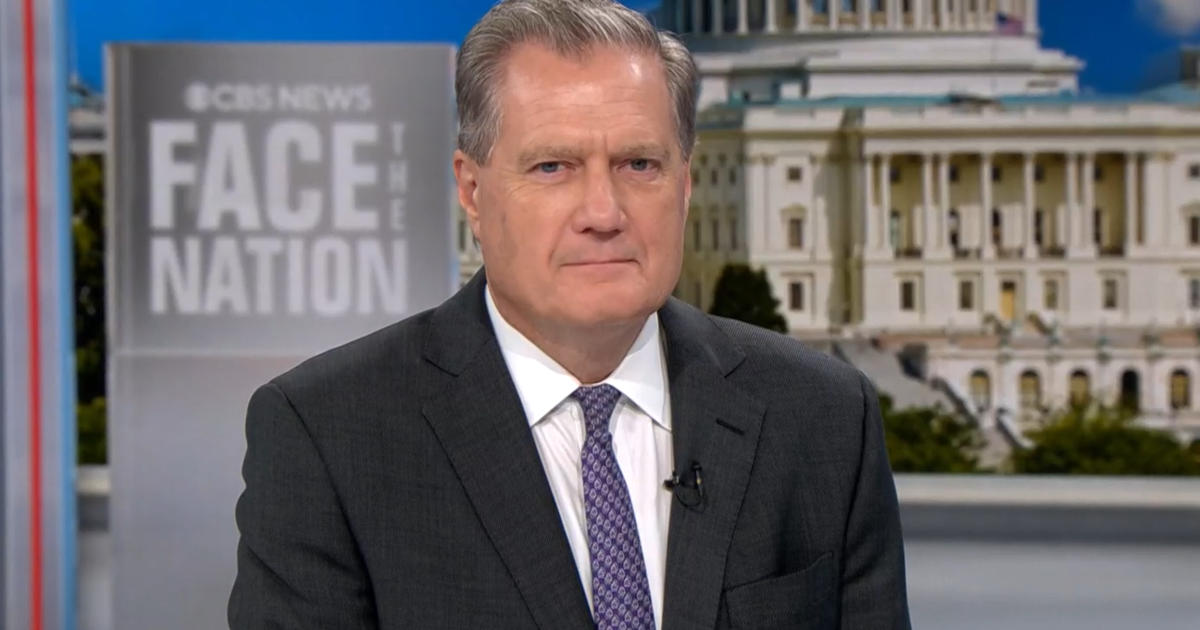
Republican Representative Mike Turner asked Congress to investigate recent problems with Starlink satellite internet service in Ukraine. The interruptions affected Ukrainian defense systems and raised concerns about who caused them. Other Republican leaders and a bipartisan group of senators also support looking into the issue.
Key Facts
Starlink is a satellite internet service owned by Elon Musk’s company SpaceX.
Ukraine experienced disruptions in Starlink last week, affecting communication and drone operations.
Representative Mike Turner says lives are at risk and calls for a congressional probe to find out who caused the disruptions.
President Donald Trump and Secretary of State Marco Rubio said the U.S. government did not slow down Starlink service.
Senate leaders from both parties asked the Pentagon’s inspector general to investigate if the Department of Defense or contractors were involved.
Ukrainian President Volodymyr Zelenskyy reported persistent problems with defense systems due to limited Starlink speed.
Senator Kevin Cramer also urged an investigation, but emphasized the need to restore full service immediately.
The senators expressed concern about the Department of Defense’s responsibility to maintain uninterrupted services.
Read the Original
Want the full story? Tap a source to open the original
article.
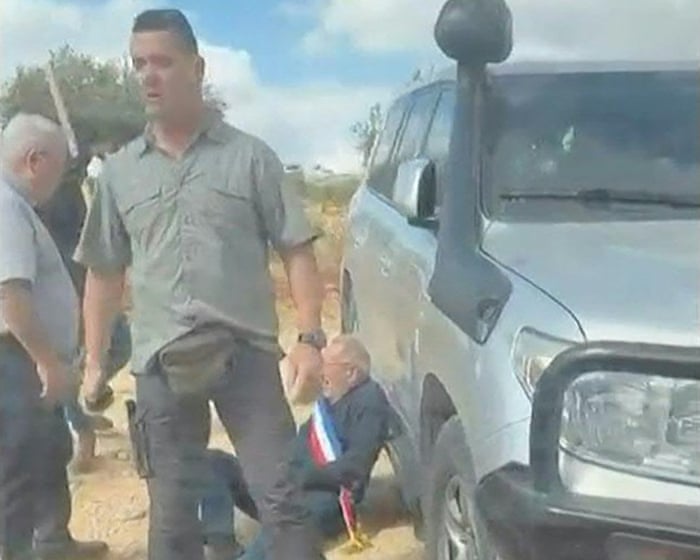
A group of European diplomats, French clerics, and the mayor of a French town were attacked by masked Israeli settlers in the West Bank while peacefully harvesting olives with Palestinians. Israeli Prime Minister Benjamin Netanyahu questioned the attack reports, saying the evidence is not complete, while video and photos showed the assault and damage.
Key Facts
The attack happened in the occupied West Bank town of Taybeh.
The European group included diplomats, French clerics, and French mayor Bernard Baudoux.
The visitors were harvesting olives with local Palestinians before the attack.
The attackers were masked Israeli settlers who used sticks.
Video shows the mayor being pushed and injured, and a diplomatic car being damaged.
Netanyahu’s office said the evidence does not fully prove what happened or who was responsible.
The Prime Minister’s office warned against blaming Jewish residents without verified proof.
The Guardian filmed the attack and the moments immediately before and after it.
Read the Original
Want the full story? Tap a source to open the original
article.
Bodybuilders in Gaza are holding a strongman competition amid the ruins caused by recent destruction. This event offers them a way to focus on physical strength and find some comfort despite the difficult surroundings.
Key Facts
A strongman competition took place in Gaza.
The competition was held amid rubble and destruction.
The damage in Gaza was caused by Israeli attacks.
Bodybuilders participated to test their strength.
The event provided a moment of relief from the conflict.
It shows how people in Gaza are coping with difficult conditions.
Read the Original
Want the full story? Tap a source to open the original
article.
The province of Alberta is holding a vote to decide if it should stay part of Canada or start a process to hold a binding referendum on separation. The article also reviews other movements in Canada and worldwide where regions or groups want to become independent.
Key Facts
Alberta is voting on whether to remain in Canada or pursue separation.
The vote could lead to a binding referendum, which means a legal vote with required results.
Separatist movements exist in different parts of Canada.
There are also independence movements around the world in various regions.
The article provides a look at these other separatist groups.
Separatism means a region wants to become its own country or break away from a larger country.
Such votes and movements can have political and social impacts on countries.
Read the Original
Want the full story? Tap a source to open the original
article.
French President Emmanuel Macron promised full transparency about how security forces handled recent protests that turned violent. The protests caused clashes and criticism about police preparation in France’s capital, Paris.
Key Facts
Violent protests took place in Paris over the weekend.
Police used charges (forceful moves) to disperse protesters.
Some people criticized the police for being poorly prepared.
President Macron said there will be full transparency about the security response.
The protests involved various grievances, meaning different complaints by people.
The unrest raised concerns about public order in France.
Other related news mentioned unrest and violence in different countries on the same day.
Read the Original
Want the full story? Tap a source to open the original
article.
Alan Milburn, a former health secretary, suggests cutting welfare payments to fund more job support programs for young people not in work, education, or training (called Neets). He says this issue is linked to both unemployment and mental health, and current government systems do not support these young people well.
Key Facts
Around 1 million young people aged 18-24 in the UK are classified as Neet (not in education, employment, or training).
60% of these young people have never had a job.
Milburn says the problem is more than just unemployment; it is a "youth detachment" issue tied to poor mental health.
He recommends shifting money from welfare benefits to programs that help young people find jobs.
The government delayed publishing Milburn’s full report until after the budget announcement.
Chancellor John Healey plans to fund some youth employment programs, like a £100 million local apprenticeship service.
Milburn and mental health expert Peter Fonagy say that employment, health, and welfare support should work together better to help young people.
Fonagy highlights rising mental health problems among young people and recommends support focused on their potential, not just disabilities.
Read the Original
Want the full story? Tap a source to open the original
article.
Ukraine launched over 1,000 drones in a major attack on Russian targets, including an oil terminal in St. Petersburg, causing fires and casualties. Russia said it destroyed all of the drones and reported strikes on Ukrainian cities, while tensions grew between Ukraine and the U.S. over sanctions on Moscow.
Key Facts
Ukraine attacked Russian energy and logistics sites with more than 1,000 drones, causing fires and killing at least one person in St. Petersburg.
Russian forces claimed to have destroyed all 1,015 Ukrainian drones targeting several regions, including Crimea.
Russia also struck the southern Ukrainian city of Zaporizhzhia, killing one woman and injuring others.
Ukrainian President Zelenskyy said waiving sanctions on Russia would help Russian President Putin’s war efforts.
President Trump recently criticized Zelenskyy and Ukraine’s attacks on Russian oil infrastructure.
U.S.-Ukraine intelligence sharing resumed after being blocked for some time.
Zelenskyy talked with U.S. envoys about diplomacy efforts following recent meetings in Miami.
Russia reportedly violated an energy ceasefire with 76 attacks, causing Ukrainian power outages ahead of winter.
Read the Original
Want the full story? Tap a source to open the original
article.
France is experiencing violent protests that began as a movement with real complaints but have turned destructive with rioting and vandalism. The unrest may help Marine Le Pen, a far-right leader, gain support, or it might signal ongoing deep divisions and political tension in French society.
Key Facts
Protests in France have turned violent with incidents of rioting and property damage.
The original protest movement had genuine grievances, but violence overshadowed it.
Marine Le Pen, leader of the far-right party and a leading presidential candidate, might benefit politically from the unrest.
The situation highlights France’s deep social and political divisions.
French President Emmanuel Macron condemned the violence in a national address, saying nothing justifies it.
The unrest has affected major cities, including Lyon and Paris.
Experts and analysts are discussing the long-term impacts on French politics and society.
The protests have attracted international media attention and commentary.
Read the Original
Want the full story? Tap a source to open the original
article.
The Trump administration is secretly talking with Myanmar's military leader, who faces accusations of genocide. These talks involve issues like America’s need for rare earth minerals, a businessman held in Myanmar, and a lobbying deal connected to a Trump ally.
Key Facts
The U.S. is conducting secret discussions with Myanmar’s military ruler.
Myanmar’s military leader has been accused of genocide.
The U.S. wants access to rare earth elements important for technology and manufacturing.
A businessman detained in Myanmar is part of the reason for these talks.
A lobbyist allied with President Trump has a financial interest in these meetings.
The conversations are happening despite concerns about human rights abuses in Myanmar.
These talks show a connection between U.S. economic interests and foreign policy decisions.
Read the Original
Want the full story? Tap a source to open the original
article.
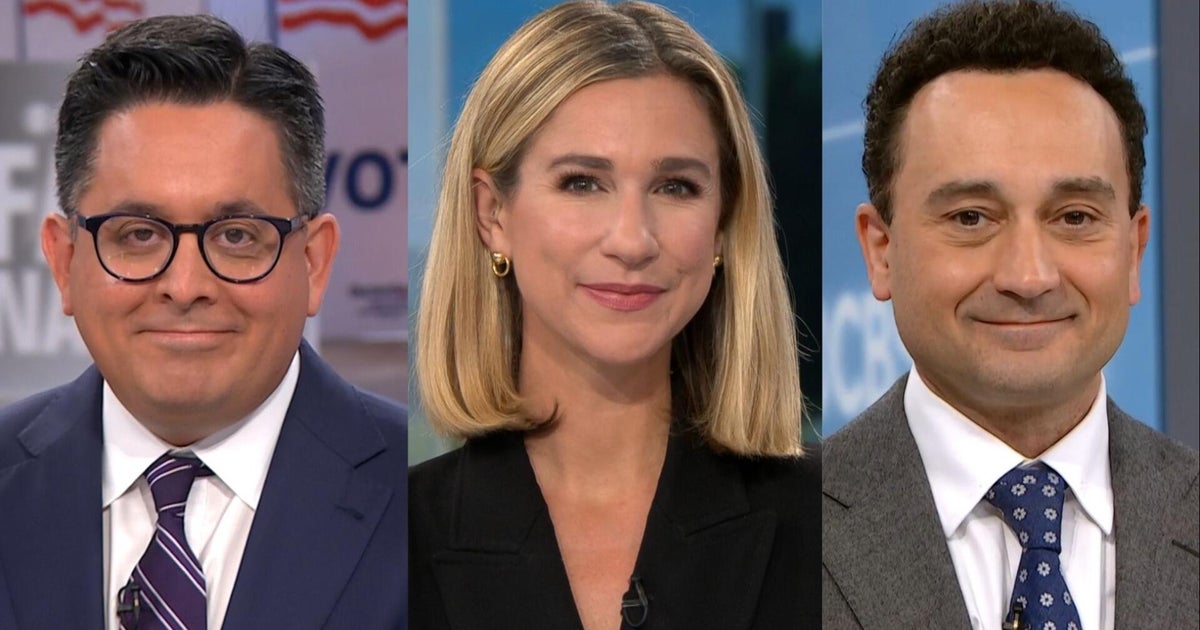
CBS News hosted a political panel discussing the latest election polls and campaign activity just over two weeks before Election Day. Experts shared insights from their work in election surveys and reporting from the campaign trail.
Key Facts
The panel included CBS executive director of elections and surveys Anthony Salvanto.
CBS correspondents Ed O’Keefe and Caitlin Huey-Burns participated to share campaign trail observations.
The discussion took place about two weeks before the upcoming Election Day.
The focus was on current polling numbers and election trends.
CBS News provides ongoing election coverage through panels and reporting.
The conversation aimed to give viewers clear information about the election process.
Other CBS News programs and local news coverage are mentioned alongside the political panel.
Read the Original
Want the full story? Tap a source to open the original
article.