Most Palestinians living in the occupied West Bank cannot vote in the upcoming Israeli election on October 27, even though Israel controls many parts of their lives. Meanwhile, around 700,000 Jewish settlers in illegal settlements in the same area can vote and continue to expand their communities.
Key Facts
About three million Palestinians live in the occupied West Bank, but almost none can vote in Israeli elections.
Around 700,000 Jewish settlers live in about 300 settlements and outposts there, and they can vote.
Jabal al-Baba is a small Bedouin community in Area C, which is fully controlled by Israel.
Palestinians in Area C face strict restrictions on building homes, schools, or roads because getting permits is almost impossible.
Israeli authorities demolish many Palestinian structures because they lack permits; over 100 demolitions happened recently in Jabal al-Baba.
Israeli settlements, considered illegal under international law, are growing quickly, with 34 new settlements approved recently.
Palestinians say these actions aim to push them out and make room for settlers.
The upcoming Israeli election is closely contested, but Palestinian residents in the West Bank expect little change to their situation regardless of the government outcome.
Read the Original
Want the full story? Tap a source to open the original
article.
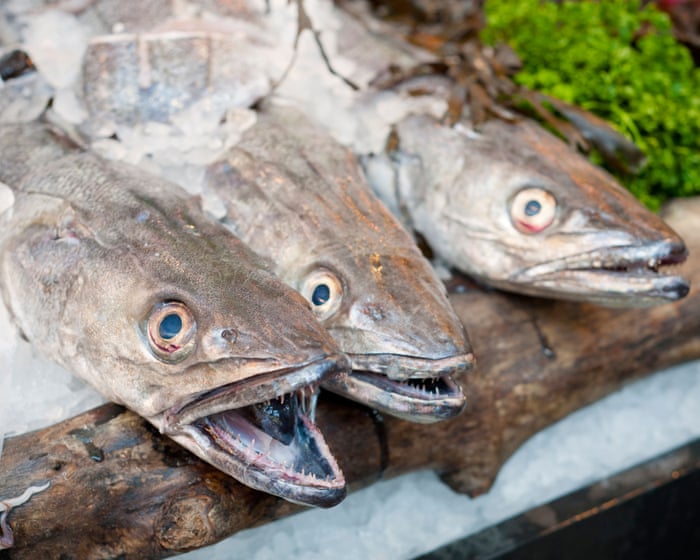
A UK environmental charity, the Marine Conservation Society (MCS), has warned that stocks of European hake and coley fish are declining due to overfishing. The charity advises shoppers to avoid buying coley and to choose more sustainable seafood options like UK wild-caught sea bass instead.
Key Facts
The MCS uses a traffic-light system to rate seafood on sustainability and environmental impact.
European hake ratings were lowered from green to amber due to falling numbers and more fishing.
UK-caught coley ratings dropped from amber to red, meaning it should be avoided.
Most UK seafood eaten comes from five types: cod, haddock, salmon, tuna, and prawns, putting pressure on these stocks.
Cod stocks have been declining since 2015 mainly because of overfishing and environmental changes.
The MCS recommends diversifying seafood choices to protect threatened fish populations.
UK wild-caught sea bass is suggested as a sustainable alternative to cod because of similar taste and texture.
UK Atlantic bluefin tuna has improved in numbers and now has a green rating due to better management over 20 years.
Read the Original
Want the full story? Tap a source to open the original
article.
A long-term study in the UK shows that plants often called "weeds," like ivy, hogweed, and bramble, attract the most pollinating insects such as bees and butterflies. Citizen scientists have been monitoring insect visits to flowers in gardens since 2017, revealing important plants that support pollinators.
Key Facts
Ivy flowers got the most insect visits, with an average of 22 visits in 10 minutes.
Hogweed and bramble are also highly attractive to pollinating insects.
Non-native buddleia attracts four times more butterflies and moths than many other flowers.
The study lasted eight years and involved volunteers counting insect visits in UK gardens.
Hoverfly numbers declined by about one-third in both numbers and species in the last eight years.
Solitary bees, honeybees, beetles, and flies (except hoverflies) increased in numbers during the study.
The study was done by the UK Centre for Ecology & Hydrology and the Joint Nature Conservation Committee.
Volunteers can participate in future counts from April to September through the Pollinator Monitoring Scheme.
Read the Original
Want the full story? Tap a source to open the original
article.
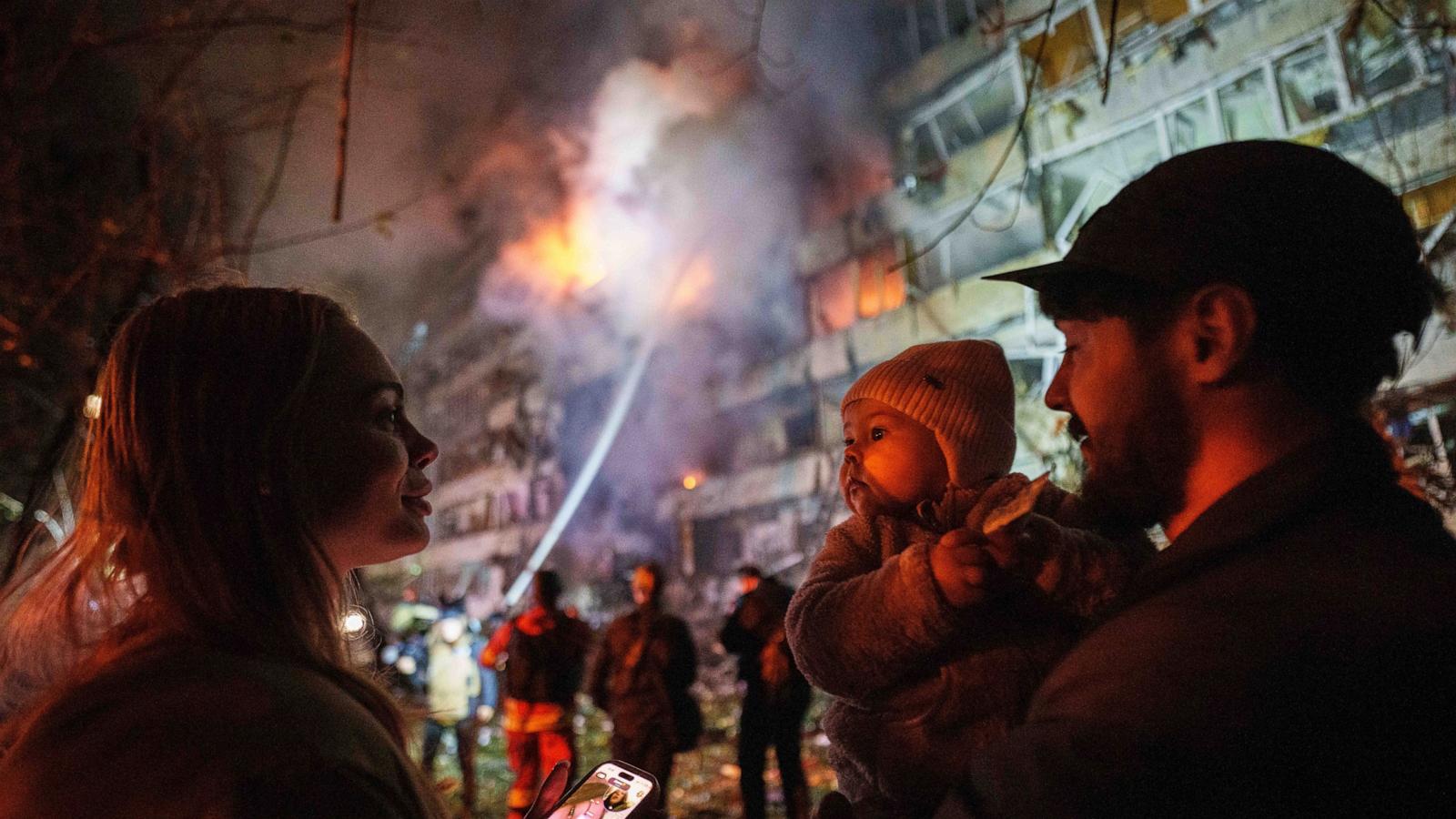
Russia launched a missile and drone attack that hit Ukraine’s energy infrastructure, leaving about 600,000 people without power. Ukrainian President Volodymyr Zelenskyy said damage to power plants and gas facilities could cause the outages to spread further.
Key Facts
Around 600,000 Ukrainians lost electricity after the Russian attack.
The attack targeted energy infrastructure covered by an energy ceasefire announced by President Donald Trump.
At least 26 power plants and 4 gas and oil facilities were significantly damaged.
President Zelenskyy warned that power outages could become more widespread.
The attack happened soon after an energy ceasefire agreement between Ukraine and Russia was announced.
The situation is still developing, and updates are expected.
Read the Original
Want the full story? Tap a source to open the original
article.
Students in Albania protested against problems in education and social inequality. The protest in Tirana became violent when police used tear gas and water cannons after students threw bricks at the Education Ministry.
Key Facts
Hundreds of students protested in Albania’s capital, Tirana.
Students threw bricks and concrete blocks at the Education Ministry building.
Police responded with tear gas and water cannons.
Several protesters were detained by the police.
Students are upset about poor university conditions, high costs, and few job opportunities after graduation.
Protesters also expressed anger at growing inequality and dissatisfaction with the political system.
Albania’s Deputy Prime Minister said violence is not a solution.
These protests are part of a wider wave of student activism happening across Europe.
Read the Original
Want the full story? Tap a source to open the original
article.
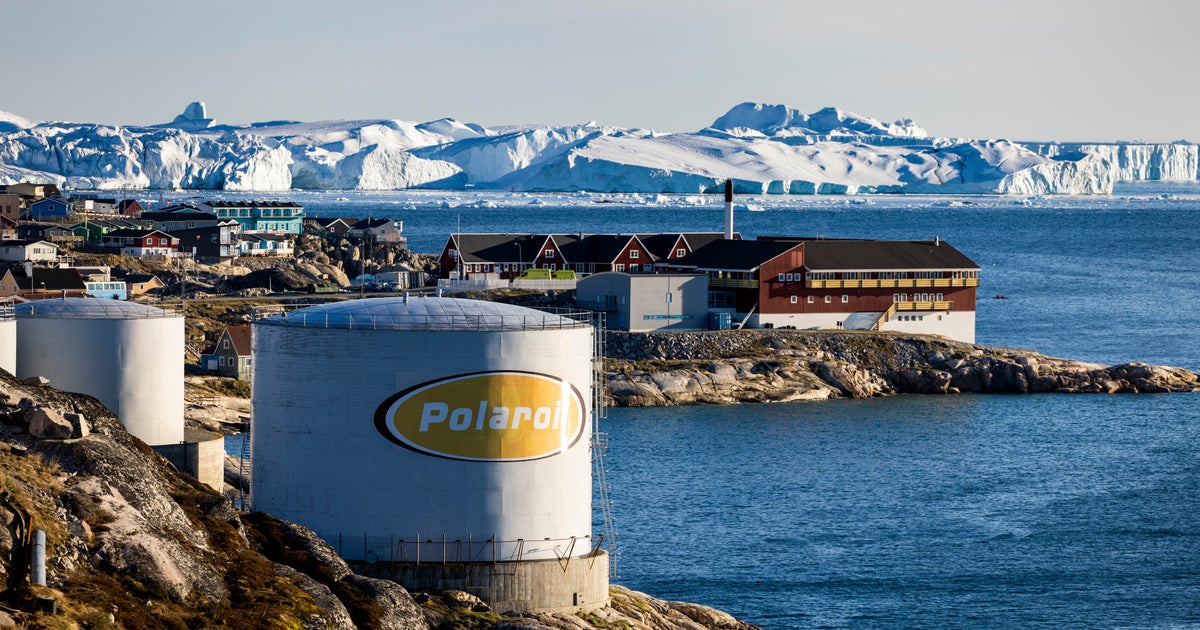
President Donald Trump announced that large-scale exploration for oil, gas, and minerals is about to start in Greenland. The United States, Denmark, and Greenland recently signed a security agreement to increase military cooperation and strengthen defense in the Arctic region.
Key Facts
President Trump said there will be "massive" oil, gas, and mineral exploration in Greenland soon.
The U.S., Denmark, and Greenland signed a security deal after Trump had threatened to take control of Greenland.
Greenland is strategically important because it lies on missile routes between Russia and the U.S.
The deal allows for expanded U.S. military presence, including two new bases and a missile defense system called the "Golden Dome."
Greenland’s parliament must approve the security agreement before it takes full effect.
Greenland has significant untapped natural resources like rare earth minerals.
Melting Arctic ice is opening new sea routes near Greenland, increasing its strategic and economic importance.
Trump described Greenland as vital for defending both the United States and Europe from future attacks.
Read the Original
Want the full story? Tap a source to open the original
article.
Turkish police raided the headquarters of Halk TV, a TV channel close to the opposition party, stopping its live broadcasts. The raid involved financial crime investigations, and 17 arrest warrants were issued related to the channel’s owner.
Key Facts
Halk TV is a pro-opposition TV station based in Istanbul.
Police blocked employees from entering the building on Wednesday morning.
The Turkish financial crimes police searched the channel’s offices.
Authorities appointed a new manager to control Halk TV.
Seventeen arrest warrants were linked to the channel’s owner.
Halk TV is seen as supportive of the Republican People’s Party (CHP), which opposes President Recep Tayyip Erdoğan’s ruling party.
In May, a court removed the CHP leadership, a move seen as strengthening Erdoğan’s control.
Istanbul’s mayor, Ekrem İmamoğlu, a main rival to Erdoğan, has been imprisoned for over a year on corruption charges, which he denies.
Read the Original
Want the full story? Tap a source to open the original
article.
Iowa is facing serious concerns about water quality and rising cancer rates, which have become key topics in the state's political campaigns. The issues are linked to agricultural pollution, especially nitrates from fertilizers and animal waste, affecting both urban and rural communities.
Key Facts
Iowa is dealing with budget challenges, trade issues hurting farmers, and rising water and cancer concerns.
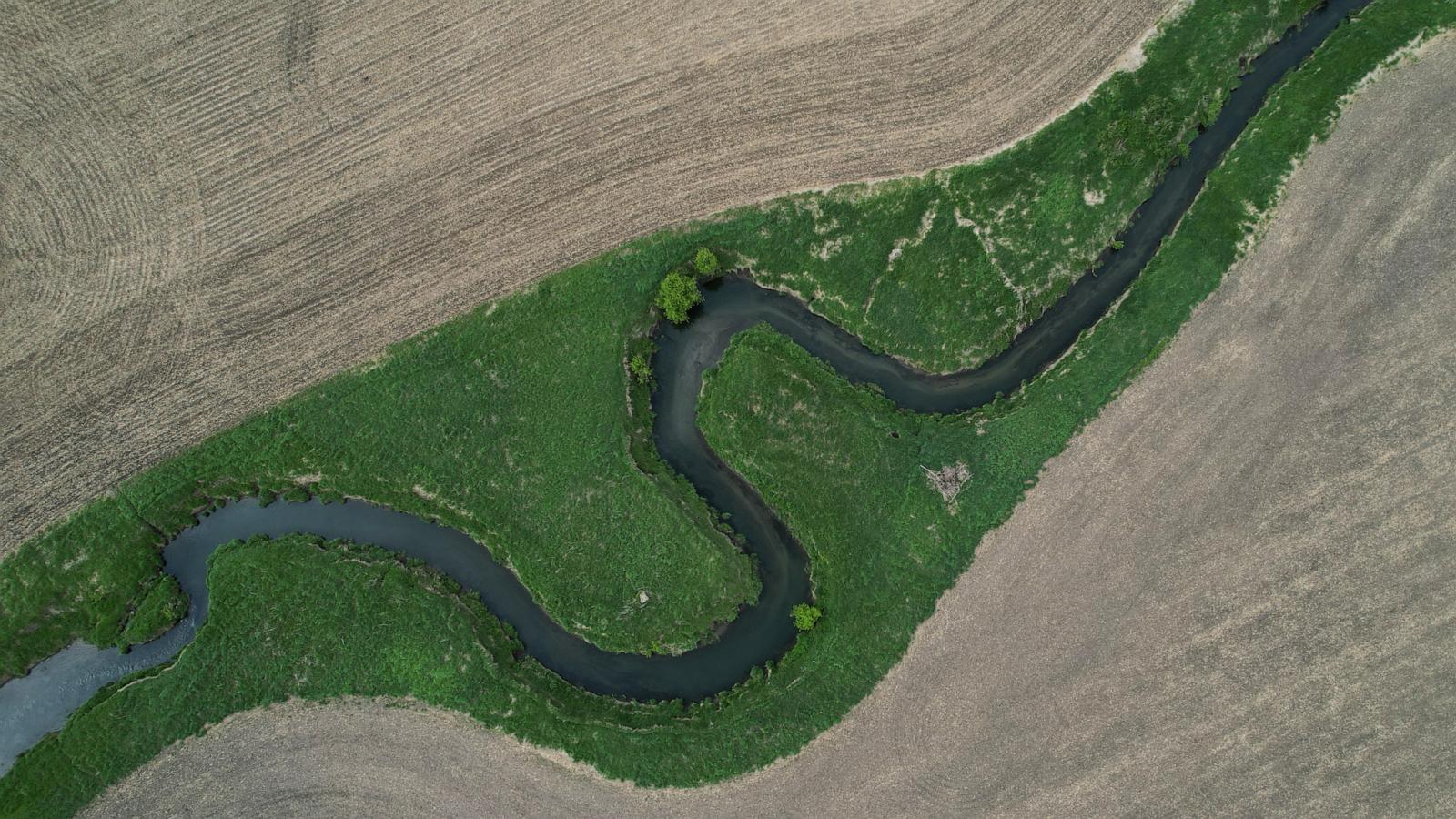
Agricultural runoff containing nitrates and phosphorus pollutes Iowa's rivers, impacting drinking water quality.
Iowa has the second highest rate of new cancer cases in the U.S., with some types rising faster than national averages.
University of Iowa research shows some cancer increases are linked to lifestyle factors like smoking, but environmental causes like water nitrates are being studied.
The EPA does not currently label nitrates as a cancer risk but is reviewing this assessment.
Political candidates from both parties discuss water quality and cancer in campaigns, with differing views on regulation and rural impacts.
In the past, water utilities sued upstream counties to share nitrate removal costs, but the case was dismissed.
Iowa has put some restrictions on water use and invests about $100 million yearly in water quality efforts.
Read the Original
Want the full story? Tap a source to open the original
article.
Heavy Russian missile attacks on Ukraine damaged energy infrastructure and other key facilities, leaving about 600,000 people without power. The strikes killed at least six people and involved many ballistic missiles and drones launched overnight.
Key Facts
Russian strikes targeted Ukraine’s energy infrastructure, causing widespread power outages, especially in Kyiv and nearby areas.
About 600,000 people in Ukraine lost electricity due to these attacks.
At least six people were killed in different regions of Ukraine: Kyiv, Dnipropetrovsk, and Zaporizhzhia.
Ukraine’s air defenses managed to shoot down some Russian missiles and drones.
Russia’s defense ministry claimed it shot down 902 Ukrainian drones across various Russian regions and Crimea.
Ukraine launched a drone attack that killed one person and damaged buildings in Balakovo, Russia, which has important power plants.
Russian attacks also hit Ukraine’s state railway facilities in several regions, including Kharkiv, Kyiv, and Vinnytsia.
President Zelensky said the Russian strikes violated a ceasefire on energy infrastructure announced by President Donald Trump.
Read the Original
Want the full story? Tap a source to open the original
article.
Inflation in the United States likely increased in September, mainly due to higher gas prices and semiconductor costs. The Consumer Price Index is expected to show a 3.6% rise over the past year, with monthly prices up 0.6%, reflecting ongoing economic challenges two years after a major inflation peak.
Key Facts
Inflation likely rose 3.6% in September compared to a year earlier, up from 3.4% in August.
Monthly prices increased 0.6% from August to September, the largest monthly rise since April.
Higher gas prices, affected by the Iran war, contributed significantly to the inflation rise.
Core inflation (excluding food and energy) probably increased 2.5% year-over-year in September.
The Federal Reserve has raised interest rates to about 3.9% to control inflation.
Fed officials are deciding if more rate hikes are needed, with one more hike expected later this year.
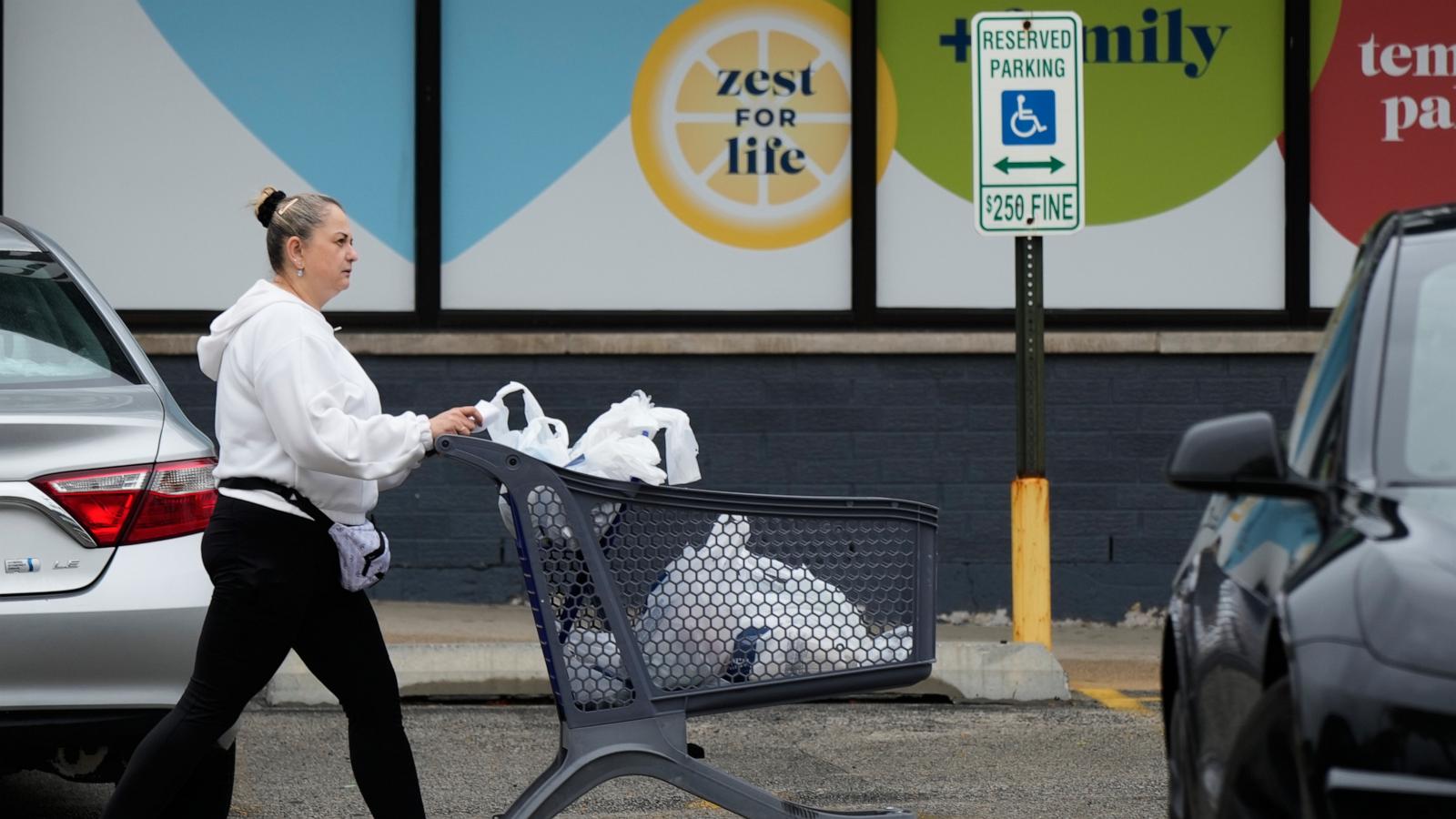
Gas price increases have raised airfare costs by about 23% compared to a year ago.
Inflation remains a political concern and affects President Donald Trump's approval ratings on economic issues.
Read the Original
Want the full story? Tap a source to open the original
article.
Saudi Arabia's Supreme Court canceled the death sentence of Anojan Sivarasa, a Sri Lankan migrant worker sentenced for a Facebook comment considered blasphemous against Islam. The case sparked strong reactions in Sri Lanka and led to diplomatic efforts calling for clemency.
Key Facts
Anojan Sivarasa, 27, was sentenced to death in September for blasphemy after a Facebook comment insulting Prophet Muhammad.
The comment came during online religious arguments sparked by a video of a Muslim man kicking a dog after Hindu pilgrims passed by.
Sivarasa deleted the comment and apologized in a video, but a screenshot was reported, leading to his arrest in Saudi Arabia in July.
He was initially sentenced to five years in prison and fined about $800,000 by a lower court before the death sentence.
Sri Lanka’s government and legal teams worked with Saudi authorities to seek clemency.
The Supreme Court of Saudi Arabia overturned the death sentence, but it is unclear if further legal steps will follow or if Sivarasa will remain detained.
Human rights groups criticized Saudi Arabia's harsh laws on speech, especially affecting vulnerable migrant workers.
Sivarasa's family has not had direct contact with him since late September.
Read the Original
Want the full story? Tap a source to open the original
article.
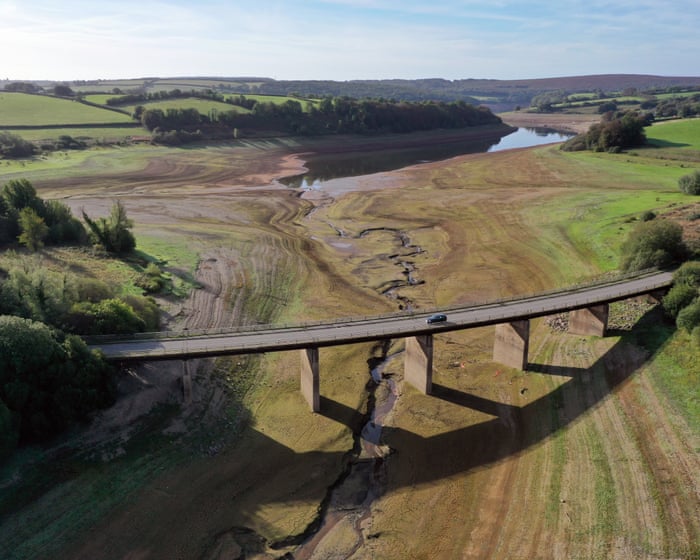
Water companies in England are seeking permission to limit how businesses use water because of ongoing drought conditions. These limits could stop golf clubs, private schools, and car washes from using water for non-essential purposes to protect rivers, wildlife, and water supplies.
Key Facts
Most of England is still in drought, with water levels in reservoirs at 54%, which is 21% below normal for autumn.
Eleven areas in England remain officially in drought, with Yorkshire the latest area declared on October 9.
Rivers and groundwater levels are very low, putting wildlife and fish habitats under stress.
Water companies want to apply "non-essential use bans" to restrict water for business activities like watering sports fields and washing cars.
Businesses have not been subject to hosepipe bans so far, but this may change with these new restrictions.
The UK government department Defra has not yet responded to the water companies’ requests for permission.
Southern Water seeks a special permit to take more water from the River Test, a sensitive chalk stream habitat, due to supply risks.
The drought requires long periods of above-average rainfall to end; recent rainfall has been well below normal, especially in eastern and southern England.
Read the Original
Want the full story? Tap a source to open the original
article.
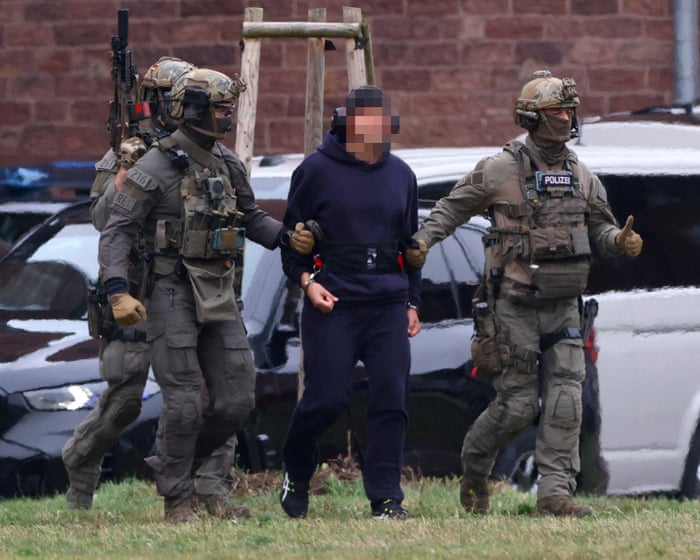
A Ukrainian soldier, Serhii Kuznetsov, is going on trial in Germany accused of sabotaging the Nord Stream gas pipelines that carry Russian gas to Germany. The attack caused explosions underwater, damaging the pipelines and disrupting gas supplies, but both Ukraine and Kuznetsov deny involvement.
Key Facts
Serhii Kuznetsov, a Ukrainian special forces officer, faces trial in Hamburg for allegedly sabotaging the Nord Stream pipelines in 2022.
Prosecutors accuse him of causing explosions that damaged the pipelines under the Baltic Sea near Denmark.
Kuznetsov is said to have worked with at least six accomplices including divers, an explosives expert, and a ship captain.
The explosions happened on September 26, 2022, knocking out Nord Stream 1 and damaging Nord Stream 2 pipelines.
The pipelines transported Russian natural gas from Russia to Germany before the attacks and the Russian gas cut-off.
Germany, Ukraine, Russia, and the US have blamed each other for the sabotage, with Ukraine and Kuznetsov denying responsibility.
Kuznetsov was arrested in Italy in 2025 using a false passport and extradited to Germany.
The trial is sensitive because it concerns Ukraine’s role in damaging infrastructure of a wartime ally, and the German government has not commented on the case.
Read the Original
Want the full story? Tap a source to open the original
article.
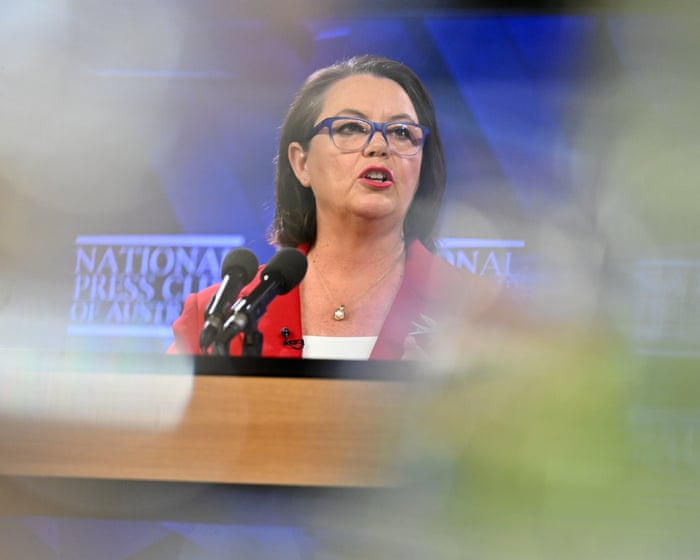
Australia's resources minister, Madeleine King, said the country will need gas for industry and homes for the foreseeable future. The government plans a new gas reservation scheme that requires gas companies to keep 20% of their supply for local use to help lower energy prices.
Key Facts
The gas reservation scheme will start around January 2028.
Gas companies must reserve 20% of their exported gas for domestic use.
The Australian Energy Regulator can require companies to supply 110% of expected demand annually.
The scheme will replace an older domestic gas security mechanism.
The plan aims to reduce power prices by increasing local gas supply.
Gas is important for heating homes, manufacturing, mineral processing, and supporting renewable energy.
There is currently no alternative energy that can fully replace gas for these uses.
The government supports research to find lower emissions or alternative fuels for the future.
Read the Original
Want the full story? Tap a source to open the original
article.
Sudan has been fighting a war between its army and a paramilitary group for over three years, causing major suffering. A group of Sudanese public figures started an initiative to encourage political talks inside Sudan to help end the conflict, but some political groups worry the talks may not be fair since they are held in army-controlled areas.
Key Facts
Sudan is in a conflict between the Sudanese Armed Forces (SAF) and the Rapid Support Forces (RSF).
The fighting has lasted over three years and caused serious harm to the country’s people and society.
A committee of 19 Sudanese leaders, led by Qasim Badri, started a plan to prepare for political dialogue within Sudan.
The committee met with General Abdel Fattah al-Burhan, SAF chief, and asked to lift legal restrictions on opposition politicians.
The government made some legal changes to protect Sudanese people involved in the dialogue process.
Some political groups, including the civilian coalition Sumoud and the RSF-aligned alliance Ta’sis, oppose the dialogue efforts.
Critics argue the talks held in army-controlled Khartoum may favor the army and hurt the fairness of the process.
The committee says it aims only to create conditions for dialogue, not to decide Sudan’s future or control the agenda.
Read the Original
Want the full story? Tap a source to open the original
article.
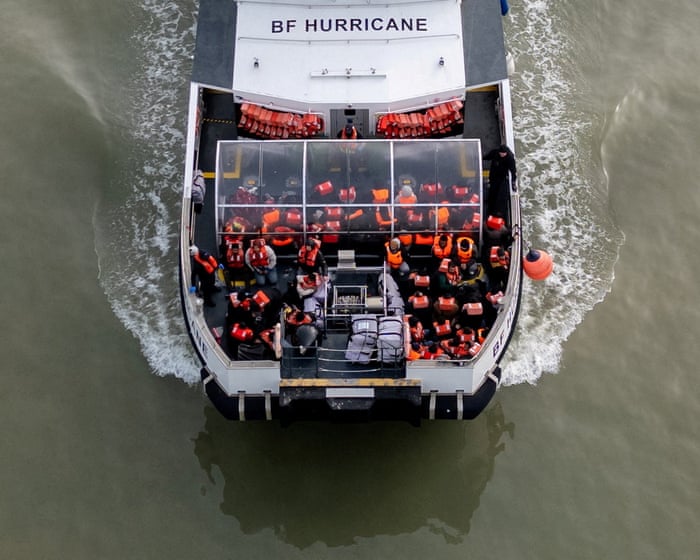
The UK government ended its “one in, one out” asylum deal with France after just over a year. The deal aimed to reduce small boat crossings in the English Channel by returning some asylum seekers to France in exchange for others coming legally to the UK but had little effect and faced challenges.
Key Facts
The “one in, one out” policy lasted 423 days and tried to stop small boats crossing to the UK by exchanging asylum seekers with France.
Only about 4% (1,500 of 40,000) of small boat arrivals were returned to France under the deal.
Many people returned to France under the policy came back to the UK a second time or arrived undetected.
The UK government said scaling up the policy to be more effective was not possible.
Political concerns in France, including the upcoming French presidential election, also influenced the deal’s end.
The UK Home Office plans to double riot police on the French coast after ending the deal.
Small boat crossings have decreased recently, but the issue remains politically sensitive.
MI5 warned that extremists with anti-immigration views are more likely to consider terrorist acts against immigration centers.
Read the Original
Want the full story? Tap a source to open the original
article.
Hackney, a borough in east London, is asking its residents if they want to end its long-standing twinning agreement with Haifa, a city in Israel. The local council decided in July to stop the partnership because of concerns about human rights related to the conflict in Gaza. The final decision will be made after public feedback and a policy review.
Key Facts
Hackney’s twinning with Haifa began in 1968.
The Green Party-led council voted in July 2024 to end the partnership in principle.
The decision relates to concerns over Israel’s actions in Gaza.
Residents can give their opinions until October 14, 2024.
Twin or sister cities are formal links between cities in different countries to promote cultural and civic exchanges.
Many twin city relationships started after World War II to encourage peace and reconciliation.
Other cities have ended or suspended twin city relationships over political conflicts, such as between UK cities and Russian cities after Russia’s 2022 invasion of Ukraine.
Hackney’s case reflects a wider trend of cities reviewing their international partnerships for political or ethical reasons.
Read the Original
Want the full story? Tap a source to open the original
article.
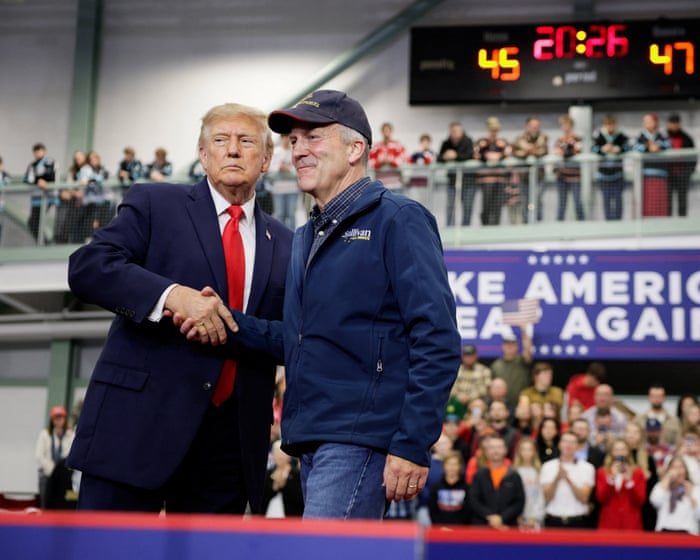
President Donald Trump has urged voters in Alaska to support the current Republican Senator Dan Sullivan in a close Senate race against Democrat Mary Peltola. The race is complicated by another Republican candidate with the same name, which Trump says is a strategy by Democrats to confuse voters and split the vote.
Key Facts
Senator Dan Sullivan is running for re-election as a Republican in Alaska.
Democrat Mary Peltola, a former US House lawmaker, is his main opponent.
Another candidate named Daniel Sullivan, also a Republican, is running and may split the Republican vote.
President Trump called the other Daniel Sullivan the "fake Dan Sullivan" and said Democrats are behind this confusing tactic.
The election uses ranked-choice voting, allowing voters to rank up to five candidates.
Trump criticized ranked-choice voting as a "scam" and supports repealing it.
Sullivan claims Peltola plans to harm Alaska’s oil and gas industry, a key part of the state’s economy.
Peltola’s campaign says she will work with President Trump to support Alaska energy and lower costs if elected.
Read the Original
Want the full story? Tap a source to open the original
article.
Two leaders of India’s youth group called the Cockroach Janata party were jailed for five days after they broke a ban on protesting at a central site in Delhi named Jantar Mantar. They were protesting against the police crackdown on earlier demonstrations and the government’s change in rules about where protests can happen.
Key Facts
Ashutosh Ranka and Saurav Das, leaders of the Cockroach Janata party, were jailed for five days in Delhi's Tihar prison.
They were arrested for crossing police barricades and holding slogans and flags at Jantar Mantar, a historic protest site in Delhi.
The protest was against the police crackdown on youth protests and the decision to stop Jantar Mantar from being the official protest area.
The group opposes changes to India’s voter list managed by election commissioner Gyanesh Kumar, accusing him of favoring the ruling party.
Police denied permission for a large protest and used about 30,000 officers to block it, detaining more than 7,000 people.
The government says voters mistakenly removed from the list can reapply, denying any political bias.
Human rights groups and the UN criticized the government’s handling of the protests, but India rejected the UN’s comments.
A UK political delegation raised concerns about the protests with the Indian government during a visit.
Read the Original
Want the full story? Tap a source to open the original
article.
President Trump announced that large-scale oil, gas, and mineral exploration is about to start in Greenland. This statement follows a recent security agreement between the U.S., Greenland, and Denmark that increases American military presence and cooperation on the island, including resource exploration.
Key Facts
President Trump said "massive" oil, gas, and mineral exploration is preparing to begin in Greenland.
He claimed experts believe Greenland has more easily available oil than almost anywhere else in the world.
Greenland plays a key role in U.S. defense, offering a strategic location to detect and block threats.
The U.S., Greenland, and Denmark signed a new security agreement allowing broader U.S. military access to Greenland.
The agreement allows the U.S. to expand the Pituffik Space Base and establish new bases at Narsarsuaq and Mestersvig.
Greenland's territory is semi-autonomous and overseen by Denmark.
The deal prevents non-NATO countries from setting up bases in Greenland without permission.
Mineral resources in Greenland have been lightly explored because extraction has not been economically viable until now.
Read the Original
Want the full story? Tap a source to open the original
article.