Fact-first summaries of the news — stay informed, stay grounded.
Your favorite news sources, one calm feed — fact-first summaries that always link to the
original story. No outrage bait, and we tell you when you're caught up. How it works
Hollywood's summer box office has just had its best performance in ten years. This marks a significant change in movie-going habits since the pandemic.
Key Facts
The summer box office reached its highest earnings in a decade.
This represents the biggest change in the movie industry’s audience since COVID-19.
The article highlights a return to strong movie attendance after pandemic-related challenges.
The record was set during the summer season, a key time for movie releases.
The success suggests renewed public interest in going to theaters.
No specific movie titles or figures were mentioned in the article excerpt.
The news reflects broader economic activity in the entertainment sector.
Read the Original
Want the full story? Tap a source to open the original
article.
Voters in New Hampshire and Rhode Island are participating in state primaries to choose candidates for federal, state, and local offices. President Donald Trump has also announced that Canadian jet maker Bombardier must build planes in the U.S. to continue selling there, escalating trade tensions with Canada.
Key Facts
New Hampshire and Rhode Island held primaries to select candidates for various political offices.
U.S. Senator Jeanne Shaheen of New Hampshire is not running for reelection, creating competitive races.
Former senators John E. Sununu and Scott Brown are among Republicans running in New Hampshire.
Rhode Island Governor Dan McKee faces a tough Democratic primary challenge for his second full term.
Helena Buonanno Foulkes, former CVS executive, is McKee’s main challenger in Rhode Island.
President Trump said Bombardier must build jets in the U.S. to sell there, calling their products not good enough.
Bombardier has factories, service centers, and thousands of employees and suppliers in the U.S. already.
Canada plans to introduce counter-tariffs against the U.S. amid rising trade disputes.
Read the Original
Want the full story? Tap a source to open the original
article.
Sports in America have become a major stage for political conflicts this summer. Events in leagues like the WNBA and Major League Baseball have sparked debates about race, gender, religion, and politics, drawing attention beyond just sports fans.
Key Facts
The WNBA star Caitlin Clark faced criticism that led to a national debate about race after referee calls in games.
Sophie Cunningham, a WNBA player, said girls should not compete against "biological men," sparking protests and political discussion.
Three San Francisco Giants pitchers wrote Bible verses on their Pride Night caps, causing a legal complaint about possible religious discrimination.
The golf brand Good Good Golf released a controversial ad showing a woman being shoved, leading to their partner Callaway ending its deal and sponsors dropping support.
President Trump influenced the 2024 World Cup by threatening to move games from Democratic cities and had ties with FIFA's president, leading to criticism of political influence on the sport.
The NFL dominated U.S. TV sports viewership in 2023, with 83 of the top 100 most-watched broadcasts.
Sports commentary often focuses more on social and political issues around athletes than on the games themselves.
Historically, sports have been linked to major American cultural battles, like Muhammad Ali's draft refusal and Colin Kaepernick's protests.
Read the Original
Want the full story? Tap a source to open the original
article.
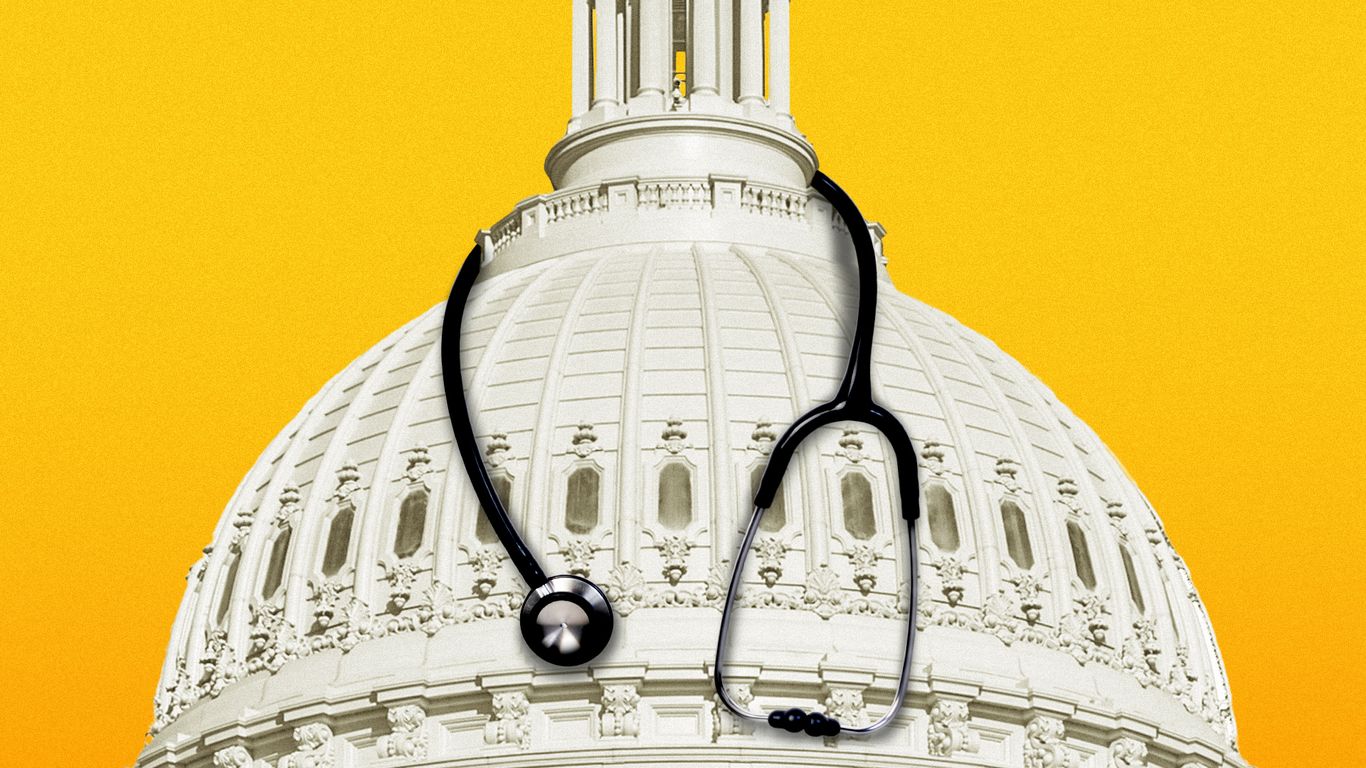
Candidates campaigning in the 2026 elections are focusing on health care corruption. They accuse opponents of being influenced by drug companies, insurers, and powerful health groups, while voters are mainly worried about high medical costs and fairness in the system.
Key Facts
Candidates from both parties accuse each other of being connected to big drugmakers and health insurers.
Many voters see high medical costs as a sign of corruption and unfair influence by powerful companies.
Key races in Iowa, Michigan, New Hampshire, Nebraska, and Colorado feature strong health care-related attacks.
Democrats highlight campaign donations from drug and insurance companies to opponents.
Republicans criticize Democratic policies as giveaways to health industries.
Some Democrats want to break up monopolies in pharma, insurance, and private equity in health care.
House Democrats plan to reverse Medicaid cuts and restore health subsidies reduced in recent bills.
President Trump’s drug pricing deals are criticized by some Democrats for giving benefits to big pharmaceutical companies.
Read the Original
Want the full story? Tap a source to open the original
article.
A house fire on Russell Island, Queensland in August 2023 killed a father and five children. The smoke alarms in the home were not working properly despite warnings to the landlord, and emergency services had a delayed response due to the island's location.
Key Facts
The fire occurred on August 6, 2023, in a two-storey wooden house on Russell Island, Queensland.
A father and five children aged between 3 and 11 died in the fire.
The father died after trying to rescue the children from the burning house.
The house smoke alarms were improperly installed and had not been updated to meet 2017 safety laws.
The landlord was fined $774 in 2024 for the faulty smoke alarm installation but was not convicted.
Firefighters take 45-60 minutes to reach Russell Island because there is no local fire station, requiring vehicles to be ferried over.
A paramedic was the first to arrive at the scene and was unable to enter the house due to the intense fire.
The cause of the fire is still unknown, and investigators cannot rule out that it was started deliberately.
An inquest is planned for November to investigate the fire alarms, emergency response, and possible prevention measures.
Read the Original
Want the full story? Tap a source to open the original
article.
Singapore will raise the salaries of its prime minister and other ministers, with the prime minister’s pay increasing by about S$1.4 million (US$1.1 million). The government says the higher pay will help attract talented leaders, but many people in Singapore have criticized the increase because wages are much lower for most citizens.
Key Facts
Singapore’s prime minister Lawrence Wong will get an annual salary raise from S$2.2 million to S$3.6 million.
Wong plans to donate the salary increase to charity over five years.
The raise applies to other ministers too, with base pay increasing from about S$1.1 million to around S$1.2 million, plus potential bonuses based on performance.
Minister salaries depend partly on meeting targets like unemployment rate, income growth, and GDP growth.
Singapore claims high minister pay helps prevent corruption and attracts top talent from business and civil service.
Singaporeans have mixed reactions: some criticize the raise because the median monthly income is about S$5,775 and many worry about job security and living costs.
The minister pay issue has been politically sensitive for years and contributed to lower votes for the ruling party in 2011.
Other world leaders’ salaries are much lower: Hong Kong’s chief executive earns about US$719,000, US President Donald Trump earns US$400,000, and the UK Prime Minister earns about US$230,000.
Read the Original
Want the full story? Tap a source to open the original
article.
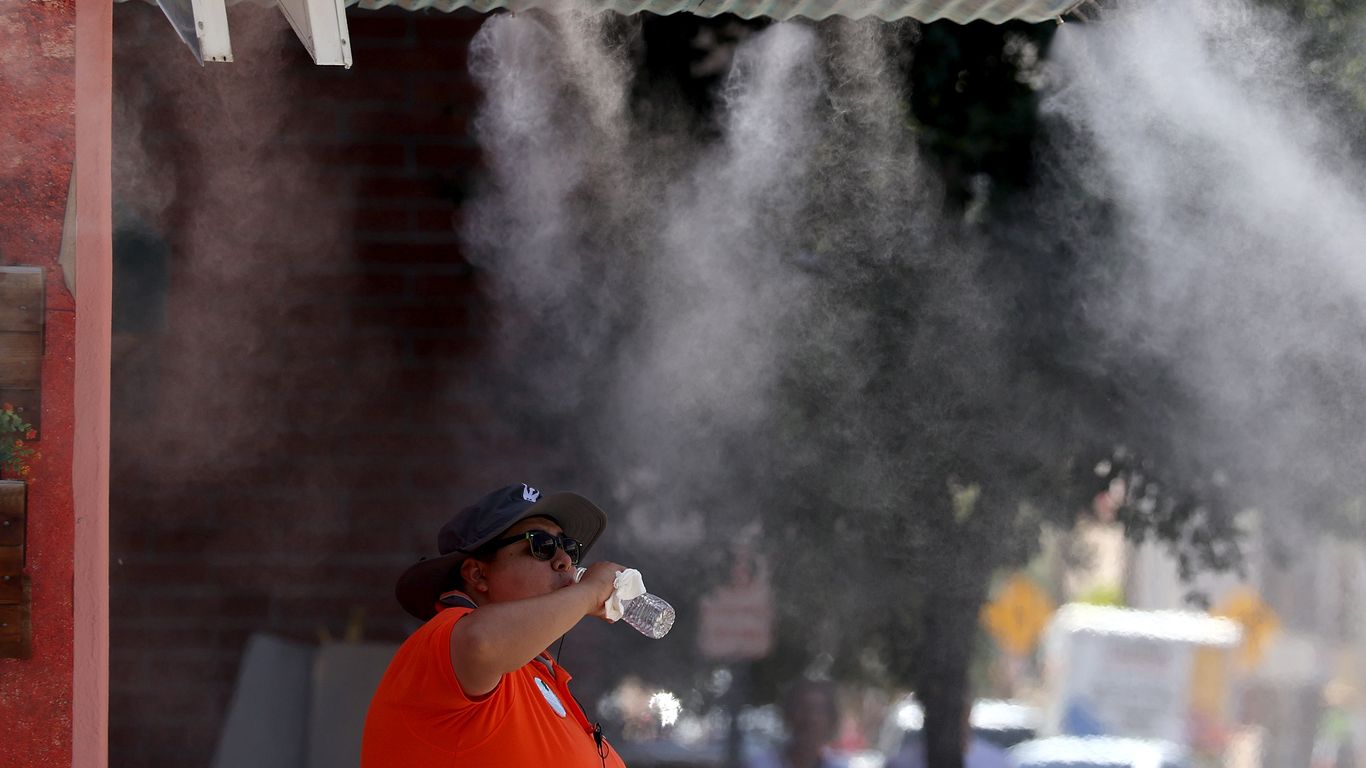
U.S. states are creating new roles and plans to handle more extreme heat caused by climate change. States like Massachusetts and Arizona are appointing heat officers, improving cooling options, and protecting workers and schools from heat dangers.
Key Facts
July 2023 was the hottest month ever recorded across the contiguous U.S.
Massachusetts appointed a heat resilience officer, becoming the first East Coast state to do so.
Arizona has a chief heat officer coordinating heat-response efforts and runs mobile cooling centers.
California has a dedicated extreme heat office and a funding program supporting heat resilience.
Heat causes about 1,500 emergency room visits annually in Massachusetts.
One in five public schools in Massachusetts lacks air conditioning.
States plan to include heat hazard measures in local planning by 2028.
Efforts focus on helping vulnerable communities with less shade and green space.
Read the Original
Want the full story? Tap a source to open the original
article.
A new poll shows that Democrats are gaining support among Latino voters in key U.S. House districts after President Donald Trump nearly matched them in the 2024 presidential election. Latino voters show more support for Democrats on issues like the economy and express dissatisfaction with Trump's immigration policies.
Key Facts
Democrats lead Latino voters 58% to 35% in a survey of 17 competitive House districts.
Latino support for Democrats has increased since the 2024 election, where votes were almost evenly split.
In Texas and Florida swing districts, Latino voters shifted significantly toward Democrats.
About 11% of Latino voters who chose Trump in 2024 now back Democratic congressional candidates.
63% of Latino voters disapprove of President Trump’s overall job performance.
65% of Latino voters disapprove of Trump’s handling of prices and cost of living.
62% of Latino voters disapprove of immigration enforcement and deportations under Trump’s administration.
Economic concerns remain the top issue for Latino voters, with 62% trusting Democrats more than Republicans to lower prices.
Read the Original
Want the full story? Tap a source to open the original
article.
Dr. Alex Armitage is spending the month of September eating only food produced in Shetland, a group of islands north of mainland Scotland. He is doing this to see if people could survive using only local Shetland food, especially if supply deliveries are disrupted by stormy seas.
Key Facts
Dr. Armitage is a consultant paediatrician and a Scottish Greens councillor.
Shetland is over 100 miles north of mainland Scotland and normally relies on food delivered by ferry.
He is catching fish, foraging mushrooms and berries, and using vegetables from local crofts (small farms).
Most food is donated to him, but he buys milk and cream from local shops.
He enjoys traditional local foods like herring, eggs, Shetland butter, berries, and potatoes ("tatties").
The cool climate makes growing some foods difficult, and he misses caffeine the most during the challenge.
This is his third year doing the Shetland-only food challenge during Shetland Food Month.
The experiment highlights concerns about food security if the islands lose regular supply deliveries.
Read the Original
Want the full story? Tap a source to open the original
article.
Councils in England are spending over £125 million a year to place vulnerable children in illegal care homes that are not registered or properly inspected. These homes often lack proper safeguards, and a variety of private companies, including ones outside the care sector, profit from this situation due to a shortage of legal placements.
Key Facts
Councils have paid more than £250 million over two years for about 1,800 placements in unregistered children’s homes across England.
Operating a children’s home without registration by the government body Ofsted is a criminal offense.
Despite this, nearly all local councils use illegal care homes because they have few other options for difficult cases.
Some placements cost more than £1 million each, partly due to the need for round-the-clock care.
Over 480 private companies run or staff these illegal homes; they include property developers, builders, musicians, and ex-military personnel.
Prospero Health and Social Care is the biggest provider, paid £7.6 million for staffing 86 unregistered placements in two years.
Ofsted has recently taken a stronger stance, including winning a criminal conviction against an illegal care provider.
The children’s commissioner for England described the situation as systemic failure, with children treated as a business opportunity rather than protected.
Read the Original
Want the full story? Tap a source to open the original
article.
Albania is becoming a popular place for people to get cheaper dental work, similar to Turkey’s medical tourism. In Tirana, the capital, many dental clinics offer affordable treatments, attracting patients from other countries, especially the UK and Italy.
Key Facts
Tirana has nearly 400 dental clinics, mostly in the city center, for a population of about 600,000.
Dental implants in Albania cost around €600 ($700), similar to prices in Turkey but much cheaper than in the UK, France, or Germany.
Anthony Hook, a UK patient, chose Albania for dental implants because of concerns about safety in Turkey.
The UK Foreign Office warns British citizens about risks and deaths related to medical procedures in Turkey in 2025.
Flights to Tirana have increased, making it easier for international patients to visit.
Elite Dental, one of Tirana’s largest clinics, is licensed and employs 15 dentists focused on life-improving treatments.
Albania’s non-EU status helps keep dental prices low.
The Albanian Medical Tourism Association was recently created to support quality in the growing medical tourism industry.
Read the Original
Want the full story? Tap a source to open the original
article.
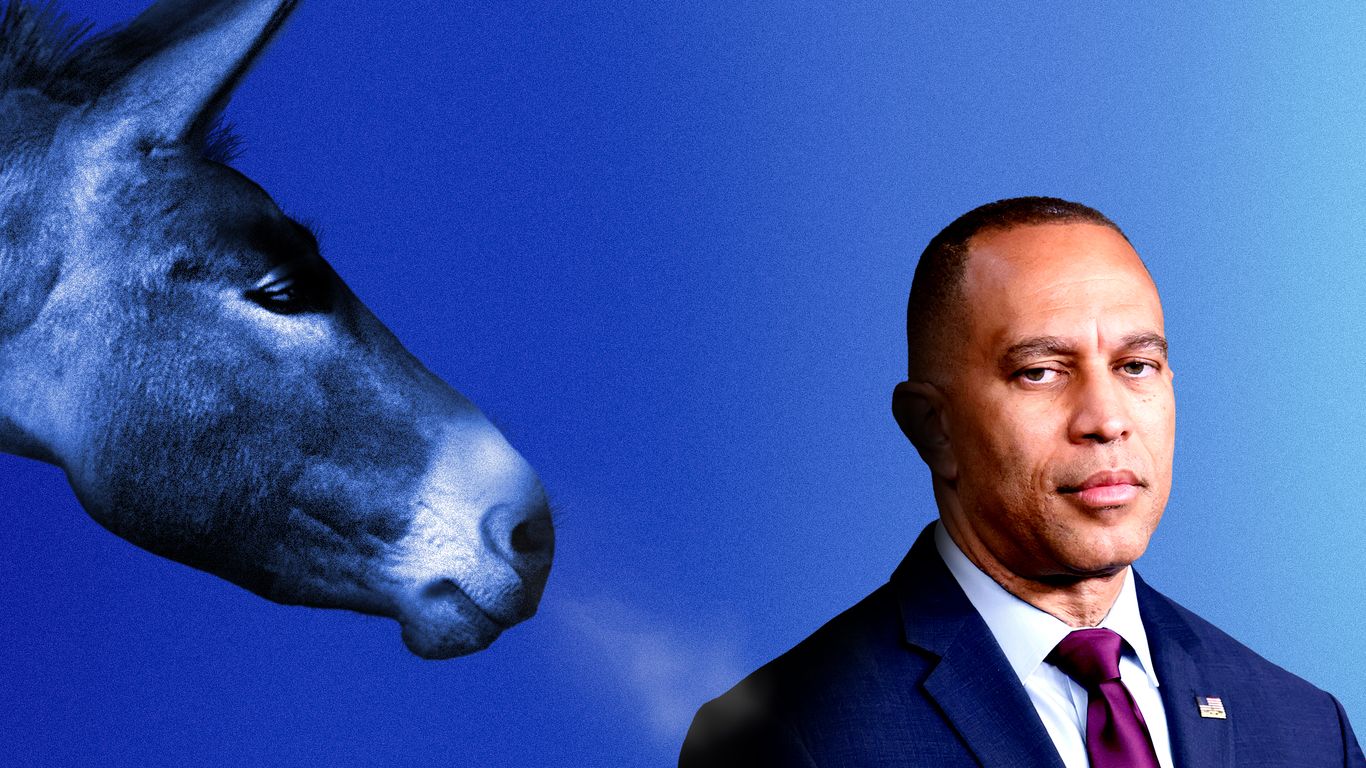
House Minority Leader Hakeem Jeffries is facing growing frustration from progressive Democrats, especially over his stance on Medicare for All and recent decisions. This tension may become more public after the November midterm elections if Democrats do not win a large enough House majority.
Key Facts
Progressive Democrats and candidates are unhappy with Jeffries and some voters do not trust him.
Jeffries said he does not support Medicare for All legislation but supports universal health coverage through different means.
Jeffries met with Jared Kushner, President Trump's son-in-law, which upset progressive groups.
A proposed party rule would penalize members who don’t follow leadership or pay campaign dues, worrying progressives.
Many progressives want Jeffries replaced as their leader because they feel he doesn’t represent the voters’ interests.
Jeffries was previously a supporter of Medicare for All but stepped back after becoming House leader in 2022 to remain neutral.
Progressive leaders like Alexandria Ocasio-Cortez say the majority of the Democratic caucus supports Medicare for All.
After the midterms, frustrations within the party could lead to more public conflicts between Jeffries and the progressive wing.
Read the Original
Want the full story? Tap a source to open the original
article.
The article explains how the Trump administration is changing rules to allow more logging, mining, and development on public lands and national parks. It highlights efforts to reduce environmental protections and to open protected park areas to private development, causing local opposition.
Key Facts
The Trump administration plans to increase logging on public lands by 25 percent.
It is trying to repeal the "roadless rule," which protects 45 million acres of forests from logging.
Environmental rules have been replaced with simpler regulations favoring loggers and miners.
The administration is weakening the Public Lands Rule that balanced conservation and commercial use.
National parks, protected by law to remain unimpaired, face threats like private development and border wall construction.
Yosemite, Big Bend (Texas), and Chaco Culture National Historical Park (New Mexico) have seen reduced protections.
In the U.S. Virgin Islands National Park, a development project has expanded despite earlier plans to limit impact and preserve natural and historic features.
Local residents and officials are challenging these changes, emphasizing that federal laws require protecting national parks.
Read the Original
Want the full story? Tap a source to open the original
article.
In the days before the September 11 attacks, the U.S. National Security Agency (NSA) intercepted messages suggesting a terrorist attack was coming soon. However, these messages were not quickly translated or shared, and the intelligence community did not know the attack’s exact time, place, or method.
Key Facts
On September 8, 2001, the NSA first intercepted communications indicating a possible terrorist attack was near.
From August 27 onward, messages referenced an attack involving aviation and used phrases like "cut the eagle’s throat," seen as a threat against the U.S.
On September 10, intercepted messages said, "The match is about to begin," and "Tomorrow is zero hour," meaning the attack would happen soon.
These messages were not translated into English or widely shared until after September 11.
Between May and July 2001, the NSA found at least 33 messages about a possible impending attack, causing high alert levels.
CIA director George Tenet was very concerned about these threats in June 2001.
Despite past warnings, the NSA and intelligence agencies did not treat the later September intercepts with urgency.
The exact details of the planned attack were not revealed by these communications, causing confusion on how to act.
Read the Original
Want the full story? Tap a source to open the original
article.
Prince George has started attending Eton College, a well-known boarding school in the UK. He will study there from ages 13 to 18, following his father Prince William’s path at the school.
Key Facts
Prince George turned 13 in July and began at Eton College in September.
Eton College is a famous boarding school in Britain, founded in 1440.
Prince William also attended Eton starting in 1995.
George will board at Eton, meaning he lives at the school during term time.
Eton has a demanding academic program and is known for its traditional uniform.
The school is close to the family’s home in Windsor, allowing George to stay near his family.
Many former Eton students have become leaders in politics, business, and the arts.
Prince George’s enrollment continues a family tradition of attending Eton started by his parents, rather than the Scottish school Gordonstoun, which his grandfather and uncle attended.
Read the Original
Want the full story? Tap a source to open the original
article.
Two thieves broke into France's Renoir Museum early Tuesday and stole four artworks, but dropped one while escaping. Police are searching for the suspects, and the stolen art is worth about 9 million euros ($10.5 million).
Key Facts
The break-in happened early Tuesday morning at the Renoir Museum in Cagnes-sur-Mer, France.
Four works of art were taken initially; one was dropped by the thieves during their escape.
The stolen items are estimated to be worth 9 million euros ($10.5 million).
The museum's alarm triggered at 5:48 a.m., and police arrived within five minutes.
Both local and national police are investigating and searching for the perpetrators.
The mayor of Cagnes-sur-Mer emphasized the importance of protecting the museum's heritage.
This theft follows the large 2025 robbery of French crown jewels from the Louvre, valued at $102 million.
Read the Original
Want the full story? Tap a source to open the original
article.
The UK government is investing £30 million in SaxaVord Spaceport in Shetland as part of its national space strategy. This funding will help build more launchpads and facilities, support small commercial rocket launches, and is expected to attract additional private investments.
Key Facts
SaxaVord Spaceport is located in Unst, Shetland, the northernmost part of the UK.
The spaceport is fully licensed and can support up to 30 rocket launches a year.
The £30 million government investment is expected to unlock another £30 million from private investors.
The funding will be used to add a second hangar and two more launchpads.
Two German companies, Rocket Factory Augsburg and HyImpulse Technologies, have signed launch agreements with SaxaVord.
Rocket Factory Augsburg paused a test launch due to an issue, while HyImpulse plans a launch later this year.
The UK government aims to grow its space industry, create jobs, and launch satellites without relying on distant countries.
Scotland leads Europe in satellite building, and SaxaVord could deliver most of Europe’s orbital launch slots.
Read the Original
Want the full story? Tap a source to open the original
article.
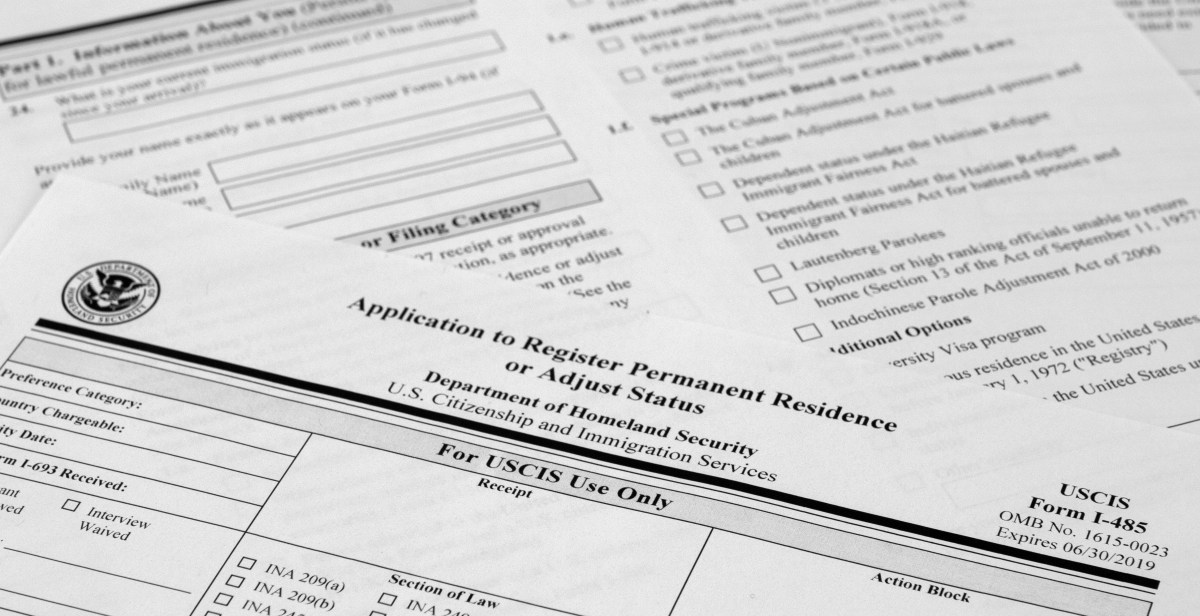
Some employment-based green card applicants from India could face delays or temporary stops if visa numbers run out before September 30, which marks the end of the fiscal year. The State Department warned that certain visa categories, like EB-1 India, might become unavailable soon, affecting the green card process for many applicants.
Key Facts
The EB-1 India visa category may run out of available numbers before September 30, potentially causing delays.
EB-2 India and EB-5 unreserved India categories are already unavailable due to limits being reached.
If a visa category becomes unavailable, no new immigrant visas can be issued in that category until the next fiscal year.
Applicants with approved petitions are not denied but may have to wait until more visas become available.
The fiscal year 2026 ends on September 30; a new fiscal year starts October 1 with new visa limits but no guarantee of immediate availability.
New rules on September 18 will change how officials decide if applicants are likely to become a public charge (depend on government help).
The public charge assessment will consider factors like age, health, family, finances, skills, and any means-tested benefits received after September 18.
These changes affect family- and employment-based green card applicants using Form I-485.
Read the Original
Want the full story? Tap a source to open the original
article.
Hurricane Lowell is approaching the Hawaiian Islands, causing officials to close schools and government offices on Kauai and Oahu due to strong winds, heavy rain, and possible tornadoes. The storm has sustained winds of 110 mph and is expected to bring flooding, dangerous surf, and highlighted safety risks over the coming days.
Key Facts
Hurricane Lowell was about 135 miles southwest of Lihue, Kauai, with winds at 110 mph as of Monday night.
Schools and education offices on Kauai and Oahu were closed on Tuesday, along with state and county offices.
Kauai County is under a Hurricane Warning; Oahu has a Tropical Storm Warning.
Forecasts predict 4 to 8 inches of rain on Kauai, with some areas possibly receiving up to 24 inches. Oahu may get 2 to 5 inches, up to 10 inches in places.
Heavy rain could cause flash floods and mudslides.
Dangerous surf, strong rip currents, and coastal flooding with storm surges up to 4 feet are expected, especially in Kauai County.
Tornadoes are possible near Kauai and Niihau overnight.
Officials advise people to stay indoors, avoid travel, avoid floodwaters, and prepare for power outages.
Read the Original
Want the full story? Tap a source to open the original
article.
Nepal’s government is taking action against people who post hurtful and abusive comments online about survivors of recent deadly floods. The Prime Minister has warned that those who insult or cause more pain to flood victims could face legal penalties.
Key Facts
Nepal suffered deadly floods recently, and many survivors are using social media to find missing loved ones and demand faster rescue efforts.
Some people have responded with negative and hurtful comments, adding to the survivors’ suffering.
Prime Minister Balendra Shah said those who attack victims online are criminals and the government will not tolerate it.
Police are investigating to find who made the abusive posts by tracking locations and phone numbers.
A 10-member police committee has been set up to review these online comments.
Under Nepal’s Electronic Transactions Act, online harassment can lead to up to five years in jail and fines up to 100,000 rupees ($662).
Some harmful comments may come from people trying to stir up anger ("rage baiting") or from strong government supporters defending officials.
Nepali groups stress that victims should be treated with care online, not insulted.
Read the Original
Want the full story? Tap a source to open the original
article.