In the UK, about 1.5 million people in rural areas rely on heating oil, which is not regulated like gas or electricity. Due to global issues like the war in Ukraine and tensions in the Middle East, heating oil prices have increased significantly, causing higher costs for both households and small businesses.
Key Facts
Around 1.5 million people in the UK use heating oil for warmth instead of mains gas.
Heating oil prices are not controlled by the government, so they quickly reflect changes in global supply and demand.
Conflicts in the Middle East and the war in Ukraine are reducing oil supply, pushing prices up.
Heating oil prices doubled from about 60 pence per litre in March to a high of 134 pence, currently around 111 pence per litre.
Filling a typical 500-litre oil tank now costs about £550, up from roughly £300 last year.
Small business owners and community services are raising prices or facing financial strain due to higher fuel costs.
Many affected people live in rural areas without easy access to public transport, making heating oil vital for heating homes and running businesses.
Read the Original
Want the full story? Tap a source to open the original
article.
Fighting is happening near the city of Taiz in Yemen between Houthi fighters and forces loyal to Yemen’s internationally recognized government. The control of Taiz is important for the government's position in the conflict.
Key Facts
Heavy fighting is occurring near Taiz, a southern city in Yemen.
The clashes are between Houthi fighters and Yemeni government forces.
Taiz is seen as a strategic location in the ongoing conflict.
The Yemeni government is internationally recognized.
Losing Taiz could have serious consequences for the government's control in Yemen.
The report comes from Al Jazeera correspondent Yousef Mawry based in Sanaa.
Read the Original
Want the full story? Tap a source to open the original
article.
Campaigners say Northern Ireland's education minister, Paul Givan, is trying to weaken a new law that would help poor families pay for food during school holidays. The law would give payments to families whose children get free school meals, but Givan wants changes that would let him delay the payments.
Key Facts
The Holiday Meals Payment Bill aims to give money to families with children who receive free school meals, to cover food costs in holidays.
Paul Givan, education minister from the Democratic Unionist Party (DUP), opposes the bill because it could cost £20 million a year.
Givan proposed amendments to allow him to decide when the payments start, potentially delaying or stopping them.
The bill is based on a pandemic scheme that gave £27 every two weeks to qualifying families.
Campaign groups like NSPCC and Save the Children say Givan’s changes could mean families never get the payments.
The Northern Ireland Assembly will discuss the bill and amendments soon, but it is unsure if the amendments will pass.
The Ulster Unionist Party has some concerns about the proposal but no clear position reported yet.
Givan previously warned that funding the bill would mean cutting other education spending.
Read the Original
Want the full story? Tap a source to open the original
article.
Halloween has grown into a major event for many businesses, with some making more money during the Halloween season than at Christmas. Attractions like pumpkin festivals, haunted mazes, and fancy dress shops report high demand, turning October into one of their busiest months.
Key Facts
Avon Valley Adventure Park earns about one-third of its yearly income during Halloween.
Chaplins fancy dress shop makes half its sales in October, especially during the Halloween week.
Average spending on Halloween costumes at Chaplins is around £40 per customer.
Popular TV shows like Squid Game influence costume sales each year.
A survey found 36% of shoppers plan to celebrate Halloween in 2024, up from 27% in 2023.
Retailers compete hard in October with higher sales of sweets, decorations, and costumes.
Some people, like A&E doctor Catarina Vieira, spend £150 to £200 on Halloween decorations and events.
Farms benefit by offering pumpkin patches and charging entry fees, turning their land into family attractions during October.
Read the Original
Want the full story? Tap a source to open the original
article.
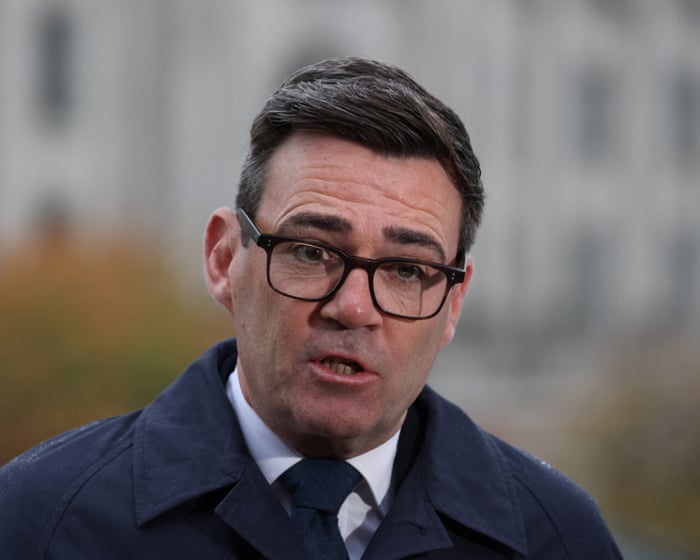
Andy Burnham, the UK prime minister, will tell Parliament that refusing a closer relationship with the European Union (EU) would be a failure to do his duty. He says Brexit has caused problems and that a new deal with the EU could help with issues like illegal immigration and economic growth.
Key Facts
The prime minister plans to speak in Parliament about seeking a closer UK-EU relationship.
Burnham says Brexit has done more harm than good to the UK.
He believes the current situation between the UK and EU is not good enough.
A new deal with the EU could address illegal immigration and help boost the economy.
Burnham suggested there might be a future referendum on EU membership in a Labour election manifesto.
A UK-EU summit is scheduled for next month, after being postponed earlier.
Conservative leader Kemi Badenoch opposes reopening the Brexit debate, saying it would cause confusion and harm business.
The prime minister’s office says not trying to improve UK-EU relations would be a "dereliction of duty."
Read the Original
Want the full story? Tap a source to open the original
article.
An investigation by BBC Panorama and partners found that Deloitte’s Cyprus office helped Roman Abramovich hide assets and evade taxes by falsifying documents. These documents concealed luxury assets worth hundreds of millions of dollars, and the scheme involved offshore companies based in Cyprus. Abramovich denies knowing about any wrongdoing, while Deloitte says it follows the law.
Key Facts
Deloitte, a top global accounting firm, signed off on false documents for Abramovich’s Cyprus-based companies.
The falsified records hid assets like superyachts, mansions, and private jets valued at around $672 million (£508 million).
The scheme aimed to avoid paying a large tax bill on Abramovich’s wealth.
Abramovich’s lawyers deny he evaded taxes or authorized any false documents.
Deloitte Cyprus says it complies with relevant laws.
The documents come from a large leak revealing how Abramovich’s offshore wealth was managed from 1995 to 2022.
Abramovich was sanctioned by the UK in 2022 due to ties with President Putin and forced to sell Chelsea Football Club.
Around £5.4 billion of Abramovich’s assets remain frozen in Jersey amid a four-year criminal investigation.
Read the Original
Want the full story? Tap a source to open the original
article.
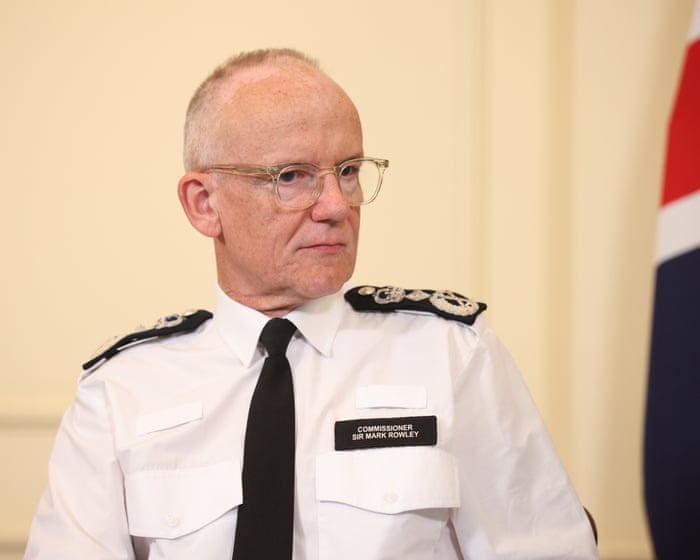
Metropolitan Police Commissioner Mark Rowley said the police must hire more black and Asian officers to build trust with London’s minority ethnic communities. He emphasized that diversity is essential for effective policing and said he will continue recruitment efforts despite criticism about diversity programs.
Key Facts
Mark Rowley is the head of the Metropolitan Police, Britain’s largest police force.
About 46% of London’s population is from minority ethnic groups, but only 18% of Met officers are from these backgrounds.
Black officers make up 3.7% of the Met, while black people represent 13.5% of London’s population.
Rowley said recruiting more minority officers is necessary for fair and effective policing based on community trust.
Some groups say diversity hiring lowers standards, but Rowley disagrees and calls that wrong.
The Met was declared institutionally racist by inquiries in 1999 and 2023, findings Rowley partly accepts but finds politicized.
Rowley criticized other leaders for avoiding the diversity debate and said he will not be stopped by negative opinions around diversity, equity, and inclusion (DEI).
The Met is launching a major recruitment drive to increase representation from under-represented communities.
Read the Original
Want the full story? Tap a source to open the original
article.
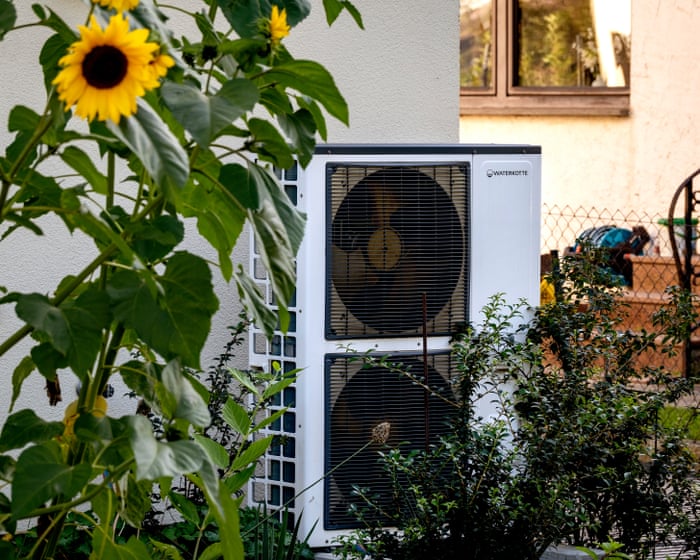
Ministers in the UK are planning to reduce the money given to help people install heat pumps, to save over £2 billion from the energy budget. This money will be used to increase defence spending as part of a new government plan.
Key Facts
The government aims to save more than £2 billion from the energy department’s budget for defence investment.
A significant part of these savings will come from cutting the Boiler Upgrade Scheme (BUS), which provides grants up to £9,000 for households to switch to electric heat pumps.
The BUS budget of £2.7 billion will be reduced by hundreds of millions of pounds but will not be completely cancelled.
The scheme has helped tens of thousands of homes replace gas boilers with cleaner heat pumps.
Some officials see the subsidy as mostly benefiting middle-class households.
Critics warn that reducing funding could harm the growing heat pump industry and slow efforts to address climate change.
Ministers are also expected to approve the Jackdaw gasfield to increase gas supply.
The government previously agreed to raise defence spending by £15 billion over four years, requiring cuts in other areas like energy.
Read the Original
Want the full story? Tap a source to open the original
article.
Prime Minister Andy Burnham will tell UK lawmakers to consider closer ties with the European Union after Brexit, saying it is needed to help the economy and control immigration. He warns that ignoring chances for better cooperation with the EU would be irresponsible and urges a realistic look at the UK’s relationship with Europe.
Key Facts
Andy Burnham will make a statement to the UK Parliament urging closer cooperation with the EU.
He says Brexit has caused harm, and better ties could boost growth and improve immigration control.
Burnham calls for a practical approach and wants MPs from all parties to support this.
Over 111,000 people signed a petition asking the UK to apply to rejoin the EU.
Some Conservative MPs oppose moves towards closer EU ties and want to reverse Labour’s efforts.
Businesses warn that dropping agreements on trade with the EU could increase costs and delays.
Some Labour MPs fear reopening Brexit debates may cause political and economic risks.
Burnham confirmed that Russia interfered in the 2016 Brexit referendum but did not say how it affected the vote.
Read the Original
Want the full story? Tap a source to open the original
article.
China has placed sanctions on Paraguay’s Communications Minister and Belize’s Foreign Minister because their countries have official ties with Taiwan. The sanctions include freezing their assets in China and banning them from entering Hong Kong and Macau.
Key Facts
China announced sanctions on Paraguay’s Gustavo Villate and Belize’s Francis Fonseca.
The sanctions freeze their assets in China and block their access to Hong Kong and Macau.
Chinese organizations and people are banned from working with these ministers.
China opposes countries having formal relations with Taiwan, which it sees as part of its territory.
Paraguay and Belize are two of only 12 countries that officially recognize Taiwan.
The sanctions followed public support for Taiwan from these ministers around Taiwan’s National Day.
Taiwan’s President emphasized peace and freedom in a recent speech.
The US supports Taiwan’s defense and recently delivered fighter jets to the island.
Read the Original
Want the full story? Tap a source to open the original
article.
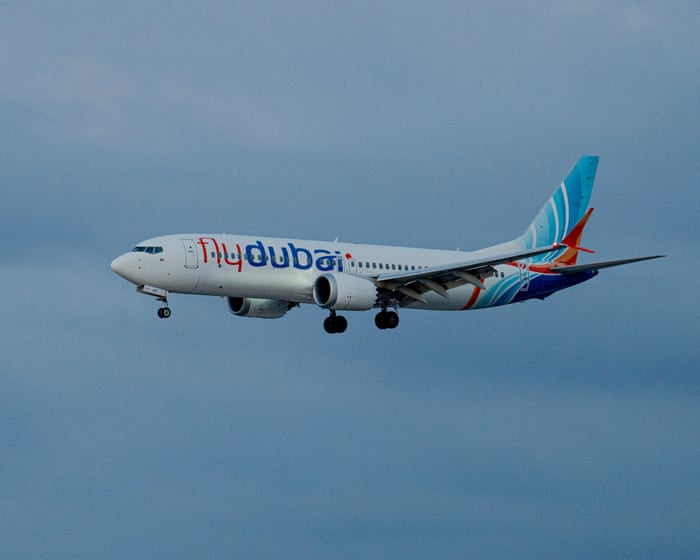
A Melbourne Islamic centre leader made a video about staying silent without directly addressing accusations linking the centre to an alleged Flydubai co-pilot hijacker. The UAE says the co-pilot’s radicalization began while studying in Melbourne and planned a terrorist plot on a September flight which was stopped by passengers and crew.
Key Facts
The accused Flydubai co-pilot is 29 years old and studied engineering at RMIT University in Melbourne.
UAE prosecutors say he drifted towards extremism while in Australia and attended a mosque linked to the “MyCentre” Islamic centre.
MyCentre is led by Samir Mohtadi (also called Abu Hamza), who posted a video about the value of staying silent but did not mention the accusations.
No evidence suggests the centre’s staff were involved in radicalizing the co-pilot or knew about his intentions.
The co-pilot trained as a commercial pilot in New Zealand after leaving Australia.
On September 30, passengers and crew stopped an alleged hijack plot aimed at Ben Gurion airport near Tel Aviv.
The suspect said he was inspired by the 9/11 attacks and prepared himself with violent materials and boxing training.
Australian and New Zealand authorities are investigating his time in both countries.
Australia’s home affairs minister said the co-pilot was radicalized online and emphasized better border and online screening.
Read the Original
Want the full story? Tap a source to open the original
article.
Protests in New Delhi, India, have erupted over changes to the voter list that some say unfairly affect Muslims and other minorities. Opposition leaders and journalists accused police of using harsh tactics to control the demonstrations, while authorities denied any wrongdoing and prepared for more protests.
Key Facts
Protests began after a nationwide voter roll revision that critics say could favor Prime Minister Narendra Modi’s ruling party.
Opposition leader Rahul Gandhi called for a march to India’s Supreme Court to demand the election chief’s resignation.
Police detained thousands of protesters, including members of the youth-led Cockroach Janta Party (CJP) movement.
Several journalists covering the protests were also detained despite showing press identification.
Police put heavy barricades around central Delhi and closed key metro stations to control crowds.
The Election Commission of India denied allegations of misconduct in the voter roll changes.
Opposition figures accused police of suppressing democratic freedoms and treating protesters and journalists roughly.
The Supreme Court declined to meet Gandhi’s delegation, suggesting the legal process should be followed instead.
Read the Original
Want the full story? Tap a source to open the original
article.
The article highlights three events that demonstrate how military bases and important infrastructure are vulnerable to attacks carried out from a distance. These examples show that remote attacks can cause serious problems for national security.
Key Facts
Three recent events show the risks to military bases and infrastructure.
Attacks were conducted remotely, meaning without direct physical presence.
These events reveal weaknesses in protecting critical locations.
Remote attacks can disrupt military operations and infrastructure stability.
The article aims to raise awareness about these security challenges.
Read the Original
Want the full story? Tap a source to open the original
article.
Israeli Prime Minister Benjamin Netanyahu has asked for an investigation into the sources behind a documentary called NAZA, which claims Israel’s military used AI technology to target and kill civilians in Gaza. The Israeli army denies the accusations, and the film’s makers face serious legal threats amid a wider political debate.
Key Facts
NAZA is a documentary alleging Israel’s military killed civilians in Gaza using AI targeting systems.
The film is based on testimony from 24 anonymous Israeli military whistleblowers.
The Israeli military strongly denies these claims and says all strike decisions are made by human personnel.
Prime Minister Netanyahu demands a full investigation and possible prosecution for those involved in the film.
The film was awarded a special jury prize at the Venice International Film Festival and received a long standing ovation.
Netanyahu and Israel’s Culture Minister have threatened the filmmakers with charges including treason and revoking citizenship.
A counter-film, NAZA: The Real Story, was released featuring soldiers disputing the original film’s claims.
The conflict in Gaza began on October 7, 2023, after Hamas attacks, leading to heavy casualties on both sides.
Read the Original
Want the full story? Tap a source to open the original
article.
Ethiopian government forces moved into the city of Adigrat in northern Tigray after rebel fighters left the area. This development increases tensions between Ethiopia and its neighbor Eritrea, who recently stopped diplomatic relations.
Key Facts
Ethiopian government troops entered Adigrat, a city in northern Tigray.
Rebel fighters withdrew from Adigrat before government forces arrived.
Ethiopia and Eritrea recently cut off diplomatic ties.
The situation in Tigray remains tense and unstable.
Adigrat is located near the border between Ethiopia and Eritrea.
The conflict involves Ethiopian government forces and Tigray rebel groups.
The news was reported by Al Jazeera correspondent Hamza Mohamed.
Read the Original
Want the full story? Tap a source to open the original
article.
Britain’s Institute for Fiscal Studies (IFS) warned Chancellor John Healey that his upcoming budget could be unrealistic unless he clearly explains how to cover £35 billion in extra government costs. The IFS says higher inflation and war-related financial pressures mean the government must either add more money or face cuts in public services by 2030.
Key Facts
The IFS says Healey’s budget risks being a “work of fiction” without a clear plan for £35 billion in extra spending.
Rising inflation, partly caused by the Middle East conflict, has increased government borrowing costs.
The Chancellor must either increase funds for public services or plan real-term spending cuts by 2029-30.
The government’s current buffer for unforeseen costs could be cut by about half due to market reactions to the war.
Higher inflation could increase tax revenue but also reduces the value of government spending power.
The IFS urges Healey to avoid delaying tough decisions until next year’s spending review.
Bank of England Governor Andrew Bailey has said fiscal policy must be credible to financial markets.
Ignoring these spending pressures risks making Labour’s budget plans seem unrealistic or dishonest.
Read the Original
Want the full story? Tap a source to open the original
article.
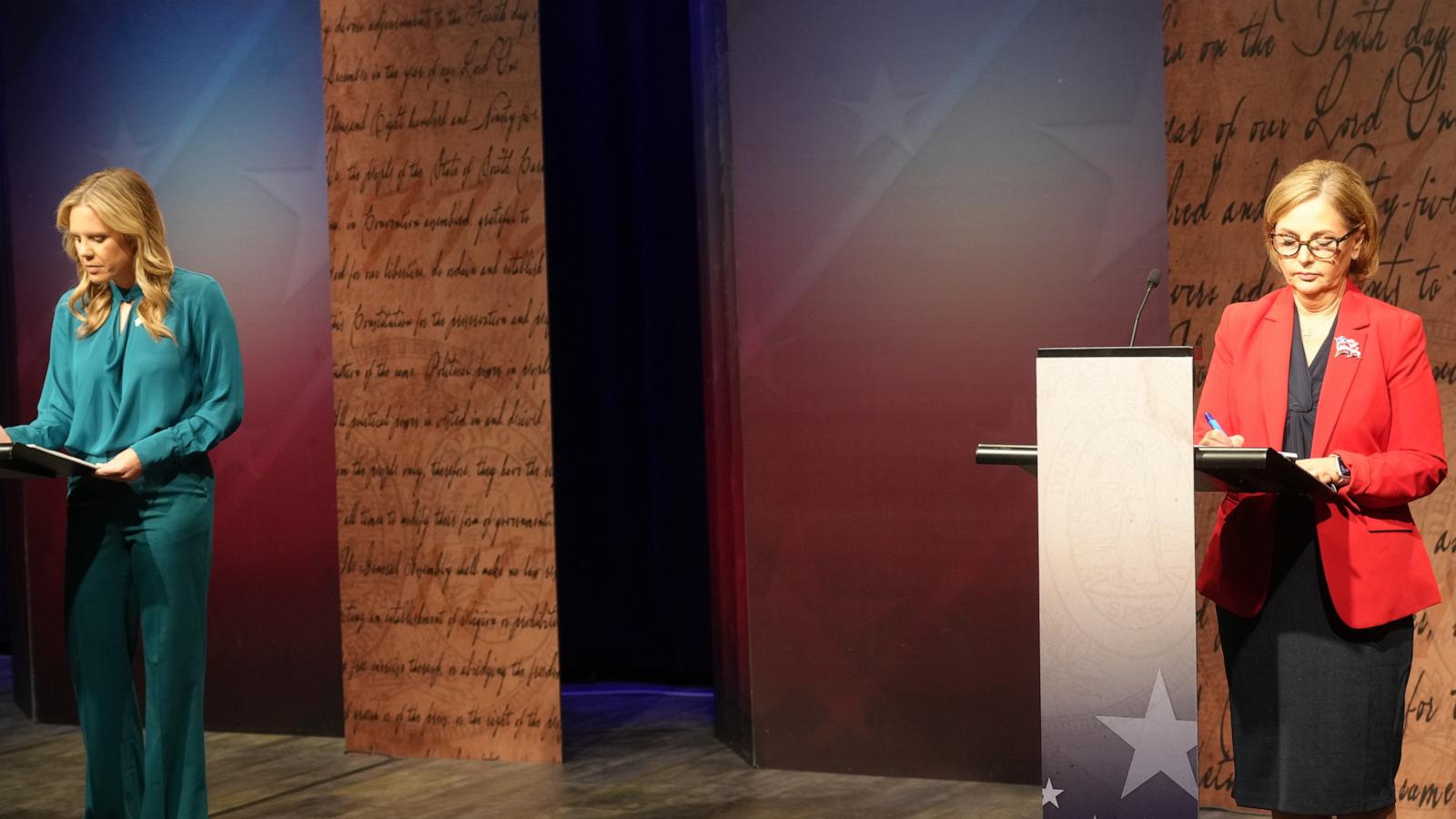
Senator Darline Graham and Democratic nominee Annie Andrews debated for an open Senate seat in South Carolina. The candidates discussed topics like Iran, the economy, and artificial intelligence while criticizing each other's qualifications ahead of the November election.
Key Facts
The Senate seat is open after Senator Lindsey Graham’s sudden death in July 2026.
Darline Graham, the late senator’s sister, is running as the Republican candidate and was endorsed by President Donald Trump.
Annie Andrews is the Democratic nominee.
The candidates clashed on issues including national security and ties to President Trump.
Andrews criticized Graham for being unqualified and linked closely to the White House.
Graham defended her experience and legal name, saying she kept her brother’s surname for family reasons.
Both candidates see the race as important in the fight for control of Congress.
Outside groups have spent millions supporting Graham’s campaign.
Read the Original
Want the full story? Tap a source to open the original
article.
A Melbourne Islamic community leader has denied accusations linking him to the co-pilot who tried to hijack a Flydubai plane heading to Israel. The Omani co-pilot, in custody in the UAE, is said to have become radicalized while studying in Australia, but no criminal charges have been made against the community centre or its leader.
Key Facts
The co-pilot attempted to hijack a Flydubai flight from Dubai to Tel Aviv on September 30.
The co-pilot attacked the plane’s Indian captain with an emergency axe but was stopped by other crew and passengers.
He was inspired by the 9/11 suicide attacks and aimed to cause major loss of life.
UAE prosecutors said the co-pilot became radicalized while studying at RMIT University in Australia.
The co-pilot was reportedly linked to a Melbourne Islamic centre called "My Centre," managed by Abu Hamza, who denies any wrongdoing.
Abu Hamza called the accusations false but did not address the specific claims made by UAE prosecutors.
The co-pilot also spent time in New Zealand on a student visa where he did part of his flight training.
Australian police are investigating potential links between the co-pilot and the country.
Read the Original
Want the full story? Tap a source to open the original
article.
North Korea fired several ballistic missiles into the sea off its east coast, with one missile flying over 900 kilometers. South Korea and Japan reported the launches, which violate United Nations Security Council rules and increase tensions in the region.
Key Facts
North Korea launched multiple ballistic missiles towards the sea near its east coast.
One missile flew more than 900 kilometers from the Pyongyang area.
South Korea’s military and Japan’s coastguard confirmed the missile tests.
The launches violate United Nations Security Council resolutions.
South Korea recently tested a hypersonic missile, which may have prompted North Korea’s response.
North Korea also tested a hypersonic intermediate-range missile on October 3.
There was a recent landmine explosion in the Demilitarized Zone that injured South Korean soldiers, believed to have been planted by North Korea.
North Korean leader Kim Jong Un continues his nuclear weapons program and rejects offers for talks unless the U.S. drops demands for denuclearization.
Read the Original
Want the full story? Tap a source to open the original
article.
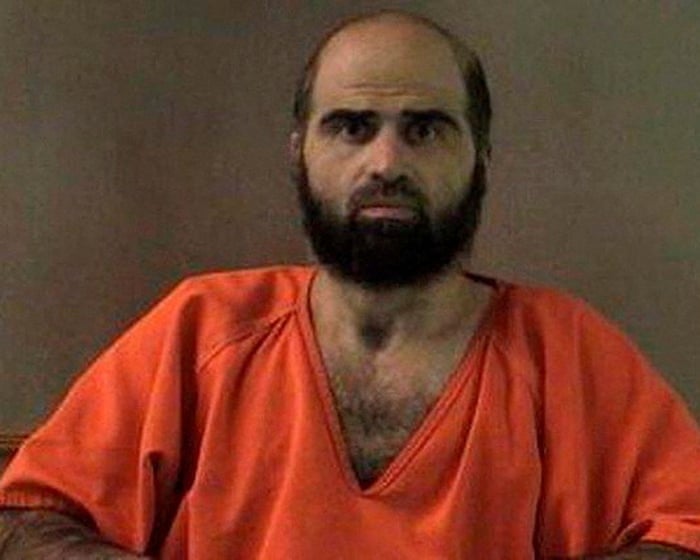
Australian Greens senator Sarah Hanson-Young has urged the Australian government to block the live broadcast of a US military execution planned for December 3. The execution will be livestreamed by the US government, which has raised concerns about the ethics and impacts of such public broadcasts.
Key Facts
Nidal Malik Hasan, a former US army psychiatrist, is scheduled for execution by firing squad on December 3.
Hasan was convicted of killing 13 people and attempting to kill 32 others in the 2009 Fort Hood shooting.
The US government announced it will livestream the execution but has not yet confirmed the platform.
Australian Senator Sarah Hanson-Young called the live stream "barbaric" and wants the government and online platforms to block the broadcast in Australia.
Australia's eSafety commissioner could potentially order platforms like YouTube and TikTok to block the video under the Online Safety Act.
Some Australian politicians from different parties expressed concerns about the broadcast but also questioned internet censorship.
The United Nations criticized the broadcast, saying it would be like a public execution and violate human rights.
It remains unclear if the Australian government has the legal power or willingness to block access to the livestream from an allied country.
Read the Original
Want the full story? Tap a source to open the original
article.