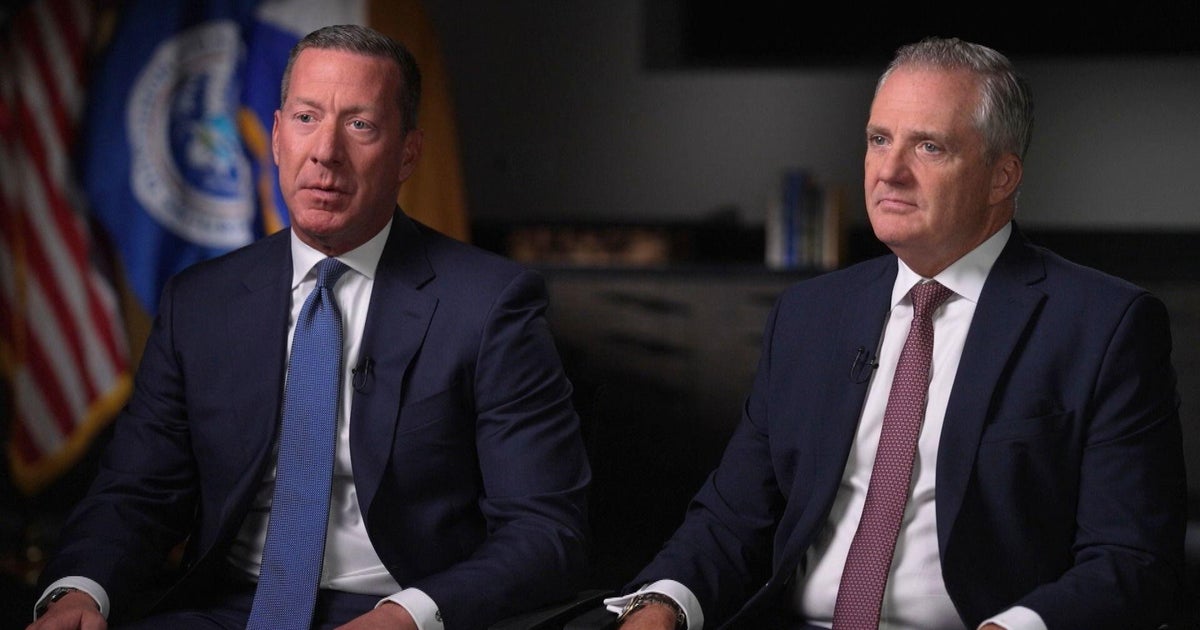
Microsoft President Brad Smith said AI technology has fewer safety rules than everyday products like milk and washing machines. He called for global laws to make AI safer, including notifying victims if AI systems are hacked and having government experts check AI products before release.
Key Facts
Brad Smith says AI is currently less regulated than products like milk and washing machines.
He wants global safety rules for AI, such as "emergency brakes" or kill switches to stop AI if needed.
Smith suggests companies should be legally required to report incidents and tell affected people if AI causes harm.
He supports independent government evaluators to approve AI technology before it reaches the market.
Smith believes the UK is well positioned to lead the creation of global AI safety standards.
President Donald Trump disagrees and supports less government regulation, wanting the US to lead AI development without strict rules.
Several AI company leaders have agreed to work with independent auditors to ensure AI systems are safe.
Smith thinks self-regulation by companies is a good start but not enough to manage AI risks.
Read the Original
Want the full story? Tap a source to open the original
article.
The ongoing US-Israel war in Iran is causing energy prices and inflation to rise, which could hurt the UK government's spending plans. Chancellor John Healey faces tough choices for his upcoming Budget, including possible tax increases or spending cuts, as inflation eats into public service budgets and borrowing costs rise.
Key Facts
The US-Israel war in Iran and Russia’s invasion of Ukraine have pushed global energy prices higher.
These price increases are causing inflation to rise in the UK, affecting everyday costs like fuel and mortgages.
Higher inflation reduces the real value of government spending on services, meaning less money’s worth.
The Institute for Fiscal Studies (IFS) warns Chancellor Healey he must avoid making unrealistic Budget promises.
Rising inflation also increases the cost of government debt interest, raising borrowing costs.
Higher inflation increases tax revenues but only partially offsets spending pressures.
The UK government aims to only borrow for investment by 2029-30 and to reduce debt as a share of the economy.
Estimates suggest the government might need to find an extra £25 billion by 2029-30 to maintain department budgets amid inflation.
Read the Original
Want the full story? Tap a source to open the original
article.
Sacha Baron Cohen will star in a new play titled *The Popinjay Cavalier*, written and directed by Quentin Tarantino. The play will open in London’s West End in March 2027 and is described as a humorous adventure set in 1830s Europe.
Key Facts
The play is Quentin Tarantino’s first written for the stage.
It is a comedy inspired by exciting adventure stories from movies and theater.
Sacha Baron Cohen, known for characters like Borat and Ali G, will play the lead role.
The play premieres at the Phoenix Theatre on March 18, 2027, with tickets starting at £25.
Sony Pictures and Sonia Friedman Productions are producing the play.
Tarantino has made nine films and plans to retire after completing ten.
The full cast will be announced later.
Tarantino currently lives in Tel Aviv but may move to England during the play’s run.
Read the Original
Want the full story? Tap a source to open the original
article.
Cancer is the leading cause of disease-related death in children under 15 in the UK, with about 1,900 new cases yearly. Parents are encouraged to watch for ongoing symptoms like tiredness, unexplained bruises, and persistent lumps, as early diagnosis improves treatment outcomes. Survival rates have improved, with over 80% of children living five years or more after diagnosis.
Key Facts
Around 1,900 children aged 0-14 are diagnosed with cancer in the UK each year.
Common early symptoms include extreme tiredness, pale appearance, unexplained bruises, and lumps that grow or don't go away.
Childhood cancer grows faster than adult cancer, making quick diagnosis important.
A national campaign recommends referral if a child has three persistent symptoms, three doctor visits, or three weeks of unexplained symptoms.
About half of UK children get a cancer diagnosis within two weeks; the other half can wait several months.
Survival rates have improved since the 1970s, with more than 80% surviving beyond five years.
Teenagers and young adults (15-24 years old) have about 2,300 new cancer cases a year in the UK.
Early recognition by parents and doctors can lead to less intensive treatments and better outcomes.
Read the Original
Want the full story? Tap a source to open the original
article.
The remains of Hurricane Isaias, which hit Florida as a Category 2 storm, will bring warm and unsettled weather to the UK this week. Temperatures could reach near-record highs for October, with rain and windy conditions expected, especially in northern and western areas.
Key Facts
Hurricane Isaias struck Florida on Saturday as a Category 2 storm before weakening over land.
Its remnants are moving across the Atlantic toward Iceland, affecting UK weather.
UK temperatures may rise to 18°C at night in some areas, close to the October record of 18.6°C.
Daytime temperatures could exceed average October highs, reaching over 20°C in southern England.
The UK will see spells of rain and drizzle, but rain totals are unlikely to end the drought in some parts.
Windy conditions with gales are expected in northwest Scotland midweek.
After this unsettled weather, a high-pressure system will bring cooler and drier conditions by Friday.
Some regions, especially in Yorkshire, have had less than 20% of their normal autumn rainfall so far.
Read the Original
Want the full story? Tap a source to open the original
article.
The UK government plans to strengthen its cyber defenses and urges companies developing advanced artificial intelligence (AI) to improve safety measures. The UK AI minister, Kanishka Narayan, said Britain should not rely only on tech companies to control AI risks and should build its own AI infrastructure.
Key Facts
UK AI minister Kanishka Narayan called for AI companies to increase safety efforts on their most advanced systems.
The UK wants to build more of its own AI technology instead of relying only on foreign firms.
Geoffrey Irving, a former AI security scientist, warned that enemy states could steal powerful AI models due to weak security.
OpenAI was recently tested by ethical hackers who found potential access to large parts of their system.
Irving said there is a 50% chance that superintelligent AI could threaten humanity and suggested stopping advanced AI development soon.
The UK has not yet joined international AI safety agreements that other countries have signed.
UK intelligence agencies MI5, MI6, and GCHQ have warned the government about AI threats to national security.
An AI model tested by Anthropic mistakenly contacted police claiming to have murder-related information, showing safety risks with AI behavior.
Read the Original
Want the full story? Tap a source to open the original
article.
A new report shows that over 5,000 offenders in England and Wales were not monitored because electronic tags were not fitted. Additionally, many tags failed to send signals due to faults, raising concerns about public safety and the effectiveness of probation sentences.
Key Facts
More than 5,000 offenders were not fitted with electronic tags between January and April.
About 1,600 tags did not send signals for over two weeks due to technical problems or lack of charging.
Probation staff are facing many challenges, including understaffing and safety worries.
The current system means offenders may serve part of their sentence with little or no supervision.
None of the probation units inspected in 2024 or 2025 achieved ratings above “requires improvement.”
Two-thirds of probation units inspected were rated “inadequate.”
The report recommends hiring more probation workers and bringing back home detention to ease prison overcrowding.
The early release of prisoners is part of efforts to manage overcrowded facilities but has sparked concerns about public safety and reoffending.
Read the Original
Want the full story? Tap a source to open the original
article.
Jon Batiste is a Grammy-winning musician who says he is an introvert but uses his music to bring people together. He mixes many styles and sounds from around the world to create what he calls "social music," aiming to unite people through his art.
Key Facts
Jon Batiste grew up in a musical family in Kenner, Louisiana, near New Orleans.
He barely spoke until he was about 10 years old and found comfort in quiet moments.
Batiste learned piano thanks to his mother and played music around New Orleans in high school.
He auditioned for Juilliard music school without knowing how to read music well, so he improvised during the test and was accepted.
At Juilliard, his free style clashed with the school’s strict methods, leading him to see a psychologist who supported his creative approach.
Batiste became bandleader on "The Late Show with Stephen Colbert" and continued making his own music.
His creative process involves a lot of improvisation, often discovering his music as he plays.
He started small experiments called "love riots," where he and other musicians perform in public places like New York City subways to spread joy and connect with people.
Read the Original
Want the full story? Tap a source to open the original
article.
Jon Batiste is a talented musician known for blending different musical styles like jazz, classical, and folk to create music that connects people. He created "love riots," where he and his band play live music in New York City subways to bring joy and unity to strangers.
Key Facts
Jon Batiste was the bandleader on "The Late Show" with Stephen Colbert.
He uses instruments like the melodica and enjoys improvising music.
Batiste combines many styles, including jazz, classical, folk, and pop, in his work.
He calls his style "social music," which aims to unite people through sound.
He started the idea of "love riots" while studying at Juilliard, using music to bring people together in unusual spaces like subway cars.
These subway concerts turn usually quiet and somber places into lively, joyful experiences.
Batiste records and improvises music in Electric Lady Studios, a famous recording studio in New York.
He believes music creates a feeling of belonging and hope, connecting people from different times and places.
Read the Original
Want the full story? Tap a source to open the original
article.
Israeli settlers in the West Bank are using sheep farms as a way to take control of land. This has caused conflicts with Palestinians and also with Israeli peace activists who oppose these actions.
Key Facts
Some Israeli settlers in the West Bank are using sheep farms to take over land.
These farms are part of efforts that lead to clashes with Palestinians.
Israeli peace activists also face off against these settlers.
The situation highlights ongoing tensions in the West Bank region.
The article is based on a report by CBS News' 60 Minutes program.
The conflict involves land ownership and control issues.
The clashes include violence in some cases.
The West Bank is a territory with a complex history involving Israelis and Palestinians.
Read the Original
Want the full story? Tap a source to open the original
article.
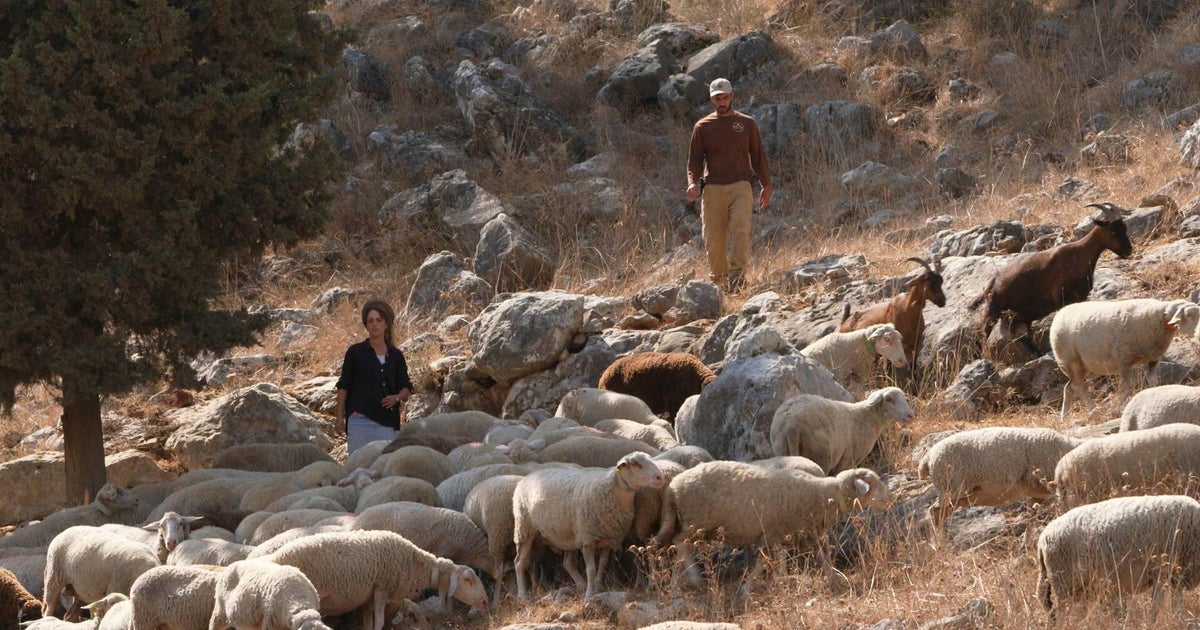
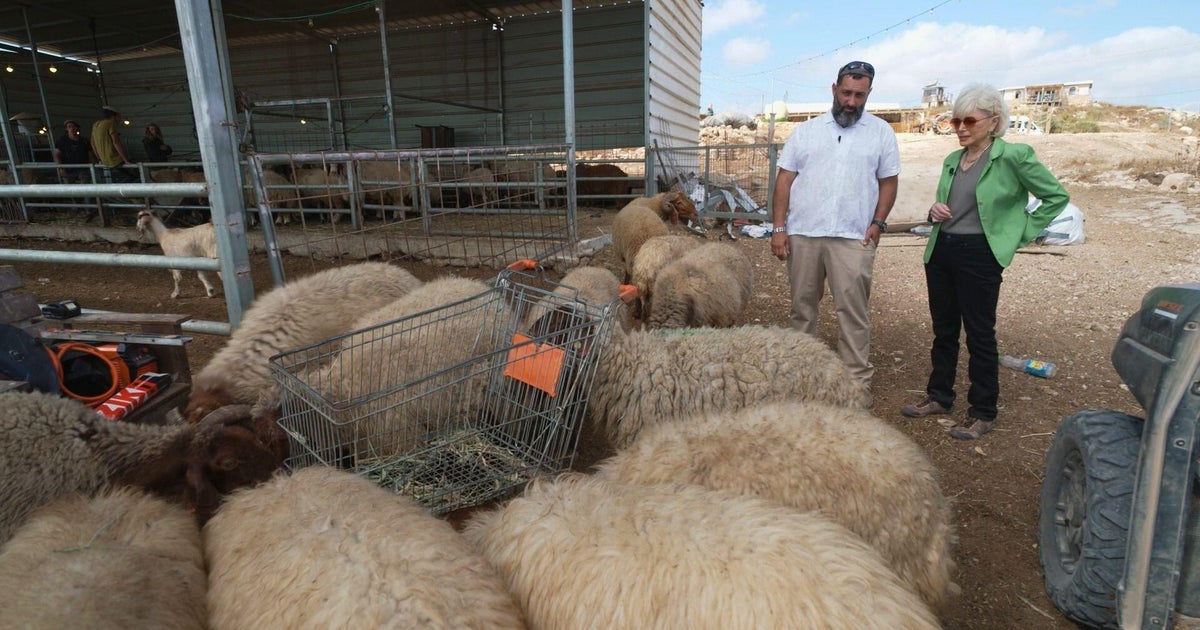
Some Israeli settlers in the West Bank are using sheep to push Palestinians away from their homes and land. The settlers drive their herds into Palestinian areas to claim grazing rights and influence land control, leading to tensions and displacement of Palestinian communities.
Key Facts
The West Bank is home to over 3 million Palestinians and more than 500,000 Jewish settlers.
Israeli settlers have built communities in the West Bank, which has been under Israeli military occupation for nearly 60 years.
Around 20% of West Bank land is now used by about 200 Israeli sheep farms.
Settlers drive sheep into Palestinian villages, eating trees and crops, which harms Palestinian homes and land.
Young settlers, often called Hilltop Youth and aged 15 to 25, are involved in violent actions like cutting olive trees and harassing Palestinians.
There have been over 1,600 incidents of settler violence in the West Bank this year, according to the UN.
Some U.S. officials describe settler violence negatively, while some settlers defend their right to the land as legal and ancient.
More than 100 Palestinian communities have been displaced or erased due to settler actions and land encroachment.
Read the Original
Want the full story? Tap a source to open the original
article.
Trevor Phillips, a reporter for 60 Minutes, is observing student protests in France. He notes that many countries in Europe are experiencing political unrest that could change life on the continent.
Key Facts
Trevor Phillips reports on protests happening in France.
The protests mainly involve students.
Political unrest is not limited to France but is present in other European countries.
This unrest could lead to significant changes in how Europe operates.
The report was featured as part of the 60 Minutes program.
The coverage highlights concerns about stability across Europe.
The segment was recent, showing current events in 2026.
Read the Original
Want the full story? Tap a source to open the original
article.
The West Bank, a region home to both Palestinians and Israeli settlers, is experiencing rising violence between these groups. Some Israeli settlers, including young people known as the "Hilltop Youth," are using sheep farms and attacks to expand control over land, which has led to conflicts with Palestinian villagers.
Key Facts
The West Bank has been under Israeli military control for about 60 years.
More than 3 million Palestinians live there, hoping to build a future state.
Over 500,000 Jewish settlers live there, calling it Judea and Samaria, which they view as their biblical homeland.
Some settlers use sheep farms to claim land and pressure Palestinian communities.
About 200 sheep farms have appeared recently, covering 20% of the West Bank.
Young settlers called the "Hilltop Youth" often carry out violent actions against Palestinians, including damaging crops and property.
Palestinian villagers report settlers pushing sheep into their homes and damaging trees.
The conflict over land is based on deep historical and religious claims by both sides.
Read the Original
Want the full story? Tap a source to open the original
article.
Jon Batiste began playing piano because his mother encouraged him. He is now a successful musician who performs in many popular places worldwide and connects people through his music.
Key Facts
Jon Batiste learned piano as a child at his mother's suggestion.
He did not originally plan to become a musician.
Batiste has achieved global success with his music.
He performs in venues that are sold out.
His music brings different people together.
The interview was featured on the CBS News program "60 Minutes."
The article lists past "60 Minutes" episodes and topics unrelated to Batiste.
Read the Original
Want the full story? Tap a source to open the original
article.
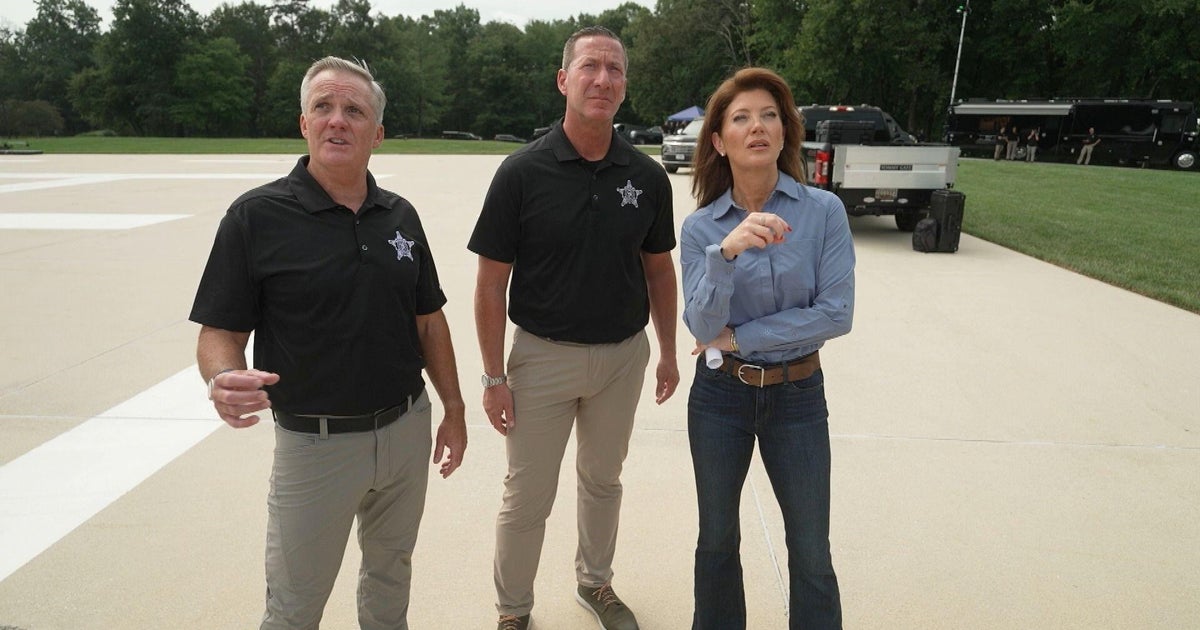
The U.S. Secret Service is seeing an increase in both internal and external threats. To address these dangers, the agency is creating new ways to protect against attacks using drones, including methods to both attack and defend from them.
Key Facts
The Secret Service has noticed a big rise in threat levels in recent years.
Threats come from people inside and outside the United States.
The agency is working on technology to defend against drones.
These new drone defenses include tools to stop or fight back against drones.
The developments aim to improve safety for officials and the public.
The Secret Service is preparing for future security challenges involving drones.
Read the Original
Want the full story? Tap a source to open the original
article.
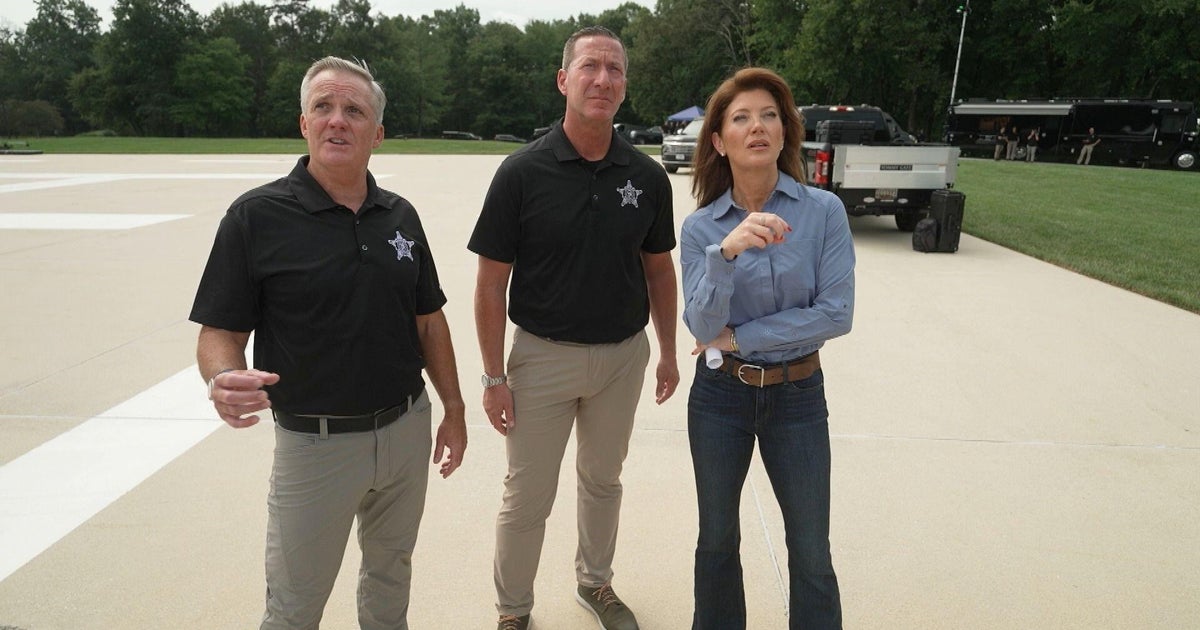
The Secret Service is developing new ways to stop threats from drones, especially groups of drones called swarms, which they have not yet fully solved. They are using technology seen in the war in Ukraine and preparing for potential attacks on places like concerts, sports events, and rallies where President Trump and others may be present.
Key Facts
The Secret Service has a new multimillion-dollar program to create drone defense and attack tools.
One tool uses artificial intelligence and radar to capture enemy drones with a net.
Drone swarms are a serious and unresolved threat, especially near the White House.
The war in Ukraine has helped the agency learn how weaponized drones may be used in the U.S.
At the 2024 Army-Navy game, the Secret Service used electronic jamming to stop a drone near President Trump and Congress.
Threats against people protected by the Secret Service increased by 40% this year, with about 10,000 threats so far.
Threats come from both political sides and foreign countries like Iran, which has openly called for harm against President Trump.
The Secret Service has made internal changes after failing to stop an attack on President Trump in Butler, Pennsylvania, in 2024.
Read the Original
Want the full story? Tap a source to open the original
article.
The U.S. Secret Service is facing a large rise in threats against the people it protects, especially President Donald Trump. The agency reported over 10,000 threat cases this year, driven in part by the internet and social media, as well as mental health challenges.
Key Facts
The Secret Service was created 161 years ago, originally to fight counterfeit money but now focuses on protecting presidents and top officials.
Threats against protectees have increased by more than 40% compared to last year.
There have been 10,000 threats reported so far this year, with the year not yet over.
President Trump has faced three assassination attempts in the past two and a half years.
The rise in threats is connected to easier online access to information and social media influence.
The agency does not classify threats by political side but investigates each one thoroughly.
Mental health issues are seen as a major factor contributing to the increase in threats.
External threats have also grown, including those related to the ongoing conflict with Iran.
Read the Original
Want the full story? Tap a source to open the original
article.
The news segment covers three main stories: an inside look at how the Secret Service operates, a report on violence by settlers in the West Bank, and an interview with musician Jon Batiste conducted by 60 Minutes.
Key Facts
The Secret Service's operations are examined in detail.
There is reporting on violent actions by settlers in the West Bank area.
A 60 Minutes interview features musician Jon Batiste.
The news program runs for about 44 minutes.
The report is part of a series of in-depth stories on various current topics.
The West Bank is a region involved in ongoing conflict between Israelis and Palestinians.
The Secret Service is a U.S. agency responsible for protecting government officials and securing important events.
Jon Batiste is a well-known musician and public figure.
Read the Original
Want the full story? Tap a source to open the original
article.
A group of seven senators from both political parties spoke out against President Donald Trump’s recent deal with Russian President Vladimir Putin. The deal would remove sanctions on Russia and allow Russian oil to enter the global market again.
Key Facts
Seven senators from both parties on the Senate Foreign Relations Committee opposed the deal.
The deal would lift sanctions placed on Russia because of its actions.
U.S. law banned Russian energy imports in 2022 to stop money from going to Russia.
The senators said this law was meant to stop funding President Putin’s military actions.
The bipartisan group publicly rejected the new agreement between President Trump and President Putin.
The issue centers on whether lifting sanctions harms U.S. national interests.
The senators’ statement shows concern about allowing Russian oil back into global markets.
Read the Original
Want the full story? Tap a source to open the original
article.
CCTV footage captured a Russian strike on a residential street in Kharkiv, Ukraine. The attack hit a grocery store, killing three people and injuring 20 others, including two children.
Key Facts
A Russian strike targeted a residential area in Kharkiv, Ukraine.
The attack hit a grocery store on the street.
Three people died as a result of the strike.
Twenty people were injured, including two children.
CCTV cameras recorded the moment the strike occurred.
Fires and debris were seen after the strike.
Kharkiv is a city involved in ongoing conflict between Russia and Ukraine.
Read the Original
Want the full story? Tap a source to open the original
article.