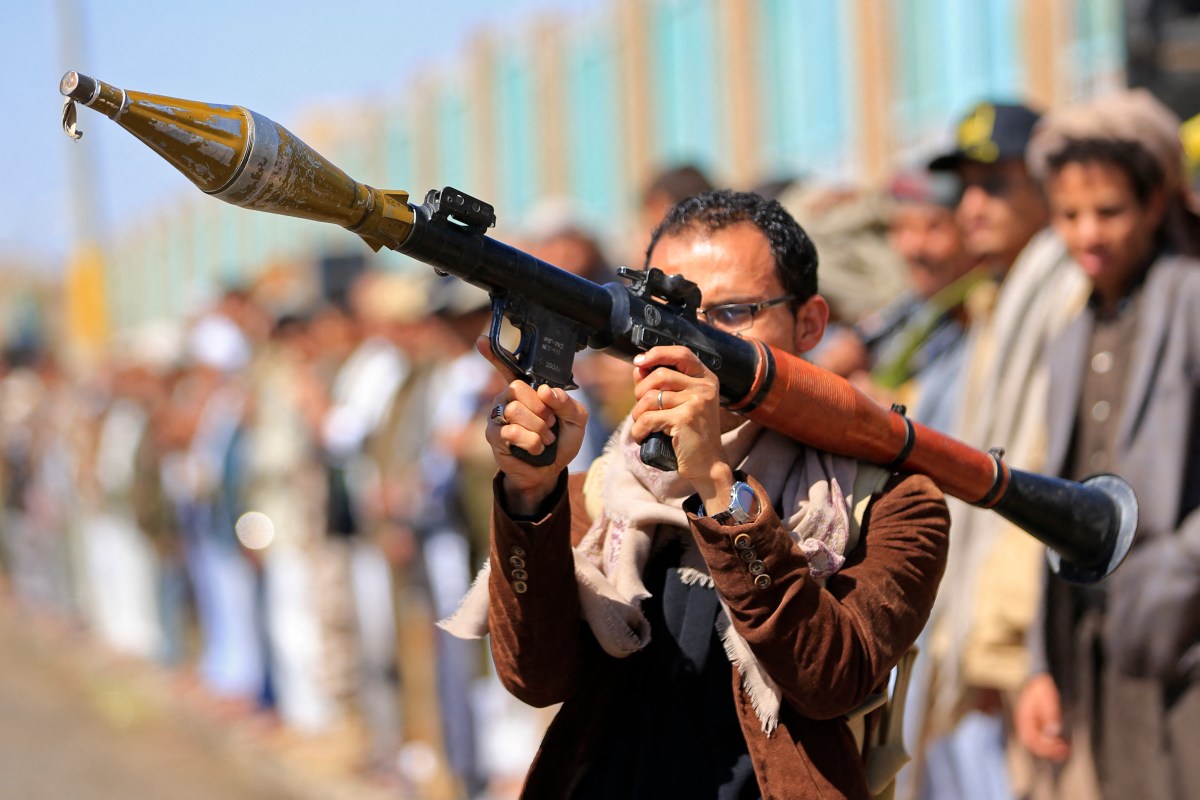
Russian attacks killed two people and wounded several others in Ukraine on Friday, continuing a series of strikes that have caused more than 50 deaths in three days. Ukraine is facing heavy bombardments targeting residential areas and critical infrastructure while both sides remain stuck in a prolonged conflict.
Key Facts
Two people were killed in Russian strikes on Ukraine's Zaporizhzhia and Ivano-Frankivsk regions on Friday.
Five people were wounded in Zaporizhzhia, including a child, from attacks on residential areas.
Russian strikes also hit warehouses in the Kyiv region’s Bucha district, injuring three people, with rescuers searching for a woman under rubble.
Ukrainian forces launched an attack on Russia’s Belgorod region, killing two and wounding 12.
Over 50 people have been killed in Russian attacks over the past three days using missiles and drones.
A Russian guided bomb killed 30 people near public buses in eastern Ukraine on Thursday.
President Volodymyr Zelenskyy warned of increased attacks as winter approaches and asked NATO for more defense support.
Ukrainian drone strikes damaged data centers owned by Russian tech company Yandex in Russia’s Kaluga and Ryazan regions.
Read the Original
Want the full story? Tap a source to open the original
article.
A man living as a popular chef in San Diego was arrested after U.S. Marshals identified him as a fugitive wanted for kidnapping in Iowa. He used the name Troy Williams but is actually 50-year-old Brian Anthony Williams.
Key Facts
The man worked as a chef at Miss B's Coconut Club in San Diego.
He went by the name Troy Williams while living there.
U.S. Marshals arrested him after discovering his real identity.
His true name is Brian Anthony Williams.
He is 50 years old.
He is wanted for a kidnapping case in Iowa.
The arrest happened on October 9, 2026.
Read the Original
Want the full story? Tap a source to open the original
article.
A Fort Hood shooting survivor, Alonzo Lunsford, supports executing the gunman, Nidal Hasan, by firing squad but objects to livestreaming the event. Hasan killed 13 soldiers in 2009, and the planned execution would be the first public military execution in the US in over 60 years.
Key Facts
Alonzo Lunsford, a former Army sergeant, was shot seven times during the Fort Hood shooting in 2009.
Nidal Hasan, an Army psychiatrist, killed 13 unarmed soldiers at Fort Hood.
Lunsford believes the firing squad is the right method of execution for Hasan and rejects methods like lethal injection.
Lunsford opposes publicly broadcasting the execution without censorship, worrying about its impact on younger viewers.
The Pentagon announced Hasan’s execution will be livestreamed, marking the potential first public military execution in nearly a century.
Lunsford plans to attend the execution in person and confront Hasan before it happens.
Lunsford has forgiven Hasan on religious grounds but feels Hasan showed no compassion during the attack.
Legal experts say livestreaming the execution may face court challenges and might not proceed as planned.
Read the Original
Want the full story? Tap a source to open the original
article.
Three safety researchers were fired by OpenAI and have published a letter challenging the company’s explanation, warning that their dismissal might make other employees afraid to speak about AI safety concerns. OpenAI says the researchers broke rules on handling sensitive information and denies the firing was linked to safety concerns.
Key Facts
The three fired researchers are Tomek Korbak, Jasmine Wang, and Mikita Balesni.
They sent an open letter to OpenAI’s safety and mission advisory groups expressing worry that their firing has caused fear among employees about discussing AI risks.
The researchers insist they were not responsible for a leaked AI project and denied inappropriate communication with outside groups.
Korbak said he was told verbally his firing related to how he communicated with an independent AI evaluation group called METR, which he said was part of his job.
Balesni said he believes they were fired for focusing on AI safety rather than OpenAI’s short-term business interests.
The letter urges that employees must be able to safely challenge decisions and that AI safety work needs clear rules and outside oversight.
OpenAI says a thorough investigation found policy violations and denies any firing due to safety discussions.
The researchers described an unprecedented incident involving OpenAI agents and external systems, noting that internal policies were being created at the time.
Read the Original
Want the full story? Tap a source to open the original
article.
The United States and its allies have mostly regained control over the Strait of Hormuz, a key waterway for global oil shipments, which Iran had threatened to block. However, Iran continues to attack ships in the area, making travel dangerous and costly, resulting in a long-term naval presence to protect oil traffic.
Key Facts
About 16.5 million barrels of crude oil per day left the Persian Gulf in September, matching levels before the war except for Iranian exports.
U.S. and allied forces have blocked Iranian oil exports through military and economic sanctions.
Iran has increased attacks on tankers in the Strait of Hormuz, the highest since the war began seven months ago.
Daily ship crossings have dropped from about 125 before the war to just seven recently due to security threats.
About 40% of Gulf crude now leaves via pipelines through Saudi Arabia and the United Arab Emirates, up from 17% before the conflict.
The U.S. started Project Freedom in May to escort commercial ships through the strait and keep oil flowing.
Iran’s continued attacks use drones, missiles, and proxies to harass and raise shipping costs without fully closing the waterway.
Maritime attacks caused injuries and forced some ships to turn back; the security threat is rated "severe" by the U.S.-led Joint Maritime Information Center.
Read the Original
Want the full story? Tap a source to open the original
article.
US Defence Secretary Pete Hegseth announced that the military execution of Nidal Malik Hasan, who committed a mass shooting at Fort Hood in 2009, will be livestreamed. This method of execution, firing squad, has not been used by the US military since 1961.
Key Facts
Nidal Malik Hasan was found guilty of the 2009 Fort Hood mass shooting in Texas.
The US military plans to execute him by firing squad.
US Defence Secretary Pete Hegseth said the execution will be public and livestreamed.
This would be the first military execution by firing squad since April 1961.
Hegseth stated the livestream aims to show serious consequences for such crimes.
The execution is part of the military justice system, separate from civilian courts.
The article also discusses other unrelated international news, but the primary focus is the military execution announcement.
Read the Original
Want the full story? Tap a source to open the original
article.
Wildfires have been burning in parts of Indonesia for several weeks. The fires produce heavy smoke, which spreads toxic haze across Indonesia and neighboring countries like Malaysia, Singapore, and the Philippines, making them hard to control.
Key Facts
The fires have lasted for weeks in Indonesia.
Smoke from the fires affects not only Indonesia but also nearby countries.
The smoke creates a thick, harmful haze called toxic smog.
The fires are difficult to put out because of certain factors explained by experts.
Peatlands, a type of wetland, play a role in the fires and smoke production.
The BBC’s Gavin Butler provided an explanation of why the fires are tough to control.
The issue is attracting international concern due to cross-border air pollution.
Read the Original
Want the full story? Tap a source to open the original
article.
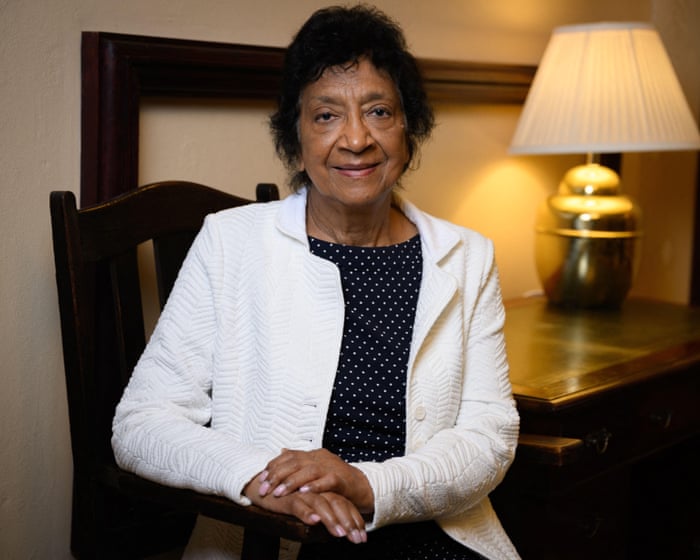
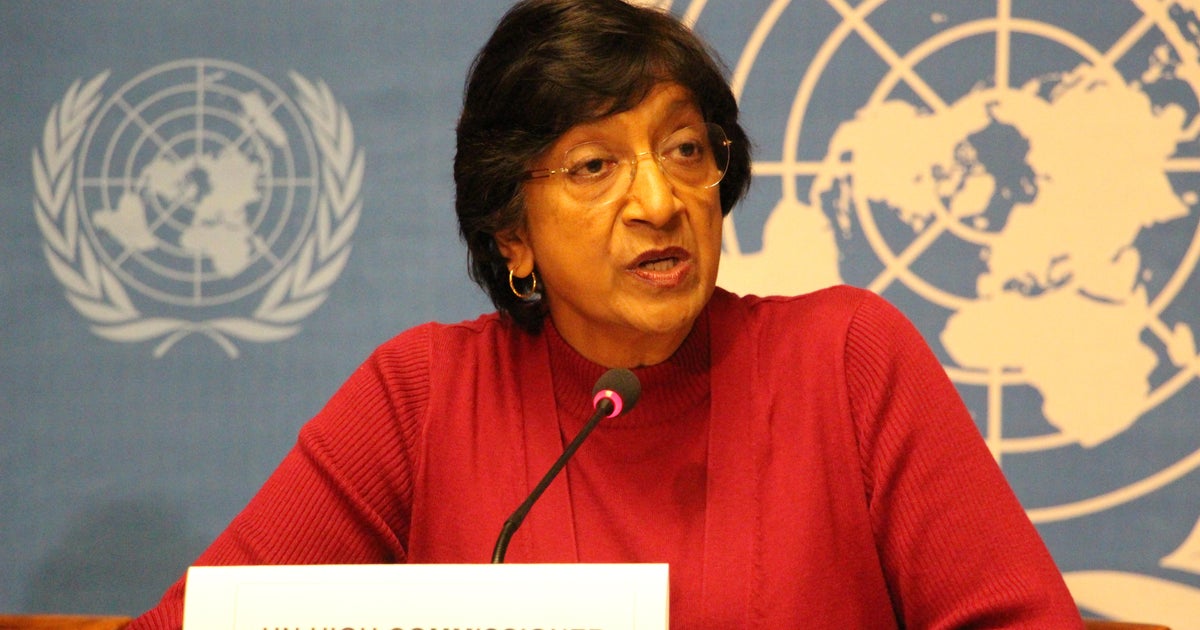
Navi Pillay, a judge on the International Court of Justice from South Africa, has won the Nobel Peace Prize for her work promoting peace and international law. She has defended human rights and served in important international legal cases, emphasizing the need for justice to help end conflicts.
Key Facts
Navi Pillay is 85 years old and a judge on the International Court of Justice.
She won the Nobel Peace Prize for promoting peace and upholding international law.
Pillay previously defended Nelson Mandela and fought against apartheid in South Africa.
She led a UN inquiry that found genocide was occurring in Gaza.
Pillay’s work supports holding war criminals accountable and providing justice for victims.
The Nobel Committee said international law is key to resolving conflicts without violence.
This year, the committee received 287 nominations for the Nobel Peace Prize.
The prize highlights the importance of human rights and peaceful conflict resolution worldwide.
Read the Original
Want the full story? Tap a source to open the original
article.
Three former OpenAI researchers said they were fired because they raised safety concerns about AI, not for mishandling information as the company stated. OpenAI insists they were let go due to a serious breach of trust and not for speaking out about safety issues.
Key Facts
Three ex-OpenAI researchers claim they were fired for prioritizing AI safety over company interests.
OpenAI says the researchers mishandled sensitive information against company rules.
OpenAI’s leaders say the firing was not because of safety concerns raised by the employees.
The former researchers worked in AI safety and alignment, which means making AI systems follow human values.
The ex-employees say their dismissal has made current workers afraid to raise safety concerns.
One former worker said they were fired after warning that AI systems were becoming harder to monitor for problems.
OpenAI plans to work with outside safety experts and will announce details soon.
The former staff warn that others could be fired if employees don’t stand up against such actions.
Read the Original
Want the full story? Tap a source to open the original
article.
The Nobel Peace Prize for 2026 was given to Navanethem "Navi" Pillay, a South African human rights expert and judge at the International Criminal Court (ICC). The prize highlights her work in promoting peace and international law, and it sends a message against efforts to weaken the ICC, which has faced criticism and sanctions from President Donald Trump's administration.
Key Facts
Navi Pillay is a South African human rights champion and an ICC judge.
She was awarded the Nobel Peace Prize for her efforts to promote peace and international law.
The ICC has been criticized and sanctioned by President Trump’s administration, especially after it issued an arrest warrant for Israeli Prime Minister Benjamin Netanyahu in 2024.
The Nobel Committee called the prize a message against those trying to undermine international justice.
Pillay is 85 years old and a former United Nations human rights chief.
The Nobel Committee received 287 nominations for the prize this year, with about a quarter being organizations.
This year marks the 125th anniversary of the Nobel Peace Prize.
The prize money for this year is about $1.2 million (12 million Swedish kronor).
Read the Original
Want the full story? Tap a source to open the original
article.
Top leaders at AI companies like Anthropic and OpenAI are planning for possible public backlash after a serious AI-related disaster, such as a cyberattack that disrupts essential services. They expect a major AI incident could lead to political pressure for regulation, but lawmaking may be slow and complicated.
Key Facts
AI companies are preparing for worst-case scenarios involving large-scale cyberattacks that could cut off financial services, power, water, or internet.
A major AI-related disaster is widely expected by many AI researchers and executives within the next six to twelve months.
Past cyberattacks, like those on South Korean banks involving AI-driven hacking, show how much damage one person can cause with AI tools.
The companies want to influence future AI laws, even though no significant regulation is likely to pass soon.
The U.S. Congress may struggle to create effective AI policies due to lack of knowledge and political divisions.
Some proposals include banning superintelligent AI and requiring a kill switch to stop AI systems in emergencies.
Experts question how practical or effective it is to shut down all AI during a crisis.
Although politics is divided, during major crises Washington has shown it can work together, as seen in the COVID-19 pandemic and 2008 financial crisis.
Read the Original
Want the full story? Tap a source to open the original
article.
Navi Pillay, a judge at the International Court of Justice, has won this year’s Nobel Peace Prize. The Nobel committee praised her work defending international law, especially related to the occupied Palestinian territories.
Key Facts
Navi Pillay is a judge at the International Court of Justice.
She has served as head of a United Nations inquiry into the occupied Palestinian territories.
The Nobel Peace Prize was awarded to her this year.
The Nobel committee described her as a strong defender of international legal principles.
Her work focuses on upholding international law and human rights.
Read the Original
Want the full story? Tap a source to open the original
article.
The Nobel Peace Prize for 2026 was awarded to Navanethem Pillay for her work promoting peace and international law. She has played a key role in prosecuting war crimes and strengthening global legal institutions.
Key Facts
Navanethem Pillay won the 2026 Nobel Peace Prize.
She was recognized for promoting peace through international law.
Pillay has helped prosecute war crimes, crimes against humanity, and genocide.
She has served as a judge in South Africa, the International Criminal Tribunal for Rwanda, the International Criminal Court, and the International Court of Justice.
Pillay was the United Nations High Commissioner for Human Rights.
She currently works on a case against Myanmar for genocide.
Born in 1941 in South Africa, she fought against apartheid early in her career.
She holds advanced law degrees from Harvard University.
Read the Original
Want the full story? Tap a source to open the original
article.
The U.S. government paused Microsoft and other tech companies from using a program that helps them sponsor foreign workers for green cards, citing concerns about hiring practices. On the same day, President Donald Trump honored Microsoft’s CEO and other immigrant tech leaders with medals for their contributions to innovation.
Key Facts
The Trump administration suspended Microsoft, Adobe, and six other IT firms from the Permanent Employment Program (Perm), which helps employers sponsor workers for green cards.
The government accused these companies of hiring foreign workers at lower wages, replacing American workers.
Microsoft CEO Satya Nadella and several other immigrant tech leaders received the National Medal of Technology and Innovation from President Trump.
Vice President Vance said the administration wants companies to succeed by hiring and empowering American workers.
Microsoft stated most of its Perm applications were for current employees and that it pays high wages to H-1B workers.
The Labor Department will not take new Perm applications from the listed companies or process pending ones.
The Perm program is important for foreign workers seeking permanent residency in the U.S., and restrictions could reduce the number of skilled workers coming to the country.
The controversy occurs amid ongoing efforts by the administration to limit H-1B visa use, including a previously introduced $100,000 fee on such visas.
Read the Original
Want the full story? Tap a source to open the original
article.
Sunrise alarm clocks gradually increase light to simulate a natural sunrise and help people wake up more easily, especially during dark winter mornings. A tester tried 10 different sunrise alarms from various brands, rating them on brightness, sound, and features, and recommends eight models that improve the wake-up experience.
Key Facts
Sunrise alarm clocks work by gradually increasing light to help reset the body’s internal clock.
Some models are certified as light-therapy devices for conditions like seasonal affective disorder (SAD).
The reviewer tested devices from Lumie, Beurer, Philips, Dreamegg, Blueair, and Lexon over multiple nights.
The Lumie Bodyclock Glow 150 was rated the best overall sunrise alarm clock.
Prices for recommended models range from about £40 to £182.
Devices have features like sundown lighting, multiple alarm sounds, app control, and mood light settings.
The reviewer found sunrise alarms improved morning alertness and recommend them especially to those who find mornings difficult.
Some tested devices were donated to charity after review instead of being returned.
Read the Original
Want the full story? Tap a source to open the original
article.
Thieves stole 30,000 bottles of wine worth about €5 million from the Italian winery Marchesi Antinori in Tuscany. The theft happened on a Saturday when the company was preparing to ship wine abroad, and the crime was only discovered on Monday morning.
Key Facts
Marchesi Antinori is a large, family-owned Italian winery founded in 1385.
The stolen wine included prized Tuscan reds like Tignanello, Solaia, and Guado al Tasso.
At least seven masked thieves broke in, turned off alarms, disabled cameras, and used forklifts to load two trucks.
The stolen bottles usually sell for between €150 and €500 each.
No arrests have been made so far.
The company hopes security cameras on Tuscan roads will help track the trucks.
Marchesi Antinori exports wine to 170 countries and had revenue of €263 million last year.
Several wine thefts have happened recently in Italy, including in the Piedmont region.
Read the Original
Want the full story? Tap a source to open the original
article.
The Norwegian Nobel Committee awarded the 2026 Nobel Peace Prize to Navi Pillay for her work promoting peace and international law. She has helped prosecute serious crimes like war crimes and genocide and has served in key international legal roles.
Key Facts
Navi Pillay is a South African judge of Indian Tamil origin.
She helped prosecute war crimes, crimes against humanity, and genocide.
Pillay defended Nelson Mandela and other anti-apartheid activists.
She served on the International Criminal Tribunal for Rwanda and the International Criminal Court.
Pillay was the United Nations High Commissioner for Human Rights.
She currently serves on the International Court of Justice in a genocide case against Myanmar.
The Nobel Committee received 287 nominations this year.
Other nominees included the International Space Station and emergency teams in Sudan.
Read the Original
Want the full story? Tap a source to open the original
article.
A federal judge blocked a Department of Homeland Security (DHS) policy that stopped collecting fingerprint and background checks from detained immigrants applying for visas or legal status. The judge ruled the DHS did not properly explain the decision and the policy could unfairly prevent eligible immigrants from getting legal protections.
Key Facts
The DHS policy started in December 2025 and stopped collecting biometric data (fingerprints, photos) from detained immigrants with pending immigration applications.
Biometric data is needed to verify identities and complete background checks for immigration benefits.
Immigration and Customs Enforcement (ICE) no longer helped detained immigrants complete these requirements or bring them to appointments.
USCIS could deny an application if the immigrant missed appointments, even if detention prevented attendance.
Six detained immigrants, including survivors of abuse and trafficking, sued DHS, saying the policy blocked legal immigration chances and broke federal law.
Judge Amir H. Ali said DHS did not properly consider the consequences and the policy was likely "arbitrary and capricious."
The judge noted biometric checks help stop fraud, questioning the government’s claim that the policy would reduce false applications.
The ruling temporarily restores the old biometric collection process while the lawsuit is ongoing.
Read the Original
Want the full story? Tap a source to open the original
article.
Navanethem ‘Navi’ Pillay from South Africa won the 2026 Nobel Peace Prize for her work promoting peace and international law. The Nobel Committee highlighted the importance of international law to solve conflicts without violence and hold war criminals accountable.
Key Facts
Navanethem ‘Navi’ Pillay is 85 years old and was born in South Africa.
She previously served as the UN human rights chief and was a judge at the International Court of Justice.
The Nobel Peace Prize was announced in Oslo, Norway, by the Norwegian Nobel Committee.
The committee received nominations of 287 candidates this year, including more than 25% organizations.
The prize money is 12 million Swedish kronor, about $1.2 million.
The Nobel Peace Prize has been awarded since 1901 and this year marks its 125th anniversary.
The committee said international law is key to ending wars and ensuring justice for victims and war criminals.
Other 2026 Nobel Prizes were awarded in medicine, physics, chemistry, and literature.
Read the Original
Want the full story? Tap a source to open the original
article.
French basketball player Victor Wembanyama expressed support for French teenagers protesting poor conditions in schools. Thousands of people took part in protests across France, including a large march in Paris focused on school inequalities and low public funding.
Key Facts
Victor Wembanyama, a basketball star, supports French students protesting school conditions.
About 71,500 people joined protests on Thursday, including 24,500 in Paris.
The protests are about deep, ongoing problems in schools, like teacher absences and poor buildings.
The demonstrations started in poorer suburbs of Paris and spread nationwide.
Wembanyama said he understands the students because he was in similar situations not long ago.
He attended high school in Nanterre, a place known for student-led school blockades.
The protests reflect wider concerns about inequality and low government spending on education.
Wembanyama hopes more people will support the students speaking out.
Read the Original
Want the full story? Tap a source to open the original
article.