Neutral summaries of your favorite news sources — just the facts.
Your favorite news sources, one neutral feed — we distill their reporting into fact-first
summaries and always link to the original story. How it works
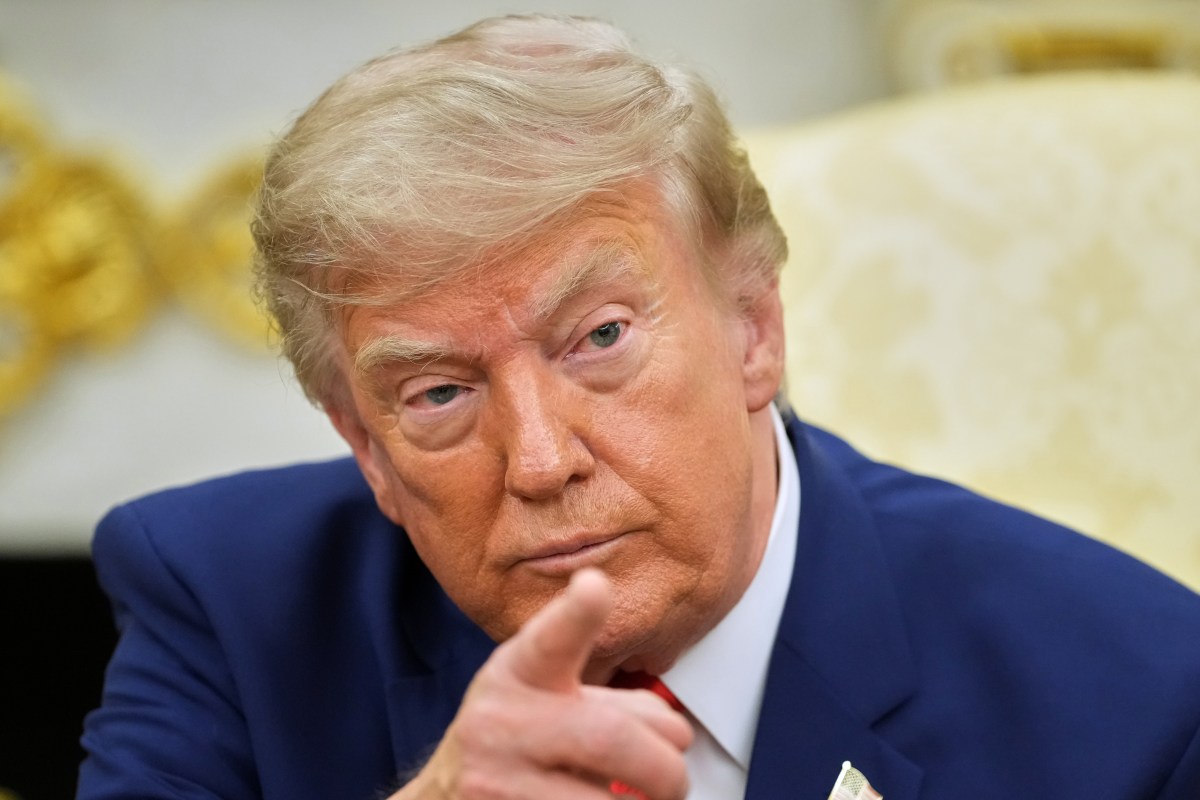
President Donald Trump compared the deaths of U.S. service members in the Iran conflict to the death tolls of past U.S. wars. His comments came after 18 soldiers died in about four months in Iran, and sparked criticism from some public figures.
Key Facts
President Trump posted on Truth Social comparing death tolls from the Iran conflict and Venezuela to wars in Afghanistan, Iraq, Vietnam, and Korea.
The Iran conflict has lasted about 145 days with 18 U.S. service members killed.
The Afghanistan War lasted 20 years with 2,000 U.S. deaths; the Iraq War lasted 9 years with 4,600 deaths.
The Vietnam War lasted over 19 years with 58,220 U.S. deaths, and the Korean War lasted just over 3 years with 36,574 deaths.
President Trump’s post appeared to defend his record on military conflicts abroad.
Some critics, including Marjorie Taylor Greene and California Governor Gavin Newsom, said Trump was disrespectful to the soldiers who died.
The Iran conflict started on February 28 when the U.S. and Israel launched joint strikes on Iran.
The story is ongoing and may be updated with new information.
Read the Original
Want the full story? Tap a source to open the original
article.
US Secretary of State Marco Rubio warned that if Iran is allowed to control the Strait of Hormuz and charge ships a fee, it would create a risky situation. He said this could lead to serious problems not only in the Middle East but around the world.
Key Facts
Marco Rubio is the US Secretary of State.
The Strait of Hormuz is a key waterway used for global shipping.
Iran wants to control the Strait and charge fees to ships passing through.
Rubio called this move a "dangerous precedent."
He believes this could cause problems beyond the Middle East region.
The Strait of Hormuz is important for transporting oil and other goods.
Controlling such a key route can affect global trade and security.
Read the Original
Want the full story? Tap a source to open the original
article.
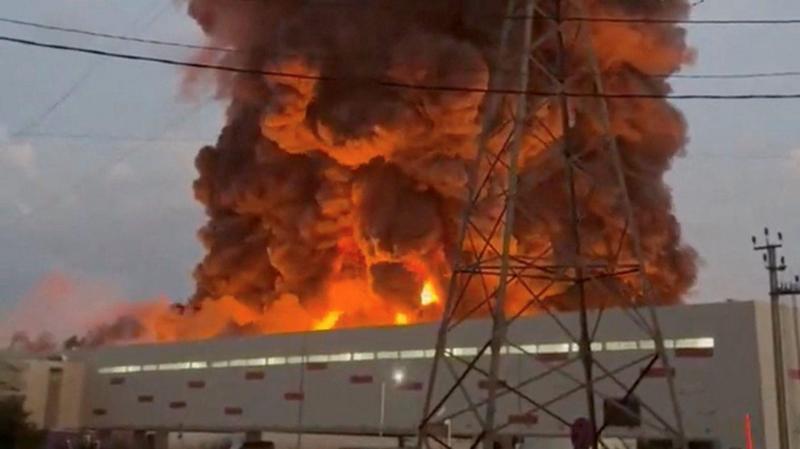
Ukrainian drones have again attacked warehouses of Russia's largest online retailer, Wildberries, injuring 10 people. Ukraine says these warehouses are used to supply parts for Russian drones and military equipment.
Key Facts
Ukrainian drones struck Wildberries warehouses in Krasnodar and Stavropol overnight.
10 people were injured and workers had to be evacuated.
This is the second attack in four days; previous strikes hit warehouses in Tambov and Elektrostal, killing 8 and injuring 62.
Ukraine claims these warehouses supply components for Russian drones and navigation gear.
Wildberries owner Tatyana Kim expressed sadness over the attacks but emphasized continuing work.
Ukrainian officials say the strikes aim to disrupt Russia’s military supply chain and logistics.
Such attacks may affect the Russian economy and public support for the war.
Wildberries’ website has reportedly been used by Russian volunteers to buy military gear.
Read the Original
Want the full story? Tap a source to open the original
article.
Japan experienced its first day with temperatures reaching 40°C (104°F), a level called "kokushobi" or "cruelly hot day" by the Japanese weather agency. The heat is expected to continue, and authorities have issued warnings to help people stay safe from heatstroke.
Key Facts
"Kokushobi" means a day when temperatures reach 40°C or higher.
Temperatures hit this level on Tuesday in Tajimi, Gujo, and Toyoda cities.
Nearly 300 of Japan’s 914 weather stations recorded temperatures over 35°C on that day.
Heatstroke alerts were issued in more than 40 prefectures.
Tokyo hospitals treated 287 people for heatstroke on Tuesday, the highest number this year.
The Tokyo Fire Department warned about ambulance overload and advised heat precautions.
Japan’s summers are getting hotter; last year, 1,803 people suffered heatstroke at work and 19 died.
Tokyo officials suggest office workers wear cooler clothing like T-shirts and shorts to cope with the heat.
Read the Original
Want the full story? Tap a source to open the original
article.
Prince George will turn 13 on July 22 and will soon start boarding school at Eton College in September. This change marks a key step in his education, moving from preparatory school to one of the United Kingdom’s most famous fee-paying boarding schools.
Key Facts
Prince George’s time at Lambrook School ended on July 4.
He officially starts at Eton College in early September, when the new school term begins.
Preparatory school usually ends at age 13, after which students continue their education at boarding schools like Eton.
Eton College is a selective boarding school where boys live on campus during term time until age 18.
George celebrated his 12th birthday with an official portrait and family video.
Over the summer, George stayed out of public view, a royal family tradition during their break at Balmoral Castle in Scotland.
He appeared at key public events last year, including the Festival of Remembrance and his mother’s Christmas carol service.
Starting at Eton is a major transition that has been described as both exciting and challenging.
Read the Original
Want the full story? Tap a source to open the original
article.
The Apollo Gallery at the Louvre Museum in Paris, where a major jewelry theft happened in October 2025, will reopen to visitors on Wednesday. The valuable jewels stolen remain missing, and no jewelry will be shown in the gallery as it returns to its original 17th-century role as a state gallery.
Key Facts
The Apollo Gallery was the site of a jewelry heist in October 2025.
Jewelry worth 88 million euros was stolen from the gallery.
The gallery will reopen without any jewels on display.
The gallery will return to its historical use as a state gallery from the 1600s.
The Louvre plans to build a new secure vault elsewhere in the museum for remaining precious items.
The theft exposed serious security problems at the Louvre, the world’s most visited museum.
Following the heist, the Louvre’s president was replaced.
The museum is visited by about nine million people each year.
Read the Original
Want the full story? Tap a source to open the original
article.
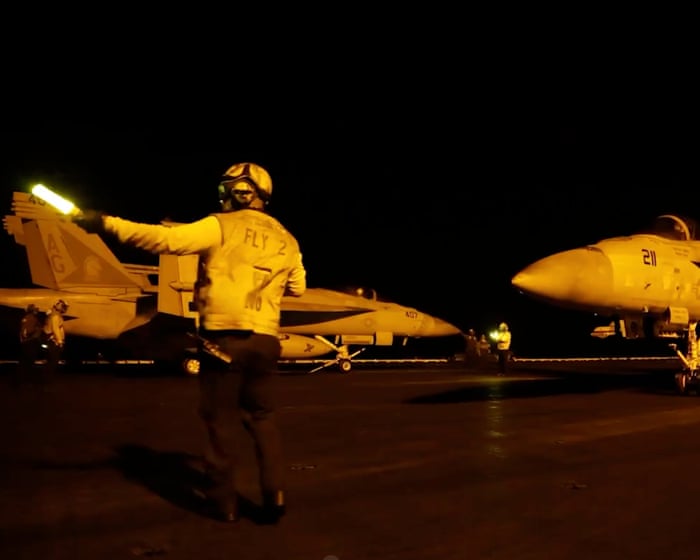
The US military has carried out 11 nights of air strikes against Iran, targeting military sites amid ongoing conflict. President Donald Trump warned of intensified attacks, including plans to hit an underground nuclear facility known as Pickaxe Mountain. Meanwhile, Yemen’s Iran-backed Houthis declared a naval blockade on Saudi Arabia, worsening tensions in the region.
Key Facts
The US completed its 11th consecutive night of strikes on Iran, focusing on aircraft hangars and drone storage sites.
President Trump threatened to heavily target Pickaxe Mountain, an underground nuclear site in Iran.
Iran’s military sees an attack on Pickaxe Mountain as a major escalation.
Yemen’s Iran-aligned Houthis announced a naval blockade on Saudi Arabia at the Red Sea coast.
Saudi Arabia depends on a pipeline to the Red Sea to export oil due to a blockade in the Strait of Hormuz.
Iran’s interior minister Eskandar Momeni visited Pakistan, which is acting as a mediator in the conflict.
The US war in Iran has cost about $37.5 billion and resulted in more than 500 wounded US personnel.
Oil prices rose, with Brent crude reaching over $92 per barrel amid the conflict.
Read the Original
Want the full story? Tap a source to open the original
article.
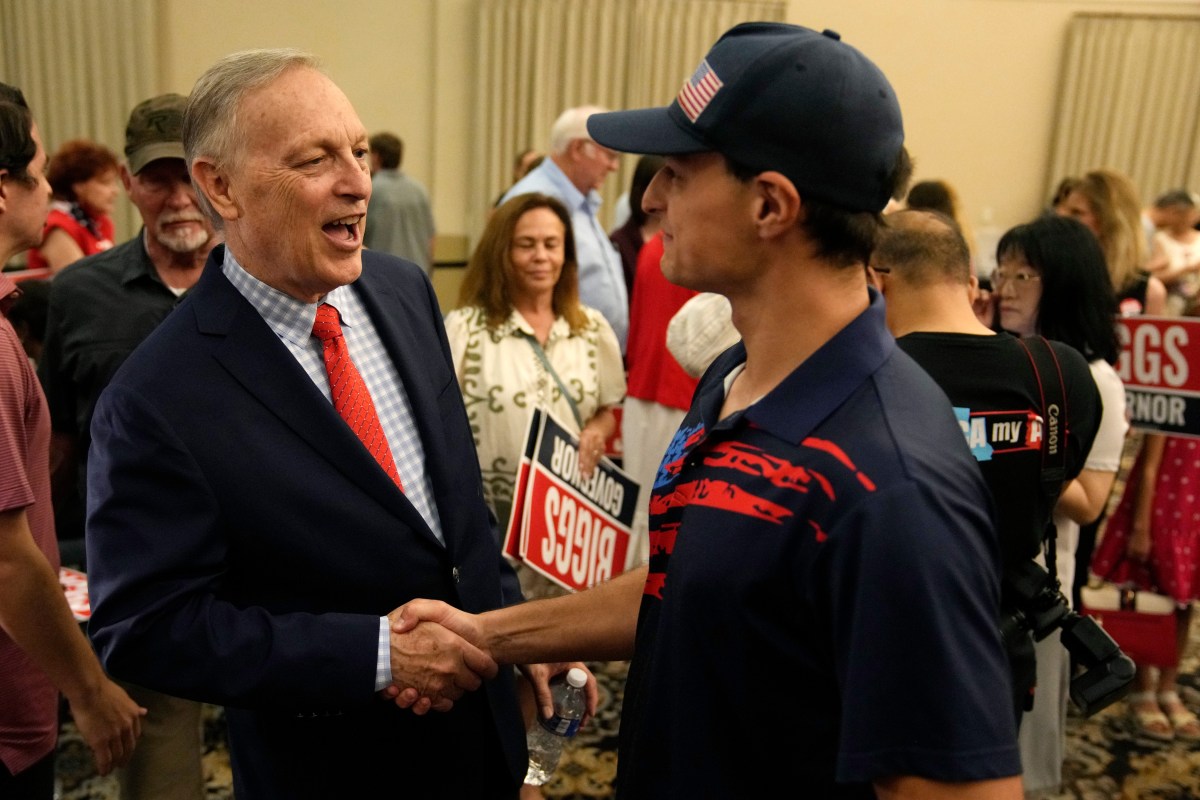
Republican candidates endorsed by President Donald Trump won several key primary races in Arizona ahead of the November midterm elections. These victories include Andy Biggs winning the governor primary and other Trump-backed Republicans securing important congressional seats.
Key Facts
Andy Biggs, supported by President Trump, won the Republican primary for Arizona governor.
Biggs will run against current Democratic Governor Katie Hobbs in the November election.
Jay Feely, an ex-NFL player, won the Republican primary for Arizona’s 1st Congressional District.
Feely’s win helps Republicans compete for control of the U.S. House of Representatives.
Pinal County Sheriff Mark Lamb, also endorsed by Trump, won the primary for Arizona’s 5th Congressional District.
Lamb faced allegations of misconduct but was cleared by a county attorney; Trump continued to support him.
Republican Juan Ciscomani, endorsed by Trump, won the nomination for a third term in Arizona’s 6th Congressional District.
The Arizona congressional races where these candidates compete are considered competitive and important for control of Congress.
Read the Original
Want the full story? Tap a source to open the original
article.
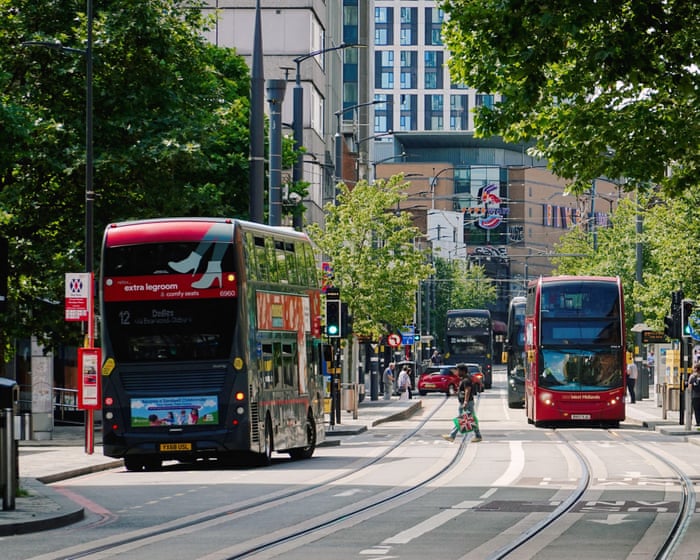
England will cap single bus fares at £2 starting in January, reducing costs for millions of passengers outside London. The government is providing £454 million in funding to support this change, aiming to make travel more affordable and help with living costs.
Key Facts
Single bus fares across England (except London) will be limited to £2 from January.
The current national cap is £3 per single bus fare until March 2027.
Some areas like London and Greater Manchester already have a £2 fare cap.
The £2 fare cap will last through 2027.
The funding includes £454 million, part of which comes from changing international climate finance investments to loans.
The total cost of the scheme is expected to be over £500 million, with additional money from the Department for Transport.
This measure reverses a fare increase introduced in 2024 under the Labour government.
Officials say the fare cap will ease the cost of living without increasing taxes.
Read the Original
Want the full story? Tap a source to open the original
article.
Pakistan-administered Kashmir is preparing for regional elections amid recent protests and violence. The election dates have been spread out over several days due to security concerns related to ongoing unrest, especially in the Poonch area.
Key Facts
Pakistan-administered Kashmir is holding elections for its provincial legislature after weeks of protests and violence.
The election schedule was changed so different areas vote on different days: Mirpur on July 27, Muzaffarabad and refugee seats on August 2, and Poonch on August 10.
Protests are focused on removing reserved seats in the legislature for refugees from Indian-administered Kashmir.
The Jammu Kashmir Joint Awami Action Committee (JAAC), a protest group, was banned in June.
Residents are divided: some support the protests but are reluctant to vote because they see candidates as corrupt.
Pakistan-administered Kashmir has a semi-autonomous government with its own president, prime minister, and Supreme Court.
The Kashmir region is disputed territory claimed by both Pakistan and India with a history of conflict.
The election campaign displays flags of major Pakistani political parties like Pakistan Muslim League-Nawaz and Pakistan Peoples Party.
Read the Original
Want the full story? Tap a source to open the original
article.
The UK inflation rate dropped to 2.6% in the year ending June, mainly because fuel prices went down. Food prices also decreased, especially for items like chocolate, beef, and margarine.
Key Facts
Inflation in the UK slowed from 2.8% in May to 2.6% in June.
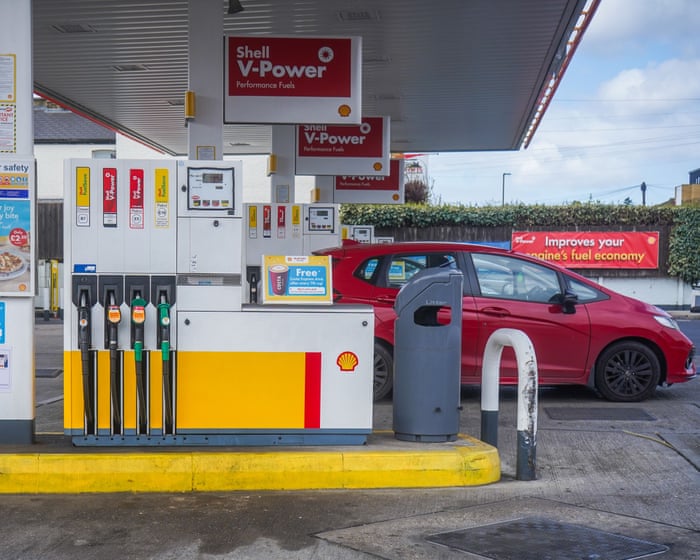
Lower fuel prices, especially diesel, contributed to the drop in inflation.
Food prices fell for products including chocolate, beef, and margarine.
The data comes from the Office for National Statistics (ONS).
The ONS chief economist, Grant Fitzner, noted fuel price drops helped reduce inflation.
Related issues include household struggles to afford essentials and planned VAT cuts on electricity bills.
The report was published recently and reflects economic changes affecting everyday costs.
Read the Original
Want the full story? Tap a source to open the original
article.
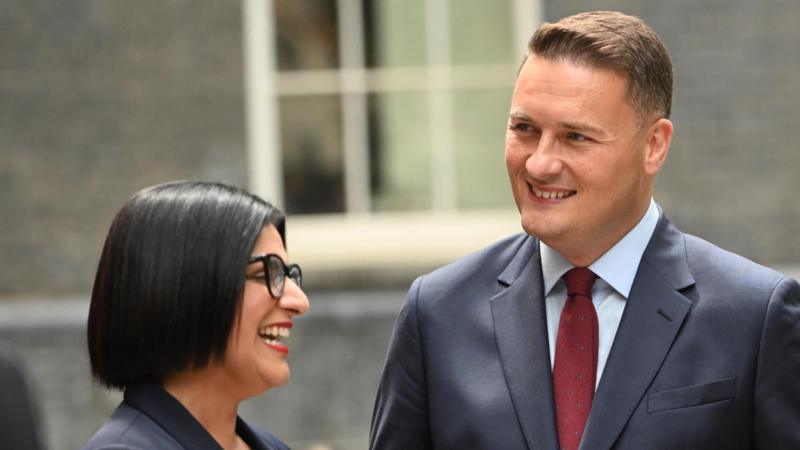
Wes Streeting and Shabana Mahmood were recorded making joking comments about a government plan to release some prisoners early. Both politicians apologized, saying their remarks were made without bad intentions and that they take the issue seriously.
Key Facts
Wes Streeting is the new defence secretary.
Shabana Mahmood is the home secretary.
A video captured them joking about the early prisoner release scheme.
They referred to Alex Norris, the new justice secretary, as “the enemy now” jokingly.
Their comments were criticized by Conservative leader Kemi Badenoch.
Both Streeting and Mahmood apologized for the comments.
They said the early release plan is a serious matter.
Streeting said the joke was a reference to an old joke and not meant to offend.
Read the Original
Want the full story? Tap a source to open the original
article.
UK inflation fell to 2.6% in June, lower than expected, helping the new Prime Minister Andy Burnham’s plans to reduce living costs. Prices dropped mainly due to cheaper fuel and lower clothing and food costs, while the government announced new measures like cutting VAT on electricity bills and capping bus fares to help households.
Key Facts
UK inflation dropped to 2.6% in June from 2.8% in May.
Prices of fuel, especially diesel, decreased, influenced by a temporary peace in the Middle East.
Clothing and food prices fell due to summer sales and specific product discounts.
The Office for National Statistics reported a slowdown in the rise of production costs.
The government introduced a winter VAT holiday for electricity bills and a £2 cap on bus fares starting January.
The Bank of England may reconsider raising interest rates due to lower inflation but remains cautious because of recent events in the Middle East.
Economic experts say the fall in inflation supports the government’s efforts to ease the cost of living crisis.
Rising oil prices from Middle East tensions could affect future inflation and economic plans.
Read the Original
Want the full story? Tap a source to open the original
article.
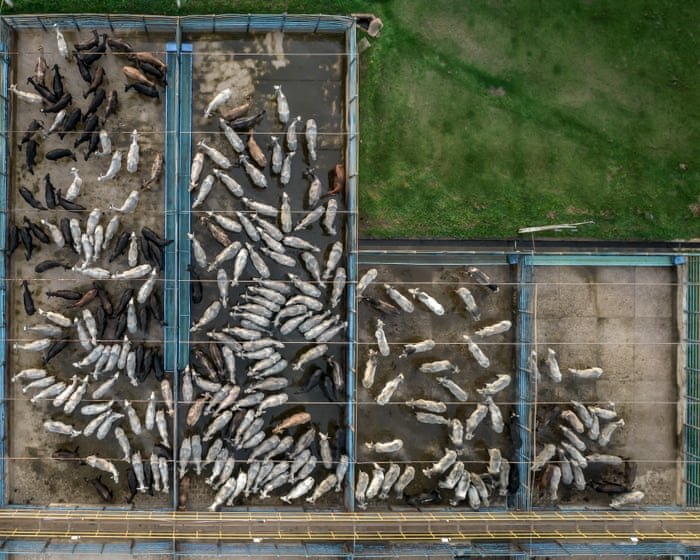
The world’s largest meat company, JBS, is facing a legal challenge in the Netherlands to disclose how its $6 billion global expansion plan fits with environmental and human rights responsibilities. Greenpeace has filed a petition asking Dutch courts to check if JBS is following local laws and its own promises related to climate and social care.
Key Facts
JBS plans to spend $6 billion on expanding its meat business worldwide, including $2.5 billion to build six large meat plants in Nigeria.
Greenpeace seeks information to verify if JBS complies with Dutch laws on “duty of care” and its publicly stated environmental and social commitments.
The legal case is the first of its kind targeting a meat company’s climate and social responsibilities, similar to recent lawsuits against fossil fuel firms.
Critics worry JBS’s expansion could harm small farmers, food security, land use, and increase methane emissions, a potent greenhouse gas.
JBS moved its headquarters to the Netherlands in 2023 to access global financial markets and better raise capital.
Greenpeace and other groups say JBS must follow stricter Dutch rules on transparency and corporate responsibility.
The lawsuit reflects concerns over JBS’s history of not fully meeting its sustainability promises, especially in Brazil.
Environmental groups hope the case will set a new legal standard for holding agriculture companies accountable for climate impacts.
Read the Original
Want the full story? Tap a source to open the original
article.
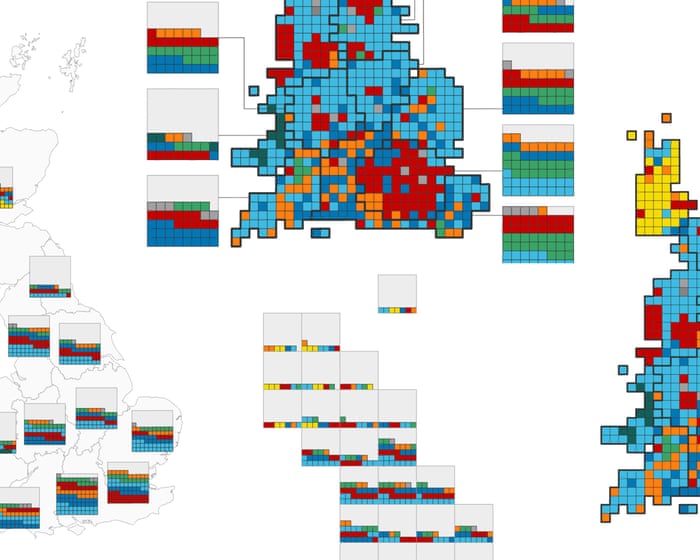
New research shows that different voting systems in the UK would produce very different results in Parliament based on current polls. Proportional representation systems would create a more balanced Parliament, with coalitions likely needed to form a government, unlike the current first past the post system which can give strong advantages to certain parties.
Key Facts
The current UK system, first past the post (FPTP), tends to give large seat advantages to some parties, like Reform UK potentially nearly winning a majority with 28% of the vote.
Proportional representation (PR) systems aim to match the number of seats a party gets more closely to its share of the vote.
Three PR systems were modeled: regional party list, single transferable vote (STV), and additional member system (AMS).
Under all PR systems modeled, no single party would have a majority based on current polling.
PR systems would lead to coalition governments, often involving Labour, Liberal Democrats, Greens, SNP, or Plaid Cymru.
In some areas like the north-east, Reform UK’s seat share would drop dramatically under PR systems.
The Greens would gain seats under PR, going from zero under FPTP to several seats under other systems.
Public support for changing to proportional representation has increased in the UK, and some political leaders, including incoming Prime Minister Andy Burnham, have expressed support for it.
Read the Original
Want the full story? Tap a source to open the original
article.
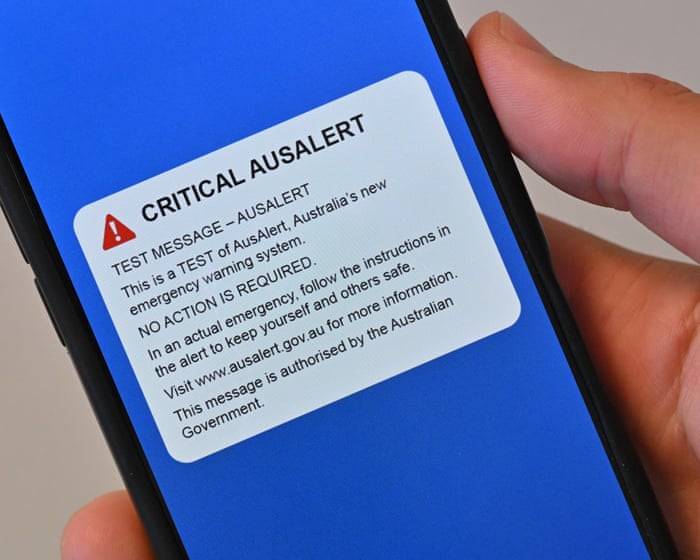
Australia will test a new emergency alert system called AusAlert on Monday at 2 pm AEST, which will send a loud siren and notification to most modern phones and some smart devices. People with hidden "safe phones" used for personal safety, such as domestic violence survivors, are advised to turn their devices off for up to 24 hours to avoid unwanted exposure.
Key Facts
The test will send an unsilenceable siren lasting 10 seconds to most phones, smartwatches, and tablets in Australia.
AusAlert was created following recommendations from a royal commission into the 2019-2020 bushfires to improve national emergency warnings.
The system is designed to be more reliable than the existing SMS-based alerts.
AusAlert currently works on iPhones 11 and newer with iOS 16.4 or later, certain Apple Watches, and Android devices running Android 12 or later.
Older phones, landlines, and satellite-connected devices may not receive alerts during this test.
The government plans to add voice alerts for landlines and keep the old Emergency Alert system running alongside AusAlert during the high-risk weather season.
The alert siren will sound even if phones are on silent or do not disturb mode.
Family violence and safety groups have advised people with hidden “safe phones” to turn them off or use airplane mode for 24 hours after the test to avoid risk.
Read the Original
Want the full story? Tap a source to open the original
article.
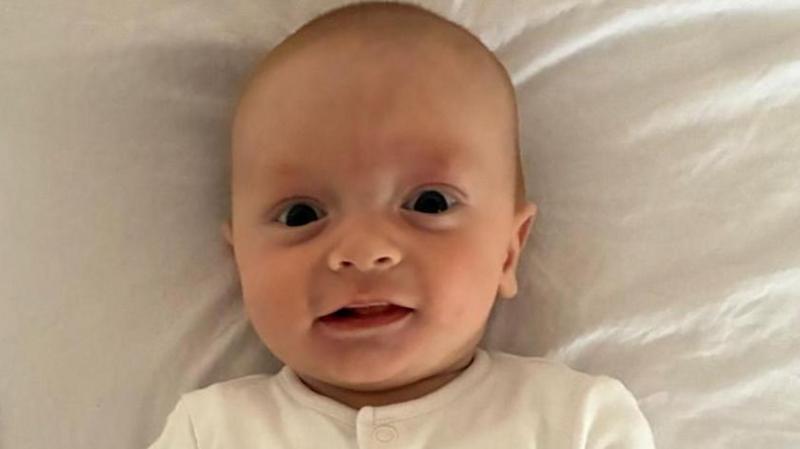
A three-month-old baby named Macs, who has a serious heart condition, needs a special device called a Berlin heart to survive. His family says he has been stuck in a hospital waiting for a transfer to one of two specialist hospitals in the UK, but no beds are available. The hospital authorities say they are managing care carefully and funding is in place, but treatment depends on bed availability and clinical decisions.
Key Facts
Macs is a three-month-old baby diagnosed with dilated cardiomyopathy, a heart problem that can cause heart failure.
He is currently on a machine that pumps his heart and is in an induced coma while waiting for a hospital transfer.
Macs urgently needs a Berlin heart, a device that supports heart function until a donor heart is available.
Only two UK hospitals can fit the Berlin heart: Great Ormond Street Hospital in London and Freeman Hospital in Newcastle.
Macs has been waiting for weeks in a specialist unit in Bristol, but no beds in the specialist hospitals are free.
NHS Blood and Transplant data show fewer than five children in Wales and England currently use the Berlin heart.
Only 2% of deceased organ donors in the UK are under 18, making child organ donations rare.
Hospital officials say care is focused on Macs, with treatment access decided through clinical assessment and UK-wide bed management.
Read the Original
Want the full story? Tap a source to open the original
article.
Arizona voters chose candidates for important races, including governor, in the primary election. Democratic Governor Katie Hobbs will face Republican Representative Andy Biggs, who has support from President Donald Trump, in the November election.
Key Facts
Arizona held primary elections with many competitive races.
Governor Katie Hobbs is a Democrat running for re-election.
Hobbs is seen as the most at-risk incumbent governor this election cycle.
Andy Biggs, a Republican and member of the House Freedom Caucus, won the primary to challenge Hobbs.
President Donald Trump supports Andy Biggs.
Democrats currently hold the governor’s office, attorney general, and secretary of state positions in Arizona.
Republicans aim to regain control of Arizona’s executive branch in the fall election.
Read the Original
Want the full story? Tap a source to open the original
article.
The United States, under President Donald Trump, has been conducting military attacks on Iran for eleven nights, aiming to control the Strait of Hormuz, a vital oil shipping route. The conflict began with hopes of regime change in Iran but has shifted to reopening the strait amid ongoing violence and tensions in the region.
Key Facts
President Trump ordered strikes on Iran starting February 28, partnering with Israeli Prime Minister Benjamin Netanyahu.
The strikes targeted aircraft hangars and drone storage sites in Iran.
Iran responded with attacks on US air bases and nearby Gulf countries.
The Strait of Hormuz is a key route for about 20% of the world’s oil.
The initial goal of "Operation Epic Fury" was regime change in Iran but has now focused on reopening the strait.
US Defense Secretary Pete Hegseth reported the war has cost $37.5 billion and resulted in American service member deaths.
Experts say President Trump underestimated Iran’s ability to withstand military pressure.
The conflict has caused delays in shipments of oil, gas, and fertilizer through the strait.
Read the Original
Want the full story? Tap a source to open the original
article.
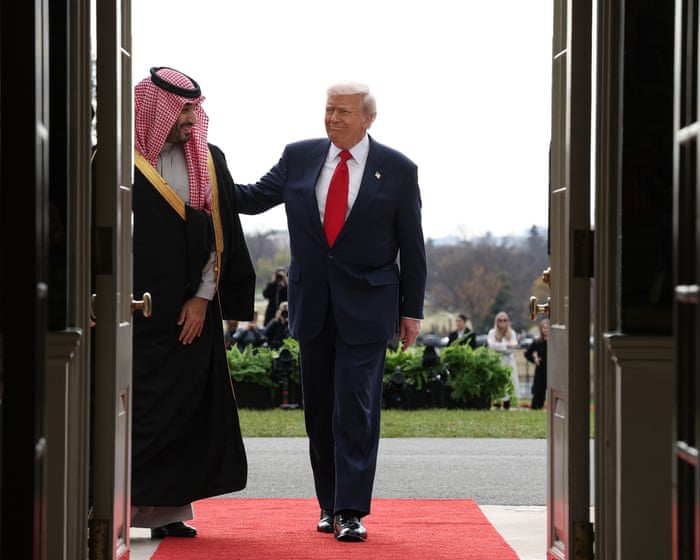
President Donald Trump has approved a deal that may allow Saudi Arabia to enrich uranium for its civilian nuclear program. The agreement could last 30 years and involve U.S. companies, but it is likely to face scrutiny from U.S. lawmakers concerned about nuclear weapons risks.
Key Facts
The deal would give Saudi Arabia uranium enrichment capabilities for peaceful nuclear energy.
It may be officially announced soon and will last about 30 years.
U.S. companies are expected to help develop Saudi Arabia’s nuclear program.
The agreement may not include extra monitoring by the International Atomic Energy Agency (IAEA).
Some U.S. lawmakers worry the deal could lead to nuclear weapons development.
The deal comes amid tensions with Iran, which also enriches uranium and is suspected of pursuing nuclear weapons.
Saudi Arabia has not ruled out developing nuclear weapons if Iran gets one.
Saudi Arabia has a defense pact with Pakistan, a nuclear-armed country, raising regional security concerns.
Read the Original
Want the full story? Tap a source to open the original
article.