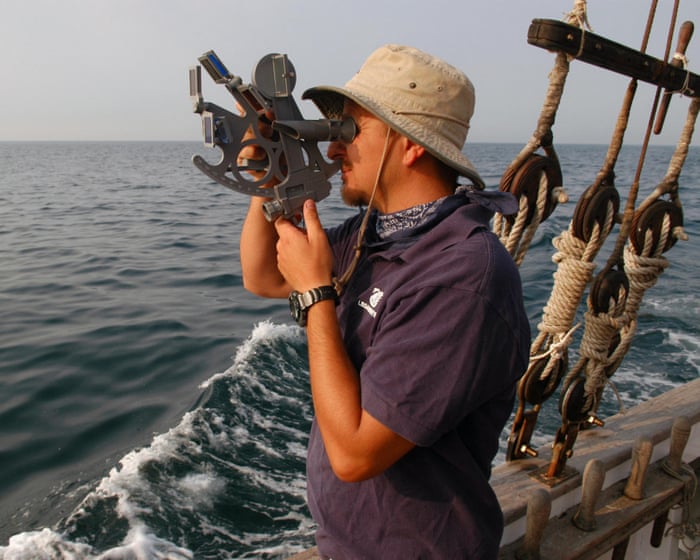
How will Australia’s emergency services cope if satellites go down? With a sextant and a street directory
Summary
Australia’s emergency services and military are training to navigate without satellite support, using paper maps and star navigation, in case satellite systems fail. Experts warn that many Australians do not realize how much daily life depends on satellites, which are vulnerable to attacks or solar storms.Key Facts
- Australia’s emergency and military personnel are learning to use paper maps, street directories, and celestial navigation.
- A panel at the Australian space forum discussed the risks of losing satellite services like GPS and secure communications.
- Satellites support many critical areas including emergency services, aviation, freight, energy grids, and financial systems.
- Optus expert Nick Leake said satellite infrastructure is vital but largely unprotected and could fail from enemy actions or solar flares.
- Emergency services report that many young people today cannot read paper maps or street directories.
- Without satellites, emergency teams would rely on radios, manual procedures, and physical manuals.
- The Royal Flying Doctor Service could operate for about 24 hours if satellites fail, before switching to manual communication and navigation methods.
- The Australian Defence Force trains personnel to use sextants for star navigation as a backup to satellite-based navigation.
Read the Full Article
This is a fact-based summary from The Actual News. Click below to read the complete story directly from the original source.