Why are cycling's anti-doping tests being carried out at night?
Summary
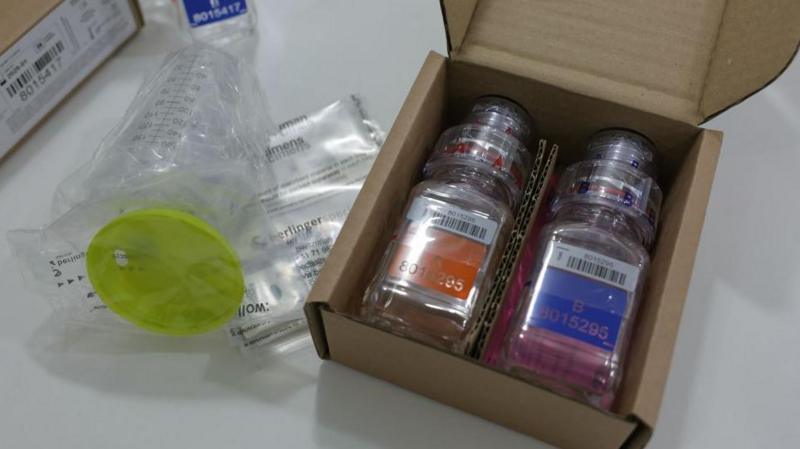
Anti-doping tests at the Tour de France have sometimes been done at night, between 11 pm and 6 am, which is unusual. The sport’s governing body says these tests are needed in rare cases to catch doping that is hard to detect during normal hours. Some riders and groups have mixed feelings about this practice because it disrupts sleep.Key Facts
- Night-time doping tests took place during the Tour de France, testing top riders like Tadej Pogacar and Jonas Vingegaard.
- Testing between 11 pm and 6 am is rare and requires special permission in France.
- The tests aim to catch "micro-dosing," where small amounts of drugs are used to avoid detection during normal test times.
- Vingegaard crashed after being tested at night, but it is unclear if the test affected his performance.
- The Union Cycliste Internationale (UCI) says night testing is a last resort and important to fight doping.
- Some cyclists’ groups say night tests could be risky and disturb rest.
- The International Testing Agency (ITA) usually performs about 600 tests per three-week race.
- On rest days, tests happen during the evening rather than at night.
Read the Full Article
This is a fact-based summary from The Actual News. Click below to read the complete story directly from the original source.