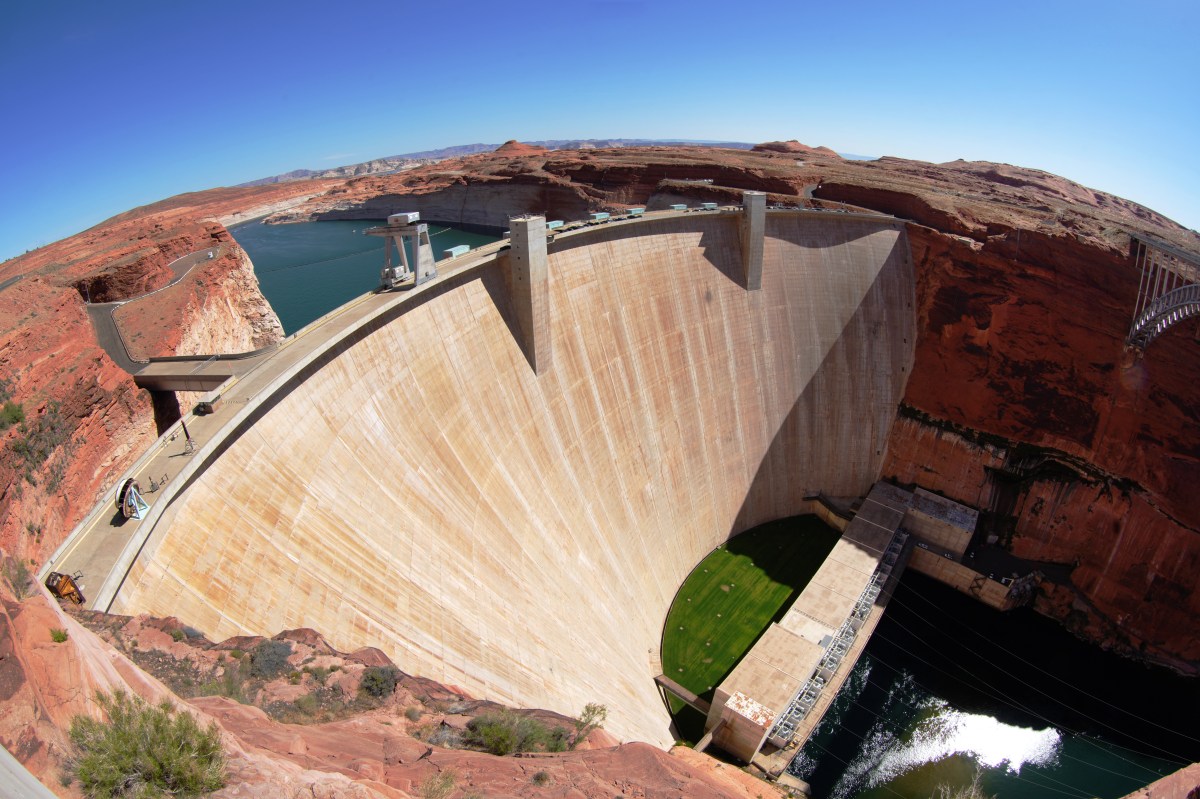
How Lake Powell Crisis Could Affect Energy Bills
Summary
Lake Powell’s water level is dropping toward a point where the Glen Canyon Dam may no longer generate hydropower. If this happens, electricity prices in parts of the Western U.S. could rise because other, more expensive sources of power would replace the lost hydropower.Key Facts
- Lake Powell’s water level is only 34 feet above the minimum level needed for power generation.
- The U.S. Bureau of Reclamation projects Lake Powell could reach that minimum level by March 2027, depending on future water management rules.
- Glen Canyon Dam produces hydropower for about seven states in the Western U.S., powering roughly 700,000 homes annually.
- As water levels drop, the dam becomes less efficient, reducing electricity production before it stops completely.
- If the dam stops producing hydropower, electricity utilities would likely buy power from other regions or burn more natural gas, which can be more expensive and less stable in price.
- Droughts have caused significant losses in hydropower in the Western U.S., costing the sector billions of dollars in recent decades.
- Hydropower loss due to drought is a recurring problem that affects energy costs over time, not just a one-time event.
- Other dams, like Lake Oroville in California, have faced similar shutdowns when water levels dropped too low.
Read the Full Article
This is a fact-based summary from The Actual News. Click below to read the complete story directly from the original source.