Trump's Saudi Nuclear Deal Fiasco May Finally Push Ally to China and Russia
Summary
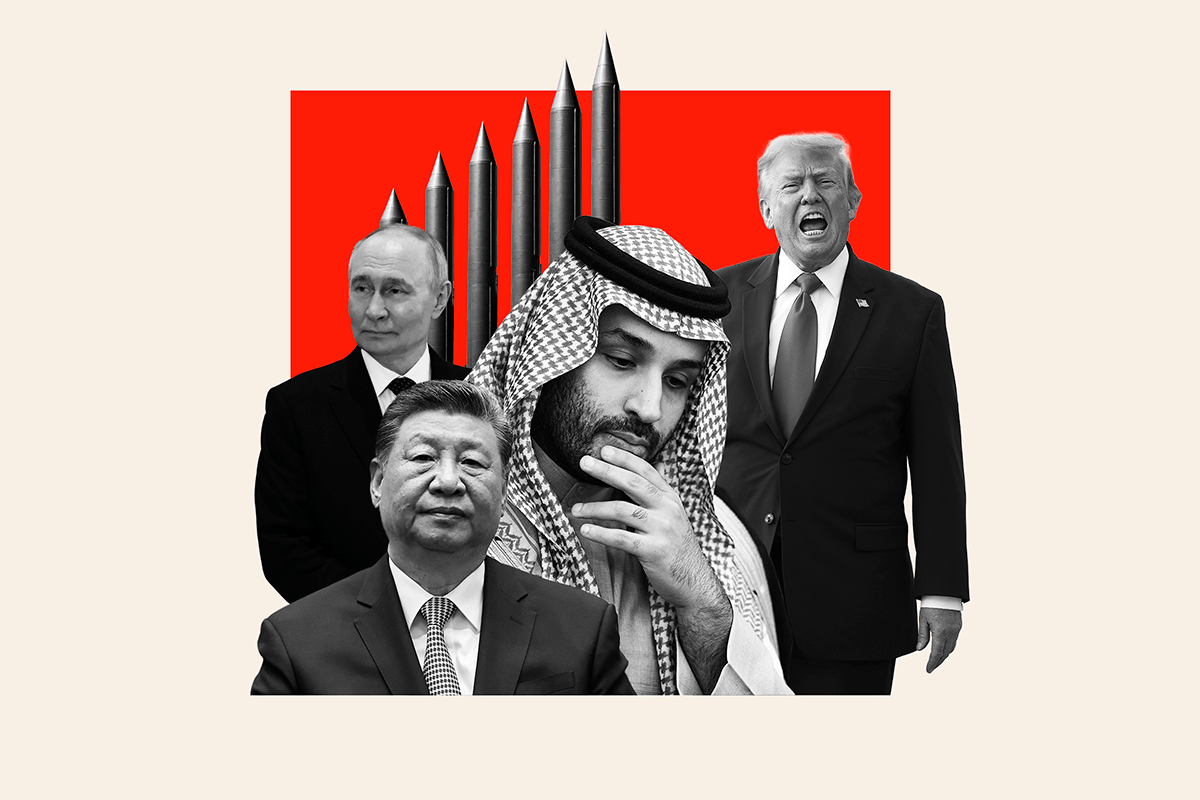
President Donald Trump added a condition to a U.S.-Saudi deal to develop Saudi Arabia’s civilian nuclear program, requiring Saudi Arabia to normalize relations with Israel first. Saudi Arabia has rejected this condition and may look to China or Russia for nuclear cooperation instead.Key Facts
- The U.S.-Saudi nuclear agreement was announced but then President Trump said it depended on Saudi Arabia joining the Abraham Accords, which means making peace with Israel.
- Saudi Arabia insists it will only normalize ties with Israel if a Palestinian state is recognized first, based on agreed Arab plans.
- Saudi Crown Prince Mohammed bin Salman and Israeli Prime Minister Benjamin Netanyahu have not moved on this issue, putting the deal in doubt.
- Saudi Arabia has experience working with China and Russia on nuclear technology, including uranium and reactors.
- Other countries and companies are willing to help Saudi Arabia build its first commercial nuclear reactor if the U.S. deal fails.
- Israel is the only Middle Eastern country believed to have nuclear weapons and does not join the Non-Proliferation Treaty.
- The U.S. has a history of involving itself in Middle Eastern nuclear issues, such as the 2003 Iraq invasion and actions against Iran’s nuclear program.
- The United Arab Emirates began operating a nuclear energy plant in 2020 with U.S. cooperation under a special agreement.
Read the Full Article
This is a fact-based summary from The Actual News. Click below to read the complete story directly from the original source.