Colorado River reservoirs hit record lows as government threatens major cuts
Summary
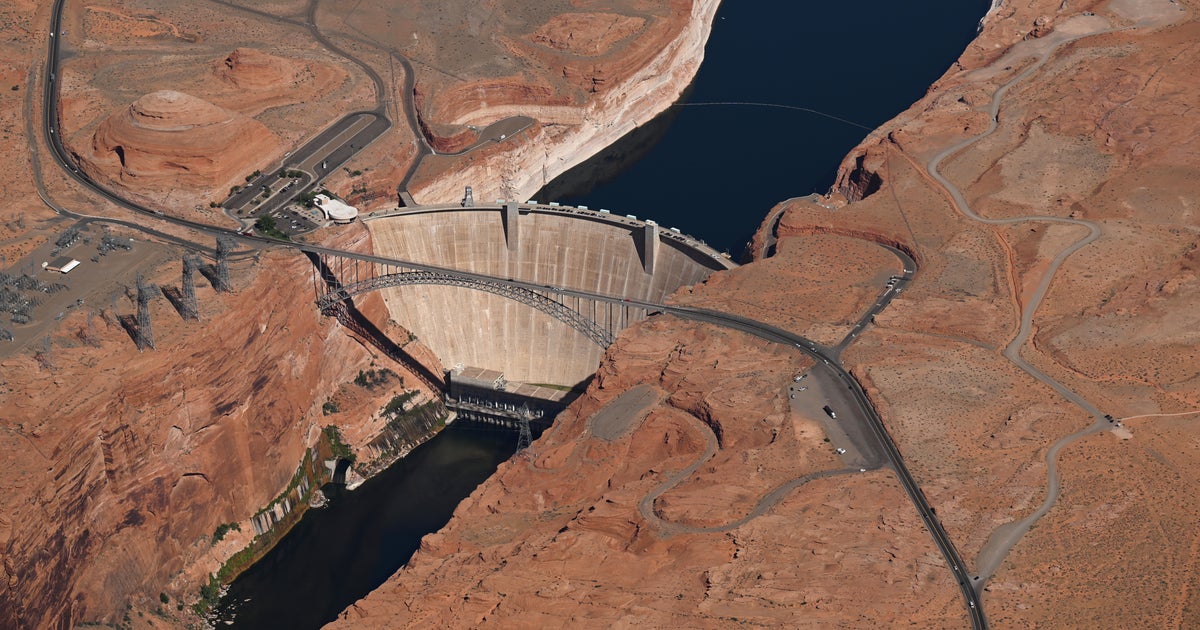
The two largest reservoirs in the U.S., Lake Mead and Lake Powell, which rely on the Colorado River, have reached their lowest water levels ever. Seven Western states are struggling to agree on how to share limited water, and the federal government, led by President Donald Trump’s administration, is considering large water use cuts.Key Facts
- Lake Mead and Lake Powell are at record low water levels.
- The Colorado River supplies water to seven Western states: Colorado, Wyoming, Utah, New Mexico (upper basin) and California, Arizona, Nevada (lower basin).
- Lower basin states have reduced water use by almost 20% since 2015, while upper basin states have increased their use.
- California, Arizona, and Nevada have proposed to cut water use by 1.6 million acre-feet per year for two years.
- Federal officials are thinking about cutting nearly double that amount of water use.
- The cuts would increase water costs, reduce outdoor water use, and affect farmers who use most of the water.
- Climate change is reducing snowfall in the Rocky Mountains, which means less water flows into the Colorado River.
- If Lake Powell’s water drops 33 feet more, it will stop generating hydroelectric power, affecting water flow downstream.
Read the Full Article
This is a fact-based summary from The Actual News. Click below to read the complete story directly from the original source.