Feds Unveil Plan for Lake Powell and Lake Mead Amid Record Low Levels
Summary
Federal officials released a new plan to manage water use at Lake Powell and Lake Mead through 2036. The plan aims to help the seven Colorado River Basin states work together while coping with long-term drought and low water levels.Key Facts
- The Bureau of Reclamation introduced a plan to operate the two largest U.S. reservoirs, Lake Powell and Lake Mead, until 2036.
- The plan allows flexible decisions and encourages agreement among Arizona, California, Colorado, Nevada, New Mexico, Utah, and Wyoming.
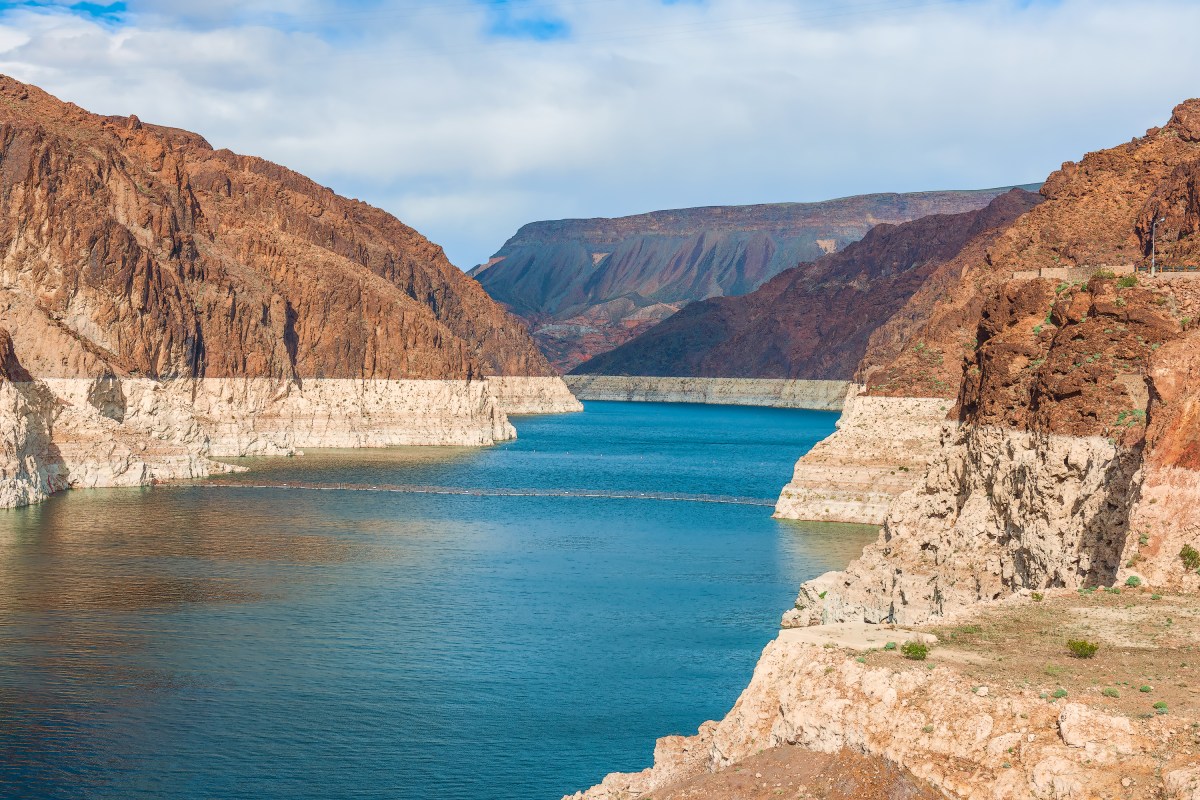
- These reservoirs are at their lowest levels since they began filling in the 1960s due to ongoing drought and climate changes.
- The Colorado River serves over 40 million people, supports farmland, tribal nations, and international water agreements with Mexico.
- Water demand has often been higher than supply since 2000, with less water flowing into the river than expected.
- The plan sets water release limits from Lake Powell between 5 million to 12 million acre-feet per year.
- The Lower Basin states (Arizona, California, Nevada) could face reductions up to 3 million acre-feet in water use if needed.
- Upper Basin states (Colorado, Utah, New Mexico, Wyoming) would not have mandatory cuts for now but can conserve water voluntarily.
Read the Full Article
This is a fact-based summary from The Actual News. Click below to read the complete story directly from the original source.