Why the US Bought Japan's Weak Currency —And Why It Won't Work in Long Run
Summary
The United States and Japan worked together to strengthen Japan’s weak currency, the yen, marking their first joint action of this kind in almost 30 years. While the move helped boost the yen temporarily, experts warn that Japan still faces long-term challenges due to differences in interest rates and rising costs from imports.Key Facts
- The U.S. and Japan intervened together to strengthen the yen for the first time since 1998.
- The dollar fell from about 163 yen in July to near 156 yen after the joint intervention.
- The yen weakened mainly because U.S. interest rates are higher than Japan’s, making the dollar more attractive.
- A weaker yen increases the cost of imports, pushing up inflation and living costs in Japan.
- Japan has seen a tourism boost because a weak yen makes it cheaper for visitors.
- Japan relies heavily on oil imports through the Strait of Hormuz, and energy prices remain a concern.
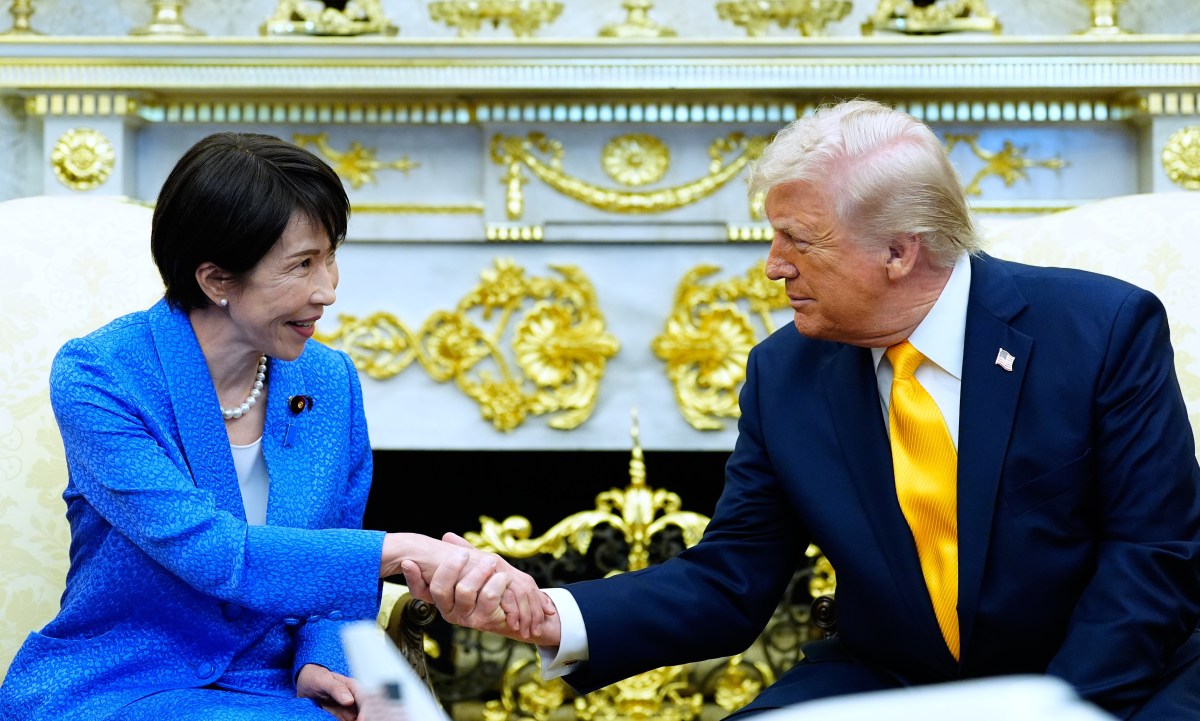
- President Trump described the intervention as a sign of friendship and support for Japan.
- Strengthening the yen helps Japan meet its investment commitments in the U.S., worth about $550 billion.
Read the Full Article
This is a fact-based summary from The Actual News. Click below to read the complete story directly from the original source.