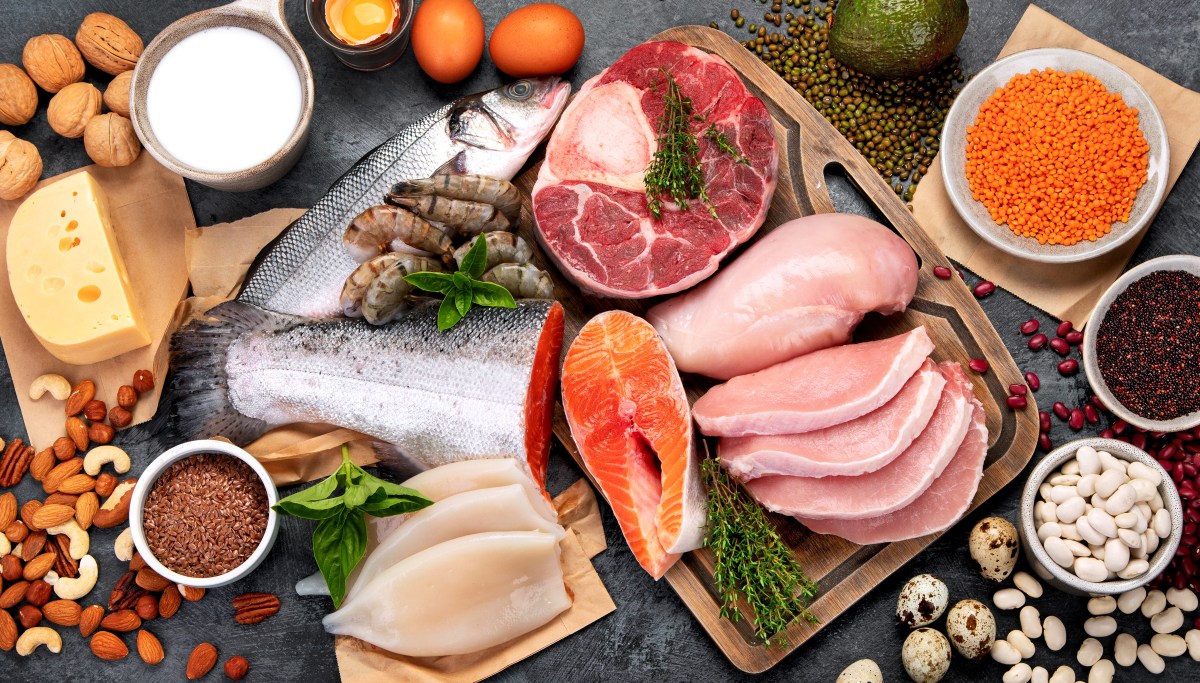
America's Protein Obsession May Reduce Life Span, New Research Shows
Summary
A new scientific review found that eating less protein may help some sedentary adults live longer and age more healthfully. The review looked at many studies in animals and humans and suggests that high protein diets might have negative effects for people who are not very active.Key Facts
- The review analyzed over 350 studies on protein restriction and aging in animals and humans.
- Reducing protein intake, especially certain amino acids, may improve metabolism and reduce cell damage.
- The U.S. now recommends more protein intake for adults than in the past—about 1.2 to 1.6 grams per kilogram of body weight daily.
- Protein helps muscle growth and repair, especially for athletes and older adults who need to prevent muscle loss.
- For sedentary people, eating more protein than needed might harm long-term health.
- Protein restriction might activate similar biological pathways as calorie restriction, which is linked to longer life in animals.
- Certain amino acids like methionine and branched-chain amino acids (isoleucine and valine) play important roles in these effects.
- Most evidence comes from animal studies, but some human trials support the idea that lower protein diets can have health benefits.
Read the Full Article
This is a fact-based summary from The Actual News. Click below to read the complete story directly from the original source.