Youth protests have weakened Modi, Indian activist who went on hunger strike tells BBC
Summary
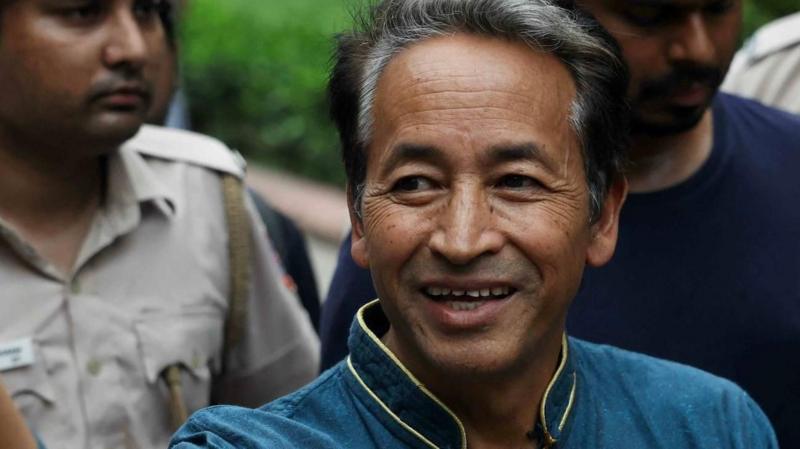
Youth-led protests in India have challenged Prime Minister Narendra Modi’s government, leading to significant political actions like the resignation of the education minister. Activist Sonam Wangchuk, who went on a 26-day hunger strike, said these protests gave young people confidence to demand change and highlighted problems in India’s education and job systems.Key Facts
- Youth protests, called the "cockroach" movement, criticized Modi’s government and were sparked by a court remark comparing unemployed youth to "cockroaches."
- Sonam Wangchuk fasted for 26 days in Delhi, drinking only salt and water, to support the protest cause.
- The protests followed a leak of exam papers, which caused major public outrage and the resignation of Education Minister Dharmendra Pradhan.
- Modi’s government created fast-track courts for exam leak cases and appointed a tech billionaire to help reform exams.
- Families of students who died after exam leaks will receive compensation.
- Graduate unemployment in India has remained around 35-40% for 25 years.
- Wangchuk argues that Indian exams focus too much on multiple-choice questions and do not prepare students for real jobs.
- Protesters still face legal and police pressure despite a Supreme Court order protecting some from coercive action.
Read the Full Article
This is a fact-based summary from The Actual News. Click below to read the complete story directly from the original source.