FCC overturns limit on local TV ownership in win for media conglomerates
Summary
The Federal Communications Commission (FCC) voted to remove a rule that limited how many local TV stations one company can own. This change allows large media companies to own stations reaching more than 39% of U.S. TV households. The decision benefits big broadcasters but raises concerns about its impact on local journalism and competition.Key Facts
- The FCC voted along party lines to overturn the 39% national ownership cap for local TV stations.
- The cap was created in 2003 to prevent one company from controlling too much of the TV market.
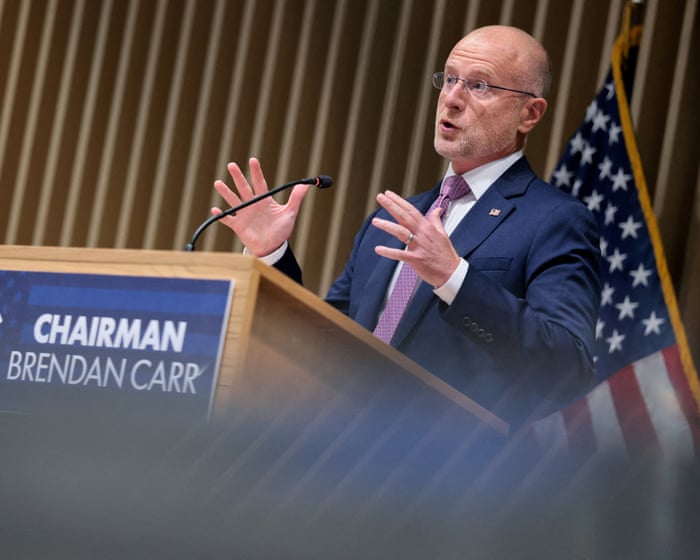
- The change was supported by FCC Chair Brendan Carr and a Trump-appointed commissioner.
- Critics say the FCC’s vote violates the law, as only Congress can change this ownership cap.
- The decision mostly benefits large TV companies like Sinclair Broadcast Group and Nexstar.
- Some media mergers, like Nexstar’s deal with Tegna, have been impacted by the ownership cap debates.
- Advocacy groups warn this could reduce local news quality and lead to job cuts for journalists.
- Protesters and press freedom groups have publicly criticized the FCC’s decision.
Read the Full Article
This is a fact-based summary from The Actual News. Click below to read the complete story directly from the original source.
