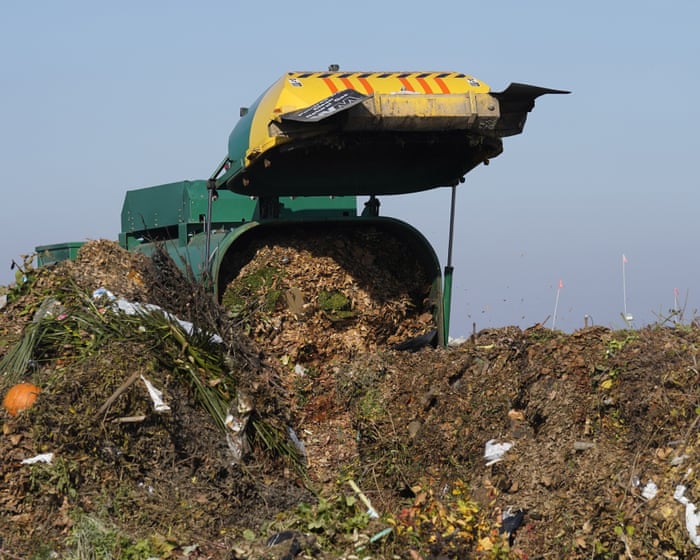
Plastics contamination an ‘overlooked’ concern in food waste schemes, experts say
Summary
Researchers say plastic contamination needs more attention in food waste management because plastic bits can end up in soil even when food waste is recycled. A study showed that moving food waste away from landfills can greatly cut climate damage but might increase microplastic pollution in farms.Key Facts
- About one-third of food produced globally is thrown away every year.
- In the US, 40% of food waste goes to landfills, causing 30 million tons of CO2 emissions yearly.
- Recycling or composting food waste instead of landfilling can reduce climate effects by 89% to 99%.
- Microplastics from food packaging can still get into soil through compost, potentially 20,000 tons per year in the US.
- Plastic separation during food waste recycling can be up to 99% efficient but does not fully stop microplastic pollution.
- The state of Vermont has a law requiring all food scraps to be separated from trash since 2020.
- Experts say policies to reduce food waste need to consider plastic contamination from the start.
- Plastic packaging helps keep food fresh and reduce waste but causes a tradeoff with environmental impact.
Read the Full Article
This is a fact-based summary from The Actual News. Click below to read the complete story directly from the original source.