Policy experts: Europe stuck between "rock and a hard place" on launch
Summary
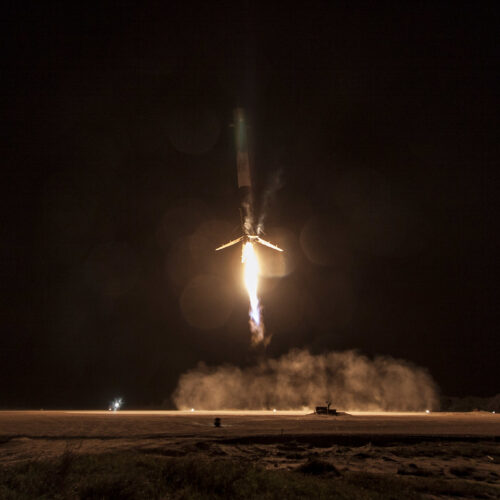
SpaceX has greatly increased its share of global rocket launches with its reusable Falcon 9 rocket, launching more payloads than any other country. This has lowered launch costs in the U.S., while Europe and other nations face higher expenses for sending satellites into orbit.Key Facts
- SpaceX handles more than 75% of all mass launched into orbit, using its Falcon 9 rocket.
- The U.S. has more than doubled Russia’s total payloads sent to orbit since 1990.
- In 2024, the U.S. captured over 82% of the global yearly payload share.
- Average cost per kilogram to orbit in 2025 is around $3,225 in the U.S.
- Europe’s launch cost per kilogram is about three times higher than the U.S., at nearly $9,900.
- Other countries’ costs per kilogram: Japan $5,287, China $5,809, Russia $6,682, India nearly $15,000.
- Lower costs result from bigger rockets, more frequent launches, and reusing rocket parts.
- European policymakers face challenges as relying only on domestic rockets could increase costs and slow space efforts.
Read the Full Article
This is a fact-based summary from The Actual News. Click below to read the complete story directly from the original source.