Hormuz chaos highlights risks for other global trade chokepoints
Summary
The Iran war has slowed traffic through the Strait of Hormuz, a key route for global oil shipments, causing oil prices to rise and increasing gasoline costs in the U.S. A new report from Oxford Economics warns that 26 other major global trade chokepoints also pose risks to the economy if disrupted. These chokepoints are vulnerable due to geopolitical tensions and climate change, affecting global shipping and trade costs.Key Facts
- The Strait of Hormuz handles about 20% of the world’s oil supply and has been disrupted by conflict between the U.S. and Iran.
- Higher oil prices caused by these disruptions have pushed U.S. gasoline prices above $4 per gallon.
- Oxford Economics identified 26 other key global chokepoints critical for trade, many concentrated in Asia and the Mediterranean.
- Important chokepoints include the Strait of Malacca, Taiwan Strait, Strait of Gibraltar, and Suez Canal.
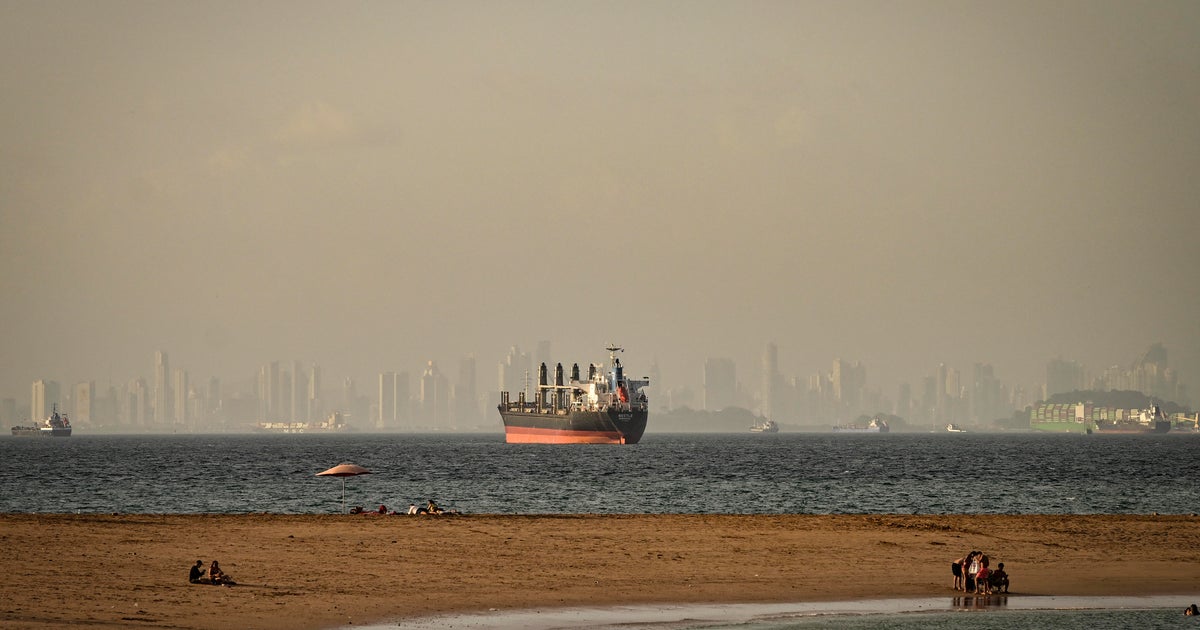
- The Panama Canal is vital for the Americas; about 40% of U.S. container traffic passes through it annually.
- Geopolitical conflicts often use these chokepoints as leverage to control trade routes.
- Climate change is causing natural disasters that disrupt chokepoints, such as droughts impacting the Panama Canal’s water levels.
- Some chokepoints have no alternate routes, making disruptions especially harmful and costly to global trade.
Read the Full Article
This is a fact-based summary from The Actual News. Click below to read the complete story directly from the original source.