Theban tomb reveals how Egyptian burial trends evolved in time
Summary
Researchers studied a tomb in Egypt’s Theban necropolis to learn how burial practices changed over time. They found that ancient Egyptians shifted from burying people individually in coffins to reusing tomb spaces, placing new bodies alongside older ones in a careful and respectful way.Key Facts
- The tomb studied is called Tomb 209, located in the Theban necropolis, an area with over 400 ancient tombs.
- Tomb 209 dates back to the early 25th Dynasty (754–656 BCE) and was used until the Ptolemaic period (305–30 BCE).
- The original owner of the tomb was probably a high official named Nisemro, of Nubian origin.
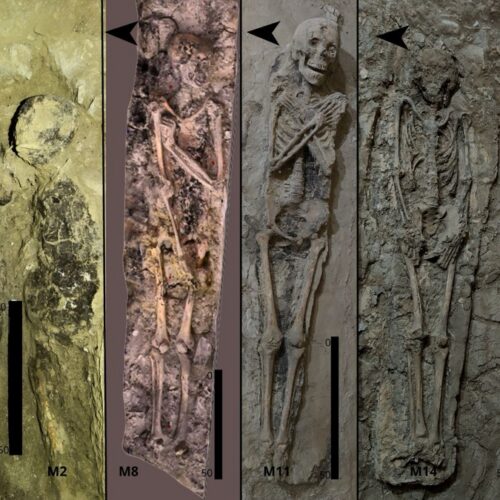
- Researchers found 16 mummified people, one mummified dog, and remains of at least four more individuals in one chamber.
- The tomb was subject to flash flooding, making the site archaeologically complex.
- Early burials were individual and separated by gender; later burials reused tomb space, increasing body density.
- The study used a detailed approach combining body positions, coffin use, and bone analysis to understand burial timelines.
- Around 80% of Theban tombs show evidence of reuse, with remains from different time periods placed together.
Read the Full Article
This is a fact-based summary from The Actual News. Click below to read the complete story directly from the original source.