‘Nature thrives when given a chance’: restored Cheshire wetland now a haven for rare grebe
Summary
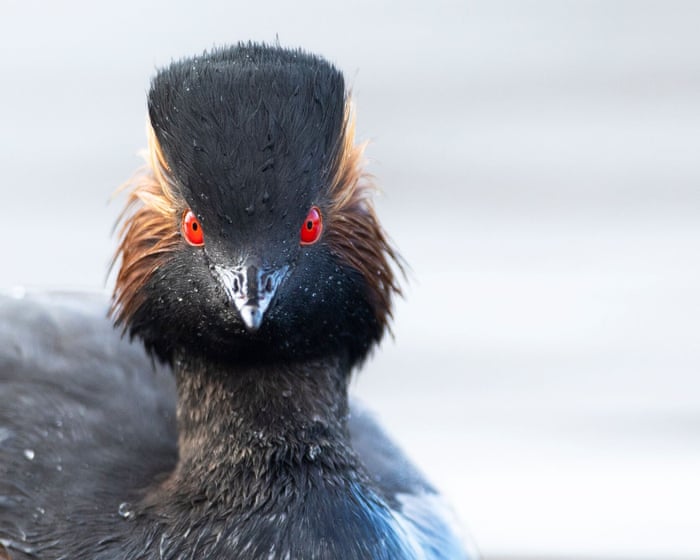
A wetland in Cheshire, called Woolston Eyes, has been restored from a dumping ground into a thriving habitat for the rare black-necked grebe bird. The restored area now hosts 64% of Britain’s breeding population of this species, showing fast growth thanks to conservation efforts.Key Facts
- Woolston Eyes was previously a dumping site for dredgings from the Manchester Ship Canal.
- Since 2021, it has been restored with pools, reedbeds, willow scrub, and grassland by the RSPB and Woolston Eyes Conservation Group.
- The restoration included creating nesting islands to protect black-necked grebes by nesting near black-headed gulls.
- In 2023, four pairs of black-necked grebes successfully raised 15 chicks there.
- By 2025, 35 pairs were recorded, with 29 nesting on the restored wetlands, making up 64% of the UK’s breeding pairs.
- The site is also home to other rare birds like willow tit, pochard, and grasshopper warbler.
- Woolston Eyes depends on rainfall but can manage water levels by moving water between areas.
- Conservationists stress the importance of restoring wetlands across the UK to help more species recover.
Read the Full Article
This is a fact-based summary from The Actual News. Click below to read the complete story directly from the original source.